Dermatoscope and Magnifiers
 Diagnostic Kits
 Vital Signs Monitors
 Stethoscopes and Accessories
 Otoscopes, Ophthalmoscopes, and Retinoscopes
 Reflex Hammers and Neurological Tools
 Scales and Measuring Devices
 Spirometers and Pulmonary Function Tests
 Electrosurgical Units and Accessories
 Cutting Instruments
 Grasping and Holding Instruments
 Hemostatic Instruments
 Specialized Surgical Sets
 Single-Use Procedure Trays and Packs
 Surgical Drapes, Gowns, and Covers
 Tissue Unifying Instruments
 Radiation Protection
 X-Ray Machines and Accessories
 Ultrasound Systems and Probes
 MRI and CT Scanners
 Radiology Consumables
 Bone Densitometers
 Fluoroscopy Equipment
 Imaging Tables and Positioning Aids
 Microscopes and Accessories
 Centrifuges and Separators
 Analyzers
 Incubators and Ovens
 Pipettes, Dispensers, and Lab Glassware
 Refrigerators, Freezers, and Storage Units
 Lab Consumables
 Sterilizers and Autoclaves for Lab Use
 Multi-Parameter Monitors
 Ventilators and Respiratory Support Devices
 Defibrillators and AEDs
 Infusion Pumps and IV Systems
 Patient Warmers and Cooling Devices
 Central Monitoring Stations
 Accessories
 Anesthesia Machines and Workstations
 Oxygen Concentrators and Delivery Systems
 Nebulizers and Inhalers
 CPAP/BiPAP Machines
 Airway Management
 Anesthesia Masks, Circuits, and Bags
 Humidifiers and Heaters
 Respiratory Therapy Accessories
 First Aid Kits and Cabinets
 Emergency Resuscitation Equipment
 Trauma Supplies
 Emergency Carts and Crash Carts
 Burn Care Products
 Bleeding Control
 Automated External Defibrillators (AEDs)
 Transport and Evacuation
 Wheelchairs and Accessories
 Walkers, Crutches, and Canes
 Prosthetics and Orthotics
 Physical Therapy Equipment
 Transfer Devices
 Bathroom Safety
 Orthopedic Traction and Tables
 Hot/Cold Therapy Packs and Units
 Beds and Mattresses
 Chairs and Stools
 Tables
 Cabinets and Storage
 Privacy Screens & Curtains
 Stands and Racks
 Linens and Textiles
 Lighting
 Autoclaves and Sterilizers
 Ultrasonic Cleaners
 Disinfectant Solutions and Wipes
 Sterilization Pouches, Wraps, and Indicators
 Instrument Trays and Containers
 UV and Ozone Disinfection Devices
 Washer Disinfectors
 Wound Care
 Gloves
 Masks and Respirators
 Catheters and Tubing
 Swabs, Applicators, and Sponges
 Incontinence Products
 Personal Protective Equipment (PPE)
 Dental Chairs and Units
 Handpieces and Burs
 Instruments
 Consumables
 Sterilization for Dental Use
 Orthodontic Supplies
 Endodontic Tools
 Slit Lamps and Tonometers
 Lensometers and Phoropters
 Ophthalmic Surgical Instruments
 Eyewear Frames and Lenses
 Contact Lens Supplies
 Vision Testing Charts and Devices
 Eye Care Consumables
 Laser Systems for Eye Care
 ENT Exam Chairs and Tables
 Endoscopes
 Audiometers and Hearing Tests
 ENT Instruments
 Nasal and Throat Packs
 Hearing Aids and Accessories
 Otology Supplies
 Fetal Dopplers and Monitors
 Delivery Beds and Tables
 Gynecological Instruments
 Neonatal Incubators and Warmers
 Breast Pumps and Accessories
 Contraceptive Devices
 Maternity Supports and Pads
 Neonatal Consumables
 Cystoscopes and Urethroscopes
 Dialysis Machines and Supplies
 Urological Catheters and Bags
 Lithotripters
 Prostate Treatment Devices
 Urinary Incontinence Products
 Kidney Stone Management Tools
 Consumables & Disposables
 EEG and EMG Machines
 Neurosurgical Instruments
 Nerve Stimulators
 Headrests and Positioning Aids
 Lumbar Puncture Kits
 Seizure Monitoring Devices
 Consumables
 Rehabilitation for Neurological Conditions
 ECG Machines and Accessories
 Holter Monitors
 Stress Test Systems
 Pacemakers and Defibrillator Accessories
 Vascular Access Devices
 Cardiac Catheters and Guidewires
 Blood Flow Meters
 Consumables
 Orthopedic Instruments
 Casts, Splints, and Padding
 Joint Replacement Supplies
 Prosthetic Limbs and Components
 Bone Grafts and Substitutes
 Traction Devices
 Orthopedic Braces and Supports
 Rehabilitation Aids for Orthopedics
 Home Oxygen Therapy
 Hospital Beds for Home Use
 Mobility Aids
 Bathroom and Daily Living Aids
 Wound Care for Home
 Monitoring Devices
 Enteral Feeding Pumps and Tubes
 Hand Sanitizers and Dispensers
 Face Shields and Goggles
 Isolation Gowns and Suits
 Biohazard Waste Containers
 Air Purifiers and HEPA Filters
 Surface Disinfectants
 Sharps Containers
 Protective Barriers
 Cardiovascular & Endurance Training
 Strength Training & Weightlifting
 Functional Training & Core Conditioning
 Physical Therapy & Rehabilitation
 Sports & Outdoor Recreation
 Gym Flooring & Facility Equipment
 Fitness Monitoring & Accessories
 Kids & Novelties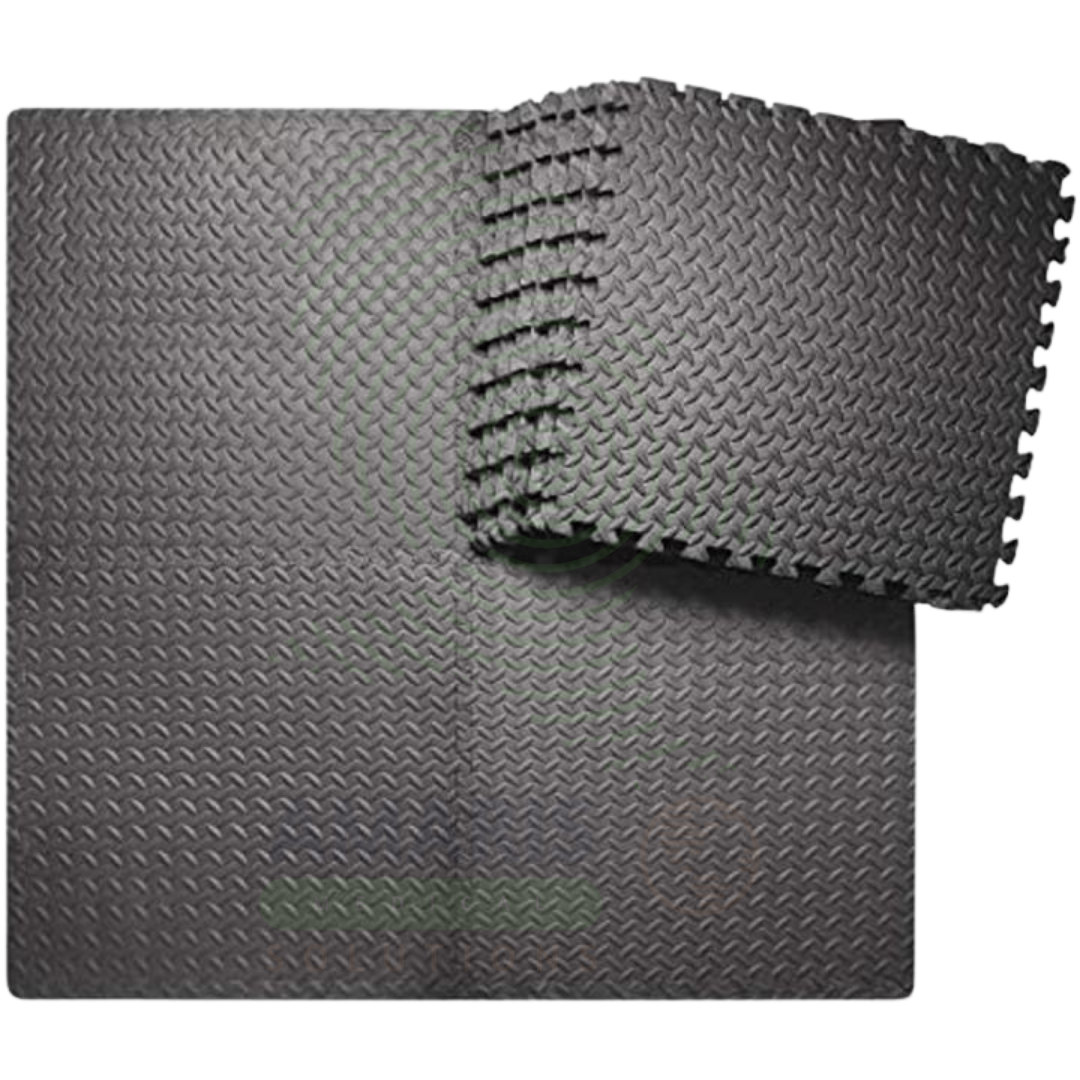
Black Floor Mats for Gym
$1.00
WhatsApp Order
Black Floor Mats for Gym are durable rubber or foam mats designed to protect flooring, provide shock absorption, and create non-slip surfaces for exercise and rehabilitation activities in physical therapy clinics, rehabilitation facilities, and fitness settings. The cushioned, textured surface provides essential fall prevention support for patients with balance impairment, Parkinson’s disease, stroke, or age-related instability—allowing confident participation in balance and mobility training. The shock-absorbing properties reduce impact forces transmitted to the lower extremities during high-impact rehabilitation activities, protecting arthritic joints, post-surgical sites, and healing structures. For physical therapy clinics and rehabilitation facilities, these mats protect expensive flooring investments from damage caused by weight plates, dumbbells, and other equipment while providing a comfortable, cushioned surface for floor-based exercises such as core stabilization, stretching, and mat work. Available in various thicknesses (6mm to 25mm) and formats (tiles, rolls, interlocking), with non-slip textured surfaces and durable construction resistant to heavy use, these mats are essential facility equipment for safe, comfortable exercise environments across physical therapy, sports medicine, and fitness settings.
Description
Black Floor Mats for Gym
PRIMARY CLINICAL & DIAGNOSTIC USES
1. Floor Protection for Exercise and Rehabilitation Equipment
-
Primary Use: Provides durable, shock-absorbing rubber or foam mats that protect flooring from damage caused by dropped weights, exercise equipment, and repetitive impact during rehabilitation exercises.
-
How it helps: For the physical therapy clinic manager and rehabilitation facility operator, black floor mats protect expensive flooring investments from damage caused by weight plates, dumbbells, and other equipment—reducing maintenance costs and extending floor life. For the patient, the cushioned surface provides a safer, more forgiving landing area during balance exercises and weight training, reducing injury risk from falls or dropped weights.
2. Shock Absorption for Joint Protection
-
Primary Use: The cushioned surface absorbs impact during weight-bearing exercises, jumping, and plyometric training, reducing stress on joints and protecting patients with arthritis or joint pathology.
-
How it helps: For the physical therapist and sports medicine clinician, the shock-absorbing properties of gym mats reduce impact forces transmitted to the lower extremities during high-impact rehabilitation activities—protecting arthritic joints, post-surgical sites, and healing structures. For the patient with osteoarthritis, joint replacement, or recovering from lower extremity injury, the cushioned floor surface enables safe participation in weight-bearing exercises that would otherwise be too painful on hard surfaces.
3. Non-Slip Surface for Fall Prevention
-
Primary Use: The textured, non-slip surface provides secure footing during standing exercises, balance training, and gait activities, reducing slip and fall risk.
-
How it helps: For the geriatric specialist and neurological physical therapist, the non-slip surface of gym mats provides essential fall prevention support for patients with balance impairment, Parkinson’s disease, stroke, or age-related instability. For the patient at high fall risk, the secure footing provided by quality floor mats allows confident participation in balance and mobility training without fear of slipping.
4. Cushioning for Floor-Based Exercises
-
Primary Use: Provides comfortable cushioning for supine, prone, and kneeling exercises, protecting bony prominences and reducing pressure on joints and soft tissues.
-
How it helps: For the physical therapist and occupational therapist, cushioned floor mats enable patients to perform floor-based exercises—such as core stabilization, stretching, and mat work—without discomfort from hard floors. For the patient with fragile skin, pressure points, or joint pain, the cushioned surface allows comfortable participation in essential rehabilitation activities.
SECONDARY & SUPPORTIVE USES
1. Weight Room Flooring: Used under weight racks, dumbbell stations, and weightlifting areas to protect floors from dropped weights.
2. Physical Therapy Clinic Flooring: Used in rehabilitation clinics for exercise, gait training, and balance activities.
3. Cardio Equipment Flooring: Placed under treadmills, ellipticals, and stationary bikes to reduce vibration and protect floors.
4. Plyometric and Jump Training Areas: Used for high-impact training areas to reduce joint stress and protect floors.
5. Balance and Proprioception Training: Provides cushioned, non-slip surface for balance exercises and fall prevention programs.
6. Yoga and Pilates Studios: Used for mat-based exercise programs requiring cushioned, non-slip surfaces.
7. Home Gym Flooring: Used in home exercise spaces to protect floors and provide comfortable workout surface.
8. Aerobic and Dance Exercise Areas: Used for high-impact aerobic activities requiring shock absorption and non-slip surface.
9. Children’s Therapy and Play Areas: Used in pediatric physical therapy and sensory integration spaces.
10. Equipment Vibration Dampening: Reduces vibration transfer from exercise equipment to building structure.
11. Noise Reduction: Reduces noise from dropped weights and exercise equipment in clinical and fitness settings.
12. Wheelchair and Mobility Aid Surfaces: Provides smooth, non-slip surface for wheelchair users and mobility aid training.
KEY PRODUCT FEATURES
1. BASIC IDENTIFICATION ATTRIBUTES
-
Device Type: Durable rubber or foam mats designed to protect flooring, provide shock absorption, and create non-slip surfaces for exercise and rehabilitation activities.
-
Designation: Black Floor Mats for Gym, Gym Floor Mats, Rubber Floor Mats, Exercise Mats, Equipment Mats, Weight Room Mats, Fitness Mats, EVA Foam Mats, Interlocking Floor Mats, Stall Mats.
-
Key Components:
o Mat Body: Rubber, EVA foam, or PVC construction.
o Surface: Textured, non-slip pattern.
o Edges: Straight or interlocking edges.
o Thickness: Various thicknesses for different impact levels.
o Size: Various sizes from tiles to large rolls.
2. TECHNICAL & PERFORMANCE PROPERTIES
-
Materials: Recycled rubber (durable, economical), EVA foam (lightweight, cushioning), PVC (durable, easy-clean), vinyl (smooth, easy-clean), nitrile rubber (oil-resistant).
-
Thickness: 6mm to 25mm (1/4 inch to 1 inch); thicker for weight rooms, thinner for general exercise.
-
Density: High-density for weight rooms; medium-density for general exercise.
-
Surface: Textured, non-slip pattern (diamond plate, coin top, or raised dots).
-
Edges: Straight (for roll-out mats) or interlocking (for tiles).
-
Size: Tiles (24"x24", 36"x36"), rolls (4'x6', 4'x8', 6'x8'), large rolls (4'x10', 6'x10').
-
Weight Capacity: Designed for heavy equipment and dropped weights.
-
Durability: High durability; resistant to wear, tear, and heavy use.
-
Noise Reduction: Reduces noise from dropped weights and equipment.
3. PHYSICAL & OPERATIONAL PROPERTIES
-
Construction: Solid rubber or foam; some with multi-layer construction.
-
Surface: Textured non-slip for secure footing.
-
Installation: Lay flat; some require adhesive or double-sided tape.
-
Cleaning: Sweep or vacuum; damp mop with mild detergent.
-
Maintenance: Low maintenance; resistant to moisture and chemicals.
-
Odor: Rubber mats may have initial odor; dissipates over time.
4. SAFETY & COMPLIANCE ATTRIBUTES
-
Regulatory Status: Not a medical device; considered fitness facility equipment.
-
Slip Resistance: Textured surface meets slip resistance standards.
-
Non-Toxic: Materials are non-toxic for safe handling.
-
Flammability: Rubber and foam may be combustible; check fire ratings.
-
Low VOC: Available in low VOC options.
5. STORAGE & HANDLING ATTRIBUTES
-
Storage: Store flat or rolled in a clean, dry location; avoid stacking heavy items on mats.
-
Cleaning: Sweep or vacuum regularly; damp mop with mild detergent; avoid harsh chemicals.
-
Inspection: Inspect for tears, curling edges, or surface wear; replace if compromised.
-
Installation: Allow mats to acclimate to room temperature before installation; flatten curled edges.
-
Ventilation: Allow rubber mats to air out in a well-ventilated area before installation to reduce initial odor.
6. LABORATORY & CLINICAL APPLICATIONS
-
Primary Application: Floor protection, shock absorption, fall prevention, and cushioned exercise surfaces in physical therapy clinics, rehabilitation facilities, and fitness settings.
-
Clinical Role: Essential facility equipment in physical therapy clinics, rehabilitation centers, sports medicine facilities, fitness centers, and home gyms for safe, comfortable exercise surfaces.
SAFETY HANDLING PRECAUTIONS
1. SAFETY PRECAUTIONS
-
Surface Check: Ensure mats are placed on level, stable subfloor.
-
Edge Safety: Secure edges to prevent tripping; use transition strips if needed.
-
Slip Prevention: Keep mats clean and dry; wipe up spills immediately.
-
Weight Capacity: Ensure mat thickness and density are appropriate for equipment weight.
-
Installation: Follow manufacturer installation guidelines; ensure seams are flush.
-
Ventilation: Provide adequate ventilation during installation of rubber mats to dissipate initial odor.
-
Cleaning: Use appropriate cleaning products; avoid harsh chemicals that may degrade rubber.
-
Inspection: Inspect regularly for wear, curling, or damage that could create tripping hazards.
2. FIRST AID MEASURES
-
Slip or Fall: If patient slips or falls on mat, assess for injury; provide appropriate first aid; document incident; inspect mat for moisture or wear.
-
Tripping Hazard: If mat edge curls or creates tripping hazard, secure or replace mat immediately.
-
Skin Irritation: If skin irritation occurs from mat material, discontinue use; clean area; consider alternative mat material.
3. FIRE FIGHTING MEASURES
-
Flammability: Rubber and foam materials are combustible; may burn if exposed to flame or high heat.
-
Extinguishing Media: Use water, foam, dry chemical, or carbon dioxide for fire involving mat materials.
-
Fire Response: Burning rubber produces thick black smoke; use appropriate respiratory protection.
Related products
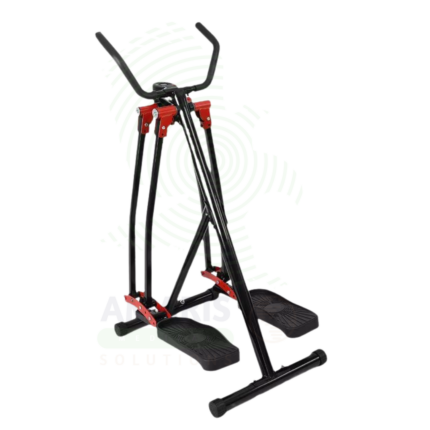
Air Walker & Stepper
An Air Walker & Stepper is a compact exercise machine with independent foot platforms that simulate walking or stepping motion using air resistance or hydraulic resistance for low-impact cardiovascular conditioning and lower extremity strengthening. The independent foot platforms require coordinated weight shifting and balance control, challenging proprioceptive systems while providing a smooth, controlled stepping motion that minimizes stress on the knees, hips, and ankles. For the physical therapist and exercise physiologist, the air walker and stepper enables safe cardiovascular conditioning for patients with osteoarthritis, joint replacement recovery, or lower extremity injuries who cannot tolerate high-impact activities like walking or jogging. Progressive resistance training strengthens quadriceps, hamstrings, gluteals, and calf muscles while improving dynamic balance and coordination. Available with fixed handlebars for stability or moving arms for upper body engagement, the device accommodates patients across functional levels—from frail elderly with balance impairment to athletes recovering from injury. For the patient with arthritis, post-surgical restrictions, or neurological conditions affecting gait, regular use improves cardiovascular fitness, lower extremity strength, balance confidence, and functional mobility.
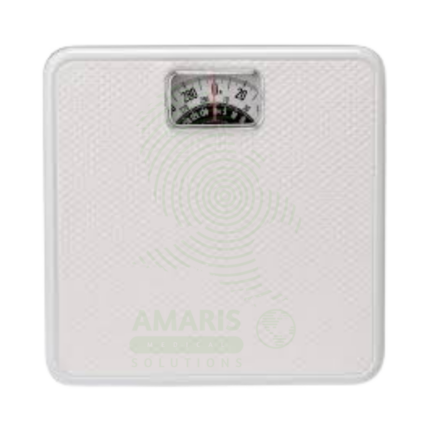
Analogue Bathroom Weighing Scale
An Analogue Bathroom Weighing Scale is a mechanical Class I medical device (for health monitoring) using a precision spring and lever system to measure body weight without batteries or electronics. Features include enameled steel, stainless steel, or ABS plastic platform (25-30 cm square), large circular dial (10-15 cm diameter) with clear numerals and pointer, zero adjustment knob for calibration before each use, weight capacity 120-180 kg (265-400 lbs) standard (heavy-duty models to 250 kg/550 lbs), and graduation 0.5 kg or 1 lb increments with accuracy ±0.5-1 kg. Primary clinical applications include home weight monitoring for patients who prefer non-electronic devices, chronic disease management in resource-limited settings (heart failure, CKD), geriatric and low-vision patient weighing (large, clear dial), bariatric patient monitoring (higher weight capacities), pediatric growth monitoring in home settings, pregnancy weight tracking, and post-hospitalization transition monitoring. Critical safety considerations include verifying zero adjustment before each use, placement on hard level surface (not carpet), staying within weight capacity, reading at eye level to avoid parallax error, and recognizing that spring fatigue over years may affect accuracy. Essential non-electronic alternative for patients needing simple, reliable, battery-free weight monitoring.
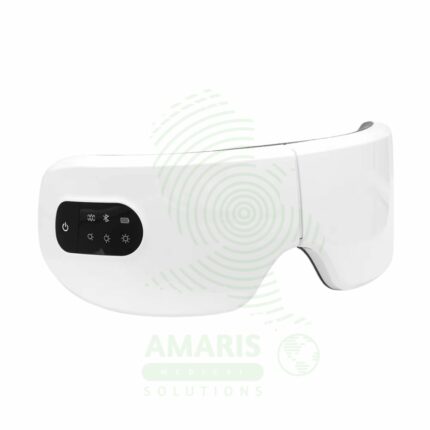
Electric Ophthalmic Massager
An Electric Ophthalmic Massager is a therapeutic device that provides pneumatic compression, vibration, and heat therapy to the periorbital region for relief of digital eye strain, tension headaches, and visual fatigue. The ergonomic design targets acupressure points around the eyes while multiple massage modes and adjustable intensity levels allow for customized treatment. Used as a non-pharmacological adjunct for managing eye strain from prolonged screen use, the device also promotes relaxation and may support circulation. Patients with glaucoma, retinal detachment, recent eye surgery, or other eye conditions should consult an ophthalmologist before use. Proper duration and intensity settings are essential for safe and effective use.
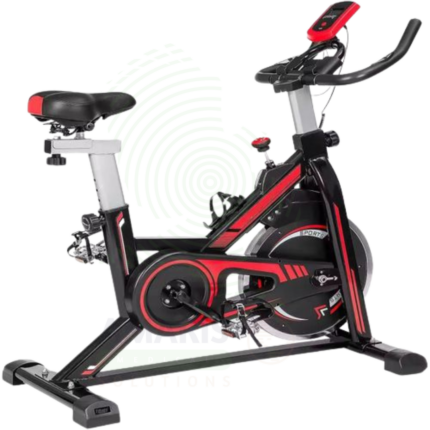
Exercise Bicycle
An Exercise Bicycle is a stationary bike with adjustable resistance and seat positioning used for cardiovascular conditioning, lower extremity strengthening, and rehabilitation in clinical and fitness settings. Available in upright, recumbent, and semi-recumbent configurations, the exercise bicycle provides low-impact aerobic exercise that improves cardiovascular fitness, strengthens quadriceps and hamstring muscles, and supports gait retraining without excessive joint loading. For the cardiac rehabilitation specialist, the exercise bicycle provides safe, monitored aerobic exercise following myocardial infarction or bypass surgery. For the physical therapist, the stationary bike enables closed-chain strengthening and range of motion recovery following total knee replacement, ACL reconstruction, or hip surgery. For the patient with osteoarthritis, stroke, Parkinson's disease, or peripheral arterial disease, regular cycling improves mobility, reduces pain, and enhances functional independence. Featuring adjustable resistance levels, heart rate monitoring, and ergonomic seating with back support on recumbent models, the exercise bicycle accommodates patients across the lifespan and functional spectrum—from frail elderly to athletic populations.
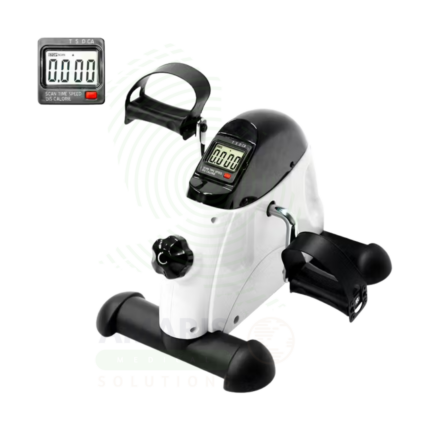
Mini Bike
A Mini Bike is a compact, portable pedal exerciser designed for seated lower extremity cycling and tabletop upper extremity cycling for passive, active-assisted, or active exercise in rehabilitation and home settings. Unlike traditional stationary bikes that require standing or transferring to a specialized seat, the mini bike places the pedal unit on the floor in front of the user for leg exercise, or on a tabletop for arm exercise, allowing patients with severe deconditioning, lower extremity weakness, neurological impairment, or upper limb pathology to initiate therapeutic movement safely from their own chair or bed. Adjustable magnetic or friction resistance allows for progressive strengthening, while forward and backward pedaling engages different muscle groups. For the physical therapist and occupational therapist, the mini bike provides an accessible entry point to rehabilitation for patients who cannot yet tolerate upright exercise—including those recovering from stroke, spinal cord injury, joint replacement, cardiac surgery, or critical illness. For the patient with limited mobility, regular mini bike use maintains joint range of motion, activates the calf muscle pump to reduce edema, prevents deconditioning, restores upper extremity function, and supports functional recovery—all while remaining safely seated.
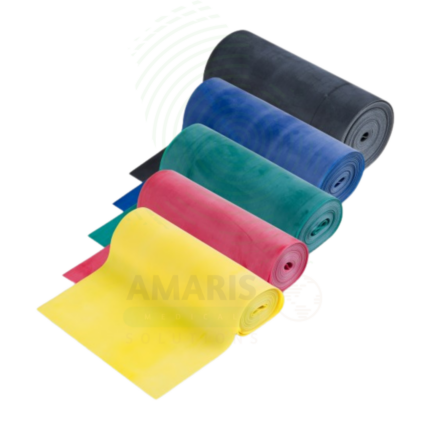
Theraban Resistance Bands
Theraban Resistance Bands are flat, elastic latex bands available in progressive color-coded resistance levels for therapeutic strengthening, stretching, and rehabilitation exercises. The color-coded system—from tan (extra light) through yellow, red, green, blue, and black (extra heavy)—provides a standardized, progressive resistance scale that allows clinicians to prescribe precise strengthening programs and patients to advance as strength improves. Used for upper extremity rehabilitation following rotator cuff repair and shoulder impingement, lower extremity strengthening after ACL reconstruction and joint replacement, core stabilization for chronic low back pain, and balance training for fall prevention, these portable, affordable bands enable patients to perform prescribed exercises at home, supporting adherence to rehabilitation protocols. For the physical therapist and rehabilitation specialist, Theraban bands provide a versatile, cost-effective tool for restoring strength, flexibility, and function across diverse patient populations. For the patient recovering from orthopedic surgery, sports injury, or neurological condition, resistance bands offer a safe, low-impact strengthening method that builds functional strength, improves mobility, and supports return to independent living.
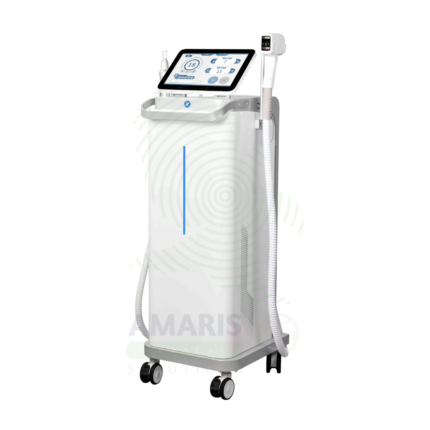
Vertical Diode Laser Hair Removal Machine
A Vertical Diode Laser Hair Removal Machine is a stationary, professional-grade laser system using diode technology (800-810 nm) for permanent hair reduction on the face and body. Effective for a wide range of skin types (Fitzpatrick I-VI), it features integrated cooling for patient comfort, a large touchscreen interface, and an articulating arm for precise handpiece positioning. Designed for high-volume clinical use, it is ideal for dermatology practices, medical spas, and cosmetic surgery centers.