Dermatoscope and Magnifiers
 Diagnostic Kits
 Vital Signs Monitors
 Stethoscopes and Accessories
 Otoscopes, Ophthalmoscopes, and Retinoscopes
 Reflex Hammers and Neurological Tools
 Scales and Measuring Devices
 Spirometers and Pulmonary Function Tests
 Electrosurgical Units and Accessories
 Cutting Instruments
 Grasping and Holding Instruments
 Hemostatic Instruments
 Specialized Surgical Sets
 Single-Use Procedure Trays and Packs
 Surgical Drapes, Gowns, and Covers
 Tissue Unifying Instruments
 Radiation Protection
 X-Ray Machines and Accessories
 Ultrasound Systems and Probes
 MRI and CT Scanners
 Radiology Consumables
 Bone Densitometers
 Fluoroscopy Equipment
 Imaging Tables and Positioning Aids
 Microscopes and Accessories
 Centrifuges and Separators
 Analyzers
 Incubators and Ovens
 Pipettes, Dispensers, and Lab Glassware
 Refrigerators, Freezers, and Storage Units
 Lab Consumables
 Sterilizers and Autoclaves for Lab Use
 Multi-Parameter Monitors
 Ventilators and Respiratory Support Devices
 Defibrillators and AEDs
 Infusion Pumps and IV Systems
 Patient Warmers and Cooling Devices
 Central Monitoring Stations
 Accessories
 Anesthesia Machines and Workstations
 Oxygen Concentrators and Delivery Systems
 Nebulizers and Inhalers
 CPAP/BiPAP Machines
 Airway Management
 Anesthesia Masks, Circuits, and Bags
 Humidifiers and Heaters
 Respiratory Therapy Accessories
 First Aid Kits and Cabinets
 Emergency Resuscitation Equipment
 Trauma Supplies
 Emergency Carts and Crash Carts
 Burn Care Products
 Bleeding Control
 Automated External Defibrillators (AEDs)
 Transport and Evacuation
 Wheelchairs and Accessories
 Walkers, Crutches, and Canes
 Prosthetics and Orthotics
 Physical Therapy Equipment
 Transfer Devices
 Bathroom Safety
 Orthopedic Traction and Tables
 Hot/Cold Therapy Packs and Units
 Beds and Mattresses
 Chairs and Stools
 Tables
 Cabinets and Storage
 Privacy Screens & Curtains
 Stands and Racks
 Linens and Textiles
 Lighting
 Autoclaves and Sterilizers
 Ultrasonic Cleaners
 Disinfectant Solutions and Wipes
 Sterilization Pouches, Wraps, and Indicators
 Instrument Trays and Containers
 UV and Ozone Disinfection Devices
 Washer Disinfectors
 Wound Care
 Gloves
 Masks and Respirators
 Catheters and Tubing
 Swabs, Applicators, and Sponges
 Incontinence Products
 Personal Protective Equipment (PPE)
 Dental Chairs and Units
 Handpieces and Burs
 Instruments
 Consumables
 Sterilization for Dental Use
 Orthodontic Supplies
 Endodontic Tools
 Slit Lamps and Tonometers
 Lensometers and Phoropters
 Ophthalmic Surgical Instruments
 Eyewear Frames and Lenses
 Contact Lens Supplies
 Vision Testing Charts and Devices
 Eye Care Consumables
 Laser Systems for Eye Care
 ENT Exam Chairs and Tables
 Endoscopes
 Audiometers and Hearing Tests
 ENT Instruments
 Nasal and Throat Packs
 Hearing Aids and Accessories
 Otology Supplies
 Fetal Dopplers and Monitors
 Delivery Beds and Tables
 Gynecological Instruments
 Neonatal Incubators and Warmers
 Breast Pumps and Accessories
 Contraceptive Devices
 Maternity Supports and Pads
 Neonatal Consumables
 Cystoscopes and Urethroscopes
 Dialysis Machines and Supplies
 Urological Catheters and Bags
 Lithotripters
 Prostate Treatment Devices
 Urinary Incontinence Products
 Kidney Stone Management Tools
 Consumables & Disposables
 EEG and EMG Machines
 Neurosurgical Instruments
 Nerve Stimulators
 Headrests and Positioning Aids
 Lumbar Puncture Kits
 Seizure Monitoring Devices
 Consumables
 Rehabilitation for Neurological Conditions
 ECG Machines and Accessories
 Holter Monitors
 Stress Test Systems
 Pacemakers and Defibrillator Accessories
 Vascular Access Devices
 Cardiac Catheters and Guidewires
 Blood Flow Meters
 Consumables
 Orthopedic Instruments
 Casts, Splints, and Padding
 Joint Replacement Supplies
 Prosthetic Limbs and Components
 Bone Grafts and Substitutes
 Traction Devices
 Orthopedic Braces and Supports
 Rehabilitation Aids for Orthopedics
 Home Oxygen Therapy
 Hospital Beds for Home Use
 Mobility Aids
 Bathroom and Daily Living Aids
 Wound Care for Home
 Monitoring Devices
 Enteral Feeding Pumps and Tubes
 Hand Sanitizers and Dispensers
 Face Shields and Goggles
 Isolation Gowns and Suits
 Biohazard Waste Containers
 Air Purifiers and HEPA Filters
 Surface Disinfectants
 Sharps Containers
 Protective Barriers
 Cardiovascular & Endurance Training
 Strength Training & Weightlifting
 Functional Training & Core Conditioning
 Physical Therapy & Rehabilitation
 Sports & Outdoor Recreation
 Gym Flooring & Facility Equipment
 Fitness Monitoring & Accessories
 Kids & Novelties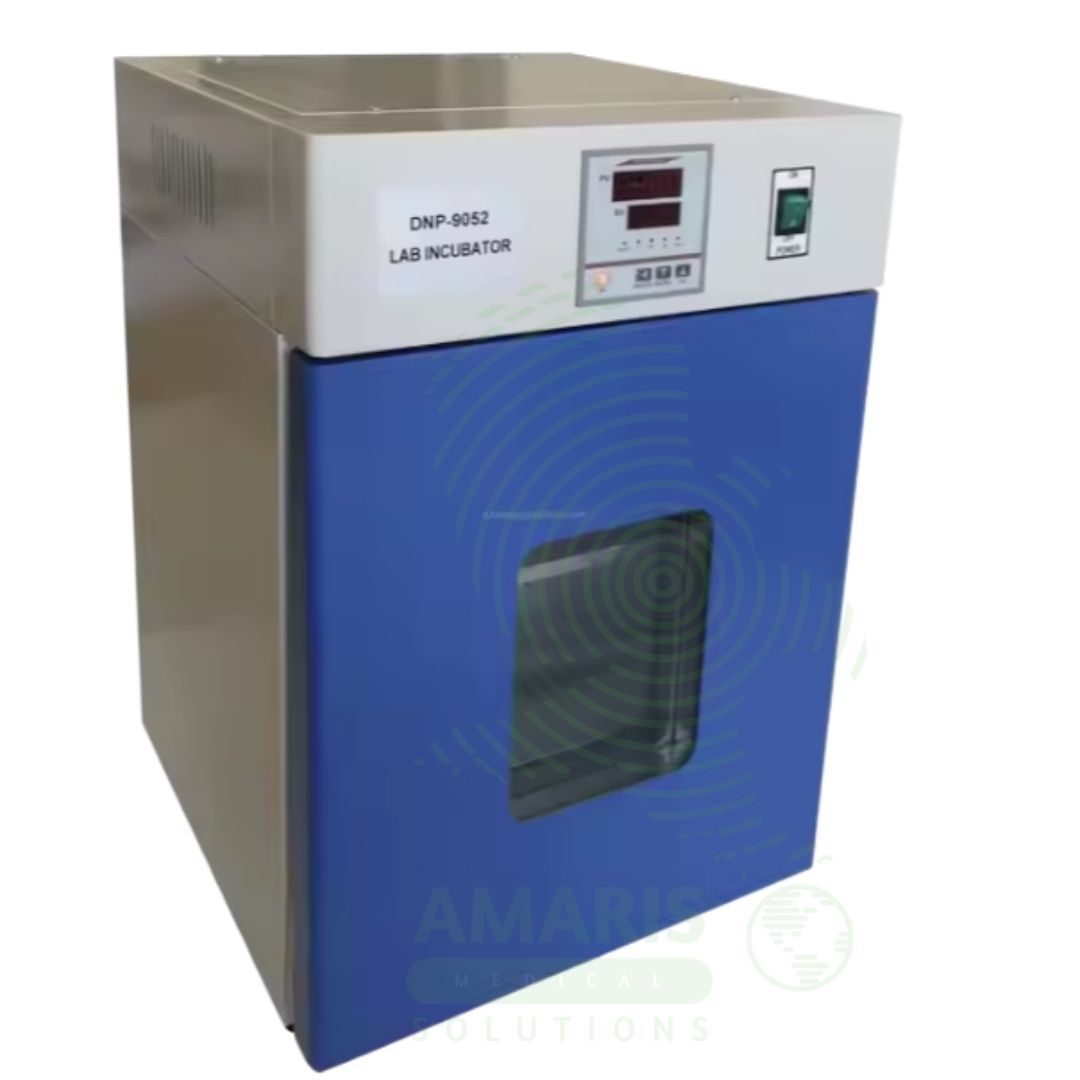
Lab Incubator
WhatsApp Order
A Lab Incubator is a controlled-environment chamber used primarily to grow and maintain microbial or cell cultures by regulating temperature, and often humidity and CO₂ levels. Microbiological incubators provide dry heat for culturing bacteria, while CO₂ incubators create a humidified, gaseous environment essential for mammalian cell culture. Key to their operation is temperature uniformity, stability, and, for cell culture, stringent contamination control through features like HEPA filtration and auto-sterilization cycles. Proper use requires regular cleaning and calibration, adherence to biosafety protocols for handling cultures, and awareness of associated hazards from heat, gas, and electrical components. It is an indispensable workhorse in diagnostic and research laboratories.
Description
Lab Incubator
PRIMARY CLINICAL & DIAGNOSTIC USES
1. Microbial Culture and Isolation
-
Primary Use: Provides a controlled, optimal temperature environment (typically 35-37°C) for the cultivation and growth of bacteria, fungi, and yeast from clinical specimens for identification and antibiotic susceptibility testing.
-
How it helps: For the clinical microbiologist and medical laboratory scientist, the incubator is where diagnosis happens—transforming invisible bacteria from a patient’s blood, urine, or wound into visible colonies that can be identified and tested against antibiotics. For the patient with suspected sepsis, urinary tract infection, or wound infection, the organisms growing quietly in the incubator will determine which antibiotic saves their life, guiding targeted therapy that replaces broad-spectrum guessing.
2. Cell Culture and Tissue Culture
-
Primary Use: Provides a sterile, humidified, CO₂-enriched (for CO₂ incubators), and temperature-stable environment for the growth and maintenance of eukaryotic cell lines used in virology, cancer research, pharmaceutical testing, and stem cell studies.
-
How it helps: For the cell biologist and biomedical researcher, the CO₂ incubator creates a tiny simulated body—37°C, 5% CO₂, humidified—where human cells can live and multiply outside the body, enabling research that would otherwise be impossible. For future patients who will benefit from new cancer therapies, antiviral drugs, or regenerative medicine treatments, the cells growing in incubators today are the models that make those breakthroughs possible.
3. Incubation of Immunoassays and Serological Tests
-
Primary Use: Maintains a constant temperature during critical incubation steps of diagnostic tests such as ELISA, rapid tests, and agglutination assays, ensuring consistent and accurate antibody-antigen reactions.
-
How it helps: For the immunology and serology laboratory scientist, precise temperature control during incubation ensures that antibodies and antigens bind at the expected rate, producing accurate positive and negative results. For the patient waiting for HIV test results, autoimmune disease diagnosis, or infectious disease serology, controlled incubation means their results are reliable, guiding treatment decisions with confidence.
4. Food and Water Microbiology
-
Primary Use: Used for the incubation of samples to detect and enumerate pathogens like E. coli, Salmonella, and Listeria as part of public health and safety testing.
-
How it helps: For the public health microbiologist and food safety professional, incubators enable the detection of dangerous pathogens in food products and water supplies before they reach consumers. For the community protected by food safety testing, and for the individual who never becomes ill because contaminated products were identified and recalled, the incubator works silently to prevent outbreaks before they start.
SECONDARY & SUPPORTIVE USES
1. Parasitology: For the parasitology laboratory, incubators support the culture of parasites like Strongyloides, enabling diagnosis of infections that might otherwise be missed. For the patient with unexplained gastrointestinal symptoms, eosinophilia, or travel-related illness, parasite culture can provide definitive diagnosis when microscopic examination is negative.
2. Mycobacteriology: Specialized incubators are used for the long-term cultivation of Mycobacterium tuberculosis and other slow-growing mycobacteria, which may require weeks of incubation before growth is detectable. For the patient with suspected tuberculosis, these extended incubation periods are essential for definitive diagnosis, guiding public health interventions and life-saving treatment.
3. Chromatography and Sample Preparation: In chemistry and toxicology laboratories, incubators are used to heat samples at constant temperature prior to analysis, ensuring consistent preparation conditions. For the patient whose drug levels, toxicology screen, or metabolic profile guides clinical decisions, controlled sample preparation ensures that results reflect their true status, not variation in laboratory conditions.
4. Storage of Temperature-Sensitive Reagents: Laboratory incubators provide a stable, warm environment for storing certain enzymes, media, or chemicals that require temperatures above ambient but below degradation thresholds. For the researcher depending on active enzymes for experiments or the clinical laboratory requiring functional reagents for patient testing, proper storage ensures that these critical materials perform as expected when needed.
KEY PRODUCT FEATURES
1. BASIC IDENTIFICATION ATTRIBUTES
-
Device Type: A temperature-controlled chamber or cabinet designed to maintain a precise, uniform, and stable internal environment for biological or chemical processes.
-
Core Types by Function:
-
Microbiological Incubator: A dry-heat, gravity-convection or forced-air oven-like incubator for growing microbes on solid agar plates or in broth. Often has shelves and an interior made of easy-to-clean stainless steel.
-
CO₂ Incubator: Designed for cell culture. Maintains precise control of temperature, CO₂ level (typically 5%), and relative humidity (to prevent media evaporation). Features a sealed, humidified chamber, often with HEPA-filtered air circulation and copper or hot-air sterilization to prevent contamination.
-
Shaking Incubator: Combines temperature control with an orbital shaking platform to aerate and mix liquid cultures (bacterial broths, cell suspensions) for optimal growth.
-
Cooled Incubator/Refrigerated Incubator: Can maintain temperatures below ambient, down to 4°C or lower, for specific applications like cultivating psychrophilic bacteria or certain enzymatic reactions.
-
-
Core Components:
-
Insulated Chamber: Double-walled with insulation.
-
Heating System: Electric heating elements with a precision thermostat.
-
Temperature Control System: Microprocessor-based PID controller for stability (±0.1°C to ±1.0°C).
-
Sensors: Platinum RTD or thermocouple sensors.
-
Shelving: Adjustable, often wire or perforated shelves.
-
Door: Sealed, often with a glass inner door for viewing.
-
CO₂ System (for CO₂ incubators): Infrared (IR) or Thermal Conductivity (TC) sensor, CO₂ gas inlet, and humidification pan.
-
2. TECHNICAL & PERFORMANCE PROPERTIES
-
Temperature Range and Uniformity: Standard range is ambient +5°C to 70°C. Uniformity (variation within the chamber) is critical and is typically within ±0.5°C to ±1.5°C.
-
CO₂ Control (for CO₂ incubators): Range typically 0-20%, control stability ±0.1%.
-
Relative Humidity Control (for CO₂ incubators): Typically 90-95% to prevent desiccation.
-
Recovery Time: Time taken to return to setpoint after door opening.
-
Chamber Volume: Ranges from compact 20L benchtop units to large 500L+ floor-standing models.
3. PHYSICAL & OPERATIONAL PROPERTIES
-
Construction: Interior is almost universally corrosion-resistant, easy-to-clean 304 or 316 stainless steel.
-
Display and Controls: Digital touchscreen or keypad interface.
-
Ports: Access ports for introducing probes or cables.
-
Alarms: Visual and audible alarms for door ajar, temperature deviation, or low CO₂.
4. SAFETY & COMPLIANCE ATTRIBUTES
-
Regulatory Status: Classified as a Class I or II laboratory device.
-
Over-Temperature Protection: Independent, redundant safety thermostat to prevent thermal runaway.
-
Contamination Control (for CO₂ incubors): Copper-lined chambers, HEPA filtration, or regular high-temperature sterilization cycles (up to 180°C) to decontaminate the interior.
5. STORAGE & HANDLING ATTRIBUTES
-
Storage: The incubator itself is a permanent benchtop or floor-standing fixture.
-
Placement: Must be placed on a level surface with adequate clearance for ventilation, away from drafts and direct sunlight.
-
Loading: Do not overcrowd shelves. Allow space for air circulation.
-
Cleaning and Decontamination (CRITICAL):
-
Routine: Wipe interior and shelves with a mild disinfectant (e.g., 70% ethanol) weekly or between runs.
-
Major Decontamination: For microbiological incubators, use a sporicidal agent. For CO₂ incubators, run the automatic high-temperature sterilization cycle if available.
-
-
Calibration: Temperature (and CO₂, if applicable) should be calibrated at regular intervals (e.g., annually) using NIST-traceable probes.
6. LABORATORY & CLINICAL APPLICATIONS
-
Primary Application: A foundational instrument in clinical microbiology laboratories, hospital pathology departments, biomedical and pharmaceutical research facilities, and industrial quality control labs.
-
Clinical Role: Enables the growth and study of microorganisms and human cells, which is central to diagnosing infections, developing treatments, and conducting fundamental biological research.
SAFETY HANDLING PRECAUTIONS
1. SAFETY PRECAUTIONS
-
Biohazard Containment: Incubators used for pathogenic cultures are potential sources of aerosols. Open plates carefully within a biosafety cabinet, not in the open lab. Securely cap all liquid cultures.
-
Heat Hazard: Surfaces can become hot. Use thermal gloves when removing items.
-
CO₂ Gas Hazard: CO₂ incubators use compressed gas. Ensure gas lines are secure. CO₂ is an asphyxiant in high concentrations; ensure the lab is well-ventilated.
-
Electrical Safety: Plug into a dedicated, grounded circuit. Do not use extension cords.
-
Contamination Control: Practice strict aseptic technique. Never place contaminated materials (e.g., used pipettes) inside the incubator. Minimize door opening time and frequency.
2. FIRST AID MEASURES
-
Thermal Burn: Cool the affected area with cool running water. Seek medical attention if severe.
-
Culture Spill Inside Incubator: For a spill of a non-hazardous culture, decontaminate immediately. For a spill of a Risk Group 2 or higher pathogen, close the door, alert lab personnel, and follow established spill protocol for decontamination, which may involve fumigation.
-
Gas Leak (CO₂): If a gas leak is suspected (hissing sound, smell from additives), evacuate the area, ventilate the room, and shut off the gas supply at the cylinder if safe to do so.
3. FIRE FIGHTING MEASURES
-
Flammability: Insulation materials, wiring, and plastic components are combustible. Never place flammable liquids or materials inside an incubator.
-
Extinguishing Media: In case of an internal fire, disconnect power if safe. For an electrical fire, use a CO2 extinguisher. Evacuate and call emergency services if the fire is not immediately contained.
Related products
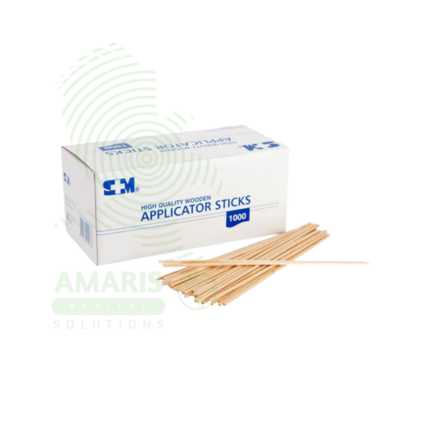
Applicator Sticks
Applicator Sticks are single-use medical devices with absorbent tips (cotton, rayon, flocked polyester) on wood, plastic, or paper shafts for collecting clinical specimens (throat, nasal, wound, cervical, urethral, rectal) for microbiological culture, rapid testing, and molecular diagnostics. Sterile individually wrapped or non-sterile bulk formats. Flocked swabs provide >90% specimen release for PCR testing. Primary applications include specimen collection for infection diagnosis, wound care and antiseptic application, gynecological sampling (Pap smears, STI testing), eye/ear specimen collection, laboratory slide preparation, and forensic evidence collection. Critical precautions include single-use only, sterile technique, proper collection method, and biohazard disposal. Essential consumable in all clinical settings.
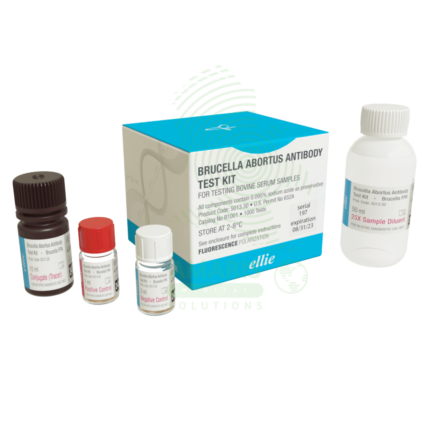
Brucella Set
A Brucella Set is a comprehensive serological test system (Class II medical device, CE-marked/FDA-cleared) for qualitative and quantitative detection of antibodies against Brucella species (B. abortus, B. melitensis, B. suis, B. canis) using multiple methodologies including tube agglutination, slide agglutination, and 2-mercaptoethanol (2-ME) testing. The set includes killed, stained Brucella antigens, positive and negative controls, dilution tubes, reaction cards, and 2-ME reagent for IgM/IgG differentiation. Diagnostic titer ≥1:160 or fourfold rise confirms brucellosis. Primary clinical applications include diagnosis of brucellosis in endemic regions (undulant fever, night sweats, arthralgia), fever of unknown origin investigation, occupational health screening in high-risk workers (veterinarians, farmers, slaughterhouse workers), diagnosis of focal complications (sacroiliitis, spondylitis, meningitis, endocarditis), treatment monitoring (fourfold decline indicates response), outbreak investigation, and public health surveillance. Critical safety precautions include handling all samples in biosafety cabinet (Brucella is highly infectious via aerosol), 2-ME reagent toxicity (use fume hood), awareness of prozone phenomenon (serial dilutions essential), cross-reactions with other Gram-negative bacteria, and mandatory reporting to public health authorities. Essential test for brucellosis diagnosis in endemic regions and occupational health settings.
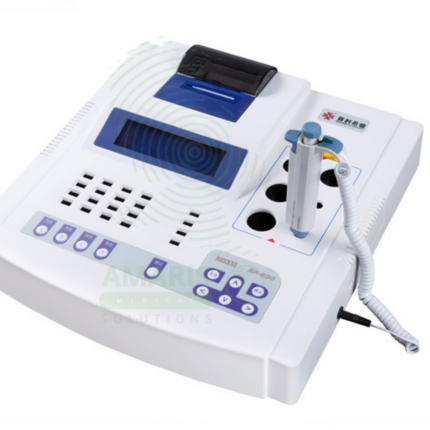
Coagulation Analyzer
A Coagulation Analyzer is a compact, automated instrument designed for performing essential tests that evaluate the blood's clotting ability. It accurately measures key parameters such as Prothrombin Time (PT/INR), Activated Partial Thromboplastin Time (aPTT), Thrombin Time, and Fibrinogen, which are critical for monitoring anticoagulant therapy (warfarin, heparin), diagnosing bleeding disorders, and assessing surgical risk. With its photometric detection and user-friendly operation, it delivers reliable results for small to medium-volume laboratories, clinics, and hospital wards. Its role in ensuring safe and effective patient management in thrombosis and hemostasis makes it a vital tool in clinical diagnostics.
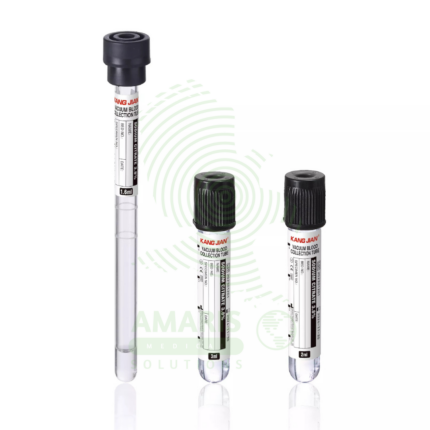
ESR Tubes Glass
ESR Tubes Glass are specialized glass tubes (300 mm length, 2.55 mm bore diameter, graduated 0-200 mm in 1 mm intervals) meeting ICSH and CLSI Westergren specifications for measuring erythrocyte sedimentation rate, a non-specific marker of inflammation. Used with citrated or diluted EDTA blood, filled to exactly 200 mm, placed vertically in Westergren stand, and read at 60 minutes. Primary clinical applications include determination of ESR for diagnosing and monitoring inflammatory conditions (infections, autoimmune disorders, malignancies), monitoring disease activity in rheumatoid arthritis, assessment of temporal arteritis and polymyalgia rheumatica, evaluation of infection and inflammatory response, screening for occult inflammatory conditions, and monitoring chronic inflammatory diseases (SLE, IBD, vasculitis). Critical safety precautions include handling glass tubes carefully to avoid breakage (sharps hazard), proper disposal in sharps containers as biohazardous waste, ensuring vertical alignment and constant temperature (18-25°C), reading at exactly 60 minutes, and avoiding air bubbles and vibration. Essential consumable for reference Westergren ESR testing in clinical laboratories.
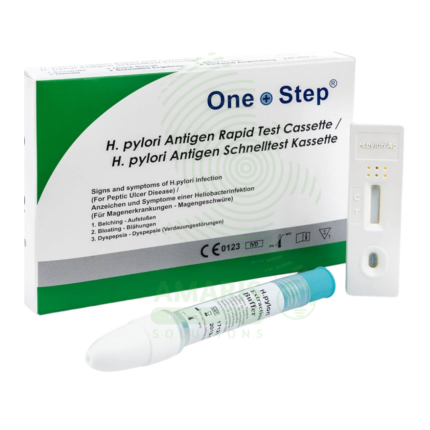
H.pylori test kits (Antigen)
H.pylori test kits (Antigen) are Class II medical devices (FDA-cleared/CE-marked) for rapid immunochromatographic or enzyme immunoassay detection of Helicobacter pylori antigens in stool specimens, enabling non-invasive diagnosis of active infection and post-treatment eradication confirmation. Test principles use monoclonal or polyclonal antibodies specific to H. pylori antigens, producing visible results in 10-20 minutes (rapid tests) or 1-2 hours (EIA). Sensitivity 90-98%, specificity 92-99% compared to gold standard methods. Primary clinical applications include rapid diagnosis of H. pylori infection in patients with dyspepsia, initial screening in uncomplicated dyspepsia (test-and-treat strategy), confirmation of active infection before therapy, post-treatment eradication confirmation (4-6 weeks after therapy), pediatric testing (preferred non-invasive method), screening in high-risk populations (family history of gastric cancer), and monitoring in patients with peptic ulcer disease or MALT lymphoma. Critical safety precautions include mandatory washout period (4 weeks off antibiotics, 2 weeks off PPIs) to avoid false negatives, proper specimen handling (universal precautions), refrigerated storage of kits (2-30°C), quality control verification, and disposal as biohazardous waste. Essential non-invasive tool for H. pylori management in gastroenterology and primary care.
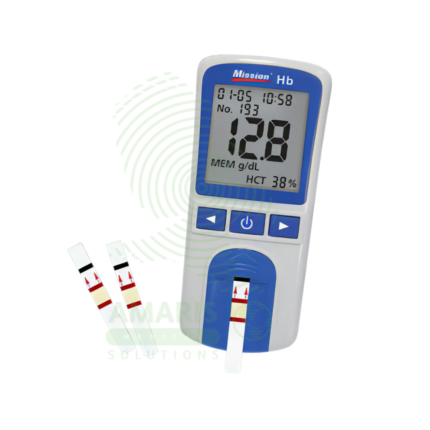
Hemoglobin Meter
A Hemoglobin Meter is a Class II medical device (FDA-cleared, CE-marked) for quantitative point-of-care measurement of hemoglobin concentration in capillary or venous blood, providing results in 5-60 seconds from a 5-20 µL sample. The meter uses photometric, electrochemical, or conductivity technology to measure hemoglobin, with accuracy ±0.3-0.5 g/dL compared to reference methods. Features include backlit LCD display, memory storage for 100-1000 results, USB/Bluetooth connectivity for data transfer, and compatibility with single-use disposable cuvettes or test strips. Primary clinical applications include anemia screening and diagnosis (WHO criteria), preoperative assessment and surgical planning, antenatal care and maternal health monitoring, malaria-endemic region screening, chronic disease management (CKD, IBD, cancer), nutritional assessment and intervention programs, and blood donor screening. Critical safety precautions include single-use lancets, proper hand hygiene, correct sample application, quality control with control solutions, proper cuvette storage (protect from heat, light, humidity), and never using expired cuvettes. Essential point-of-care device for hemoglobin testing in hospitals, clinics, community health programs, and blood donation centers.

Hepatitis C Test Kit
The Hepatitis C Test Kit is an in vitro diagnostic device for the detection of Hepatitis C virus antibodies or RNA in human blood, serum, or plasma samples. Available in rapid, laboratory immunoassay, and molecular formats, it screens for HCV infection, confirms active infection with RNA testing, and monitors treatment response. With high sensitivity and specificity exceeding 99%, it is essential for identifying infected individuals, linking them to curative direct-acting antiviral therapy, and confirming cure. Essential applications include risk-based screening of high-risk populations, birth cohort screening of baby boomers, evaluation of acute hepatitis, management of occupational exposures, and monitoring of antiviral therapy that can cure over 95% of infections. All patient samples must be handled with universal precautions, and positive antibody results require confirmatory testing.