Dermatoscope and Magnifiers
 Diagnostic Kits
 Vital Signs Monitors
 Stethoscopes and Accessories
 Otoscopes, Ophthalmoscopes, and Retinoscopes
 Reflex Hammers and Neurological Tools
 Scales and Measuring Devices
 Spirometers and Pulmonary Function Tests
 Electrosurgical Units and Accessories
 Cutting Instruments
 Grasping and Holding Instruments
 Hemostatic Instruments
 Specialized Surgical Sets
 Single-Use Procedure Trays and Packs
 Surgical Drapes, Gowns, and Covers
 Tissue Unifying Instruments
 Radiation Protection
 X-Ray Machines and Accessories
 Ultrasound Systems and Probes
 MRI and CT Scanners
 Radiology Consumables
 Bone Densitometers
 Fluoroscopy Equipment
 Imaging Tables and Positioning Aids
 Microscopes and Accessories
 Centrifuges and Separators
 Analyzers
 Incubators and Ovens
 Pipettes, Dispensers, and Lab Glassware
 Refrigerators, Freezers, and Storage Units
 Lab Consumables
 Sterilizers and Autoclaves for Lab Use
 Multi-Parameter Monitors
 Ventilators and Respiratory Support Devices
 Defibrillators and AEDs
 Infusion Pumps and IV Systems
 Patient Warmers and Cooling Devices
 Central Monitoring Stations
 Accessories
 Anesthesia Machines and Workstations
 Oxygen Concentrators and Delivery Systems
 Nebulizers and Inhalers
 CPAP/BiPAP Machines
 Airway Management
 Anesthesia Masks, Circuits, and Bags
 Humidifiers and Heaters
 Respiratory Therapy Accessories
 First Aid Kits and Cabinets
 Emergency Resuscitation Equipment
 Trauma Supplies
 Emergency Carts and Crash Carts
 Burn Care Products
 Bleeding Control
 Automated External Defibrillators (AEDs)
 Transport and Evacuation
 Wheelchairs and Accessories
 Walkers, Crutches, and Canes
 Prosthetics and Orthotics
 Physical Therapy Equipment
 Transfer Devices
 Bathroom Safety
 Orthopedic Traction and Tables
 Hot/Cold Therapy Packs and Units
 Beds and Mattresses
 Chairs and Stools
 Tables
 Cabinets and Storage
 Privacy Screens & Curtains
 Stands and Racks
 Linens and Textiles
 Lighting
 Autoclaves and Sterilizers
 Ultrasonic Cleaners
 Disinfectant Solutions and Wipes
 Sterilization Pouches, Wraps, and Indicators
 Instrument Trays and Containers
 UV and Ozone Disinfection Devices
 Washer Disinfectors
 Wound Care
 Gloves
 Masks and Respirators
 Catheters and Tubing
 Swabs, Applicators, and Sponges
 Incontinence Products
 Personal Protective Equipment (PPE)
 Dental Chairs and Units
 Handpieces and Burs
 Instruments
 Consumables
 Sterilization for Dental Use
 Orthodontic Supplies
 Endodontic Tools
 Slit Lamps and Tonometers
 Lensometers and Phoropters
 Ophthalmic Surgical Instruments
 Eyewear Frames and Lenses
 Contact Lens Supplies
 Vision Testing Charts and Devices
 Eye Care Consumables
 Laser Systems for Eye Care
 ENT Exam Chairs and Tables
 Endoscopes
 Audiometers and Hearing Tests
 ENT Instruments
 Nasal and Throat Packs
 Hearing Aids and Accessories
 Otology Supplies
 Fetal Dopplers and Monitors
 Delivery Beds and Tables
 Gynecological Instruments
 Neonatal Incubators and Warmers
 Breast Pumps and Accessories
 Contraceptive Devices
 Maternity Supports and Pads
 Neonatal Consumables
 Cystoscopes and Urethroscopes
 Dialysis Machines and Supplies
 Urological Catheters and Bags
 Lithotripters
 Prostate Treatment Devices
 Urinary Incontinence Products
 Kidney Stone Management Tools
 Consumables & Disposables
 EEG and EMG Machines
 Neurosurgical Instruments
 Nerve Stimulators
 Headrests and Positioning Aids
 Lumbar Puncture Kits
 Seizure Monitoring Devices
 Consumables
 Rehabilitation for Neurological Conditions
 ECG Machines and Accessories
 Holter Monitors
 Stress Test Systems
 Pacemakers and Defibrillator Accessories
 Vascular Access Devices
 Cardiac Catheters and Guidewires
 Blood Flow Meters
 Consumables
 Orthopedic Instruments
 Casts, Splints, and Padding
 Joint Replacement Supplies
 Prosthetic Limbs and Components
 Bone Grafts and Substitutes
 Traction Devices
 Orthopedic Braces and Supports
 Rehabilitation Aids for Orthopedics
 Home Oxygen Therapy
 Hospital Beds for Home Use
 Mobility Aids
 Bathroom and Daily Living Aids
 Wound Care for Home
 Monitoring Devices
 Enteral Feeding Pumps and Tubes
 Hand Sanitizers and Dispensers
 Face Shields and Goggles
 Isolation Gowns and Suits
 Biohazard Waste Containers
 Air Purifiers and HEPA Filters
 Surface Disinfectants
 Sharps Containers
 Protective Barriers
 Cardiovascular & Endurance Training
 Strength Training & Weightlifting
 Functional Training & Core Conditioning
 Physical Therapy & Rehabilitation
 Sports & Outdoor Recreation
 Gym Flooring & Facility Equipment
 Fitness Monitoring & Accessories
 Kids & Novelties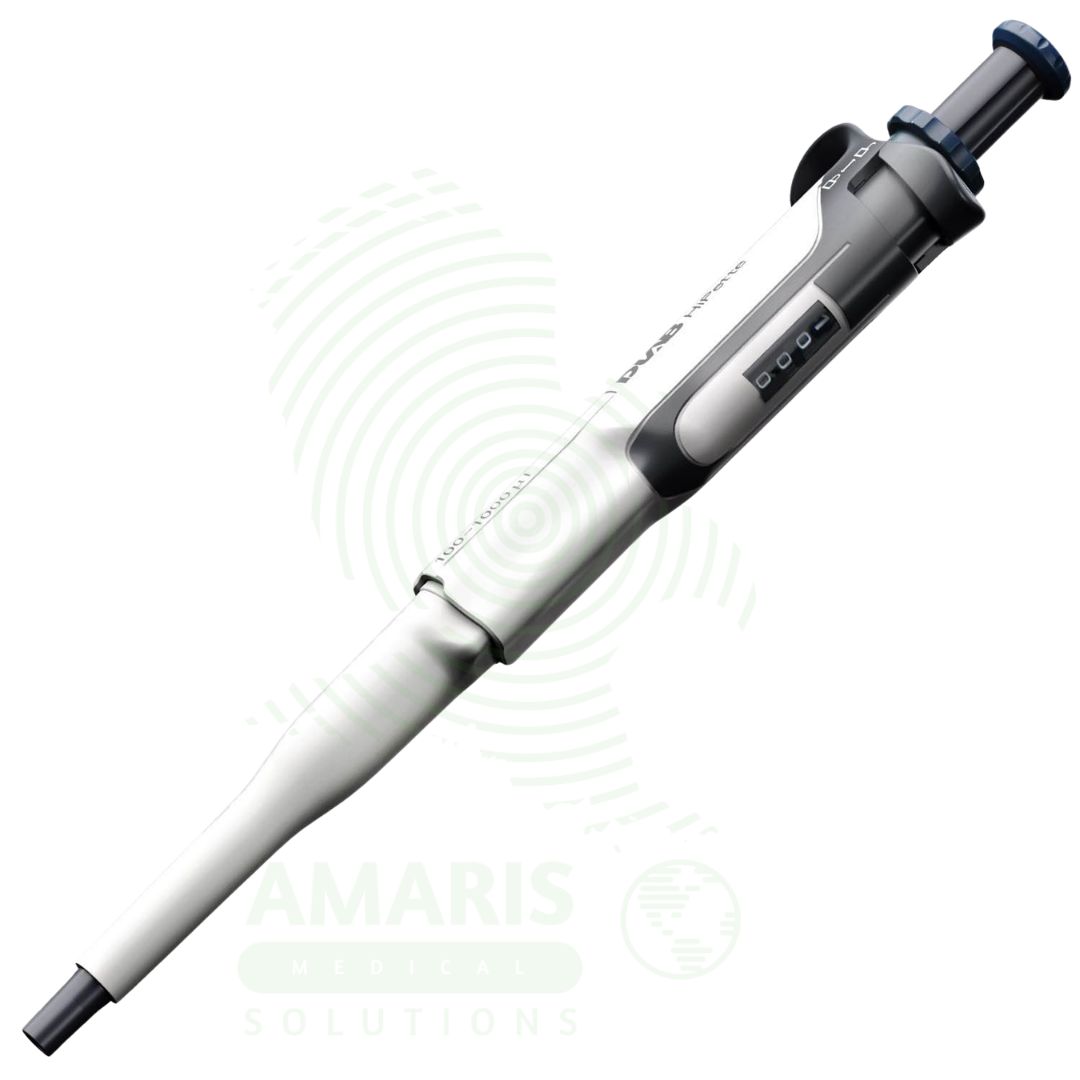

Light Feel Manual Adjustable Color Pipette (HiPette-LTS)
WhatsApp Order
The Light Feel Manual Adjustable Color Pipette (HiPette-LTS) is a precision manual pipette engineered with advanced LTS (LiteTouch System) technology to minimize hand and wrist strain during high-frequency, repetitive pipetting tasks. The integrated LTS system significantly reduces the force required for tip loading and ejection, while the thin-walled, front-stop LTS tips ensure a secure, leak-free seal without the need for forceful tapping. This ergonomic design, combined with a lightweight body and optimized spring force, makes it ideal for high-throughput workflows in clinical diagnostics, pharmaceutical quality control, and molecular biology laboratories.
The pipette is available in eight single-channel volume ranges, from 0.1–2.5 µL to 100–1000 µL, each color-coded for easy identification. It meets ISO 8655 standards and is manufactured under ISO 9001:2015 and ISO 13485:2016 quality systems, ensuring high accuracy and precision for critical applications such as PCR setup, ELISA, electrophoresis sample loading, and microbiological assays.
For the laboratory professional, the HiPette-LTS reduces the risk of RSI, improves sample-to-sample consistency, and enhances overall workflow efficiency. For the patient, this translates to faster, more accurate, and highly reproducible diagnostic test results, which are critical for appropriate clinical decision-making.
Description
Light Feel Manual Adjustable Color Pipette (HiPette-LTS)
PRIMARY CLINICAL & DIAGNOSTIC USES
1. Low-Force, High-Precision Liquid Handling for Molecular Assays
-
Primary Use: Provides a manual single-channel pipette engineered with advanced LTS (LiteTouch System) technology, which significantly reduces tip attachment and ejection forces for seamless, fatigue-free operation during PCR, qPCR, and other high-throughput molecular procedures.
-
How it helps: For the molecular biologist and clinical laboratory scientist, the LTS system minimizes wrist strain and hand fatigue during repetitive diagnostic testing. The thin-walled LTS tips with a front-stop design ensure a secure, leak-free seal and consistent aspiration, which is essential for the reproducibility of qPCR and other nucleic acid amplification tests. For the patient, this precision translates to reliable diagnostic results, reducing the risk of false negatives in assays for infectious diseases such as COVID‑19, influenza, hepatitis, and HIV.
2. Ergonomic Design for High-Volume Clinical Workflows
-
Primary Use: Features a lightweight, ergonomically enhanced body with an optimized spring force, specifically designed to reduce wrist strain and fatigue during high-volume, repetitive pipetting tasks in clinical diagnostics and quality control laboratories.
-
How it helps: For the high-throughput laboratory staff and clinical technician, the lightweight construction and smooth plunger movement allow for extended use without discomfort, dramatically lowering the risk of repetitive strain injury (RSI). This supports the efficient processing of large patient sample batches without compromising accuracy. For the patient, a less fatigued and more comfortable workforce ensures consistent sample preparation, which contributes to faster and more reliable diagnostic turnaround times.
3. Precision Liquid Handling with LTS Tip Sealing System
-
Primary Use: Employs an air-displacement mechanism with LTS technology, where the cylindrical suction head and reduced sealing area lower tip ejection force and ensure uniform tip sealing, guaranteeing consistent performance across all channels.
-
How it helps: For the research scientist and laboratory manager, the LTS technology provides superior consistency, ensuring uniform sample aspiration and precise liquid handling. The front-stop design prevents over-insertion, eliminates the need for forceful tapping to ensure a seal, and ensures that every channel seals simultaneously, reducing tip-to-tip variation. For the patient, this translates to high uniformity in diagnostic plate assays, reducing well-to-well variability that could otherwise lead to inconclusive test results.
4. Ultra-Micro to High-Volume Sample Transfer for Diverse Assays
-
Primary Use: Available in a wide range of volume configurations, from 0.1‑2.5 µL to 100‑1000 µL, and color-coded for easy identification. It supports applications from ultra-micro PCR setup to bulk liquid transfer for microbiology and pharmaceutical QC.
-
How it helps: For the clinical geneticist and laboratory scientist, the broad volume range and high accuracy (with systematic error as low as ±1.4% at 2.5 µL) allow the same instrument family to be used for precise DNA/RNA quantification, loading of electrophoresis markers, and preparation of culture media. For the patient, using a single, accurate pipette series across different tests simplifies laboratory workflows and reduces the risk of cross-contamination and pre-analytical errors.
SECONDARY & SUPPORTIVE USES
1. Electrophoresis Sample Loading: The metal tip variant and compatibility with 10 µL extended tips enable smooth, bubble-free loading of DNA, RNA, and protein samples into gel wells for nucleic acid analysis and Western blotting.
2. DNA Marker and Standard Loading: Supports accurate loading of DNA ladders and quantification standards into electrophoresis gels, ensuring consistent fragment sizing and concentration estimation for genetic screening.
3. Micro-Volume PCR and qPCR Setup: Ideal for dispensing precise volumes of master mixes, primers, probes, and templates into multi-well plates for high-sensitivity molecular diagnostic workflows.
4. ELISA and Immunoassay Reagent Dispensing: Used for the accurate transfer of antibodies, wash buffers, and substrates into 96-well plates, ensuring even reagent distribution and consistent assay results.
5. Cell Culture and Viability Assays: Facilitates the transfer of cell suspensions, trypan blue, and other reagents into hemocytometers or multi-well plates for cell counting and viability assessment.
6. Standard and Reagent Preparation for QC: Employed for the precise preparation of standards, controls, and reagents in pharmaceutical quality control and analytical chemistry laboratories for HPLC and LC-MS analysis.
7. Forensic DNA Sample Loading: Used for loading extracted DNA and allelic ladders into gels for STR analysis in forensic casework and paternity testing.
8. Food and Environmental Testing: Facilitates precise sample and reagent loading for PCR-based pathogen detection in food safety and environmental microbiology applications.
9. Veterinary Diagnostic Testing: Used for loading PCR products and controls for animal disease testing, including the detection of canine parvovirus, feline leukemia, and avian influenza.
10. Academic and Training Laboratories: Serves as an essential teaching tool for students in undergraduate and graduate laboratory courses, demonstrating precise manual liquid handling techniques.
KEY PRODUCT FEATURES
1. BASIC IDENTIFICATION ATTRIBUTES
-
Device Type: A manual, single-channel adjustable-volume pipette with an ergonomic design and an advanced LTS (LiteTouch System) tip sealing and ejection system.
-
Designation: HiPette-LTS, Light Feel Manual Adjustable Color Pipette.
-
Key Components:
-
LTS LiteTouch System: Integrated technology that reduces tip attachment and ejection forces, minimizing hand and wrist strain.
-
LTS Tips (Sold Separately): Thin-walled tips with a front-stop design that ensure a secure, leak-free seal and prevent over-insertion.
-
Internal Piston: A high-precision piston-driven system for accurate and smooth liquid handling.
-
Volume Adjustment & Lock: A smooth, click-stop manual adjustment knob with a range-specific volume lock to prevent setting changes during use.
-
Color Coding: Volume ranges are color-coded on the pipette body for quick identification and efficient workflow organization.
-
Tip Ejector: A lightweight, one-touch tip ejector for safe and hygienic tip removal.
-
Conical Handle: An ergonomically designed conical handle that provides a stable grip and reduces hand fatigue during repetitive tasks.
-
2. TECHNICAL & PERFORMANCE PROPERTIES
-
Available Volume Ranges: 0.1–2.5 µL, 0.5–10 µL, 2–20 µL, 5–50 µL, 10–100 µL, 20–200 µL, 30–300 µL, 100–1000 µL.
-
Number of Channels: 1 (single-channel).
-
Systematic Error (Accuracy): Ranges from a minimum of ±1.4% to a maximum of ±12.0% at the lowest test volume, depending on the model.
-
Random Error (Precision): Ranges from a minimum of ±0.7% to a maximum of ±6.0% at the lowest test volume, depending on the model.
-
Increment: Varies by model (e.g., 0.002 µL for the 0.1–2.5 µL model).
-
Tip System Compatibility: Specifically compatible with LTS (LiteTouch System) tips.
-
Tip Fit: Sealing area and front-stop design prevent over-insertion and ensure a consistent seal without forceful tapping.
-
Ejection Force: Significantly reduced due to LTS technology, minimizing hand and wrist strain.
-
Construction: Lightweight, ergonomically enhanced body with a durable, chemical-resistant polymer finish.
3. PHYSICAL & OPERATIONAL PROPERTIES
-
Operation: Manual, thumb-operated plunger with smooth, low-force action for aspiration and dispensing.
-
Ergonomics: The conical handle and lightweight construction are designed for a comfortable, fatigue-free grip during long pipetting sessions.
-
Volume Adjustment: Knob-style adjustment with click-stop increments and a volume lock mechanism to prevent accidental changes.
-
Visual Identification: Each volume range has a unique color-coded design on the pipette body for easy and quick identification.
-
Tip Loading and Ejection: Effortless tip loading onto the LTS shaft and a low-force, one-touch tip ejector for safe removal.
-
Sterilization: The pipette body is UV sterilizable; refer to the manufacturer's guidelines for autoclaving the lower section or complete unit.
-
Calibration: User-adjustable calibration is supported; each pipette is factory-calibrated according to ISO 8655 and includes an individual calibration certificate.
4. SAFETY & COMPLIANCE ATTRIBUTES
-
Regulatory Status: General laboratory equipment for in vitro diagnostic (IVD) use.
-
Quality Compliance: Manufactured under ISO 9001:2015 and ISO 13485:2016 quality management systems and calibrated according to ISO 8655.
-
Ergonomic Safety: The LTS technology significantly reduces the risk of work-related musculoskeletal disorders, such as Repetitive Strain Injury (RSI), associated with high-frequency pipetting.
-
UV Sterilization: The pipette body is compatible with UV disinfection.
-
Volume Lock: A secure locking mechanism prevents accidental volume changes that could lead to procedural errors.
-
Chemical Resistance: The pipette body is constructed from chemically resistant polymers; always verify compatibility with strong solvents and acids.
5. STORAGE & HANDLING ATTRIBUTES
-
Storage: Store upright in a pipette stand or carousel; avoid placing the pipette on its side to prevent contamination of the tip cone.
-
Cleaning: Wipe the external surfaces with 70% isopropyl alcohol or a mild detergent solution; never immerse the pipette in liquid.
-
Inspection: Regularly inspect the tip cone and the piston for signs of wear, damage, or residue.
-
Operation – Tip Attachment: Gently press the pipette tip cone into an LTS tip in the tip box; do not tap or rock the pipette, as the LTS system ensures a perfect seal with light pressure.
-
Operation – Aspiration: Press the plunger to the first stop, immerse the tip 2-4 mm into the liquid, and release the plunger slowly and smoothly.
-
Operation – Dispensing: Place the tip against the wall of the receiving vessel, depress the plunger to the first stop, wait for one second, and then press to the second stop to expel residual liquid.
-
Volume Lock: Always engage the volume lock after setting the desired volume to prevent accidental changes during pipetting.
6. LABORATORY & CLINICAL APPLICATIONS
-
Primary Application: Precise micro-volume liquid handling for PCR, qPCR, ELISA, electrophoresis sample loading, and reagent dispensing in clinical diagnostics, molecular biology, pharmaceutical QC, and research laboratories.**
-
Clinical Role: An essential liquid handling instrument in molecular diagnostics, clinical genetics, infectious disease testing, forensic laboratories, pharmaceutical QC, and academic research institutions.
SAFETY HANDLING PRECAUTIONS
1. SAFETY PRECAUTIONS
-
Chemical Compatibility: Verify that the pipette materials are compatible with the reagents being used; the pipette is designed for use with a wide range of laboratory chemicals, but some aggressive solvents may damage the seals.
-
LTS Tip Compatibility: To achieve the reduced ejection force and optimal performance, always use dedicated LTS (LiteTouch System) tips with this pipette.
-
Volume Lock: Before starting a work session, ensure the volume lock is engaged to prevent accidental volume changes.
-
Proper Immersion Depth: Aspirate liquids at a consistent and shallow depth to avoid drawing liquid into the pipette body, which could cause corrosion or contamination.
-
Pipette Disposal: When discarding a used pipette, follow your facility's guidelines for the disposal of laboratory equipment contaminated with biohazards or chemicals.
2. FIRST AID MEASURES
-
Sample Splash: If a biological or chemical sample splashes onto the skin, wash immediately with soap and water. If a splash enters the eyes, flush with copious amounts of water for at least 15 minutes and seek medical attention.
-
Chemical Exposure: If a large volume of a hazardous chemical is aspirated, refer to the specific chemical's Safety Data Sheet (SDS) for detailed first-aid instructions.
-
Mechanical Injury: If the pipette tip punctures the skin (sharps injury), wash the wound thoroughly and follow your facility's exposure management protocol for bloodborne pathogens.
3. FIRE FIGHTING MEASURES
-
Flammability: The plastic components of the pipette are combustible. The primary fire risk comes from the flammable reagents being used in the laboratory.
-
Extinguishing Media: Use a multi-purpose ABC dry chemical fire extinguisher, CO₂, or alcohol-resistant foam for fires involving electrical equipment or flammable liquids.
-
Fire Response: If a small fire occurs, follow the laboratory's fire safety protocols.
Related products
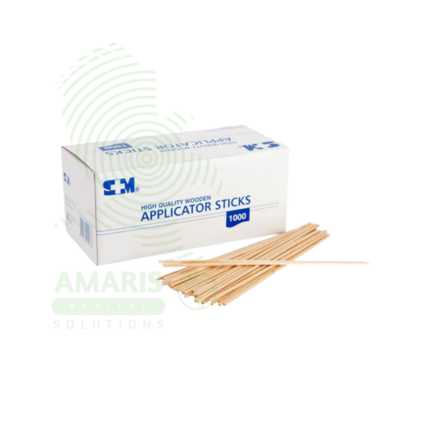
Applicator Sticks
Applicator Sticks are single-use medical devices with absorbent tips (cotton, rayon, flocked polyester) on wood, plastic, or paper shafts for collecting clinical specimens (throat, nasal, wound, cervical, urethral, rectal) for microbiological culture, rapid testing, and molecular diagnostics. Sterile individually wrapped or non-sterile bulk formats. Flocked swabs provide >90% specimen release for PCR testing. Primary applications include specimen collection for infection diagnosis, wound care and antiseptic application, gynecological sampling (Pap smears, STI testing), eye/ear specimen collection, laboratory slide preparation, and forensic evidence collection. Critical precautions include single-use only, sterile technique, proper collection method, and biohazard disposal. Essential consumable in all clinical settings.
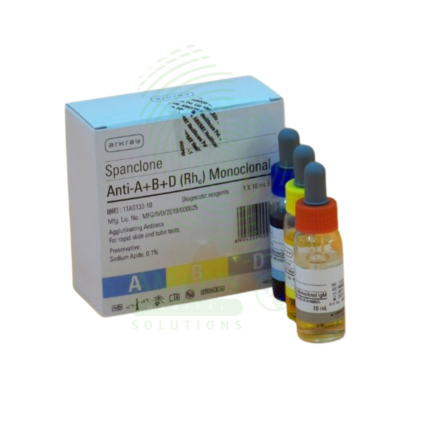
Blood Grouping kit
A Blood Grouping Kit is a Class II medical device (FDA-cleared/CE-marked) containing monoclonal antibodies (Anti-A, Anti-B, Anti-D) and control reagents for determining ABO blood group and Rh factor by agglutination method. The kit includes color-coded reagent vials, reaction cards or slides, mixing sticks, lancets, and capillary pipettes. Test time 2-5 minutes (slide method) or 15-30 minutes (tube method). Interpretation based on agglutination pattern: Anti-A positive = group A; Anti-B positive = group B; both positive = group AB; both negative = group O; Anti-D positive = Rh positive; Anti-D negative = Rh negative. Primary clinical applications include pre-transfusion compatibility testing, prenatal and neonatal testing (Rh incompatibility prevention), preoperative blood typing, blood donor screening, and emergency blood typing. Critical safety precautions include refrigerated storage (2-8°C), proper disposal of lancets in sharps containers, universal precautions for blood samples, and confirmation with reverse typing when possible. Essential kit for transfusion medicine, obstetrics, surgery, and emergency care.
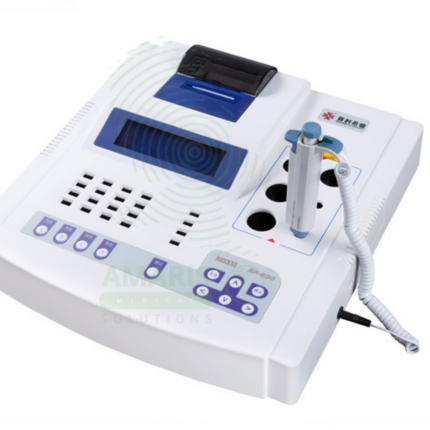
Coagulation Analyzer
A Coagulation Analyzer is a compact, automated instrument designed for performing essential tests that evaluate the blood's clotting ability. It accurately measures key parameters such as Prothrombin Time (PT/INR), Activated Partial Thromboplastin Time (aPTT), Thrombin Time, and Fibrinogen, which are critical for monitoring anticoagulant therapy (warfarin, heparin), diagnosing bleeding disorders, and assessing surgical risk. With its photometric detection and user-friendly operation, it delivers reliable results for small to medium-volume laboratories, clinics, and hospital wards. Its role in ensuring safe and effective patient management in thrombosis and hemostasis makes it a vital tool in clinical diagnostics.
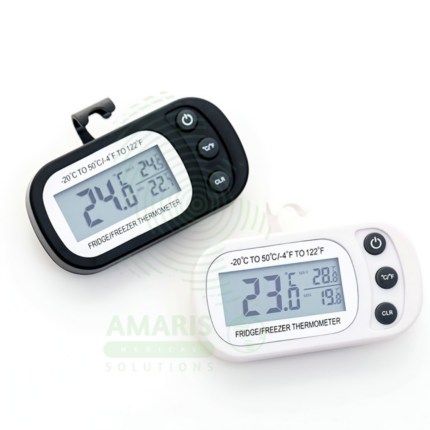
Fridge Thermometer
A Fridge Thermometer is a precision temperature monitoring device designed for continuous use inside medical and laboratory refrigerators and freezers. Its primary role is to safeguard the potency of vaccines, medications, and biological samples by ensuring storage temperatures remain within a critical specified range (e.g., +2°C to +8°C). Available in analog or digital formats, accurate models with memory functions are essential for compliance with cold chain protocols, requiring daily monitoring, logging, and regular calibration. It is a fundamental quality control tool in pharmacies, clinics, immunization centers, and laboratories.
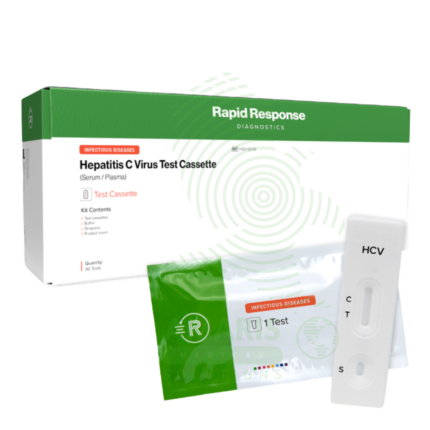
Hepatitis C Test Kit
The Hepatitis C Test Kit is an in vitro diagnostic device for the detection of Hepatitis C virus antibodies or RNA in human blood, serum, or plasma samples. Available in rapid, laboratory immunoassay, and molecular formats, it screens for HCV infection, confirms active infection with RNA testing, and monitors treatment response. With high sensitivity and specificity exceeding 99%, it is essential for identifying infected individuals, linking them to curative direct-acting antiviral therapy, and confirming cure. Essential applications include risk-based screening of high-risk populations, birth cohort screening of baby boomers, evaluation of acute hepatitis, management of occupational exposures, and monitoring of antiviral therapy that can cure over 95% of infections. All patient samples must be handled with universal precautions, and positive antibody results require confirmatory testing.
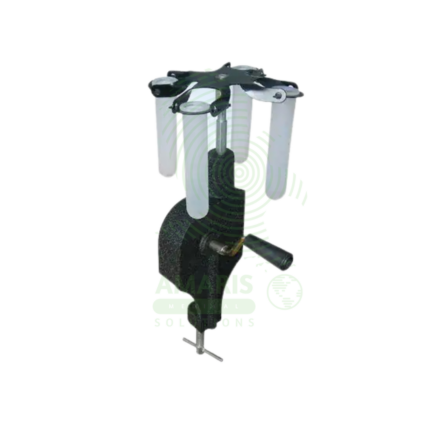
Manual Centrifuge
A Manual Centrifuge (hand-powered) is a non-electric mechanical device for separating fluids based on density, designed for use in field clinics, remote health posts, and developing world settings where electricity is unavailable or unreliable. Operated by hand crank, pull-cord, or foot pedal, achieving speeds of 1,000-4,000 RPM and RCF up to 1,500 x g. Accepts standard blood collection tubes (2-5 mL), microhematocrit tubes, and small centrifuge tubes. Primary clinical applications include separation of serum/plasma for basic diagnostic testing, urine sediment concentration for microscopy, microhematocrit determination for anemia screening, concentration of parasites for malaria and other vector-borne disease diagnosis, field epidemiology and outbreak investigation, veterinary medicine in rural settings, and teaching in resource-limited institutions. Critical safety precautions include meticulous balancing of tubes by weight (absolutely essential), never exceeding maximum rated speed, using appropriate PPE (no aerosol containment), regular inspection of gears and rotor for wear, and proper training of operators. Essential equipment for basic laboratory capabilities in low-resource and field settings.
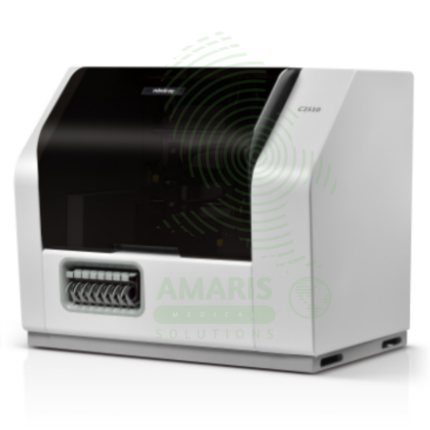
PRECIL Series
The PRECIL Series, originally developed by Beijing Precil and now associated with Mindray, comprises specialized coagulation analyzers and hemorheology analyzers for clinical laboratory testing. Coagulation analyzers measure PT, APTT, fibrinogen, TT, D-dimer, factor assays, and thrombophilia markers for diagnosing bleeding disorders, monitoring anticoagulant therapy, and assessing liver function. Hemorheology analyzers measure whole blood viscosity, plasma viscosity, erythrocyte aggregation, and deformability for evaluating hyperviscosity syndromes, sickle cell disease, diabetes, and cardiovascular disorders. The series includes specialized cleaning solutions and reagents (such as PLS cleaner) for maintaining analyzer performance and ensuring accurate results. Features include automated sample processing, color touchscreen interface, LIS connectivity, and comprehensive quality control programs. Primary clinical applications include coagulation testing for preoperative assessment, anticoagulant monitoring, DIC diagnosis, thrombophilia workup, and hemorheology assessment for conditions affecting blood flow. Essential laboratory instrumentation for hematology, coagulation, and specialized testing in hospital laboratories, reference laboratories, and research facilities.