Dermatoscope and Magnifiers
 Diagnostic Kits
 Vital Signs Monitors
 Stethoscopes and Accessories
 Otoscopes, Ophthalmoscopes, and Retinoscopes
 Reflex Hammers and Neurological Tools
 Scales and Measuring Devices
 Spirometers and Pulmonary Function Tests
 Electrosurgical Units and Accessories
 Cutting Instruments
 Grasping and Holding Instruments
 Hemostatic Instruments
 Specialized Surgical Sets
 Single-Use Procedure Trays and Packs
 Surgical Drapes, Gowns, and Covers
 Tissue Unifying Instruments
 Radiation Protection
 X-Ray Machines and Accessories
 Ultrasound Systems and Probes
 MRI and CT Scanners
 Radiology Consumables
 Bone Densitometers
 Fluoroscopy Equipment
 Imaging Tables and Positioning Aids
 Microscopes and Accessories
 Centrifuges and Separators
 Analyzers
 Incubators and Ovens
 Pipettes, Dispensers, and Lab Glassware
 Refrigerators, Freezers, and Storage Units
 Lab Consumables
 Sterilizers and Autoclaves for Lab Use
 Multi-Parameter Monitors
 Ventilators and Respiratory Support Devices
 Defibrillators and AEDs
 Infusion Pumps and IV Systems
 Patient Warmers and Cooling Devices
 Central Monitoring Stations
 Accessories
 Anesthesia Machines and Workstations
 Oxygen Concentrators and Delivery Systems
 Nebulizers and Inhalers
 CPAP/BiPAP Machines
 Airway Management
 Anesthesia Masks, Circuits, and Bags
 Humidifiers and Heaters
 Respiratory Therapy Accessories
 First Aid Kits and Cabinets
 Emergency Resuscitation Equipment
 Trauma Supplies
 Emergency Carts and Crash Carts
 Burn Care Products
 Bleeding Control
 Automated External Defibrillators (AEDs)
 Transport and Evacuation
 Wheelchairs and Accessories
 Walkers, Crutches, and Canes
 Prosthetics and Orthotics
 Physical Therapy Equipment
 Transfer Devices
 Bathroom Safety
 Orthopedic Traction and Tables
 Hot/Cold Therapy Packs and Units
 Beds and Mattresses
 Chairs and Stools
 Tables
 Cabinets and Storage
 Privacy Screens & Curtains
 Stands and Racks
 Linens and Textiles
 Lighting
 Autoclaves and Sterilizers
 Ultrasonic Cleaners
 Disinfectant Solutions and Wipes
 Sterilization Pouches, Wraps, and Indicators
 Instrument Trays and Containers
 UV and Ozone Disinfection Devices
 Washer Disinfectors
 Wound Care
 Gloves
 Masks and Respirators
 Catheters and Tubing
 Swabs, Applicators, and Sponges
 Incontinence Products
 Personal Protective Equipment (PPE)
 Dental Chairs and Units
 Handpieces and Burs
 Instruments
 Consumables
 Sterilization for Dental Use
 Orthodontic Supplies
 Endodontic Tools
 Slit Lamps and Tonometers
 Lensometers and Phoropters
 Ophthalmic Surgical Instruments
 Eyewear Frames and Lenses
 Contact Lens Supplies
 Vision Testing Charts and Devices
 Eye Care Consumables
 Laser Systems for Eye Care
 ENT Exam Chairs and Tables
 Endoscopes
 Audiometers and Hearing Tests
 ENT Instruments
 Nasal and Throat Packs
 Hearing Aids and Accessories
 Otology Supplies
 Fetal Dopplers and Monitors
 Delivery Beds and Tables
 Gynecological Instruments
 Neonatal Incubators and Warmers
 Breast Pumps and Accessories
 Contraceptive Devices
 Maternity Supports and Pads
 Neonatal Consumables
 Cystoscopes and Urethroscopes
 Dialysis Machines and Supplies
 Urological Catheters and Bags
 Lithotripters
 Prostate Treatment Devices
 Urinary Incontinence Products
 Kidney Stone Management Tools
 Consumables & Disposables
 EEG and EMG Machines
 Neurosurgical Instruments
 Nerve Stimulators
 Headrests and Positioning Aids
 Lumbar Puncture Kits
 Seizure Monitoring Devices
 Consumables
 Rehabilitation for Neurological Conditions
 ECG Machines and Accessories
 Holter Monitors
 Stress Test Systems
 Pacemakers and Defibrillator Accessories
 Vascular Access Devices
 Cardiac Catheters and Guidewires
 Blood Flow Meters
 Consumables
 Orthopedic Instruments
 Casts, Splints, and Padding
 Joint Replacement Supplies
 Prosthetic Limbs and Components
 Bone Grafts and Substitutes
 Traction Devices
 Orthopedic Braces and Supports
 Rehabilitation Aids for Orthopedics
 Home Oxygen Therapy
 Hospital Beds for Home Use
 Mobility Aids
 Bathroom and Daily Living Aids
 Wound Care for Home
 Monitoring Devices
 Enteral Feeding Pumps and Tubes
 Hand Sanitizers and Dispensers
 Face Shields and Goggles
 Isolation Gowns and Suits
 Biohazard Waste Containers
 Air Purifiers and HEPA Filters
 Surface Disinfectants
 Sharps Containers
 Protective Barriers
 Cardiovascular & Endurance Training
 Strength Training & Weightlifting
 Functional Training & Core Conditioning
 Physical Therapy & Rehabilitation
 Sports & Outdoor Recreation
 Gym Flooring & Facility Equipment
 Fitness Monitoring & Accessories
 Kids & Novelties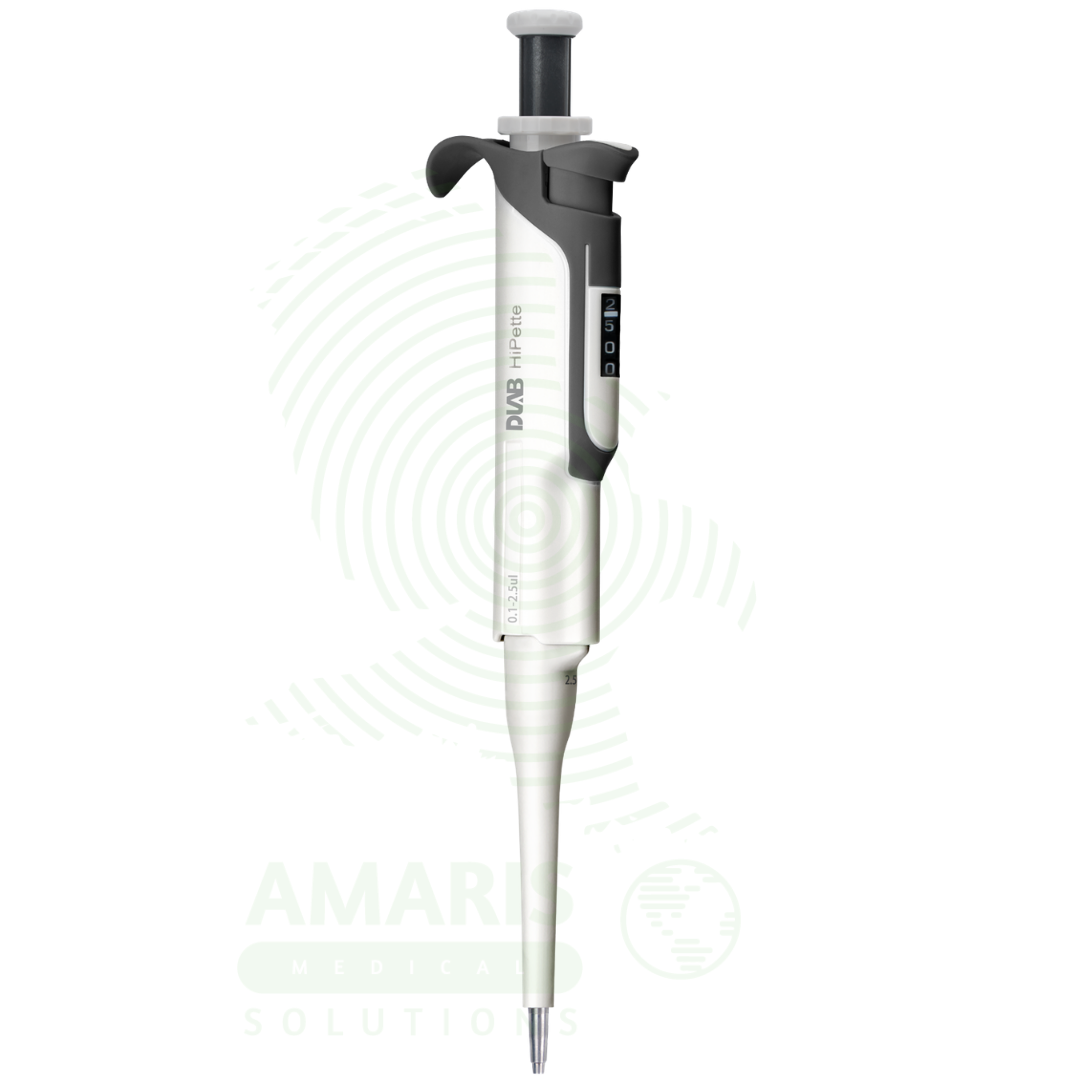

Manual Single-Channel Adjustable Color Pipette – Metal Tip (HiPette)
WhatsApp Order
The Manual Single-Channel Adjustable Color Pipette – Metal Tip is a precision manual pipette specifically engineered for accurate, stable, and contamination-free micro-volume liquid handling in molecular diagnostics and research laboratories. Featuring a durable metal tip configuration and compatibility with 10 µL extended tips, this pipette is optimized for electrophoresis sample loading, ensuring smooth, bubble-free placement of DNA, RNA, and protein samples into gel wells for sharp, reproducible band resolution.
Available in low-volume ranges including 0.1-2.5 μL, 0.5-10 μL, and 2-20 μL, the HiPette Metal Tip delivers ISO 8655-certified accuracy (systematic error as low as ±0.04 μL at 2.5 μL) and precision (CV ≤0.5% for low-volume models), essential for reliable PCR setup, DNA marker loading, and molecular diagnostic workflows. The pipette features a high-precision piston and metal screw mechanism for accurate aspiration and dispensing, a one-button volume lock to prevent errors, and smooth, tactile volume adjustment. The ergonomic design, with a first stop force of 4N and an ultra-light body weighing less than 100g, reduces hand fatigue during prolonged use, while the one-touch tip ejector promotes safe, hygienic tip removal. Color-coded push caps and barrels allow for quick volume range identification and organized laboratory management. The lower section is autoclavable at 121°C for contamination control, and the pipette is compatible with UV sterilization.
For the molecular biologist and clinical laboratory scientist, the HiPette Metal Tip provides the precision and reliability required for electrophoresis sample loading, PCR and qPCR setup, DNA marker loading, and micro-volume reagent dispensing. For the patient, the accuracy and reproducibility of this pipette support timely, reliable diagnostic results, guiding appropriate treatment decisions in infectious disease testing, genetic screening, and oncology biomarker analysis.
Description
Manual Single-Channel Adjustable Color Pipette – Metal Tip (HiPette)
PRIMARY CLINICAL & DIAGNOSTIC USES
1. Electrophoresis Sample Loading for Nucleic Acid Analysis
-
Primary Use: Provides a manual single-channel pipette with a durable metal tip specifically designed for precise, stable, and contamination-free loading of DNA, RNA, and protein samples into electrophoresis gel wells.
-
How it helps: For the molecular biologist and clinical laboratory scientist, the metal tip configuration and compatibility with 10 µL extended tips enable smooth, bubble-free loading. This ensures accurate placement of samples into gel wells, which is critical for obtaining sharp, well-resolved bands in diagnostic electrophoresis for genetic disorder screening, infectious disease typing, and nucleic acid quality assessment . For the patient, reliable electrophoresis results ensure accurate diagnosis of genetic conditions, infectious diseases, and other disorders, supporting appropriate clinical management.
2. Low-Volume Reagent Dispensing for PCR and Molecular Assays
-
Primary Use: Used for accurate micro-volume dispensing of PCR master mixes, primers, probes, and templates in sub-microliter to low-microliter ranges, supporting high-sensitivity molecular diagnostic workflows.
-
How it helps: For the molecular diagnostics technologist, the pipette’s low-volume ranges (0.1-2.5 µL, 0.5-10 µL, 2-20 µL) and high accuracy (systematic error as low as ±0.04 µL at 2.5 µL) enable precise preparation of PCR reactions, reducing reagent waste and minimizing the risk of reaction failure due to volume inaccuracies. For the patient, precise PCR setup ensures reliable amplification of target nucleic acids, reducing false-negative results in tests for infectious diseases such as COVID-19, HIV, and hepatitis.
3. DNA Marker and Standard Loading for Gel Electrophoresis
-
Primary Use: Supports accurate loading of DNA markers, ladders, and quantification standards into electrophoresis gels, ensuring consistent and reproducible sizing and quantification of DNA fragments .
-
How it helps: For the clinical geneticist and laboratory scientist, the pipette’s smooth, stable operation and bubble-free loading ensure that DNA markers are placed precisely and evenly across gel lanes, critical for accurate fragment size determination and concentration estimation . For the patient, accurate DNA sizing supports reliable diagnosis of genetic disorders, including hereditary anemias, muscular dystrophies, and other conditions requiring precise fragment length analysis.
4. Micro-Volume Sample Transfer for Quality Control and Research
-
Primary Use: Employed for precise transfer of micro-volume liquid samples in pharmaceutical quality control, biotechnology research, and academic laboratories requiring high accuracy and reproducibility in small-volume liquid handling .
-
How it helps: For the pharmaceutical QC chemist and research scientist, the pipette’s volume lock mechanism prevents accidental volume changes, ensuring consistent and repeatable sample preparation for HPLC, LC-MS, and other analytical instrumentation . For the patient, consistent sample preparation ensures that drug quality testing and research data are accurate and reliable, supporting the development and manufacturing of safe, effective pharmaceutical products.
SECONDARY & SUPPORTIVE USES
1. Agarose and Polyacrylamide Gel Loading: Used for loading samples and markers into gel wells for routine nucleic acid and protein electrophoresis experiments .
2. Western Blot Sample Preparation: Assists in the precise loading of protein samples into SDS-PAGE gels before electrophoretic transfer for immunodetection.
3. Cell Culture and Viability Assay Setup: Transfers cell suspensions, trypan blue, and other reagents into hemocytometers or multi-well plates for cell counting and viability assessment.
4. Enzymatic Reaction Setup: Dispenses enzymes, buffers, and substrates for PCR, restriction digestion, ligation, and other molecular biology enzymatic reactions.
5. Sanger Sequencing Reaction Preparation: Used for accurate dispensing of sequencing reaction components, including BigDye terminator mix, primers, and template DNA.
6. Forensic DNA Sample Loading: Supports loading of extracted DNA samples and allelic ladders into electrophoresis gels for STR analysis in forensic casework and paternity testing .
7. Agricultural and Plant Genotyping: Used for loading PCR products and markers for genotyping and marker-assisted breeding applications.
8. Food Safety Pathogen Detection: Facilitates precise loading of PCR amplicons for foodborne pathogen identification and GMO screening.
9. Veterinary Diagnostic Testing: Used for loading PCR products and controls for animal disease testing, including detection of canine parvovirus, feline leukemia, and avian influenza.
10. Environmental Microbiology: Supports loading of amplicons from water and soil samples for microbial community analysis and pathogen detection.
11. Academic and Teaching Laboratory Training: Serves as an essential tool for training students in micro-volume liquid handling and electrophoresis techniques in undergraduate and graduate laboratory courses.
KEY PRODUCT FEATURES
1. BASIC IDENTIFICATION ATTRIBUTES
-
Device Type: A manual single-channel adjustable volume pipette featuring a durable metal tip for precise electrophoresis sample loading and micro-volume liquid handling.
-
Designation: HiPette Manual Single-Channel Adjustable Color Pipette (Metal Tip), DLAB HiPette Pipette, Electrophoresis Pipette, Metal Tip Pipette.
-
Key Components:
-
Metal Tip: Durable metal nozzle configuration for stable manipulation during gel loading and extended tip compatibility .
-
Piston Mechanism: High-precision piston and metal screw structure for accurate aspiration and dispensing .
-
Volume Adjustment: One-button range lock to prevent pipetting errors; smooth, tactile adjustment .
-
Tip Ejector: One-touch tip ejector for safe, hygienic tip removal .
-
Color Coding: Range-specific color bands for quick visual identification and laboratory organization .
-
Display: Clear volume display window with 4-digit visibility .
-
Autoclavable Section: Lower autoclavable at 121°C for contamination control .
-
Chemical-resistant Construction: Polypropylene and stainless steel construction .
-
Filter System: Individual filter reduces volatile reagent ingress and piston corrosion .
-
2. TECHNICAL & PERFORMANCE PROPERTIES
-
Volume Ranges (Metal Tip Models): 0.1-2.5 μL, 0.5-10 μL, and 2-20 μL .
-
Volume Ranges (Standard Models): 0.1-2.5 µL, 0.5-10 µL, 2-20 µL, 5-50 µL, 10-100 µL, 20-200 µL, 30-300 µL, 100-1000 µL, 500-5000 µL, 1000-10000 µL .
-
Increments: Varies by model; 0.002 µL for 0.1-2.5 µL model .
-
Systematic Error (Accuracy):
-
0.1-2.5 µL model: ±0.04 µL (±1.4%) at 2.5 µL; ±0.03 µL (±12.0%) at 0.25 µL .
-
2-20 µL model: ±0.8% at 20 µL; ±5.0% at 2 µL .
-
-
Random Error (Precision/CV):
-
0.1-2.5 µL model: ±0.02 µL (±0.7%) at 2.5 µL .
-
2-20 µL model: ≤0.5% CV .
-
-
First Stop Force: 4N for smooth, comfortable plunger depression .
-
Second Stop Force: 10N for complete liquid expulsion .
-
Tip Compatibility: Compatible with 10 µL extended tips for improved gel well access; universal tip compatibility for standard tips .
-
Autoclavability: Lower part autoclavable at 121°C (250°F); some models fully autoclavable without disassembly .
-
Sterilization Methods: Autoclavable, UV sterilizable .
-
Calibration: User-adjustable, tool-based recalibration; online calibration available .
-
Weight: Ultra-light body weighing less than 100 g .
-
Operating Temperature: 15°C – 40°C .
-
Construction Material: Chemical-resistant polypropylene and stainless steel .
-
Compliance Standards: ISO 8655, ISO 9001:2015, ISO 13485:2016, CE certified .
3. PHYSICAL & OPERATIONAL PROPERTIES
-
Construction: Lightweight, high-strength polymer body with ergonomic contouring for comfortable, fatigue-reducing operation .
-
Operation: Manual, thumb-operated plunger control with smooth, low-force action; one-touch tip ejector for safe tip removal .
-
Volume Adjustment: Knob-style adjustment with click-stop increments; one-button volume lock prevents accidental changes .
-
Display: Clear, 4-digit push-button volume display for precise volume readings .
-
Color Coding: Color-coded push caps and barrels for each volume range, aiding in quick identification and laboratory organization .
-
Filter Protection: Individual filter system reduces volatile reagent entry and piston corrosion .
-
Ergonomics: Designed to reduce hand fatigue, with a first stop force of 4N and second stop force of 10N .
-
Portability: Light, compact design for easy benchtop use and storage.
-
Maintenance: Easy to disassemble; comes with tools for calibration and maintenance .
4. SAFETY & COMPLIANCE ATTRIBUTES
-
Regulatory Status: General laboratory equipment for in vitro diagnostic (IVD) use.
-
Safety Features: One-touch tip ejector minimizes contact with biohazardous samples; filter protects against over-aspiration and piston corrosion .
-
Autoclavability: Lower section autoclavable at 121°C for aseptic applications .
-
Chemical Resistance: Polypropylene and stainless steel construction resists aggressive reagents, solvents, and acids .
-
UV Sterilization: Compatible with UV disinfection .
-
Quality Certifications: ISO 9001:2015, ISO 13485:2016, CE certified .
-
ISO Compliance: ISO 8655 certified for accuracy and precision .
-
Environmental Compliance: Manufactured under strict quality control standards.
5. STORAGE & HANDLING ATTRIBUTES
-
Storage: Store upright in a pipette stand or carousel to prevent tip contamination; avoid prolonged exposure to direct sunlight or extreme temperatures.
-
Cleaning: Wipe exterior surfaces with 70% isopropyl alcohol or mild detergent solution; do not immerse the entire pipette in liquid.
-
Autoclaving: Disassemble or prepare lower section according to manufacturer guidelines; autoclave at 121°C for 20 minutes; allow to cool and dry completely before reassembly and use.
-
Calibration: Perform periodic calibration verification (every 6-12 months or as required by laboratory protocol) using a balance and distilled water per ISO 8655 guidelines; user-adjustable calibration tools provided.
-
Inspection: Inspect O-rings, seals, piston, and metal tip for wear, damage, or contamination before each use.
-
Operation: Press vertically into tip box to seat tips; depress plunger to first stop; immerse tip below liquid surface; release plunger smoothly and slowly; dispense by depressing plunger to second stop.
-
Volume Lock: Before use, ensure volume lock is engaged to prevent accidental volume changes during pipetting.
6. LABORATORY & CLINICAL APPLICATIONS
-
Primary Application: Precise micro-volume liquid handling for electrophoresis sample loading, PCR preparation, DNA marker loading, and reagent dispensing in molecular diagnostics, clinical genetics, pharmaceutical QC, and research laboratories.
-
Clinical Role: Essential liquid handling equipment in molecular diagnostics laboratories, clinical genetics labs, infectious disease testing facilities, forensic laboratories, pharmaceutical QC labs, and academic research institutions requiring accurate, reproducible micro-volume pipetting.
SAFETY HANDLING PRECAUTIONS
1. SAFETY PRECAUTIONS
-
Chemical Compatibility: Verify that all materials are compatible with the reagents being used; the pipette is designed to resist a wide range of aggressive chemicals and acids .
-
Tip Fit: Ensure tips are securely attached to the metal nozzle to prevent leakage or inaccurate volume aspiration.
-
Autoclaving: Always disassemble or properly prepare the pipette before autoclaving; follow manufacturer guidelines to prevent damage.
-
Volume Lock: Engage the volume lock after setting the desired volume to prevent accidental changes during pipetting .
-
Filter Use: Use the individual filter system to reduce volatile reagent ingress and protect the piston from corrosion .
-
Training: Only trained laboratory personnel should operate the HiPette Pipette for clinical diagnostic applications.
2. FIRST AID MEASURES
-
Sample Splash: If a biological or chemical sample splashes into the eyes, flush immediately with water for 15 minutes and seek medical attention; if on skin, wash with soap and water.
-
Chemical Exposure: Refer to the relevant Safety Data Sheet (SDS) for the specific chemical being handled for detailed first-aid instructions.
-
Mechanical Injury: If the pipette tip punctures skin (sharps injury), wash the wound thoroughly, and follow the facility's exposure management protocol for bloodborne pathogens.
-
Autoclave Burn: If handling the pipette immediately after autoclaving, use heat-resistant gloves; if a burn occurs, cool the area with cool running water for 15 minutes and seek medical attention.
3. FIRE FIGHTING MEASURES
-
Flammability: Plastic components and tip ejector are combustible; may melt or burn if exposed to flame or high heat.
-
Extinguishing Media: Use carbon dioxide (CO₂) or dry chemical extinguisher for fires involving plastic materials.
-
Fire Response: The primary fire risk comes from flammable laboratory reagents being handled; follow the laboratory's fire safety protocols.
Related products
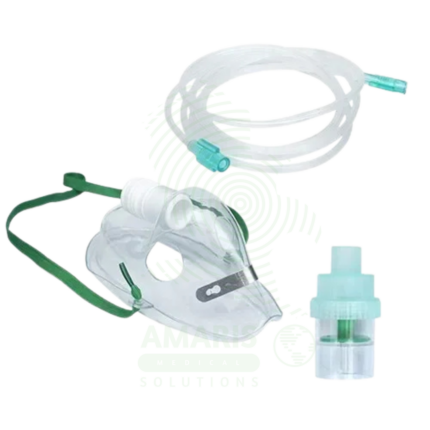
Adult & Pediatric Nebulizer Kit
An Adult & Pediatric Nebulizer Kit is a complete set of patient-contact components required for aerosol medication delivery, including a nebulizer cup, connecting tubing, and both an adult mouthpiece and a pediatric mask (or universal fit). Designed for use with a compressor, it provides the delivery circuit for treating asthma, COPD, and other respiratory conditions. Available in disposable (single-patient-use) formats for infection control in clinics or reusable formats for home care, its proper use, coupled with rigorous cleaning for reusable kits, is essential for effective therapy and preventing respiratory infections. The kit's universal connectors ensure compatibility with standard compressors.
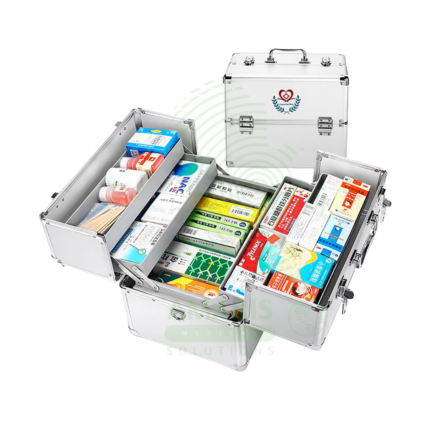
Aluminium First Aid Kit For Ambulance
An Aluminium First Aid Kit for Ambulance is a heavy-duty, weather-resistant storage case specifically designed for organizing, protecting, and securing medical supplies in emergency medical service vehicles. Constructed from 1.2-2.0 mm aluminium alloy with reinforced corners, durable latches, and rubber gaskets (IP54-IP67 rated), these cases protect contents from vibration, impact, moisture, and temperature extremes during emergency response. Available in various configurations including single compartment, multi-drawer, and clear-lid models with customizable interior dividers, elastic straps, and pouches. Designed to meet ambulance equipment mounting standards (KKK-A-1822, NFPA 1917, CEN 1789) with proper installation to withstand collision forces. Primary clinical applications include organized storage of airway management devices, bleeding control supplies, wound care materials, diagnostic equipment, emergency medications, IV supplies, splinting equipment, PPE, and obstetric supplies for BLS, ALS, and CCT ambulance services. Critical safety considerations include proper vehicle mounting to prevent projectile hazards, secure latching during transport, regular inventory management, expiration date monitoring, and decontamination after biohazard exposure. Essential equipment for organized, efficient, and safe emergency medical response.
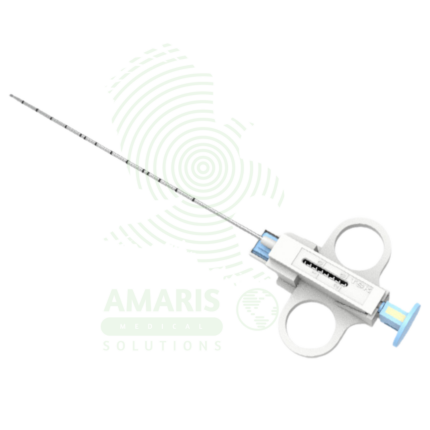
Biopsy Needles
Biopsy Needles are sterile, single-use precision medical devices designed to obtain tissue or cellular specimens from internal organs, masses, and lesions for histopathological or cytological diagnosis. Available in core biopsy (automatic spring-loaded, semi-automatic, vacuum-assisted, coaxial) and fine needle aspiration configurations, with gauges ranging from 14G-27G and lengths from 6-25 cm. Core biopsy needles obtain intact tissue cores preserving histological architecture; FNA needles aspirate cellular material for cytological evaluation. Specialized variants include bone marrow biopsy needles (Jamshidi, Illinois), echogenic-tip needles for ultrasound guidance, and MRI-compatible needles (nitinol, titanium). Critical safety requirements include strict image guidance for non-palpable lesions, verification of coagulation status, adherence to single-use protocols, and immediate post-procedure monitoring for complications (hemorrhage, pneumothorax, organ injury). An indispensable tool in interventional radiology, oncology, and minimally invasive diagnosis.
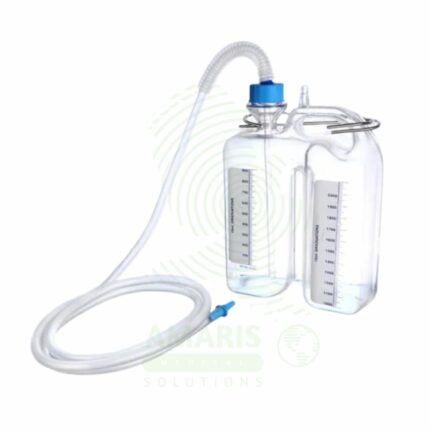
Chest Bottle
A Chest Bottle (Underwater Seal Drainage System) is a three-chamber disposable device used to drain air and fluid from the pleural space via a chest tube. Its critical component is a water seal chamber that acts as a one-way valve, preventing air from re-entering the chest while allowing drainage. It is used to treat pneumothorax, hemothorax, and pleural effusions, and is mandatory post-thoracic surgery. The system must always be kept upright and below the patient's chest level. It provides essential clinical information through tidaling in the water seal (indicating tube patency and lung expansion) and bubbling (indicating an air leak), making it both a therapeutic and diagnostic tool.
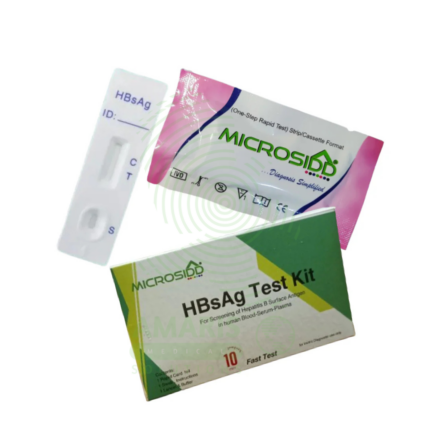
Hepatitis B Test Kit
The Hepatitis B Test Kit is an in vitro diagnostic device for the detection of Hepatitis B virus markers in human blood samples, available in rapid, ELISA, and molecular formats. It detects specific antigens (HBsAg) and antibodies (anti-HBc, anti-HBs) to diagnose acute and chronic infection, monitor treatment response, screen blood donations, and determine immunity status. With high sensitivity (>98%) and specificity (>99%), it provides results in 15 minutes to 4 hours depending on format. Essential applications include prenatal screening to prevent mother-to-child transmission, evaluation of acute hepatitis, pre-immunosuppression screening, and occupational health testing. All patient samples must be handled with universal precautions, and testing must include appropriate quality controls.
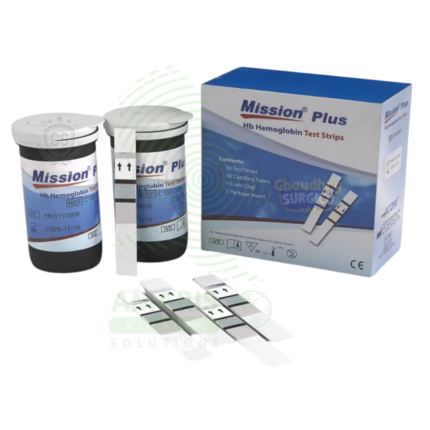
Mission plus strips
Mission Plus Strips are single-use, disposable electrochemical test strips (ISO 15197:2013 compliant) designed exclusively for use with Mission Plus glucose meters to measure capillary blood glucose from 0.5-1.0 µL samples in 5-7 seconds. Each strip contains glucose oxidase or glucose dehydrogenase reagents that generate electrical current proportional to glucose concentration (20-600 mg/dL range). Packaging options include multi-strip vials (25-100 strips) with desiccant for daily use or individually foil-wrapped strips for travel. Strips feature no-coding automatic calibration, hematocrit compensation (20-60%), and interference resistance. Primary clinical applications include daily blood glucose testing for Type 1, Type 2, and gestational diabetes management, hypoglycemia and hyperglycemia detection, pre- and post-meal glucose assessment, and hospital point-of-care testing. Critical safety precautions include single-use only, immediate vial closure after strip removal to prevent humidity damage, storage at 2-30°C away from bathrooms and temperature extremes, never using expired strips, proper hand hygiene before testing, and disposal in sharps containers. Essential consumable for diabetes self-management when used with Mission Plus meters.
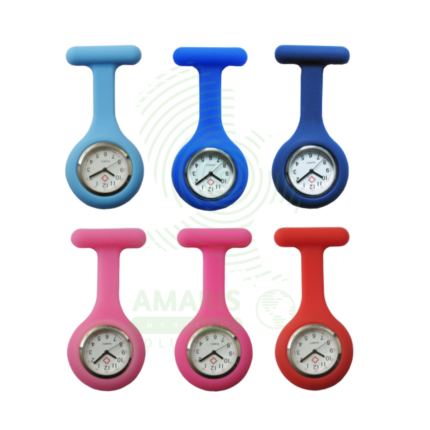
Nurse Watch
A Nurse Watch is a professional-grade analog wristwatch specifically designed for clinical use. Its hallmark is a built-in "pulsometer" scale that allows for rapid, on-the-spot calculation of a patient's heart rate by timing pulses over a short interval. Featuring a high-contrast dial with a clear sweep second hand, durable water-resistant construction, and a cleanable band, it is engineered for accuracy, legibility, and infection control in healthcare settings. It is an indispensable personal tool for nurses, enabling precise measurement of vital signs, timing of medications and procedures, and accurate clinical documentation throughout the shift.