Dermatoscope and Magnifiers
 Diagnostic Kits
 Vital Signs Monitors
 Stethoscopes and Accessories
 Otoscopes, Ophthalmoscopes, and Retinoscopes
 Reflex Hammers and Neurological Tools
 Scales and Measuring Devices
 Spirometers and Pulmonary Function Tests
 Electrosurgical Units and Accessories
 Cutting Instruments
 Grasping and Holding Instruments
 Hemostatic Instruments
 Specialized Surgical Sets
 Single-Use Procedure Trays and Packs
 Surgical Drapes, Gowns, and Covers
 Tissue Unifying Instruments
 Radiation Protection
 X-Ray Machines and Accessories
 Ultrasound Systems and Probes
 MRI and CT Scanners
 Radiology Consumables
 Bone Densitometers
 Fluoroscopy Equipment
 Imaging Tables and Positioning Aids
 Microscopes and Accessories
 Centrifuges and Separators
 Analyzers
 Incubators and Ovens
 Pipettes, Dispensers, and Lab Glassware
 Refrigerators, Freezers, and Storage Units
 Lab Consumables
 Sterilizers and Autoclaves for Lab Use
 Multi-Parameter Monitors
 Ventilators and Respiratory Support Devices
 Defibrillators and AEDs
 Infusion Pumps and IV Systems
 Patient Warmers and Cooling Devices
 Central Monitoring Stations
 Accessories
 Anesthesia Machines and Workstations
 Oxygen Concentrators and Delivery Systems
 Nebulizers and Inhalers
 CPAP/BiPAP Machines
 Airway Management
 Anesthesia Masks, Circuits, and Bags
 Humidifiers and Heaters
 Respiratory Therapy Accessories
 First Aid Kits and Cabinets
 Emergency Resuscitation Equipment
 Trauma Supplies
 Emergency Carts and Crash Carts
 Burn Care Products
 Bleeding Control
 Automated External Defibrillators (AEDs)
 Transport and Evacuation
 Wheelchairs and Accessories
 Walkers, Crutches, and Canes
 Prosthetics and Orthotics
 Physical Therapy Equipment
 Transfer Devices
 Bathroom Safety
 Orthopedic Traction and Tables
 Hot/Cold Therapy Packs and Units
 Beds and Mattresses
 Chairs and Stools
 Tables
 Cabinets and Storage
 Privacy Screens & Curtains
 Stands and Racks
 Linens and Textiles
 Lighting
 Autoclaves and Sterilizers
 Ultrasonic Cleaners
 Disinfectant Solutions and Wipes
 Sterilization Pouches, Wraps, and Indicators
 Instrument Trays and Containers
 UV and Ozone Disinfection Devices
 Washer Disinfectors
 Wound Care
 Gloves
 Masks and Respirators
 Catheters and Tubing
 Swabs, Applicators, and Sponges
 Incontinence Products
 Personal Protective Equipment (PPE)
 Dental Chairs and Units
 Handpieces and Burs
 Instruments
 Consumables
 Sterilization for Dental Use
 Orthodontic Supplies
 Endodontic Tools
 Slit Lamps and Tonometers
 Lensometers and Phoropters
 Ophthalmic Surgical Instruments
 Eyewear Frames and Lenses
 Contact Lens Supplies
 Vision Testing Charts and Devices
 Eye Care Consumables
 Laser Systems for Eye Care
 ENT Exam Chairs and Tables
 Endoscopes
 Audiometers and Hearing Tests
 ENT Instruments
 Nasal and Throat Packs
 Hearing Aids and Accessories
 Otology Supplies
 Fetal Dopplers and Monitors
 Delivery Beds and Tables
 Gynecological Instruments
 Neonatal Incubators and Warmers
 Breast Pumps and Accessories
 Contraceptive Devices
 Maternity Supports and Pads
 Neonatal Consumables
 Cystoscopes and Urethroscopes
 Dialysis Machines and Supplies
 Urological Catheters and Bags
 Lithotripters
 Prostate Treatment Devices
 Urinary Incontinence Products
 Kidney Stone Management Tools
 Consumables & Disposables
 EEG and EMG Machines
 Neurosurgical Instruments
 Nerve Stimulators
 Headrests and Positioning Aids
 Lumbar Puncture Kits
 Seizure Monitoring Devices
 Consumables
 Rehabilitation for Neurological Conditions
 ECG Machines and Accessories
 Holter Monitors
 Stress Test Systems
 Pacemakers and Defibrillator Accessories
 Vascular Access Devices
 Cardiac Catheters and Guidewires
 Blood Flow Meters
 Consumables
 Orthopedic Instruments
 Casts, Splints, and Padding
 Joint Replacement Supplies
 Prosthetic Limbs and Components
 Bone Grafts and Substitutes
 Traction Devices
 Orthopedic Braces and Supports
 Rehabilitation Aids for Orthopedics
 Home Oxygen Therapy
 Hospital Beds for Home Use
 Mobility Aids
 Bathroom and Daily Living Aids
 Wound Care for Home
 Monitoring Devices
 Enteral Feeding Pumps and Tubes
 Hand Sanitizers and Dispensers
 Face Shields and Goggles
 Isolation Gowns and Suits
 Biohazard Waste Containers
 Air Purifiers and HEPA Filters
 Surface Disinfectants
 Sharps Containers
 Protective Barriers
 Cardiovascular & Endurance Training
 Strength Training & Weightlifting
 Functional Training & Core Conditioning
 Physical Therapy & Rehabilitation
 Sports & Outdoor Recreation
 Gym Flooring & Facility Equipment
 Fitness Monitoring & Accessories
 Kids & Novelties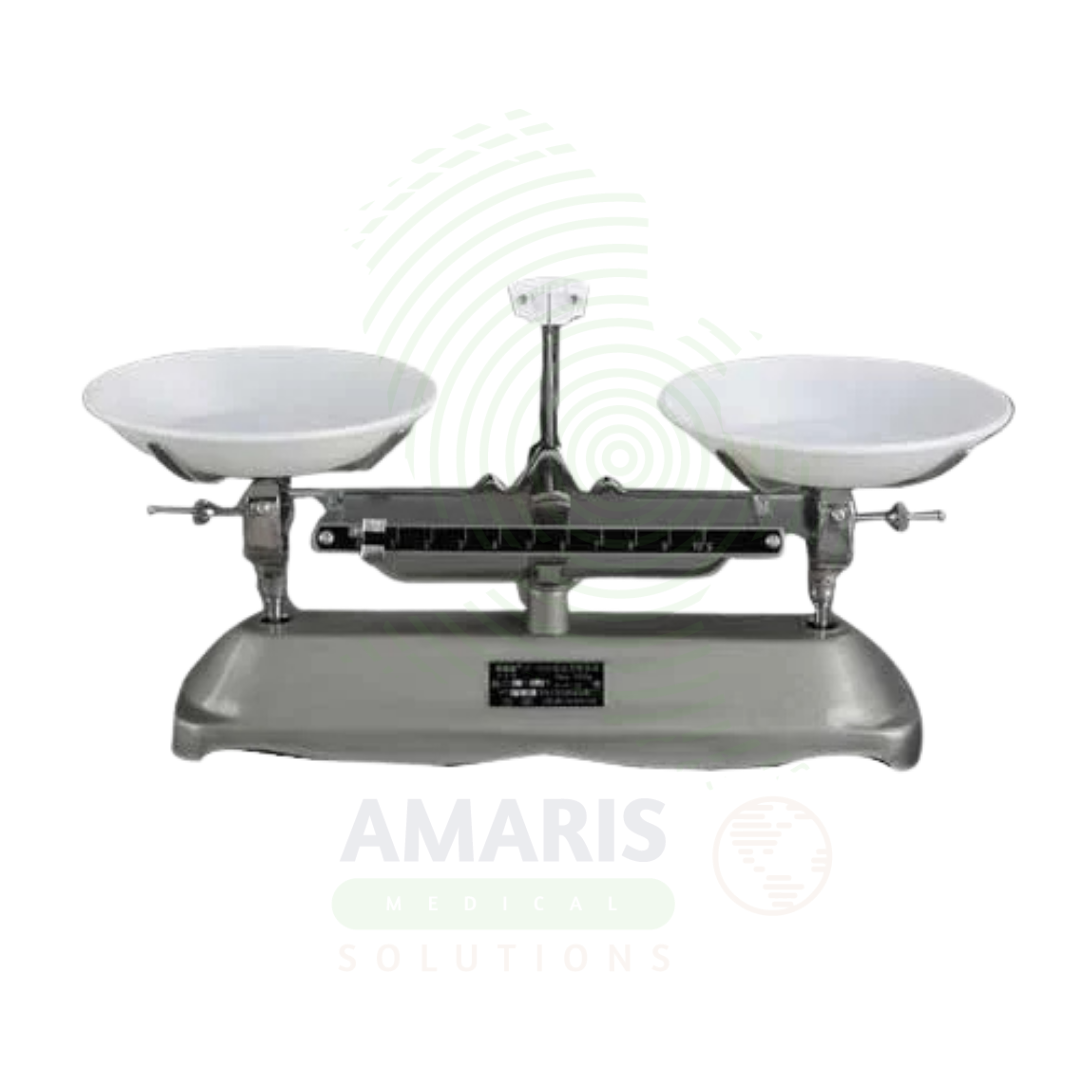
Mechanical Tray Scale
WhatsApp Order
A Mechanical Tray Scale is a durable, calibration-free weighing device used in pathology, pharmacy, research, and veterinary laboratories for accurate measurement of specimens, samples, and reagents. Featuring a tray platform for convenient sample placement and mechanical sliding weights for precise measurement, it provides reliable performance without electrical components. Essential for specimen weighing, compounding, and laboratory applications, it delivers consistent results in demanding environments.
Description
Mechanical Tray Scale
PRIMARY CLINICAL & DIAGNOSTIC USES
1. Accurate Weighing of Laboratory Specimens and Samples
-
Primary Use: Provides accurate weight measurement for laboratory specimens, tissue samples, biopsy materials, and surgical specimens. The tray platform accommodates containers, specimen bags, and direct placement of samples for precise weight determination.
-
How it helps: For the pathologist, laboratory technician, and surgical team, accurate specimen weight is essential for diagnostic interpretation, calculating specimen-to-fixative ratios, and documenting findings. For the patient, accurate specimen handling contributes to reliable diagnostic results and appropriate treatment planning.
2. Weighing of Surgical Specimens for Pathology
-
Primary Use: Used in pathology departments and operating rooms to weigh surgical specimens including resected tumors, organs, and tissue biopsies. Accurate specimen weight is critical for pathological staging, determining tumor burden, and assessing response to treatment.
-
How it helps: For the pathologist and surgeon, precise specimen weight provides essential data for cancer staging and treatment planning—documenting tumor size, assessing resection adequacy, and guiding adjuvant therapy decisions. For the patient, accurate pathological staging ensures appropriate treatment and better prognostic information.
3. Pharmacy Compounding and Medication Preparation
-
Primary Use: Used in hospital and compounding pharmacies to weigh ingredients for sterile and non-sterile preparations. The mechanical scale provides reliable, calibration-free operation for preparing customized medications.
-
How it helps: For the compounding pharmacist, the mechanical tray scale provides accurate, reproducible measurements for preparing patient-specific medications—ensuring correct dosing for pediatric, oncology, and other specialized preparations. For the patient, accurate compounding means receiving the exact prescribed dose.
4. Weighing of Laboratory Reagents and Materials
-
Primary Use: Used in research and clinical laboratories to weigh reagents, chemicals, and laboratory materials. The durable mechanical design withstands the demands of busy laboratory environments.
-
How it helps: For the laboratory scientist and researcher, accurate reagent weighing is essential for preparing solutions, calibrating instruments, and ensuring experimental reproducibility. For the patient, reliable laboratory results depend on accurately prepared reagents and quality controls.
5. Weighing of Small Animals and Animal Tissues
-
Primary Use: Used in veterinary and research settings to weigh small animals, animal tissues, and biological specimens. The tray platform provides a stable surface for weighing without the need for containers.
-
How it helps: For the veterinary technician and research scientist, accurate weight measurement supports medication dosing, nutritional assessment, and experimental protocols. For the animal, correct dosing ensures safe, effective treatment.
SECONDARY & SUPPORTIVE USES
1. Dietary and Nutritional Assessment: Weighing of food portions for nutritional studies.
2. Environmental Testing: Weighing of filters and samples for environmental monitoring.
3. Quality Control: Weighing for quality assurance in manufacturing and testing.
4. Forensic Applications: Weighing of evidence and biological samples.
5. Educational Use: Teaching weighing techniques in laboratory training programs.
6. Field Research: Portable mechanical scales for field studies.
KEY PRODUCT FEATURES
1. BASIC IDENTIFICATION ATTRIBUTES
-
Device Type: A mechanical balance scale with a tray platform for weighing specimens, samples, and materials.
-
Designation: Mechanical Tray Scale, Triple Beam Balance, Laboratory Scale, Specimen Scale, Mechanical Balance.
-
Key Components:
-
Tray Platform: Removable or integrated weighing tray.
-
Balance Beam: Graduated beam with sliding weights.
-
Poisons (Weights): Adjustable weights for measurement.
-
Zero Adjustment: Calibration mechanism.
-
Base: Stable base for laboratory use.
-
Tare Feature: Zeroing capability with tray.
-
2. TECHNICAL & PERFORMANCE PROPERTIES
-
Capacity: 100-5,000 grams depending on model.
-
Readability: 0.1-1.0 grams.
-
Accuracy: ±0.1% to ±0.5%.
-
Measurement Mechanism: Triple beam or single beam with sliding weights.
-
Tare Range: Up to full capacity.
-
Calibration: Mechanical zero adjustment; no external calibration required.
-
Construction: Durable metal construction.
3. PHYSICAL & OPERATIONAL PROPERTIES
-
Construction: Cast metal or high-impact plastic base; stainless steel tray.
-
Portability: Stationary benchtop unit.
-
Controls: Mechanical sliding weights.
-
Cleaning: Easy-clean surfaces; removable tray.
-
Durability: No electronics; reliable in all environments.
4. SAFETY & COMPLIANCE ATTRIBUTES
-
Regulatory Status: Class I medical device (laboratory use).
-
Chemical Resistance: Corrosion-resistant materials.
-
Stability: Wide base for stability.
-
No Electrical Components: Safe for use in flammable environments.
5. STORAGE & HANDLING ATTRIBUTES
-
Storage: Stored on laboratory benchtop.
-
Cleaning: Clean with mild detergent; disinfect as needed.
-
Calibration: Zero adjustment before each use; periodic verification with standard weights.
-
Maintenance: Keep beam and poises clean; lubricate pivot points as needed.
6. LABORATORY & CLINICAL APPLICATIONS
-
Primary Application: Weighing of specimens, samples, and reagents in laboratory and clinical settings.
-
Clinical Role: Essential equipment in pathology, pharmacy, research, and veterinary laboratories.
SAFETY HANDLING PRECAUTIONS
1. SAFETY PRECAUTIONS
-
Calibration: Zero scale before each use for accuracy.
-
Weight Handling: Handle poises carefully; do not force.
-
Cleaning: Clean tray after each use to prevent cross-contamination.
-
Stability: Place on level, stable surface.
2. FIRST AID MEASURES
-
Chemical Exposure: If corrosive materials contact scale, clean immediately; follow safety protocols.
-
Sharp Objects: Handle sharp specimens carefully; dispose appropriately.
3. FIRE FIGHTING MEASURES
-
Flammability: Metal components are non-flammable.
-
Extinguishing Media: Use water, foam, or CO₂ as appropriate for surrounding materials.
Related products
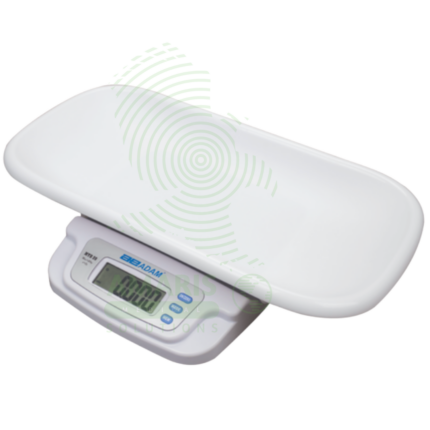
Digital Baby Weighing Scale
A Digital Baby Weighing Scale is a high-precision medical device designed exclusively for the safe and accurate measurement of infant and toddler weight. Featuring a stable, hygienic platform with gram-level precision, it is indispensable in hospitals (especially NICUs), pediatric clinics, and community health settings. Its core functions—such as hold, tare, and zeroing—ensure reliable readings even with a moving child. Accurate weight data is foundational for assessing growth, calculating medication doses, managing nutrition, and detecting early signs of health issues, making this scale a critical tool for safeguarding infant health and development.
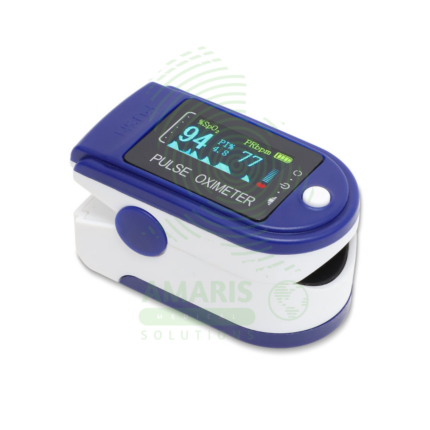
Fingertip Pulse Oximeter
A Fingertip Pulse Oximeter is a compact, non-invasive medical device that clips onto a finger to measure peripheral arterial oxygen saturation (SpO2) and pulse rate in seconds. Utilizing light-based technology, it provides critical, real-time data on respiratory and circulatory status. Its portability and ease of use make it indispensable in hospitals (from ORs to general wards), for patients managing chronic lung conditions at home, and for situational monitoring in sports or high-altitude environments. While an extremely valuable screening tool, readings must be interpreted in context, considering factors like patient movement, perfusion, and clinical symptoms.

Littman Stethoscope (Classic 4 Cardiology)
A Littman Stethoscope (Classic 4 Cardiology) represents the pinnacle of acoustic auscultation technology. Designed for clinicians who require the highest level of diagnostic accuracy, it features dual tunable diaphragms and dual-lumen tubing to provide exceptional acoustic sensitivity and ambient noise reduction. Its innovative design allows the user to hear both high and low-frequency sounds by simply adjusting pressure on either side of the chestpiece, making it the instrument of choice for cardiologists, intensivists, and specialists who cannot afford to miss a subtle murmur, rub, or breath sound. It combines superior performance with the durability and comfort expected from the Littmann brand.
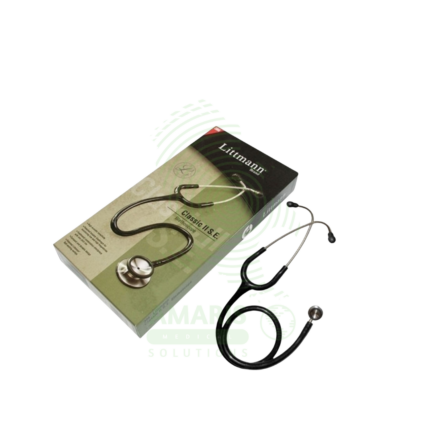
Littmann Stethoscope (Classic II)
A Littmann Stethoscope (Classic II) is a premium, acoustic dual-head stethoscope renowned for its diagnostic clarity, durability, and innovative tunable diaphragm technology. It allows healthcare professionals to hear both high and low-frequency sounds by simply adjusting pressure on the single-sided chestpiece, eliminating the need to rotate it. With its superior acoustics, comfortable fit, and wide range of colors, it is the instrument of choice for medical students, nurses, and physicians across all specialties who require reliable performance for physical assessment, auscultation of heart and lung sounds, and manual blood pressure measurement.
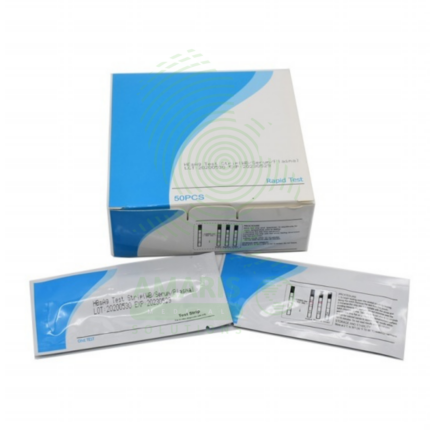
Rapid Test Kits (HIV, HBV, HCV, Malaria)
Rapid Test Kits for HIV, HBV, HCV, and Malaria are single-use, immunochromatographic devices designed for the quick, preliminary screening of these critical infectious diseases at the point of care. By detecting specific antibodies or antigens in a small blood sample (or oral fluid for some HIV tests), they provide a visual result within 15-30 minutes without the need for laboratory equipment. Their primary role is to expand access to testing in community and resource-limited settings, enabling immediate counseling, triage, and referral for confirmatory testing and treatment. As essential tools in public health, they are characterized by their simplicity, speed, and critical importance in early diagnosis and outbreak response.
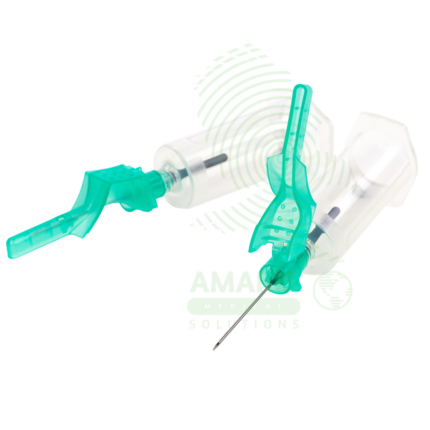
SAFE SERIES Blood Collection Needles
The SAFE SERIES (AM-SAFE) by Beijing Precil (Mindray subsidiary) is a comprehensive line of safety-engineered blood collection devices designed to prevent accidental needlestick injuries in healthcare workers. The series includes venous blood collection needles (AM-SAFE-V), standard safety needles (AM-SAFE1), winged infusion sets/butterfly needles (AM-SAFE2), high-gauge thin-wall needles for fragile veins (AM-SAFE3), premium coated needles for enhanced patient comfort (AM-GOLD), and nurse-friendly one-handed safety variants (AM-NURSE). All devices incorporate integral safety mechanisms that shield the contaminated needle immediately after withdrawal, complying with OSHA Needlestick Safety and Prevention Act requirements. Available in various gauges (18G-25G) and configurations for routine venipuncture, difficult vein access, pediatric/geriatric patients, and frequent blood draws. Sterile, single-use, latex-free, and color-coded for easy gauge identification. Essential safety devices for blood collection in hospitals, clinics, laboratories, and home healthcare settings.
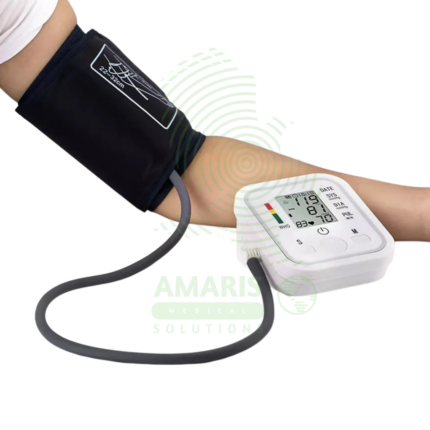
Upper Arm Blood Pressure Monitor
The Upper Arm Blood Pressure Monitor is a clinically validated, automatic digital device designed for accurate and comfortable blood pressure and pulse measurement at home or in professional settings. Known for its user-friendly features like Intellisense inflation technology, a large clear display, and comprehensive functions including irregular heartbeat detection, multi-user memory, and a WHO-based hypertension indicator, it provides reliable data for effective hypertension management. Its robust construction, adherence to international safety standards (CE, FDA), and focus on patient comfort make it a trusted choice for individuals and healthcare providers seeking a dependable tool for cardiovascular health monitoring.