Dermatoscope and Magnifiers
 Diagnostic Kits
 Vital Signs Monitors
 Stethoscopes and Accessories
 Otoscopes, Ophthalmoscopes, and Retinoscopes
 Reflex Hammers and Neurological Tools
 Scales and Measuring Devices
 Spirometers and Pulmonary Function Tests
 Electrosurgical Units and Accessories
 Cutting Instruments
 Grasping and Holding Instruments
 Hemostatic Instruments
 Specialized Surgical Sets
 Single-Use Procedure Trays and Packs
 Surgical Drapes, Gowns, and Covers
 Tissue Unifying Instruments
 Radiation Protection
 X-Ray Machines and Accessories
 Ultrasound Systems and Probes
 MRI and CT Scanners
 Radiology Consumables
 Bone Densitometers
 Fluoroscopy Equipment
 Imaging Tables and Positioning Aids
 Microscopes and Accessories
 Centrifuges and Separators
 Analyzers
 Incubators and Ovens
 Pipettes, Dispensers, and Lab Glassware
 Refrigerators, Freezers, and Storage Units
 Lab Consumables
 Sterilizers and Autoclaves for Lab Use
 Multi-Parameter Monitors
 Ventilators and Respiratory Support Devices
 Defibrillators and AEDs
 Infusion Pumps and IV Systems
 Patient Warmers and Cooling Devices
 Central Monitoring Stations
 Accessories
 Anesthesia Machines and Workstations
 Oxygen Concentrators and Delivery Systems
 Nebulizers and Inhalers
 CPAP/BiPAP Machines
 Airway Management
 Anesthesia Masks, Circuits, and Bags
 Humidifiers and Heaters
 Respiratory Therapy Accessories
 First Aid Kits and Cabinets
 Emergency Resuscitation Equipment
 Trauma Supplies
 Emergency Carts and Crash Carts
 Burn Care Products
 Bleeding Control
 Automated External Defibrillators (AEDs)
 Transport and Evacuation
 Wheelchairs and Accessories
 Walkers, Crutches, and Canes
 Prosthetics and Orthotics
 Physical Therapy Equipment
 Transfer Devices
 Bathroom Safety
 Orthopedic Traction and Tables
 Hot/Cold Therapy Packs and Units
 Beds and Mattresses
 Chairs and Stools
 Tables
 Cabinets and Storage
 Privacy Screens & Curtains
 Stands and Racks
 Linens and Textiles
 Lighting
 Autoclaves and Sterilizers
 Ultrasonic Cleaners
 Disinfectant Solutions and Wipes
 Sterilization Pouches, Wraps, and Indicators
 Instrument Trays and Containers
 UV and Ozone Disinfection Devices
 Washer Disinfectors
 Wound Care
 Gloves
 Masks and Respirators
 Catheters and Tubing
 Swabs, Applicators, and Sponges
 Incontinence Products
 Personal Protective Equipment (PPE)
 Dental Chairs and Units
 Handpieces and Burs
 Instruments
 Consumables
 Sterilization for Dental Use
 Orthodontic Supplies
 Endodontic Tools
 Slit Lamps and Tonometers
 Lensometers and Phoropters
 Ophthalmic Surgical Instruments
 Eyewear Frames and Lenses
 Contact Lens Supplies
 Vision Testing Charts and Devices
 Eye Care Consumables
 Laser Systems for Eye Care
 ENT Exam Chairs and Tables
 Endoscopes
 Audiometers and Hearing Tests
 ENT Instruments
 Nasal and Throat Packs
 Hearing Aids and Accessories
 Otology Supplies
 Fetal Dopplers and Monitors
 Delivery Beds and Tables
 Gynecological Instruments
 Neonatal Incubators and Warmers
 Breast Pumps and Accessories
 Contraceptive Devices
 Maternity Supports and Pads
 Neonatal Consumables
 Cystoscopes and Urethroscopes
 Dialysis Machines and Supplies
 Urological Catheters and Bags
 Lithotripters
 Prostate Treatment Devices
 Urinary Incontinence Products
 Kidney Stone Management Tools
 Consumables & Disposables
 EEG and EMG Machines
 Neurosurgical Instruments
 Nerve Stimulators
 Headrests and Positioning Aids
 Lumbar Puncture Kits
 Seizure Monitoring Devices
 Consumables
 Rehabilitation for Neurological Conditions
 ECG Machines and Accessories
 Holter Monitors
 Stress Test Systems
 Pacemakers and Defibrillator Accessories
 Vascular Access Devices
 Cardiac Catheters and Guidewires
 Blood Flow Meters
 Consumables
 Orthopedic Instruments
 Casts, Splints, and Padding
 Joint Replacement Supplies
 Prosthetic Limbs and Components
 Bone Grafts and Substitutes
 Traction Devices
 Orthopedic Braces and Supports
 Rehabilitation Aids for Orthopedics
 Home Oxygen Therapy
 Hospital Beds for Home Use
 Mobility Aids
 Bathroom and Daily Living Aids
 Wound Care for Home
 Monitoring Devices
 Enteral Feeding Pumps and Tubes
 Hand Sanitizers and Dispensers
 Face Shields and Goggles
 Isolation Gowns and Suits
 Biohazard Waste Containers
 Air Purifiers and HEPA Filters
 Surface Disinfectants
 Sharps Containers
 Protective Barriers
 Cardiovascular & Endurance Training
 Strength Training & Weightlifting
 Functional Training & Core Conditioning
 Physical Therapy & Rehabilitation
 Sports & Outdoor Recreation
 Gym Flooring & Facility Equipment
 Fitness Monitoring & Accessories
 Kids & Novelties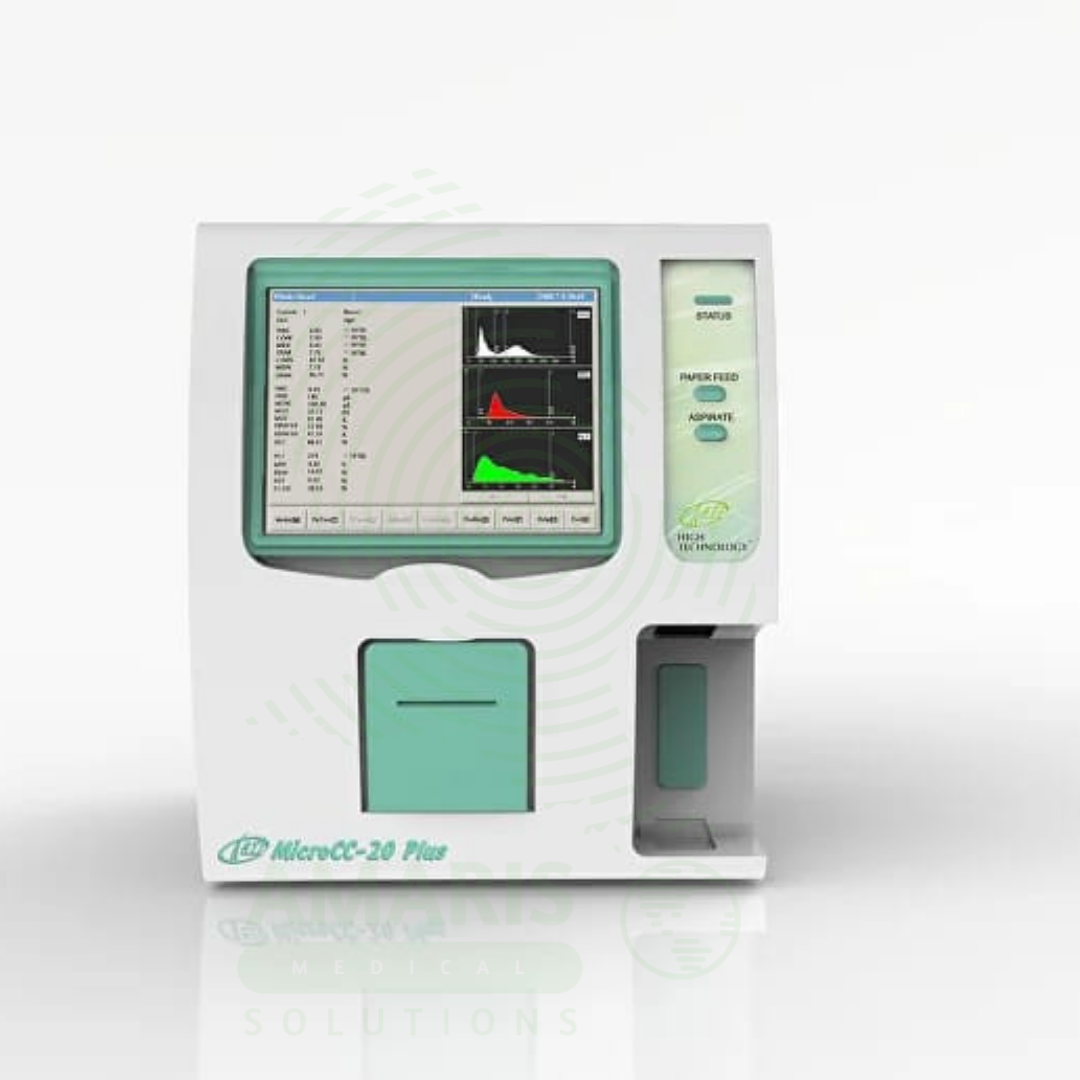

MicroCC-20 Plus VET Advanced Hematology Analyzer
WhatsApp Order
The MicroCC-20 Plus VET Advanced Hematology Analyzer is a fully automated, 3-part differential (3-diff) benchtop veterinary hematology analyzer designed for companion animal, livestock, equine, and exotic species CBC testing . The instrument measures 20 parameters including complete blood count (CBC) with WBC, RBC, HGB, HCT, MCV, MCH, MCHC, RDW-SD, RDW-CV, PLT, MPV, PDW, PCT, P-LCR , and a 3-part white blood cell differential (LYM, MID, GRA) with both absolute counts and percentages .
Operating at 60 tests per hour with sample volumes of just 9.8 µL for whole blood or 20 µL for pre-diluted capillary samples , the analyzer uses electrical impedance technology (80 µm ruby aperture) for RBC and platelet counting, and colorimetric photometry (550 nm) for hemoglobin measurement . The 10.4 inch color LCD touchscreen with Windows-based operating system provides an intuitive graphical user interface with language options including English, Russian, Spanish, French, Ukrainian, and Chinese .
Pre-programmed species reference intervals are available for cat, dog, rabbit, pig, goat, horse, cow, buffalo, monkey, and 4 free programmable profiles for other mammals . The analyzer features comprehensive quality control with built-in L‑J, X‑R, and X‑B charting, 50,000 patient result memory with complete histograms and demographics , reagent level monitoring , and connectivity options including RS-232, USB x2, and RJ-45 Ethernet for LIS integration and external peripherals (keyboard, mouse, barcode reader, printer) .
For the veterinarian and veterinary laboratory scientist, the MicroCC‑20 Plus VET provides reliable, cost-effective hematology testing that supports accurate diagnosis of anemia, infection, inflammation, thrombocytopenia, and hematologic disorders across multiple species—including dogs, cats, horses, cattle, swine, goats, rabbits, and non-human primates . For the animal patient, rapid (60 tests/hour) and accurate CBC results enable timely diagnosis of anemia, early detection of infection, monitoring of chemotherapy effects, preoperative risk assessment, and appropriate treatment for bleeding disorders and hematologic diseases—improving veterinary patient outcomes across companion animal, livestock, equine, and wildlife medicine.
Description
MicroCC-20 Plus VET Advanced Hematology Analyzer
PRIMARY CLINICAL & DIAGNOSTIC USES
1. Complete Blood Count (CBC) for Canine and Feline Patients
-
Primary Use: Provides a fully automated 3-part differential veterinary hematology analyzer that measures 20 parameters including WBC, RBC, HGB, HCT, MCV, MCH, MCHC, RDW-SD, RDW-CV, PLT, MPV, PDW, PCT, P-LCR, and a 3-part leukocyte differential (LYM, MID, GRA) with absolute counts and percentages, using impedance aperture technology and photometric hemoglobin measurement at 550nm wavelength .
-
How it helps: For the veterinarian and veterinary technician, the MicroCC-20 Plus VET delivers rapid, accurate CBC results for dogs and cats presenting with fever, lethargy, anorexia, vomiting, diarrhea, or suspected infection—enabling differentiation between bacterial infections (neutrophilia), viral infections (lymphocytosis or lymphopenia), parasitic infections (eosinophilia), and inflammatory conditions. For the canine or feline patient, accurate CBC results guide appropriate antimicrobial therapy, identify dehydration (elevated HCT), detect anemia from blood loss or hemolysis, and monitor response to treatment, reducing hospital stay duration and improving survival outcomes.
2. Pre-Anesthetic Screening for Surgical Patients
-
Primary Use: Performs rapid CBC analysis (60 seconds) using 9.8 μL whole blood volume to assess red blood cell mass, platelet count, and white blood cell status before elective and emergency surgical procedures in veterinary patients .
-
How it helps: For the veterinary surgeon and anesthesiologist, the MicroCC-20 Plus VET provides critical preoperative data—identifying anemia (increased surgical bleeding risk), thrombocytopenia (risk of intraoperative hemorrhage), and leukocytosis (occult infection requiring preoperative antibiotic therapy). For the surgical patient, preoperative CBC screening prevents catastrophic intraoperative complications, enables appropriate transfusion planning, and supports informed surgical delay decisions when uncorrected abnormalities are detected.
3. Monitoring Chemotherapy and Immunosuppressive Therapy in Oncology Patients
-
Primary Use: Tracks serial complete blood counts in veterinary cancer patients undergoing myelosuppressive chemotherapy, monitoring for neutropenia, thrombocytopenia, and anemia requiring dose adjustment or supportive care interventions .
-
How it helps: For the veterinary oncologist, the MicroCC-20 Plus VET’s 50,000 result memory and automated QC charting enable longitudinal monitoring of neutrophil and platelet nadirs following chemotherapy administration—guiding dose modifications, granulocyte colony-stimulating factor (G-CSF) administration, and transfusion decisions. For the canine or feline cancer patient, regular CBC monitoring prevents life-threatening febrile neutropenia, identifies chemotherapy-induced thrombocytopenia before spontaneous bleeding occurs, and enables timely supportive care interventions.
4. Emergency and Critical Care Assessment
-
Primary Use: Provides rapid (60 tests per hour) STAT CBC analysis for veterinary emergency and critical care patients presenting with trauma, hemorrhage, hemolysis, sepsis, or systemic inflammatory response syndrome (SIRS) .
-
How it helps: For the emergency veterinarian and critical care specialist, the MicroCC-20 Plus VET delivers immediate CBC results for patients with hit-by-car trauma, gastric dilatation-volvulus (GDV), immune-mediated hemolytic anemia (IMHA), or disseminated intravascular coagulation (DIC)—enabling rapid transfusion decisions, identification of hemolysis, and assessment of inflammatory response severity. For the critically ill patient, rapid CBC results guide emergency interventions including blood transfusion, fluid resuscitation, corticosteroid administration, and surgical exploration, significantly improving survival in life-threatening conditions.
SECONDARY & SUPPORTIVE USES
1. Equine Sports Medicine and Performance Assessment: Evaluates RBC, HGB, and HCT in performance horses to detect anemia, polycythemia, and hydration status affecting athletic performance; monitors for exhaustive exercise-induced changes in leukocyte differentials .
2. Livestock Herd Health Monitoring: Performs CBC screening in cattle, swine, goats, sheep, and water buffalo for detection of anemia (parasitic, nutritional, hemolytic), infection (bacterial pneumonia, metritis, mastitis), and inflammatory conditions in herd health programs .
3. Exotic and Zoo Animal Medicine: Supports CBC analysis for non-human primates, rabbits, and other exotic mammals requiring species-specific reference intervals, with 10 programmable profile types including 4 customizable free profiles for novel species .
4. Wildlife Research and Conservation Medicine: Used in field research and wildlife health studies for CBC analysis of wild boar, moose, and other free-ranging ungulates, supporting population health assessment, disease surveillance, and conservation management programs .
5. Feline Anemia Differentiation: Distinguishes regenerative anemias (elevated reticulocytes, large MCV, wide RDW) from non-regenerative anemias (normal/low reticulocytes, normal/narrow RDW) in cats with chronic kidney disease, feline leukemia virus (FeLV), or inflammatory bowel disease.
6. Canine Tick-Borne Disease Screening: Identifies thrombocytopenia (low platelets) and leukocyte abnormalities in dogs with ehrlichiosis, anaplasmosis, and Lyme disease—guiding appropriate doxycycline therapy before confirmatory serology results.
7. Pre-Transfusion Compatibility Assessment: Provides baseline CBC data before blood transfusion in anemic or thrombocytopenic patients, establishing pre-transfusion values for post-transfusion response monitoring.
8. Neonatal and Pediatric Veterinary Care: Requires only 9.8 μL whole blood sample, enabling CBC analysis from neonatal puppies, kittens, and other small pediatric patients with minimal blood volume.
9. Breeding Soundness Examination: Evaluates CBC parameters in breeding stock (dogs, cats, horses, livestock) to detect subclinical illness, anemia, or inflammation affecting fertility and reproductive performance.
10. Post-Operative Recovery Monitoring: Monitors serial CBCs in recovering surgical patients to detect post-operative hemorrhage (falling HCT/HGB), surgical site infection (leukocytosis, left shift), or systemic inflammatory response.
11. Geriatric Wellness Screening: Provides annual CBC screening for older dogs, cats, and horses to detect early signs of chronic kidney disease (normocytic, normochromic anemia), chronic inflammatory disease, or occult neoplasia.
12. Quality Control and Laboratory Accreditation: Built-in Levey-Jennings (L-J), X-R, and X-B QC charting with 12-month data storage supports veterinary laboratory quality assurance programs and regulatory compliance .
13. Mobile and Rural Veterinary Practice: Compact 18.6 kg design with 365 × 375 × 440 mm footprint enables deployment in mobile veterinary clinics and rural field stations for decentralized CBC testing .
14. External Peripherals and LIS Integration: USB x2 ports, RJ-45 Ethernet, and RS-232 connectivity support external keyboard, mouse, barcode reader, and printer for efficient sample tracking and veterinary practice management software integration .
15. Multi-Language Interface for International Deployment: Available languages include English, Russian, Spanish, French, Ukrainian, and Chinese for international veterinary laboratory support .
KEY PRODUCT FEATURES
1. BASIC IDENTIFICATION ATTRIBUTES
-
Device Type: A fully automated, 3-part differential (3-diff) benchtop veterinary hematology analyzer that produces 20 parameters with 3 leukocyte subpopulations and 3 histograms, using electrical impedance and colorimetric technology .
-
Designation: MicroCC-20 Plus VET Advanced Hematology Analyzer, Veterinary Hematology Analyzer, 3-Diff Hematology Analyzer, Automated Blood Cell Counter, HTI MicroCC-20 Plus VET .
-
Key Components:
-
Sample Aspiration System: 9.8μL whole blood or 20μL pre-diluted capillary sample volume; open tube/cup manual feed; retractable sample probe with automatic cleaning .
-
Measurement Technologies: Electrical impedance (80µm ruby aperture) for RBC/PLT counting; colorimetric photometry (550nm) for hemoglobin measurement .
-
WBC Counting: Dilution ratio 1:124.5; 2 or 3 × 5 seconds counting cycles .
-
RBC/PLT Counting: Dilution ratio 1:10,000; 80µm ruby aperture; 2 or 3 × 5 seconds counting cycles .
-
Operating System: Windows-based with 10.4 inch (26.4 cm) color LCD touchscreen; virtual keyboard; user profiles with access level restrictions .
-
Data Management: Internal memory storage for 50,000 patient results with complete histograms and patient demographics (ID, name, species, age, sex, ward) .
-
Connectivity: RS-232 serial, USB x2 ports, RJ-45 Ethernet, for external keyboard, mouse, barcode reader, printer, and LIS integration .
-
Printer: Built-in high-speed thermal printer (57mm paper) with auto-print or manual modes; external printer support .
-
QC Software: Built-in quality control with Levey-Jennings (L-J), X-R, and X-B charting; 50000 result memory; mean, SD, CV% calculation .
2. TECHNICAL & PERFORMANCE PROPERTIES
-
Parameters Reported (20): WBC, LYM#, LYM%, MID#, MID%, GRA#, GRA%, RBC, HGB, HCT, MCV, MCH, MCHC, RDW-SD, RDW-CV, PLT, MPV, PDW, PCT, P-LCR .
-
Histograms: WBC, RBC, and PLT histograms .
-
Leukocyte Differentiation Type: 3-part differential (lymphocytes, mid-range cells including monocytes/eosinophils/basophils, granulocytes) .
-
Throughput: 60 samples per hour .
-
Sample Volume: Whole blood 9.8 μL; Pre-diluted capillary 20 μL .
-
Test Time: 60 seconds from aspiration to printout .
-
Sample Types: Venous whole blood, capillary blood .
-
Species Profiles: Cat, dog, rabbit, pig, goat, horse, cow, buffalo, monkey, and 4 free programmable profiles for other mammals .
-
Calibration: Automatic and manual calibration modes .
-
Memory Storage: 50,000 patient records with complete histograms and demographics .
-
Operating Software: Windows-based .
-
Display: 10.4 inch (26.4 cm) color LCD touchscreen .
-
Printer: Integrated thermal printer (57mm paper); external printer support .
-
Languages: English, Russian, Spanish, French, Ukrainian, Chinese .
-
Connectivity: RS-232, USB x2 (USB 2.0), RJ-45 Ethernet .
-
External Peripherals: External printer, mouse, keyboard, barcode reader .
-
Sample Tube Types: Vacuum tube and open collection .
-
Power Supply: 100-240V, 50/60Hz, 96VA .
-
Power Consumption: 96W .
-
Dimensions (W × H × D): 365 × 440 × 375 mm .
-
Weight: 18.6 kg .
-
Operating Temperature: 15-35°C .
-
Operating Humidity: 10-90% non-condensing .
-
Warm-up Time: Not specified; typical for class (approx. 15-30 minutes).
-
Registration Certificates: Registered in Russian Federal Service for Veterinary and Phytosanitary Surveillance (Rosselkhoznadzor) as veterinary medical device ; State Register No. 75376-19 with verification interval 1 year ; NMPA Registration for Chinese market .
-
Safety Certification: CE marked .
3. PHYSICAL & OPERATIONAL PROPERTIES
-
Construction: Benchtop design with durable housing; compact footprint suitable for medium-volume veterinary laboratories (40-100 samples per day) .
-
Species-specific Reference Intervals: Pre-programmed reference ranges for cat, dog, rabbit, pig, goat, horse, cow, buffalo, monkey, and 4 free customizable profiles .
-
Display: 10.4 inch color LCD touchscreen with intuitive Windows-based graphical user interface; virtual keyboard for data entry; large icons for menu navigation; fast-access menus; user profiles with access level restrictions for result security and data integrity .
-
Sample Loading: Manual single-tube sample introduction; barcode reader optional for automated patient ID entry; external keyboard and mouse support for efficient data entry .
-
Operation Modes: Fully automated; touchscreen start or external barcode trigger .
-
Quality Control: Integrated L-J, X-R, X-B charting; real-time QC alerts; 12-month QC data storage; mean, SD, CV% calculation per parameter; automatic calibration verification .
-
Calibration Mode: Automatic calibration (with commercial calibrators) and manual calibration (user-defined factor adjustment) .
-
Data Management: 50,000 result memory; patient demographics entry (ID, name, species, age, sex, ward location); results can be printed, stored, or exported via USB or LIS; each result includes complete histograms .
-
Connectivity: RS-232 for data export to LIS; USB x2 ports for data export and peripheral devices; RJ-45 Ethernet for network integration; external barcode reader support .
-
Maintenance: Automatic cleaning cycles; anti-clot monitoring via pressure sensors; automatic fluid line cleaning; retractable sample probe with auto-cleaning; real-time alerts for maintenance needs .
-
Reagents: Compatible with domestically produced reagents (Russian Federation) for low operating costs; reagent consumption optimized for small sample volumes (9.8 μL) .
4. SAFETY & COMPLIANCE ATTRIBUTES
-
Regulatory Status: Veterinary In Vitro Diagnostic (IVD) medical device; requires country-specific veterinary registration per local regulations. Registered with Rosselkhoznadzor (Russian Federal Service for Veterinary and Phytosanitary Surveillance) as a veterinary medical device . State Register No. 75376-19 valid through 21.06.2029 with 1-year verification interval .
-
Safety Features: Closed-tube aspiration reduces biohazard exposure; retractable sample probe with automatic cleaning eliminates manual wipe-down and operator contact with blood ; anti-clot monitoring via pressure sensors detects potential clots before they affect results ; automatic shutdown cleaning ensures safe decontamination.
-
Electrical Safety: Wide voltage compatibility (100-240V, 50/60Hz) for international veterinary use; grounded power connection required; 96VA maximum power consumption .
-
Quality Compliance: Manufacturing under ISO 9001/ISO 13485 quality systems; CE marked ; registered in Russian State Register of Medical Devices ; NMPA certified for Chinese market .
-
Infection Control: No direct operator contact with blood samples; automatic probe washing eliminates manual wipe-down; closed system design with retractable probe .
-
Reagent Compatibility: Open reagent system compatible with domestically produced (Russian) reagents for low operating costs; reagent consumption optimized for small sample volumes (9.8 μL) .
5. STORAGE & HANDLING ATTRIBUTES
-
Storage: Store in a clean, dry environment at 15-35°C; protect from dust, vibration, and direct sunlight; keep reagent reservoirs sealed when not in use .
-
Cleaning: Follow automated cleaning cycles per user-defined schedule; fluid pathways automatically cleaned after shutdown; exterior wipe with disinfectant solution; probe cleaning automatic .
-
Maintenance: 1-year verification interval ; 5-year average service life ; user-replaceable thermal printer paper; reagent level monitoring alerts for timely reagent replacement; 10,000 hours mean time to metrological failure .
-
Installation: Benchtop requires 365 mm width x 440 mm height x 375 mm depth footprint ; 18.6 kg ensures stable benchtop placement ; requires nearby electrical outlet (100-240V, 50/60Hz, 96VA) ; LIS connection via RS-232 or Ethernet recommended for result export.
-
Reagent Requirements: Requires diluent, lytic reagent, and cleaning solution; compatible with domestic (Russian) reagent supply chains for low operating costs .
-
Verification: Annual verification required per State Register No. 75376-19; metrological verification ensures measurement traceability .
6. LABORATORY & CLINICAL APPLICATIONS
-
Primary Application: Automated complete blood count (CBC) with 3-part differential for routine and urgent hematology testing in veterinary clinics, veterinary hospitals, research laboratories, and mobile veterinary services .
-
Clinical Role: Essential diagnostic instrumentation for veterinary internal medicine, surgery, emergency/critical care, oncology, and wellness screening across companion animals (dogs, cats), livestock (cattle, swine, goats, sheep, water buffalo), equine medicine, and exotic/non-traditional species .
SAFETY HANDLING PRECAUTIONS
1. SAFETY PRECAUTIONS
-
Biohazard Exposure: Treat all animal blood samples as potentially infectious; use standard veterinary precautions (gloves, lab coat, eye protection); automatic probe cleaning reduces but does not eliminate risk; dispose of waste per veterinary facility biohazard protocols .
-
Electrical Safety: Use properly grounded outlet; do not modify power cord; disconnect before maintenance; wide voltage tolerance (100-240V, 50/60Hz) safe for international use .
-
Reagent Handling: Use reagents as directed; avoid skin and eye contact; follow SDS for spill management; verify reagent levels via automatic monitoring system; domestically produced reagents available for low operating costs .
-
Clot Detection: Monitor anti-clot pressure alerts; failure to clear may require manual probe cleaning (trained personnel only); instruments may automatically skip clotted samples .
-
Quality Control: Run QC materials per veterinary laboratory schedule; verify calibration before patient testing; document all QC results; use Levey-Jennings and X-B/X-R charting for trend analysis .
-
Instrument Operation: Only trained veterinary laboratory personnel should operate; follow start-up, run, and shutdown procedures; verify reagent levels before patient testing; annual verification required for metrological traceability .
-
Interference: Hemolysis, lipemia, or icterus may affect results; flag abnormal results for manual slide review; use histogram analysis for abnormal cell detection .
2. FIRST AID MEASURES
-
Animal Blood Exposure: Wash exposed skin immediately with soap and water; flush eyes with water for 15 minutes; follow veterinary facility exposure management protocol; report animal bites separately per protocol.
-
Reagent Spill: Ventilate area; use absorbent materials; dispose as chemical waste per SDS; reagents formulated for veterinary use with domestic (Russian) manufacturers .
-
Electrical Malfunction: Disconnect power immediately; do not attempt repair; contact service provider; annual verification ensures instrument safety compliance .
-
Clogged Probe: Power off; allow trained service personnel to clear; do not attempt without training; anti-clot monitoring system may trigger automatic alerts .
3. FIRE FIGHTING MEASURES
-
Flammability: Electrical hazard; reagents may be combustible.
-
Extinguishing Media: Use CO₂ or dry chemical extinguisher for electrical fires.
-
Fire Response: Disconnect power; use appropriate extinguisher; do not use water on electrical fire.
Related products
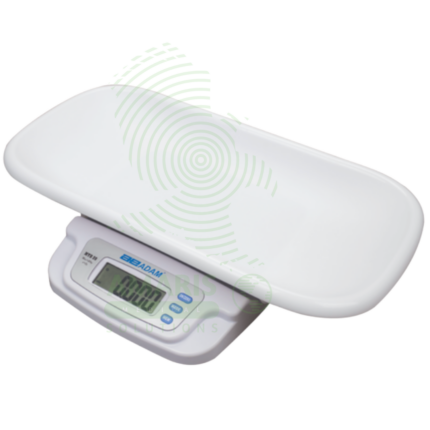
Digital Baby Weighing Scale
A Digital Baby Weighing Scale is a high-precision medical device designed exclusively for the safe and accurate measurement of infant and toddler weight. Featuring a stable, hygienic platform with gram-level precision, it is indispensable in hospitals (especially NICUs), pediatric clinics, and community health settings. Its core functions—such as hold, tare, and zeroing—ensure reliable readings even with a moving child. Accurate weight data is foundational for assessing growth, calculating medication doses, managing nutrition, and detecting early signs of health issues, making this scale a critical tool for safeguarding infant health and development.
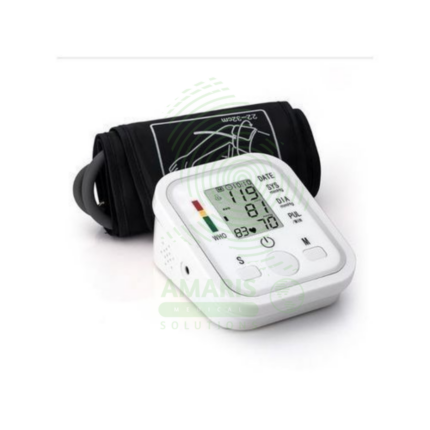
Digital Blood Pressure Monitor
A Digital Blood Pressure Monitor is an automatic electronic device that measures and displays systolic pressure, diastolic pressure, and pulse rate using the oscillometric method. Designed primarily for home and clinical use, it offers a user-friendly alternative to manual aneroid devices, requiring minimal training. Key features often include irregular heartbeat detection, multi-user memory, and connectivity for data tracking. Its accuracy, when clinically validated and used with correct technique, makes it an indispensable tool for the diagnosis and management of hypertension, empowering patients and supporting healthcare providers with reliable ambulatory data.
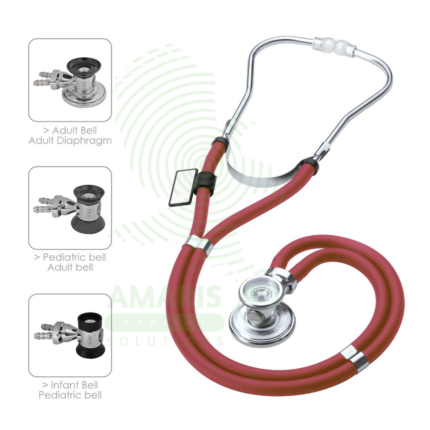
Dual Head Stethoscope
The Dual Head Stethoscope is the classic, essential acoustic diagnostic tool used by healthcare professionals worldwide. Its defining feature is a two-sided chestpiece, combining a diaphragm for high-frequency sounds (breath sounds, normal heart tones) and a bell for low-frequency sounds (heart murmurs, abnormal heart tones). Through mechanical sound conduction, it provides critical information for assessing cardiac, pulmonary, and vascular systems during physical examinations and manual blood pressure measurement. Its effectiveness relies on proper technique, a good acoustic seal, and consistent cleaning. As a fundamental symbol of medical practice, it balances functionality, durability, and affordability.
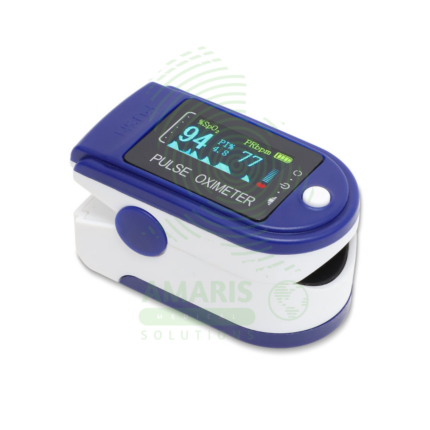
Fingertip Pulse Oximeter
A Fingertip Pulse Oximeter is a compact, non-invasive medical device that clips onto a finger to measure peripheral arterial oxygen saturation (SpO2) and pulse rate in seconds. Utilizing light-based technology, it provides critical, real-time data on respiratory and circulatory status. Its portability and ease of use make it indispensable in hospitals (from ORs to general wards), for patients managing chronic lung conditions at home, and for situational monitoring in sports or high-altitude environments. While an extremely valuable screening tool, readings must be interpreted in context, considering factors like patient movement, perfusion, and clinical symptoms.
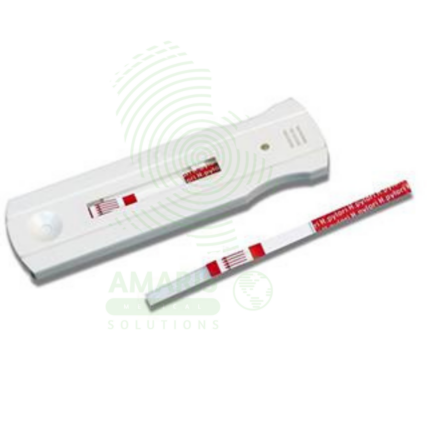
H. pylori Test Strips
H. pylori Test Strips are rapid, lateral flow immunochromatographic devices used for the qualitative detection of Helicobacter pylori antigens in human stool. As a non-invasive stool antigen test (SAT), it provides a convenient and reliable method for diagnosing active H. pylori infection and confirming eradication after therapy, with results available in under 15 minutes. Ideal for use in clinics and outpatient settings, it aids in the management of dyspepsia and peptic ulcer disease. Proper sample handling, adherence to pre-test medication restrictions, and strict biohazard precautions are essential for obtaining accurate results.
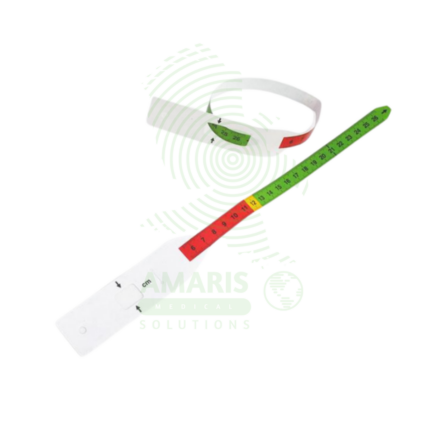
MUAC Tape
A MUAC Tape (Mid-Upper Arm Circumference) is a specialized, color-coded measuring tape used globally as the primary field tool for screening children aged 6-59 months for acute malnutrition. Its simple design—featuring red, yellow, and green zones corresponding to Severe Acute Malnutrition, Moderate Acute Malnutrition, and normal nutritional status—allows for instant, non-invasive assessment without the need for scales, calculation, or literacy. Durable, portable, and inexpensive, it is the cornerstone of community-based nutrition programs, emergency relief efforts, and public health surveillance, enabling early detection and life-saving intervention for malnourished children in even the most resource-constrained settings.
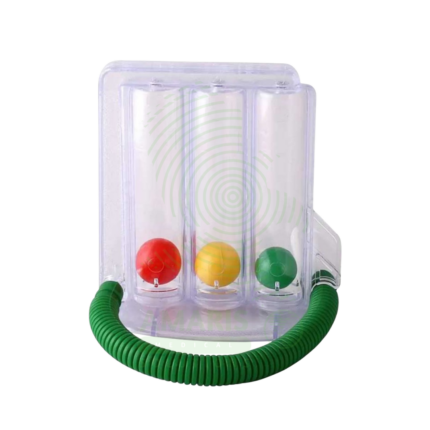
Spirometer
A Spirometer is an essential diagnostic medical device used to measure how much and how quickly air can be inhaled and exhaled by the lungs. By performing forced breathing maneuvers, it generates key parameters—primarily Forced Vital Capacity (FVC) and Forced Expiratory Volume in 1 second (FEV1)—that are fundamental for diagnosing and monitoring obstructive and restrictive lung diseases like Asthma and COPD. Requiring daily calibration and strict adherence to international standards (ATS/ERS), it provides the objective, reproducible data needed for clinical decision-making in pulmonology, primary care, occupational health, and pre-operative assessment.