Dermatoscope and Magnifiers
 Diagnostic Kits
 Vital Signs Monitors
 Stethoscopes and Accessories
 Otoscopes, Ophthalmoscopes, and Retinoscopes
 Reflex Hammers and Neurological Tools
 Scales and Measuring Devices
 Spirometers and Pulmonary Function Tests
 Electrosurgical Units and Accessories
 Cutting Instruments
 Grasping and Holding Instruments
 Hemostatic Instruments
 Specialized Surgical Sets
 Single-Use Procedure Trays and Packs
 Surgical Drapes, Gowns, and Covers
 Tissue Unifying Instruments
 Radiation Protection
 X-Ray Machines and Accessories
 Ultrasound Systems and Probes
 MRI and CT Scanners
 Radiology Consumables
 Bone Densitometers
 Fluoroscopy Equipment
 Imaging Tables and Positioning Aids
 Microscopes and Accessories
 Centrifuges and Separators
 Analyzers
 Incubators and Ovens
 Pipettes, Dispensers, and Lab Glassware
 Refrigerators, Freezers, and Storage Units
 Lab Consumables
 Sterilizers and Autoclaves for Lab Use
 Multi-Parameter Monitors
 Ventilators and Respiratory Support Devices
 Defibrillators and AEDs
 Infusion Pumps and IV Systems
 Patient Warmers and Cooling Devices
 Central Monitoring Stations
 Accessories
 Anesthesia Machines and Workstations
 Oxygen Concentrators and Delivery Systems
 Nebulizers and Inhalers
 CPAP/BiPAP Machines
 Airway Management
 Anesthesia Masks, Circuits, and Bags
 Humidifiers and Heaters
 Respiratory Therapy Accessories
 First Aid Kits and Cabinets
 Emergency Resuscitation Equipment
 Trauma Supplies
 Emergency Carts and Crash Carts
 Burn Care Products
 Bleeding Control
 Automated External Defibrillators (AEDs)
 Transport and Evacuation
 Wheelchairs and Accessories
 Walkers, Crutches, and Canes
 Prosthetics and Orthotics
 Physical Therapy Equipment
 Transfer Devices
 Bathroom Safety
 Orthopedic Traction and Tables
 Hot/Cold Therapy Packs and Units
 Beds and Mattresses
 Chairs and Stools
 Tables
 Cabinets and Storage
 Privacy Screens & Curtains
 Stands and Racks
 Linens and Textiles
 Lighting
 Autoclaves and Sterilizers
 Ultrasonic Cleaners
 Disinfectant Solutions and Wipes
 Sterilization Pouches, Wraps, and Indicators
 Instrument Trays and Containers
 UV and Ozone Disinfection Devices
 Washer Disinfectors
 Wound Care
 Gloves
 Masks and Respirators
 Catheters and Tubing
 Swabs, Applicators, and Sponges
 Incontinence Products
 Personal Protective Equipment (PPE)
 Dental Chairs and Units
 Handpieces and Burs
 Instruments
 Consumables
 Sterilization for Dental Use
 Orthodontic Supplies
 Endodontic Tools
 Slit Lamps and Tonometers
 Lensometers and Phoropters
 Ophthalmic Surgical Instruments
 Eyewear Frames and Lenses
 Contact Lens Supplies
 Vision Testing Charts and Devices
 Eye Care Consumables
 Laser Systems for Eye Care
 ENT Exam Chairs and Tables
 Endoscopes
 Audiometers and Hearing Tests
 ENT Instruments
 Nasal and Throat Packs
 Hearing Aids and Accessories
 Otology Supplies
 Fetal Dopplers and Monitors
 Delivery Beds and Tables
 Gynecological Instruments
 Neonatal Incubators and Warmers
 Breast Pumps and Accessories
 Contraceptive Devices
 Maternity Supports and Pads
 Neonatal Consumables
 Cystoscopes and Urethroscopes
 Dialysis Machines and Supplies
 Urological Catheters and Bags
 Lithotripters
 Prostate Treatment Devices
 Urinary Incontinence Products
 Kidney Stone Management Tools
 Consumables & Disposables
 EEG and EMG Machines
 Neurosurgical Instruments
 Nerve Stimulators
 Headrests and Positioning Aids
 Lumbar Puncture Kits
 Seizure Monitoring Devices
 Consumables
 Rehabilitation for Neurological Conditions
 ECG Machines and Accessories
 Holter Monitors
 Stress Test Systems
 Pacemakers and Defibrillator Accessories
 Vascular Access Devices
 Cardiac Catheters and Guidewires
 Blood Flow Meters
 Consumables
 Orthopedic Instruments
 Casts, Splints, and Padding
 Joint Replacement Supplies
 Prosthetic Limbs and Components
 Bone Grafts and Substitutes
 Traction Devices
 Orthopedic Braces and Supports
 Rehabilitation Aids for Orthopedics
 Home Oxygen Therapy
 Hospital Beds for Home Use
 Mobility Aids
 Bathroom and Daily Living Aids
 Wound Care for Home
 Monitoring Devices
 Enteral Feeding Pumps and Tubes
 Hand Sanitizers and Dispensers
 Face Shields and Goggles
 Isolation Gowns and Suits
 Biohazard Waste Containers
 Air Purifiers and HEPA Filters
 Surface Disinfectants
 Sharps Containers
 Protective Barriers
 Cardiovascular & Endurance Training
 Strength Training & Weightlifting
 Functional Training & Core Conditioning
 Physical Therapy & Rehabilitation
 Sports & Outdoor Recreation
 Gym Flooring & Facility Equipment
 Fitness Monitoring & Accessories
 Kids & Novelties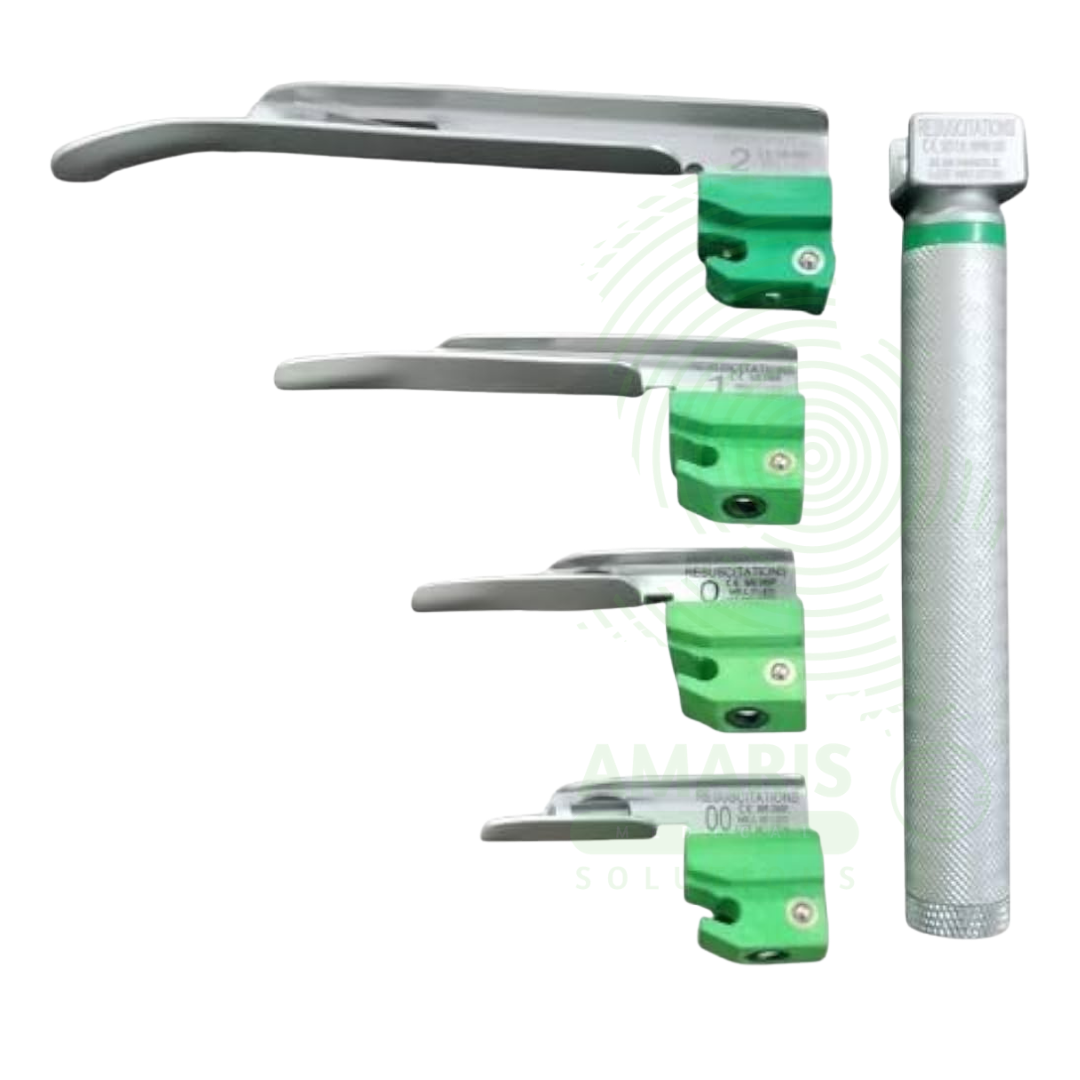
Miller Fiber Optic Laryngoscope
WhatsApp Order
A Miller Fiber Optic Laryngoscope is a rigid laryngoscope with straight Miller blade (sizes 0-4, 70-160 mm) incorporating an integrated fiber optic light bundle that transmits bright, focused illumination (2,000-10,000+ Lux) from a handle-mounted LED or xenon bulb to the blade tip for enhanced visualization during tracheal intubation. The straight blade design allows direct elevation of the epiglottis rather than the indirect vallecula technique, making it particularly useful for pediatric/neonatal intubation, patients with floppy or prominent epiglottis, anterior airways, and difficult airways requiring direct epiglottic control. Features stainless steel reusable blades, ergonomic handles with knurled grip, ISO standard hook-on fittings, and steam autoclave compatibility. Primary clinical applications include direct epiglottis elevation for tracheal intubation (especially pediatric and neonatal), difficult airway management with fiber optic illumination, patients with prominent or floppy epiglottis, cervical spine precautions, anterior airway management, teaching and training (straight blade technique), and neonatal resuscitation. Class II medical device requiring FDA clearance. Critical safety considerations include pre-use light check (dark spots indicate broken fibers), appropriate blade size selection (especially critical in pediatrics), proper lifting technique (direct epiglottic lift, not levering on teeth), pediatric fragility awareness, battery verification, fiber optic care (avoid sharp bending), and backup device availability.
Description
Miller Fiber Optic Laryngoscope
PRIMARY CLINICAL & DIAGNOSTIC USES
1. Direct Elevation of Epiglottis for Tracheal Intubation:
-
Primary Use: Provides direct visualization of the glottis by using the straight Miller blade to directly lift the epiglottis, rather than the indirect vallecula technique of curved blades. This design is particularly useful in patients with a floppy epiglottis, large epiglottis, or anterior airway where direct epiglottic control improves glottic visualization.
-
How it helps: Gives anesthesiologists a direct route past a challenging epiglottis, lifting it out of the way for a clear view of the vocal cords when curved blades cannot provide adequate visualization.
2. Pediatric and Neonatal Intubation:
-
Primary Use: The straight blade design is preferred for neonates, infants, and young children due to the anatomical differences in the pediatric airway, where the epiglottis is proportionally larger, floppier, and more omega-shaped. The Miller blade allows direct epiglottic control for optimal glottic exposure.
-
How it helps: Protects the smallest patients by providing a blade specifically designed for their unique anatomy, ensuring that even the tiniest newborns receive safe, effective airway management.
3. Difficult Airway Management with Fiber Optic Illumination:
-
Primary Use: The integrated fiber optic light bundle delivers bright, focused illumination to the blade tip, improving visualization in patients with poor lighting conditions, dark oral cavities, or when additional light is needed for difficult airway anatomy, particularly in patients with limited mouth opening where the narrower Miller blade may be advantageous.
-
How it helps: Cuts through the darkness of challenging airways, providing brilliant illumination that reveals anatomy hidden by blood, secretions, or abnormal tissue.
4. Patients with Prominent or Floppy Epiglottis:
-
Primary Use: Direct epiglottic lift with the Miller blade provides superior glottic visualization in patients where the epiglottis obstructs the view of the vocal cords when using curved blades.
-
How it helps: Offers a solution for patients whose epiglottis anatomy makes curved blade intubation difficult or impossible, ensuring everyone can have their airway secured regardless of anatomical variations.
5. Cervical Spine Precautions:
-
Primary Use: The straight blade design can be used with manual in-line stabilization, though it may require slightly more neck movement than curved blades. Fiber optic illumination improves visualization when neck movement is restricted.
-
How it helps: Provides enhanced lighting when intubating patients with neck injuries, compensating for the limited view that comes from keeping the cervical spine immobilized.
6. Teaching and Training:
-
Primary Use: The bright fiber optic illumination improves visualization for instructors teaching laryngoscopy technique with straight blades, allowing better observation of anatomy and blade placement, particularly for pediatric intubation training.
-
How it helps: Transforms airway education by allowing instructors to see exactly what their students see during straight blade intubation, providing targeted feedback that accelerates learning.
7. Anterior Airway Management:
-
Primary Use: In patients with anteriorly positioned airways where the glottis is difficult to visualize, the Miller blade’s straight design allows direct epiglottic control and may provide better glottic exposure than curved alternatives.
-
How it helps: Accesses airways that are positioned forward, out of the usual line of sight, giving clinicians the tools they need to succeed in these challenging anatomical situations.
SECONDARY & SUPPORTIVE USES
1. Airway Assessment: Provides visualization of the oropharynx and glottis for preoperative airway evaluation, helping anesthesiologists plan their approach before surgery.
2. Foreign Body Removal: Assists in visualization and removal of foreign bodies from the upper airway, particularly in pediatric patients, helping retrieve objects that are blocking breathing.
3. Endotracheal Tube Position Confirmation: Allows direct visualization of tube passage through vocal cords, ensuring the breathing tube is correctly placed before ventilation begins.
4. Suctioning Under Direct Vision: Enables targeted suctioning of secretions under direct visualization, clearing the airway of blood or mucus that could interfere with intubation.
5. Neonatal Resuscitation: Standard equipment in neonatal resuscitation for establishing airway in newborns, giving newborns in distress the best chance at a healthy start.
KEY PRODUCT FEATURES
1. BASIC IDENTIFICATION ATTRIBUTES
-
Device Type: Rigid laryngoscope with Miller straight blade incorporating fiber optic light transmission for tracheal intubation.
-
Common Names: Miller Laryngoscope, Straight Blade Laryngoscope, Miller Blade, Pediatric Laryngoscope.
-
Components:
-
Handle: Contains batteries and provides grip; standard or stubby sizes; accepts fiber optic blade.
-
Blade: Miller straight blade with integrated fiber optic light carrier; detachable from handle.
-
Light Source: Fiber optic bundle transmitting light from handle bulb to blade tip.
-
Bulb: LED or xenon bulb in handle (not at blade tip) for fiber optic illumination.
-
-
Blade Sizes: 0 (neonatal), 1 (infant), 2 (child/small adult), 3 (adult), 4 (large adult).
-
Blade Length: 70-160 mm depending on size.
-
Blade Material: Stainless steel with fiber optic bundle embedded along blade.
2. TECHNICAL & PERFORMANCE PROPERTIES
-
Fiber Optic Illumination: 2,000-10,000+ Lux at blade tip; bright, focused light without shadowing from bulb at tip.
-
Light Source: LED (longer life, brighter, cooler) or xenon (traditional, reliable) bulb in handle.
-
Fiber Optic Bundle: 2-3 mm diameter; glass or acrylic fibers; transmits light from handle to blade tip.
-
Light Intensity: Adjustable on some models; constant high output on others.
-
Blade Design: Straight blade with slight curve at tip for epiglottic control; narrow profile for limited mouth opening.
-
Blade Tip: Curved tip designed to lift epiglottis directly without entering vallecula.
-
Blade Flange: Minimal flange compared to curved blades; provides less tongue displacement.
-
Blade Cross-section: Rounded or slightly flattened; designed to minimize trauma.
-
Battery Type: C, AA, or proprietary rechargeable lithium-ion; 2-4 hours continuous use.
-
Autoclavable: Blades and handles (with battery removed) are steam autoclavable.
3. PHYSICAL & OPERATIONAL PROPERTIES
-
Handle Material: Stainless steel, anodized aluminum, or chrome-plated brass; knurled or textured grip.
-
Blade Material: Stainless steel (reusable) or medical-grade plastic (disposable).
-
Fiber Optic Jacketing: Stainless steel or polymer protection along blade.
-
Blade Width: Narrower profile than Macintosh blades; typically 10-20 mm width.
-
Weight: 8-16 ounces complete (handle + blade).
-
Connection: International Standard (ISO 7376) hook-on fitting; compatible across manufacturers.
-
Battery Access: Screw-on or snap-off cap; O-ring sealed for autoclaving.
-
Light Activation: Automatic when blade is deployed (some models) or manual switch.
-
Cleaning Compatibility: Fully immersible for cleaning; autoclavable (with battery removed).
4. SAFETY & COMPLIANCE ATTRIBUTES
-
Regulatory Status: Class II medical device requiring FDA 510(k) clearance.
-
Intended Use: Indicated for oral intubation providing direct visualization of the glottis.
-
Electrical Safety: Compliant with IEC 60601-1 for medical electrical equipment; battery-operated.
-
Biocompatibility: Blade materials must be biocompatible for oral contact (ISO 10993).
-
Light Source Safety: LED bulbs produce minimal heat; xenon bulbs warm but within safe limits.
-
Autoclave Compatibility: Must withstand repeated steam sterilization cycles without degradation.
-
Fiber Optic Integrity: Fiber bundle must maintain light transmission after repeated sterilization.
-
ISO Compliance: Meets ISO 7376 for handle/blade compatibility and ISO 7376/1 for fiber optic laryngoscopes.
5. STORAGE & HANDLING ATTRIBUTES
-
Storage: Store blades and handles in a clean, dry environment; blade storage rack or case; protect from impact.
-
Cleaning: Manual cleaning with enzymatic detergent; rinse thoroughly; dry before sterilization.
-
Sterilization: Steam autoclave (gravity or prevacuum) at 132-135°C for 3-4 minutes (wrapped). Remove batteries before autoclaving.
-
Battery Maintenance: Use only specified batteries; remove if storing long-term; recharge rechargeables per manufacturer.
-
Inspection: Check fiber optic illumination for dark spots (broken fibers); verify blade locking mechanism; test light activation.
-
Replacement: Replace when a fiber optic bundle has >20% broken fibers (significant light loss), when blade bent or damaged, when tip becomes dull or burred, or when locking mechanism fails.
6. LABORATORY & CLINICAL APPLICATIONS
-
Primary Application: Provides direct visualization for tracheal intubation using straight Miller blade design with enhanced fiber optic illumination, particularly indicated for pediatric/neonatal intubation, patients with floppy or prominent epiglottis, anterior airways, and difficult airways where direct epiglottic control is beneficial.
-
Limitation: Narrower blade provides less tongue displacement than curved blades, potentially limiting view in patients with large tongues or limited mouth opening; requires slightly different technique than curved blades.
SAFETY HANDLING PRECAUTIONS
1. SAFETY PRECAUTIONS
-
Light Check Before Use: Verify bright, even illumination before each intubation attempt; dark spots indicate broken fibers and reduced light output.
-
Blade Selection: Choose appropriate blade size for patient anatomy; pediatric sizes (0-1) for neonates/infants, adult sizes (2-4) for larger patients.
-
Technique: Insert blade midline, advance until tip passes epiglottis, then lift epiglottis directly to expose glottis. Avoid excessive pressure on epiglottis.
-
Tooth Protection: Avoid using blade as lever on teeth; use lifting motion to prevent dental trauma, particularly in pediatric patients.
-
Pediatric Precautions: Extremely gentle technique required in neonates and infants; airway tissues are fragile and easily traumatized.
-
Sterility: Use sterile blade for surgical cases; high-level disinfection for non-sterile procedures.
-
Battery Check: Verify adequate battery charge before procedure; have backup handle available.
-
Fiber Optic Care: Do not bend blade sharply; fiber bundle may break. Clean gently to avoid damaging fibers.
-
Alternative Available: Always have backup laryngoscope (curved blade or video) available.
-
Infection Control: Clean and sterilize between patients per facility protocol; prion diseases require special processing.
2. FIRST AID MEASURES
-
Light Failure: Check battery; replace handle; have backup device available.
-
Blade Lock Failure: Remove blade; use backup device; do not attempt intubation with unstable blade.
-
Epiglottic Trauma: If epiglottic injury is suspected, document and consult appropriate specialists.
-
Patient Trauma: If dental or soft tissue injury occurs, document and manage per protocol.
-
Equipment Malfunction: Discontinue use; switch to alternative device; document malfunction.
3. FIRE FIGHTING MEASURES
-
Flammability: Metal components non-combustible; plastic handles combustible.
-
Extinguishing Media: For electrical fire, use CO₂ or dry chemical (Class C) extinguisher.
Related products
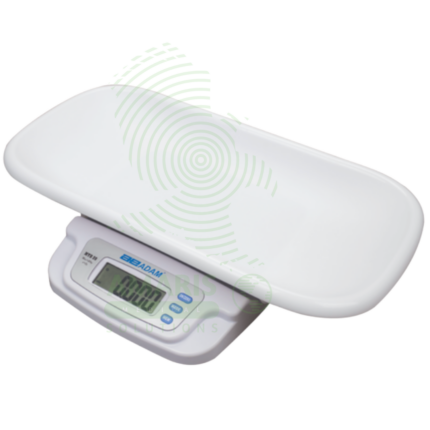
Digital Baby Weighing Scale
A Digital Baby Weighing Scale is a high-precision medical device designed exclusively for the safe and accurate measurement of infant and toddler weight. Featuring a stable, hygienic platform with gram-level precision, it is indispensable in hospitals (especially NICUs), pediatric clinics, and community health settings. Its core functions—such as hold, tare, and zeroing—ensure reliable readings even with a moving child. Accurate weight data is foundational for assessing growth, calculating medication doses, managing nutrition, and detecting early signs of health issues, making this scale a critical tool for safeguarding infant health and development.
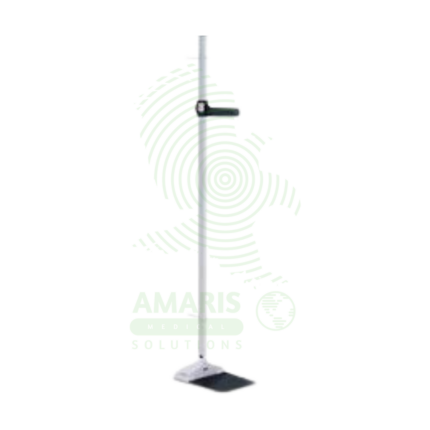
Height Board
A Height Board, or stadiometer, is a precision medical instrument designed for the accurate measurement of human stature. As a wall-mounted or portable device featuring a vertical scale and a sliding horizontal headpiece, it is the clinical standard for obtaining height. This measurement is foundational for calculating Body Mass Index (BMI), tracking growth in children, screening for nutritional issues, and assessing adults for conditions like osteoporosis. Its accuracy, dependent on proper installation and technique, makes it an indispensable tool in pediatrics, primary care, nutrition, and public health
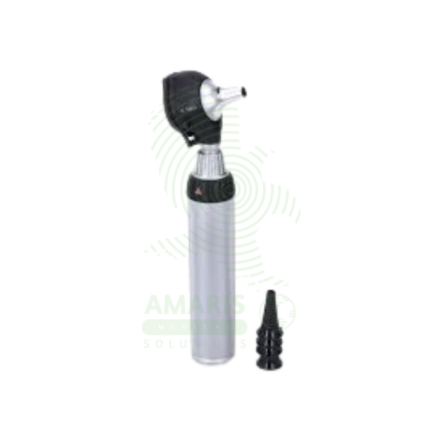
LED Otoscope
An LED Otoscope is a handheld medical device used for illuminating and magnifying the external ear canal and tympanic membrane. Featuring a bright, cool, and long-lasting LED light source, it provides superior visualization for diagnosing common conditions like ear infections, wax impaction, and perforations. Its design, incorporating a reusable handle/head and disposable specula, ensures hygiene and patient safety. As an essential tool in family medicine, pediatrics, and ENT, it enables clinicians to perform accurate otoscopic examinations and, when equipped with an insufflator, crucial pneumatic otoscopy to assess middle ear function.

Littman Stethoscope (Classic 4 Cardiology)
A Littman Stethoscope (Classic 4 Cardiology) represents the pinnacle of acoustic auscultation technology. Designed for clinicians who require the highest level of diagnostic accuracy, it features dual tunable diaphragms and dual-lumen tubing to provide exceptional acoustic sensitivity and ambient noise reduction. Its innovative design allows the user to hear both high and low-frequency sounds by simply adjusting pressure on either side of the chestpiece, making it the instrument of choice for cardiologists, intensivists, and specialists who cannot afford to miss a subtle murmur, rub, or breath sound. It combines superior performance with the durability and comfort expected from the Littmann brand.
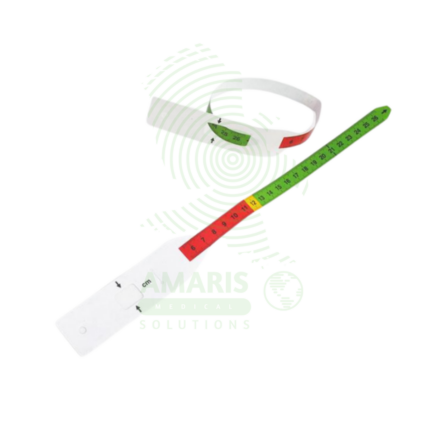
MUAC Tape
A MUAC Tape (Mid-Upper Arm Circumference) is a specialized, color-coded measuring tape used globally as the primary field tool for screening children aged 6-59 months for acute malnutrition. Its simple design—featuring red, yellow, and green zones corresponding to Severe Acute Malnutrition, Moderate Acute Malnutrition, and normal nutritional status—allows for instant, non-invasive assessment without the need for scales, calculation, or literacy. Durable, portable, and inexpensive, it is the cornerstone of community-based nutrition programs, emergency relief efforts, and public health surveillance, enabling early detection and life-saving intervention for malnourished children in even the most resource-constrained settings.
Ophthalmoscope
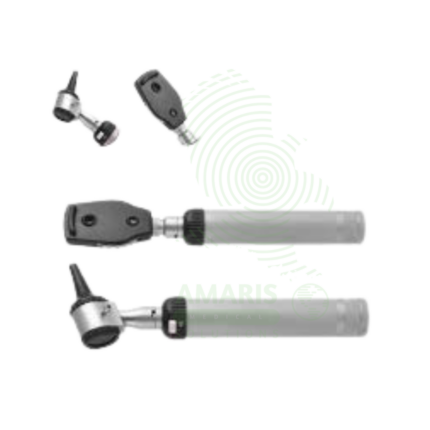
An Ophthalmoscope is a handheld diagnostic instrument used to examine the interior of the eye, specifically the fundus (retina, optic disc, blood vessels, and macula). By providing illuminated magnification, it serves as a vital screening tool for detecting ocular diseases like glaucoma and retinal disorders, and more importantly, for identifying signs of systemic conditions such as diabetes, hypertension, and increased intracranial pressure. Its operation involves selecting appropriate apertures and compensating lenses to obtain a clear view. While offering a detailed but narrow field of vision, mastery of the direct ophthalmoscope remains a cornerstone skill in general medicine, neurology, and ophthalmology for assessing vascular and neurological health.
Proctoscope
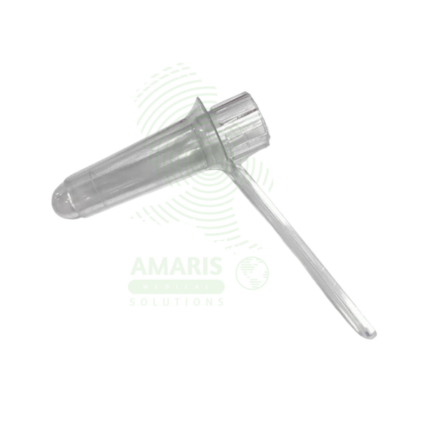
A Proctoscope is a rigid, straight-tube endoscope specifically designed for the examination and treatment of the anal canal and distal rectum. It enables direct visualization to diagnose conditions like hemorrhoids, fissures, and proctitis, and serves as a conduit for therapeutic procedures such as band ligation. Available in reusable (autoclavable metal) or disposable (single-use plastic) formats, it is a fundamental tool in colorectal practice. Its effective use requires proper patient preparation, gentle insertion technique, and stringent adherence to sterilization protocols to ensure patient safety and diagnostic accuracy.