Dermatoscope and Magnifiers
 Diagnostic Kits
 Vital Signs Monitors
 Stethoscopes and Accessories
 Otoscopes, Ophthalmoscopes, and Retinoscopes
 Reflex Hammers and Neurological Tools
 Scales and Measuring Devices
 Spirometers and Pulmonary Function Tests
 Electrosurgical Units and Accessories
 Cutting Instruments
 Grasping and Holding Instruments
 Hemostatic Instruments
 Specialized Surgical Sets
 Single-Use Procedure Trays and Packs
 Surgical Drapes, Gowns, and Covers
 Tissue Unifying Instruments
 Radiation Protection
 X-Ray Machines and Accessories
 Ultrasound Systems and Probes
 MRI and CT Scanners
 Radiology Consumables
 Bone Densitometers
 Fluoroscopy Equipment
 Imaging Tables and Positioning Aids
 Microscopes and Accessories
 Centrifuges and Separators
 Analyzers
 Incubators and Ovens
 Pipettes, Dispensers, and Lab Glassware
 Refrigerators, Freezers, and Storage Units
 Lab Consumables
 Sterilizers and Autoclaves for Lab Use
 Multi-Parameter Monitors
 Ventilators and Respiratory Support Devices
 Defibrillators and AEDs
 Infusion Pumps and IV Systems
 Patient Warmers and Cooling Devices
 Central Monitoring Stations
 Accessories
 Anesthesia Machines and Workstations
 Oxygen Concentrators and Delivery Systems
 Nebulizers and Inhalers
 CPAP/BiPAP Machines
 Airway Management
 Anesthesia Masks, Circuits, and Bags
 Humidifiers and Heaters
 Respiratory Therapy Accessories
 First Aid Kits and Cabinets
 Emergency Resuscitation Equipment
 Trauma Supplies
 Emergency Carts and Crash Carts
 Burn Care Products
 Bleeding Control
 Automated External Defibrillators (AEDs)
 Transport and Evacuation
 Wheelchairs and Accessories
 Walkers, Crutches, and Canes
 Prosthetics and Orthotics
 Physical Therapy Equipment
 Transfer Devices
 Bathroom Safety
 Orthopedic Traction and Tables
 Hot/Cold Therapy Packs and Units
 Beds and Mattresses
 Chairs and Stools
 Tables
 Cabinets and Storage
 Privacy Screens & Curtains
 Stands and Racks
 Linens and Textiles
 Lighting
 Autoclaves and Sterilizers
 Ultrasonic Cleaners
 Disinfectant Solutions and Wipes
 Sterilization Pouches, Wraps, and Indicators
 Instrument Trays and Containers
 UV and Ozone Disinfection Devices
 Washer Disinfectors
 Wound Care
 Gloves
 Masks and Respirators
 Catheters and Tubing
 Swabs, Applicators, and Sponges
 Incontinence Products
 Personal Protective Equipment (PPE)
 Dental Chairs and Units
 Handpieces and Burs
 Instruments
 Consumables
 Sterilization for Dental Use
 Orthodontic Supplies
 Endodontic Tools
 Slit Lamps and Tonometers
 Lensometers and Phoropters
 Ophthalmic Surgical Instruments
 Eyewear Frames and Lenses
 Contact Lens Supplies
 Vision Testing Charts and Devices
 Eye Care Consumables
 Laser Systems for Eye Care
 ENT Exam Chairs and Tables
 Endoscopes
 Audiometers and Hearing Tests
 ENT Instruments
 Nasal and Throat Packs
 Hearing Aids and Accessories
 Otology Supplies
 Fetal Dopplers and Monitors
 Delivery Beds and Tables
 Gynecological Instruments
 Neonatal Incubators and Warmers
 Breast Pumps and Accessories
 Contraceptive Devices
 Maternity Supports and Pads
 Neonatal Consumables
 Cystoscopes and Urethroscopes
 Dialysis Machines and Supplies
 Urological Catheters and Bags
 Lithotripters
 Prostate Treatment Devices
 Urinary Incontinence Products
 Kidney Stone Management Tools
 Consumables & Disposables
 EEG and EMG Machines
 Neurosurgical Instruments
 Nerve Stimulators
 Headrests and Positioning Aids
 Lumbar Puncture Kits
 Seizure Monitoring Devices
 Consumables
 Rehabilitation for Neurological Conditions
 ECG Machines and Accessories
 Holter Monitors
 Stress Test Systems
 Pacemakers and Defibrillator Accessories
 Vascular Access Devices
 Cardiac Catheters and Guidewires
 Blood Flow Meters
 Consumables
 Orthopedic Instruments
 Casts, Splints, and Padding
 Joint Replacement Supplies
 Prosthetic Limbs and Components
 Bone Grafts and Substitutes
 Traction Devices
 Orthopedic Braces and Supports
 Rehabilitation Aids for Orthopedics
 Home Oxygen Therapy
 Hospital Beds for Home Use
 Mobility Aids
 Bathroom and Daily Living Aids
 Wound Care for Home
 Monitoring Devices
 Enteral Feeding Pumps and Tubes
 Hand Sanitizers and Dispensers
 Face Shields and Goggles
 Isolation Gowns and Suits
 Biohazard Waste Containers
 Air Purifiers and HEPA Filters
 Surface Disinfectants
 Sharps Containers
 Protective Barriers
 Cardiovascular & Endurance Training
 Strength Training & Weightlifting
 Functional Training & Core Conditioning
 Physical Therapy & Rehabilitation
 Sports & Outdoor Recreation
 Gym Flooring & Facility Equipment
 Fitness Monitoring & Accessories
 Kids & Novelties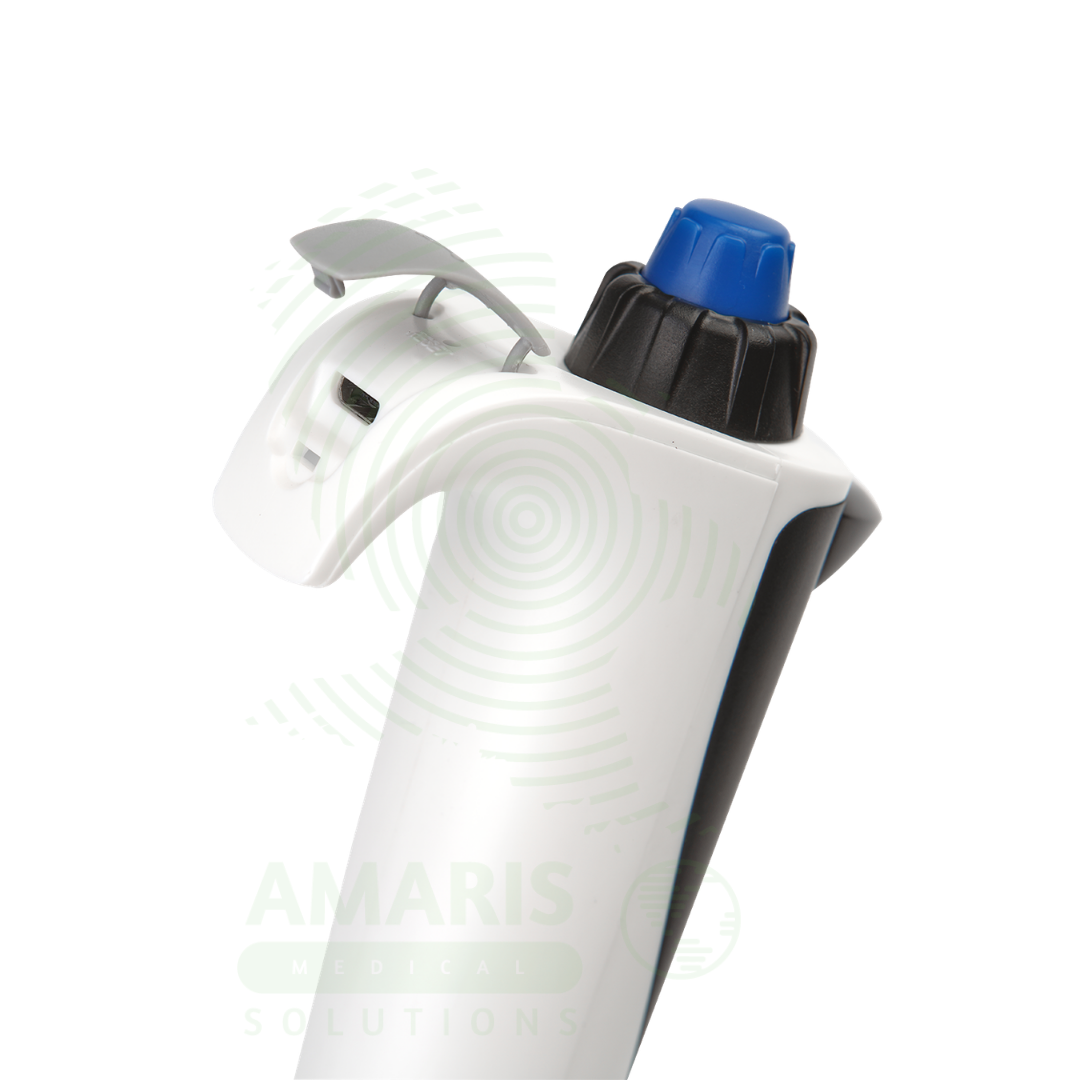

Multi-functional 8-channel Electronic Pipette (dPette+)
WhatsApp Order
The Multi-functional 8-channel Electronic Pipette (dPette+) from DLAB is a precision motor-driven instrument designed to replace manual multichannel pipettes. It synchronizes liquid aspiration and dispensing across all eight channels, making it an essential tool for high-throughput laboratories handling 96-well plates. The device combines manual pipetting’s ergonomic feel with the precision of an electronic stepper motor, offering four programmable functional modes: Pipetting, Mixing, Continuous Distribution (Stepper), and Dilution.
For the clinical laboratory scientist and molecular biologist, the dPette+ dramatically increases workflow efficiency. A single unit can fill a 96-well PCR plate in less than 3 minutes, a 60% time savings over manual methods. The high-precision, electronically synchronized channels reduce well-to-well variability, ensuring highly reproducible data for critical assays like qPCR and ELISA. Autoclavable components provide sterile processing, and the self-calibration feature via USB allows for easy in-house maintenance, making it an economical choice for any lab.
For the healthcare professional and patient, this efficiency is critical. The reduction in manual errors and increased throughput ensures that diagnostic results (e.g., for infectious diseases, genetic markers, or cancer) are reported faster and with greater accuracy. The lightweight, ergonomic design and reduced operation force also protect users from the risk of repetitive strain injuries (RSI), promoting a safer and more sustainable laboratory environment.
Description
Multi-functional 8-channel Electronic Pipette (dPette+)
PRIMARY CLINICAL & DIAGNOSTIC USES
1. High-Throughput Sample Preparation for PCR and qPCR Assays
-
Primary Use: Provides a motor-driven, 8-channel electronic pipette designed for rapid, precise, and simultaneous liquid handling across all eight channels, significantly accelerating sample preparation for high-throughput molecular diagnostics such as PCR and qPCR workflows.
-
How it helps: For the molecular biology technologist, the 8-channel design allows for the simultaneous loading of 96-well plates, drastically reducing the time required for PCR reaction set-up. According to comparative studies, the dPette+ can fill a 96-well plate in under 3 minutes, which is a 60% increase in efficiency compared to manual multichannel pipettes. Its high-precision stepper motor ensures consistent volume delivery across all channels, which is critical for the reproducibility of diagnostic tests. For the patient, this translates directly to more reliable PCR results, reducing the likelihood of false negatives or inconclusive results, and enabling faster treatment decisions.
2. Consistent Reagent Dispensing for ELISA and Immunoassays
-
Primary Use: Engineered for the precise and consistent dispensing of reagents, wash buffers, and substrates across 96-well microplates, which is fundamental to the accuracy of enzyme-linked immunosorbent assays (ELISA) and other immunoassays.
-
How it helps: For the clinical laboratory scientist, the multiple functional modes—specifically the “continuous dispensing” and “sequential dispensing” modes—allow for the automated and error-free addition of samples and reagents, reducing operator fatigue and variability. The adjustable speed control prevents splashing and foaming, preserving the integrity of delicate immunological reactions. For the patient, this automation ensures that every well on the plate receives exactly the same treatment, leading to highly reproducible results, which is critical for accurate disease diagnosis (e.g., HIV, Hepatitis) and therapeutic drug monitoring.
3. Multi-Sample Liquid Transfer for Cell Culture and Drug Discovery
-
Primary Use: Streamlines the transfer of cell suspensions, culture media, and drug compounds in cell-based assays, toxicology screening, and pharmaceutical research laboratories.
-
How it helps: For the research scientist and pharmaceutical technician, the 8-channel capability is ideal for seeding cells into 96-well plates for high-throughput screening. The “Mixing” mode can be used to resuspend cell pellets or homogenize drug compounds before dispensing, eliminating an extra manual step. The lightweight, ergonomic design minimizes the risk of repetitive strain injuries (RSI) during long hours of repetitive pipetting. For the patient, this efficiency and safety accelerate the R&D of new therapies and vaccines, ensuring that potentially life-saving treatments reach the clinic faster.
4. Simultaneous Micro-Volume Transfer for Next-Generation Sequencing (NGS)
-
Primary Use: Capable of accurately transferring micro-volumes of complex NGS library preparation reagents (e.g., adapters, indexes, and master mixes) across 96 and 384-well plates.
-
How it helps: For the genomics specialist, the 8-channel dPette+ offers a range of models from 0.5-10 μL to 30-300 μL, providing the precision needed for microliter-scale NGS workflows. The stepper motor ensures the synchronous movement of all eight pistons, guaranteeing uniform liquid transfer across each column of the plate. The device also supports user self-calibration via USB, ensuring that the instrument maintains its high accuracy over time without costly third-party delays. For the patient, this precision in NGS library preparation results in more uniform sequencing coverage and higher-quality genetic data, leading to more accurate diagnosis of hereditary diseases and cancer biomarkers.
5. Versatile High-Throughput Clinical Diagnostics
-
Primary Use: Allows clinical laboratories to rapidly process and transfer patient samples (e.g., serum, plasma, urine) into multi-well plates for a variety of automated analyzers and diagnostic platforms.
-
How it helps: For the clinical laboratory manager, the pipette’s dual charging (USB and stand) capability ensures that the device is always ready for continuous operation, minimizing downtime during critical testing rushes. The ability to autoclave the lower section also allows for easy sterilization, preventing cross-contamination between batches of patient samples. For the patient, this results in a more efficient laboratory workflow, dramatically reducing the turnaround time for critical test results and supporting high-volume screening programs for infectious diseases.
SECONDARY & SUPPORTIVE USES
1. Solution Preparation and Serial Dilutions: Used to create standard curves and perform precise serial dilutions for quantitative assays, ensuring accurate concentration gradients for drug testing.
2. 96-Well and 384-Well Plate Filling: The primary tool for filling multi-well plates in high-throughput screening (HTS) labs, used in drug discovery and genomics research.
3. Master Mix Distribution for Genomics: Ideal for distributing PCR master mix into 96-well plates before the addition of individual DNA samples in genotyping and sequencing workflows.
4. Bacterial and Yeast Culture Inoculation: Used for the rapid inoculation of multiple culture wells or tubes with microbial cultures for antimicrobial susceptibility testing (AST).
5. Microplate Coating for Immunoassays: Employed in the application of capture antibodies and blocking buffers during the manufacturing of ELISA kits.
6. Biobanking and Sample Aliquoting: Facilitates the rapid splitting of large-volume biological samples (e.g., plasma, urine) into multiple replicate tubes or plates for long-term storage.
7. Cell Viability Assays (MTT/XTT): Accurately dispenses MTT or other tetrazolium dyes into multi-well plates for cell proliferation and cytotoxicity testing.
8. Protein Crystallization Screening: Used to dispense precise volumes of protein solutions, precipitants, and additives into crystallization plates for structural biology research.
9. Quality Control (QC) Transfer in Pharma: Transfers raw materials, intermediates, and finished product samples from flasks or vials into HPLC autosampler vials for QC testing.
10. Teaching and Training: Used in educational laboratories to train students in high-throughput liquid handling techniques.
11. Flow Cytometry Sample Preparation: Used to dispense antibodies for cell staining protocols in flow cytometry.
KEY PRODUCT FEATURES
1. BASIC IDENTIFICATION ATTRIBUTES
-
Device Type: A motor-driven, digitally controlled, multi-functional 8-channel electronic pipette designed for high-speed, accurate, and reproducible liquid handling in multi-well plates.
-
Designation: dPette+ Multi-functional 8-channel Electronic Pipette, 8-Channel Electronic Pipettor, DLAB dPette+.
-
Key Components:
o Motor: High-precision stepper motor for accurate and repeatable operation.
o Control: Dual rotary knobs and large LCD screen for intuitive operation.
o Channels: 8 channels for simultaneous multi-sample pipetting.
o Charging: Li-ion battery with dual charging modes (USB and desktop stand).
o Body: Lightweight, ergonomic, and streamlined design.
o Calibration: Automatic self-calibration feature via USB connection.
2. TECHNICAL & PERFORMANCE PROPERTIES
-
Volume Ranges: Available in 0.5-10 µL, 5-50 µL, 15-300 µL, and 30-300 µL models.
-
Increments: From 0.01 μL (accuracy: ±0.20μL, 2%) to 1 μL (accuracy: ±1.80μL, 0.6%) depending on model.
-
Stepper Motor: High-performance stepper motor eliminates manual pipetting errors and ensures channel-to-channel parallelism.
-
Functional Modes: Provides four essential modes: Liquid Aspiration & Dispensing, Continuous Mixing, Continuous Distribution (Stepper), and Dilution.
-
Speed Control: Adjustable speeds for both aspiration and dispensing to suit different liquid viscosities.
-
Programmability: Features programmable volume ranges and the ability to save settings for common protocols.
-
Sterilization: The lower part of the pipette is fully autoclavable at 121°C for aseptic applications.
-
Operating Angle: The lower manifold can be rotated 360°, allowing for comfortable pipetting in any direction or angle.
-
Power Supply: 100-240V, 50/60Hz universal power supply with dual charging options.
-
Battery Life: Rechargeable Li-ion battery supports extended continuous operation.
3. PHYSICAL & OPERATIONAL PROPERTIES
-
Construction: Made from high-quality, durable, and corrosion-resistant polymers.
-
Display: Large, easy-to-read LCD screen located on the body for instant parameter visualization.
-
Tip Cones: Easy-loading tip cones ensure a smooth, leak-free seal with standard universal pipette tips.
-
Ejection: Includes a mechanical tip ejector.
-
User Manual: The display simulates manual pipette operation, making the transition from manual to electronic intuitive for users.
4. SAFETY & COMPLIANCE ATTRIBUTES
-
Regulatory Status: General laboratory equipment, compliant with ISO 8655 standards for piston-operated volumetric apparatus.
-
Ergonomic Safety: Lightweight and ergonomic design with low operation forces, specifically engineered to protect the user from repetitive strain injury (RSI).
-
Sterilization Safety: Autoclavable lower section prevents cross-contamination, essential for sterile cell culture and molecular biology work.
-
Battery Safety: Built-in Li-ion battery with over-charge and discharge protection.
-
Electrical Safety: Low-voltage operation with a certified AC adapter.
5. STORAGE & HANDLING ATTRIBUTES
-
Storage: Can be stored upright on its included charging stand or lying flat in a drawer.
-
Operation: The device can be operated cord-free for maximum convenience, using the rechargeable battery.
-
Cleaning: The exterior can be cleaned with 70% isopropyl alcohol. The lower section is removable and autoclavable for deep sterilization.
-
Calibration: The unit can be self-calibrated by the user via a USB connection to a PC and a balance, eliminating the need for factory service.
-
Charging: The pipette can be charged through the provided desktop stand or via its USB-C port.
6. LABORATORY & CLINICAL APPLICATIONS
-
Primary Application: High-throughput liquid handling for genomics (PCR, qPCR, NGS), proteomics (ELISA), cell-based assays, and pharmaceutical drug discovery.
-
Clinical Role: A critical instrument for molecular diagnostics, clinical chemistry, and research laboratories that process multiple patient samples in microplate formats, ensuring accuracy, speed, and user safety.
SAFETY HANDLING PRECAUTIONS
1. SAFETY PRECAUTIONS
-
Chemical Compatibility: Ensure the pipette's tip cones are compatible with the solvents or reagents being used.
-
Tip Fit: Use only manufacturer-recommended or high-quality universal tips to ensure a proper seal and prevent sample loss or aerosol contamination.
-
Voltage: Before connecting the power supply, verify that the line voltage matches the requirements of the AC adapter (100-240V).
-
Autoclaving: Only the lower part of the pipette is autoclavable. Do not autoclave the entire electronic unit.
-
Charging: Use only the provided USB cable and charging stand to charge the Li-ion battery.
-
Liquid Ingress: Avoid immersing the top electronic portion of the pipette in any liquid.
2. FIRST AID MEASURES
-
Chemical Splash: If a sample splashes into the operator's eyes, flush immediately with water for 15 minutes and seek medical attention.
-
Skin Contact: If a hazardous chemical contacts the skin, wash the affected area immediately with soap and copious amounts of water.
-
Mechanical Failure: If the pipette jams or fails to aspirate/dispense, safely dispose of the tips and contact the manufacturer for service; do not attempt to disassemble a malfunctioning electronic unit.
3. FIRE FIGHTING MEASURES
-
Flammability: The plastic housing and components are combustible; however, the main unit is not a primary fuel source.
-
Extinguishing Media: Use a tri-class dry chemical fire extinguisher (Class ABC) for fires involving electrical equipment.
Related products
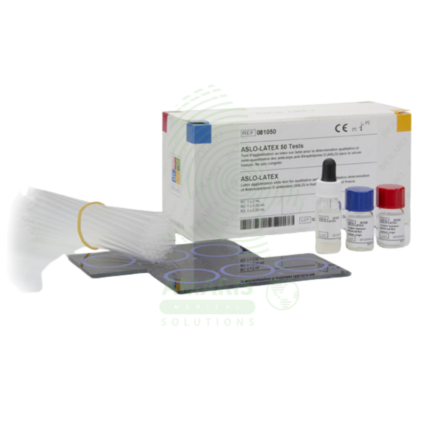
Anti-Streptol Olysin O Titer (ASOT)
Anti-Streptol Olysin O Titer (ASOT) is a quantitative or semi-quantitative serological test (latex agglutination, turbidimetry, nephelometry, or ELISA) for detecting antibodies against streptolysin O, an exotoxin produced by Group A Streptococcus. Elevated or rising titers indicate recent streptococcal infection and are essential for diagnosing post-streptococcal sequelae including acute rheumatic fever (Jones criteria) and post-streptococcal glomerulonephritis. The test requires serum samples; acute and convalescent (2-4 weeks apart) with fourfold rise confirms recent infection. Reference range typically <200-250 Todd units/mL (adults), varies by age and population. Primary clinical applications include diagnosis of Group A streptococcal infections, acute rheumatic fever evaluation, post-streptococcal glomerulonephritis diagnosis, differentiation of acute vs. past infection, evaluation of unexplained arthritis or carditis, pediatric inflammatory conditions (PANDAS), and monitoring disease activity in rheumatic fever. Critical safety precautions include proper timing of acute and convalescent samples, awareness of false negatives/positives, clinical correlation for diagnosis, and standard biohazard precautions. Essential test for rheumatology, nephrology, cardiology, and infectious disease practice.
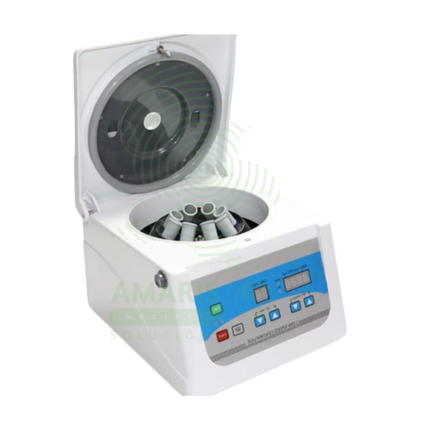
Electric Centrifuge
An Electric Centrifuge is a Class I medical device that uses rapid rotation to separate fluids of different densities, essential in clinical laboratories for processing blood, urine, and other biological specimens. Available in benchtop, refrigerated, microcentrifuge, hematocrit, and high-speed models with fixed-angle, swinging-bucket, or vertical rotors. Speed range 1,000-30,000+ RPM with RCF up to 65,000+ x g. Features include brushless induction motor, digital controls, imbalance detection, lid lock safety, and programmable protocols. Primary clinical applications include separation of serum/plasma for chemistry and hematology testing, urine sediment analysis for microscopy, platelet-rich plasma (PRP) preparation for regenerative medicine, concentration of bacteria for microbiology, cytology fluid analysis, blood banking, and molecular biology sample processing. Critical safety precautions include proper balancing of loads (weight matching), use of sealed rotors for biohazardous samples, regular rotor inspection for corrosion or cracks, never exceeding maximum rated speed, and never opening lid during operation. Essential equipment in clinical, research, and teaching laboratories.
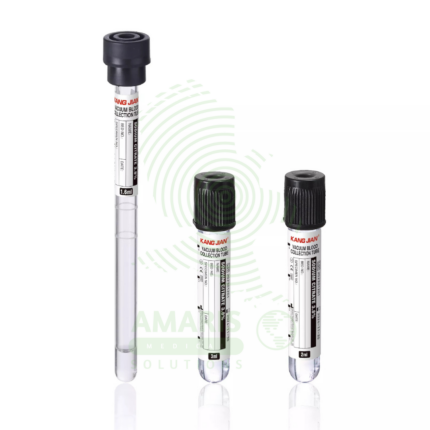
ESR Tubes Glass
ESR Tubes Glass are specialized glass tubes (300 mm length, 2.55 mm bore diameter, graduated 0-200 mm in 1 mm intervals) meeting ICSH and CLSI Westergren specifications for measuring erythrocyte sedimentation rate, a non-specific marker of inflammation. Used with citrated or diluted EDTA blood, filled to exactly 200 mm, placed vertically in Westergren stand, and read at 60 minutes. Primary clinical applications include determination of ESR for diagnosing and monitoring inflammatory conditions (infections, autoimmune disorders, malignancies), monitoring disease activity in rheumatoid arthritis, assessment of temporal arteritis and polymyalgia rheumatica, evaluation of infection and inflammatory response, screening for occult inflammatory conditions, and monitoring chronic inflammatory diseases (SLE, IBD, vasculitis). Critical safety precautions include handling glass tubes carefully to avoid breakage (sharps hazard), proper disposal in sharps containers as biohazardous waste, ensuring vertical alignment and constant temperature (18-25°C), reading at exactly 60 minutes, and avoiding air bubbles and vibration. Essential consumable for reference Westergren ESR testing in clinical laboratories.
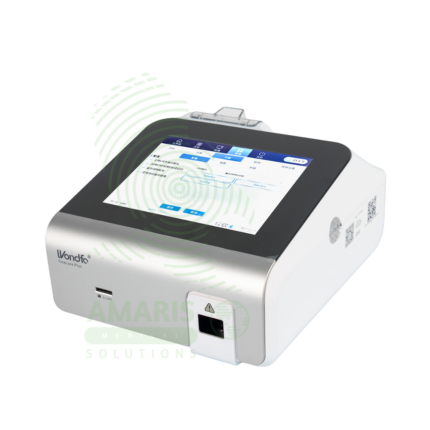
Finecare Analyzer
The Finecare Analyzer is a Class II medical device (FDA-cleared, CE-marked) fluorescence immunoassay system manufactured by Wondfo Biotech for quantitative detection of cardiac markers (troponin I, CK-MB, myoglobin), inflammatory markers (CRP, procalcitonin), thyroid hormones (TSH, FT3, FT4), diabetes markers (HbA1c), reproductive hormones (LH, FSH, prolactin), tumor markers (AFP, CEA, PSA), and infectious disease markers. Features include time-resolved fluorescence technology, color touchscreen interface, built-in printer (select models), USB/Ethernet connectivity, and internal rechargeable battery for portable use. Test time 3-15 minutes, sample volume 50-100 µL (whole blood, serum, plasma). Primary clinical applications include rapid diagnosis of acute myocardial infarction in chest pain patients, early detection of sepsis and bacterial infections, thyroid disorder diagnosis and monitoring, long-term glycemic control assessment in diabetes, fertility and reproductive health evaluation, cancer screening and surveillance, and infectious disease testing in endemic and clinical settings. Critical safety precautions include proper test cartridge storage (2-8°C), regular quality control, biohazard safety protocols, and operator training. Essential point-of-care testing system for hospitals, clinics, and remote healthcare facilities requiring rapid, quantitative results.
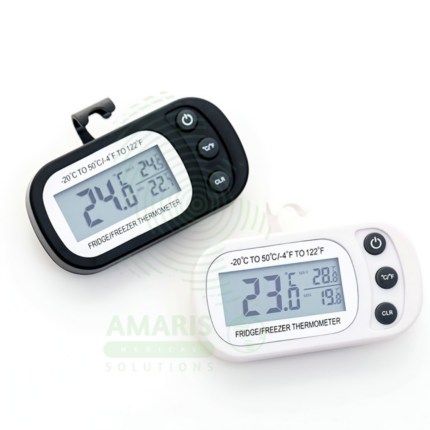
Fridge Thermometer
A Fridge Thermometer is a precision temperature monitoring device designed for continuous use inside medical and laboratory refrigerators and freezers. Its primary role is to safeguard the potency of vaccines, medications, and biological samples by ensuring storage temperatures remain within a critical specified range (e.g., +2°C to +8°C). Available in analog or digital formats, accurate models with memory functions are essential for compliance with cold chain protocols, requiring daily monitoring, logging, and regular calibration. It is a fundamental quality control tool in pharmacies, clinics, immunization centers, and laboratories.
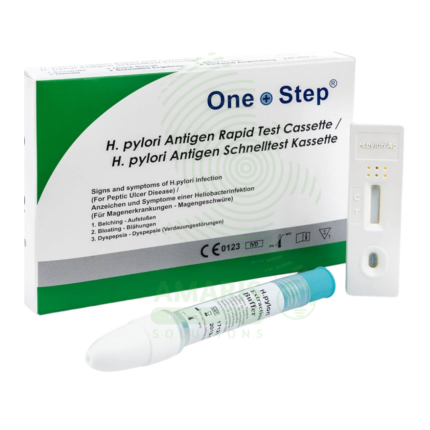
H.pylori test kits (Antigen)
H.pylori test kits (Antigen) are Class II medical devices (FDA-cleared/CE-marked) for rapid immunochromatographic or enzyme immunoassay detection of Helicobacter pylori antigens in stool specimens, enabling non-invasive diagnosis of active infection and post-treatment eradication confirmation. Test principles use monoclonal or polyclonal antibodies specific to H. pylori antigens, producing visible results in 10-20 minutes (rapid tests) or 1-2 hours (EIA). Sensitivity 90-98%, specificity 92-99% compared to gold standard methods. Primary clinical applications include rapid diagnosis of H. pylori infection in patients with dyspepsia, initial screening in uncomplicated dyspepsia (test-and-treat strategy), confirmation of active infection before therapy, post-treatment eradication confirmation (4-6 weeks after therapy), pediatric testing (preferred non-invasive method), screening in high-risk populations (family history of gastric cancer), and monitoring in patients with peptic ulcer disease or MALT lymphoma. Critical safety precautions include mandatory washout period (4 weeks off antibiotics, 2 weeks off PPIs) to avoid false negatives, proper specimen handling (universal precautions), refrigerated storage of kits (2-30°C), quality control verification, and disposal as biohazardous waste. Essential non-invasive tool for H. pylori management in gastroenterology and primary care.
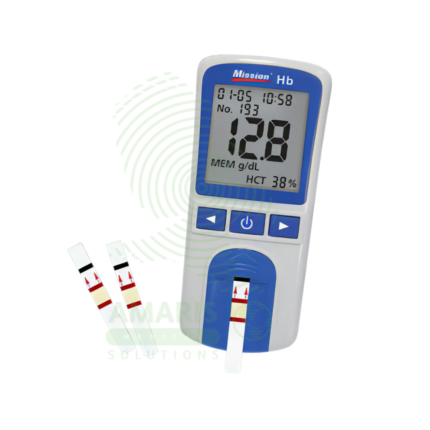
Hemoglobin Meter
A Hemoglobin Meter is a Class II medical device (FDA-cleared, CE-marked) for quantitative point-of-care measurement of hemoglobin concentration in capillary or venous blood, providing results in 5-60 seconds from a 5-20 µL sample. The meter uses photometric, electrochemical, or conductivity technology to measure hemoglobin, with accuracy ±0.3-0.5 g/dL compared to reference methods. Features include backlit LCD display, memory storage for 100-1000 results, USB/Bluetooth connectivity for data transfer, and compatibility with single-use disposable cuvettes or test strips. Primary clinical applications include anemia screening and diagnosis (WHO criteria), preoperative assessment and surgical planning, antenatal care and maternal health monitoring, malaria-endemic region screening, chronic disease management (CKD, IBD, cancer), nutritional assessment and intervention programs, and blood donor screening. Critical safety precautions include single-use lancets, proper hand hygiene, correct sample application, quality control with control solutions, proper cuvette storage (protect from heat, light, humidity), and never using expired cuvettes. Essential point-of-care device for hemoglobin testing in hospitals, clinics, community health programs, and blood donation centers.