Dermatoscope and Magnifiers
 Diagnostic Kits
 Vital Signs Monitors
 Stethoscopes and Accessories
 Otoscopes, Ophthalmoscopes, and Retinoscopes
 Reflex Hammers and Neurological Tools
 Scales and Measuring Devices
 Spirometers and Pulmonary Function Tests
 Electrosurgical Units and Accessories
 Cutting Instruments
 Grasping and Holding Instruments
 Hemostatic Instruments
 Specialized Surgical Sets
 Single-Use Procedure Trays and Packs
 Surgical Drapes, Gowns, and Covers
 Tissue Unifying Instruments
 Radiation Protection
 X-Ray Machines and Accessories
 Ultrasound Systems and Probes
 MRI and CT Scanners
 Radiology Consumables
 Bone Densitometers
 Fluoroscopy Equipment
 Imaging Tables and Positioning Aids
 Microscopes and Accessories
 Centrifuges and Separators
 Analyzers
 Incubators and Ovens
 Pipettes, Dispensers, and Lab Glassware
 Refrigerators, Freezers, and Storage Units
 Lab Consumables
 Sterilizers and Autoclaves for Lab Use
 Multi-Parameter Monitors
 Ventilators and Respiratory Support Devices
 Defibrillators and AEDs
 Infusion Pumps and IV Systems
 Patient Warmers and Cooling Devices
 Central Monitoring Stations
 Accessories
 Anesthesia Machines and Workstations
 Oxygen Concentrators and Delivery Systems
 Nebulizers and Inhalers
 CPAP/BiPAP Machines
 Airway Management
 Anesthesia Masks, Circuits, and Bags
 Humidifiers and Heaters
 Respiratory Therapy Accessories
 First Aid Kits and Cabinets
 Emergency Resuscitation Equipment
 Trauma Supplies
 Emergency Carts and Crash Carts
 Burn Care Products
 Bleeding Control
 Automated External Defibrillators (AEDs)
 Transport and Evacuation
 Wheelchairs and Accessories
 Walkers, Crutches, and Canes
 Prosthetics and Orthotics
 Physical Therapy Equipment
 Transfer Devices
 Bathroom Safety
 Orthopedic Traction and Tables
 Hot/Cold Therapy Packs and Units
 Beds and Mattresses
 Chairs and Stools
 Tables
 Cabinets and Storage
 Privacy Screens & Curtains
 Stands and Racks
 Linens and Textiles
 Lighting
 Autoclaves and Sterilizers
 Ultrasonic Cleaners
 Disinfectant Solutions and Wipes
 Sterilization Pouches, Wraps, and Indicators
 Instrument Trays and Containers
 UV and Ozone Disinfection Devices
 Washer Disinfectors
 Wound Care
 Gloves
 Masks and Respirators
 Catheters and Tubing
 Swabs, Applicators, and Sponges
 Incontinence Products
 Personal Protective Equipment (PPE)
 Dental Chairs and Units
 Handpieces and Burs
 Instruments
 Consumables
 Sterilization for Dental Use
 Orthodontic Supplies
 Endodontic Tools
 Slit Lamps and Tonometers
 Lensometers and Phoropters
 Ophthalmic Surgical Instruments
 Eyewear Frames and Lenses
 Contact Lens Supplies
 Vision Testing Charts and Devices
 Eye Care Consumables
 Laser Systems for Eye Care
 ENT Exam Chairs and Tables
 Endoscopes
 Audiometers and Hearing Tests
 ENT Instruments
 Nasal and Throat Packs
 Hearing Aids and Accessories
 Otology Supplies
 Fetal Dopplers and Monitors
 Delivery Beds and Tables
 Gynecological Instruments
 Neonatal Incubators and Warmers
 Breast Pumps and Accessories
 Contraceptive Devices
 Maternity Supports and Pads
 Neonatal Consumables
 Cystoscopes and Urethroscopes
 Dialysis Machines and Supplies
 Urological Catheters and Bags
 Lithotripters
 Prostate Treatment Devices
 Urinary Incontinence Products
 Kidney Stone Management Tools
 Consumables & Disposables
 EEG and EMG Machines
 Neurosurgical Instruments
 Nerve Stimulators
 Headrests and Positioning Aids
 Lumbar Puncture Kits
 Seizure Monitoring Devices
 Consumables
 Rehabilitation for Neurological Conditions
 ECG Machines and Accessories
 Holter Monitors
 Stress Test Systems
 Pacemakers and Defibrillator Accessories
 Vascular Access Devices
 Cardiac Catheters and Guidewires
 Blood Flow Meters
 Consumables
 Orthopedic Instruments
 Casts, Splints, and Padding
 Joint Replacement Supplies
 Prosthetic Limbs and Components
 Bone Grafts and Substitutes
 Traction Devices
 Orthopedic Braces and Supports
 Rehabilitation Aids for Orthopedics
 Home Oxygen Therapy
 Hospital Beds for Home Use
 Mobility Aids
 Bathroom and Daily Living Aids
 Wound Care for Home
 Monitoring Devices
 Enteral Feeding Pumps and Tubes
 Hand Sanitizers and Dispensers
 Face Shields and Goggles
 Isolation Gowns and Suits
 Biohazard Waste Containers
 Air Purifiers and HEPA Filters
 Surface Disinfectants
 Sharps Containers
 Protective Barriers
 Cardiovascular & Endurance Training
 Strength Training & Weightlifting
 Functional Training & Core Conditioning
 Physical Therapy & Rehabilitation
 Sports & Outdoor Recreation
 Gym Flooring & Facility Equipment
 Fitness Monitoring & Accessories
 Kids & Novelties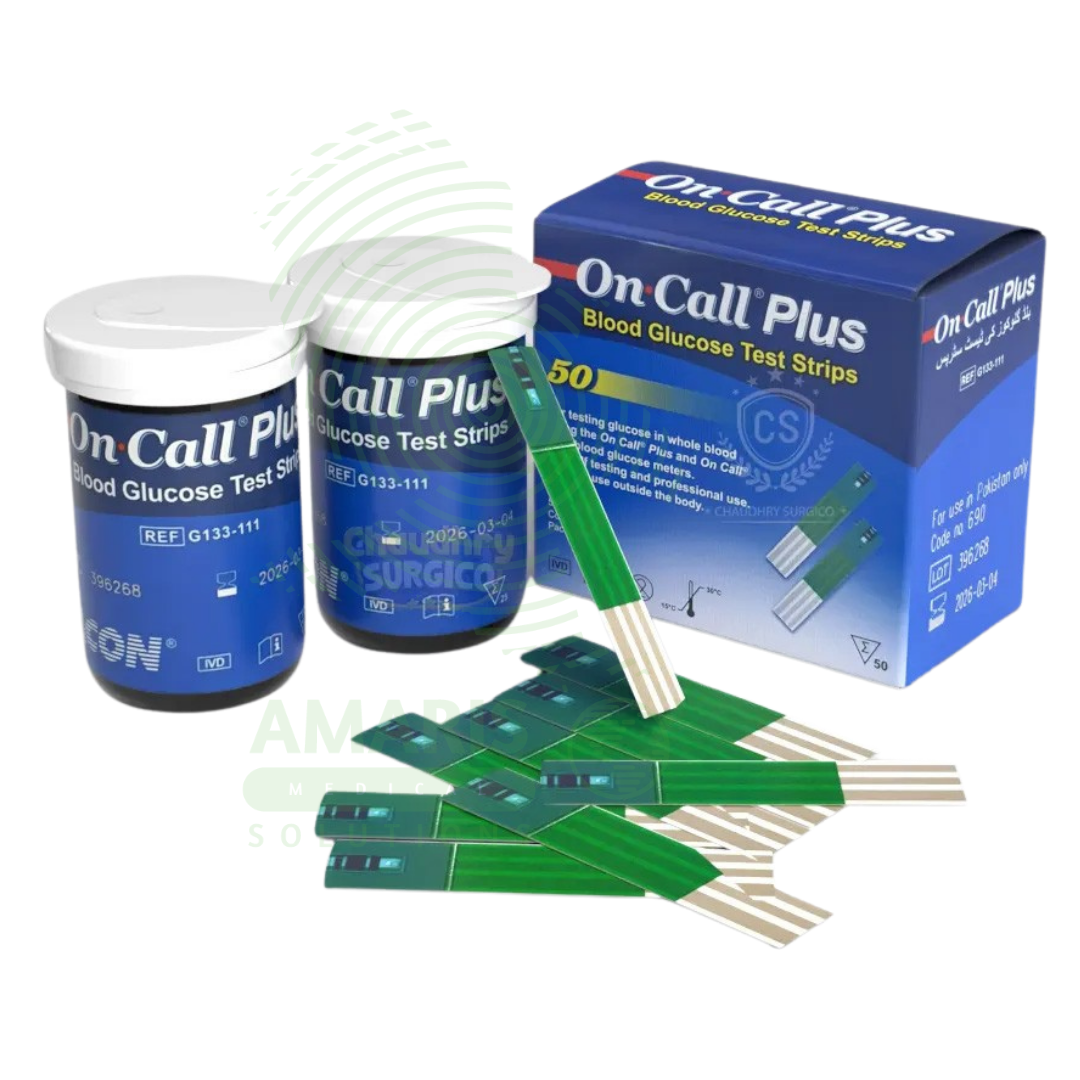
On Call Blood Sugar Strips
WhatsApp Order
On Call Blood Sugar Strips are single-use, disposable electrochemical test strips (ISO 15197:2013 compliant) designed exclusively for use with On Call glucose meters to measure capillary blood glucose from 0.5-1.0 µL samples in 5-7 seconds. Each strip contains glucose oxidase or glucose dehydrogenase reagents that generate electrical current proportional to glucose concentration (20-600 mg/dL range). Packaging options include multi-strip vials (25-100 strips) with desiccant for daily use or individually foil-wrapped strips for travel. Strips feature no-coding automatic calibration, hematocrit compensation (20-60%), and interference resistance. Primary clinical applications include daily blood glucose testing for Type 1, Type 2, and gestational diabetes management, hypoglycemia and hyperglycemia detection, pre- and post-meal glucose assessment, and hospital point-of-care testing. Critical safety precautions include single-use only, immediate vial closure after strip removal to prevent humidity damage, storage at 2-30°C away from bathrooms and temperature extremes, never using expired strips, proper hand hygiene before testing, and disposal in sharps containers. Essential consumable for diabetes self-management when used with On Call meters.
Description
On Call Blood Sugar Strips
PRIMARY CLINICAL & DIAGNOSTIC USES
1. Daily Blood Glucose Testing for Diabetes Management:
-
Primary Use: Single-use disposable strips work exclusively with On Call glucose meters to measure capillary blood glucose levels multiple times daily, enabling individuals with Type 1, Type 2, or gestational diabetes to obtain accurate readings essential for insulin dosing, dietary adjustments, and lifestyle modifications.
-
How it helps: Provides the essential consumable that makes daily glucose monitoring possible, giving patients the reliable, accurate readings they need to make confident decisions about their diabetes management moment by moment.
2. Hypoglycemia Detection and Confirmation:
-
Primary Use: Enables rapid confirmation of suspected low blood sugar (hypoglycemia) when symptoms such as shakiness, sweating, confusion, or weakness occur, allowing immediate corrective action to prevent progression to unconsciousness or seizures.
-
How it helps: Serves as a critical safety tool that takes the guesswork out of scary symptoms, allowing patients to quickly confirm whether they are experiencing dangerous lows and take immediate action before the situation becomes a medical emergency.
3. Hyperglycemia Identification and Monitoring:
-
Primary Use: Facilitates detection of high blood sugar (hyperglycemia) in patients experiencing symptoms such as increased thirst, frequent urination, or blurred vision, guiding corrective insulin doses and preventing diabetic ketoacidosis (DKA).
-
How it helps: Empowers patients to catch high blood sugar early before it spirals into a serious complication, giving them the information they need to take corrective action and avoid hospitalization.
4. Pre-Meal and Post-Meal Glucose Assessment:
-
Primary Use: Allows patients to test glucose levels before and after meals to understand how different foods affect their blood sugar, enabling informed dietary choices and precise mealtime insulin dosing.
-
How it helps: Transforms eating from a source of anxiety into an opportunity for learning, helping patients discover which foods work best for their body and how to dose insulin accurately for better control after meals.
5. Gestational Diabetes Management:
-
Primary Use: Essential for pregnant women with gestational diabetes to perform prescribed fasting and post-meal testing, ensuring tight glycemic control critical for preventing fetal macrosomia, neonatal hypoglycemia, and delivery complications.
-
How it helps: Protects both mother and baby during pregnancy by providing the accurate readings needed to keep blood sugar tightly controlled, preventing complications that could affect the baby’s health and the safety of delivery.
6. Hospital and Clinical Point-of-Care Testing:
-
Primary Use: Used by healthcare providers in hospitals, clinics, and emergency departments with On Call professional meters for rapid bedside glucose assessment of inpatients and outpatients.
-
How it helps: Delivers instant results at the bedside, enabling clinicians to make immediate treatment decisions without waiting for laboratory confirmation, which is essential for managing critically ill patients and busy clinical environments.
7. Long-Term Glycemic Trend Monitoring:
-
Primary Use: Serial testing with On Call strips provides data for calculating average glucose levels, time-in-range metrics, and estimated HbA1c, enabling comprehensive assessment of diabetes management effectiveness.
-
How it helps: Transforms individual readings into a powerful long-term health picture, showing doctors and patients how well their diabetes management plan is working over weeks and months and guiding strategic adjustments.
SECONDARY & SUPPORTIVE USES
1. Medication Adjustment Monitoring: Used to track glucose responses when starting or changing doses of diabetes medications, including insulin, metformin, sulfonylureas, and GLP-1 agonists, helping optimize treatment regimens.
2. Exercise-Induced Glucose Response Testing: Enables patients to test before, during, and after physical activity to understand exercise effects on blood sugar and prevent exercise-related hypoglycemia.
3. Sick-Day Management: Critical for more frequent testing during illness when glucose levels may fluctuate unpredictably, guiding insulin adjustments and preventing DKA.
4. Fasting Glucose Monitoring: Used to assess fasting glucose levels for diabetes diagnosis and ongoing management of morning hyperglycemia.
5. Post-Bariatric Surgery Monitoring: Helps track glycemic status in patients who may experience diabetes remission following bariatric procedures, ensuring continued metabolic health.
6. Prediabetes and Insulin Resistance Assessment: Used in diagnostic protocols and research settings to evaluate glucose patterns in at-risk individuals.
7. Travel and Lifestyle Management: Portable strips enable consistent monitoring during travel, work, and daily activities, maintaining diabetes control across varied environments.
KEY PRODUCT FEATURES
1. BASIC IDENTIFICATION ATTRIBUTES
-
Product Type: Disposable electrochemical test strips for quantitative measurement of glucose in capillary blood.
-
Common Names: On Call Test Strips, On Call Glucose Strips, Blood Sugar Test Strips, Diabetic Test Strips.
-
Compatibility: Specifically designed for use with On Call brand glucose meters only; not interchangeable with other meter brands.
-
Components:
-
Strip Base: Plastic substrate with printed electrodes and reagents.
-
Sample Tip: Capillary fill channel at strip end for blood application.
-
Contact Bars: Metal or conductive area that inserts into meter port.
-
Reagent Layer: Contains glucose oxidase or glucose dehydrogenase enzyme, mediators, and stabilizers.
-
Packaging: Foil-wrapped vial or individual foil pouches protecting strips from moisture and light.
-
-
Sample Type: Fresh capillary whole blood from fingertip (standard).
-
Sample Volume: 0.5-1.0 µL typical.
-
Measurement Range: 20-600 mg/dL (1.1-33.3 mmol/L).
-
Test Time: 5-7 seconds.
2. TECHNICAL & PERFORMANCE PROPERTIES
-
Accuracy Standards: Meets ISO 15197:2013 requirements; ≥95% of results within ±15 mg/dL (<100 mg/dL) or ±15% (≥100 mg/dL) of laboratory reference.
-
Measurement Principle: Electrochemical biosensor; glucose in blood sample reacts with reagents generating electrical current proportional to glucose concentration.
-
Enzyme Type: Glucose oxidase or glucose dehydrogenase (specific to On Call formulation).
-
Hematocrit Range: Compensated for hematocrit 20-60% to minimize interference.
-
Interference Resistance: Formulated to minimize effects of common interfering substances (acetaminophen, ascorbic acid, uric acid).
-
Coding: No-coding system; strip automatically calibrated when inserted.
-
Storage Stability: Stable until expiration date when stored properly.
-
In-Use Stability: Must be used within specified time after removal from vial (typically 3-5 minutes).
3. PHYSICAL & OPERATIONAL PROPERTIES
-
Strip Dimensions: Approximately 3-4 cm length × 0.5 cm width.
-
Strip Color: Typically white or light-colored with colored contact bars.
-
Packaging Options:
-
Vial Packaging: 25-100 strips per vial with desiccant; economical for daily use.
-
Individual Foil Wrapping: Single strips individually sealed; convenient for travel or occasional use.
-
-
Vial Design: Child-resistant cap; moisture-proof seal; desiccant included.
-
Shelf Life: 18-24 months from manufacture date when unopened.
-
In-Vial Life: 3-6 months after opening if vial properly sealed.
4. SAFETY & COMPLIANCE ATTRIBUTES
-
Regulatory Status: Class II medical device requiring FDA 510(k) clearance; used only with cleared On Call meters.
-
Clinical Standards: Meets ISO 15197:2013 accuracy requirements for blood glucose monitoring systems.
-
Quality Management: Manufactured under ISO 13485 certified processes.
-
Sterility: Strips are not sterile but manufactured under clean conditions; single-patient use only.
-
Biocompatibility: Materials meet ISO 10993 for blood contact; non-toxic, non-irritating.
-
Latex-Free: All components latex-free.
-
Packaging Integrity: Foil and vial packaging maintain strip integrity until opened.
-
Disposal: Used strips considered biohazardous waste; dispose in sharps containers.
5. STORAGE & HANDLING ATTRIBUTES
-
Storage Temperature: Store unopened vials at 2-30°C (36-86°F). Avoid freezing and extreme heat.
-
Humidity Protection: Store in original sealed vial; do not transfer to other containers. Keep away from bathrooms, sinks, and humid areas.
-
Light Protection: Store in original opaque packaging; protect from direct sunlight.
-
In-Use Storage: After opening, keep the vial tightly closed; remove only one strip at a time. Do not touch strip contact bars.
-
Expiration: Never use strips beyond expiration date printed on vial. Discard opened vial 3-6 months after first opening (per manufacturer).
-
Visual Inspection: Do not use strips that appear damaged, discolored, or if the vial seal is broken.
-
Temperature Excursions: Do not use strips exposed to temperatures outside recommended range; accuracy compromised.
-
Transport: When traveling, keep strips in original vial; avoid temperature extremes in cars or luggage.
6. LABORATORY & CLINICAL APPLICATIONS
-
Primary Application: Single-use consumable for quantitative blood glucose measurement when used with On Call meters, essential for daily diabetes self-management.
-
Testing Frequency Guidelines (ADA):
-
Type 1 Diabetes: 4-10 strips daily (before meals, post-meals, before bed, before exercise, when hypoglycemia is suspected).
-
Type 2 Diabetes (Insulin-Treated): 2-8 strips daily as above.
-
Type 2 Diabetes (Non-Insulin): 1-7 strips weekly depending on glycemic control.
-
Gestational Diabetes: 4-7 strips daily (fasting and post-meal testing).
-
-
Proper Testing Technique:
-
Wash hands with soap and water; dry thoroughly.
-
Remove one strip from vial; close vial immediately.
-
Insert strip into meter; meter turns on automatically.
-
Prick fingertip with lancet; obtain small blood drop.
-
Touch strip sample tip to blood drop; blood is drawn in automatically.
-
Wait 5-7 seconds for the result.
-
Remove and discard used strips in a sharps container.
-
Quality Control: Use On Call control solution to verify strip and meter accuracy with each new vial and periodically as needed.
-
Limitations: For use with On Call meters only; not compatible with other brands. Results for capillary blood; venous or arterial samples may differ.
SAFETY HANDLING PRECAUTIONS
1. SAFETY PRECAUTIONS
-
Single-Use Only: Strips are for single use only; never reuse a strip. Reuse causes inaccurate results and infection risk.
-
Hand Hygiene: Always wash hands before testing; food residue, sweat, or lotion on fingers causes inaccurate results.
-
Vial Closure: Close vial immediately after removing strip; humidity exposure degrades strips within hours.
-
Expiration Dates: Never use expired strips; accuracy cannot be guaranteed and may lead to incorrect insulin dosing.
-
Temperature Exposure: Never store strips in bathroom (humidity) or car (extreme temperatures). Heat and humidity permanently damage strips.
-
Blood Application: Apply blood only to designated sample tip; do not apply blood to top of strip or touch strip to finger repeatedly.
-
Insufficient Sample: If meter displays error for insufficient blood, discard strip and use new strip; do not attempt to add more blood.
-
Control Solution Testing: Test with control solution when opening a new vial, if meter is dropped, or if results seem inconsistent with how you feel.
-
Proper Disposal: Dispose of used strips in FDA-cleared sharps container; never discard loose in household trash.
-
Keep Away from Children: Strips are small and pose choking hazard; desiccant in vial may be harmful if ingested.
2. FIRST AID MEASURES
-
Strip Ingestion (Child): If a child swallows a test strip, contact the poison control center. Strips are generally non-toxic but may cause choking.
-
Desiccant Ingestion: If desiccant packet from vial is swallowed, contact poison control; may cause gastrointestinal irritation.
-
Blood Exposure: If another person contacts a used strip with blood, follow bloodborne pathogen exposure protocol.
-
Eye Contact with Blood: If blood splashes into the eye, flush with copious water; seek medical attention.
3. FIRE FIGHTING MEASURES
-
Flammability: Plastic strips and foil packaging are combustible.
-
Extinguishing Media: Use water, foam, CO₂, or dry chemical as appropriate for surrounding fire.
Related products
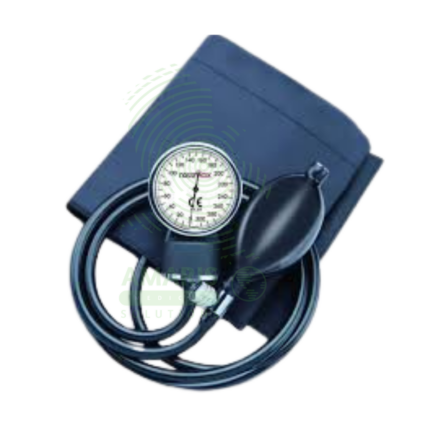
Aneroid Blood Pressure Monitor
The Aneroid Blood Pressure Monitor is a manual, mechanical sphygmomanometer used for the accurate, non-invasive measurement of arterial blood pressure. Operating on the auscultatory method, it consists of an inflatable cuff, a pump bulb with a release valve, and a calibrated dial gauge. Renowned for its reliability, durability, and independence from electrical power, it serves as a clinical gold standard and essential tool in physician offices, hospitals, and for guided home monitoring. Its accuracy is dependent on proper technique, correct cuff size, and regular calibration, making it a fundamental device for diagnosing and managing hypertension and assessing cardiovascular health.
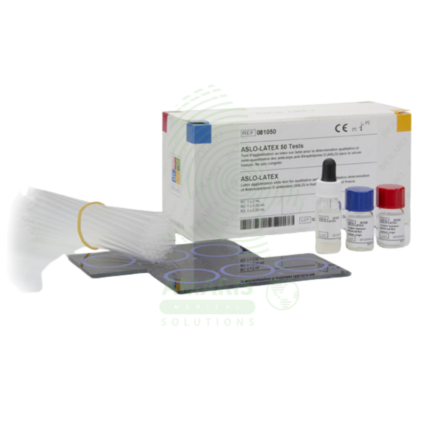
Anti-Streptol Olysin O Titer (ASOT)
Anti-Streptol Olysin O Titer (ASOT) is a quantitative or semi-quantitative serological test (latex agglutination, turbidimetry, nephelometry, or ELISA) for detecting antibodies against streptolysin O, an exotoxin produced by Group A Streptococcus. Elevated or rising titers indicate recent streptococcal infection and are essential for diagnosing post-streptococcal sequelae including acute rheumatic fever (Jones criteria) and post-streptococcal glomerulonephritis. The test requires serum samples; acute and convalescent (2-4 weeks apart) with fourfold rise confirms recent infection. Reference range typically <200-250 Todd units/mL (adults), varies by age and population. Primary clinical applications include diagnosis of Group A streptococcal infections, acute rheumatic fever evaluation, post-streptococcal glomerulonephritis diagnosis, differentiation of acute vs. past infection, evaluation of unexplained arthritis or carditis, pediatric inflammatory conditions (PANDAS), and monitoring disease activity in rheumatic fever. Critical safety precautions include proper timing of acute and convalescent samples, awareness of false negatives/positives, clinical correlation for diagnosis, and standard biohazard precautions. Essential test for rheumatology, nephrology, cardiology, and infectious disease practice.
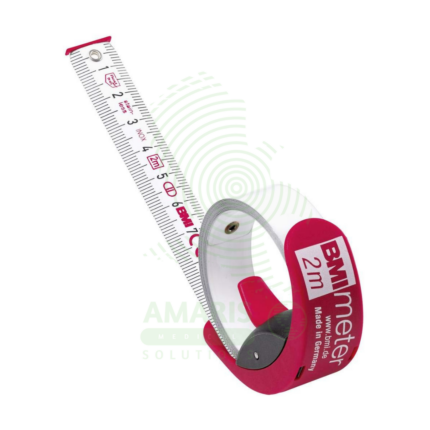
BMI Tape
A BMI Tape is a rapid screening tool that estimates an individual's Body Mass Index (BMI) category by measuring body circumference, most commonly the waist. It features a color-coded scale that directly displays BMI ranges (Underweight, Normal, Overweight, Obese), eliminating the need for separate height and weight measurements and manual calculation. While highly useful for community health screenings, wellness programs, and patient education due to its portability and simplicity, it is an approximate method. Its accuracy is limited compared to BMI calculated from precise clinical measurements, and it should be used as an initial screening indicator rather than a definitive diagnostic tool.
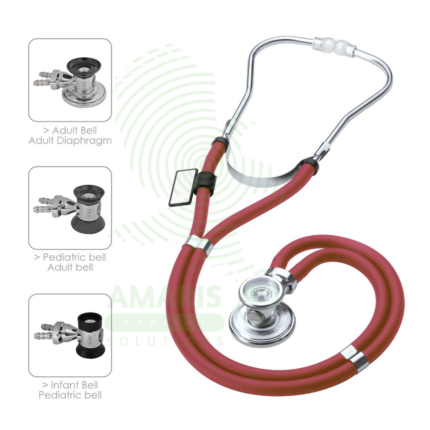
Dual Head Stethoscope
The Dual Head Stethoscope is the classic, essential acoustic diagnostic tool used by healthcare professionals worldwide. Its defining feature is a two-sided chestpiece, combining a diaphragm for high-frequency sounds (breath sounds, normal heart tones) and a bell for low-frequency sounds (heart murmurs, abnormal heart tones). Through mechanical sound conduction, it provides critical information for assessing cardiac, pulmonary, and vascular systems during physical examinations and manual blood pressure measurement. Its effectiveness relies on proper technique, a good acoustic seal, and consistent cleaning. As a fundamental symbol of medical practice, it balances functionality, durability, and affordability.
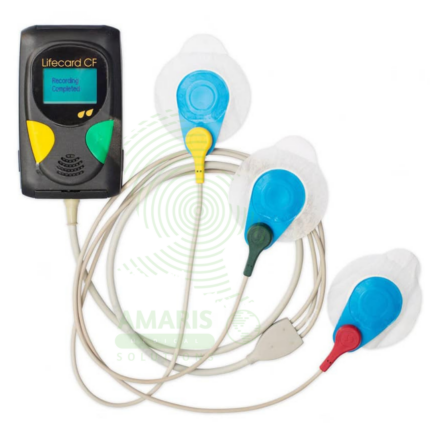
Holter ECG Monitor
A Holter ECG Monitor is a portable, wearable medical device used for continuous, long-term recording of a patient's heart's electrical activity over 24 to 48 hours or more. It is the cornerstone diagnostic tool for detecting intermittent cardiac arrhythmias, evaluating unexplained symptoms like syncope or palpitations, and monitoring the efficacy of antiarrhythmic treatments or implanted cardiac device function. Consisting of a small digital recorder connected to chest electrodes (or an all-in-one adhesive patch), it allows patients to maintain their normal daily routine while capturing a comprehensive electrocardiographic record.
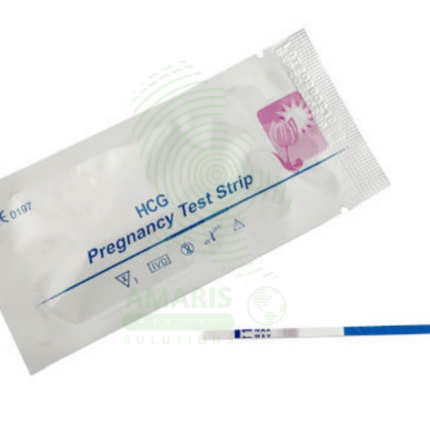
Pregnancy Test Strips
Pregnancy Test Strips are simple, dip-style lateral flow devices designed for the rapid, qualitative detection of human chorionic gonadotropin (hCG) in urine to indicate pregnancy. As the most fundamental format of home pregnancy tests, they offer high sensitivity (often from 10 mIU/mL), affordability, and a quick result within 3-5 minutes. Their ease of use makes them a widely accessible first step in pregnancy detection for personal use and clinical screening. A visible test line, even if faint, is a positive result, though confirmation with a healthcare provider is always recommended.
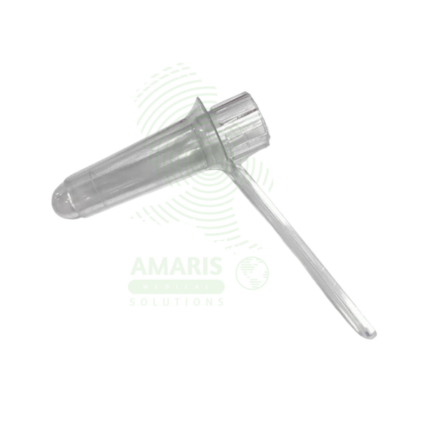
Proctoscope
A Proctoscope is a rigid, straight-tube endoscope specifically designed for the examination and treatment of the anal canal and distal rectum. It enables direct visualization to diagnose conditions like hemorrhoids, fissures, and proctitis, and serves as a conduit for therapeutic procedures such as band ligation. Available in reusable (autoclavable metal) or disposable (single-use plastic) formats, it is a fundamental tool in colorectal practice. Its effective use requires proper patient preparation, gentle insertion technique, and stringent adherence to sterilization protocols to ensure patient safety and diagnostic accuracy.