Dermatoscope and Magnifiers
 Diagnostic Kits
 Vital Signs Monitors
 Stethoscopes and Accessories
 Otoscopes, Ophthalmoscopes, and Retinoscopes
 Reflex Hammers and Neurological Tools
 Scales and Measuring Devices
 Spirometers and Pulmonary Function Tests
 Electrosurgical Units and Accessories
 Cutting Instruments
 Grasping and Holding Instruments
 Hemostatic Instruments
 Specialized Surgical Sets
 Single-Use Procedure Trays and Packs
 Surgical Drapes, Gowns, and Covers
 Tissue Unifying Instruments
 Radiation Protection
 X-Ray Machines and Accessories
 Ultrasound Systems and Probes
 MRI and CT Scanners
 Radiology Consumables
 Bone Densitometers
 Fluoroscopy Equipment
 Imaging Tables and Positioning Aids
 Microscopes and Accessories
 Centrifuges and Separators
 Analyzers
 Incubators and Ovens
 Pipettes, Dispensers, and Lab Glassware
 Refrigerators, Freezers, and Storage Units
 Lab Consumables
 Sterilizers and Autoclaves for Lab Use
 Multi-Parameter Monitors
 Ventilators and Respiratory Support Devices
 Defibrillators and AEDs
 Infusion Pumps and IV Systems
 Patient Warmers and Cooling Devices
 Central Monitoring Stations
 Accessories
 Anesthesia Machines and Workstations
 Oxygen Concentrators and Delivery Systems
 Nebulizers and Inhalers
 CPAP/BiPAP Machines
 Airway Management
 Anesthesia Masks, Circuits, and Bags
 Humidifiers and Heaters
 Respiratory Therapy Accessories
 First Aid Kits and Cabinets
 Emergency Resuscitation Equipment
 Trauma Supplies
 Emergency Carts and Crash Carts
 Burn Care Products
 Bleeding Control
 Automated External Defibrillators (AEDs)
 Transport and Evacuation
 Wheelchairs and Accessories
 Walkers, Crutches, and Canes
 Prosthetics and Orthotics
 Physical Therapy Equipment
 Transfer Devices
 Bathroom Safety
 Orthopedic Traction and Tables
 Hot/Cold Therapy Packs and Units
 Beds and Mattresses
 Chairs and Stools
 Tables
 Cabinets and Storage
 Privacy Screens & Curtains
 Stands and Racks
 Linens and Textiles
 Lighting
 Autoclaves and Sterilizers
 Ultrasonic Cleaners
 Disinfectant Solutions and Wipes
 Sterilization Pouches, Wraps, and Indicators
 Instrument Trays and Containers
 UV and Ozone Disinfection Devices
 Washer Disinfectors
 Wound Care
 Gloves
 Masks and Respirators
 Catheters and Tubing
 Swabs, Applicators, and Sponges
 Incontinence Products
 Personal Protective Equipment (PPE)
 Dental Chairs and Units
 Handpieces and Burs
 Instruments
 Consumables
 Sterilization for Dental Use
 Orthodontic Supplies
 Endodontic Tools
 Slit Lamps and Tonometers
 Lensometers and Phoropters
 Ophthalmic Surgical Instruments
 Eyewear Frames and Lenses
 Contact Lens Supplies
 Vision Testing Charts and Devices
 Eye Care Consumables
 Laser Systems for Eye Care
 ENT Exam Chairs and Tables
 Endoscopes
 Audiometers and Hearing Tests
 ENT Instruments
 Nasal and Throat Packs
 Hearing Aids and Accessories
 Otology Supplies
 Fetal Dopplers and Monitors
 Delivery Beds and Tables
 Gynecological Instruments
 Neonatal Incubators and Warmers
 Breast Pumps and Accessories
 Contraceptive Devices
 Maternity Supports and Pads
 Neonatal Consumables
 Cystoscopes and Urethroscopes
 Dialysis Machines and Supplies
 Urological Catheters and Bags
 Lithotripters
 Prostate Treatment Devices
 Urinary Incontinence Products
 Kidney Stone Management Tools
 Consumables & Disposables
 EEG and EMG Machines
 Neurosurgical Instruments
 Nerve Stimulators
 Headrests and Positioning Aids
 Lumbar Puncture Kits
 Seizure Monitoring Devices
 Consumables
 Rehabilitation for Neurological Conditions
 ECG Machines and Accessories
 Holter Monitors
 Stress Test Systems
 Pacemakers and Defibrillator Accessories
 Vascular Access Devices
 Cardiac Catheters and Guidewires
 Blood Flow Meters
 Consumables
 Orthopedic Instruments
 Casts, Splints, and Padding
 Joint Replacement Supplies
 Prosthetic Limbs and Components
 Bone Grafts and Substitutes
 Traction Devices
 Orthopedic Braces and Supports
 Rehabilitation Aids for Orthopedics
 Home Oxygen Therapy
 Hospital Beds for Home Use
 Mobility Aids
 Bathroom and Daily Living Aids
 Wound Care for Home
 Monitoring Devices
 Enteral Feeding Pumps and Tubes
 Hand Sanitizers and Dispensers
 Face Shields and Goggles
 Isolation Gowns and Suits
 Biohazard Waste Containers
 Air Purifiers and HEPA Filters
 Surface Disinfectants
 Sharps Containers
 Protective Barriers
 Cardiovascular & Endurance Training
 Strength Training & Weightlifting
 Functional Training & Core Conditioning
 Physical Therapy & Rehabilitation
 Sports & Outdoor Recreation
 Gym Flooring & Facility Equipment
 Fitness Monitoring & Accessories
 Kids & Novelties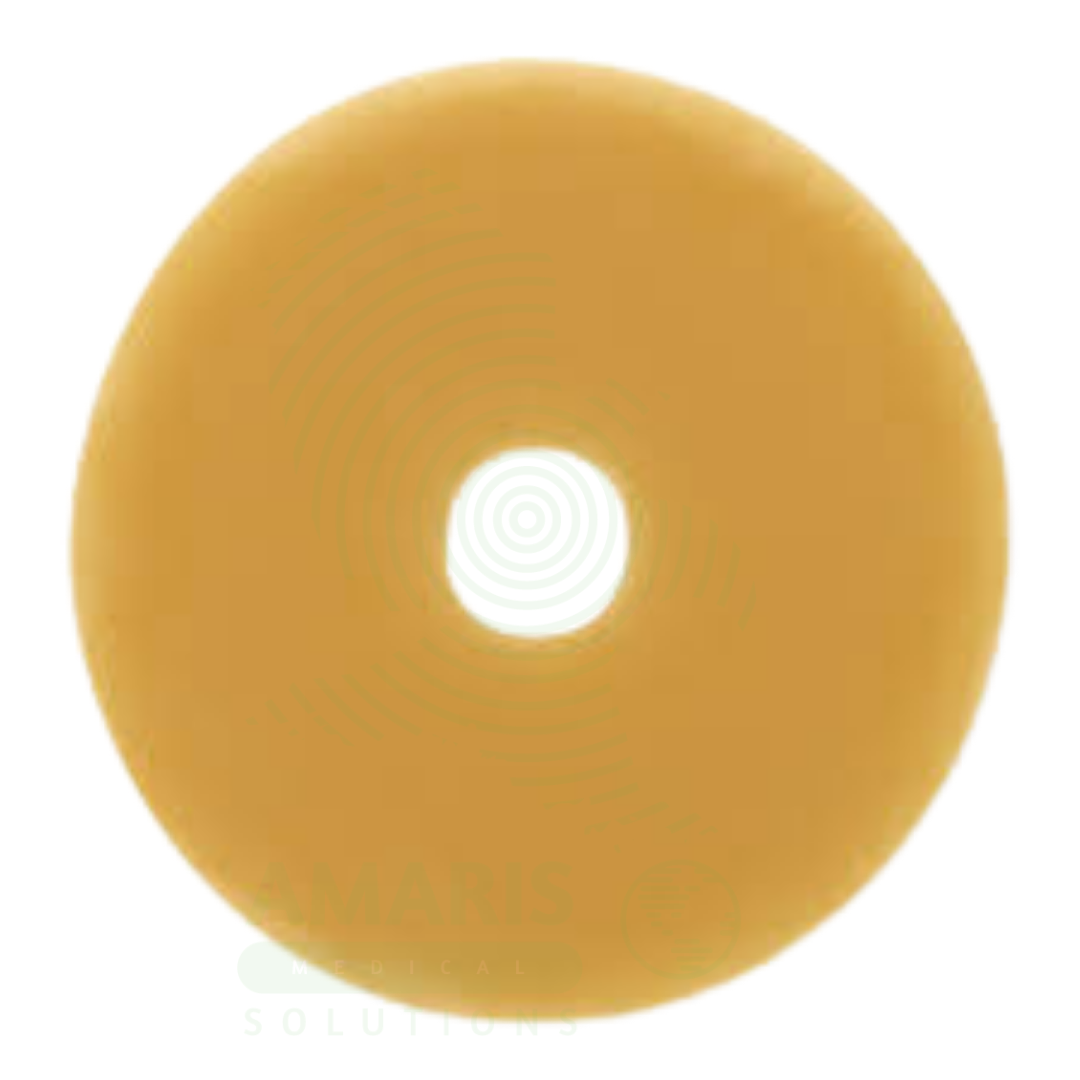
Ostomy Barrier Ring
WhatsApp Order
An Ostomy Barrier Ring is a moldable, absorbent, hyper-adhesive hydrocolloid seal used in peristomal skin care to fill body contours, prevent leakage, and secure an ostomy pouch . For the Wound, Ostomy, and Continence Nurse (WOCN), the barrier ring replaces paste and powders in many complex fittings, acting as a custom “gasket” to bridge the gap between a flush stoma and a flat wafer . When a patient presents with a retracted stoma, deep abdominal folds, or a history of skin stripping, the barrier ring is the accessory of choice to provide reliable security .
For the patient, the barrier ring is the difference between a scheduled, secure wear time and the constant anxiety of a leak. It is available in flat versions for filling dips and convex versions for actively pushing out flat stomas . It is easy to apply: the ring is stretched or shaped to fit the stoma, placed directly on the skin or the back of the wafer, and pressed into place . It is tacky on both sides , stays where it is put, and absorbs moisture rather than letting it sit on the skin like paste. This leads to longer appliance life, healthier skin, and a return to an active lifestyle without fear of odor or leakage.
Description
Ostomy Barrier Ring
PRIMARY CLINICAL & DIAGNOSTIC USES
1. Creation of a Secure Seal Between the Stoma and the Ostomy Appliance
-
Primary Use: Provides a moldable, absorbent hydrocolloid ring designed to be placed around the stoma to fill gaps and irregularities between the peristomal skin and the ostomy barrier, creating a watertight seal that protects against leakage .
-
How it helps: For the wound, ostomy, and continence nurse (WOC nurse) and the patient, the barrier ring acts as a customizable gasket that conforms to the unique shape of the stoma and surrounding skin . Unlike traditional paste, the ring stays in place, providing a consistent seal that prevents stoma effluent from seeping under the wafer . For the patient, a secure seal reduces the anxiety of unexpected leaks, protects clothing from soiling, and prevents the painful skin irritation caused by digestive enzymes contacting peristomal skin.
2. Filling of Skin Folds, Creases, and Irregular Peristomal Contours
-
Primary Use: The moldable, flexible ring can be stretched, shaped, or stacked to fill in uneven skin contours, dips, scars, or creases around the stoma , creating a flat, even surface for the ostomy flange to adhere to .
-
How it helps: For the healthcare provider managing a patient with a hernia, surgical scars, or a “belly roll,” a flat ostomy wafer will not adhere properly to the curved abdominal surface. The barrier ring acts as a filler or “wedge” to plump up these dips, ensuring there are no gaps where effluent can pool . For the patient, this customization prevents the constant failure of the pouching system due to body contours, providing freedom of movement and peace of mind.
3. Provision of Convex Support for Flush or Recessed Stomas
-
Primary Use: Specialized convex barrier rings are designed to apply gentle, outward pressure to the peristomal skin, helping a flush or retracted stoma protrude further into the pouch .
-
How it helps: For the clinician, a recessed stoma is one of the most challenging fitting problems, as effluent can easily flow backward around the stoma instead of into the pouch. A convex barrier ring corrects this by redirecting the output toward the center of the pouch . For the patient, this prevents peristomal skin erosion caused by stool or urine pooling directly on the skin, dramatically reducing the risk of infection and skin breakdown.
4. Absorption of Moisture and Protection of Peristomal Skin
-
Primary Use: Manufactured from highly absorbent hydrocolloid materials, the ring actively absorbs moisture and protects the peristomal skin from the excoriating effects of stool, urine, and perspiration .
-
How it helps: For the WOC nurse, the barrier ring serves as a “sacrificial” layer that absorbs moisture before it can reach the skin. While the ring absorbs liquid, it swells and degrades, keeping the skin dry and intact. For the patient, this protection prevents peristomal moisture-associated skin damage (MASD), reducing itching, burning, and pain associated with irritated skin.
5. Extension of Ostomy Appliance Wear Time
-
Primary Use: By sealing the wafer edge and absorbing moisture, the barrier ring helps maintain the integrity of the adhesive seal, significantly extending the wear time of the ostomy pouching system .
-
How it helps: For the patient and healthcare system, extended wear time means fewer pouch changes, reduced supply costs, and less disruption to the patient’s sleep and daily routine . For the patient, knowing the appliance will stay secure for the intended wear period (often 3-7 days) provides the confidence to return to work, exercise, and social activities without fear of a sudden leak.
SECONDARY & SUPPORTIVE USES
1. Alternative to Stoma Paste: Used as a cleaner, no-mess alternative to stoma paste, as it does not leave sticky residue on the skin during changes .
2. Securing the Wafer Edge: The tacky adhesive on the ring can be used to secure the outer edge of the skin barrier or “tape collar” if it begins to lift .
3. Use with Belt Systems: The thickness of the ring helps reduce pressure points from ostomy belts or hernia support belts.
4. Fistula Management: Used off-label to create a seal around draining fistulas or surgical drains to protect surrounding skin .
5. Negative Pressure Wound Therapy (NPWT) Sealing: Placed in deep gluteal folds or near the anus to create a secure seal for NPWT dressings in complex wound cases .
6. Stacking for Extra Depth: Rings can be stacked on top of each other to create extra convexity or to fill very deep skin creases .
7. Pediatric Ostomy Care: Used in pediatric patients to create a gentle, secure seal on fragile skin without the need for strong adhesive solvents.
8. Mucocutaneous Junction Protection: Provides a “turtleneck” seal directly at the base of the stoma to protect the suture line .
9. Wound Packing in Peristomal Injuries: Used to fill small superficial ulcerations or skin tears adjacent to the stoma to create a smooth surface for the pouch.
10. Travel Kits: A lightweight, mess-free alternative to carrying bulky paste tubes or adhesive removers.
KEY PRODUCT FEATURES
1. BASIC IDENTIFICATION ATTRIBUTES
-
Device Type: A single-use, non-sterile, moldable absorbent ring made of hydrocolloid skin barrier material used to fill gaps, create seals, and provide convex support for ostomy appliances .
-
Designation: Ostomy Barrier Ring, Skin Barrier Ring, Ostomy Seal, Stoma Seal, Convex Barrier Ring, Adapt CeraRing, Moldable Ring.
-
Key Components:
-
Hydrocolloid Base: Absorbent formulation containing pectin, gelatin, or sodium carboxymethylcellulose that gels when wet .
-
Adhesive: Tacky on both sides to stick to the skin and the ostomy wafer .
-
Shape: Available in flat and convex configurations .
-
Sizes: Available in various outer diameters (e.g., 1.5", 2", 2.5") and thicknesses.
-
Ceramide Infusion: Some rings (e.g., Adapt CeraRing) include ceramide to support the skin's moisture barrier .
-
2. TECHNICAL & PERFORMANCE PROPERTIES
-
Material: Hypoallergenic, hydrocolloid-based, non-medicated .
-
Absorbency: High liquid absorbency to wick away moisture from effluent and perspiration .
-
Moldability: Flexible and pliable; can be stretched, cut, and pressed to fit an irregular stoma .
-
Convexity Options: Available in soft and deep convex profiles to manage flush stomas .
-
Latex-Free: Manufactured without natural rubber latex .
-
Adhesion: Tacky on both sides; sticks to moist skin but will not dissolve .
-
HCPCS Code: A4407 (Ostomy skin barrier, ring-type) .
3. PHYSICAL & OPERATIONAL PROPERTIES
-
Packaging: Individually wrapped, sterile or non-sterile depending on the manufacturer.
-
Appearance: Beige, tan, or opaque solid ring with a waxy texture.
-
Shelf Life: Compared to paste, barrier rings have a longer shelf life and are less susceptible to drying out.
-
Portability: The solid form is easy to pack and does not require special handling to prevent tube bursting (unlike paste).
4. SAFETY & COMPLIANCE ATTRIBUTES
-
Regulatory Status: Class I medical device (non-sterile) .
-
Single-Patient Use: Intended for use by a single patient. Do not reuse or reapply a ring once removed.
-
Non-Toxic: Standard ostomy grade materials.
-
No Latex: Contains no natural rubber latex; safe for patients with latex allergies .
5. STORAGE & HANDLING ATTRIBUTES
-
Storage: Store in a cool, dry place. Do not leave in direct sunlight or a hot car, as heat can cause the ring to melt or lose its shape.
-
Temperature: Keep below 30°C (86°F).
-
Inspection: Do not use if the ring is hardened, cracked, melted, or if the packaging is torn.
6. LABORATORY & CLINICAL APPLICATIONS
-
Primary Application: Filling skin folds, sealing the interface between the stoma and pouch, absorbing moisture, and providing convexity for ostomy maintenance.
-
Clinical Role: Essential accessory for ostomy care in surgical wards, home healthcare, long-term care facilities, outpatient clinics, and wound/ostomy/continence (WOC) nursing.
SAFETY HANDLING PRECAUTIONS
1. SAFETY PRECAUTIONS
-
Do Not Stretch Too Thin: Over-stretching the ring can create thin spots that may fail, leading to leakage.
-
Dry Skin Application: For best adhesion, the skin should be clean and dry, though the ring will adhere to slightly damp skin .
-
Do Not Open Early: Open the ring wrapper only immediately before application to prevent it from drying out.
-
Fungal Infections: If a fungal rash (yeast) is present, the ring may trap moisture and worsen the infection. A medicated powder may be required underneath the ring.
-
Removal: Gently roll, do not pull, the barrier and ring off the skin to prevent mechanical stripping of the epidermis.
2. FIRST AID MEASURES
-
Allergic Contact Dermatitis: If a new rash, redness, or itching develops under the ring, the patient may be allergic to a component. Discontinue use and switch to a different brand or product.
-
Ring Melt: If the ring melts in storage (e.g., left in a car), discard it.
3. FIRE FIGHTING MEASURES
-
Flammability: Hydrocolloid-based rings slowly support combustion. The plastic packaging is combustible.
-
Extinguishing Media: Use water, foam, dry chemical, or CO₂ for fires involving the packaging.
Related products
Applicator Sticks
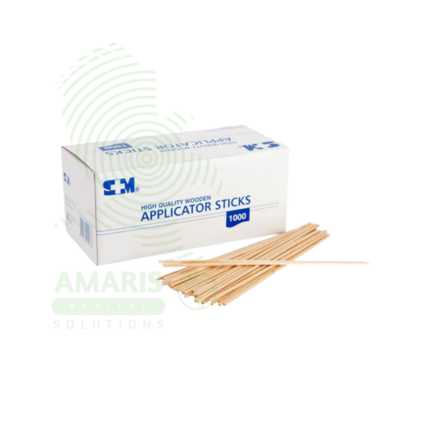
Applicator Sticks are single-use medical devices with absorbent tips (cotton, rayon, flocked polyester) on wood, plastic, or paper shafts for collecting clinical specimens (throat, nasal, wound, cervical, urethral, rectal) for microbiological culture, rapid testing, and molecular diagnostics. Sterile individually wrapped or non-sterile bulk formats. Flocked swabs provide >90% specimen release for PCR testing. Primary applications include specimen collection for infection diagnosis, wound care and antiseptic application, gynecological sampling (Pap smears, STI testing), eye/ear specimen collection, laboratory slide preparation, and forensic evidence collection. Critical precautions include single-use only, sterile technique, proper collection method, and biohazard disposal. Essential consumable in all clinical settings.
Biopsy Needles
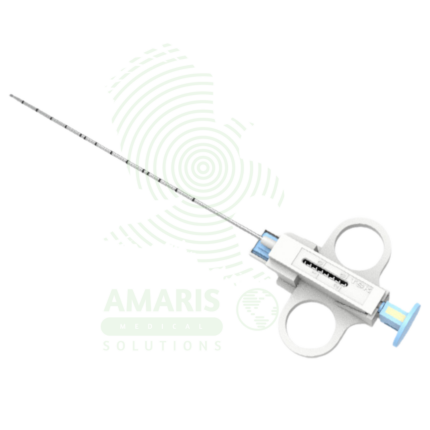
Biopsy Needles are sterile, single-use precision medical devices designed to obtain tissue or cellular specimens from internal organs, masses, and lesions for histopathological or cytological diagnosis. Available in core biopsy (automatic spring-loaded, semi-automatic, vacuum-assisted, coaxial) and fine needle aspiration configurations, with gauges ranging from 14G-27G and lengths from 6-25 cm. Core biopsy needles obtain intact tissue cores preserving histological architecture; FNA needles aspirate cellular material for cytological evaluation. Specialized variants include bone marrow biopsy needles (Jamshidi, Illinois), echogenic-tip needles for ultrasound guidance, and MRI-compatible needles (nitinol, titanium). Critical safety requirements include strict image guidance for non-palpable lesions, verification of coagulation status, adherence to single-use protocols, and immediate post-procedure monitoring for complications (hemorrhage, pneumothorax, organ injury). An indispensable tool in interventional radiology, oncology, and minimally invasive diagnosis.
Chest Bottle
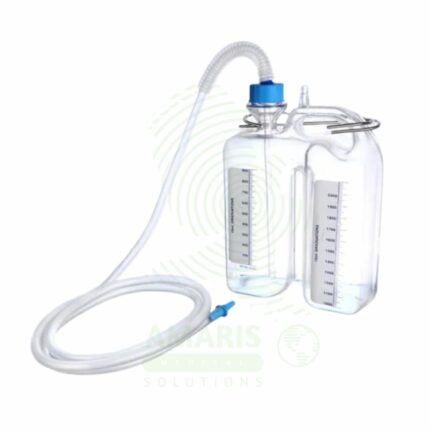
A Chest Bottle (Underwater Seal Drainage System) is a three-chamber disposable device used to drain air and fluid from the pleural space via a chest tube. Its critical component is a water seal chamber that acts as a one-way valve, preventing air from re-entering the chest while allowing drainage. It is used to treat pneumothorax, hemothorax, and pleural effusions, and is mandatory post-thoracic surgery. The system must always be kept upright and below the patient's chest level. It provides essential clinical information through tidaling in the water seal (indicating tube patency and lung expansion) and bubbling (indicating an air leak), making it both a therapeutic and diagnostic tool.
First Aid Kit
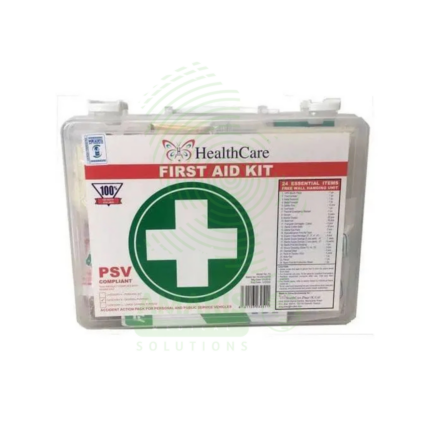
A First Aid Kit is an organized collection of medical supplies and equipment for providing initial care in emergency situations, available in various sizes and configurations for home, workplace, vehicle, travel, and specialized applications. Kits range from personal pouches (0.5-2 L) to comprehensive workplace cabinets (5-35 L) with soft-sided bags, hard cases, or wall-mounted containers. Contents are typically organized to meet regional standards (ANSI/ISEA Z308.1, CSA Z1220, BS 8599, DIN 13157/13169) and include wound care supplies (bandages, gauze, tape), antiseptics, burn care, eye care, emergency items (CPR mask, cold packs, foil blanket), instruments (scissors, tweezers), and PPE (gloves). Class A kits provide minimum supplies for low-hazard workplaces; Class B kits offer expanded quantities for high-hazard environments. Primary clinical applications include immediate treatment of minor injuries (cuts, abrasions, burns, sprains), bleeding control, wound care, fracture immobilization, and emergency assessment. Essential safety equipment for every home, workplace, vehicle, and public facility, providing critical medical supplies until professional care arrives.
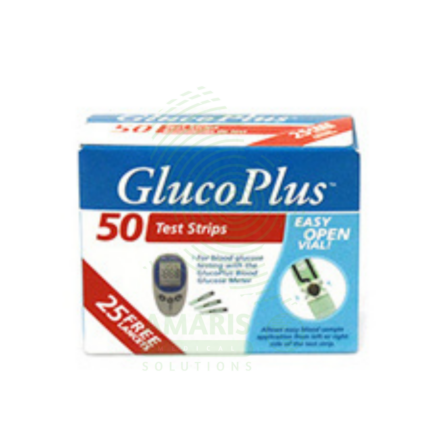
Glucosics Blood Sugar Sticks
Glucosics Blood Sugar Sticks are single-use, disposable electrochemical test sticks (ISO 15197:2013 compliant) designed exclusively for use with Glucosics glucose meters to measure capillary blood glucose from 0.5-1.0 µL samples in 5-7 seconds. Each stick contains glucose oxidase or glucose dehydrogenase reagents that generate electrical current proportional to glucose concentration (20-600 mg/dL range). Packaging options include multi-stick vials (25-100 sticks) with desiccant for daily use or individually foil-wrapped sticks for travel. Sticks feature no-coding automatic calibration, hematocrit compensation (20-60%), and interference resistance. Primary clinical applications include daily blood glucose testing for Type 1, Type 2, and gestational diabetes management, hypoglycemia and hyperglycemia detection, pre- and post-meal glucose assessment, and hospital point-of-care testing. Critical safety precautions include single-use only, immediate vial closure after stick removal to prevent humidity damage, storage at 2-30°C away from bathrooms and temperature extremes, never using expired sticks, proper hand hygiene before testing, and disposal in sharps containers. Essential consumable for diabetes self-management when used with Glucosics meters.
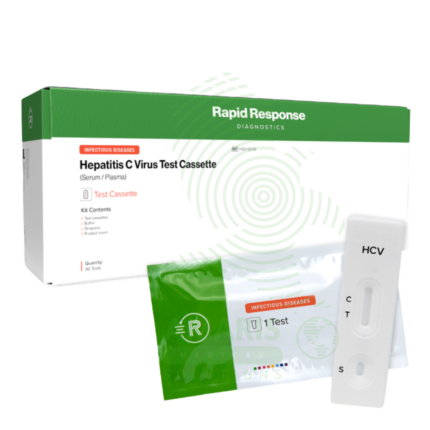
Hepatitis C Test Kit
The Hepatitis C Test Kit is an in vitro diagnostic device for the detection of Hepatitis C virus antibodies or RNA in human blood, serum, or plasma samples. Available in rapid, laboratory immunoassay, and molecular formats, it screens for HCV infection, confirms active infection with RNA testing, and monitors treatment response. With high sensitivity and specificity exceeding 99%, it is essential for identifying infected individuals, linking them to curative direct-acting antiviral therapy, and confirming cure. Essential applications include risk-based screening of high-risk populations, birth cohort screening of baby boomers, evaluation of acute hepatitis, management of occupational exposures, and monitoring of antiviral therapy that can cure over 95% of infections. All patient samples must be handled with universal precautions, and positive antibody results require confirmatory testing.
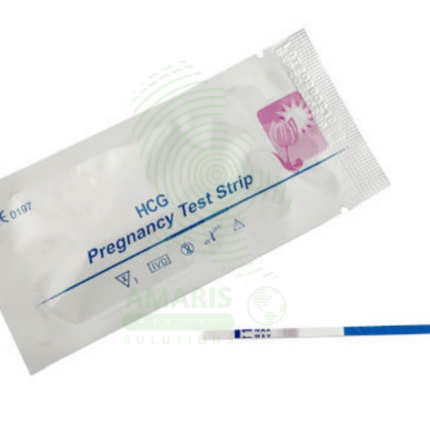
Pregnancy Test Strips
Pregnancy Test Strips are simple, dip-style lateral flow devices designed for the rapid, qualitative detection of human chorionic gonadotropin (hCG) in urine to indicate pregnancy. As the most fundamental format of home pregnancy tests, they offer high sensitivity (often from 10 mIU/mL), affordability, and a quick result within 3-5 minutes. Their ease of use makes them a widely accessible first step in pregnancy detection for personal use and clinical screening. A visible test line, even if faint, is a positive result, though confirmation with a healthcare provider is always recommended.