Dermatoscope and Magnifiers
 Diagnostic Kits
 Vital Signs Monitors
 Stethoscopes and Accessories
 Otoscopes, Ophthalmoscopes, and Retinoscopes
 Reflex Hammers and Neurological Tools
 Scales and Measuring Devices
 Spirometers and Pulmonary Function Tests
 Electrosurgical Units and Accessories
 Cutting Instruments
 Grasping and Holding Instruments
 Hemostatic Instruments
 Specialized Surgical Sets
 Single-Use Procedure Trays and Packs
 Surgical Drapes, Gowns, and Covers
 Tissue Unifying Instruments
 Radiation Protection
 X-Ray Machines and Accessories
 Ultrasound Systems and Probes
 MRI and CT Scanners
 Radiology Consumables
 Bone Densitometers
 Fluoroscopy Equipment
 Imaging Tables and Positioning Aids
 Microscopes and Accessories
 Centrifuges and Separators
 Analyzers
 Incubators and Ovens
 Pipettes, Dispensers, and Lab Glassware
 Refrigerators, Freezers, and Storage Units
 Lab Consumables
 Sterilizers and Autoclaves for Lab Use
 Multi-Parameter Monitors
 Ventilators and Respiratory Support Devices
 Defibrillators and AEDs
 Infusion Pumps and IV Systems
 Patient Warmers and Cooling Devices
 Central Monitoring Stations
 Accessories
 Anesthesia Machines and Workstations
 Oxygen Concentrators and Delivery Systems
 Nebulizers and Inhalers
 CPAP/BiPAP Machines
 Airway Management
 Anesthesia Masks, Circuits, and Bags
 Humidifiers and Heaters
 Respiratory Therapy Accessories
 First Aid Kits and Cabinets
 Emergency Resuscitation Equipment
 Trauma Supplies
 Emergency Carts and Crash Carts
 Burn Care Products
 Bleeding Control
 Automated External Defibrillators (AEDs)
 Transport and Evacuation
 Wheelchairs and Accessories
 Walkers, Crutches, and Canes
 Prosthetics and Orthotics
 Physical Therapy Equipment
 Transfer Devices
 Bathroom Safety
 Orthopedic Traction and Tables
 Hot/Cold Therapy Packs and Units
 Beds and Mattresses
 Chairs and Stools
 Tables
 Cabinets and Storage
 Privacy Screens & Curtains
 Stands and Racks
 Linens and Textiles
 Lighting
 Autoclaves and Sterilizers
 Ultrasonic Cleaners
 Disinfectant Solutions and Wipes
 Sterilization Pouches, Wraps, and Indicators
 Instrument Trays and Containers
 UV and Ozone Disinfection Devices
 Washer Disinfectors
 Wound Care
 Gloves
 Masks and Respirators
 Catheters and Tubing
 Swabs, Applicators, and Sponges
 Incontinence Products
 Personal Protective Equipment (PPE)
 Dental Chairs and Units
 Handpieces and Burs
 Instruments
 Consumables
 Sterilization for Dental Use
 Orthodontic Supplies
 Endodontic Tools
 Slit Lamps and Tonometers
 Lensometers and Phoropters
 Ophthalmic Surgical Instruments
 Eyewear Frames and Lenses
 Contact Lens Supplies
 Vision Testing Charts and Devices
 Eye Care Consumables
 Laser Systems for Eye Care
 ENT Exam Chairs and Tables
 Endoscopes
 Audiometers and Hearing Tests
 ENT Instruments
 Nasal and Throat Packs
 Hearing Aids and Accessories
 Otology Supplies
 Fetal Dopplers and Monitors
 Delivery Beds and Tables
 Gynecological Instruments
 Neonatal Incubators and Warmers
 Breast Pumps and Accessories
 Contraceptive Devices
 Maternity Supports and Pads
 Neonatal Consumables
 Cystoscopes and Urethroscopes
 Dialysis Machines and Supplies
 Urological Catheters and Bags
 Lithotripters
 Prostate Treatment Devices
 Urinary Incontinence Products
 Kidney Stone Management Tools
 Consumables & Disposables
 EEG and EMG Machines
 Neurosurgical Instruments
 Nerve Stimulators
 Headrests and Positioning Aids
 Lumbar Puncture Kits
 Seizure Monitoring Devices
 Consumables
 Rehabilitation for Neurological Conditions
 ECG Machines and Accessories
 Holter Monitors
 Stress Test Systems
 Pacemakers and Defibrillator Accessories
 Vascular Access Devices
 Cardiac Catheters and Guidewires
 Blood Flow Meters
 Consumables
 Orthopedic Instruments
 Casts, Splints, and Padding
 Joint Replacement Supplies
 Prosthetic Limbs and Components
 Bone Grafts and Substitutes
 Traction Devices
 Orthopedic Braces and Supports
 Rehabilitation Aids for Orthopedics
 Home Oxygen Therapy
 Hospital Beds for Home Use
 Mobility Aids
 Bathroom and Daily Living Aids
 Wound Care for Home
 Monitoring Devices
 Enteral Feeding Pumps and Tubes
 Hand Sanitizers and Dispensers
 Face Shields and Goggles
 Isolation Gowns and Suits
 Biohazard Waste Containers
 Air Purifiers and HEPA Filters
 Surface Disinfectants
 Sharps Containers
 Protective Barriers
 Cardiovascular & Endurance Training
 Strength Training & Weightlifting
 Functional Training & Core Conditioning
 Physical Therapy & Rehabilitation
 Sports & Outdoor Recreation
 Gym Flooring & Facility Equipment
 Fitness Monitoring & Accessories
 Kids & Novelties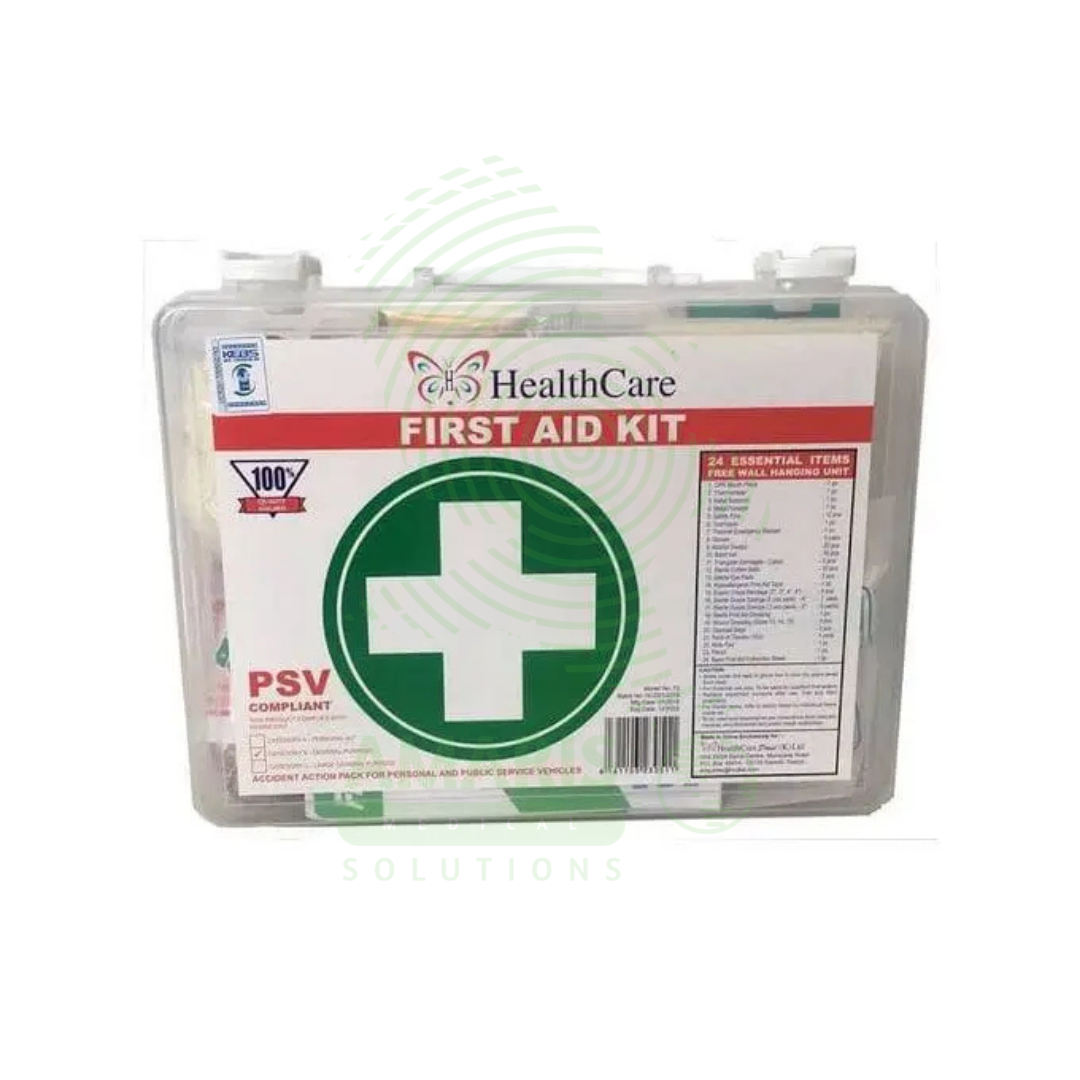
First Aid Kit
$1.00
WhatsApp Order
A First Aid Kit is an organized collection of medical supplies and equipment for providing initial care in emergency situations, available in various sizes and configurations for home, workplace, vehicle, travel, and specialized applications. Kits range from personal pouches (0.5-2 L) to comprehensive workplace cabinets (5-35 L) with soft-sided bags, hard cases, or wall-mounted containers. Contents are typically organized to meet regional standards (ANSI/ISEA Z308.1, CSA Z1220, BS 8599, DIN 13157/13169) and include wound care supplies (bandages, gauze, tape), antiseptics, burn care, eye care, emergency items (CPR mask, cold packs, foil blanket), instruments (scissors, tweezers), and PPE (gloves). Class A kits provide minimum supplies for low-hazard workplaces; Class B kits offer expanded quantities for high-hazard environments. Primary clinical applications include immediate treatment of minor injuries (cuts, abrasions, burns, sprains), bleeding control, wound care, fracture immobilization, and emergency assessment. Essential safety equipment for every home, workplace, vehicle, and public facility, providing critical medical supplies until professional care arrives.
Description
First Aid Kit
PRIMARY CLINICAL & DIAGNOSTIC USES
1. Immediate Response to Minor Injuries
-
Primary Use: Provides essential medical supplies for rapid on-site treatment of common minor injuries including cuts, abrasions, burns, splinters, and insect bites.
-
How it helps: For the parent, teacher, or workplace first aider, it puts critical supplies within arm’s reach the moment an injury happens, eliminating the dangerous delay of searching for supplies. For the injured person, it means a wound is cleaned and covered immediately, reducing pain, preventing debris from entering, and speeding up the healing process from the very start.
2. Emergency Preparedness and Disaster Readiness
-
Primary Use: Serves as a critical component of emergency preparedness plans for households, businesses, and public facilities.
-
How it helps: For the household or business owner, it provides peace of mind that basic medical supplies are available when disaster strikes and professional help may be delayed or inaccessible. For the family member or employee, it ensures someone can provide basic care during a crisis, whether it’s a natural disaster, power outage, or prolonged emergency situation.
3. Wound Care and Infection Prevention
-
Primary Use: Contains sterile dressings, antiseptic solutions, and wound cleansing materials to properly clean and cover wounds.
-
How it helps: For the caregiver, it provides the specific tools needed to properly clean a wound without introducing more bacteria. For the patient, proper cleaning and sterile covering significantly reduces the risk of the wound becoming infected, preventing a minor cut from turning into a serious medical issue requiring antibiotics or hospital care.
4. Bleeding Control and Hemorrhage Management
-
Primary Use: Equipped with sterile gauze, pressure bandages, and hemostatic agents (in advanced kits) to control bleeding.
-
How it helps: For the first responder on scene, these materials allow for immediate application of direct pressure to a bleeding wound. For the injured person, rapid bleeding control prevents excessive blood loss, reduces the risk of shock, and buys critical time until emergency medical services arrive.
5. Burn Care and Management
-
Primary Use: Includes specialized burn dressings, gel sheets, and cooling agents for immediate treatment of thermal, chemical, or sunburn injuries.
-
How it helps: For the first aider, having dedicated burn supplies means they can cool the burn quickly without causing further tissue damage. For the burn victim, immediate cooling and application of specialized dressings reduces pain, limits the depth of the burn injury, and minimizes scarring by protecting vulnerable damaged skin.
6. Fracture and Sprain Immobilization
-
Primary Use: Contains splinting materials, elastic bandages, triangular bandages, and instant cold packs for initial management of suspected fractures, sprains, and strains.
-
How it helps: For the coach, outdoor guide, or workplace responder, these tools allow for temporary splinting and support to prevent further injury during transport. For the injured person, proper immobilization reduces excruciating pain from bone ends moving, prevents further soft tissue damage, and provides stability until they can be professionally evaluated.
7. Medical Emergency Assessment and Triage
-
Primary Use: Provides basic diagnostic tools (thermometer, penlight, CPR mask) for initial assessment of injured or ill individuals.
-
How it helps: For the first aider, these tools help gather vital information to determine the severity of the situation and decide whether to call emergency services. For the patient, it ensures a more accurate assessment of their condition, meaning they either receive appropriate on-scene care or are escalated to professional help based on real observations, not just guesswork.
SECONDARY & SUPPORTIVE USES
1. Workplace Health and Safety Compliance: For the employer and safety officer, it meets regulatory requirements and reduces workplace liability. For the employee, it provides reassurance that their employer has invested in their basic safety and well-being while on the job.
2. School Health Office Operations: For the school nurse, it provides readily accessible supplies for daily student injuries. For the student, it means a scraped knee or nosebleed is handled quickly and professionally, allowing them to return to class with minimal disruption.
3. Home Healthcare and Caregiver Support: For the family caregiver, it assists in managing minor injuries and daily medical needs. For the elderly or chronically ill family members, it enables them to receive prompt care at home, maintaining their dignity and reducing unnecessary trips to the emergency room.
4. Travel and Outdoor Recreation: For the traveler or outdoor enthusiast, a portable kit provides essential supplies when away from pharmacies or clinics. For the traveling companion or family member, it ensures someone in the group can handle minor medical issues in remote locations or foreign countries.
5. Vehicle and Fleet Safety: For the fleet manager, it ensures compliance with transportation regulations. For the driver or passenger, it provides access to medical supplies during breakdowns, accidents, or medical emergencies on the road.
6. Community Events and Gatherings: For event organizers, it demonstrates duty of care to attendees. For the concertgoer or festival attendee, it provides visible, accessible medical support for minor injuries or sudden illness.
7. Childcare and Early Childhood Facilities: For the childcare provider, age-appropriate supplies enable proper care for common childhood injuries. For the parent, it offers peace of mind that their child is in a facility prepared to handle the bumps, scrapes, and fevers that come with early childhood.
KEY PRODUCT FEATURES
1. BASIC IDENTIFICATION ATTRIBUTES
-
Product Type: Organized collection of medical supplies and equipment for providing initial medical care in emergency situations.
-
Common Names: First Aid Kit, Emergency Medical Kit, Medical Supply Kit, Trauma Kit, Survival Kit, Household First Aid Kit, Workplace First Aid Kit.
-
Kit Classifications (by Standard):
-
ANSI/ISEA Z308.1 Class A: Minimum required supplies for workplaces with low-to-moderate hazard (offices, schools, retail).
-
ANSI/ISEA Z308.1 Class B: Expanded supply quantities and additional items for high-hazard workplaces (construction, manufacturing, laboratories).
-
BS 8599-1 (UK): British Standard workplace first aid kits (small, medium, large, travel).
-
DIN 13157/13169 (Germany): German standard for first aid kits (Type C and Type E).
-
CSA Z1220 (Canada): Canadian standard for first aid kits for work, home, and leisure.
-
-
Kit Configurations:
-
Personal/Pocket First Aid Kit: Ultra-compact (0.5-2 L) for individual carry (backpack, glove box, purse).
-
Household First Aid Kit: 5-15 L capacity; comprehensive supplies for home use.
-
Workplace First Aid Kit: 5-35 L capacity; meets regulatory requirements for business settings.
-
Vehicle First Aid Kit: Compact; fits under seat or in trunk; DOT/FMCSA compliant options.
-
Travel First Aid Kit: Lightweight, portable for camping, hiking, and international travel.
-
Sports First Aid Kit: Specialized for athletic injuries (sprains, strains, abrasions, concussions).
-
Marine/Boating First Aid Kit: Water-resistant, waterproof for maritime use.
-
-
Carrying Case Options:
-
Soft-Sided Bag: Nylon, polyester, or canvas with multiple compartments; lightweight, portable.
-
Hard-Sided Case: Impact-resistant plastic or metal; protects contents; stackable.
-
Wall-Mounted Cabinet: Metal or plastic with clear viewing window; permanent installation.
-
Weatherproof Case: Sealed, gasketed case for outdoor, marine, or harsh environments.
-
Clear Plastic Box: Economical, transparent for easy inventory visibility.
-
-
Case Material: ABS plastic, polypropylene, polycarbonate, nylon, polyester, canvas, aluminium, steel.
-
Closure: Zippers, buckles, latches, or snap closures depending on case type.
-
Interior Organization: Removable trays, clear pouches, elastic loops, adjustable dividers.
-
Identification: Prominent medical cross symbol and "FIRST AID" text in contrasting colors.
-
Weight: 0.2-15 kg depending on size and contents.
-
Dimensions: Personal: 10×7×3 cm to Large: 50×35×25 cm.
2. TECHNICAL & PERFORMANCE PROPERTIES
-
Compliance Level: Meets applicable regional standards (ANSI, CSA, BS, DIN) where specified.
-
Portability: Designed for easy transport and deployment in various settings.
-
Weather Resistance: Some models offer water-resistant or waterproof construction for outdoor use.
-
Impact Resistance: Hard cases protect contents from impact during transport or storage.
-
Organizational Efficiency: Clear labeling, color-coding, or compartmentalization for rapid access during emergencies.
-
Expiration Management: Provisions for tracking expiration dates of medications and sterile supplies.
-
Refillable: Designed for easy restocking of commonly used supplies; replacement components available.
-
Modularity: Some systems allow customization of contents based on specific needs or hazards.
-
Durability: Withstands frequent use, transport, and environmental exposure.
3. PHYSICAL & OPERATIONAL PROPERTIES
-
Carrying Options: Handles, shoulder straps, belt loops, or backpack straps depending on size.
-
Color Options: Red, green, orange, yellow, white, blue; high-visibility colors for emergency identification.
-
Mounting: Wall-mountable options with keyhole slots or brackets for permanent installation.
-
Interior: Removable first aid supplies; customizable compartments; inventory checklist.
-
Documentation: First aid guide, emergency procedures, incident report forms.
-
Transparent Lid (select models): Clear polycarbonate window for visual inventory without opening.
-
Locking Mechanism (select models): Padlock hasp, cam lock, or combination lock for controlled access.
-
Certifications: Compliance markings (ANSI, CSA, BS, DIN) where applicable.
STANDARD FIRST AID KIT CONTENTS (ANSI/ISEA Z308.1-2021 Class A)
-
Wound Care (16 items): Adhesive bandages (1" × 3") - 16 count.
-
Gauze and Dressings (6 items): Sterile gauze pads (2" × 2" - 2 count, 3" × 3" or 4" × 4" - 2 count), sterile trauma pads (5" × 9" - 2 count).
-
Bandages and Tapes (4 items): Adhesive tape (2.5 yd) - 1 roll, elastic bandages (2", 3", or 4") - 2 count, triangular bandage (40" × 40" × 56") - 1 count.
-
Antiseptics and Medications (15 items): Antiseptic wipes - 3 count, antiseptic applications (povidone-iodine or equivalent) - 10 count, antibiotic ointment applications - 2 count.
-
Burn Care (1 item): Burn dressing (4" × 4") - 1 count.
-
Eye Care (5 items): Sterile saline (5-10 mL single-use) - 4 count, eye covering (2.9" min) - 1 count.
-
Emergency and Safety (5 items): Foil blanket (52" × 84" min) - 1 count, CPR mask or barrier - 1 count, cold packs (4" × 5" min) - 2 count, medical exam gloves (2 pair).
-
Instruments and Tools (3 items): First aid guide - 1 count, scissors - 1 count, tweezers - 1 count.
Class B Requirements: Expanded quantities and additional items (splints, tourniquets, hemostatic dressings, etc.).
4. SAFETY & COMPLIANCE ATTRIBUTES
-
Regulatory Status: Complies with applicable regional standards for first aid kits where specified.
-
Liability Considerations: Properly stocked kit demonstrates reasonable care in providing for safety.
-
Expiration Date Management: System for tracking expiration dates of medications and sterile supplies.
-
Latex-Free: Medical gloves and patient-contact supplies should be latex-free.
-
Sharps Safety: If a kit contains sharps (scalpels, needles, lancets), an appropriate sharps container is required.
-
Biohazard Disposal: Protocol for disposal of blood-contaminated materials.
-
Bloodborne Pathogen Precautions: PPE included to protect first responders from exposure.
-
Medication Compliance: OTC medications must comply with regulations; some jurisdictions restrict workplace medications.
-
Documentation: Incident reporting forms for legal and insurance purposes.
5. STORAGE & HANDLING ATTRIBUTES
-
Storage: Store in accessible, designated location; protect from extreme temperatures, humidity, and direct sunlight.
-
Inspection: Regular inspection (monthly/quarterly) for expired supplies, damaged packaging, and completeness.
-
Restocking: Immediately restock after use; maintain inventory checklist; replace expired items.
-
Cleaning: Wipe case with appropriate disinfectant; launder soft-sided bags as needed.
-
Decontamination: If exposed to blood or body fluids, decontaminate per infection control protocols.
-
Expiration Tracking: Maintain log of expiration dates; rotate stock (first-in, first-out).
-
Security: Keep in accessible but secure location; lockable case optional.
-
Temperature-Sensitive Items: Some medications may require temperature monitoring; store accordingly.
6. LABORATORY & CLINICAL APPLICATIONS
-
Primary Application: Organized, accessible medical supplies for immediate care of injuries and medical emergencies in home, workplace, community, and travel settings.
-
Setting-Specific Considerations:
-
Household: Comprehensive kit for family use; child-safe supplies; pediatric considerations.
-
Workplace (Low-Hazard): Office, retail, school; Class A kit adequate; focus on minor injuries.
-
Workplace (High-Hazard): Construction, manufacturing, laboratory, healthcare; Class B kit required; trauma supplies.
-
Vehicle: Compact; temperature-resistant; road safety supplies (road flares, reflective triangles).
-
Travel/Outdoor: Lightweight; weather-resistant; blister care; water treatment; altitude sickness (if applicable).
-
Marine/Boating: Waterproof; seasickness medication; marine-specific injuries.
-
-
Regulatory Compliance:
-
OSHA 29 CFR 1910.151(b): Medical services and first aid; requires adequately equipped first aid supplies.
-
OSHA 29 CFR 1926.50(c): Construction industry first aid kits.
-
FMCSA 49 CFR 393.60: First aid kits for commercial motor vehicles.
-
ANSI/ISEA Z308.1: Most common US workplace standard.
-
-
Personnel Considerations:
-
Trained First Aider: Advanced kit with additional supplies (AED, oxygen, advanced airway).
-
Untrained Responder: Basic kit with simple instructions and essential supplies only.
-
SAFETY HANDLING PRECAUTIONS
1. SAFETY PRECAUTIONS
-
Accessibility: Kit must be readily accessible during emergencies; not locked in inaccessible locations.
-
Expiration Dates: Regularly check and replace expired supplies; never use expired medications or sterile products.
-
Bloodborne Pathogens: Always wear gloves when handling blood or body fluids; use CPR masks for rescue breathing.
-
Sharps Disposal: If it includes sharps, provide a puncture-resistant sharps container; never dispose of sharps in regular trash.
-
Medication Administration: Only administer medications per organizational policy and legal requirements; document all administrations.
-
Allergies: Be aware of potential allergies (latex, adhesives, medications) before use.
-
Emergency Services: Always activate emergency medical services (911) for serious injuries or illnesses.
-
Training: Designated first aid providers should have appropriate training (CPR/AED, First Aid).
-
Documentation: Document all injuries and treatments; maintain incident logs as required.
2. FIRST AID MEASURES
-
Severe Bleeding: Apply direct pressure with sterile gauze; use tourniquet if trained and available; activate EMS.
-
Suspected Fracture/Dislocation: Immobilize with splint; apply ice; seek medical evaluation; do not attempt to reduce.
-
Burn: Cool with cool (not cold) running water for 10-20 minutes; cover with sterile burn dressing; seek medical attention for severe burns.
-
Eye Injury: Do not rub; flush with sterile eye wash for 15 minutes; cover with eye shield; seek immediate medical attention.
-
Choking: Encourage coughing; perform abdominal thrusts (Heimlich maneuver) if airway obstructed; activate EMS.
-
Cardiac Arrest: Activate EMS; begin CPR; use AED if available.
-
Anaphylaxis (difficulty breathing, swelling): Activate EMS; administer epinephrine auto-injector if available and trained; position for shock.
3. FIRE FIGHTING MEASURES
-
Flammability: Plastic components, paper products, and some supplies are combustible.
-
Extinguishing Media: Use water, foam, CO₂, or dry chemical as appropriate for surrounding fire.
Related products
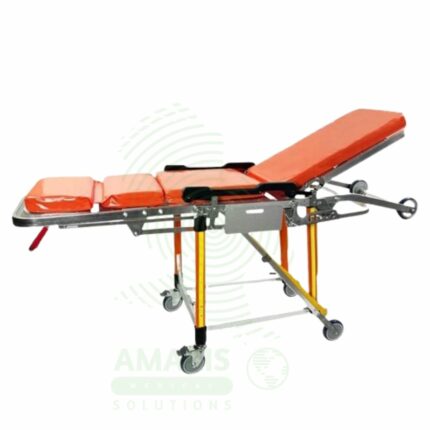
Ambulance Stretcher
An Ambulance Stretcher is a heavy-duty, purpose-built wheeled cot engineered exclusively for the demands of emergency medical services. Its core functions are the safe, low-lift extrication of patients from ground level at an emergency scene, their secure, crash-tested restraint during road transport, and provision of a stable platform for advanced pre-hospital care. Distinctive features include a robust retractable undercarriage for ambulance loading, a wide hydraulic height adjustment range, large all-terrain wheels, an integrated crash-rated patient restraint system, and a positive locking mechanism for secure ambulance mounting. It is the fundamental patient-care and transport tool for paramedics, designed to withstand extreme physical stresses and comply with stringent vehicle safety standards.
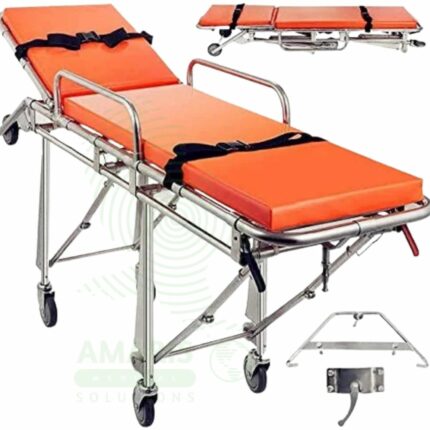
Ambulance Stretcher Trolley
An Ambulance Stretcher Trolley is a heavy-duty, purpose-built mobile cot designed for the demanding environment of emergency medical services. Its core functions are the safe extrication of patients from ground level, their secure restraint during road transport, and serving as a stable platform for pre-hospital critical care. Key distinguishing features include a robust retractable undercarriage for ambulance loading, a wide height adjustment range, large all-terrain wheels, an integrated crash-tested patient restraint system, and positive locking mechanisms for ambulance mounting. It is engineered to withstand physical stress, ensure patient safety during vehicle movement, and comply with specific ambulance equipment standards, making it the fundamental patient-handling tool for paramedics and EMTs.
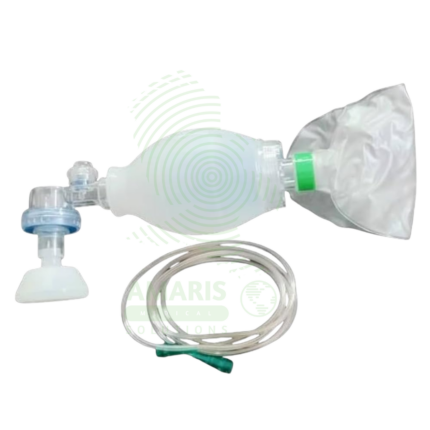
Breath Resuscitation Bag
A Breath Resuscitation Bag (manual resuscitator, bag-valve-mask) is a Class II medical device used to deliver positive-pressure ventilation to patients in respiratory arrest, cardiac arrest, or respiratory failure. Available in adult (1,500-2,000 mL), pediatric (450-750 mL), and infant/neonatal (200-350 mL) sizes with self-inflating silicone or PVC bags, one-way non-rebreathing valves, transparent cushioned masks, and oxygen reservoirs for high FiO2 delivery (90-100% with reservoir). Oxygen inlet allows connection to flow meter (10-15 L/min recommended). Pediatric/neonatal models include pressure-limiting valves (35-45 cmH2O) to prevent barotrauma. Essential for CPR (AHA guidelines: adult 10-12 breaths/min, child 12-20, infant 20-30), preoxygenation before intubation, transport ventilation, and recovery from anesthesia. Critical safety considerations include avoiding excessive ventilation pressure (prevents gastric insufflation), maintaining proper mask seal, monitoring chest rise, and having backup equipment readily available. Indispensable emergency airway equipment in hospitals, ambulances, crash carts, and emergency response kits worldwide.
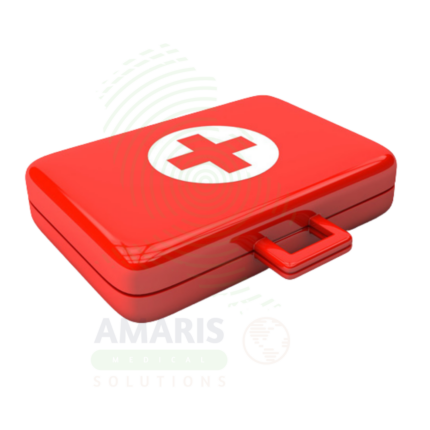
First Aid Boxes
First Aid Boxes are durable, portable containers designed for the organized storage, protection, and rapid deployment of first aid supplies and equipment for immediate treatment of minor injuries and medical emergencies. Available in multiple configurations including personal, Class A (basic workplace), Class B (comprehensive/high-hazard), industrial/heavy-duty, wall-mounted, portable/trauma, vehicle, and specialty variants (burn, eye injury). Constructed from impact-resistant materials (ABS plastic, polycarbonate, HDPE, stainless steel, aluminum) with secure latching mechanisms, carrying handles, mounting provisions, and organizational compartments. Essential for regulatory compliance in workplace, school, vehicle, and public facility settings. Critical safety principles include unobstructed accessibility, regular inspection and restocking, removal of expired contents, and absolute prohibition of sharps disposal within the unit. An indispensable component of occupational health and safety, emergency preparedness, and community first response.
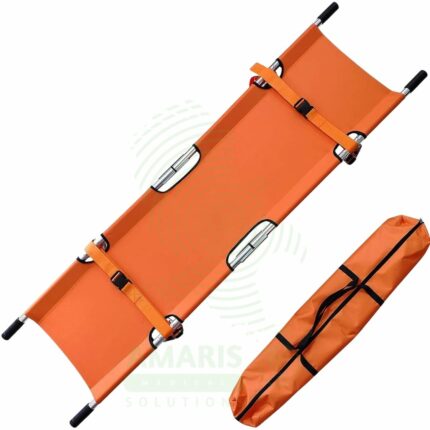
Foldable Stretcher
A Foldable Stretcher is a portable, manual patient-carrying device consisting of a hinged metal frame and a fabric sling, designed for compact storage and rapid deployment. Its primary use is for evacuating patients from confined spaces, rough terrain, or disaster scenes where wheeled trolleys cannot access. It is a fundamental piece of equipment for emergency medical services, search and rescue teams, industrial first aid, and mass casualty management, enabling a team of bearers to safely transport a patient to a point where advanced care or wheeled transport is available. Its key advantage is its minimal storage footprint, making it an essential logistical tool for any emergency response system.
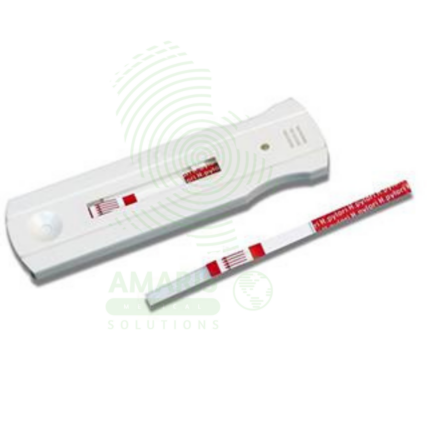
H. pylori Test Strips
H. pylori Test Strips are rapid, lateral flow immunochromatographic devices used for the qualitative detection of Helicobacter pylori antigens in human stool. As a non-invasive stool antigen test (SAT), it provides a convenient and reliable method for diagnosing active H. pylori infection and confirming eradication after therapy, with results available in under 15 minutes. Ideal for use in clinics and outpatient settings, it aids in the management of dyspepsia and peptic ulcer disease. Proper sample handling, adherence to pre-test medication restrictions, and strict biohazard precautions are essential for obtaining accurate results.
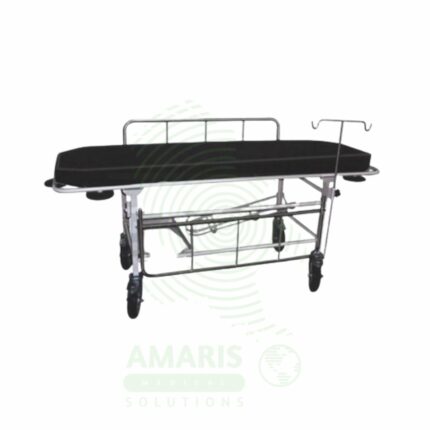
Patient Trolley
A Patient Trolley (also known as a hospital stretcher or gurney) is a mobile, height-adjustable wheeled bed essential for the safe transport and temporary holding of patients within a healthcare facility. Its core function is to serve as the primary link between clinical departments (e.g., Ward to Radiology, ED to OR), enabling efficient patient flow. Key features include locking casters, safety side rails, an IV pole, and a thin, cleanable mattress. Designed for maneuverability in corridors and elevators, it is the fundamental piece of equipment for patient logistics, emergency response, and serving as a mobile treatment platform in hospitals and large clinics.