Dermatoscope and Magnifiers
 Diagnostic Kits
 Vital Signs Monitors
 Stethoscopes and Accessories
 Otoscopes, Ophthalmoscopes, and Retinoscopes
 Reflex Hammers and Neurological Tools
 Scales and Measuring Devices
 Spirometers and Pulmonary Function Tests
 Electrosurgical Units and Accessories
 Cutting Instruments
 Grasping and Holding Instruments
 Hemostatic Instruments
 Specialized Surgical Sets
 Single-Use Procedure Trays and Packs
 Surgical Drapes, Gowns, and Covers
 Tissue Unifying Instruments
 Radiation Protection
 X-Ray Machines and Accessories
 Ultrasound Systems and Probes
 MRI and CT Scanners
 Radiology Consumables
 Bone Densitometers
 Fluoroscopy Equipment
 Imaging Tables and Positioning Aids
 Microscopes and Accessories
 Centrifuges and Separators
 Analyzers
 Incubators and Ovens
 Pipettes, Dispensers, and Lab Glassware
 Refrigerators, Freezers, and Storage Units
 Lab Consumables
 Sterilizers and Autoclaves for Lab Use
 Multi-Parameter Monitors
 Ventilators and Respiratory Support Devices
 Defibrillators and AEDs
 Infusion Pumps and IV Systems
 Patient Warmers and Cooling Devices
 Central Monitoring Stations
 Accessories
 Anesthesia Machines and Workstations
 Oxygen Concentrators and Delivery Systems
 Nebulizers and Inhalers
 CPAP/BiPAP Machines
 Airway Management
 Anesthesia Masks, Circuits, and Bags
 Humidifiers and Heaters
 Respiratory Therapy Accessories
 First Aid Kits and Cabinets
 Emergency Resuscitation Equipment
 Trauma Supplies
 Emergency Carts and Crash Carts
 Burn Care Products
 Bleeding Control
 Automated External Defibrillators (AEDs)
 Transport and Evacuation
 Wheelchairs and Accessories
 Walkers, Crutches, and Canes
 Prosthetics and Orthotics
 Physical Therapy Equipment
 Transfer Devices
 Bathroom Safety
 Orthopedic Traction and Tables
 Hot/Cold Therapy Packs and Units
 Beds and Mattresses
 Chairs and Stools
 Tables
 Cabinets and Storage
 Privacy Screens & Curtains
 Stands and Racks
 Linens and Textiles
 Lighting
 Autoclaves and Sterilizers
 Ultrasonic Cleaners
 Disinfectant Solutions and Wipes
 Sterilization Pouches, Wraps, and Indicators
 Instrument Trays and Containers
 UV and Ozone Disinfection Devices
 Washer Disinfectors
 Wound Care
 Gloves
 Masks and Respirators
 Catheters and Tubing
 Swabs, Applicators, and Sponges
 Incontinence Products
 Personal Protective Equipment (PPE)
 Dental Chairs and Units
 Handpieces and Burs
 Instruments
 Consumables
 Sterilization for Dental Use
 Orthodontic Supplies
 Endodontic Tools
 Slit Lamps and Tonometers
 Lensometers and Phoropters
 Ophthalmic Surgical Instruments
 Eyewear Frames and Lenses
 Contact Lens Supplies
 Vision Testing Charts and Devices
 Eye Care Consumables
 Laser Systems for Eye Care
 ENT Exam Chairs and Tables
 Endoscopes
 Audiometers and Hearing Tests
 ENT Instruments
 Nasal and Throat Packs
 Hearing Aids and Accessories
 Otology Supplies
 Fetal Dopplers and Monitors
 Delivery Beds and Tables
 Gynecological Instruments
 Neonatal Incubators and Warmers
 Breast Pumps and Accessories
 Contraceptive Devices
 Maternity Supports and Pads
 Neonatal Consumables
 Cystoscopes and Urethroscopes
 Dialysis Machines and Supplies
 Urological Catheters and Bags
 Lithotripters
 Prostate Treatment Devices
 Urinary Incontinence Products
 Kidney Stone Management Tools
 Consumables & Disposables
 EEG and EMG Machines
 Neurosurgical Instruments
 Nerve Stimulators
 Headrests and Positioning Aids
 Lumbar Puncture Kits
 Seizure Monitoring Devices
 Consumables
 Rehabilitation for Neurological Conditions
 ECG Machines and Accessories
 Holter Monitors
 Stress Test Systems
 Pacemakers and Defibrillator Accessories
 Vascular Access Devices
 Cardiac Catheters and Guidewires
 Blood Flow Meters
 Consumables
 Orthopedic Instruments
 Casts, Splints, and Padding
 Joint Replacement Supplies
 Prosthetic Limbs and Components
 Bone Grafts and Substitutes
 Traction Devices
 Orthopedic Braces and Supports
 Rehabilitation Aids for Orthopedics
 Home Oxygen Therapy
 Hospital Beds for Home Use
 Mobility Aids
 Bathroom and Daily Living Aids
 Wound Care for Home
 Monitoring Devices
 Enteral Feeding Pumps and Tubes
 Hand Sanitizers and Dispensers
 Face Shields and Goggles
 Isolation Gowns and Suits
 Biohazard Waste Containers
 Air Purifiers and HEPA Filters
 Surface Disinfectants
 Sharps Containers
 Protective Barriers
 Cardiovascular & Endurance Training
 Strength Training & Weightlifting
 Functional Training & Core Conditioning
 Physical Therapy & Rehabilitation
 Sports & Outdoor Recreation
 Gym Flooring & Facility Equipment
 Fitness Monitoring & Accessories
 Kids & Novelties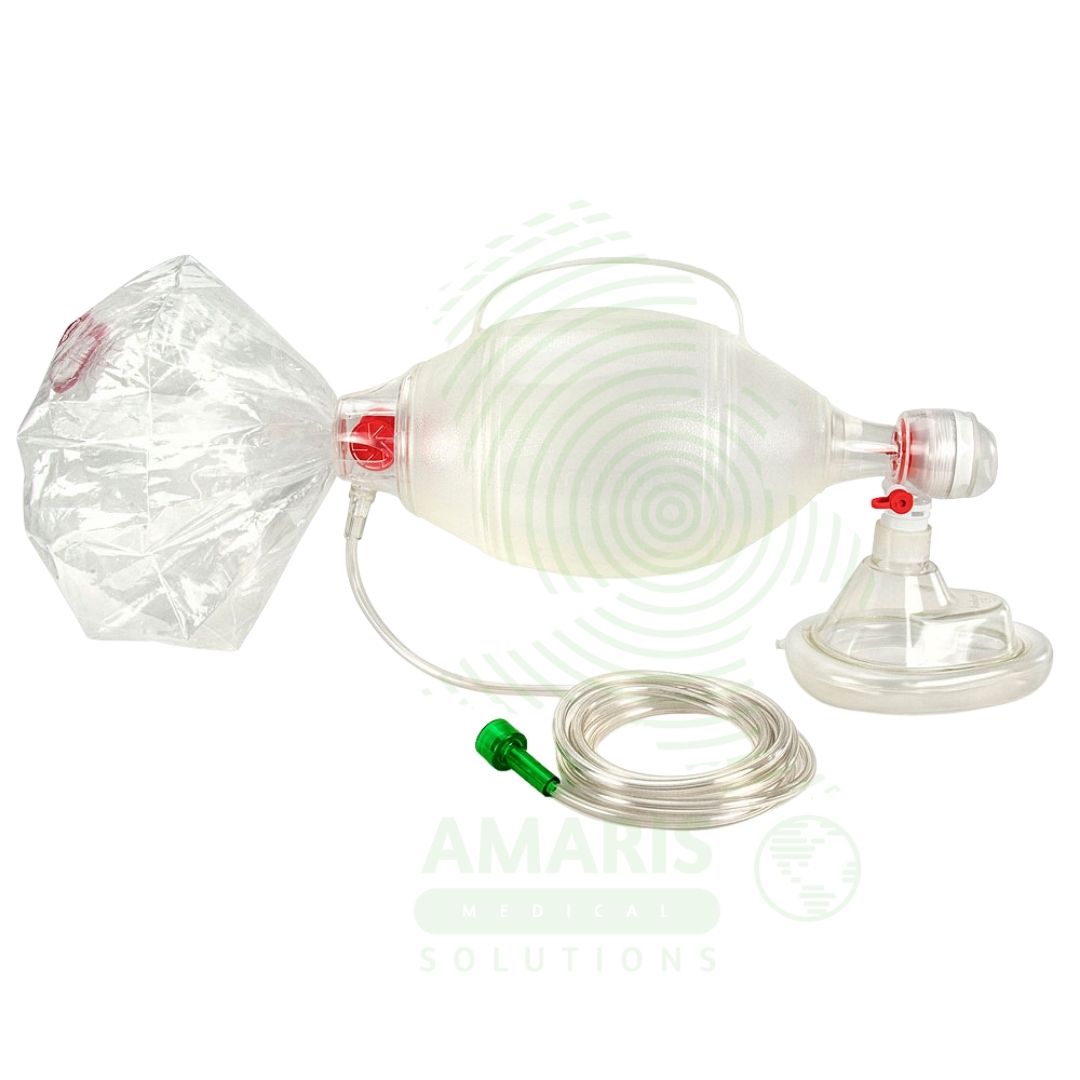
Paediatric & Adult Silicon Ambubags
$1.00
WhatsApp Order
A Paediatric & Adult Silicon Ambubags are self-inflating manual resuscitators used for positive pressure ventilation in patients with respiratory failure or cardiac arrest. Available in adult, paediatric, and infant sizes, they deliver controlled tidal volumes appropriate for patient age. The durable silicone construction allows for repeated cleaning and autoclaving in reusable models, while the self-inflating design enables operation without an external gas source. Oxygen reservoirs allow delivery of up to 95% FiO₂. Essential equipment in all emergency response settings, the ambubag provides immediate ventilatory support during resuscitation, transport, and airway management procedures.
Description
Paediatric & Adult Silicon Ambubags
PRIMARY CLINICAL & DIAGNOSTIC USES
1. Manual Positive Pressure Ventilation
-
Primary Use: Provides immediate, manually-driven positive pressure ventilation to patients who are not breathing or who are breathing inadequately. The self-inflating bag delivers room air or oxygen-enriched air to inflate the lungs during respiratory failure, cardiac arrest, or anesthesia induction. The silicone construction provides durability and ease of cleaning.
-
How it helps: For the first responder, paramedic, and code team member, the ambubag puts the power to sustain life literally in their hands—transforming a patient who cannot breathe into one who can receive life-sustaining oxygen with every squeeze. For the patient in respiratory arrest, each compression of the bag represents a breath they cannot take themselves, delivering oxygen to the brain and heart and buying precious minutes until underlying causes can be treated or advanced airway support established.
2. Emergency Airway Management
-
Primary Use: Essential first-line tool for bag-valve-mask ventilation to oxygenate and ventilate a patient before, during, and after endotracheal intubation, or when intubation is not immediately possible. The bag allows for controlled delivery of oxygen while airway access is being secured.
-
How it helps: For the airway team managing a difficult intubation, the ambubag provides a critical safety net—maintaining oxygenation while they prepare equipment, position the patient, and attempt tube placement. For the patient undergoing emergency intubation, this means they remain oxygenated throughout the procedure, reducing the risk of cardiac arrest or brain injury during the apneic period when the tube is being placed.
3. Pre-Hospital and Resuscitation Support
-
Primary Use: Cornerstone device for providing ventilation in ambulances, during CPR, and in any setting where mechanical ventilators are unavailable. The self-inflating design allows operation without external gas source, though it can be connected to supplemental oxygen.
-
How it helps: For the EMS crew in the back of a speeding ambulance, the ambubag is their portable, reliable, battery-free ventilator that never fails—it works in extreme cold, pouring rain, or crowded living rooms. For the cardiac arrest patient, coordinated ventilations with chest compressions provide the oxygenated blood flow needed to restart the heart and preserve brain function until return of spontaneous circulation is achieved.
4. Transport of Ventilated Patients
-
Primary Use: Used for manual ventilation during short transfers of intubated patients within a hospital when disconnection from a mechanical ventilator is required. The lightweight, portable design allows for continuous respiratory support during patient movement.
-
How it helps: For the transport team moving a critically ill patient from the ICU to radiology, the ambubag ensures continuous ventilation during elevator rides and hallway navigation where ventilators cannot easily go. For the intubated patient being moved for a CT scan or MRI, it means no interruption in respiratory support during these vulnerable transitions, maintaining oxygen delivery throughout the journey.
5. Pediatric and Neonatal Resuscitation
-
Primary Use: Pediatric-specific ambubags are designed with smaller tidal volumes and pressure-limiting features to safely ventilate infants and children. The pediatric bag delivers appropriate volumes for smaller lungs, preventing barotrauma while providing effective ventilation.
-
How it helps: For the neonatal and pediatric resuscitation team, the appropriately sized ambubag ensures that the smallest patients receive ventilation volumes matched to their tiny lungs—preventing the overinflation and barotrauma that would occur with adult-sized equipment. For the infant or child in respiratory distress, a pediatric ambubag means their delicate lungs are protected while they receive the life-sustaining breaths they need.
SECONDARY & SUPPORTIVE USES
1. Clearing Secretions: The positive pressure generated during bagging can help mobilize pulmonary secretions in patients with atelectasis or mucus plugging. For the patient with retained secretions, manual inflation breaths can loosen mucus and improve oxygenation.
2. Assessment of Lung Compliance: Clinicians can manually assess a patient’s lung compliance by feeling the resistance when squeezing the bag, providing immediate diagnostic feedback. For the ventilated patient, this hands-on assessment can alert the team to developing pneumothorax, bronchospasm, or tube misplacement before oxygen levels drop.
3. Delivery of Aerosolized Medications: Can be used in conjunction with a nebulizer or metered-dose inhaler adapter to deliver medications during manual ventilation. For the patient with severe asthma or bronchospasm, this combines life-sustaining ventilation with targeted medication delivery.
4. Pre-Oxygenation Before Suctioning: Used to pre-oxygenate patients before endotracheal suctioning, reducing the risk of desaturation during the procedure.
5. Apnea Testing: Used during brain death testing protocols to provide ventilation during apnea testing periods.
6. Veterinary Emergency Medicine: Used in veterinary settings for resuscitation and ventilation of animals during medical emergencies.
KEY PRODUCT FEATURES
1. BASIC IDENTIFICATION ATTRIBUTES
-
Device Type: A self-inflating, hand-operated resuscitation bag used for manual positive pressure ventilation.
-
Designation: Ambu Bag, Manual Resuscitator, Bag-Valve-Mask, BVM, Self-Inflating Bag, Silicon Resuscitator.
-
Sizes:
-
Adult: Volume capacity typically 1500-1600 mL; suitable for patients over 30 kg.
-
Paediatric: Volume capacity typically 500-750 mL; suitable for patients 10-30 kg.
-
Infant/Neonatal: Volume capacity typically 200-300 mL; suitable for patients under 10 kg.
-
-
Key Components:
-
Reservoir Bag: Silicone or rubber self-inflating chamber that refills after compression.
-
Patient Valve: One-way valve that directs gas to the patient and prevents exhaled gas from returning to the bag.
-
Oxygen Reservoir: Attachable reservoir bag or tubing for delivering high-concentration oxygen.
-
Mask Connection: Standard 22 mm conical fitting for attachment to face masks, endotracheal tubes, or supraglottic airways.
-
Oxygen Inlet: Port for connecting supplemental oxygen at flow rates of 10-15 L/min.
-
2. TECHNICAL & PERFORMANCE PROPERTIES
-
Volume Capacity: Adult: 1500-1600 mL; Paediatric: 500-750 mL; Infant: 200-300 mL.
-
Tidal Volume: Delivered volume depends on hand size and compression depth; average adult delivered volume 500-800 mL.
-
Oxygen Delivery: With oxygen reservoir and flow of 10-15 L/min, delivers up to 90-95% FiO₂.
-
Silicone Material: Durable, latex-free, autoclavable, and resistant to degradation from cleaning agents and temperature extremes.
-
Pressure Limiting: Some pediatric bags incorporate pressure relief valves to prevent excessive airway pressures.
-
Operating Temperature: Functionally reliable in wide temperature ranges for field and clinical use.
3. PHYSICAL & OPERATIONAL PROPERTIES
-
Construction: High-quality silicone bag for durability and ease of cleaning; transparent polycarbonate or polypropylene valve housing for visual monitoring.
-
Color Coding: Adult bags typically transparent; pediatric bags often color-coded (e.g., blue) for quick identification.
-
Valve Design: Low-resistance valve for minimal work of breathing; double-shrouded design prevents incorrect assembly.
-
Ergonomics: Textured surface for secure grip in wet or gloved hands; anatomical shape for comfortable squeezing.
-
Portability: Lightweight, compact design for transport and field use.
4. SAFETY & COMPLIANCE ATTRIBUTES
-
Regulatory Status: Class II medical device regulated by FDA.
-
Material Safety: Latex-free silicone; non-toxic, hypoallergenic materials.
-
Sterilization: Autoclavable for reusable models; single-use disposable options available.
-
Oxygen Compatibility: Safe for use with supplemental oxygen; components are oxygen-clean.
5. STORAGE & HANDLING ATTRIBUTES
-
Storage: Store in a clean, dry location; protect from extreme temperatures and UV exposure.
-
Cleaning: Reusable silicone bags can be cleaned with mild soap and water, disinfected, or autoclaved per manufacturer instructions.
-
Inspection: Regularly inspect for cracks, leaks, or valve dysfunction; test function before use.
-
Single-Use Disposable: For single-use models, dispose after patient use.
6. LABORATORY & CLINICAL APPLICATIONS
-
Primary Application: Manual positive pressure ventilation in emergency resuscitation, transport, and during airway management procedures.
-
Clinical Role: Essential equipment in crash carts, emergency departments, intensive care units, operating rooms, and ambulances.
SAFETY HANDLING PRECAUTIONS
1. SAFETY PRECAUTIONS
-
Volume Delivery: Avoid overinflation; deliver volumes appropriate for patient size to prevent barotrauma.
-
Rate: Ventilate at appropriate rate for patient age and condition; adults 10-12 breaths per minute; infants and children 12-20 breaths per minute.
-
Oxygen Flow: When using an oxygen reservoir, maintain flow of 10-15 L/min to keep the reservoir inflated.
-
Mask Seal: Maintain proper mask seal to ensure effective ventilation and prevent gastric insufflation.
-
Airway Positioning: Ensure proper head positioning and airway patency before ventilating.
-
Gastric Distension: Monitor for gastric distension; decompress with nasogastric tube if needed.
-
Pediatric Use: Use appropriately sized bags for pediatric patients; smaller volume prevents barotrauma.
-
Pressure Relief: For pediatric bags with pressure relief valves, do not occlude the valve; may cause excessive airway pressure.
2. FIRST AID MEASURES
-
Bag Failure: If the bag fails to reinflate or deliver volume, switch to backup bag immediately; check for obstruction or damage.
-
Valve Malfunction: If valve sticks or fails to direct flow, replace device immediately.
-
Overinflation: If a patient develops signs of barotrauma, stop ventilation, assess, and adjust technique.
3. FIRE FIGHTING MEASURES
-
Flammability: Silicone and plastic components are combustible.
-
Extinguishing Media: Use water, foam, or CO₂ as appropriate for surrounding materials.
Related products
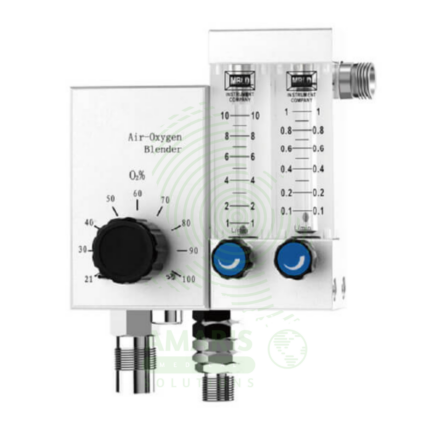
Air & Oxygen Blender
An Air & Oxygen Blender is a Class II medical device that precisely mixes compressed medical air and oxygen to deliver controlled fractions of inspired oxygen (FiO2 21-100%) to patients requiring respiratory support. Essential in neonatal, pediatric, and adult critical care, these devices ensure accurate oxygen delivery via ventilators, CPAP systems, oxygen hoods, incubators, and transport systems. Operating at 40-60 psi inlet pressure, they maintain set FiO2 within ±2-5% accuracy across varying flow demands (0-120 L/min). Gas-specific DISS or NIST fittings prevent dangerous cross-connection between oxygen and air supplies. Available in wall-mounted, rail-mounted, portable, and ventilator-integrated configurations. Primary clinical applications include neonatal intensive care (oxygen hoods, incubators, nasal CPAP), pediatric and adult mechanical ventilation, non-invasive ventilation, and critical care transport. Critical safety requirements include verification of correct gas connections, regular calibration, leak testing, and immediate response to gas supply failure alarms. Indispensable for preventing both hypoxemia and oxygen toxicity (particularly retinopathy of prematurity in neonates) in patients requiring precise oxygen therapy.
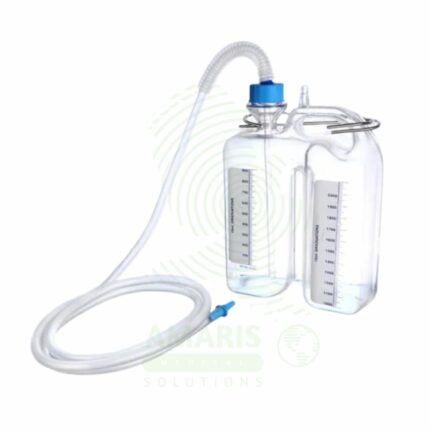
Chest Bottle
A Chest Bottle (Underwater Seal Drainage System) is a three-chamber disposable device used to drain air and fluid from the pleural space via a chest tube. Its critical component is a water seal chamber that acts as a one-way valve, preventing air from re-entering the chest while allowing drainage. It is used to treat pneumothorax, hemothorax, and pleural effusions, and is mandatory post-thoracic surgery. The system must always be kept upright and below the patient's chest level. It provides essential clinical information through tidaling in the water seal (indicating tube patency and lung expansion) and bubbling (indicating an air leak), making it both a therapeutic and diagnostic tool.
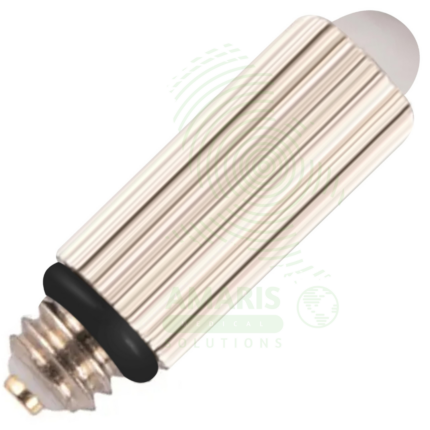
Miller Bulb Laryngoscope
A Miller Bulb Laryngoscope is a rigid laryngoscope with straight Miller blade (sizes 0-4, 70-160 mm) featuring a distal incandescent (xenon, krypton, halogen) or LED bulb at the blade tip for direct illumination during tracheal intubation. The straight blade design allows direct elevation of the epiglottis rather than the indirect vallecula technique, making it the preferred choice for pediatric and neonatal intubation, patients with floppy or prominent epiglottis, and anterior airways requiring direct epiglottic control. Features stainless steel reusable blades (or disposable plastic), ergonomic handles with knurled grip, ISO standard hook-on fittings, and autoclavable options. Light output 500-3,000 Lux depending on bulb type and battery condition. Primary clinical applications include direct epiglottis elevation for tracheal intubation (especially pediatric and neonatal), patients with prominent or floppy epiglottis, anterior airway management, teaching and training (straight blade technique), neonatal resuscitation, and use in resource-limited settings. Class II medical device requiring FDA clearance. Critical safety considerations include pre-use light check (brightness, bulb security), appropriate blade size selection (especially critical in pediatrics), proper lifting technique (direct epiglottic lift, not levering on teeth), pediatric fragility awareness, bulb obstruction risk from secretions, battery verification, and backup device availability.
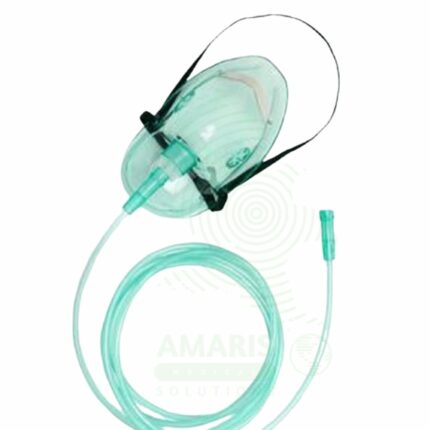
Oxygen Mask (Adult/Infant/Paediatric)
An Oxygen Mask is a disposable, single-use interface used to deliver supplemental oxygen from a medical gas supply to a patient's airways. Available in types for specific clinical needs—Simple Mask for low-flow therapy, Venturi Mask for precise FiO2 control (especially in COPD), and Non-Rebreather Mask for emergency high-flow delivery—and in sizes for adults, children, and infants. Correct selection and application, including ensuring the proper oxygen flow rate for the mask type, are essential for effective therapy and patient safety. Adherence to strict fire safety protocols is non-negotiable due to the combustion risk posed by enriched oxygen environments.
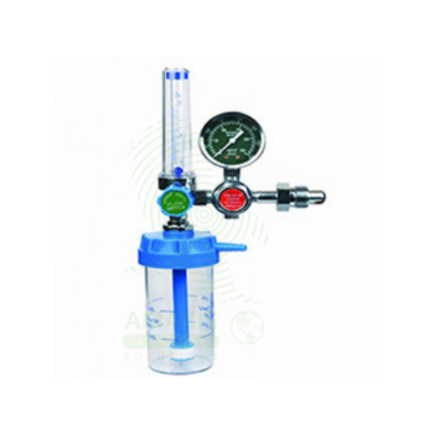
Oxygen Regulator Set
An Oxygen Regulator Set is a critical pressure control device that attaches to a medical oxygen cylinder, reducing its extremely high internal pressure to a safe, usable level and providing precise control over the flow rate delivered to the patient. Consisting of a pin-indexed yoke, high-pressure gauge, adjustable flowmeter, and safety outlet, it is the essential interface for safe oxygen delivery from cylinders in emergencies, during transport, and in home care. Its safe operation hinges on absolute adherence to oil-free handling procedures, correct connection techniques, and regular inspection for leaks or damage to prevent catastrophic oxygen-fuelled fires or equipment failure.
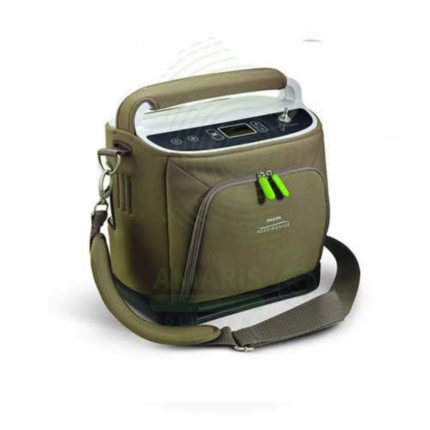
Portable Oxygen Concentrator
A Portable Oxygen Concentrator (POC) is a lightweight, battery-powered device that delivers oxygen via pulse dose technology, enabling active, mobile lifestyles for patients with chronic lung disease. By providing oxygen on-demand with each breath, it maximizes battery efficiency and portability, allowing users to travel, exercise, and socialize freely. It is a prescription-only device that requires careful titration to match a patient's needs during activity and is not a substitute for a stationary concentrator used at home and during sleep. Key considerations include FAA approval for air travel, battery life management, and understanding its specific use case as an ambulatory aid, not a primary oxygen source.
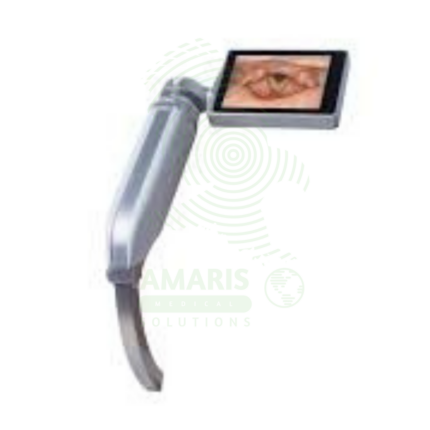
Video Laryngoscope
A Video Laryngoscope is an intubation device combining a laryngoscope blade with an integrated video camera and display, providing indirect visualization of the glottis for difficult airway management, emergency intubation, cervical spine precautions, and teaching applications. Available with reusable or disposable blades (Macintosh, Miller, hyperangulated) in sizes 0 (neonatal) to 4 (large adult). Features high-resolution camera (640×480 to 1920×1080), LED illumination, anti-fog system, and 2–7-inch display with recording capability. Primary clinical applications include difficult airway management (anatomical variations, obesity, cervical spine injury), emergency intubation in trauma and critical care, intubation with cervical spine precautions (minimal neck movement), teaching and training (real-time instructor view), documentation of airway anatomy, bariatric patient intubation, and neonatal/pediatric intubation. Class II medical device requiring FDA clearance. Critical safety considerations include anti-fog preparation, clearance of oral secretions, appropriate blade selection, maintaining direct laryngoscopy skills as backup, gentle tissue handling, infection control (disposable blades or sterilization), and battery verification before use.