Dermatoscope and Magnifiers
 Diagnostic Kits
 Vital Signs Monitors
 Stethoscopes and Accessories
 Otoscopes, Ophthalmoscopes, and Retinoscopes
 Reflex Hammers and Neurological Tools
 Scales and Measuring Devices
 Spirometers and Pulmonary Function Tests
 Electrosurgical Units and Accessories
 Cutting Instruments
 Grasping and Holding Instruments
 Hemostatic Instruments
 Specialized Surgical Sets
 Single-Use Procedure Trays and Packs
 Surgical Drapes, Gowns, and Covers
 Tissue Unifying Instruments
 Radiation Protection
 X-Ray Machines and Accessories
 Ultrasound Systems and Probes
 MRI and CT Scanners
 Radiology Consumables
 Bone Densitometers
 Fluoroscopy Equipment
 Imaging Tables and Positioning Aids
 Microscopes and Accessories
 Centrifuges and Separators
 Analyzers
 Incubators and Ovens
 Pipettes, Dispensers, and Lab Glassware
 Refrigerators, Freezers, and Storage Units
 Lab Consumables
 Sterilizers and Autoclaves for Lab Use
 Multi-Parameter Monitors
 Ventilators and Respiratory Support Devices
 Defibrillators and AEDs
 Infusion Pumps and IV Systems
 Patient Warmers and Cooling Devices
 Central Monitoring Stations
 Accessories
 Anesthesia Machines and Workstations
 Oxygen Concentrators and Delivery Systems
 Nebulizers and Inhalers
 CPAP/BiPAP Machines
 Airway Management
 Anesthesia Masks, Circuits, and Bags
 Humidifiers and Heaters
 Respiratory Therapy Accessories
 First Aid Kits and Cabinets
 Emergency Resuscitation Equipment
 Trauma Supplies
 Emergency Carts and Crash Carts
 Burn Care Products
 Bleeding Control
 Automated External Defibrillators (AEDs)
 Transport and Evacuation
 Wheelchairs and Accessories
 Walkers, Crutches, and Canes
 Prosthetics and Orthotics
 Physical Therapy Equipment
 Transfer Devices
 Bathroom Safety
 Orthopedic Traction and Tables
 Hot/Cold Therapy Packs and Units
 Beds and Mattresses
 Chairs and Stools
 Tables
 Cabinets and Storage
 Privacy Screens & Curtains
 Stands and Racks
 Linens and Textiles
 Lighting
 Autoclaves and Sterilizers
 Ultrasonic Cleaners
 Disinfectant Solutions and Wipes
 Sterilization Pouches, Wraps, and Indicators
 Instrument Trays and Containers
 UV and Ozone Disinfection Devices
 Washer Disinfectors
 Wound Care
 Gloves
 Masks and Respirators
 Catheters and Tubing
 Swabs, Applicators, and Sponges
 Incontinence Products
 Personal Protective Equipment (PPE)
 Dental Chairs and Units
 Handpieces and Burs
 Instruments
 Consumables
 Sterilization for Dental Use
 Orthodontic Supplies
 Endodontic Tools
 Slit Lamps and Tonometers
 Lensometers and Phoropters
 Ophthalmic Surgical Instruments
 Eyewear Frames and Lenses
 Contact Lens Supplies
 Vision Testing Charts and Devices
 Eye Care Consumables
 Laser Systems for Eye Care
 ENT Exam Chairs and Tables
 Endoscopes
 Audiometers and Hearing Tests
 ENT Instruments
 Nasal and Throat Packs
 Hearing Aids and Accessories
 Otology Supplies
 Fetal Dopplers and Monitors
 Delivery Beds and Tables
 Gynecological Instruments
 Neonatal Incubators and Warmers
 Breast Pumps and Accessories
 Contraceptive Devices
 Maternity Supports and Pads
 Neonatal Consumables
 Cystoscopes and Urethroscopes
 Dialysis Machines and Supplies
 Urological Catheters and Bags
 Lithotripters
 Prostate Treatment Devices
 Urinary Incontinence Products
 Kidney Stone Management Tools
 Consumables & Disposables
 EEG and EMG Machines
 Neurosurgical Instruments
 Nerve Stimulators
 Headrests and Positioning Aids
 Lumbar Puncture Kits
 Seizure Monitoring Devices
 Consumables
 Rehabilitation for Neurological Conditions
 ECG Machines and Accessories
 Holter Monitors
 Stress Test Systems
 Pacemakers and Defibrillator Accessories
 Vascular Access Devices
 Cardiac Catheters and Guidewires
 Blood Flow Meters
 Consumables
 Orthopedic Instruments
 Casts, Splints, and Padding
 Joint Replacement Supplies
 Prosthetic Limbs and Components
 Bone Grafts and Substitutes
 Traction Devices
 Orthopedic Braces and Supports
 Rehabilitation Aids for Orthopedics
 Home Oxygen Therapy
 Hospital Beds for Home Use
 Mobility Aids
 Bathroom and Daily Living Aids
 Wound Care for Home
 Monitoring Devices
 Enteral Feeding Pumps and Tubes
 Hand Sanitizers and Dispensers
 Face Shields and Goggles
 Isolation Gowns and Suits
 Biohazard Waste Containers
 Air Purifiers and HEPA Filters
 Surface Disinfectants
 Sharps Containers
 Protective Barriers
 Cardiovascular & Endurance Training
 Strength Training & Weightlifting
 Functional Training & Core Conditioning
 Physical Therapy & Rehabilitation
 Sports & Outdoor Recreation
 Gym Flooring & Facility Equipment
 Fitness Monitoring & Accessories
 Kids & Novelties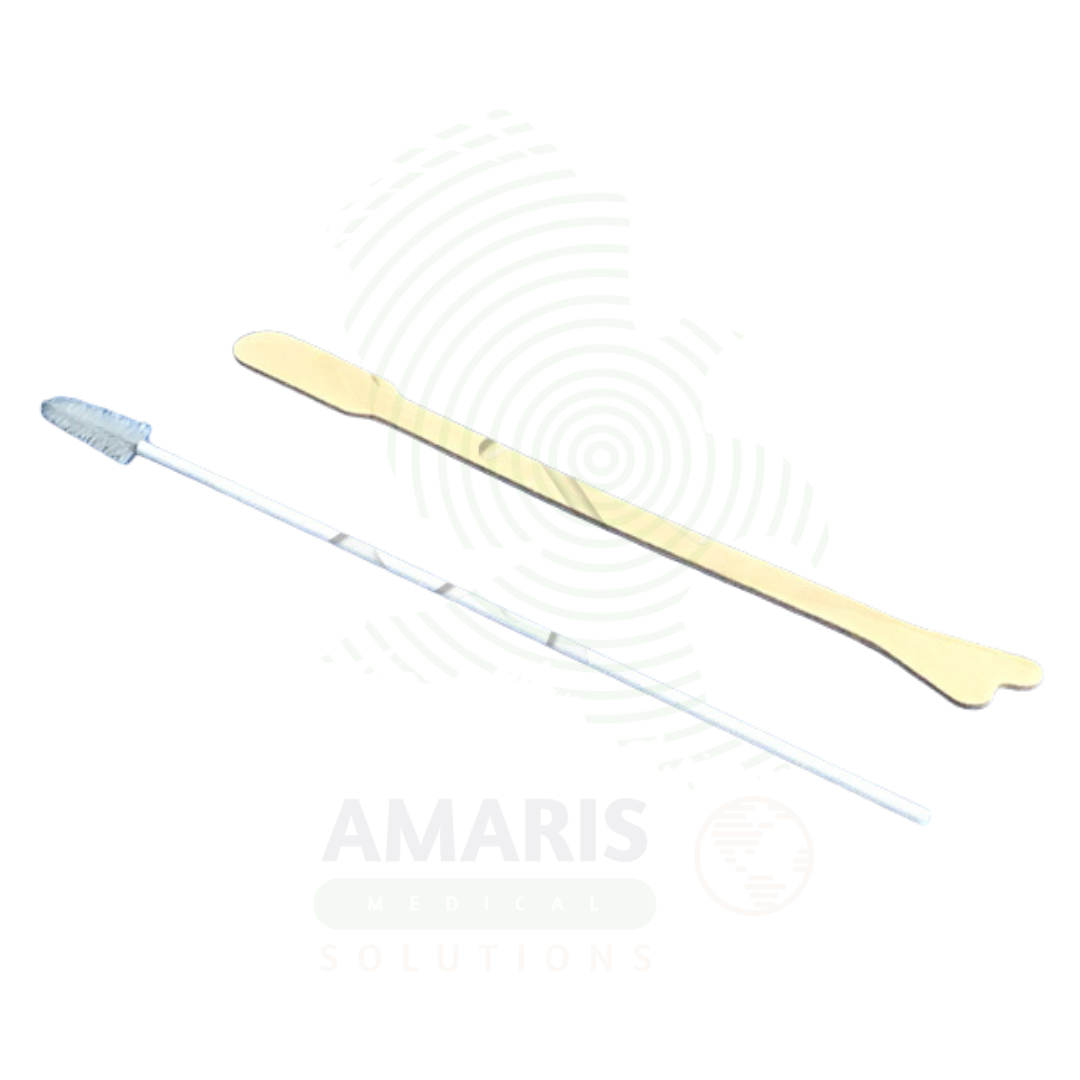

Pap smear kit
$1.00
WhatsApp Order
A Pap Smear Kit is a sterile, single-use collection system containing all necessary components for obtaining cervical cell samples for Papanicolaou (Pap) testing and HPV DNA analysis. Each kit typically includes a sterile speculum for cervical visualization, a collection device (cervical broom, endocervical brush, or spatula), and either a liquid-based cytology preservative vial or glass slide with fixative spray. Standardized kits ensure consistent, high-quality specimen collection that maximizes diagnostic accuracy and reduces unsatisfactory sample rates. For the gynecologist and primary care clinician, Pap smear kits provide a convenient, ready-to-use solution that streamlines cervical cancer screening. For the patient, regular Pap screening using standardized kits enables early detection of precancerous cervical changes and high-risk HPV infection—when treatment is most effective—significantly reducing the risk of developing invasive cervical cancer.
Description
Pap Smear Kit
PRIMARY CLINICAL & DIAGNOSTIC USES
1. Screening for Cervical Cancer and Precancerous Lesions
-
Primary Use: Provides a complete, sterile collection system for obtaining cervical cell samples for Papanicolaou (Pap) testing to detect cervical dysplasia, cervical cancer, and human papillomavirus (HPV) infections.
-
How it helps: For the gynecologist and primary care physician, the Pap smear kit provides all necessary components in one sterile package—enabling systematic, high-quality sample collection that maximizes diagnostic accuracy and minimizes collection errors. For the patient, regular Pap screening using standardized kits enables early detection of precancerous changes when treatment is most effective, significantly reducing the risk of developing invasive cervical cancer.
2. Collection of Cells for HPV Testing
-
Primary Use: Enables collection of cervical cells for HPV DNA testing, identifying high-risk HPV strains associated with cervical cancer development.
-
How it helps: For the clinician managing abnormal Pap results, the collection devices in the kit allow simultaneous or sequential collection for HPV testing—providing critical information about the presence of high-risk HPV types that guide follow-up and treatment decisions. For the patient, HPV testing helps determine the appropriate level of surveillance or intervention, preventing overtreatment of self-limiting infections while ensuring appropriate management of high-risk cases.
3. Visualization of the Cervix During Sample Collection
-
Primary Use: Includes a vaginal speculum that provides visualization of the cervix, enabling precise collection of cell samples from the transformation zone where most cervical abnormalities originate.
-
How it helps: For the clinician performing the Pap smear, the speculum provides clear visualization of the cervix—ensuring that the sampling device reaches the correct anatomical location for accurate diagnosis. For the patient, proper visualization means the sample is more likely to be diagnostic, reducing the need for repeat testing due to inadequate specimens.
4. Standardized Sample Collection for Laboratory Analysis
-
Primary Use: Provides standardized collection devices and preservative media that maintain cellular integrity during transport to the laboratory, ensuring optimal specimen quality for cytologic evaluation.
-
How it helps: For the laboratory cytotechnologist and pathologist, specimens collected using standardized kits arrive with preserved cellular morphology—enabling accurate interpretation and reducing the rate of unsatisfactory specimens. For the patient, high-quality specimens mean fewer repeat Pap smears and faster, more reliable diagnostic results.
SECONDARY & SUPPORTIVE USES
1. Endocervical Sampling: Includes endocervical brushes or brooms for collecting cells from the endocervical canal where many abnormalities originate.
2. Vaginal Cytology: Used for collecting vaginal cell samples for cytologic evaluation in certain clinical indications.
3. Post-Treatment Surveillance: Used to monitor patients following treatment for cervical dysplasia to assess for recurrence.
4. HPV Co-Testing: Used in combination with HPV DNA testing for primary cervical cancer screening in women aged 30 and older.
5. Atypical Glandular Cell Investigation: Used to collect samples when atypical glandular cells are detected, requiring further evaluation.
6. Pregnancy-Related Cervical Assessment: Used for cervical cytology during pregnancy when clinically indicated.
7. Pre-Hysterectomy Evaluation: Used for cervical cancer screening prior to hysterectomy for benign conditions.
8. Follow-Up of Abnormal Pap Results: Used for repeat sampling following abnormal Pap results to monitor changes over time.
9. Immunocompromised Patient Screening: Used for more frequent cervical cancer screening in immunocompromised patients (HIV, transplant recipients).
10. Teaching and Training: Used in medical education to train clinicians in proper Pap smear collection technique.
KEY PRODUCT FEATURES
1. BASIC IDENTIFICATION ATTRIBUTES
-
Device Type: A sterile, single-use, all-in-one collection system containing all necessary components for obtaining cervical cell samples for Pap smear and HPV testing.
-
Designation: Pap Smear Kit, Pap Test Kit, Cervical Cytology Kit, Pap Collection Kit, Liquid-Based Cytology Kit, Conventional Pap Kit, Cervical Screening Kit.
-
Key Components:
o Speculum: Sterile disposable vaginal speculum (plastic or metal) for cervical visualization.
o Collection Device: Cervical broom, endocervical brush, spatula, or combination device.
o Preservative Vial: Liquid-based cytology media or slide with fixative spray.
o Patient Label: Identification labels for specimen tracking.
o Instructions: Collection and handling instructions for clinician.
2. TECHNICAL & PERFORMANCE PROPERTIES
-
Collection Methods: Conventional Pap (slide and fixative) or Liquid-Based Cytology (preservative vial).
-
Collection Devices: Cervical broom, endocervical brush, Ayre spatula, or combination broom/brush.
-
Speculum Types: Plastic disposable speculum (various sizes) or reusable metal speculum.
-
Preservative Media: Alcohol-based fixative for conventional Pap; methanol-based media for liquid-based cytology.
-
Sterility: Sterile components; sterility maintained until package opened.
-
Latex-Free: Manufactured without natural rubber latex.
-
Single-Use: Intended for single patient, single use only.
3. PHYSICAL & OPERATIONAL PROPERTIES
-
Packaging: Sterile, sealed kit containing all components in a single pouch or tray.
-
Kit Configuration: All components arranged for sequential use during the procedure.
-
Specimen Labeling: Pre-printed or write-on labels for patient identification.
-
Transport Container: Leak-proof container for specimen transport to laboratory.
-
Disposal: Components disposed of as biohazardous waste after use.
4. SAFETY & COMPLIANCE ATTRIBUTES
-
Regulatory Status: Class II medical device requiring 510(k) clearance.
-
FDA Compliance: Compliant with FDA Quality System Regulations and Clinical Laboratory Improvement Amendments (CLIA) requirements.
-
Sterility: Sterile components; sterility assurance level (SAL) of 10^-6.
-
Latex-Free: Standard in most Pap smear kits.
-
Biocompatibility: Materials tested for cervical and vaginal contact safety.
5. STORAGE & HANDLING ATTRIBUTES
-
Storage: Store in a clean, dry location at room temperature; protect from heat, moisture, and direct sunlight.
-
Shelf Life: Typically 2-3 years from date of manufacture; check expiration date before use.
-
Sterility Maintenance: Do not use it if the package is opened, torn, wet, or damaged.
-
Single-Use Only: Intended for single patient use only; do not reuse or resterilize components.
-
Specimen Transport: Follow laboratory instructions for transport temperature and timing.
6. LABORATORY & CLINICAL APPLICATIONS
-
Primary Application: Cervical cell collection for Pap smear and HPV testing to screen for cervical cancer, precancerous lesions, and high-risk HPV infection.
-
Clinical Role: Essential device in gynecology, primary care, family medicine, women's health clinics, community health centers, and public health screening programs for cervical cancer screening and prevention.
SAFETY HANDLING PRECAUTIONS
1. SAFETY PRECAUTIONS
-
Patient Preparation: Instruct patient to avoid douching, sexual intercourse, and vaginal medications for 48 hours before test.
-
Timing: Schedule test when patient is not menstruating; avoid during active bleeding.
-
Speculum Insertion: Warm speculum if reusable; insert gently to minimize patient discomfort.
-
Sample Collection: Rotate collection device as specified; obtain sample from transformation zone.
-
Specimen Handling: Immediately transfer collection device to preservative vial or apply to slide with fixative; prevent air drying.
-
Labeling: Label specimen immediately after collection with patient identification.
-
Biohazard Safety: Dispose of used components in biohazard sharps container; follow facility protocols.
-
Contraindications: Avoid in patients with acute pelvic inflammatory disease, active vaginal bleeding of unknown cause, or known hypersensitivity to kit components.
2. FIRST AID MEASURES
-
Specimen Contamination: If specimen is contaminated with blood or lubricant, note on requisition; may require repeat testing.
-
Inadequate Specimen: If sample is inadequate (too few cells), repeat Pap smear as clinically indicated.
-
Patient Discomfort: If a patient experiences significant pain during the procedure, stop, assess, and consider a smaller speculum or alternative approach.
3. FIRE FIGHTING MEASURES
-
Flammability: Preservative media contains alcohol or methanol which is highly flammable; plastic components are combustible.
-
Extinguishing Media: Use CO₂, dry chemical, or alcohol-resistant foam for fires involving preservative media.
-
Fire Response: Keep away from open flames, sparks, and heat sources; store preservative vials away from ignition sources.
Related products
Anti-Streptol Olysin O Titer (ASOT)
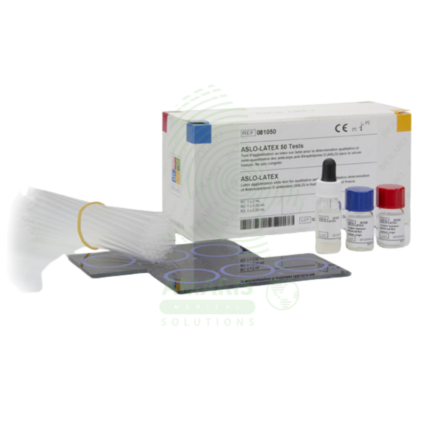
Anti-Streptol Olysin O Titer (ASOT) is a quantitative or semi-quantitative serological test (latex agglutination, turbidimetry, nephelometry, or ELISA) for detecting antibodies against streptolysin O, an exotoxin produced by Group A Streptococcus. Elevated or rising titers indicate recent streptococcal infection and are essential for diagnosing post-streptococcal sequelae including acute rheumatic fever (Jones criteria) and post-streptococcal glomerulonephritis. The test requires serum samples; acute and convalescent (2-4 weeks apart) with fourfold rise confirms recent infection. Reference range typically <200-250 Todd units/mL (adults), varies by age and population. Primary clinical applications include diagnosis of Group A streptococcal infections, acute rheumatic fever evaluation, post-streptococcal glomerulonephritis diagnosis, differentiation of acute vs. past infection, evaluation of unexplained arthritis or carditis, pediatric inflammatory conditions (PANDAS), and monitoring disease activity in rheumatic fever. Critical safety precautions include proper timing of acute and convalescent samples, awareness of false negatives/positives, clinical correlation for diagnosis, and standard biohazard precautions. Essential test for rheumatology, nephrology, cardiology, and infectious disease practice.
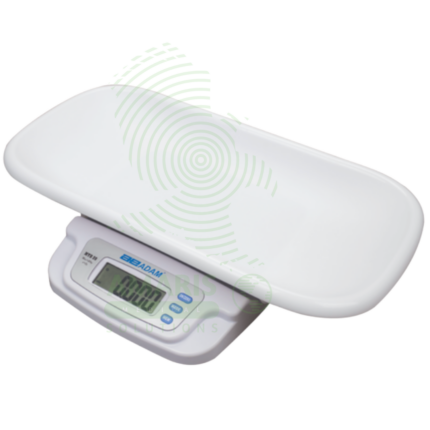
Digital Baby Weighing Scale
A Digital Baby Weighing Scale is a high-precision medical device designed exclusively for the safe and accurate measurement of infant and toddler weight. Featuring a stable, hygienic platform with gram-level precision, it is indispensable in hospitals (especially NICUs), pediatric clinics, and community health settings. Its core functions—such as hold, tare, and zeroing—ensure reliable readings even with a moving child. Accurate weight data is foundational for assessing growth, calculating medication doses, managing nutrition, and detecting early signs of health issues, making this scale a critical tool for safeguarding infant health and development.
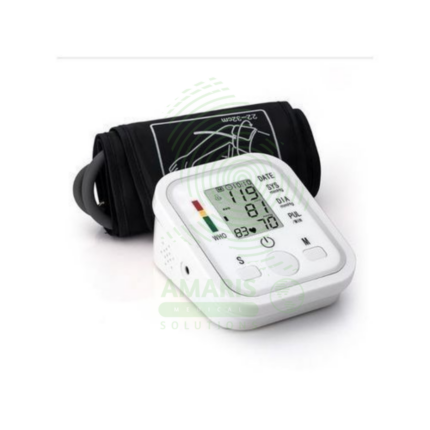
Digital Blood Pressure Monitor
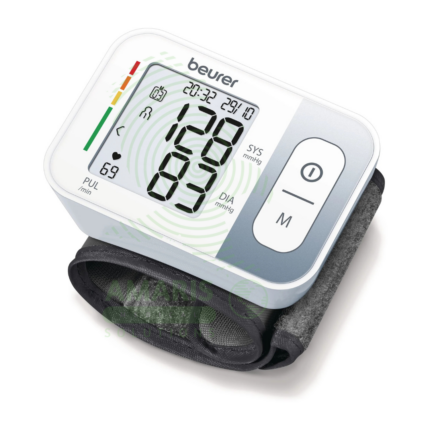
A Digital Blood Pressure Monitor is an automatic electronic device that measures and displays systolic pressure, diastolic pressure, and pulse rate using the oscillometric method. Designed primarily for home and clinical use, it offers a user-friendly alternative to manual aneroid devices, requiring minimal training. Key features often include irregular heartbeat detection, multi-user memory, and connectivity for data tracking. Its accuracy, when clinically validated and used with correct technique, makes it an indispensable tool for the diagnosis and management of hypertension, empowering patients and supporting healthcare providers with reliable ambulatory data.
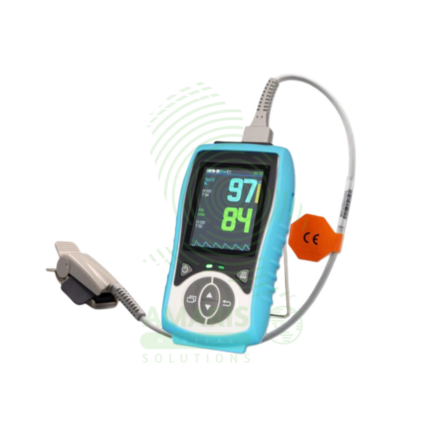
Handheld Pulse Oximeter
A Handheld Pulse Oximeter is a professional-grade, portable medical device used by healthcare providers for accurate and reliable monitoring of blood oxygen saturation (SpO2) and pulse rate. It consists of a durable, feature-rich monitor unit and separate, interchangeable sensors for use on fingers, toes, or ears. Superior to basic fingertip models, it offers advanced functions like configurable alarms, detailed plethysmograph display, trend memory, and data connectivity. Its robust design, clinical accuracy under challenging conditions (motion, low perfusion), and versatility make it an essential tool in hospitals, clinics, ambulances, and home health for patient assessment and monitoring.
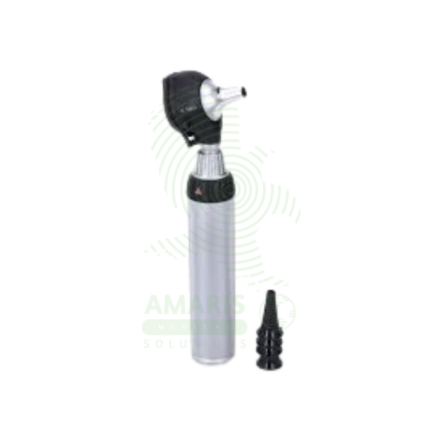
LED Otoscope
An LED Otoscope is a handheld medical device used for illuminating and magnifying the external ear canal and tympanic membrane. Featuring a bright, cool, and long-lasting LED light source, it provides superior visualization for diagnosing common conditions like ear infections, wax impaction, and perforations. Its design, incorporating a reusable handle/head and disposable specula, ensures hygiene and patient safety. As an essential tool in family medicine, pediatrics, and ENT, it enables clinicians to perform accurate otoscopic examinations and, when equipped with an insufflator, crucial pneumatic otoscopy to assess middle ear function.
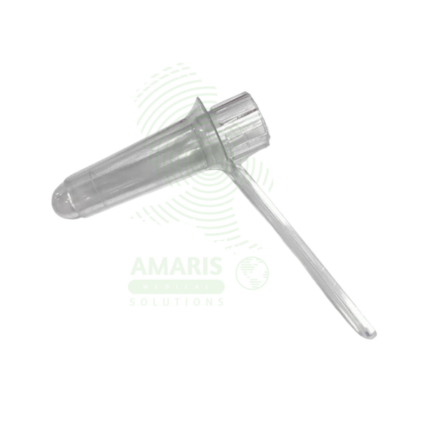
Proctoscope
A Proctoscope is a rigid, straight-tube endoscope specifically designed for the examination and treatment of the anal canal and distal rectum. It enables direct visualization to diagnose conditions like hemorrhoids, fissures, and proctitis, and serves as a conduit for therapeutic procedures such as band ligation. Available in reusable (autoclavable metal) or disposable (single-use plastic) formats, it is a fundamental tool in colorectal practice. Its effective use requires proper patient preparation, gentle insertion technique, and stringent adherence to sterilization protocols to ensure patient safety and diagnostic accuracy.
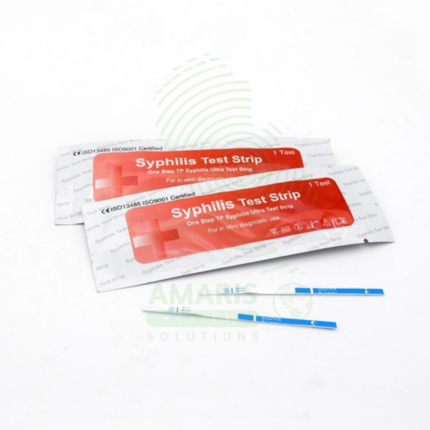
VDRL Test For Syphilis
The VDRL Test For Syphilis (Venereal Disease Research Laboratory) is a Class II medical device (FDA-cleared) non-treponemal flocculation test for qualitative and quantitative detection of reaginic antibodies in serum or cerebrospinal fluid, used for syphilis screening, diagnosis, and treatment monitoring. The test uses an antigen mixture (cardiolipin, cholesterol, lecithin) that reacts with antibodies, forming visible clumping (flocculation) in positive samples. Results are reported as reactive/non-reactive with quantitative titers (e.g., 1:2 to 1:256). Primary clinical applications include initial screening for syphilis infection, confirmation of active syphilis (with treponemal tests), monitoring treatment response (fourfold titer decrease indicates cure), diagnosis of neurosyphilis (CSF testing), prenatal screening for congenital syphilis prevention, screening in high-risk populations (MSM, HIV-positive, multiple partners), and blood donor screening. Critical safety precautions include confirmation of all reactive results with treponemal tests (TPPA, FTA-ABS), awareness of false positives (pregnancy, autoimmune disease, viral infections), proper specimen handling (universal precautions), refrigerated storage of reagents (2-8°C), and mandatory reporting of reactive results to public health authorities. Essential test for syphilis control and congenital syphilis prevention worldwide.