Dermatoscope and Magnifiers
 Diagnostic Kits
 Vital Signs Monitors
 Stethoscopes and Accessories
 Otoscopes, Ophthalmoscopes, and Retinoscopes
 Reflex Hammers and Neurological Tools
 Scales and Measuring Devices
 Spirometers and Pulmonary Function Tests
 Electrosurgical Units and Accessories
 Cutting Instruments
 Grasping and Holding Instruments
 Hemostatic Instruments
 Specialized Surgical Sets
 Single-Use Procedure Trays and Packs
 Surgical Drapes, Gowns, and Covers
 Tissue Unifying Instruments
 Radiation Protection
 X-Ray Machines and Accessories
 Ultrasound Systems and Probes
 MRI and CT Scanners
 Radiology Consumables
 Bone Densitometers
 Fluoroscopy Equipment
 Imaging Tables and Positioning Aids
 Microscopes and Accessories
 Centrifuges and Separators
 Analyzers
 Incubators and Ovens
 Pipettes, Dispensers, and Lab Glassware
 Refrigerators, Freezers, and Storage Units
 Lab Consumables
 Sterilizers and Autoclaves for Lab Use
 Multi-Parameter Monitors
 Ventilators and Respiratory Support Devices
 Defibrillators and AEDs
 Infusion Pumps and IV Systems
 Patient Warmers and Cooling Devices
 Central Monitoring Stations
 Accessories
 Anesthesia Machines and Workstations
 Oxygen Concentrators and Delivery Systems
 Nebulizers and Inhalers
 CPAP/BiPAP Machines
 Airway Management
 Anesthesia Masks, Circuits, and Bags
 Humidifiers and Heaters
 Respiratory Therapy Accessories
 First Aid Kits and Cabinets
 Emergency Resuscitation Equipment
 Trauma Supplies
 Emergency Carts and Crash Carts
 Burn Care Products
 Bleeding Control
 Automated External Defibrillators (AEDs)
 Transport and Evacuation
 Wheelchairs and Accessories
 Walkers, Crutches, and Canes
 Prosthetics and Orthotics
 Physical Therapy Equipment
 Transfer Devices
 Bathroom Safety
 Orthopedic Traction and Tables
 Hot/Cold Therapy Packs and Units
 Beds and Mattresses
 Chairs and Stools
 Tables
 Cabinets and Storage
 Privacy Screens & Curtains
 Stands and Racks
 Linens and Textiles
 Lighting
 Autoclaves and Sterilizers
 Ultrasonic Cleaners
 Disinfectant Solutions and Wipes
 Sterilization Pouches, Wraps, and Indicators
 Instrument Trays and Containers
 UV and Ozone Disinfection Devices
 Washer Disinfectors
 Wound Care
 Gloves
 Masks and Respirators
 Catheters and Tubing
 Swabs, Applicators, and Sponges
 Incontinence Products
 Personal Protective Equipment (PPE)
 Dental Chairs and Units
 Handpieces and Burs
 Instruments
 Consumables
 Sterilization for Dental Use
 Orthodontic Supplies
 Endodontic Tools
 Slit Lamps and Tonometers
 Lensometers and Phoropters
 Ophthalmic Surgical Instruments
 Eyewear Frames and Lenses
 Contact Lens Supplies
 Vision Testing Charts and Devices
 Eye Care Consumables
 Laser Systems for Eye Care
 ENT Exam Chairs and Tables
 Endoscopes
 Audiometers and Hearing Tests
 ENT Instruments
 Nasal and Throat Packs
 Hearing Aids and Accessories
 Otology Supplies
 Fetal Dopplers and Monitors
 Delivery Beds and Tables
 Gynecological Instruments
 Neonatal Incubators and Warmers
 Breast Pumps and Accessories
 Contraceptive Devices
 Maternity Supports and Pads
 Neonatal Consumables
 Cystoscopes and Urethroscopes
 Dialysis Machines and Supplies
 Urological Catheters and Bags
 Lithotripters
 Prostate Treatment Devices
 Urinary Incontinence Products
 Kidney Stone Management Tools
 Consumables & Disposables
 EEG and EMG Machines
 Neurosurgical Instruments
 Nerve Stimulators
 Headrests and Positioning Aids
 Lumbar Puncture Kits
 Seizure Monitoring Devices
 Consumables
 Rehabilitation for Neurological Conditions
 ECG Machines and Accessories
 Holter Monitors
 Stress Test Systems
 Pacemakers and Defibrillator Accessories
 Vascular Access Devices
 Cardiac Catheters and Guidewires
 Blood Flow Meters
 Consumables
 Orthopedic Instruments
 Casts, Splints, and Padding
 Joint Replacement Supplies
 Prosthetic Limbs and Components
 Bone Grafts and Substitutes
 Traction Devices
 Orthopedic Braces and Supports
 Rehabilitation Aids for Orthopedics
 Home Oxygen Therapy
 Hospital Beds for Home Use
 Mobility Aids
 Bathroom and Daily Living Aids
 Wound Care for Home
 Monitoring Devices
 Enteral Feeding Pumps and Tubes
 Hand Sanitizers and Dispensers
 Face Shields and Goggles
 Isolation Gowns and Suits
 Biohazard Waste Containers
 Air Purifiers and HEPA Filters
 Surface Disinfectants
 Sharps Containers
 Protective Barriers
 Cardiovascular & Endurance Training
 Strength Training & Weightlifting
 Functional Training & Core Conditioning
 Physical Therapy & Rehabilitation
 Sports & Outdoor Recreation
 Gym Flooring & Facility Equipment
 Fitness Monitoring & Accessories
 Kids & Novelties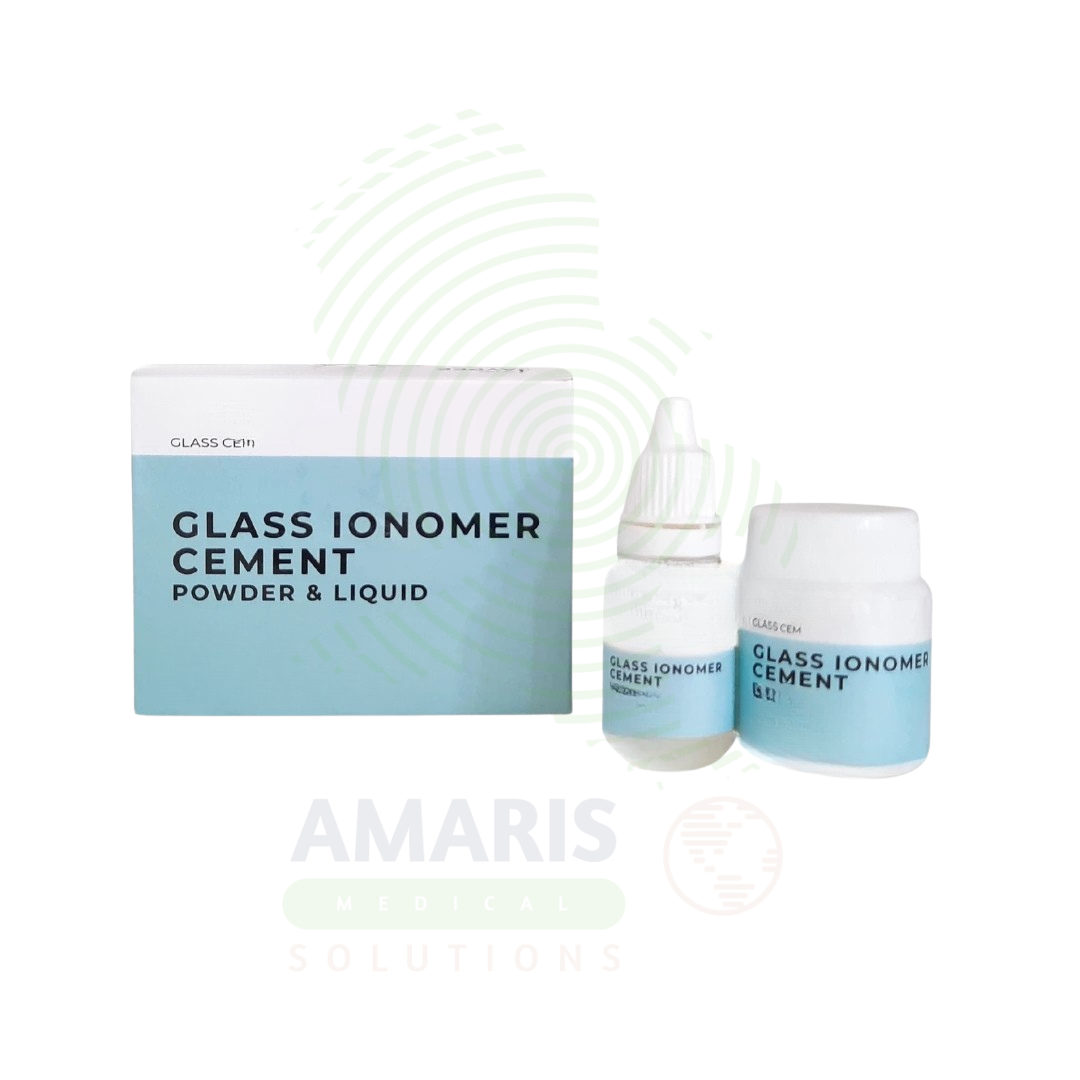
Glass Ionomer Cement
$1.00
WhatsApp Order
Glass Ionomer Cement (GIC) is a versatile, water-based dental material known for its unique ability to chemically bond to tooth structure and release therapeutic fluoride. Used for permanent cementation of restorations, as a filling material in low-stress areas, a cavity liner/base, and a fissure sealant, it promotes tooth health and minimizes recurrent decay. Available as conventional hand-mixed formulas and resin-modified light-cured versions, its success depends critically on proper moisture control during placement. Its biocompatibility, adhesion, and cariostatic properties make it a fundamental material in preventive and restorative dentistry.
Description
Glass Ionomer Cement
PRIMARY CLINICAL & DIAGNOSTIC USES
1. Restoration of Non-Load Bearing Cavities
-
Primary Use: Used as a direct filling material for small to medium-sized cavities, particularly in low-stress areas such as Class III, Class V, and selected Class I restorations, especially in primary teeth.
-
How it helps: For the dentist, glass ionomer cement provides a chemically adhesive, fluoride-releasing restorative that bonds directly to tooth structure without the need for etching or bonding agents—simplifying the placement process. For the patient, especially children, this means restorations that release fluoride to protect against recurrent decay while requiring less chair time and minimal preparation.
2. Luting Cement for Permanent Restorations
-
Primary Use: Used to permanently cement crowns, bridges, inlays, onlays, and orthodontic bands due to its strong adhesion to tooth structure, fluoride release, and biocompatibility.
-
How it helps: For the clinician, glass ionomer luting cement provides reliable, long-term adhesion for fixed prostheses while actively releasing fluoride to inhibit decay at the restoration margin. For the patient, this means a cement that not only holds their crown or bridge securely but also helps protect the underlying tooth from future decay.
3. Cavity Liner and Base
-
Primary Use: Placed as a protective, insulating layer under composite or amalgam restorations in deep cavities, bonding to dentin, releasing fluoride to inhibit recurrent decay, and protecting the pulp.
-
How it helps: For the dentist, glass ionomer provides a biocompatible base that seals the dentin, reduces post-operative sensitivity, and actively protects against secondary caries. For the patient, this means deep restorations are less likely to cause post-operative sensitivity and have a lower risk of recurrent decay.
4. Fissure Sealant
-
Primary Use: Used as a preventative material to seal the deep grooves of posterior teeth, particularly in children, to prevent cavities.
-
How it helps: For the pediatric dentist and general practitioner, glass ionomer sealants provide a moisture-tolerant, fluoride-releasing alternative to resin-based sealants—ideal for young patients where isolation may be challenging. For the child patient, this means effective decay prevention even in less-than-ideal conditions, with the added benefit of ongoing fluoride release.
5. Core Build-Up Material
-
Primary Use: Used to rebuild broken-down tooth structure to provide a foundation for a crown, especially when significant tooth structure is missing.
-
How it helps: For the dentist preparing a tooth for a crown, glass ionomer provides a strong, adhesive core build-up that bonds to remaining tooth structure—creating a stable foundation for the final restoration. For the patient, this means the tooth can be saved and restored with a crown rather than requiring extraction.
6. Fluoride Release and Recharge
-
Primary Use: Continuously releases fluoride ions over time to inhibit demineralization and promote remineralization of adjacent tooth structure, reducing the risk of recurrent decay.
-
How it helps: For the clinician, this therapeutic property makes glass ionomer an ideal material for high-caries-risk patients. For the patient, it provides ongoing protection against decay beyond the initial restoration.
7. Chemical Adhesion to Tooth Structure
-
Primary Use: Bonds directly to enamel and dentin through an ionic exchange mechanism without the need for etching or adhesive systems, creating a chemical seal at the tooth-restoration interface.
-
How it helps: For the dentist, this eliminates the need for a separate bonding step, simplifies placement, and provides a reliable seal that reduces microleakage. For the patient, this means restorations that stay in place and resist marginal leakage.
8. Biocompatibility and Pulpal Protection
-
Primary Use: Exhibits excellent biocompatibility with dental pulp and surrounding tissues, making it suitable for use in deep cavities where pulp protection is essential.
-
How it helps: For the clinician, glass ionomer provides a safe, non-irritating material for deep restorations. For the patient, this reduces the risk of post-operative sensitivity and pulpal complications.
9. Moisture Tolerance
-
Primary Use: Performs well in slightly moist environments, making it suitable for use in areas where complete isolation is difficult to achieve.
-
How it helps: For the dentist working in challenging conditions—such as pediatric patients, subgingival margins, or patients with limited opening—glass ionomer provides a forgiving material that bonds effectively even when complete dryness cannot be achieved. For the patient, this means successful restorations without the need for perfect isolation.
10. Thermal Insulation
-
Primary Use: Provides thermal insulation between metal restorations and the tooth pulp, reducing post-operative sensitivity to temperature changes.
-
How it helps: For the clinician, this property makes glass ionomer an ideal base beneath metal restorations. For the patient, it means reduced sensitivity to hot and cold after restorative procedures.
11. Radiopacity
-
Primary Use: Contains radiopaque components that allow for radiographic detection of the restoration and monitoring of recurrent decay.
-
How it helps: For the dentist, radiopacity enables easy identification of restorations on X-rays and assessment of marginal integrity over time. For the patient, this supports accurate diagnostic monitoring and early detection of potential issues.
SECONDARY & SUPPORTIVE USES
1. Temporary Restorations: Can function as a medium-term temporary filling. For the clinician, glass ionomer provides a durable, therapeutic temporary restoration that releases fluoride during the healing period; for the patient, this means a temporary that actively protects the tooth while awaiting final restoration.
2. Repair of Defective Restorations: Used to repair margins of existing crowns or bridges. For the dentist, this extends the life of existing restorations; for the patient, it avoids the cost and time of complete replacement.
3. Atraumatic Restorative Treatment: Ideal for minimally invasive dentistry in outreach and pediatric settings, as it bonds chemically without need for extensive drilling and can be hand-mixed. For the clinician, this enables care in resource-limited settings; for the patient, it means conservative, gentle treatment with minimal tooth preparation.
4. Endodontic Repair: Used to repair perforations or as a root-end filling material in surgery. For the endodontist, glass ionomer provides a biocompatible, sealing material for managing procedural complications; for the patient, this enables successful management of endodontic complications that might otherwise lead to tooth loss.
5. Orthodontic Band Cementation: Used to cement orthodontic bands due to its fluoride release and strong adhesion. For the orthodontist, this provides caries protection under bands; for the patient, it reduces the risk of white spot lesions during orthodontic treatment.
6. Provisional Restorations: Used as a long-term provisional restoration in patients undergoing comprehensive treatment planning. For the clinician, this provides a stable, therapeutic interim restoration; for the patient, it ensures comfort and function during extended treatment periods.
KEY PRODUCT FEATURES
1. BASIC IDENTIFICATION ATTRIBUTES
-
Type: A water-based cement that sets via an acid-base reaction between fluoroaluminosilicate glass and polyacrylic acid.
-
Designation: GIC, often categorized by type: Conventional/Standard GIC, Resin-Modified GIC (RMGIC), High-Viscosity GIC.
-
Common Types:
-
Type I: Luting Cement: Fine grain, low viscosity for cementation.
-
Type II: Restorative Cement: For direct fillings. Subdivided into:
-
IIa - Aesthetic: For anterior fillings.
-
IIb - Reinforced: For posterior fillings.
-
-
Type III: Liner/Base or Fissure Sealant.
-
Resin-Modified GIC (RMGIC): Contains resin monomers (like HEMA) that allow for light-curing in addition to the chemical cure. Offers higher initial strength, lower solubility, and easier handling.
-
2. TECHNICAL & PERFORMANCE PROPERTIES
-
Setting Reaction: A two-stage reaction: 1) An acid-base reaction between the glass powder and polyacid liquid forms a hydrogel matrix. 2) In RMGICs, a light-activated polymerization of the resin component occurs.
-
Key Properties:
-
Chemical Adhesion: Bonds chemically to tooth structure (enamel and dentin) without requiring a separate adhesive, via ionic exchange at the interface.
-
Fluoride Release: Leaches fluoride ions over a long period, which helps prevent recurrent decay (cariostatic effect) and can remineralize adjacent tooth structure.
-
Biocompatibility: Very low pulp irritation, making it excellent for deep cavities.
-
Coefficient of Thermal Expansion: Similar to tooth structure, reducing marginal leakage.
-
Moisture Sensitivity: Conventional GICs are sensitive to dehydration and moisture contamination during initial setting, which can compromise strength.
-
3. PHYSICAL & OPERATIONAL PROPERTIES
-
Presentation: Powder/Liquid systems (hand-mixed) or pre-dosed capsules for trituration (mechanical mixing).
-
Mixing: Critical for conventional GICs. Must be done quickly (within ~30 sec) on a cool, dry glass slab.
-
Working and Setting Time: Working time is short (~2 min). Initial set occurs in about 5-7 minutes. A final "maturation" continues for 24 hours. RMGICs have a command set with light curing.
-
Finishing: Can be finished immediately with RMGICs; conventional GICs should be finished after 24 hours.
4. SAFETY & COMPLIANCE ATTRIBUTES
-
Regulatory Status: Class II medical device.
-
Biocompatibility: Excellent, due to its hydrophilic nature and low exotherm.
-
Fluoride Safety: The fluoride release is at therapeutic levels and is considered safe.
5. STORAGE & HANDLING ATTRIBUTES
-
Storage: Keep powder dry and liquid tightly capped. Pre-dosed capsules have a shelf life.
-
Shelf Life: Liquid polyacid can gel over time. Check expiration dates.
6. LABORATORY & CLINICAL APPLICATIONS
-
Primary Application: A versatile, adhesive material used extensively in general dentistry, pediatric dentistry, and minimally invasive dentistry.
-
User: Applied by dentists.
SAFETY HANDLING PRECAUTIONS
1. SAFETY PRECAUTIONS
-
Moisture Control During Setting (CRITICAL for Conventional GIC): The tooth must be isolated but kept moist before placement. After placement, the restoration must be protected from both dehydration and saliva for several minutes (usually with a varnish or petroleum jelly) to allow proper setting. Improper moisture control is the leading cause of failure.
-
Surface Preparation: For optimal adhesion, the tooth surface should be cleaned with polyacrylic acid conditioner (or a mild etchant like 10% polyacrylic acid), not phosphoric acid.
-
Incompatibility with Unset Composite: Do not place composite resin over an unset GIC, as the monomers can interfere with the GIC set.
-
Sensitivity: Some patients may experience transient sensitivity post-placement.
2. FIRST AID MEASURES
-
Eye or Skin Contact: Rinse with plenty of water.
-
Ingestion: Rinse mouth. Seek medical attention only if large amounts are ingested.
3. FIRE FIGHTING MEASURES
-
Flammability: Components are not highly flammable.
-
Extinguishing Media: Use appropriate media for surrounding fires.
Related products
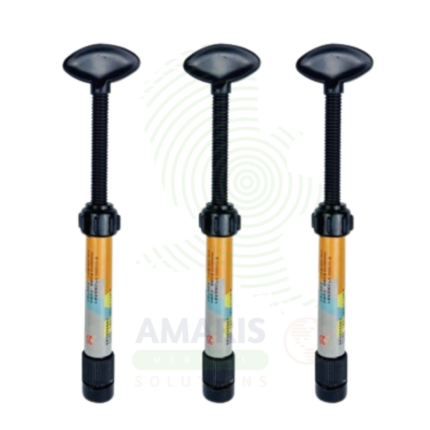
Composite Filling Materials
Composite Filling Materials are tooth-colored, light-cured resin-based materials used for direct dental restorations. They are the standard of care for treating cavities, repairing fractures, and performing cosmetic enhancements due to their excellent aesthetics, adhesive properties, and durability. Available in various viscosities and formulations (hybrid, nano, bulk-fill), their successful use is highly technique-sensitive, requiring impeccable moisture control, strict adherence to adhesive bonding protocols, and proper incremental placement and curing. They have largely replaced dental amalgam for most applications, offering a strong, durable, and esthetic solution that conserves tooth structure.
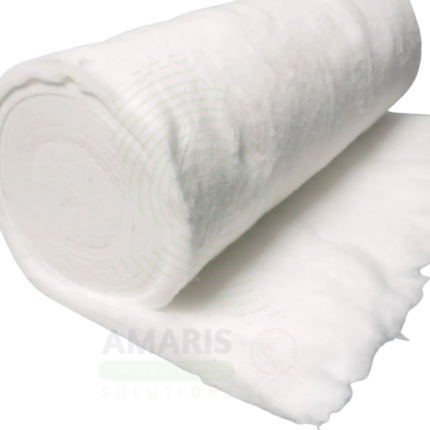
Cotton Rolls
Cotton Rolls are sterile or non-sterile, single-use cylinders of 100% purified, highly absorbent cotton, most commonly used in dentistry for moisture control and oral isolation. Placed in the buccal vestibule or sublingually, they absorb saliva and blood, creating a dry operative field essential for adhesive restorations, impressions, and minor surgical procedures. Standard dimensions are 1.5 inches in length and 0.5 inches in diameter, with jumbo, pediatric, tapered, and banded variants available. Critical performance properties include high absorbency (20-25x fluid weight), wet strength, and low-linting. Sterile rolls are required for surgical procedures contacting open wounds. Strict single-use protocol and careful count/retrieval are mandatory to prevent aspiration hazards. An indispensable, high-volume consumable in dental practice.
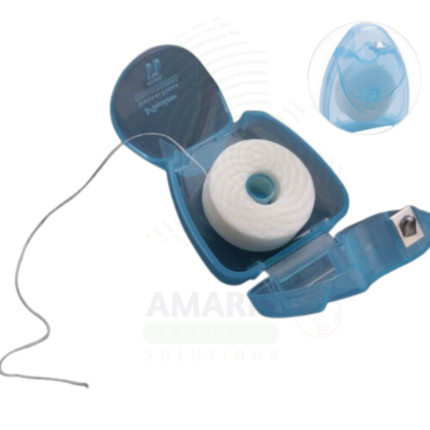
Dental Floss
Dental Floss is a thin, strong filament—available in materials like nylon or PTFE and forms such as waxed, unwaxed, or tape—designed specifically for the mechanical removal of dental plaque biofilm and debris from between teeth (interdental spaces) and below the gumline. Its daily use is a critical, evidence-based practice for preventing interdental tooth decay (caries) and gum disease (gingivitis and periodontitis), forming an indispensable part of a complete oral hygiene routine. Proper technique is essential to avoid gum injury and ensure effective cleaning.
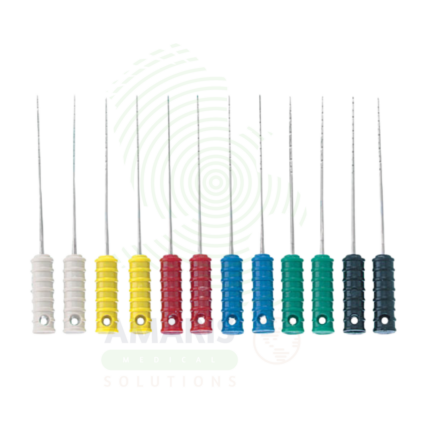
Endodontic Files, Broaches, & Points
Endodontic Files, Broaches, & Points are the essential single-use instruments and materials for root canal therapy. Files (hand and rotary) clean and shape the intricate root canal system, while broaches remove pulp tissue. Gutta-percha points are then used with sealer to permanently obturate (fill) the canal, sealing it against infection. Made from stainless steel or flexible Nickel-Titanium, their use demands precision to avoid complications like instrument separation or canal perforation. Mandatory single-use and disposal, along with strict adherence to aseptic technique under rubber dam isolation, are fundamental to safe and effective endodontic treatment.
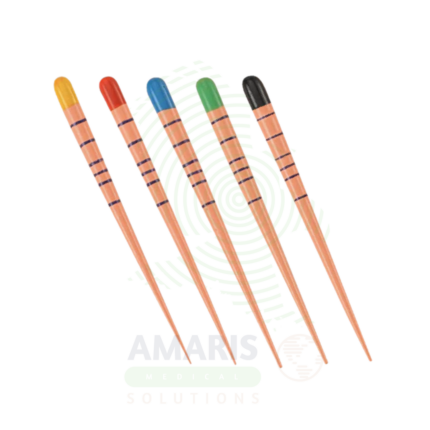
Gutta Percha Points
Gutta Percha Points are cone-shaped, thermoplastic filling materials used as the core component for permanently obturating (filling) root canals after endodontic therapy. Composed of gutta-percha polymer, zinc oxide, and radiopacifiers, they provide a biocompatible, stable, and adaptable fill when used with a sealer. Available in standardized sizes and tapers to match prepared canals, they are employed in cold lateral or warm vertical compaction techniques to achieve a three-dimensional seal that prevents bacterial re-infection. Their correct selection and placement are critical to the long-term success of root canal treatment.
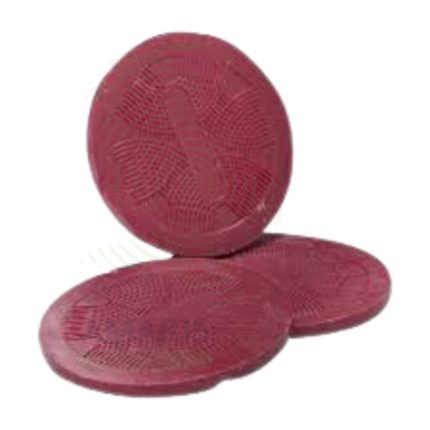
Impression Compound
Impression Compound is a rigid, thermoplastic material used in dentistry primarily for border molding of custom denture trays and preliminary impressions of edentulous arches. Softened by heat and hardened by cooling, it allows for precise functional molding of vestibular borders but cannot be elastically withdrawn from undercuts. Its use demands careful temperature control to avoid burns and ensure proper flow, making it a technique-sensitive material. While largely supplanted by modern elastomers for most impressions, it remains a valuable and sometimes irreplaceable tool in advanced complete denture prosthodontics and certain corrective impression techniques.
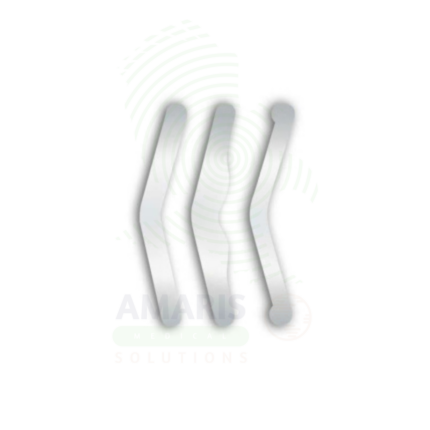
Matrix Bands
Matrix Bands are thin, flexible strips (metal or clear plastic) used in dentistry to create a temporary artificial wall for a missing tooth surface during the placement of direct amalgam or composite restorations. They are essential for confining the restorative material, preventing gingival overhangs, and establishing the correct proximal contour and contact with the adjacent tooth. Used with a retainer (like a Tofflemire) or a sectional matrix system and a wedge, they are a fundamental component of precise, anatomically correct restorative dentistry. Metal bands are reusable, while clear bands for composites are single-use, allowing light transmission for curing.