Dermatoscope and Magnifiers
 Diagnostic Kits
 Vital Signs Monitors
 Stethoscopes and Accessories
 Otoscopes, Ophthalmoscopes, and Retinoscopes
 Reflex Hammers and Neurological Tools
 Scales and Measuring Devices
 Spirometers and Pulmonary Function Tests
 Electrosurgical Units and Accessories
 Cutting Instruments
 Grasping and Holding Instruments
 Hemostatic Instruments
 Specialized Surgical Sets
 Single-Use Procedure Trays and Packs
 Surgical Drapes, Gowns, and Covers
 Tissue Unifying Instruments
 Radiation Protection
 X-Ray Machines and Accessories
 Ultrasound Systems and Probes
 MRI and CT Scanners
 Radiology Consumables
 Bone Densitometers
 Fluoroscopy Equipment
 Imaging Tables and Positioning Aids
 Microscopes and Accessories
 Centrifuges and Separators
 Analyzers
 Incubators and Ovens
 Pipettes, Dispensers, and Lab Glassware
 Refrigerators, Freezers, and Storage Units
 Lab Consumables
 Sterilizers and Autoclaves for Lab Use
 Multi-Parameter Monitors
 Ventilators and Respiratory Support Devices
 Defibrillators and AEDs
 Infusion Pumps and IV Systems
 Patient Warmers and Cooling Devices
 Central Monitoring Stations
 Accessories
 Anesthesia Machines and Workstations
 Oxygen Concentrators and Delivery Systems
 Nebulizers and Inhalers
 CPAP/BiPAP Machines
 Airway Management
 Anesthesia Masks, Circuits, and Bags
 Humidifiers and Heaters
 Respiratory Therapy Accessories
 First Aid Kits and Cabinets
 Emergency Resuscitation Equipment
 Trauma Supplies
 Emergency Carts and Crash Carts
 Burn Care Products
 Bleeding Control
 Automated External Defibrillators (AEDs)
 Transport and Evacuation
 Wheelchairs and Accessories
 Walkers, Crutches, and Canes
 Prosthetics and Orthotics
 Physical Therapy Equipment
 Transfer Devices
 Bathroom Safety
 Orthopedic Traction and Tables
 Hot/Cold Therapy Packs and Units
 Beds and Mattresses
 Chairs and Stools
 Tables
 Cabinets and Storage
 Privacy Screens & Curtains
 Stands and Racks
 Linens and Textiles
 Lighting
 Autoclaves and Sterilizers
 Ultrasonic Cleaners
 Disinfectant Solutions and Wipes
 Sterilization Pouches, Wraps, and Indicators
 Instrument Trays and Containers
 UV and Ozone Disinfection Devices
 Washer Disinfectors
 Wound Care
 Gloves
 Masks and Respirators
 Catheters and Tubing
 Swabs, Applicators, and Sponges
 Incontinence Products
 Personal Protective Equipment (PPE)
 Dental Chairs and Units
 Handpieces and Burs
 Instruments
 Consumables
 Sterilization for Dental Use
 Orthodontic Supplies
 Endodontic Tools
 Slit Lamps and Tonometers
 Lensometers and Phoropters
 Ophthalmic Surgical Instruments
 Eyewear Frames and Lenses
 Contact Lens Supplies
 Vision Testing Charts and Devices
 Eye Care Consumables
 Laser Systems for Eye Care
 ENT Exam Chairs and Tables
 Endoscopes
 Audiometers and Hearing Tests
 ENT Instruments
 Nasal and Throat Packs
 Hearing Aids and Accessories
 Otology Supplies
 Fetal Dopplers and Monitors
 Delivery Beds and Tables
 Gynecological Instruments
 Neonatal Incubators and Warmers
 Breast Pumps and Accessories
 Contraceptive Devices
 Maternity Supports and Pads
 Neonatal Consumables
 Cystoscopes and Urethroscopes
 Dialysis Machines and Supplies
 Urological Catheters and Bags
 Lithotripters
 Prostate Treatment Devices
 Urinary Incontinence Products
 Kidney Stone Management Tools
 Consumables & Disposables
 EEG and EMG Machines
 Neurosurgical Instruments
 Nerve Stimulators
 Headrests and Positioning Aids
 Lumbar Puncture Kits
 Seizure Monitoring Devices
 Consumables
 Rehabilitation for Neurological Conditions
 ECG Machines and Accessories
 Holter Monitors
 Stress Test Systems
 Pacemakers and Defibrillator Accessories
 Vascular Access Devices
 Cardiac Catheters and Guidewires
 Blood Flow Meters
 Consumables
 Orthopedic Instruments
 Casts, Splints, and Padding
 Joint Replacement Supplies
 Prosthetic Limbs and Components
 Bone Grafts and Substitutes
 Traction Devices
 Orthopedic Braces and Supports
 Rehabilitation Aids for Orthopedics
 Home Oxygen Therapy
 Hospital Beds for Home Use
 Mobility Aids
 Bathroom and Daily Living Aids
 Wound Care for Home
 Monitoring Devices
 Enteral Feeding Pumps and Tubes
 Hand Sanitizers and Dispensers
 Face Shields and Goggles
 Isolation Gowns and Suits
 Biohazard Waste Containers
 Air Purifiers and HEPA Filters
 Surface Disinfectants
 Sharps Containers
 Protective Barriers
 Cardiovascular & Endurance Training
 Strength Training & Weightlifting
 Functional Training & Core Conditioning
 Physical Therapy & Rehabilitation
 Sports & Outdoor Recreation
 Gym Flooring & Facility Equipment
 Fitness Monitoring & Accessories
 Kids & Novelties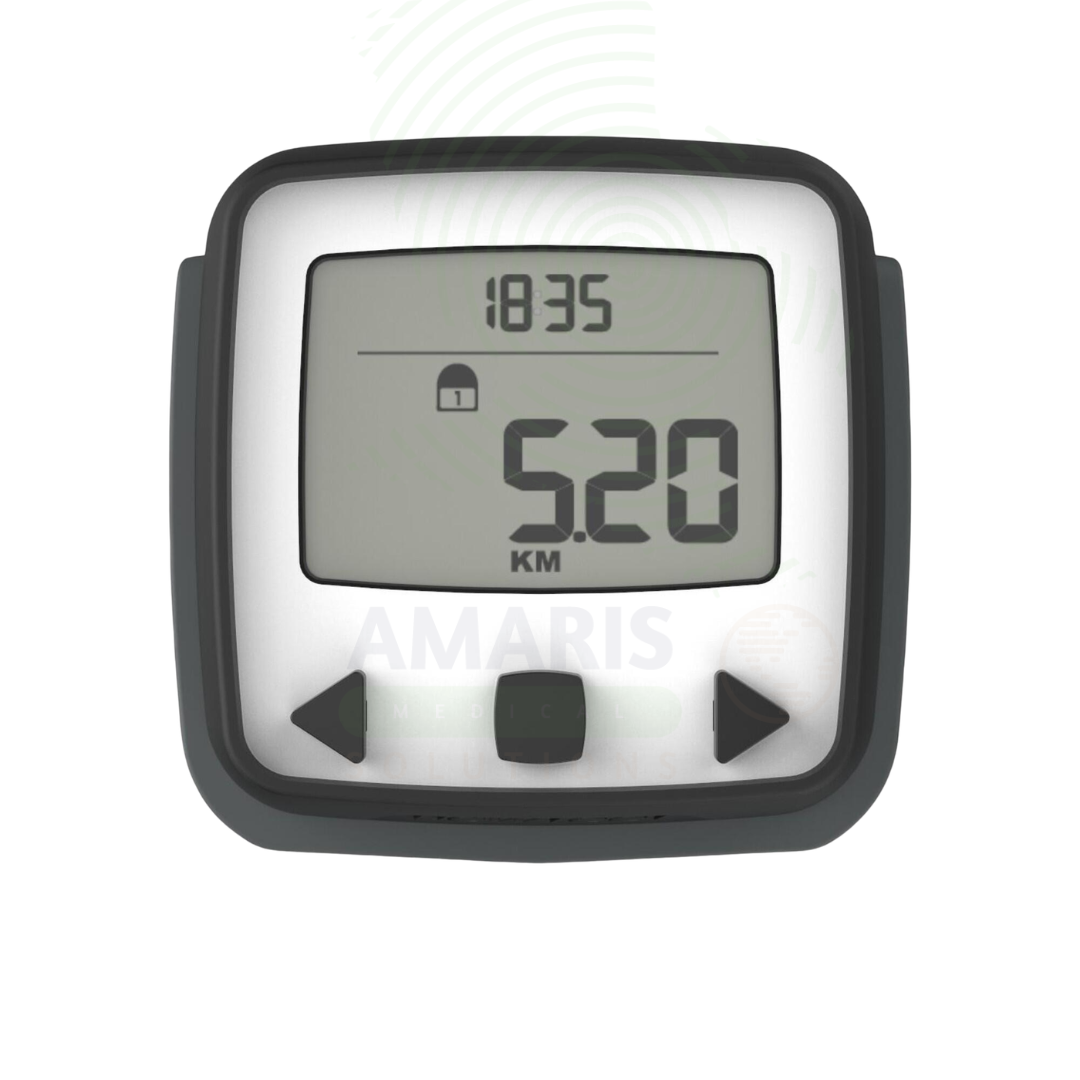
Pedometer
$1.00
WhatsApp Order
A Pedometer is a wearable electronic device that counts steps taken, distance traveled, and calories burned, providing objective data on physical activity levels for health monitoring, rehabilitation, and behavior change. For the primary care physician and physical therapist, the pedometer offers quantifiable data on a patient’s activity level—enabling accurate assessment of baseline mobility, tracking of exercise adherence, and identification of sedentary patients at risk for deconditioning. Setting daily step goals (commonly 10,000 steps per day) promotes adherence to prescribed walking programs for cardiovascular health, weight management, and rehabilitation. In post-operative and rehabilitation settings, pedometers monitor ambulation following total joint replacement, hip fracture, or cardiac surgery—ensuring adequate mobility for recovery while identifying patients who may be sedentary and at risk for complications. For patients with obesity, diabetes, or cardiovascular disease, step tracking provides immediate feedback, motivating increased movement and supporting behavior change for improved health outcomes. Compact, lightweight, and easy to use, the pedometer is a simple, effective tool for promoting physical activity, supporting rehabilitation, and empowering patients to take an active role in their health.
Description
Pedometer
PRIMARY CLINICAL & DIAGNOSTIC USES
1. Objective Measurement of Physical Activity Levels
-
Primary Use: Provides a wearable device that counts steps taken, distance traveled, and calories burned, offering objective data on daily physical activity for assessment and goal setting.
-
How it helps: For the primary care physician and physical therapist, the pedometer provides quantifiable data on a patient’s activity level—enabling accurate assessment of baseline mobility, tracking of exercise adherence, and identification of patients who are sedentary or at risk for deconditioning. For the patient, seeing step counts provides immediate feedback on activity levels, motivating increased movement and supporting behavior change for weight management, cardiovascular health, and overall fitness.
2. Walking Program Adherence and Goal Setting
-
Primary Use: Used to set daily step goals (commonly 10,000 steps per day) and track progress, promoting adherence to prescribed walking programs for cardiovascular health, weight management, and rehabilitation.
-
How it helps: For the cardiologist and exercise physiologist, the pedometer provides a simple, effective tool for prescribing and monitoring walking exercise—enabling patients to set measurable goals and track progress toward recommended activity levels. For the patient with cardiovascular disease, obesity, or diabetes, achieving daily step goals supports weight loss, improves cardiovascular fitness, and reduces cardiac risk factors.
3. Post-Operative and Rehabilitation Mobility Monitoring
-
Primary Use: Used to monitor ambulation in patients recovering from surgery, joint replacement, or injury, ensuring adequate mobility for recovery and preventing deconditioning.
-
How it helps: For the orthopedic surgeon and physical therapist, the pedometer provides objective data on post-operative ambulation—ensuring patients are moving adequately for recovery while identifying those who may be sedentary and at risk for complications. For the patient recovering from total knee replacement, hip fracture, or cardiac surgery, tracking step counts provides motivation to increase mobility and supports adherence to post-operative activity recommendations.
4. Activity Assessment for Chronic Disease Management
-
Primary Use: Used to assess baseline activity levels and monitor changes over time in patients with chronic conditions such as obesity, diabetes, cardiovascular disease, and chronic obstructive pulmonary disease.
-
How it helps: For the endocrinologist and primary care physician, pedometer data provides objective evidence of physical activity patterns—enabling targeted counseling, identification of barriers to activity, and monitoring of response to exercise interventions. For the patient with type 2 diabetes, regular step tracking supports glycemic control through increased physical activity and weight management.
SECONDARY & SUPPORTIVE USES
1. Cardiac Rehabilitation Monitoring: Used to track daily steps during home-based cardiac rehabilitation programs.
2. Pulmonary Rehabilitation Monitoring: Used to monitor ambulation in patients with COPD undergoing pulmonary rehabilitation.
3. Obesity and Weight Management: Used to track activity levels and caloric expenditure for weight loss programs.
4. Diabetes Management: Used to promote physical activity for glycemic control and weight management.
5. Total Joint Replacement Recovery: Used to monitor ambulation following total knee or hip replacement surgery.
6. Hip Fracture Rehabilitation: Used to track walking progress following hip fracture repair.
7. Geriatric Mobility Assessment: Used to monitor activity levels and identify mobility decline in older adults.
8. Fall Prevention Programs: Used to encourage regular walking for lower extremity strength and balance.
9. Workplace Wellness Programs: Used in employee wellness initiatives to promote physical activity.
10. Community Health Interventions: Used in public health programs to increase population physical activity.
11. Sports Training and Conditioning: Used to monitor walking and running volume for athletes.
12. Home Exercise Program: Provides simple, wearable tool for patients to self-monitor activity.
13. Research and Clinical Studies: Used as objective outcome measure for physical activity interventions.
14. Personal Fitness Tracking: Used for general health and wellness monitoring.
KEY PRODUCT FEATURES
1. BASIC IDENTIFICATION ATTRIBUTES
-
Device Type: A wearable electronic device that counts steps taken, distance traveled, and calories burned, used to monitor physical activity levels and promote walking for health and rehabilitation.
-
Designation: Pedometer, Step Counter, Activity Tracker, Digital Pedometer, Walking Pedometer, 3D Pedometer, Smart Pedometer, Clip-On Pedometer, Fitness Tracker.
-
Key Components:
o Sensor: Accelerometer or mechanical pendulum.
o Display: LCD or LED screen showing step count, distance, calories.
o Housing: Plastic or metal case.
o Clip: Belt or waistband clip.
o Strap: Wrist strap or lanyard (some models).
o Battery: Replaceable coin cell or rechargeable.
2. TECHNICAL & PERFORMANCE PROPERTIES
-
Sensor Type: 3D accelerometer (most common), mechanical pendulum (traditional), or GPS (advanced).
-
Step Counting: Typically accurate to +/- 5%.
-
Distance Calculation: Estimates distance based on step count and user stride length.
-
Calorie Calculation: Estimates calories burned based on steps, weight, and pace.
-
Memory: Stores daily step counts; some models store weekly or monthly data.
-
Display: Step count, distance (miles or km), calories, time, activity time.
-
Power: Coin cell battery (lasts several months) or rechargeable.
-
Water Resistance: Splash-resistant or waterproof.
-
Connectivity: Bluetooth to smartphone apps (some models).
-
Stride Length: User-programmable for distance accuracy.
3. PHYSICAL & OPERATIONAL PROPERTIES
-
Size: Compact (typically 1-2 inches).
-
Weight: Very lightweight (typically 0.5-2 ounces).
-
Attachment: Belt clip, waistband clip, wrist strap, or lanyard.
-
Display: Clear digital readout.
-
Operation: Automatic on movement; reset button for daily count.
-
Durability: Moderate durability; protect from moisture and impact.
-
Packaging: Individual retail packaging.
4. SAFETY & COMPLIANCE ATTRIBUTES
-
Regulatory Status: Class I medical device when labeled for therapeutic exercise; consumer product if for general wellness.
-
Accuracy: Manufacturer-specified accuracy range.
-
Battery Safety: Coin cell batteries pose an ingestion hazard; keep away from children.
-
Water Resistance: Check manufacturer rating; not all models are waterproof.
-
Latex-Free: Manufactured without natural rubber latex.
5. STORAGE & HANDLING ATTRIBUTES
-
Storage: Store in a clean, dry location; remove battery for long-term storage.
-
Cleaning: Wipe with soft, dry cloth; avoid moisture.
-
Battery Replacement: Replace coin cell battery per manufacturer instructions; dispose of batteries properly.
-
Reset: Reset daily step count at beginning of each day.
-
Calibration: Enter stride length for accurate distance measurement.
6. LABORATORY & CLINICAL APPLICATIONS
-
Primary Application: Objective measurement of physical activity, walking program adherence, post-operative mobility monitoring, and chronic disease management in primary care, physical therapy, and wellness settings.
-
Clinical Role: Used in primary care, physical therapy, cardiac rehabilitation, pulmonary rehabilitation, diabetes management, obesity programs, and community health for activity monitoring and behavior change.
SAFETY HANDLING PRECAUTIONS
1. SAFETY PRECAUTIONS
-
Proper Placement: Clip pedometer securely to waistband or belt in line with knee for accurate step counting.
-
Avoid Moisture: Protect from water, sweat, and humidity unless the device is waterproof.
-
Battery Safety: Keep coin cell batteries away from children; ingestion hazard.
-
Reset Daily: Reset step count at start of each day for accurate daily tracking.
-
Calibrate Stride: Enter accurate stride length for reliable distance measurement.
-
Not a Medical Diagnostic Device: Pedometer provides activity data; not a substitute for medical assessment.
-
Consult Healthcare Provider: Patients with cardiac, pulmonary, or orthopedic conditions should consult a provider before initiating walking programs.
-
Skin Sensitivity: If worn on the wrist, check for skin irritation; discontinue if irritation occurs.
2. FIRST AID MEASURES
-
Battery Ingestion: If a coin cell battery is swallowed, seek immediate medical attention.
-
Skin Irritation: If skin irritation occurs from wrist strap, discontinue use, clean skin, consider clip-on model.
-
Device Malfunction: If step count appears inaccurate, check placement, battery, and stride length setting.
3. FIRE FIGHTING MEASURES
-
Flammability: Plastic housing is combustible; may melt or burn if exposed to flame or high heat.
-
Extinguishing Media: Use water, foam, dry chemical, or carbon dioxide for fire involving plastic materials.
-
Fire Response: No special fire hazards beyond typical combustible materials.
Related products
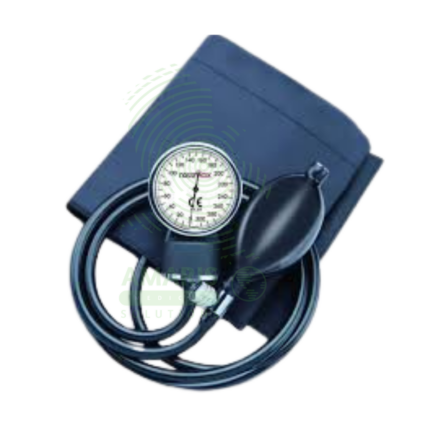
Aneroid Blood Pressure Monitor
The Aneroid Blood Pressure Monitor is a manual, mechanical sphygmomanometer used for the accurate, non-invasive measurement of arterial blood pressure. Operating on the auscultatory method, it consists of an inflatable cuff, a pump bulb with a release valve, and a calibrated dial gauge. Renowned for its reliability, durability, and independence from electrical power, it serves as a clinical gold standard and essential tool in physician offices, hospitals, and for guided home monitoring. Its accuracy is dependent on proper technique, correct cuff size, and regular calibration, making it a fundamental device for diagnosing and managing hypertension and assessing cardiovascular health.
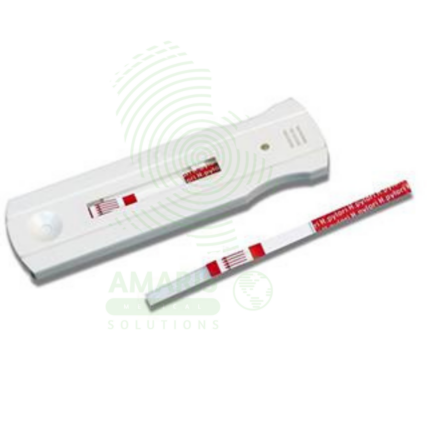
H. pylori Test Strips
H. pylori Test Strips are rapid, lateral flow immunochromatographic devices used for the qualitative detection of Helicobacter pylori antigens in human stool. As a non-invasive stool antigen test (SAT), it provides a convenient and reliable method for diagnosing active H. pylori infection and confirming eradication after therapy, with results available in under 15 minutes. Ideal for use in clinics and outpatient settings, it aids in the management of dyspepsia and peptic ulcer disease. Proper sample handling, adherence to pre-test medication restrictions, and strict biohazard precautions are essential for obtaining accurate results.
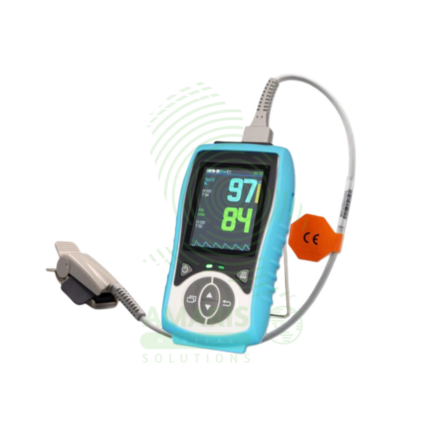
Handheld Pulse Oximeter
A Handheld Pulse Oximeter is a professional-grade, portable medical device used by healthcare providers for accurate and reliable monitoring of blood oxygen saturation (SpO2) and pulse rate. It consists of a durable, feature-rich monitor unit and separate, interchangeable sensors for use on fingers, toes, or ears. Superior to basic fingertip models, it offers advanced functions like configurable alarms, detailed plethysmograph display, trend memory, and data connectivity. Its robust design, clinical accuracy under challenging conditions (motion, low perfusion), and versatility make it an essential tool in hospitals, clinics, ambulances, and home health for patient assessment and monitoring.
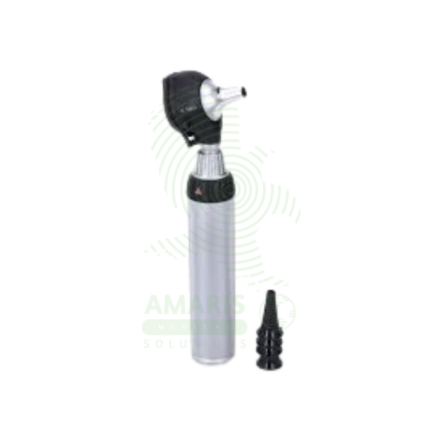
LED Otoscope
An LED Otoscope is a handheld medical device used for illuminating and magnifying the external ear canal and tympanic membrane. Featuring a bright, cool, and long-lasting LED light source, it provides superior visualization for diagnosing common conditions like ear infections, wax impaction, and perforations. Its design, incorporating a reusable handle/head and disposable specula, ensures hygiene and patient safety. As an essential tool in family medicine, pediatrics, and ENT, it enables clinicians to perform accurate otoscopic examinations and, when equipped with an insufflator, crucial pneumatic otoscopy to assess middle ear function.
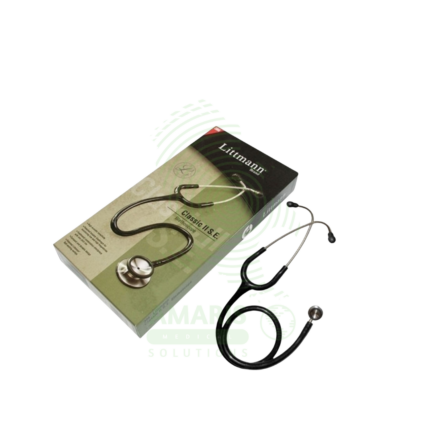
Littmann Stethoscope (Classic II)
A Littmann Stethoscope (Classic II) is a premium, acoustic dual-head stethoscope renowned for its diagnostic clarity, durability, and innovative tunable diaphragm technology. It allows healthcare professionals to hear both high and low-frequency sounds by simply adjusting pressure on the single-sided chestpiece, eliminating the need to rotate it. With its superior acoustics, comfortable fit, and wide range of colors, it is the instrument of choice for medical students, nurses, and physicians across all specialties who require reliable performance for physical assessment, auscultation of heart and lung sounds, and manual blood pressure measurement.
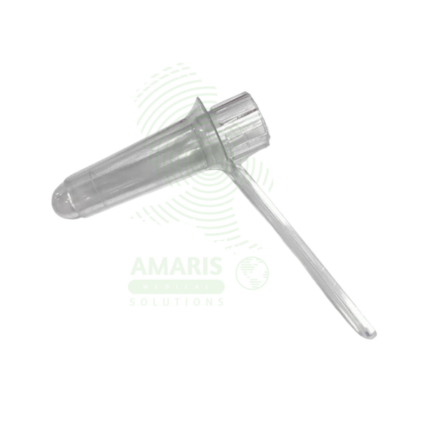
Proctoscope
A Proctoscope is a rigid, straight-tube endoscope specifically designed for the examination and treatment of the anal canal and distal rectum. It enables direct visualization to diagnose conditions like hemorrhoids, fissures, and proctitis, and serves as a conduit for therapeutic procedures such as band ligation. Available in reusable (autoclavable metal) or disposable (single-use plastic) formats, it is a fundamental tool in colorectal practice. Its effective use requires proper patient preparation, gentle insertion technique, and stringent adherence to sterilization protocols to ensure patient safety and diagnostic accuracy.
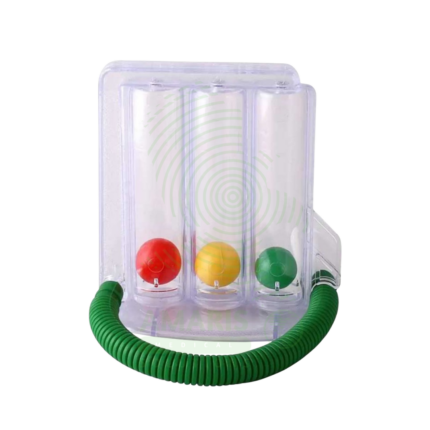
Spirometer
A Spirometer is an essential diagnostic medical device used to measure how much and how quickly air can be inhaled and exhaled by the lungs. By performing forced breathing maneuvers, it generates key parameters—primarily Forced Vital Capacity (FVC) and Forced Expiratory Volume in 1 second (FEV1)—that are fundamental for diagnosing and monitoring obstructive and restrictive lung diseases like Asthma and COPD. Requiring daily calibration and strict adherence to international standards (ATS/ERS), it provides the objective, reproducible data needed for clinical decision-making in pulmonology, primary care, occupational health, and pre-operative assessment.