Dermatoscope and Magnifiers
 Diagnostic Kits
 Vital Signs Monitors
 Stethoscopes and Accessories
 Otoscopes, Ophthalmoscopes, and Retinoscopes
 Reflex Hammers and Neurological Tools
 Scales and Measuring Devices
 Spirometers and Pulmonary Function Tests
 Electrosurgical Units and Accessories
 Cutting Instruments
 Grasping and Holding Instruments
 Hemostatic Instruments
 Specialized Surgical Sets
 Single-Use Procedure Trays and Packs
 Surgical Drapes, Gowns, and Covers
 Tissue Unifying Instruments
 Radiation Protection
 X-Ray Machines and Accessories
 Ultrasound Systems and Probes
 MRI and CT Scanners
 Radiology Consumables
 Bone Densitometers
 Fluoroscopy Equipment
 Imaging Tables and Positioning Aids
 Microscopes and Accessories
 Centrifuges and Separators
 Analyzers
 Incubators and Ovens
 Pipettes, Dispensers, and Lab Glassware
 Refrigerators, Freezers, and Storage Units
 Lab Consumables
 Sterilizers and Autoclaves for Lab Use
 Multi-Parameter Monitors
 Ventilators and Respiratory Support Devices
 Defibrillators and AEDs
 Infusion Pumps and IV Systems
 Patient Warmers and Cooling Devices
 Central Monitoring Stations
 Accessories
 Anesthesia Machines and Workstations
 Oxygen Concentrators and Delivery Systems
 Nebulizers and Inhalers
 CPAP/BiPAP Machines
 Airway Management
 Anesthesia Masks, Circuits, and Bags
 Humidifiers and Heaters
 Respiratory Therapy Accessories
 First Aid Kits and Cabinets
 Emergency Resuscitation Equipment
 Trauma Supplies
 Emergency Carts and Crash Carts
 Burn Care Products
 Bleeding Control
 Automated External Defibrillators (AEDs)
 Transport and Evacuation
 Wheelchairs and Accessories
 Walkers, Crutches, and Canes
 Prosthetics and Orthotics
 Physical Therapy Equipment
 Transfer Devices
 Bathroom Safety
 Orthopedic Traction and Tables
 Hot/Cold Therapy Packs and Units
 Beds and Mattresses
 Chairs and Stools
 Tables
 Cabinets and Storage
 Privacy Screens & Curtains
 Stands and Racks
 Linens and Textiles
 Lighting
 Autoclaves and Sterilizers
 Ultrasonic Cleaners
 Disinfectant Solutions and Wipes
 Sterilization Pouches, Wraps, and Indicators
 Instrument Trays and Containers
 UV and Ozone Disinfection Devices
 Washer Disinfectors
 Wound Care
 Gloves
 Masks and Respirators
 Catheters and Tubing
 Swabs, Applicators, and Sponges
 Incontinence Products
 Personal Protective Equipment (PPE)
 Dental Chairs and Units
 Handpieces and Burs
 Instruments
 Consumables
 Sterilization for Dental Use
 Orthodontic Supplies
 Endodontic Tools
 Slit Lamps and Tonometers
 Lensometers and Phoropters
 Ophthalmic Surgical Instruments
 Eyewear Frames and Lenses
 Contact Lens Supplies
 Vision Testing Charts and Devices
 Eye Care Consumables
 Laser Systems for Eye Care
 ENT Exam Chairs and Tables
 Endoscopes
 Audiometers and Hearing Tests
 ENT Instruments
 Nasal and Throat Packs
 Hearing Aids and Accessories
 Otology Supplies
 Fetal Dopplers and Monitors
 Delivery Beds and Tables
 Gynecological Instruments
 Neonatal Incubators and Warmers
 Breast Pumps and Accessories
 Contraceptive Devices
 Maternity Supports and Pads
 Neonatal Consumables
 Cystoscopes and Urethroscopes
 Dialysis Machines and Supplies
 Urological Catheters and Bags
 Lithotripters
 Prostate Treatment Devices
 Urinary Incontinence Products
 Kidney Stone Management Tools
 Consumables & Disposables
 EEG and EMG Machines
 Neurosurgical Instruments
 Nerve Stimulators
 Headrests and Positioning Aids
 Lumbar Puncture Kits
 Seizure Monitoring Devices
 Consumables
 Rehabilitation for Neurological Conditions
 ECG Machines and Accessories
 Holter Monitors
 Stress Test Systems
 Pacemakers and Defibrillator Accessories
 Vascular Access Devices
 Cardiac Catheters and Guidewires
 Blood Flow Meters
 Consumables
 Orthopedic Instruments
 Casts, Splints, and Padding
 Joint Replacement Supplies
 Prosthetic Limbs and Components
 Bone Grafts and Substitutes
 Traction Devices
 Orthopedic Braces and Supports
 Rehabilitation Aids for Orthopedics
 Home Oxygen Therapy
 Hospital Beds for Home Use
 Mobility Aids
 Bathroom and Daily Living Aids
 Wound Care for Home
 Monitoring Devices
 Enteral Feeding Pumps and Tubes
 Hand Sanitizers and Dispensers
 Face Shields and Goggles
 Isolation Gowns and Suits
 Biohazard Waste Containers
 Air Purifiers and HEPA Filters
 Surface Disinfectants
 Sharps Containers
 Protective Barriers
 Cardiovascular & Endurance Training
 Strength Training & Weightlifting
 Functional Training & Core Conditioning
 Physical Therapy & Rehabilitation
 Sports & Outdoor Recreation
 Gym Flooring & Facility Equipment
 Fitness Monitoring & Accessories
 Kids & Novelties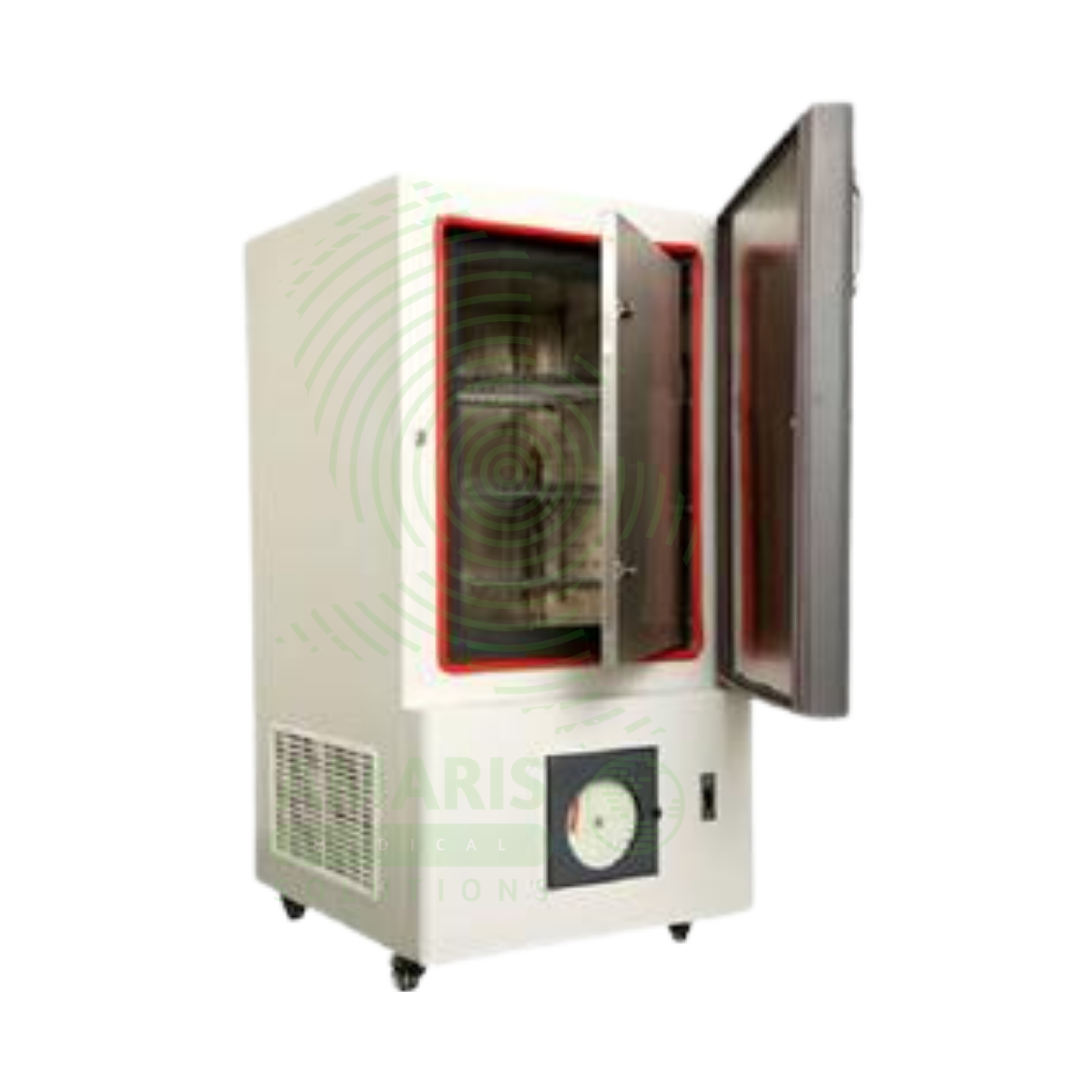
Plasma Blast Freezer
$1.00
WhatsApp Order
A Plasma Blast Freezer is a specialized Class II medical device designed for the rapid freezing of fresh frozen plasma (FFP), cryoprecipitate, and source plasma in blood banking and transfusion medicine. Operating at -30°C to -50°C with high-velocity forced-air circulation, these units achieve core temperatures of -30°C in plasma units within 60-90 minutes, preserving labile coagulation factors (Factor V, Factor VIII) and meeting stringent AABB, FDA, CAP, and EU regulatory requirements. Available in benchtop (10-30 unit) and floor (50-200+ unit) configurations with stainless steel construction, programmable microprocessor controls, multi-point temperature monitoring with product simulators, continuous data logging, and multi-level alarm systems. Primary clinical applications include rapid freezing of fresh frozen plasma (within 8-24 hours of collection), cryoprecipitate production, source plasma freezing for fractionation, controlled-rate freezing of blood components, research applications, emergency preparedness, and biobanking preparation. Critical safety requirements include validated freezing cycles, temperature mapping, redundant monitoring, documented freezing curves, and strict adherence to regulatory standards for plasma component quality and patient safety.
Description
Plasma Blast Freezer
PRIMARY CLINICAL & DIAGNOSTIC USES
1. Rapid Freezing of Fresh Frozen Plasma (FFP):
-
Primary Use: Plasma blast freezers are specifically designed to rapidly freeze fresh plasma to core temperatures of -30°C or colder within 60-90 minutes, preserving labile coagulation factors (Factor V, Factor VIII) and maintaining therapeutic efficacy of plasma for transfusion.
-
How it helps: Preserves the delicate clotting factors that trauma patients and those with bleeding disorders desperately need, ensuring that when plasma is thawed for transfusion, it still contains all the components required to stop bleeding.
2. Cryoprecipitate Production:
-
Primary Use: Rapid freezing is essential for cryoprecipitate manufacturing, as the controlled freezing process affects the yield and quality of Factor VIII, von Willebrand factor, fibrinogen, and Factor XIII in the final cryoprecipitate product.
-
How it helps: Maximizes the recovery of concentrated clotting factors from plasma, ensuring that patients with hemophilia and other bleeding disorders receive the most effective treatment possible from every donation.
3. Freezing of Source Plasma for Fractionation:
-
Primary Use: Used in plasma fractionation facilities to rapidly freeze large volumes of source plasma (500 mL to 1 L bags) for subsequent manufacturing of albumin, immunoglobulins, and clotting factor concentrates.
-
How it helps: Supports the large-scale production of plasma-derived medications that treat everything from immune deficiencies to neurological disorders, making these life-saving treatments available to patients worldwide.
4. Controlled-Rate Freezing of Blood Components:
-
Primary Use: Ensures consistent, reproducible freezing rates for blood components, meeting AABB, FDA, and EU regulatory requirements for plasma freezing and storage.
-
How it helps: Guarantees that every unit of frozen plasma meets the same high quality standards, regardless of when or where it was processed, giving clinicians confidence in the products they transfuse.
5. Research and Development Applications:
-
Primary Use: Used in transfusion medicine research to study freezing protocols, cryopreservation techniques, and the effects of freezing rates on plasma protein stability and function.
-
How it helps: Advances our understanding of how to better preserve blood components, leading to improved products and better outcomes for patients who depend on transfusions.
6. Emergency Preparedness and Mass Casualty Response:
-
Primary Use: Enables rapid freezing of large plasma inventories for emergency preparedness, ensuring availability of fresh frozen plasma for trauma, burn, and massive transfusion protocols.
-
How it helps: Prepares communities for disasters by building reserves of frozen plasma that can be rapidly deployed when mass casualty events strain local blood supplies.
7. Biobanking and Long-Term Storage Preparation:
-
Primary Use: Prepares plasma samples for long-term biobanking by rapid freezing to preserve analytes and prevent degradation during subsequent storage at -20°C to -80°C.
-
How it helps: Creates high-quality biological repositories that researchers can use for years to study diseases, discover biomarkers, and develop new treatments.
SECONDARY & SUPPORTIVE USES
1. Freezing of Research Samples: Rapid freezing of research plasma samples for proteomics, metabolomics, and biomarker studies requiring preservation of labile compounds, supporting scientific discovery.
2. Pharmaceutical and Biologic Manufacturing: Used in manufacturing processes requiring rapid freezing of bulk biological materials, supporting the production of life-saving medications.
3. Veterinary Blood Banking: Freezing of animal plasma for veterinary transfusion medicine applications, extending the benefits of modern medicine to animals.
4. Cell and Tissue Banking: Some units may be used for controlled-rate freezing of cells and tissues (with appropriate validation), supporting regenerative medicine and research.
5. Quality Control and Validation Studies: Used to validate freezing protocols and equipment performance in blood bank quality assurance programs, ensuring ongoing quality and safety.
6. Training and Education: Used in blood bank training programs to demonstrate proper plasma freezing techniques, building the skills of future transfusion medicine professionals.
7. Disaster Response Preparedness: Maintained in strategic locations for rapid plasma freezing during public health emergencies, ensuring communities are ready for crises.
KEY PRODUCT FEATURES
1. BASIC IDENTIFICATION ATTRIBUTES
-
Product Type: Specialized rapid-freezing equipment designed to quickly freeze plasma to core temperatures of -30°C or below for blood banking and transfusion medicine applications.
-
Common Names: Plasma Blast Freezer, Blast Freezer, Rapid Plasma Freezer, Plasma Quick Freezer, Shock Freezer, Flash Freezer.
-
Temperature Range: Typically -30°C to -50°C operating temperature; capable of achieving core temperature of -30°C within 60-90 minutes.
-
Freezing Capacity: 10-200 plasma units per cycle depending on model and configuration.
-
Freezing Technology: Forced-air convection with high-velocity fans or direct contact freezing plates.
-
Control System: Microprocessor controller with programmable freezing cycles, temperature profiling, and data logging.
-
Temperature Monitoring: Multi-point temperature monitoring with sensors in product simulators or representative units.
-
Alarm System: Audible and visual alarms for temperature deviations, cycle completion, and system malfunctions.
-
Validation: Validated freezing cycles with documentation for regulatory compliance (AABB, FDA, EU).
-
Power Requirements: 200-240 VAC, 50/60 Hz, dedicated circuit required; some larger units require 3-phase power.
-
Construction: Stainless steel interior and exterior for durability and easy cleaning; high-density insulation.
2. TECHNICAL & PERFORMANCE PROPERTIES
-
Freezing Temperature: -30°C to -50°C cabinet temperature; capable of achieving -30°C core temperature in plasma units.
-
Freezing Time: 60-90 minutes to reach core temperature of -30°C (varies by unit size, load, and starting temperature).
-
Temperature Uniformity: ±2-3°C throughout the freezing chamber with forced-air circulation.
-
Freezing Capacity: 10-200 plasma units per cycle (typical ranges: 10-30 units benchtop; 50-200 units floor models).
-
Loading Configurations: Shelving systems, racks, or baskets designed for standard plasma bags (250 mL, 500 mL, 1 L).
-
Air Flow: High-velocity, directional air flow for rapid heat transfer; pre-cooled air circulation.
-
Defrost Cycle: Automatic defrost with enhanced condensate management; cycles timed to minimize temperature impact.
-
Temperature Profiling: Ability to program and document complete freezing curves for validation.
-
Data Logging: Continuous temperature recording with audit trail for regulatory compliance.
-
Alarm Systems: Multi-level alarms for temperature excursions, cycle completion, and equipment status.
-
Validation Ports: Access ports for insertion of calibrated temperature sensors for validation studies.
3. PHYSICAL & OPERATIONAL PROPERTIES
-
Dimensions: Varies by capacity: benchtop units 80-120 cm W × 70-90 cm D × 100-150 cm H; floor models larger.
-
Interior Volume: 100-1,000+ liters depending on model.
-
Construction: Stainless steel interior and exterior (medical grade); insulated with high-density polyurethane.
-
Door Configuration: Solid insulated doors with magnetic gaskets; some models with inner glass doors for viewing.
-
Shelving/Racking: Adjustable stainless steel shelves or specialized plasma bag racks; pull-out drawer systems.
-
Loading Systems: Roller racks, pull-out baskets, or fixed shelving designed for plasma bag configurations.
-
Interior Lighting: LED interior lighting for easy loading and unloading.
-
Noise Level: 55-70 dB depending on model and fan operation.
-
Power Requirements: 200-240 VAC, 50/60 Hz, dedicated circuit; larger units may require 3-phase power.
-
Refrigeration System: Heavy-duty compressor system with rapid cool-down and recovery; some units with dual compressors.
-
Certifications: UL/cUL, CE, ISO 13485 compliant manufacturing; AABB guidelines compliance.
4. SAFETY & COMPLIANCE ATTRIBUTES
-
Regulatory Status: Class II medical device (FDA, CE marked); must meet AABB, CAP, and FDA blood bank standards for plasma freezing.
-
Safety Standards: Complies with UL 471 and CSA C22.2 for commercial refrigerators/freezers; IEC 61010-2-011.
-
Temperature Alarm: Audible and visual alarms for temperature deviations (user-settable limits).
-
Cycle Completion Alarm: Indicates when the freezing cycle is complete and products can be transferred to storage.
-
Remote Alarm Contacts: Dry contacts for connection to building management systems.
-
Temperature Monitoring: Multi-point monitoring with sensors in product simulators; continuous data logging.
-
Validation: Pre-programmed validated freezing cycles with documentation; temperature mapping required.
-
Quality Management: Manufactured under ISO 13485 certified processes.
-
Refrigerant: Environmentally friendly, CFC-free refrigerants.
-
Emergency Backup: Battery backup for alarm and monitoring system; generator compatibility.
-
Data Logging: 21 CFR Part 11 compliant data logging available (select models).
-
Audit Trail: Electronic records of all freezing cycles, alarms, and operator actions.
5. STORAGE & HANDLING ATTRIBUTES
-
Installation: Professional installation required; place on level, stable surface; adequate ventilation clearance; dedicated power circuit.
-
Pre-Cooling: Allow 2-4 hours for the unit to reach operating temperature before first use.
-
Loading: Load plasma units in single layers with space between bags for air circulation; avoid overloading.
-
Temperature Monitoring: Use validated product simulators or representative units for temperature verification.
-
Cycle Documentation: Record freezing curves, temperatures, and cycle completion for each batch.
-
Cleaning: Regular cleaning with mild detergent and water; disinfect with appropriate agents; avoid abrasive cleaners.
-
Defrosting: Automatic defrost cycles; monitor condensate drainage.
-
Calibration: Annual temperature calibration verification required; documented for regulatory compliance.
-
Validation: Initial validation and periodic revalidation of freezing cycles; temperature mapping.
-
Maintenance: Regular preventive maintenance per manufacturer schedule; documented service records.
-
Emergency Procedures: Documented plan for freezer failure and product transfer to backup storage.
6. LABORATORY & CLINICAL APPLICATIONS
-
Primary Application: Rapid freezing of plasma for transfusion medicine, meeting AABB, FDA, and EU regulatory requirements for fresh frozen plasma production.
-
Fresh Frozen Plasma (FFP) Production (AABB Standards):
-
Freezing Requirement: Achieve core temperature of -18°C or colder (typically -30°C) within timeframes specified by regulatory standards.
-
Timing: Plasma must be frozen within 8 hours of collection (standard FFP) or 24 hours (FP24).
-
Freezing Rate: Rapid freezing preserves labile coagulation factors (Factor V, Factor VIII).
-
Temperature Monitoring: Documented freezing curves with product simulators.
-
Validation: Validated freezing cycles with temperature mapping.
-
-
Cryoprecipitate Manufacturing:
-
Freezing Process: Rapid freezing essential for optimal cryoprecipitate yield.
-
Thawing: Controlled thawing at 1-6°C for cryoprecipitate production.
-
Quality Control: Freezing rate affects Factor VIII and fibrinogen recovery.
-
-
Source Plasma Freezing:
-
Volume: 500 mL to 1 L bags for fractionation.
-
Freezing: Rapid freezing to maintain protein integrity for downstream manufacturing.
-
Documentation: Complete freezing records for regulatory compliance.
-
-
Regulatory Compliance:
-
AABB Standards: Standards for Blood Banks and Transfusion Services (plasma freezing requirements).
-
FDA: 21 CFR 600-800 regulations for blood components; 21 CFR 211 for GMP manufacturing.
-
CAP: College of American Pathologists accreditation requirements.
-
EU Guidelines: EU Blood Directive requirements for plasma freezing.
-
Pharmaceutical Guidelines: May apply for source plasma used in fractionation.
-
-
Capacity Planning:
-
Throughput: Match freezer capacity to daily plasma collection volume.
-
Batch Processing: Organize freezing cycles by collection time and type (FFP vs. FP24).
-
Storage Transfer: Plan for transfer from blast freezer to long-term storage freezer.
-
SAFETY HANDLING PRECAUTIONS
1. SAFETY PRECAUTIONS
-
Regulatory Compliance: Must meet AABB, FDA, and CAP standards for plasma freezing; regular inspections and audits.
-
Temperature Monitoring: Use validated product simulators for each freeze cycle; document complete freezing curves.
-
Cycle Validation: Initial validation and periodic revalidation of freezing cycles required; document all parameters.
-
Loading Procedures: Follow validated loading patterns; do not overload or block air flow.
-
Door Management: Minimize door openings during cooling; fully close between loads.
-
Product Handling: Pre-cool plasma at 1-6°C before freezing when indicated; document pre-freeze temperatures.
-
Expiration Dating: Freezing date establishes expiration (typically 12 months for FFP at -18°C).
-
Power Outage: Emergency plan with backup power; monitor temperatures during outage.
-
Spill Cleanup: Blood bag breakage requires special handling; use PPE; follow biohazard protocols.
-
Training: All staff must be trained on freezer operation, loading procedures, and alarm response; documented training.
-
Documentation: Complete records of all freezing cycles, temperatures, and alarms for regulatory compliance.
-
Maintenance: Regular preventive maintenance by qualified technicians; documented service records.
2. FIRST AID MEASURES
-
Temperature Excursion During Freezing: Evaluate if cycle can be completed; if not, remove products and reassign for alternative use (e.g., fractionation rather than transfusion). Document excursion fully.
-
Power Failure During Cycle: Monitor chamber temperature; if prolonged, transfer products to a validated backup unit. Document all actions.
-
Blood Bag Breakage During Loading: Wear appropriate PPE. Carefully remove intact bags; contain spill. Disinfect area with 10% bleach solution; dispose of biohazard waste.
-
Refrigerant Leak: Evacuate area; ventilate; call facility maintenance; follow refrigerant safety protocols.
-
Freezer Failure: Activate emergency transfer plan; move products to validated backup freezer. Document temperatures; notify blood bank medical director.
-
Personal Injury (Cold Burns): Warm affected area gradually with lukewarm water (not hot); seek medical attention if severe.
3. FIRE FIGHTING MEASURES
-
Flammability: Refrigerants may be flammable (check specifications); electrical components combustible.
-
Extinguishing Media: For electrical fire, use CO₂ or dry chemical (Class C) extinguisher; CO₂ preferred.
-
Power Off: Disconnect power if safe to do so; emergency shutoff accessible.
-
Refrigerant Fire: Some refrigerants may produce toxic gases; use SCBA in enclosed spaces.
-
Evacuation: Evacuate area; follow facility fire protocols.
-
Product Protection: If safe, protect plasma products from heat and smoke; assess usability per medical director.
Related products
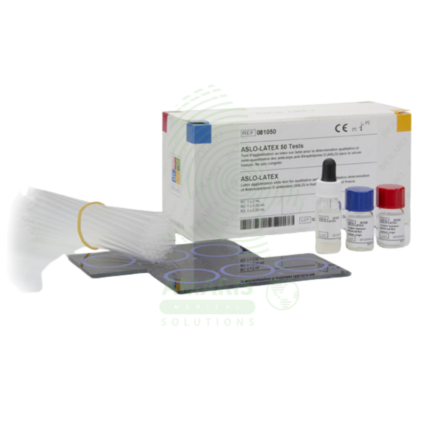
Anti-Streptol Olysin O Titer (ASOT)
Anti-Streptol Olysin O Titer (ASOT) is a quantitative or semi-quantitative serological test (latex agglutination, turbidimetry, nephelometry, or ELISA) for detecting antibodies against streptolysin O, an exotoxin produced by Group A Streptococcus. Elevated or rising titers indicate recent streptococcal infection and are essential for diagnosing post-streptococcal sequelae including acute rheumatic fever (Jones criteria) and post-streptococcal glomerulonephritis. The test requires serum samples; acute and convalescent (2-4 weeks apart) with fourfold rise confirms recent infection. Reference range typically <200-250 Todd units/mL (adults), varies by age and population. Primary clinical applications include diagnosis of Group A streptococcal infections, acute rheumatic fever evaluation, post-streptococcal glomerulonephritis diagnosis, differentiation of acute vs. past infection, evaluation of unexplained arthritis or carditis, pediatric inflammatory conditions (PANDAS), and monitoring disease activity in rheumatic fever. Critical safety precautions include proper timing of acute and convalescent samples, awareness of false negatives/positives, clinical correlation for diagnosis, and standard biohazard precautions. Essential test for rheumatology, nephrology, cardiology, and infectious disease practice.
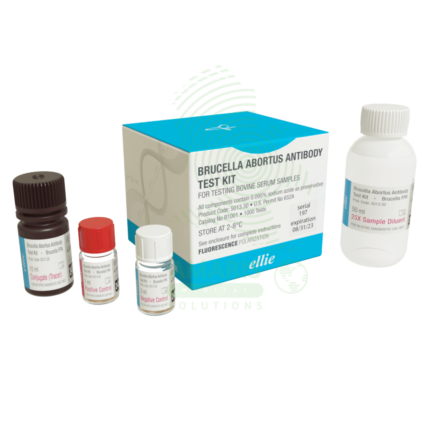
Brucella Set
A Brucella Set is a comprehensive serological test system (Class II medical device, CE-marked/FDA-cleared) for qualitative and quantitative detection of antibodies against Brucella species (B. abortus, B. melitensis, B. suis, B. canis) using multiple methodologies including tube agglutination, slide agglutination, and 2-mercaptoethanol (2-ME) testing. The set includes killed, stained Brucella antigens, positive and negative controls, dilution tubes, reaction cards, and 2-ME reagent for IgM/IgG differentiation. Diagnostic titer ≥1:160 or fourfold rise confirms brucellosis. Primary clinical applications include diagnosis of brucellosis in endemic regions (undulant fever, night sweats, arthralgia), fever of unknown origin investigation, occupational health screening in high-risk workers (veterinarians, farmers, slaughterhouse workers), diagnosis of focal complications (sacroiliitis, spondylitis, meningitis, endocarditis), treatment monitoring (fourfold decline indicates response), outbreak investigation, and public health surveillance. Critical safety precautions include handling all samples in biosafety cabinet (Brucella is highly infectious via aerosol), 2-ME reagent toxicity (use fume hood), awareness of prozone phenomenon (serial dilutions essential), cross-reactions with other Gram-negative bacteria, and mandatory reporting to public health authorities. Essential test for brucellosis diagnosis in endemic regions and occupational health settings.
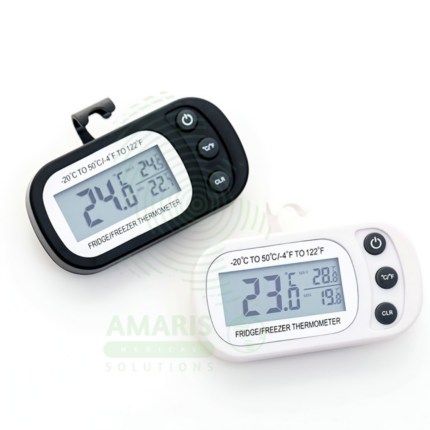
Fridge Thermometer
A Fridge Thermometer is a precision temperature monitoring device designed for continuous use inside medical and laboratory refrigerators and freezers. Its primary role is to safeguard the potency of vaccines, medications, and biological samples by ensuring storage temperatures remain within a critical specified range (e.g., +2°C to +8°C). Available in analog or digital formats, accurate models with memory functions are essential for compliance with cold chain protocols, requiring daily monitoring, logging, and regular calibration. It is a fundamental quality control tool in pharmacies, clinics, immunization centers, and laboratories.
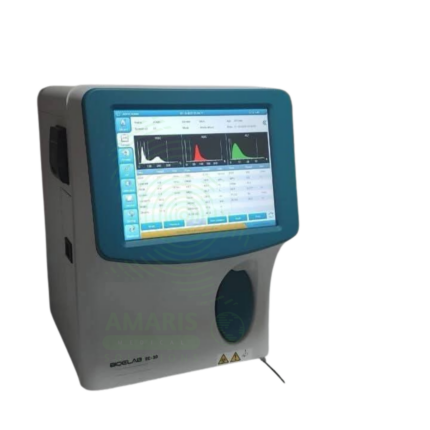
Hematology Analyzer
A Hematology Analyzer is a compact, automated benchtop analyzer designed to perform Complete Blood Counts (CBC) with a 3-part white blood cell differential. Utilizing impedance and photometric methods, it delivers rapid, precise results for red blood cells, white blood cells, platelets, and key indices from a small blood sample. Ideal for physician offices, small clinics, and satellite laboratories, it enables in-house hematology testing with walk-away operation. Its automated flagging system highlights abnormal results that require further manual smear review. As a core instrument for initial hematological screening, it combines efficiency with essential diagnostic capability for routine patient management.
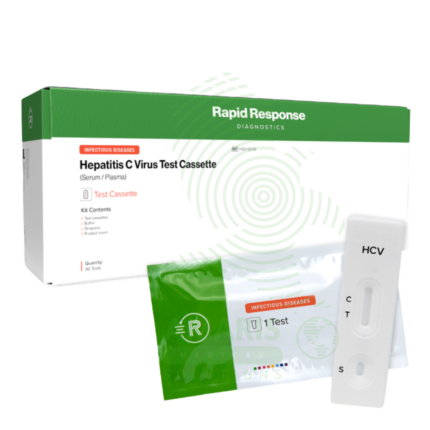
Hepatitis C Test Kit
The Hepatitis C Test Kit is an in vitro diagnostic device for the detection of Hepatitis C virus antibodies or RNA in human blood, serum, or plasma samples. Available in rapid, laboratory immunoassay, and molecular formats, it screens for HCV infection, confirms active infection with RNA testing, and monitors treatment response. With high sensitivity and specificity exceeding 99%, it is essential for identifying infected individuals, linking them to curative direct-acting antiviral therapy, and confirming cure. Essential applications include risk-based screening of high-risk populations, birth cohort screening of baby boomers, evaluation of acute hepatitis, management of occupational exposures, and monitoring of antiviral therapy that can cure over 95% of infections. All patient samples must be handled with universal precautions, and positive antibody results require confirmatory testing.
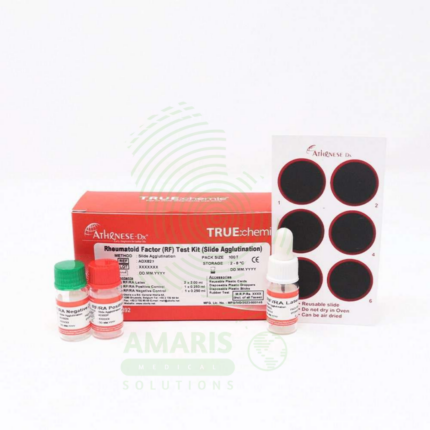
Rheumatoid factor
Rheumatoid Factor (RF) testing is a quantitative or semi-quantitative serological assay (nephelometry, turbidimetry, latex agglutination, or ELISA) for detecting autoantibodies against the Fc portion of immunoglobulin G, primarily of the IgM isotype. RF is a key marker in the ACR/EULAR classification criteria for rheumatoid arthritis, with sensitivity 60-80% and specificity 70-90%. Test requires serum samples; results reported in IU/mL (reference <15-20 IU/mL) or titer. Primary clinical applications include diagnosis and classification of rheumatoid arthritis, prognostic assessment (high-titer RF correlates with severe, erosive disease), differential diagnosis of inflammatory arthritis, monitoring disease activity, diagnosis of Sjögren's syndrome, evaluation of mixed cryoglobulinemia (hepatitis C-associated), and assessment of other autoimmune and chronic inflammatory conditions. Critical safety precautions include awareness of false positives (other autoimmune diseases, chronic infections, healthy elderly), false negatives (seronegative RA 20-30%), need for clinical correlation, and anti-CCP antibody testing to improve diagnostic accuracy. Essential test for rheumatology practice, autoimmune disease evaluation, and differential diagnosis of inflammatory arthritis.
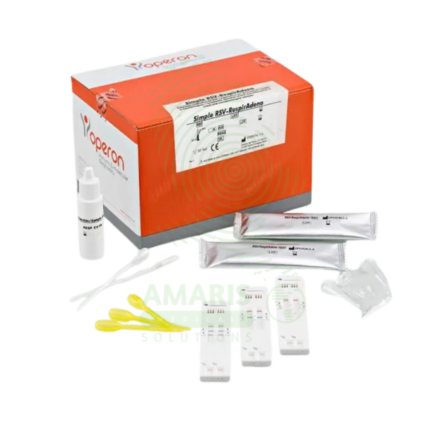
Rota virus
Rota virus rapid tests are immunochromatographic assays (CE-marked, FDA-cleared for some brands) for qualitative detection of rotavirus group A antigens in stool specimens, providing results in 10-20 minutes. The test principle uses monoclonal or polyclonal antibodies against rotavirus antigens (typically VP6 protein) immobilized on membranes, capturing antigens that form a visible line. Sensitivity 90-98%, specificity 95-99% compared to ELISA or PCR. The kit includes individually foil-wrapped test devices, sample diluent, and collection applicators. Primary clinical applications include rapid diagnosis of acute gastroenteritis in children (rotavirus is the leading cause of severe diarrhea in under-5 children), outbreak investigation in daycare centers and schools, hospital infection control and isolation precautions, differential diagnosis of acute diarrhea (viral vs. bacterial vs. parasitic), vaccine effectiveness monitoring and surveillance, assessment of dehydration risk, and evaluation of immunocompromised patients. Critical safety precautions include proper specimen collection (clean container, avoid contamination), biological hazard precautions (all stool potentially infectious), quality control verification, and awareness that a negative test does not rule out other causes of gastroenteritis. Essential tool for pediatric gastroenteritis management, infection control, and public health surveillance.