Dermatoscope and Magnifiers
 Diagnostic Kits
 Vital Signs Monitors
 Stethoscopes and Accessories
 Otoscopes, Ophthalmoscopes, and Retinoscopes
 Reflex Hammers and Neurological Tools
 Scales and Measuring Devices
 Spirometers and Pulmonary Function Tests
 Electrosurgical Units and Accessories
 Cutting Instruments
 Grasping and Holding Instruments
 Hemostatic Instruments
 Specialized Surgical Sets
 Single-Use Procedure Trays and Packs
 Surgical Drapes, Gowns, and Covers
 Tissue Unifying Instruments
 Radiation Protection
 X-Ray Machines and Accessories
 Ultrasound Systems and Probes
 MRI and CT Scanners
 Radiology Consumables
 Bone Densitometers
 Fluoroscopy Equipment
 Imaging Tables and Positioning Aids
 Microscopes and Accessories
 Centrifuges and Separators
 Analyzers
 Incubators and Ovens
 Pipettes, Dispensers, and Lab Glassware
 Refrigerators, Freezers, and Storage Units
 Lab Consumables
 Sterilizers and Autoclaves for Lab Use
 Multi-Parameter Monitors
 Ventilators and Respiratory Support Devices
 Defibrillators and AEDs
 Infusion Pumps and IV Systems
 Patient Warmers and Cooling Devices
 Central Monitoring Stations
 Accessories
 Anesthesia Machines and Workstations
 Oxygen Concentrators and Delivery Systems
 Nebulizers and Inhalers
 CPAP/BiPAP Machines
 Airway Management
 Anesthesia Masks, Circuits, and Bags
 Humidifiers and Heaters
 Respiratory Therapy Accessories
 First Aid Kits and Cabinets
 Emergency Resuscitation Equipment
 Trauma Supplies
 Emergency Carts and Crash Carts
 Burn Care Products
 Bleeding Control
 Automated External Defibrillators (AEDs)
 Transport and Evacuation
 Wheelchairs and Accessories
 Walkers, Crutches, and Canes
 Prosthetics and Orthotics
 Physical Therapy Equipment
 Transfer Devices
 Bathroom Safety
 Orthopedic Traction and Tables
 Hot/Cold Therapy Packs and Units
 Beds and Mattresses
 Chairs and Stools
 Tables
 Cabinets and Storage
 Privacy Screens & Curtains
 Stands and Racks
 Linens and Textiles
 Lighting
 Autoclaves and Sterilizers
 Ultrasonic Cleaners
 Disinfectant Solutions and Wipes
 Sterilization Pouches, Wraps, and Indicators
 Instrument Trays and Containers
 UV and Ozone Disinfection Devices
 Washer Disinfectors
 Wound Care
 Gloves
 Masks and Respirators
 Catheters and Tubing
 Swabs, Applicators, and Sponges
 Incontinence Products
 Personal Protective Equipment (PPE)
 Dental Chairs and Units
 Handpieces and Burs
 Instruments
 Consumables
 Sterilization for Dental Use
 Orthodontic Supplies
 Endodontic Tools
 Slit Lamps and Tonometers
 Lensometers and Phoropters
 Ophthalmic Surgical Instruments
 Eyewear Frames and Lenses
 Contact Lens Supplies
 Vision Testing Charts and Devices
 Eye Care Consumables
 Laser Systems for Eye Care
 ENT Exam Chairs and Tables
 Endoscopes
 Audiometers and Hearing Tests
 ENT Instruments
 Nasal and Throat Packs
 Hearing Aids and Accessories
 Otology Supplies
 Fetal Dopplers and Monitors
 Delivery Beds and Tables
 Gynecological Instruments
 Neonatal Incubators and Warmers
 Breast Pumps and Accessories
 Contraceptive Devices
 Maternity Supports and Pads
 Neonatal Consumables
 Cystoscopes and Urethroscopes
 Dialysis Machines and Supplies
 Urological Catheters and Bags
 Lithotripters
 Prostate Treatment Devices
 Urinary Incontinence Products
 Kidney Stone Management Tools
 Consumables & Disposables
 EEG and EMG Machines
 Neurosurgical Instruments
 Nerve Stimulators
 Headrests and Positioning Aids
 Lumbar Puncture Kits
 Seizure Monitoring Devices
 Consumables
 Rehabilitation for Neurological Conditions
 ECG Machines and Accessories
 Holter Monitors
 Stress Test Systems
 Pacemakers and Defibrillator Accessories
 Vascular Access Devices
 Cardiac Catheters and Guidewires
 Blood Flow Meters
 Consumables
 Orthopedic Instruments
 Casts, Splints, and Padding
 Joint Replacement Supplies
 Prosthetic Limbs and Components
 Bone Grafts and Substitutes
 Traction Devices
 Orthopedic Braces and Supports
 Rehabilitation Aids for Orthopedics
 Home Oxygen Therapy
 Hospital Beds for Home Use
 Mobility Aids
 Bathroom and Daily Living Aids
 Wound Care for Home
 Monitoring Devices
 Enteral Feeding Pumps and Tubes
 Hand Sanitizers and Dispensers
 Face Shields and Goggles
 Isolation Gowns and Suits
 Biohazard Waste Containers
 Air Purifiers and HEPA Filters
 Surface Disinfectants
 Sharps Containers
 Protective Barriers
 Cardiovascular & Endurance Training
 Strength Training & Weightlifting
 Functional Training & Core Conditioning
 Physical Therapy & Rehabilitation
 Sports & Outdoor Recreation
 Gym Flooring & Facility Equipment
 Fitness Monitoring & Accessories
 Kids & Novelties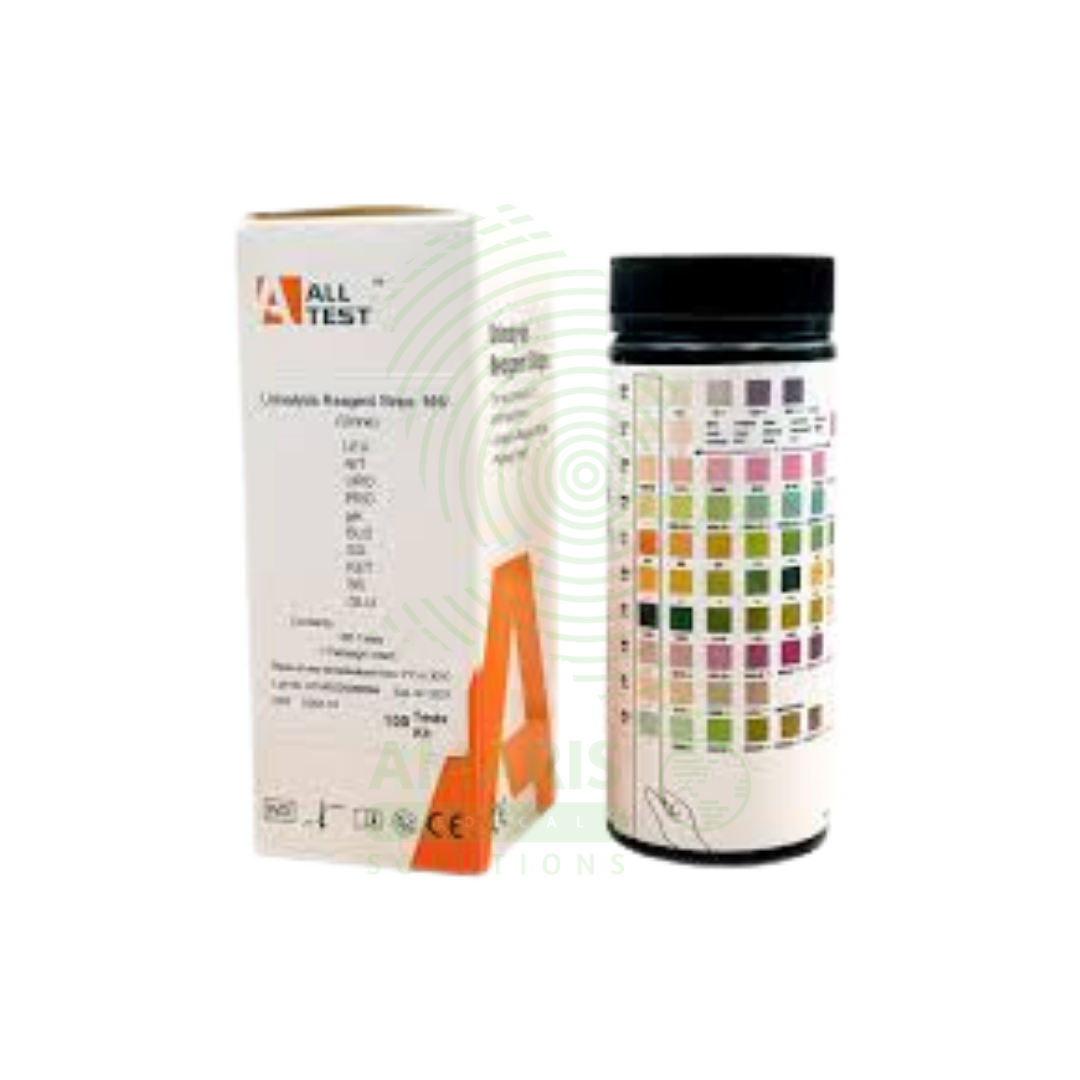
Urinalysis strips
$1.00
WhatsApp Order
Urinalysis Strips are Class II medical devices (FDA-cleared) consisting of plastic strips with multiple reagent-impregnated pads for simultaneous semi-quantitative detection of urine analytes including leukocytes, nitrites, urobilinogen, protein, pH, blood, specific gravity, ketones, bilirubin, and glucose. Results read by visual comparison to color chart at specified times (30-120 seconds). Primary clinical applications include routine health screening, urinary tract infection diagnosis, diabetes screening and monitoring, kidney disease assessment (proteinuria), hematuria detection, liver function evaluation, and pregnancy monitoring (preeclampsia screening). Critical safety precautions include proper specimen collection (fresh urine), storage at 15-30°C in original container with desiccant, protection from humidity, reading at exact specified times, awareness of interfering substances (ascorbic acid), and confirmation of abnormal results with quantitative tests. Essential screening tool in primary care, emergency medicine, nephrology, urology, and obstetrics.
Description
Urinalysis strips
PRIMARY CLINICAL & DIAGNOSTIC USES
1. Routine Health Screening and Preventive Care:
-
Primary Use: Used in annual physical examinations, wellness checks, and pre-employment screenings to detect early signs of kidney disease, urinary tract infections, diabetes, and liver disorders before symptoms develop, enabling early intervention and improved health outcomes.
-
How it helps: Offers a simple, inexpensive window into overall health, catching silent problems like early kidney damage or diabetes years before they would otherwise cause symptoms.
2. Urinary Tract Infection (UTI) Diagnosis:
-
Primary Use: Rapid detection of leukocyte esterase (indicating white blood cells) and nitrites (indicating bacterial conversion) provides strong evidence for UTI diagnosis, enabling prompt antibiotic therapy and reducing risk of pyelonephritis and sepsis.
-
How it helps: Provides quick answers for patients suffering from painful urination and urgency, confirming a UTI in minutes so treatment can start immediately rather than waiting days for culture results.
3. Diabetes Screening and Monitoring:
-
Primary Use: Detection of glucose in urine suggests hyperglycemia and possible diabetes mellitus, while ketone detection is critical for monitoring diabetic ketoacidosis (DKA) in patients with Type 1 diabetes and for managing ketogenic diets.
-
How it helps: Serves as an early warning system for undiagnosed diabetes and a critical safety check for diabetics, alerting them when blood sugar is dangerously high and ketones are building up.
4. Kidney Disease and Proteinuria Assessment:
-
Primary Use: Protein detection identifies proteinuria, an early marker of kidney damage in conditions such as diabetic nephropathy, hypertensive nephrosclerosis, glomerulonephritis, and preeclampsia in pregnancy, guiding further evaluation and treatment.
-
How it helps: Reveals the earliest signs of kidney damage long before blood tests become abnormal, giving doctors a chance to intervene and slow disease progression.
5. Hematuria Detection:
-
Primary Use: Blood (hemoglobin) on dipstick indicates possible urinary tract infection, kidney stones, glomerulonephritis, trauma, or malignancy, prompting further investigation with microscopy and imaging.
-
How it helps: Alerts clinicians to blood in the urine that may signal anything from a simple infection to a kidney stone or even cancer, guiding the next steps in diagnosis.
6. Liver Function and Biliary Tract Assessment:
-
Primary Use: Bilirubin and urobilinogen detection helps evaluate liver function and biliary obstruction, with abnormal results suggesting hepatitis, cirrhosis, gallstones, or other hepatobiliary disorders.
-
How it helps: Provides clues to liver problems from a simple urine test, catching issues like hepatitis or bile duct obstruction that might otherwise go undetected until more advanced.
7. Pregnancy Monitoring and Preeclampsia Screening:
-
Primary Use: Used in prenatal care to detect proteinuria (preeclampsia), glucosuria (gestational diabetes), and urinary tract infections, all of which require prompt management to ensure maternal and fetal health.
-
How it helps: Protects both mother and baby during pregnancy by catching complications like preeclampsia and gestational diabetes early, when they can be managed to prevent serious outcomes.
SECONDARY & SUPPORTIVE USES
1. Preoperative Assessment: Routine urinalysis is often performed before surgery to detect occult urinary tract infections or renal impairment that could affect surgical outcomes, ensuring patients are optimized for procedures.
2. Emergency Department Triage: Rapid dipstick testing helps evaluate patients with abdominal pain, flank pain, dysuria, or altered mental status, guiding immediate management decisions in busy emergency settings.
3. Nursing Home and Long-Term Care Monitoring: Regular dipstick testing in elderly residents helps detect asymptomatic bacteriuria and monitor for UTIs in populations with atypical presentations, protecting vulnerable older adults.
4. Sports Medicine and Dehydration Assessment: Specific gravity and ketone measurements help assess hydration status and metabolic stress in athletes, optimizing performance and preventing heat-related illness.
5. Occupational Health Screening: Used in workplace settings to screen for kidney damage from occupational exposures to heavy metals or solvents, protecting workers from job-related health risks.
6. Veterinary Medicine: Adapted for use in animal health to screen for urinary tract infections, kidney disease, and metabolic disorders in companion animals and livestock, extending this simple diagnostic tool to veterinary patients.
7. Research and Epidemiological Studies: Used in large-scale population studies to screen for diabetes, kidney disease, and urinary abnormalities, contributing to public health knowledge and policy.
KEY PRODUCT FEATURES
1. BASIC IDENTIFICATION ATTRIBUTES
-
Product Type: Single-use, disposable plastic strips with separate reagent-impregnated pads for simultaneous detection of multiple urine analytes.
-
Common Names: Urinalysis Strips, Dipsticks, Urine Reagent Strips, Urine Test Strips.
-
Parameters (10-Parameter Strips): Leukocytes, Nitrites, Urobilinogen, Protein, pH, Blood, Specific Gravity, Ketones, Bilirubin, Glucose.
-
Sample Type: Fresh, well-mixed urine (clean-catch midstream preferred).
-
Test Time: 30-120 seconds depending on parameter (read at specific intervals per manufacturer).
2. TECHNICAL & PERFORMANCE PROPERTIES
-
Glucose: Glucose oxidase/peroxidase reaction; detects 50-100 mg/dL; indicates glycosuria (diabetes, renal disorders).
-
Protein: Protein error of pH indicators; detects 15-30 mg/dL; indicates proteinuria (glomerular disease, preeclampsia).
-
Blood: Peroxidase-like activity of hemoglobin; detects 5-10 RBC/µL; indicates hematuria (infection, stones, trauma).
-
Leukocytes: Esterase activity of granulocytes; detects 5-15 leukocytes/µL; indicates pyuria (UTI, inflammation).
-
Nitrites: Griess reaction; detects 0.05-0.1 mg/dL nitrite; indicates bacteriuria (UTI, Gram-negative organisms).
-
Ketones: Nitroprusside reaction; detects 5-10 mg/dL acetoacetate; indicates ketonuria (DKA, starvation, ketogenic diet).
-
Bilirubin: Diazotization reaction; detects 0.2-0.5 mg/dL; indicates conjugated hyperbilirubinemia (hepatitis, obstruction).
-
Urobilinogen: Ehrlich aldehyde reaction; detects 0.1-1.0 Ehrlich units/dL; indicates hepatocellular disease, hemolysis.
-
pH: Double indicator system; range 5.0-9.0; indicates acid-base status, UTI (alkaline urine suggests urea-splitting organisms).
-
Specific Gravity: Polyionic polymer; range 1.000-1.030; indicates hydration status, renal concentrating ability.
3. PHYSICAL & OPERATIONAL PROPERTIES
-
Strip Dimensions: Approximately 10-12 cm length × 0.5 cm width.
-
Packaging: Vials of 25-100 strips with desiccant; amber or opaque to protect from light.
-
Shelf Life: 12-24 months unopened; 3-6 months after opening if vial properly sealed.
-
Storage Requirements: 15-30°C; protect from light, moisture, and extreme temperatures.
4. SAFETY & COMPLIANCE ATTRIBUTES
-
Regulatory Status: Class II medical device requiring FDA 510(k) clearance; CLIA waived for certain parameters.
-
Biohazard Precautions: Urine specimens potentially infectious; follow standard precautions.
-
Quality Control: Commercial controls available; test with each new lot and periodically.
-
Disposal: Used strips considered biohazardous waste; dispose in appropriate containers.
5. STORAGE & HANDLING ATTRIBUTES
-
Storage Temperature: 15-30°C (59-86°F); do not freeze.
-
Humidity Protection: Keep vial tightly closed immediately after removing strip; desiccant maintains low humidity.
-
Expiration: Never use strips beyond expiration date printed on vial.
-
In-Use Stability: 3-6 months after opening if stored properly; write opening date on vial.
-
Visual Inspection: Do not use strips that are discolored, darkened, or if desiccant is missing.
6. LABORATORY & CLINICAL APPLICATIONS
-
Primary Application: Rapid, simultaneous semi-quantitative detection of multiple urine analytes for screening, diagnosis, and monitoring of urinary tract infections, kidney disease, diabetes, liver disorders, and metabolic conditions.
-
Testing Guidelines:
-
Collect fresh urine in a clean, dry container.
-
Dip strip completely, remove excess urine.
-
Read at specified times (30-120 seconds) compared to the color chart.
-
Confirm abnormal findings with microscopy or quantitative tests.
-
-
Interferences: Ascorbic acid (vitamin C), highly pigmented urine, certain medications may affect results.
-
Limitations: Screening tool only; abnormal results require confirmation with specific quantitative tests.
SAFETY HANDLING PRECAUTIONS
1. SAFETY PRECAUTIONS
-
Biological Hazard: Urine specimens potentially infectious; wear gloves.
-
Hand Hygiene: Wash hands after handling specimens and strips.
-
Specimen Quality: Use fresh urine (less than 2 hours old); refrigerate if delayed >2 hours.
-
Proper Technique: Do not touch reagent pads with fingers; oils and contaminants affect results.
-
Timing: Read at exact specified times; delayed reading causes inaccurate results.
-
Quality Control: Regular QC testing essential; document results per protocol.
2. FIRST AID MEASURES
-
Specimen Spill: Contain with absorbent material; disinfect area with 10% bleach solution.
-
Skin Contact with Reagents: Wash affected areas thoroughly with soap and water.
-
Eye Contact with Reagents: Flush eyes with copious water for 15 minutes; seek medical attention.
3. FIRE FIGHTING MEASURES
-
Flammability: Plastic strips and packaging are combustible.
-
Extinguishing Media: Use water, foam, CO₂, or dry chemical as appropriate.
Related products
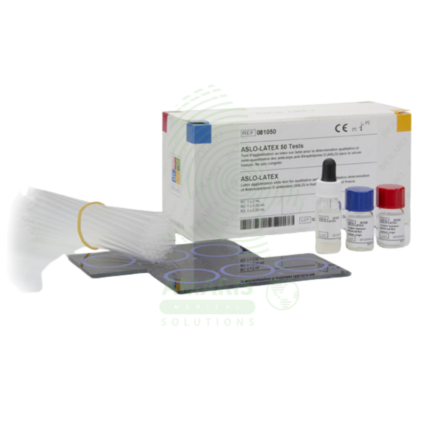
Anti-Streptol Olysin O Titer (ASOT)
Anti-Streptol Olysin O Titer (ASOT) is a quantitative or semi-quantitative serological test (latex agglutination, turbidimetry, nephelometry, or ELISA) for detecting antibodies against streptolysin O, an exotoxin produced by Group A Streptococcus. Elevated or rising titers indicate recent streptococcal infection and are essential for diagnosing post-streptococcal sequelae including acute rheumatic fever (Jones criteria) and post-streptococcal glomerulonephritis. The test requires serum samples; acute and convalescent (2-4 weeks apart) with fourfold rise confirms recent infection. Reference range typically <200-250 Todd units/mL (adults), varies by age and population. Primary clinical applications include diagnosis of Group A streptococcal infections, acute rheumatic fever evaluation, post-streptococcal glomerulonephritis diagnosis, differentiation of acute vs. past infection, evaluation of unexplained arthritis or carditis, pediatric inflammatory conditions (PANDAS), and monitoring disease activity in rheumatic fever. Critical safety precautions include proper timing of acute and convalescent samples, awareness of false negatives/positives, clinical correlation for diagnosis, and standard biohazard precautions. Essential test for rheumatology, nephrology, cardiology, and infectious disease practice.
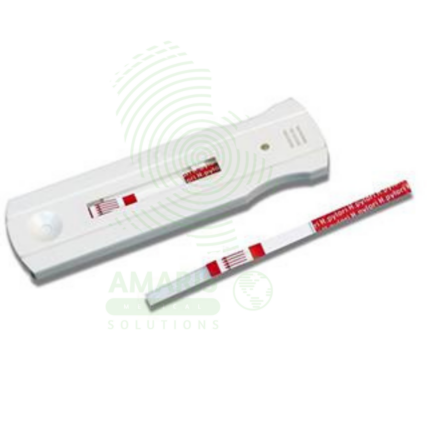
H. pylori Test Strips
H. pylori Test Strips are rapid, lateral flow immunochromatographic devices used for the qualitative detection of Helicobacter pylori antigens in human stool. As a non-invasive stool antigen test (SAT), it provides a convenient and reliable method for diagnosing active H. pylori infection and confirming eradication after therapy, with results available in under 15 minutes. Ideal for use in clinics and outpatient settings, it aids in the management of dyspepsia and peptic ulcer disease. Proper sample handling, adherence to pre-test medication restrictions, and strict biohazard precautions are essential for obtaining accurate results.
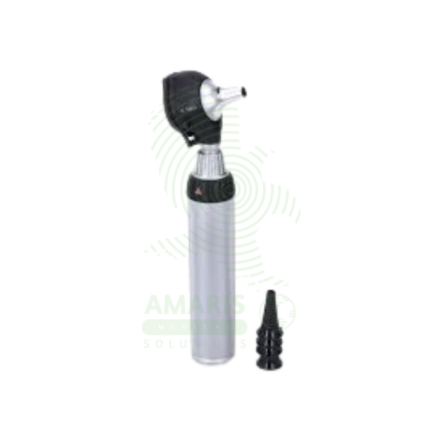
LED Otoscope
An LED Otoscope is a handheld medical device used for illuminating and magnifying the external ear canal and tympanic membrane. Featuring a bright, cool, and long-lasting LED light source, it provides superior visualization for diagnosing common conditions like ear infections, wax impaction, and perforations. Its design, incorporating a reusable handle/head and disposable specula, ensures hygiene and patient safety. As an essential tool in family medicine, pediatrics, and ENT, it enables clinicians to perform accurate otoscopic examinations and, when equipped with an insufflator, crucial pneumatic otoscopy to assess middle ear function.
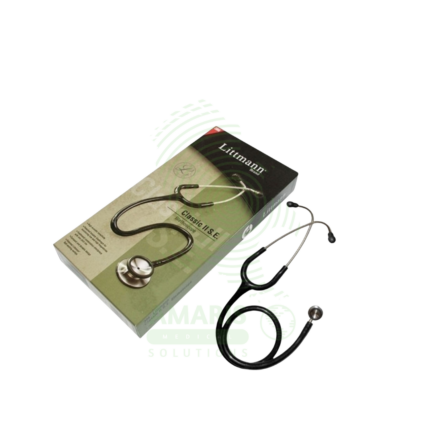
Littmann Stethoscope (Classic II)
A Littmann Stethoscope (Classic II) is a premium, acoustic dual-head stethoscope renowned for its diagnostic clarity, durability, and innovative tunable diaphragm technology. It allows healthcare professionals to hear both high and low-frequency sounds by simply adjusting pressure on the single-sided chestpiece, eliminating the need to rotate it. With its superior acoustics, comfortable fit, and wide range of colors, it is the instrument of choice for medical students, nurses, and physicians across all specialties who require reliable performance for physical assessment, auscultation of heart and lung sounds, and manual blood pressure measurement.
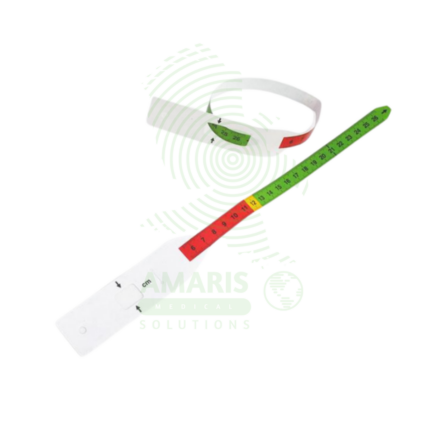
MUAC Tape
A MUAC Tape (Mid-Upper Arm Circumference) is a specialized, color-coded measuring tape used globally as the primary field tool for screening children aged 6-59 months for acute malnutrition. Its simple design—featuring red, yellow, and green zones corresponding to Severe Acute Malnutrition, Moderate Acute Malnutrition, and normal nutritional status—allows for instant, non-invasive assessment without the need for scales, calculation, or literacy. Durable, portable, and inexpensive, it is the cornerstone of community-based nutrition programs, emergency relief efforts, and public health surveillance, enabling early detection and life-saving intervention for malnourished children in even the most resource-constrained settings.
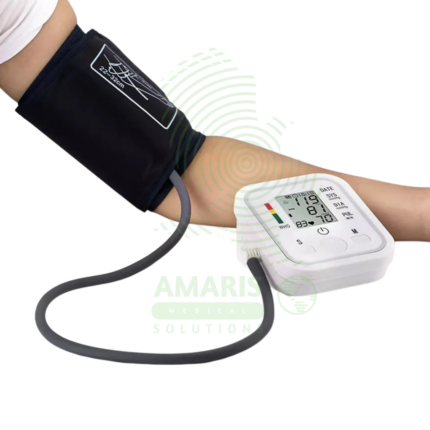
Upper Arm Blood Pressure Monitor
The Upper Arm Blood Pressure Monitor is a clinically validated, automatic digital device designed for accurate and comfortable blood pressure and pulse measurement at home or in professional settings. Known for its user-friendly features like Intellisense inflation technology, a large clear display, and comprehensive functions including irregular heartbeat detection, multi-user memory, and a WHO-based hypertension indicator, it provides reliable data for effective hypertension management. Its robust construction, adherence to international safety standards (CE, FDA), and focus on patient comfort make it a trusted choice for individuals and healthcare providers seeking a dependable tool for cardiovascular health monitoring.
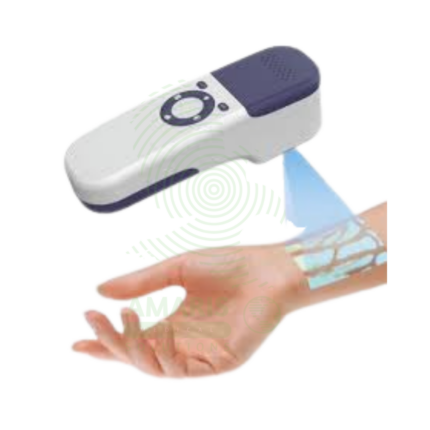
Vein Finder
A Vein Finder is a non-invasive medical imaging device that uses near-infrared light to visualize subcutaneous veins in real time and project a map of the vascular network directly onto the patient's skin. Primarily used to facilitate difficult venipuncture and IV access in challenging patient populations (pediatric, obese, elderly, dark-skinned), it enhances first-stick success rates, improves patient comfort, and reduces procedure time. As a handheld, portable aid, it complements the clinician's skill by providing clear visual guidance, making it a valuable tool in emergency rooms, operating theaters, infusion centers, and phlebotomy services.