Dermatoscope and Magnifiers
 Diagnostic Kits
 Vital Signs Monitors
 Stethoscopes and Accessories
 Otoscopes, Ophthalmoscopes, and Retinoscopes
 Reflex Hammers and Neurological Tools
 Scales and Measuring Devices
 Spirometers and Pulmonary Function Tests
 Electrosurgical Units and Accessories
 Cutting Instruments
 Grasping and Holding Instruments
 Hemostatic Instruments
 Specialized Surgical Sets
 Single-Use Procedure Trays and Packs
 Surgical Drapes, Gowns, and Covers
 Tissue Unifying Instruments
 Radiation Protection
 X-Ray Machines and Accessories
 Ultrasound Systems and Probes
 MRI and CT Scanners
 Radiology Consumables
 Bone Densitometers
 Fluoroscopy Equipment
 Imaging Tables and Positioning Aids
 Microscopes and Accessories
 Centrifuges and Separators
 Analyzers
 Incubators and Ovens
 Pipettes, Dispensers, and Lab Glassware
 Refrigerators, Freezers, and Storage Units
 Lab Consumables
 Sterilizers and Autoclaves for Lab Use
 Multi-Parameter Monitors
 Ventilators and Respiratory Support Devices
 Defibrillators and AEDs
 Infusion Pumps and IV Systems
 Patient Warmers and Cooling Devices
 Central Monitoring Stations
 Accessories
 Anesthesia Machines and Workstations
 Oxygen Concentrators and Delivery Systems
 Nebulizers and Inhalers
 CPAP/BiPAP Machines
 Airway Management
 Anesthesia Masks, Circuits, and Bags
 Humidifiers and Heaters
 Respiratory Therapy Accessories
 First Aid Kits and Cabinets
 Emergency Resuscitation Equipment
 Trauma Supplies
 Emergency Carts and Crash Carts
 Burn Care Products
 Bleeding Control
 Automated External Defibrillators (AEDs)
 Transport and Evacuation
 Wheelchairs and Accessories
 Walkers, Crutches, and Canes
 Prosthetics and Orthotics
 Physical Therapy Equipment
 Transfer Devices
 Bathroom Safety
 Orthopedic Traction and Tables
 Hot/Cold Therapy Packs and Units
 Beds and Mattresses
 Chairs and Stools
 Tables
 Cabinets and Storage
 Privacy Screens & Curtains
 Stands and Racks
 Linens and Textiles
 Lighting
 Autoclaves and Sterilizers
 Ultrasonic Cleaners
 Disinfectant Solutions and Wipes
 Sterilization Pouches, Wraps, and Indicators
 Instrument Trays and Containers
 UV and Ozone Disinfection Devices
 Washer Disinfectors
 Wound Care
 Gloves
 Masks and Respirators
 Catheters and Tubing
 Swabs, Applicators, and Sponges
 Incontinence Products
 Personal Protective Equipment (PPE)
 Dental Chairs and Units
 Handpieces and Burs
 Instruments
 Consumables
 Sterilization for Dental Use
 Orthodontic Supplies
 Endodontic Tools
 Slit Lamps and Tonometers
 Lensometers and Phoropters
 Ophthalmic Surgical Instruments
 Eyewear Frames and Lenses
 Contact Lens Supplies
 Vision Testing Charts and Devices
 Eye Care Consumables
 Laser Systems for Eye Care
 ENT Exam Chairs and Tables
 Endoscopes
 Audiometers and Hearing Tests
 ENT Instruments
 Nasal and Throat Packs
 Hearing Aids and Accessories
 Otology Supplies
 Fetal Dopplers and Monitors
 Delivery Beds and Tables
 Gynecological Instruments
 Neonatal Incubators and Warmers
 Breast Pumps and Accessories
 Contraceptive Devices
 Maternity Supports and Pads
 Neonatal Consumables
 Cystoscopes and Urethroscopes
 Dialysis Machines and Supplies
 Urological Catheters and Bags
 Lithotripters
 Prostate Treatment Devices
 Urinary Incontinence Products
 Kidney Stone Management Tools
 Consumables & Disposables
 EEG and EMG Machines
 Neurosurgical Instruments
 Nerve Stimulators
 Headrests and Positioning Aids
 Lumbar Puncture Kits
 Seizure Monitoring Devices
 Consumables
 Rehabilitation for Neurological Conditions
 ECG Machines and Accessories
 Holter Monitors
 Stress Test Systems
 Pacemakers and Defibrillator Accessories
 Vascular Access Devices
 Cardiac Catheters and Guidewires
 Blood Flow Meters
 Consumables
 Orthopedic Instruments
 Casts, Splints, and Padding
 Joint Replacement Supplies
 Prosthetic Limbs and Components
 Bone Grafts and Substitutes
 Traction Devices
 Orthopedic Braces and Supports
 Rehabilitation Aids for Orthopedics
 Home Oxygen Therapy
 Hospital Beds for Home Use
 Mobility Aids
 Bathroom and Daily Living Aids
 Wound Care for Home
 Monitoring Devices
 Enteral Feeding Pumps and Tubes
 Hand Sanitizers and Dispensers
 Face Shields and Goggles
 Isolation Gowns and Suits
 Biohazard Waste Containers
 Air Purifiers and HEPA Filters
 Surface Disinfectants
 Sharps Containers
 Protective Barriers
 Cardiovascular & Endurance Training
 Strength Training & Weightlifting
 Functional Training & Core Conditioning
 Physical Therapy & Rehabilitation
 Sports & Outdoor Recreation
 Gym Flooring & Facility Equipment
 Fitness Monitoring & Accessories
 Kids & Novelties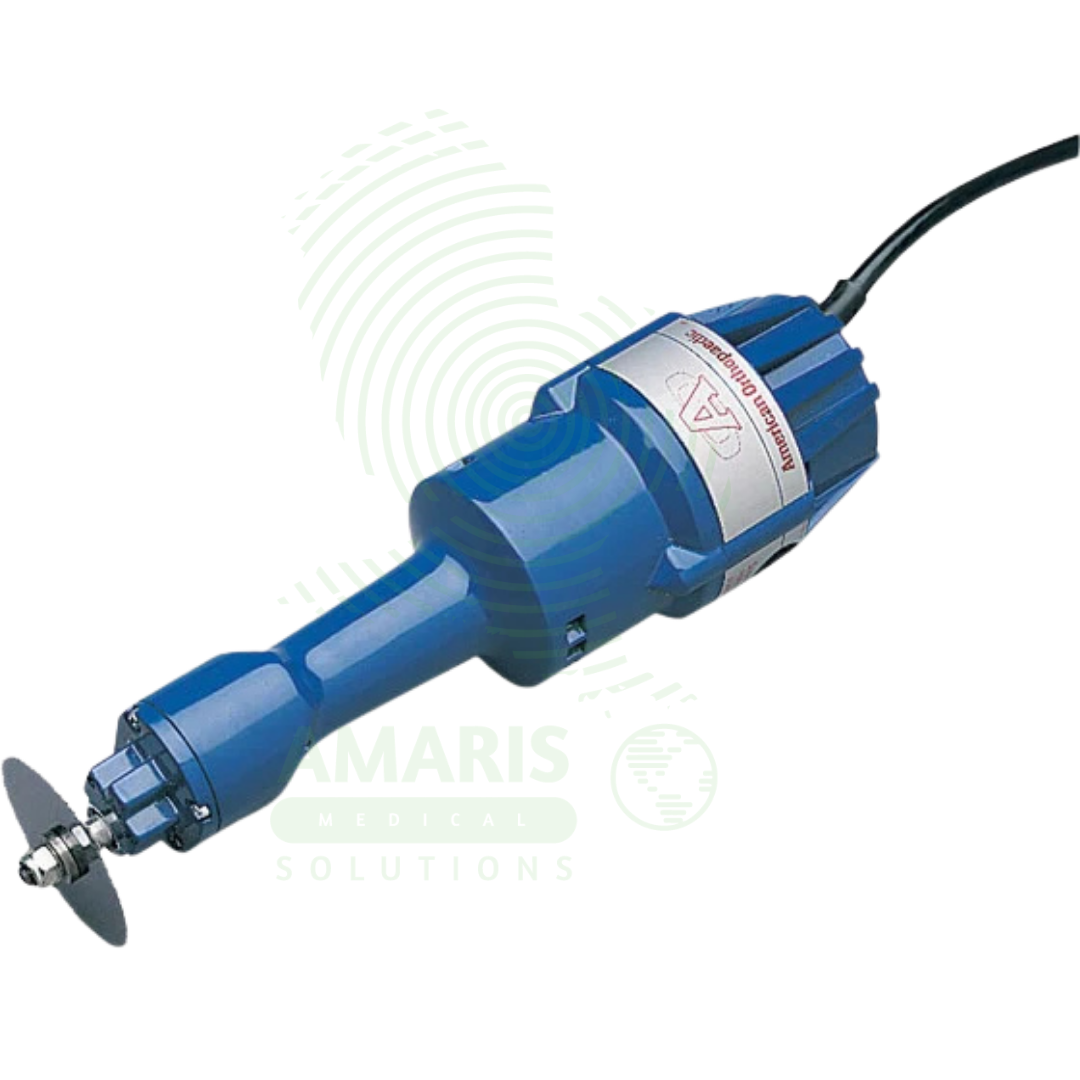
Plaster Cutter
$1.00
WhatsApp Order
A Plaster Cutter, most commonly an oscillating saw, is a specialized medical power tool designed to safely cut through and remove rigid orthopedic casts and splints. Its rapidly oscillating blade abrades hard casting materials (plaster or fiberglass) but deflects upon contact with the soft underlying padding and skin, minimizing injury risk. It is an essential device in orthopedics for routine and emergency cast removal, requiring proper technique, use of dust extraction, and patient communication to ensure safety and efficiency during the cast removal procedure.
Description
Plaster Cutter
PRIMARY CLINICAL & DIAGNOSTIC USES
1. Cast Removal
-
Primary Use: Safely cuts through and removes rigid orthopedic casts made of Plaster of Paris or synthetic fiberglass materials, serving as an essential tool for follow-up appointments, cast changes, and at the end of the immobilization period.
-
How it helps: For the orthopedic technician, cast specialist, and clinical provider, the plaster cutter transforms the process of cast removal from a potential source of anxiety into a controlled, efficient procedure—vibrating through hard materials while stopping instantly upon contact with the soft padding beneath. For the patient who has worn a cast for weeks, the sound of the plaster cutter signals the end of immobilization and the beginning of freedom, and the tool’s safety design means they can be confident their skin will remain intact beneath the cast.
2. Emergency Cast Removal
-
Primary Use: Used urgently in emergency departments or clinics to bivalve or completely remove a cast in cases of suspected complications such as compartment syndrome, severe infection, neurovascular compromise, excessive swelling, or severe pain unrelieved by elevation.
-
How it helps: For the emergency physician and orthopedic surgeon responding to a limb-threatening complication, the plaster cutter is a time-critical tool that must perform reliably under pressure—quickly splitting or removing the cast to relieve pressure, assess the limb, and prevent permanent nerve and muscle damage. For the patient experiencing the excruciating pain of compartment syndrome or the frightening numbness of nerve compression, rapid cast removal with a plaster cutter can be the difference between limb salvage and permanent disability.
3. Cast Window Creation
-
Primary Use: Used to cut a precise opening in a cast to allow inspection, cleaning, or dressing of an underlying wound, surgical incision, or pin site without removing the entire cast.
-
How it helps: For the surgeon and wound care team needing to monitor a healing incision or pin site, the plaster cutter allows creation of a window that provides access while maintaining the overall immobilization of the cast—supporting continued fracture healing while enabling necessary wound care. For the patient with an external fixator pin or a surgical incision under their cast, a window means their skin can be monitored and cleaned without the disruption of complete cast removal and reapplication.
4. Adjustment and Trimming of Casts and Splints
-
Primary Use: Used to trim rough or overlong edges of a cast or prefabricated splint to improve patient comfort, prevent skin irritation, and ensure proper fit.
-
How it helps: For the orthopedic technician fitting a cast or splint, the ability to trim and adjust ensures the device fits comfortably and correctly—smoothing rough edges that would otherwise dig into skin, removing excess material that limits mobility, and customizing the fit to the patient’s unique anatomy. For the patient wearing a cast for weeks, proper trimming means their cast does not become a source of skin breakdown and irritation, improving tolerance and compliance with immobilization.
5. Splint Removal
-
Primary Use: Used to cut through rigid or semi-rigid splinting materials during removal or adjustment.
-
How it helps: For the provider removing a splint after injury or surgery, the plaster cutter efficiently cuts through materials that scissors cannot penetrate, allowing for quick, safe removal. For the patient whose splint has served its purpose, removal with a plaster cutter means freedom from the device without the tugging and pulling that would cause discomfort.
SECONDARY & SUPPORTIVE USES
1. Cutting Other Rigid Medical Materials: Can be used in a workshop or clinical setting to cut through other semi-rigid materials used in orthotics or prosthetics for modification. For the orthotist adjusting a custom device, the plaster cutter provides a versatile tool for shaping rigid materials.
2. Teaching and Demonstration: Used to educate medical students, nurses, and orthopedic technicians on proper cast removal techniques, including identifying safe cutting pathways to avoid underlying anatomical structures. For the next generation of providers learning this essential skill, practice with a plaster cutter builds the competence that will keep their future patients safe.
KEY PRODUCT FEATURES
1. BASIC IDENTIFICATION ATTRIBUTES
-
Type: A powered or manual tool specifically designed for cutting rigid casting materials without injuring underlying skin.
-
Designation: Most commonly an Oscillating Saw (Plaster Saw). Manual options include Plaster Shears (Cast Scissors) and Cast Knives.
-
Common Variants:
-
Oscillating Plaster Saw: The standard of care. A powered handpiece with a rapidly oscillating (not rotating) sharp blade or star-shaped disc. The oscillation cuts hard plaster but glides over soft, flexible materials like padding and skin.
-
Plaster Shears (Cast Scissors): Heavy-duty, manual scissors with angled, serrated blades designed to cut through plaster layers. Require more force and skill, primarily for pediatric or thin plaster casts.
-
Cast Knife/Spreader: A manual tool used after making initial cuts with a saw or shears to pry apart and open the cast.
-
2. TECHNICAL & PERFORMANCE PROPERTIES
-
Mechanism of Action (Oscillating Saw): The blade oscillates at high speed (typically 10,000-30,000 oscillations per minute) over a very small arc (2-3 mm). This allows it to abrade through brittle cast material but deflects harmlessly upon contacting the soft, yielding cast padding and skin.
-
Blade Types:
-
Plaster Blades: Sharp, toothed blades for efficient cutting of traditional plaster.
-
Fiberglass Blades: Coated with tungsten carbide or diamond grit to cut through harder synthetic (fiberglass) casts.
-
-
Power Source: Electric (corded or cordless rechargeable) or pneumatic (air-powered, common in operating rooms).
3. PHYSICAL & OPERATIONAL PROPERTIES
-
Ergonomics: Lightweight, balanced design for one-handed use with minimal operator fatigue. Often features a pencil-grip style handle.
-
Noise and Vibration: Generates significant noise and vibration. Modern designs aim to dampen vibration for operator comfort.
-
Dust Extraction: Many models have a vacuum port to connect to suction, which is critical for controlling the large amount of plaster or fiberglass dust generated during cutting, protecting both patient and clinician from inhalation.
4. SAFETY & COMPLIANCE ATTRIBUTES
-
Regulatory Status: Class I medical device.
-
Safety Design: The oscillating mechanism is inherently safer than a rotating blade, but proper technique is still essential.
-
Electrical Safety: Must be designed for use in a clinical environment, often with insulation and safety checks for electrical models.
5. STORAGE & HANDLING ATTRIBUTES
-
Storage: Store in a clean, dry place. Cordless models should be stored on their charging dock.
-
Cleaning & Disinfection:
-
Handpiece: Wipe down exterior with a hospital-grade disinfectant wipe. Do not immerse in liquid.
-
Blades: Are single-use disposable items in many settings to prevent cross-contamination and ensure sharpness. If reusable, they must be sterilized according to manufacturer instructions.
-
-
Maintenance: Blades must be replaced when dull. The handpiece mechanism should be serviced periodically per manufacturer guidelines.
6. LABORATORY & CLINICAL APPLICATIONS
-
Primary Application: An indispensable tool in orthopedic clinics, emergency rooms, fracture clinics, and operating rooms for the safe removal of external immobilization devices.
-
Operator Skill: Requires training and practice to use efficiently and safely, understanding cutting paths to avoid bony prominences and understanding the tool's feedback (sound and feel change when contacting padding).
SAFETY HANDLING PRECAUTIONS
1. SAFETY PRECAUTIONS
-
Patient Education and Reassurance (CRITICAL): The saw is loud, vibrates, and can feel hot. The patient must be warned beforehand to prevent sudden movement. Explain that it cuts plaster, not skin.
-
Proper Cutting Technique: The blade should be held flat against the cast and moved in a smooth, sweeping motion—never held in one spot (to prevent heat buildup) or angled (which can grab and tear padding). Use the "two-finger rule" to keep fingers away from the cutting path.
-
Identify and Avoid Bony Prominences: Never cut directly over areas like the medial malleolus, lateral malleolus, ulnar styloid, or heel, where skin is thin and directly over bone. Cut along the sides of the limb.
-
Use of Vacuum/Dust Extraction: Always use connected suction to minimize dust inhalation, which is a respiratory irritant.
-
Check Blades: Use a sharp blade. A dull blade requires more pressure, generates more heat, and increases the risk of cutting the patient.
2. FIRST AID MEASURES
-
If Skin is Cut (Laceration): Stop immediately. Apply direct pressure to control bleeding. Clean and dress the wound. Document the incident. The cut is usually superficial due to the saw's design but requires proper care.
-
If Patient is Burned from a Hot Blade: Cool the area with water. Treat as a minor thermal burn. Dull blades or holding the saw in one spot are common causes.
-
Inhalation of Cast Dust: Move to fresh air. Seek medical attention if respiratory irritation persists.
3. FIRE FIGHTING MEASURES
-
Flammability: The plastic handpiece and electrical components are combustible. Plaster dust can be explosive in high concentrations in air.
-
Extinguishing Media: Use water, foam, or CO₂ as appropriate for the surrounding fire. Disconnect from power if safe to do so.
Related products
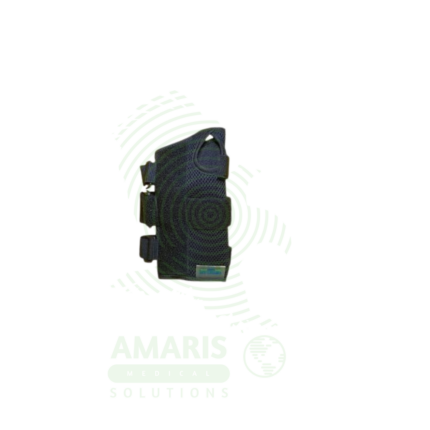
Airprene Elbow Support
An Airprene Elbow Support is a neoprene-based elbow orthosis providing adjustable compression, warmth, and proprioceptive feedback for tennis elbow, golfer's elbow, tendonitis, bursitis, and post-operative recovery. The perforated neoprene material retains body heat to promote circulation and muscle relaxation while allowing air circulation to reduce moisture buildup. Used in sports medicine, orthopedics, and physical therapy settings, it provides symptomatic relief and functional support during healing and rehabilitation. Proper fit and skin integrity monitoring are essential for safe use.
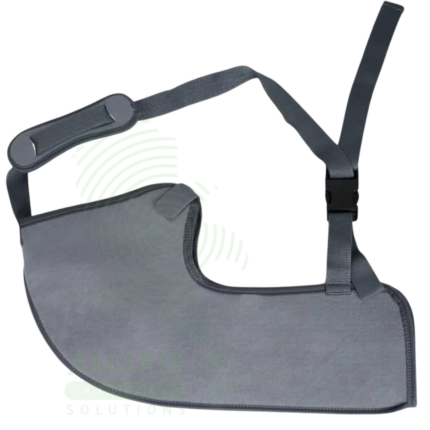
Cotton Arm Sling
A Cotton Arm Sling is a soft, fabric support used to immobilize and support the arm following upper extremity injuries, fractures, and surgery. The sling supports the weight of the arm, reduces pain by limiting movement, and elevates the extremity to control swelling. Made from breathable cotton fabric with an adjustable neck strap, it provides comfortable, lightweight support for a wide range of conditions including wrist fractures, elbow sprains, hand injuries, and post-operative recovery. Proper positioning and circulation monitoring are essential for safe use.
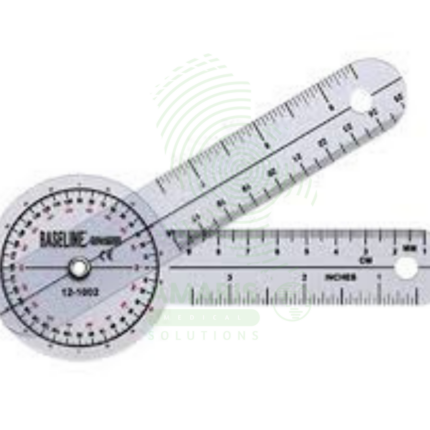
Goniometer
A goniometer is a calibrated, handheld measuring instrument designed to precisely quantify joint range of motion in degrees. Essential for physical and occupational therapy, orthopedic assessment, and rehabilitation medicine, it consists of a protractor-like body with two arms—one stationary, one movable—that align with the patient's limb segments. Available in various sizes for different joints (from fingers to hips) and in materials including transparent plastic, stainless steel, and digital formats, it transforms subjective observations of mobility into objective, reproducible data. This fundamental clinical tool guides diagnosis, documents treatment progress, supports disability determinations, and provides the evidence base for therapeutic interventions.
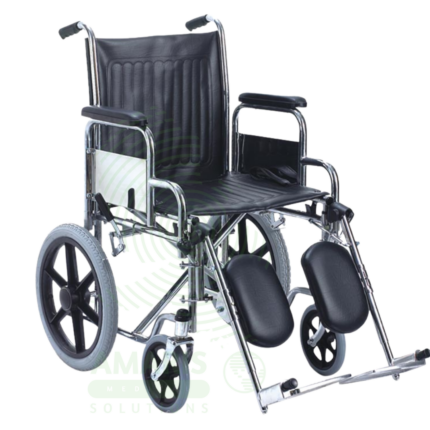
Orthopedic Commode Wheelchair With Flipping Armrest
The Orthopedic Commode Wheelchair with Flipping Armrest is a specialized hybrid device designed for patients with lower limb injuries or surgeries requiring non-weight-bearing status. It combines an extended-frame orthopedic wheelchair with an elevating leg rest, a commode seat opening, and a flipping armrest for lateral transfers. This allows for simultaneous fracture management (leg elevation/immobilization), pressure sore prevention (heel off-loading), and safe, hygienic toileting without dangerous transfers. Its use mandates the constant engagement of anti-tip levers due to a high risk of backwards tipping and requires careful navigation of its substantial length.
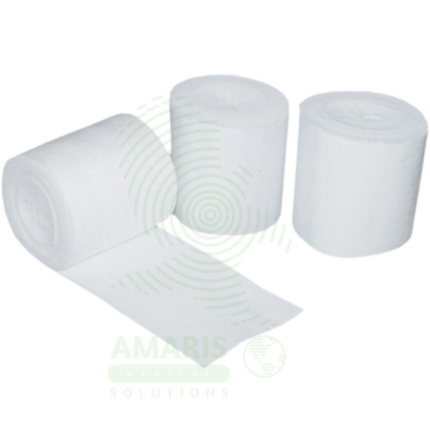
Orthopedic Padding
Orthopedic Padding is a soft, cushioning material applied directly to the skin as an essential protective layer underneath casts, splints, and braces. Its primary functions are to prevent skin breakdown by distributing pressure, absorb moisture, and provide comfort during immobilization. Available in rolls of cotton, synthetic, or foam, its correct, wrinkle-free application is a critical safety step in fracture management and orthopedic bracing, directly impacting patient tolerance and preventing complications like pressure ulcers.
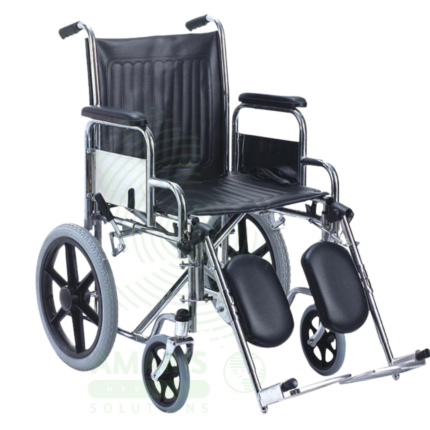
Orthopedic Wheelchair
An Orthopedic Wheelchair is a specialized manual wheelchair with an extended frame and elevating leg rests, designed to support patients who must keep one or both lower limbs in a straight, non-weight-bearing position. It is primarily used for managing lower limb fractures, post-operative recovery (e.g., hip replacements), and conditions requiring heel-off-loading to prevent pressure sores. Its key safety consideration is a heightened risk of tipping backwards due to the forward weight of the extended leg, requiring cautious use, engagement of anti-tip levers, and awareness of its increased length during navigation.
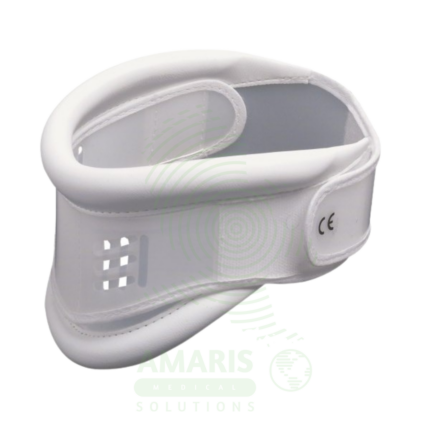
Rigid Cervical Collar
A Rigid Cervical Collar is a cervical orthosis used to immobilize the cervical spine following trauma, surgery, or instability. Composed of a rigid plastic shell with foam padding, it restricts flexion, extension, rotation, and lateral bending to protect the spinal cord from injury during healing. Used in emergency departments, trauma centers, operating rooms, and pre-hospital settings, it is essential for spinal motion restriction protocols. Proper sizing, skin integrity monitoring, and neurological assessment are critical for safe and effective use.