Dermatoscope and Magnifiers
 Diagnostic Kits
 Vital Signs Monitors
 Stethoscopes and Accessories
 Otoscopes, Ophthalmoscopes, and Retinoscopes
 Reflex Hammers and Neurological Tools
 Scales and Measuring Devices
 Spirometers and Pulmonary Function Tests
 Electrosurgical Units and Accessories
 Cutting Instruments
 Grasping and Holding Instruments
 Hemostatic Instruments
 Specialized Surgical Sets
 Single-Use Procedure Trays and Packs
 Surgical Drapes, Gowns, and Covers
 Tissue Unifying Instruments
 Radiation Protection
 X-Ray Machines and Accessories
 Ultrasound Systems and Probes
 MRI and CT Scanners
 Radiology Consumables
 Bone Densitometers
 Fluoroscopy Equipment
 Imaging Tables and Positioning Aids
 Microscopes and Accessories
 Centrifuges and Separators
 Analyzers
 Incubators and Ovens
 Pipettes, Dispensers, and Lab Glassware
 Refrigerators, Freezers, and Storage Units
 Lab Consumables
 Sterilizers and Autoclaves for Lab Use
 Multi-Parameter Monitors
 Ventilators and Respiratory Support Devices
 Defibrillators and AEDs
 Infusion Pumps and IV Systems
 Patient Warmers and Cooling Devices
 Central Monitoring Stations
 Accessories
 Anesthesia Machines and Workstations
 Oxygen Concentrators and Delivery Systems
 Nebulizers and Inhalers
 CPAP/BiPAP Machines
 Airway Management
 Anesthesia Masks, Circuits, and Bags
 Humidifiers and Heaters
 Respiratory Therapy Accessories
 First Aid Kits and Cabinets
 Emergency Resuscitation Equipment
 Trauma Supplies
 Emergency Carts and Crash Carts
 Burn Care Products
 Bleeding Control
 Automated External Defibrillators (AEDs)
 Transport and Evacuation
 Wheelchairs and Accessories
 Walkers, Crutches, and Canes
 Prosthetics and Orthotics
 Physical Therapy Equipment
 Transfer Devices
 Bathroom Safety
 Orthopedic Traction and Tables
 Hot/Cold Therapy Packs and Units
 Beds and Mattresses
 Chairs and Stools
 Tables
 Cabinets and Storage
 Privacy Screens & Curtains
 Stands and Racks
 Linens and Textiles
 Lighting
 Autoclaves and Sterilizers
 Ultrasonic Cleaners
 Disinfectant Solutions and Wipes
 Sterilization Pouches, Wraps, and Indicators
 Instrument Trays and Containers
 UV and Ozone Disinfection Devices
 Washer Disinfectors
 Wound Care
 Gloves
 Masks and Respirators
 Catheters and Tubing
 Swabs, Applicators, and Sponges
 Incontinence Products
 Personal Protective Equipment (PPE)
 Dental Chairs and Units
 Handpieces and Burs
 Instruments
 Consumables
 Sterilization for Dental Use
 Orthodontic Supplies
 Endodontic Tools
 Slit Lamps and Tonometers
 Lensometers and Phoropters
 Ophthalmic Surgical Instruments
 Eyewear Frames and Lenses
 Contact Lens Supplies
 Vision Testing Charts and Devices
 Eye Care Consumables
 Laser Systems for Eye Care
 ENT Exam Chairs and Tables
 Endoscopes
 Audiometers and Hearing Tests
 ENT Instruments
 Nasal and Throat Packs
 Hearing Aids and Accessories
 Otology Supplies
 Fetal Dopplers and Monitors
 Delivery Beds and Tables
 Gynecological Instruments
 Neonatal Incubators and Warmers
 Breast Pumps and Accessories
 Contraceptive Devices
 Maternity Supports and Pads
 Neonatal Consumables
 Cystoscopes and Urethroscopes
 Dialysis Machines and Supplies
 Urological Catheters and Bags
 Lithotripters
 Prostate Treatment Devices
 Urinary Incontinence Products
 Kidney Stone Management Tools
 Consumables & Disposables
 EEG and EMG Machines
 Neurosurgical Instruments
 Nerve Stimulators
 Headrests and Positioning Aids
 Lumbar Puncture Kits
 Seizure Monitoring Devices
 Consumables
 Rehabilitation for Neurological Conditions
 ECG Machines and Accessories
 Holter Monitors
 Stress Test Systems
 Pacemakers and Defibrillator Accessories
 Vascular Access Devices
 Cardiac Catheters and Guidewires
 Blood Flow Meters
 Consumables
 Orthopedic Instruments
 Casts, Splints, and Padding
 Joint Replacement Supplies
 Prosthetic Limbs and Components
 Bone Grafts and Substitutes
 Traction Devices
 Orthopedic Braces and Supports
 Rehabilitation Aids for Orthopedics
 Home Oxygen Therapy
 Hospital Beds for Home Use
 Mobility Aids
 Bathroom and Daily Living Aids
 Wound Care for Home
 Monitoring Devices
 Enteral Feeding Pumps and Tubes
 Hand Sanitizers and Dispensers
 Face Shields and Goggles
 Isolation Gowns and Suits
 Biohazard Waste Containers
 Air Purifiers and HEPA Filters
 Surface Disinfectants
 Sharps Containers
 Protective Barriers
 Cardiovascular & Endurance Training
 Strength Training & Weightlifting
 Functional Training & Core Conditioning
 Physical Therapy & Rehabilitation
 Sports & Outdoor Recreation
 Gym Flooring & Facility Equipment
 Fitness Monitoring & Accessories
 Kids & Novelties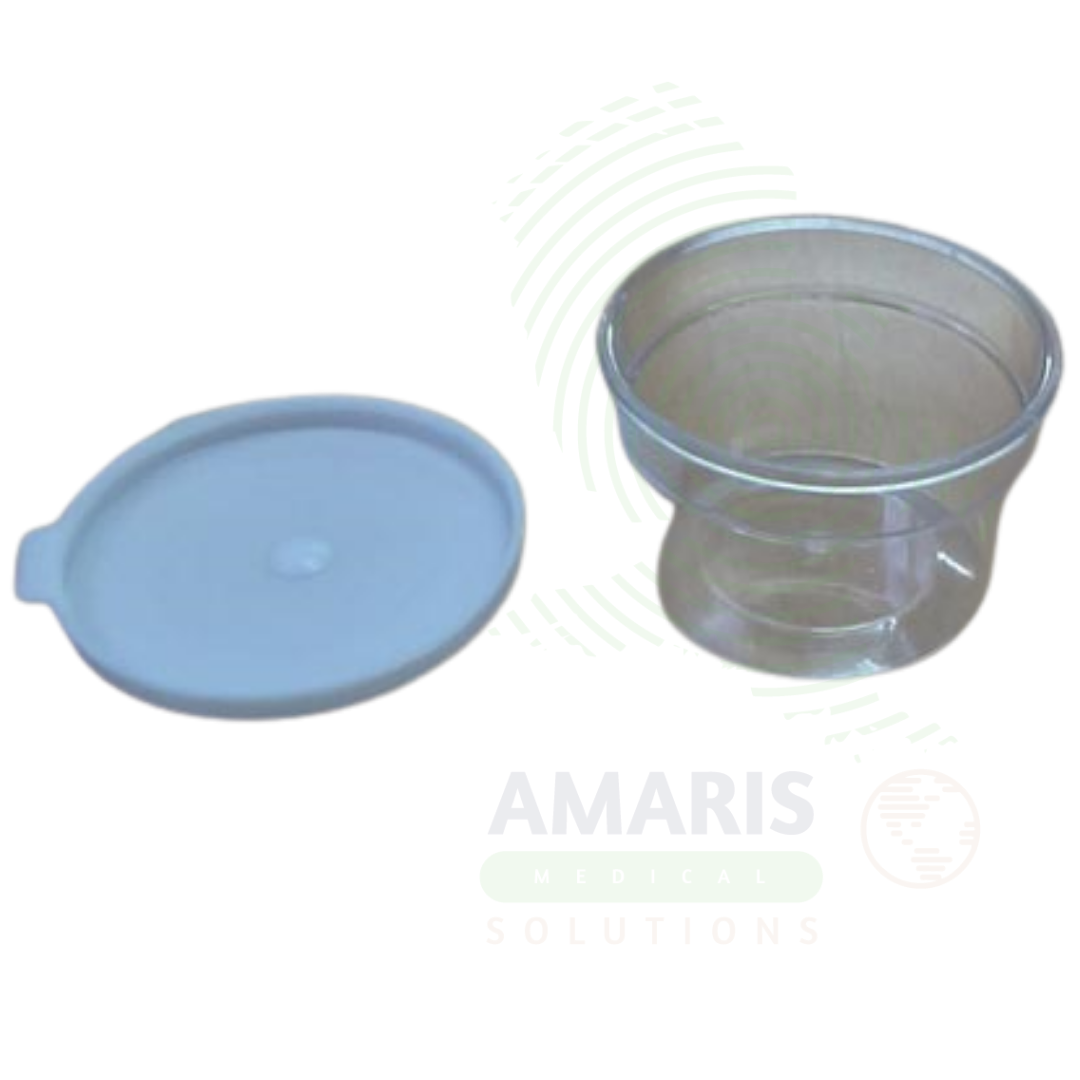
Polypot Container
WhatsApp Order
Polypot Containers are sterile or non-sterile, single-use, leak-proof medical devices manufactured from medical-grade polypropylene for the collection, fixation, transport, and processing of small tissue specimens (biopsies, polyps, surgical excisions) for histopathological examination. Available in capacities ranging from 15 mL to 500 mL, with wide-mouth design for easy specimen deposition and screw-cap closure with tamper-evident seal. Most commonly prefilled with 10% neutral buffered formalin, the standard fixative for routine histology, providing immediate tissue preservation and preventing autolysis. Critical performance attributes include absolute leak-proof integrity to prevent formalin exposure, chemical compatibility with histological reagents, and adequate labeling surface for patient identification. Essential safety principles include strict adherence to formalin hazard precautions (toxic, carcinogenic), immediate specimen labeling at the point of collection to prevent identification errors, and absolute single-use protocol. An indispensable container in surgical pathology, endoscopy, dermatology, and gynecologic procedure settings.
Description
Polypot Container
PRIMARY CLINICAL & DIAGNOSTIC USES
1. Collection and Transport of Tissue Specimens
-
Primary Use: Collects, contains, and transports small tissue specimens obtained during biopsy, surgical excision, or endoscopic procedures to the pathology laboratory for histopathological examination, including polyps, skin biopsies, endometrial biopsies, prostate biopsies, and other small tissue samples.
-
How it helps: For the surgeon, gastroenterologist, and proceduralist, the polypot container provides a secure, leak-proof vessel for the precious tissue samples that will determine a patient’s diagnosis—ensuring that specimens collected during colonoscopy, skin biopsy, or prostate sampling are safely transported to the pathologist without loss, damage, or contamination. For the patient, this small container holds the tissue that will provide answers about whether a growth is benign or malignant, guiding all subsequent treatment decisions.
2. Preservation of Specimen Integrity with Fixative
-
Primary Use: Designed to safely hold formalin or other fixative solutions to immediately preserve tissue morphology, prevent autolysis, and maintain cellular detail essential for accurate pathological diagnosis, with a leak-proof seal preventing fixative leakage and formalin vapor escape.
-
How it helps: For the pathologist examining the specimen days after collection, the fixative-filled polypot container ensures that the tissue remains exactly as it was at the moment of biopsy—cellular structures preserved, proteins fixed, and DNA protected from degradation, allowing for accurate microscopic interpretation and specialized testing. For the patient, proper fixation means their tissue sample will yield accurate diagnostic information, regardless of how long it takes to reach the pathology laboratory.
3. Grossing and Processing Compatibility
-
Primary Use: Container geometry and material permit direct transfer of specimen and fixative to pathology grossing stations and are compatible with automated tissue processors and embedding systems used in modern histopathology laboratories.
-
How it helps: For the histotechnologist and pathology assistant, polypot containers are designed to integrate seamlessly into the laboratory workflow—allowing specimens to be easily removed for gross examination, transferring directly to processing cassettes, and moving through automated tissue processors without delay. For the patient awaiting results, this workflow efficiency means faster turnaround times and quicker communication of diagnosis.
4. Specimen Identification and Tracking
-
Primary Use: Provides adequate labeling surface for patient identification, specimen site and laterality, date, time, and surgeon information, ensuring chain of custody throughout the pathology workflow.
-
How it helps: For the pathology laboratory and healthcare system, the clearly labeled polypot container ensures that each specimen is correctly identified throughout the testing process—preventing the catastrophic error of mislabeled specimens, ensuring that results are reported to the correct patient, and maintaining the chain of custody essential for legal and accreditation purposes. For the patient, accurate labeling means confidence that their results are truly theirs.
5. Multiple Specimen Management
-
Primary Use: Available in various sizes and configurations to accommodate single specimens or multiple specimens from the same patient with appropriate segregation.
-
How it helps: For the endoscopist removing multiple polyps during a colonoscopy or the surgeon taking several biopsies from different sites, polypot containers in various sizes and with multiple compartments allow for proper segregation of specimens while maintaining clear site identification. For the patient, this organization ensures that each biopsy is correctly attributed to the specific location from which it was taken, guiding precise treatment.
SECONDARY & SUPPORTIVE USES
1. Frozen Section Transport: Sterile polypot containers may be used to transport fresh, unfixed tissue specimens to pathology for intraoperative frozen section consultation. For the patient undergoing surgery with immediate pathology review, a sterile container delivers fresh tissue for rapid diagnosis while the surgeon waits.
2. Microbiology Specimen Transport: Sterile containers may be used for transport of small tissue specimens submitted for microbiological culture. For the patient with suspected infection, properly transported tissue yields accurate culture results.
3. Research and Biobanking: Used for collection and cryopreservation of tissue specimens for translational research, biobanking, and genomic analysis. For the patient participating in research, their donated tissue contributes to medical knowledge and future treatments.
4. Teaching and Education: Retained specimens in fixative may be used for medical student and resident education in pathology and histology. For the next generation of physicians, studying real specimens in polypot containers builds diagnostic skills.
5. Quality Assurance and Review: Archived specimens in polypot containers may be retrieved for secondary review, quality assurance activities, or medicolegal purposes. For the healthcare system, the ability to retrieve and re-examine specimens supports continuous quality improvement.
KEY PRODUCT FEATURES
1. BASIC IDENTIFICATION ATTRIBUTES
-
Product Type: A sterile or non-sterile, single-use, leak-proof container specifically designed for the collection, fixation, transport, and processing of small tissue specimens for pathological examination.
-
Designation: Defined by capacity, closure type, sterility status, presence of prefilled fixative, and specialized features.
-
Core Components:
-
Container Body: Rigid, translucent or transparent plastic receptacle.
-
Closure: Screw-cap with leak-proof seal; tamper-evident band.
-
Mouth: Wide-mouth design for easy specimen deposition.
-
Gasket/O-Ring: Integral sealing mechanism preventing formalin leakage and vapor escape.
-
Labeling Area: Frosted or writable surface for patient identification and specimen details.
-
-
Core Variants:
-
Empty Polypot Container: No prefilled fixative; for fresh specimen transport or custom fixative selection.
-
Prefilled Formalin Container: Contains 10% neutral buffered formalin (NBF); most common configuration.
-
Sterile Polypot Container: Terminally sterilized; for microbiological specimens or frozen sections.
-
Non-Sterile Polypot Container: For routine histopathology specimens.
-
Graduated Polypot Container: Volume markings for fixative measurement.
-
Multicompartment Polypot: Divided container for multiple specimens from the same patient.
-
2. TECHNICAL & PERFORMANCE PROPERTIES
-
Leak Resistance: Must prevent seepage of formalin and other fixatives during transport, handling, and mailing. Closures must maintain seal under normal and adverse conditions. Critical for occupational safety and regulatory compliance.
-
Chemical Compatibility: Polypropylene material resistant to formalin, alcohols, xylene, and other histological reagents. Non-leaching; no interference with tissue processing, staining, or immunohistochemistry.
-
Fixative Volume Adequacy: Container size must provide sufficient formalin volume (typically 10:1 fixative-to-tissue ratio) for adequate tissue fixation.
-
Closure Integrity: Screw-cap with integral gasket or precision-thread design. Tamper-evident band indicates prior opening.
-
Centrifugation Compatibility: Must withstand centrifugal forces if specimen processing requires concentration.
-
Temperature Tolerance: Must maintain integrity at room temperature, refrigerated (2-8°C), and frozen (-20°C to -80°C) for biobanking applications.
-
Transparency: Clear or translucent material permits visualization of specimen and fixative level without opening.
3. PHYSICAL & OPERATIONAL PROPERTIES
-
Material: Medical-grade polypropylene. Autoclavable (empty).
-
Capacity:
-
Small: 15-30 mL (skin biopsies, small polyps).
-
Medium: 60-120 mL (endoscopic polyps, endometrial biopsies).
-
Large: 250-500 mL (multiple specimens, larger tissue fragments).
-
-
Closure Design: Screw-cap with continuous thread; one-piece molded construction; latex-free seal.
-
Mouth Diameter: Wide mouth (40-70 mm) for easy specimen deposition without forceps manipulation.
-
Dimensions: Vary by capacity; typical height 50-100 mm, diameter 40-80 mm.
-
Graduations: Molded-in volume markings (mL) for fixative measurement (select models).
-
Color: Natural (translucent); caps often color-coded (pink for gynecology, blue for urology, green for gastroenterology).
-
Sterility Indicators: Sterile containers include internal/external sterility assurance indicators.
-
Packaging:
-
Bulk: 100-500 units per case; individually bagged or nested.
-
Individually Wrapped: Sterile containers in sealed peel-pouches.
-
Procedure Kits: Pre-packaged with formalin, biohazard bag, requisition forms, and patient labels.
-
4. SAFETY & COMPLIANCE ATTRIBUTES
-
Regulatory Status: Class I medical device. Compliant with applicable regional requirements for specimen collection containers.
-
Biocompatibility: Materials in contact with specimen and fixative must be non-cytotoxic, non-leaching, and not interfere with histological processing or immunohistochemical staining.
-
Latex-Free: All components manufactured without natural rubber latex.
-
Sterility: Sterile containers terminally sterilized via gamma irradiation or ethylene oxide. Sterility assurance level (SAL) of 10⁻⁶.
-
Formalin Safety: 10% neutral buffered formalin is toxic, carcinogenic, and an irritant. Containers must be leak-proof to prevent occupational exposure and formalin vapor release.
-
Single-Use Protocol: Polypot containers are strictly single-use devices. Never rinse, clean, or reuse a polypot container. Reuse is associated with:
-
Cross-contamination and specimen misidentification.
-
Residual fixative or tissue contamination.
-
Compromised container integrity and leakage.
-
Loss of sterility (if applicable).
-
-
Biohazard Labeling: Container and outer packaging must bear biohazard symbols and appropriate hazard warnings per OSHA Bloodborne Pathogens Standard and IATA/UN 3373 Category B requirements.
5. STORAGE & HANDLING ATTRIBUTES
-
Storage: Store in original packaging in a cool, dry environment. Protect from extreme temperatures, direct sunlight, and physical damage. Prefilled formalin containers: store at 15-25°C; do not freeze.
-
Shelf Life:
-
Empty Containers: 3-5 years from date of manufacture.
-
Prefilled Formalin Containers: 1-3 years from date of manufacture. Expiration date printed on each container and outer carton.
-
Do not use after expiration; formalin concentration and buffering capacity cannot be guaranteed.
-
-
Package Inspection: Before use, inspect packaging for any signs of compromise: tears, punctures, moisture ingress, or damage to sterile barrier. Inspect containers for cracks, deformation, or visible defects. Verify closure integrity. For prefilled containers, inspect for precipitate, discoloration, or volume loss. Do not use it if integrity is questionable.
-
Fixative Volume Verification: Ensure adequate formalin volume for specimen size (minimum 10:1 ratio). Add additional fixative if specimen displaces significant volume.
-
Specimen Collection Protocol:
-
Place the specimen immediately into fixative to prevent autolysis.
-
Ensure complete immersion of tissue in formalin.
-
Secure cap tightly; verify tamper-evident band engagement.
-
Label container immediately with two patient identifiers, specimen site/laterality, date, and time.
-
Place in a leak-proof biohazard bag for transport.
-
-
Transport Conditions:
-
Ambient temperature for fixed specimens.
-
Refrigerated (2-8°C) for fresh, unfixed specimens (frozen section, microbiology).
-
Do not freeze fixed specimens (ice crystal artifact).
-
6. LABORATORY & CLINICAL APPLICATIONS
-
Primary Application: The universal, essential container for surgical pathology specimen collection across all healthcare settings: operating rooms, endoscopy suites, outpatient procedure clinics, dermatology offices, and pathology laboratories.
-
Selection Criteria:
-
Specimen Type/Size:
-
Small biopsies (1-5 mm): 15-30 mL container.
-
Polyps, endometrial biopsies: 60-120 mL container.
-
Multiple specimens, larger fragments: 250-500 mL container.
-
-
Fixative Requirement:
-
Routine histology: 10% neutral buffered formalin (prefilled or empty with separate formalin).
-
Immunofluorescence: Michel's transport medium (not formalin).
-
Electron microscopy: Glutaraldehyde (not formalin).
-
Microbiology/Culture: Sterile container, no fixative.
-
Frozen section: Sterile container, no fixative, transported fresh on ice.
-
-
Sterility Requirement:
-
Routine histology: Non-sterile acceptable.
-
Microbiology/Culture: Sterile required.
-
Frozen section: Sterile preferred.
-
-
-
Specimen Rejection Criteria (Pathology Laboratory):
-
Unlabeled or mislabeled container.
-
Leaking container.
-
Insufficient formalin volume (tissue not fully immersed).
-
Expired formalin.
-
Frozen specimen submitted for routine histology.
-
Specimen in incorrect fixative.
-
Specimen in saline or water (autolyzed, non-diagnostic).
-
SAFETY HANDLING PRECAUTIONS
1. SAFETY PRECAUTIONS
-
Formalin Hazard Awareness (Most Important): 10% neutral buffered formalin contains formaldehyde, a toxic, carcinogenic, and sensitizing agent. Occupational exposure causes respiratory irritation, allergic contact dermatitis, and is associated with nasopharyngeal cancer and leukemia.
-
Use only in well-ventilated areas; formalin vapor is heavier than air and accumulates in enclosed spaces.
-
Avoid skin and eye contact; use nitrile gloves (latex degraded by formalin).
-
Ensure container cap is completely tightened before transport; verify tamper-evident band is engaged.
-
Do not overfill; leave adequate headspace for vapor expansion.
-
If spill occurs, contain it immediately, evacuate the area, and follow hazardous material spill protocol.
-
Dispose of formalin and formalin-contaminated materials as hazardous chemical waste per federal, state, and local regulations.
-
-
Specimen Mismatch/Identification Error (Most Important Clinical Risk): Mislabeled or unlabeled specimen containers are a leading cause of serious patient safety events, including wrong-site surgery, incorrect diagnosis, and inappropriate treatment.
-
Label container immediately at time of specimen collection; do not pre-label.
-
Verify two patient identifiers against patient wristband and operative/procedure note.
-
Document specimen site, laterality, and time of collection.
-
Never remove specimens from a container or transfer to another container outside of pathology.
-
-
Universal Precautions: Tissue specimens are potentially infectious. Treat all specimens as capable of transmitting bloodborne pathogens (HIV, HBV, HCV) and other infectious agents (CJD, tuberculosis). Wear appropriate PPE during collection and handling.
-
Leak Prevention: Ensure cap is securely tightened before transport. Double-bag specimens in leak-proof biohazard bags for high-risk patients or air transport. Do not transport formalin containers via pneumatic tube systems (leak risk, formalin vapor exposure).
-
Do Not Refrigerate or Freeze Fixed Specimens: Refrigeration of formalin-fixed tissue is unnecessary; freezing causes ice crystal artifact and renders specimen non-diagnostic.
-
Do Not Reuse Containers: Polypot containers are single-use devices. Never rinse and reuse empty containers for other specimens; residual formalin, tissue fragments, or patient identifiers cause catastrophic cross-contamination and misdiagnosis.
2. FIRST AID MEASURES
-
Formalin Contact (Skin): Remove contaminated clothing. Rinse skin immediately with copious water for at least 15 minutes. Wash with soap and water. Seek medical attention if irritation persists.
-
Formalin Contact (Eyes): Immediately rinse eyes with copious clean water or sterile saline for at least 15 minutes, holding eyelids open. Remove contact lenses. Seek immediate medical attention.
-
Formalin Inhalation: If inhaled, move to fresh air. Administer oxygen if breathing is difficult. Seek medical attention if respiratory irritation, coughing, or wheezing persists.
-
Formalin Ingestion: If swallowed, do not induce vomiting. Rinse mouth with water. Seek immediate medical attention or contact a poison control center.
-
Specimen Spill: Contain spill with absorbent material. Clean area with EPA-registered hospital disinfectant. Discard contaminated materials in biohazard waste. Change gloves and wash hands thoroughly after cleanup.
-
Needlestick/Sharp Injury: Polypot containers do not contain sharps; however, contaminated broken plastic may cause injury. Wash affected areas vigorously with soap and water. Report incident per facility bloodborne pathogen exposure protocol.
3. FIRE FIGHTING MEASURES
-
Flammability: Polypropylene containers are combustible. Formalin solution (contains methanol) is flammable.
-
Extinguishing Media: Use water, foam, CO₂, or dry chemical powder as appropriate for the surrounding fire. Burning plastic produces toxic smoke; use self-contained breathing apparatus (SCBA) in enclosed spaces.
-
Storage: Store prefilled formalin containers away from ignition sources, oxidizing agents, and direct sunlight.
Related products
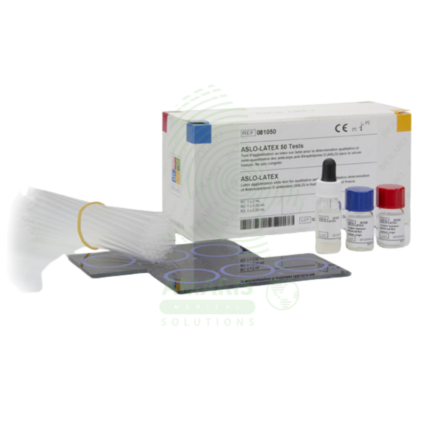
Anti-Streptol Olysin O Titer (ASOT)
Anti-Streptol Olysin O Titer (ASOT) is a quantitative or semi-quantitative serological test (latex agglutination, turbidimetry, nephelometry, or ELISA) for detecting antibodies against streptolysin O, an exotoxin produced by Group A Streptococcus. Elevated or rising titers indicate recent streptococcal infection and are essential for diagnosing post-streptococcal sequelae including acute rheumatic fever (Jones criteria) and post-streptococcal glomerulonephritis. The test requires serum samples; acute and convalescent (2-4 weeks apart) with fourfold rise confirms recent infection. Reference range typically <200-250 Todd units/mL (adults), varies by age and population. Primary clinical applications include diagnosis of Group A streptococcal infections, acute rheumatic fever evaluation, post-streptococcal glomerulonephritis diagnosis, differentiation of acute vs. past infection, evaluation of unexplained arthritis or carditis, pediatric inflammatory conditions (PANDAS), and monitoring disease activity in rheumatic fever. Critical safety precautions include proper timing of acute and convalescent samples, awareness of false negatives/positives, clinical correlation for diagnosis, and standard biohazard precautions. Essential test for rheumatology, nephrology, cardiology, and infectious disease practice.
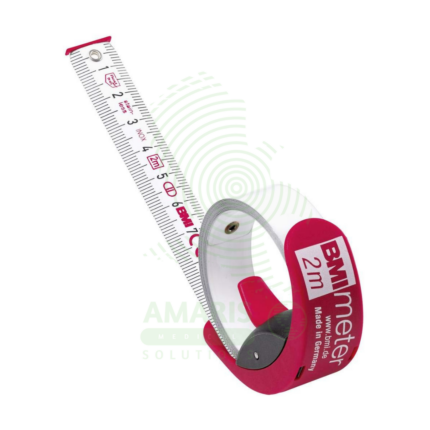
BMI Tape
A BMI Tape is a rapid screening tool that estimates an individual's Body Mass Index (BMI) category by measuring body circumference, most commonly the waist. It features a color-coded scale that directly displays BMI ranges (Underweight, Normal, Overweight, Obese), eliminating the need for separate height and weight measurements and manual calculation. While highly useful for community health screenings, wellness programs, and patient education due to its portability and simplicity, it is an approximate method. Its accuracy is limited compared to BMI calculated from precise clinical measurements, and it should be used as an initial screening indicator rather than a definitive diagnostic tool.
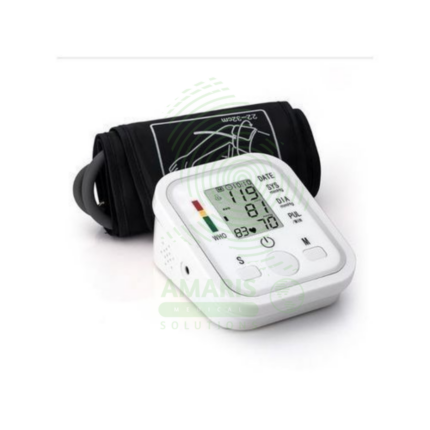
Digital Blood Pressure Monitor
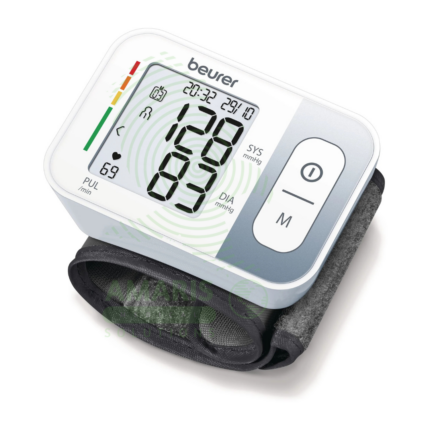
A Digital Blood Pressure Monitor is an automatic electronic device that measures and displays systolic pressure, diastolic pressure, and pulse rate using the oscillometric method. Designed primarily for home and clinical use, it offers a user-friendly alternative to manual aneroid devices, requiring minimal training. Key features often include irregular heartbeat detection, multi-user memory, and connectivity for data tracking. Its accuracy, when clinically validated and used with correct technique, makes it an indispensable tool for the diagnosis and management of hypertension, empowering patients and supporting healthcare providers with reliable ambulatory data.
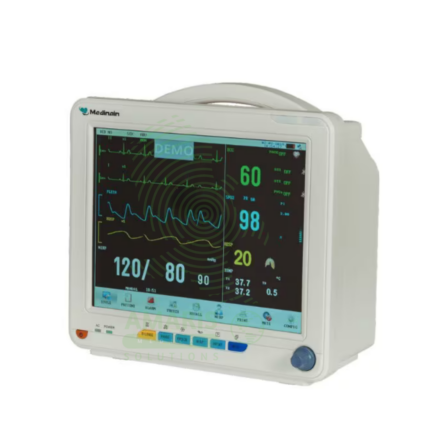
ECG Machine
An ECG Machine is a Class II medical device that records and displays the electrical activity of the heart through surface electrodes, producing an electrocardiogram for diagnosis of cardiac conditions. Standard diagnostic machines record 12 simultaneous leads (3 limb, 6 precordial, 1 ground) with frequency response 0.05-150 Hz, sampling rate 500-1,000 Hz, and high-resolution (5-10 µV) signal acquisition. Features include color touchscreen display, thermal array printer, computerized interpretation algorithms, internal memory (50-500+ ECGs), and network connectivity for EMR integration. Lead wires (AHA or IEC color coding) connect to disposable adhesive electrodes. Portable models (5-15 kg) with rechargeable batteries enable bedside and mobile use; cart-mounted units provide full diagnostic capability. Primary clinical applications include diagnosis of arrhythmias (AF, VT, bradycardia), detection of myocardial ischemia/infarction (STEMI, NSTEMI), evaluation of chest pain, preoperative cardiac risk assessment, monitoring electrolyte imbalances, assessment of chamber enlargement, and drug effect/toxicity monitoring. Essential diagnostic equipment in emergency departments, cardiology clinics, ICUs, operating rooms, and primary care settings worldwide.
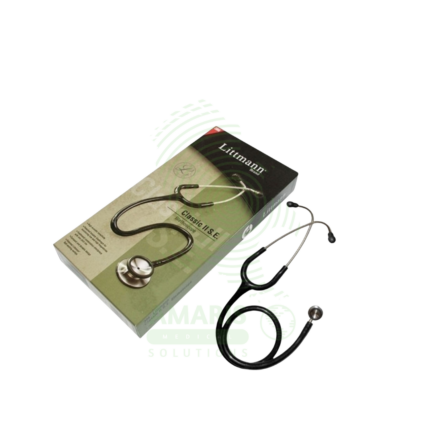
Littmann Stethoscope (Classic II)
A Littmann Stethoscope (Classic II) is a premium, acoustic dual-head stethoscope renowned for its diagnostic clarity, durability, and innovative tunable diaphragm technology. It allows healthcare professionals to hear both high and low-frequency sounds by simply adjusting pressure on the single-sided chestpiece, eliminating the need to rotate it. With its superior acoustics, comfortable fit, and wide range of colors, it is the instrument of choice for medical students, nurses, and physicians across all specialties who require reliable performance for physical assessment, auscultation of heart and lung sounds, and manual blood pressure measurement.
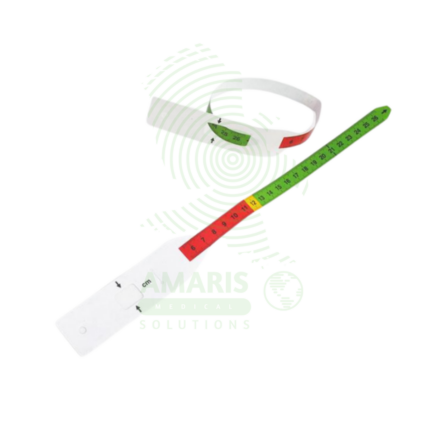
MUAC Tape
A MUAC Tape (Mid-Upper Arm Circumference) is a specialized, color-coded measuring tape used globally as the primary field tool for screening children aged 6-59 months for acute malnutrition. Its simple design—featuring red, yellow, and green zones corresponding to Severe Acute Malnutrition, Moderate Acute Malnutrition, and normal nutritional status—allows for instant, non-invasive assessment without the need for scales, calculation, or literacy. Durable, portable, and inexpensive, it is the cornerstone of community-based nutrition programs, emergency relief efforts, and public health surveillance, enabling early detection and life-saving intervention for malnourished children in even the most resource-constrained settings.
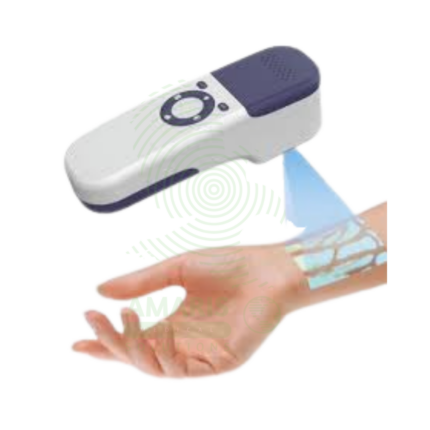
Vein Finder
A Vein Finder is a non-invasive medical imaging device that uses near-infrared light to visualize subcutaneous veins in real time and project a map of the vascular network directly onto the patient's skin. Primarily used to facilitate difficult venipuncture and IV access in challenging patient populations (pediatric, obese, elderly, dark-skinned), it enhances first-stick success rates, improves patient comfort, and reduces procedure time. As a handheld, portable aid, it complements the clinician's skill by providing clear visual guidance, making it a valuable tool in emergency rooms, operating theaters, infusion centers, and phlebotomy services.