Dermatoscope and Magnifiers
 Diagnostic Kits
 Vital Signs Monitors
 Stethoscopes and Accessories
 Otoscopes, Ophthalmoscopes, and Retinoscopes
 Reflex Hammers and Neurological Tools
 Scales and Measuring Devices
 Spirometers and Pulmonary Function Tests
 Electrosurgical Units and Accessories
 Cutting Instruments
 Grasping and Holding Instruments
 Hemostatic Instruments
 Specialized Surgical Sets
 Single-Use Procedure Trays and Packs
 Surgical Drapes, Gowns, and Covers
 Tissue Unifying Instruments
 Radiation Protection
 X-Ray Machines and Accessories
 Ultrasound Systems and Probes
 MRI and CT Scanners
 Radiology Consumables
 Bone Densitometers
 Fluoroscopy Equipment
 Imaging Tables and Positioning Aids
 Microscopes and Accessories
 Centrifuges and Separators
 Analyzers
 Incubators and Ovens
 Pipettes, Dispensers, and Lab Glassware
 Refrigerators, Freezers, and Storage Units
 Lab Consumables
 Sterilizers and Autoclaves for Lab Use
 Multi-Parameter Monitors
 Ventilators and Respiratory Support Devices
 Defibrillators and AEDs
 Infusion Pumps and IV Systems
 Patient Warmers and Cooling Devices
 Central Monitoring Stations
 Accessories
 Anesthesia Machines and Workstations
 Oxygen Concentrators and Delivery Systems
 Nebulizers and Inhalers
 CPAP/BiPAP Machines
 Airway Management
 Anesthesia Masks, Circuits, and Bags
 Humidifiers and Heaters
 Respiratory Therapy Accessories
 First Aid Kits and Cabinets
 Emergency Resuscitation Equipment
 Trauma Supplies
 Emergency Carts and Crash Carts
 Burn Care Products
 Bleeding Control
 Automated External Defibrillators (AEDs)
 Transport and Evacuation
 Wheelchairs and Accessories
 Walkers, Crutches, and Canes
 Prosthetics and Orthotics
 Physical Therapy Equipment
 Transfer Devices
 Bathroom Safety
 Orthopedic Traction and Tables
 Hot/Cold Therapy Packs and Units
 Beds and Mattresses
 Chairs and Stools
 Tables
 Cabinets and Storage
 Privacy Screens & Curtains
 Stands and Racks
 Linens and Textiles
 Lighting
 Autoclaves and Sterilizers
 Ultrasonic Cleaners
 Disinfectant Solutions and Wipes
 Sterilization Pouches, Wraps, and Indicators
 Instrument Trays and Containers
 UV and Ozone Disinfection Devices
 Washer Disinfectors
 Wound Care
 Gloves
 Masks and Respirators
 Catheters and Tubing
 Swabs, Applicators, and Sponges
 Incontinence Products
 Personal Protective Equipment (PPE)
 Dental Chairs and Units
 Handpieces and Burs
 Instruments
 Consumables
 Sterilization for Dental Use
 Orthodontic Supplies
 Endodontic Tools
 Slit Lamps and Tonometers
 Lensometers and Phoropters
 Ophthalmic Surgical Instruments
 Eyewear Frames and Lenses
 Contact Lens Supplies
 Vision Testing Charts and Devices
 Eye Care Consumables
 Laser Systems for Eye Care
 ENT Exam Chairs and Tables
 Endoscopes
 Audiometers and Hearing Tests
 ENT Instruments
 Nasal and Throat Packs
 Hearing Aids and Accessories
 Otology Supplies
 Fetal Dopplers and Monitors
 Delivery Beds and Tables
 Gynecological Instruments
 Neonatal Incubators and Warmers
 Breast Pumps and Accessories
 Contraceptive Devices
 Maternity Supports and Pads
 Neonatal Consumables
 Cystoscopes and Urethroscopes
 Dialysis Machines and Supplies
 Urological Catheters and Bags
 Lithotripters
 Prostate Treatment Devices
 Urinary Incontinence Products
 Kidney Stone Management Tools
 Consumables & Disposables
 EEG and EMG Machines
 Neurosurgical Instruments
 Nerve Stimulators
 Headrests and Positioning Aids
 Lumbar Puncture Kits
 Seizure Monitoring Devices
 Consumables
 Rehabilitation for Neurological Conditions
 ECG Machines and Accessories
 Holter Monitors
 Stress Test Systems
 Pacemakers and Defibrillator Accessories
 Vascular Access Devices
 Cardiac Catheters and Guidewires
 Blood Flow Meters
 Consumables
 Orthopedic Instruments
 Casts, Splints, and Padding
 Joint Replacement Supplies
 Prosthetic Limbs and Components
 Bone Grafts and Substitutes
 Traction Devices
 Orthopedic Braces and Supports
 Rehabilitation Aids for Orthopedics
 Home Oxygen Therapy
 Hospital Beds for Home Use
 Mobility Aids
 Bathroom and Daily Living Aids
 Wound Care for Home
 Monitoring Devices
 Enteral Feeding Pumps and Tubes
 Hand Sanitizers and Dispensers
 Face Shields and Goggles
 Isolation Gowns and Suits
 Biohazard Waste Containers
 Air Purifiers and HEPA Filters
 Surface Disinfectants
 Sharps Containers
 Protective Barriers
 Cardiovascular & Endurance Training
 Strength Training & Weightlifting
 Functional Training & Core Conditioning
 Physical Therapy & Rehabilitation
 Sports & Outdoor Recreation
 Gym Flooring & Facility Equipment
 Fitness Monitoring & Accessories
 Kids & Novelties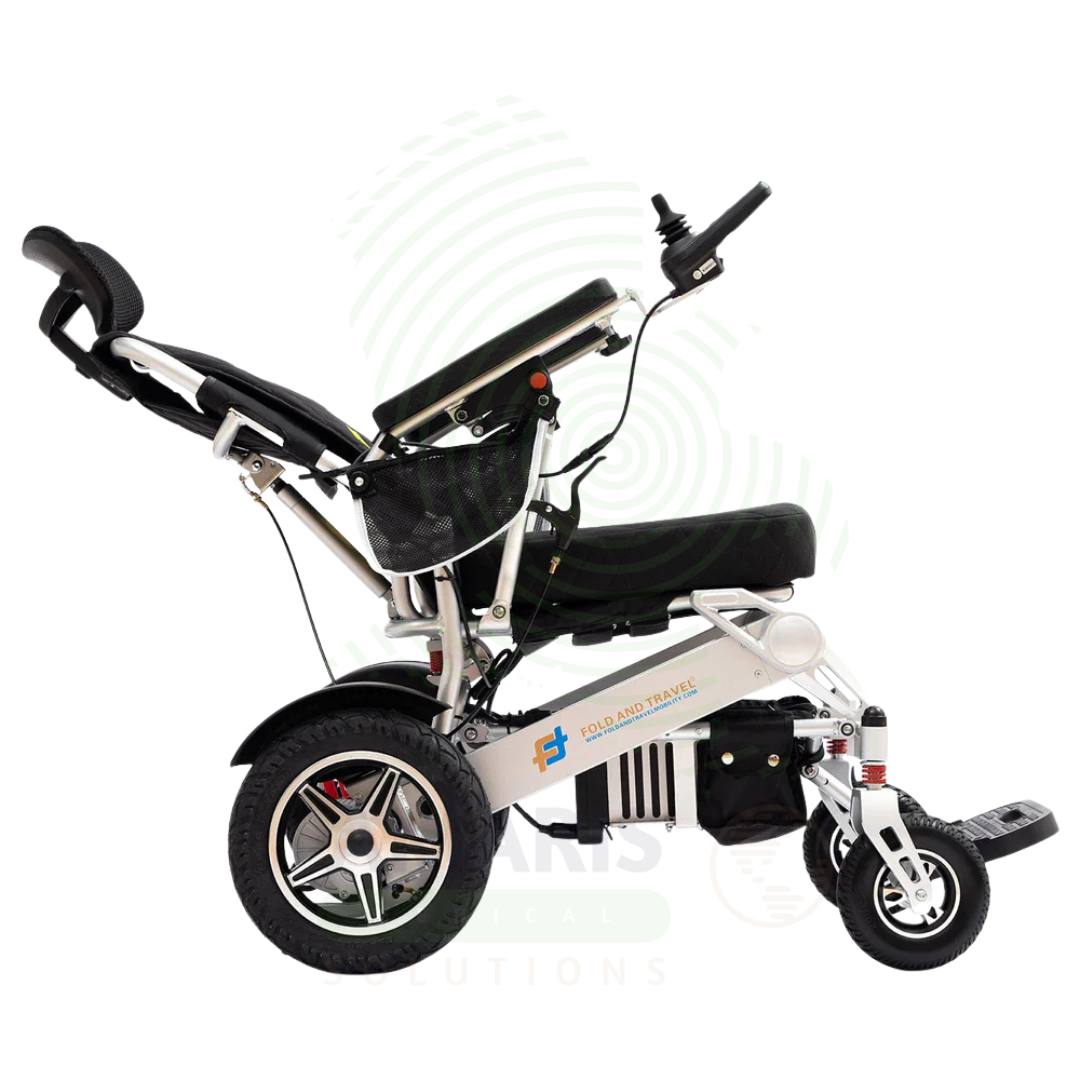
Reclining Electric Wheelchair Convertible Manual
WhatsApp Order
A Reclining Electric Wheelchair Convertible Manual is a powered mobility device that combines electric recline for independent positioning with manual backup for continued function during power outages. The electric recline allows users to change position for pressure relief, respiratory support, and postural management, while the manual backup ensures positioning capability regardless of power availability. Used in home healthcare, long-term care, and rehabilitation settings, it promotes independence, safety, and comfort for individuals with limited mobility.
Description
Reclining Electric Wheelchair Convertible Manual
PRIMARY CLINICAL & DIAGNOSTIC USES
1. Independent Pressure Relief and Skin Integrity Management
-
Primary Use: Provides electric-powered backrest recline for patients with limited mobility, allowing independent position changes to relieve pressure on the sacrum, ischial tuberosities, and spine. The convertible manual backup ensures continued positioning capability during power outages or equipment failure.
-
How it helps: For the wound care nurse and seating specialist, the reclining electric wheelchair puts pressure relief in the user’s hands—enabling them to shift weight off vulnerable areas throughout the day without waiting for caregiver assistance. For the patient with spinal cord injury, multiple sclerosis, or severe weakness, the ability to recline independently helps prevent the devastating pressure injuries that lead to hospitalization and surgery.
2. Management of Orthostatic Hypotension and Autonomic Dysreflexia
-
Primary Use: Allows users who experience blood pressure fluctuations to recline to a supine or near-supine position to stabilize blood pressure and alleviate symptoms, with manual backup ensuring continued function during power failures.
-
How it helps: For the physiatrist and autonomic specialist managing patients with blood pressure regulation issues, the reclining function provides immediate position correction when symptoms arise—preventing syncope and managing dysreflexia episodes without the delay of transfer to bed. For the patient with orthostatic hypotension, the ability to recline at the first sign of lightheadedness means they can manage their condition safely and independently.
3. Therapeutic Positioning for Respiratory and Digestive Support
-
Primary Use: Electric recline allows adjustment to semi-reclined positions that ease breathing for patients with respiratory compromise, aid digestion, and reduce reflux, while manual backup ensures positioning capability in all circumstances.
-
How it helps: For the respiratory therapist and occupational therapist, the ability to adjust backrest angle supports multiple body systems—opening the chest for better air exchange, positioning for comfortable digestion, and providing relief from the fatigue of maintaining an upright posture. For the patient with COPD or post-prandial reflux, a chair that reclines on demand provides immediate symptomatic relief.
4. Convertible Manual Backup for Emergency Use
-
Primary Use: Features manual backup system for electric recline and positioning functions, ensuring continued adjustability during power outages, equipment failure, or when electrical controls are inaccessible.
-
How it helps: For the facility manager and care team, the manual backup system provides peace of mind that patient positioning will not be compromised during power failures—ensuring that pressure relief and therapeutic positioning can be maintained regardless of electrical supply. For the patient, this redundancy means consistent care and safety even in emergency situations.
5. Postural Support and Tone Management for Neurological Conditions
-
Primary Use: Provides adjustable positioning to accommodate fluctuating muscle tone in conditions like cerebral palsy, multiple sclerosis, and stroke, with manual backup ensuring positioning capability regardless of power availability.
-
How it helps: For the neurologist and physical therapist managing patients with fluctuating tone, the reclining electric wheelchair offers the flexibility to respond to the body’s changing needs—reclining when extensor tone makes upright sitting impossible, and returning to upright when tone subsides. For the patient with variable muscle tone, having a chair that adapts to their body means they can remain seated and engaged regardless of how their muscles behave.
SECONDARY & SUPPORTIVE USES
1. Facilitation of Personal Care Activities: Reclining the backrest provides easier access for caregivers to perform catheterization, perineal care, dressing changes, and skin inspections while the user remains in the chair.
2. Enhanced Comfort and Fatigue Reduction: Allows users to alter position throughout the day to relieve discomfort, reduce sitting fatigue, and rest or nap in a semi-supine position without bed transfer.
3. Assisted Transfers with Reduced Caregiver Strain: By reclining the backrest, the user’s center of gravity shifts backward, making certain assisted transfers safer and less physically demanding for caregivers.
4. Feeding and Swallowing Support: A semi-reclined position may be recommended during meals for individuals with swallowing difficulties to promote safer bolus transit and prevent aspiration.
5. Dual Power and Manual Operation: Electric operation for independent use; manual backup ensures continued function during power outages or for caregivers when electrical controls are not accessible.
6. Home Healthcare and Long-Term Care: Suitable for home settings where patients require both independent positioning and reliable backup during power interruptions.
KEY PRODUCT FEATURES
1. BASIC IDENTIFICATION ATTRIBUTES
-
Product Type: A convertible wheelchair with electric recline function and manual backup for continued positioning during power outages.
-
Designation: Reclining Electric Wheelchair Convertible Manual, Convertible Recliner Wheelchair, Power Recline Wheelchair with Manual Backup.
-
Key Components:
-
Electric Recline Mechanism: Powered actuator for backrest adjustment.
-
Manual Backup: Hand crank or lever for manual recline during power failure.
-
Power Base: Electric drive system for mobility.
-
Seating System: Pressure-reducing seat cushion.
-
Backrest: Adjustable for various recline angles.
-
Controls: Joystick for mobility; separate controls for recline.
-
2. TECHNICAL & PERFORMANCE PROPERTIES
-
Recline Angle: Typically 0-45 degrees or more depending on model.
-
Drive Type: Rear-wheel, mid-wheel, or front-wheel drive.
-
Weight Capacity: Standard 300-400 lbs; bariatric models available.
-
Manual Backup: Functions during power failure or for caregiver use.
-
Battery: Deep-cycle batteries with sufficient capacity for mobility and recline functions.
3. PHYSICAL & OPERATIONAL PROPERTIES
-
Construction: Heavy-duty frame with powered drive and recline mechanisms.
-
Seat Width: Various sizes available.
-
Controls: Integrated joystick with recline controls; manual backup accessible.
-
Portability: May disassemble for transport.
4. SAFETY & COMPLIANCE ATTRIBUTES
-
Regulatory Status: Class II medical device regulated by FDA.
-
Safety Standards: Compliant with ANSI/RESNA standards.
-
Manual Backup: Critical safety feature for power failure situations.
-
Electrical Safety: Compliant with IEC 60601-1.
5. STORAGE & HANDLING ATTRIBUTES
-
Storage: Stored in the user's living space; battery charged overnight.
-
Cleaning: Wipe with mild soap and water; follow manufacturer guidelines.
-
Maintenance: Regular inspection of recline mechanism, manual backup, batteries, and controls.
6. LABORATORY & CLINICAL APPLICATIONS
-
Primary Application: Independent positioning and mobility for patients with limited mobility requiring pressure relief, respiratory support, and postural management.
-
Clinical Role: Essential equipment for home care, long-term care, and rehabilitation settings.
SAFETY HANDLING PRECAUTIONS
1. SAFETY PRECAUTIONS
-
Manual Backup: Ensure manual backup is accessible and functional; test periodically.
-
Recline Use: Use recline function on level surfaces only.
-
Weight Capacity: Do not exceed stated weight capacity.
-
Transfer: Use appropriate transfer techniques when entering or exiting the chair.
-
Battery Maintenance: Follow manufacturer guidelines for battery charging and maintenance.
-
Regular Inspection: Have a recline mechanism and manual backup inspected regularly.
2. FIRST AID MEASURES
-
Power Failure: In power failure, use manual backup for positioning; contact maintenance.
-
Mechanical Failure: If electric recline fails, use manual backup; contact service provider.
3. FIRE FIGHTING MEASURES
-
Flammability: Plastic and fabric components are combustible; batteries may pose fire risk.
-
Extinguishing Media: For electrical fire, use CO₂ or dry chemical extinguisher.
Related products
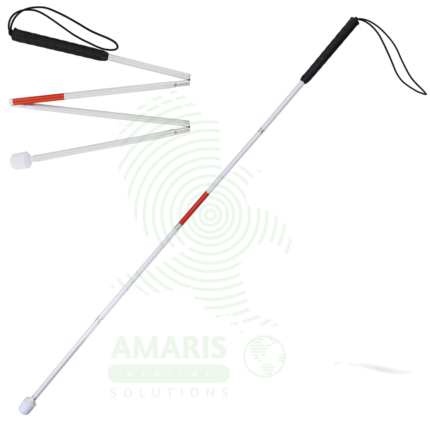
Blind Cane
A Blind Cane (white cane) is a specialized, lightweight mobility tool used by individuals who are blind or visually impaired for navigation and environmental awareness. Its core function is tactile and auditory detection of obstacles, drop-offs, and surface changes one step ahead of the user. Key features include a white shaft for visibility, an ergonomic grip, and a replaceable, specialized tip. It is not a walking stick for balance but a sensory probe. Its effective and safe use requires mandatory training in specific techniques from a certified Orientation and Mobility (O&M) specialist.
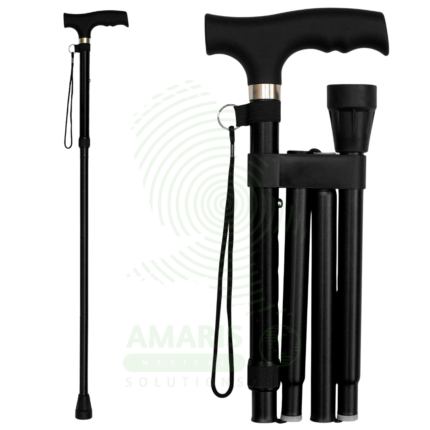
Foldable Walking Stick
A Foldable Walking Stick combines a stabilizing four-point base with a multi-section shaft that folds for compact storage and portability. It is designed for individuals who need reliable stability for moderate balance or weight-bearing issues but also require a discreet, transportable aid for use in the community. Key safety features include secure segment locking mechanisms and a quad base that must be placed flat. It is ideal for travel, occasional use, and active seniors, but requires diligent checking of all locks before each use to prevent collapse.
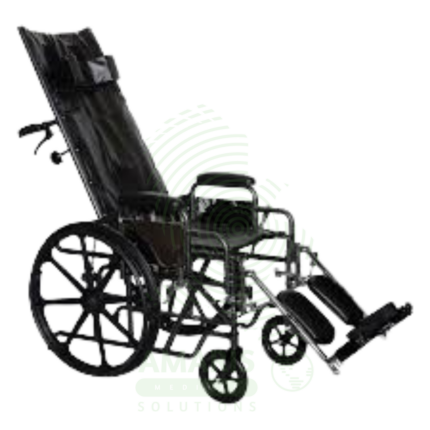
Manual Reclining Wheelchair
A Manual Reclining Wheelchair is a non-powered wheelchair with a backrest that can be manually adjusted to various angles. It is designed for users who need to change their sitting position for pressure relief, circulatory management, respiratory support, or comfort but do not require powered mobility. Key safety features include a robust locking mechanism, mandatory use of anti-tip levers and a seat belt when reclined, and synchronized elevating leg rests to prevent sliding. It is heavier and less maneuverable than a standard wheelchair but provides essential positioning options for individuals with specific postural and medical needs.
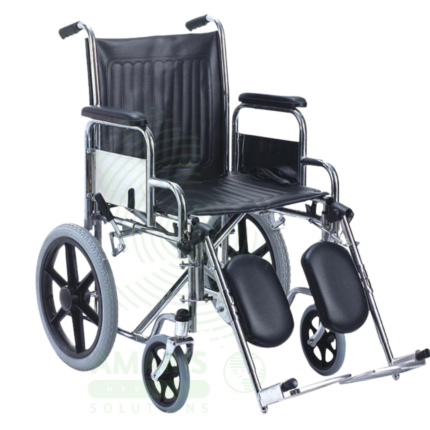
Orthopedic Wheelchair
An Orthopedic Wheelchair is a specialized manual wheelchair with an extended frame and elevating leg rests, designed to support patients who must keep one or both lower limbs in a straight, non-weight-bearing position. It is primarily used for managing lower limb fractures, post-operative recovery (e.g., hip replacements), and conditions requiring heel-off-loading to prevent pressure sores. Its key safety consideration is a heightened risk of tipping backwards due to the forward weight of the extended leg, requiring cautious use, engagement of anti-tip levers, and awareness of its increased length during navigation.
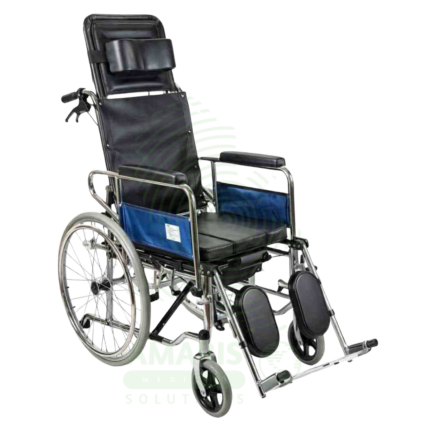
Reclining Commode Wheelchair
A Reclining Commode Wheelchair is a complex manual chair that integrates a reclining backrest with a commode seat. It is designed for patients who require adjustable positioning for pressure relief, respiratory support, or comfort, and who need a built-in toileting solution. It addresses the needs of individuals with severe neurological conditions, spinal injuries, or advanced illnesses. Critical safety features include anti-tip levers, a mandatory seat belt, and a robust recline lock. Its use requires vigilant attention to stability and shear prevention, making it a specialized tool for high-dependency care settings.
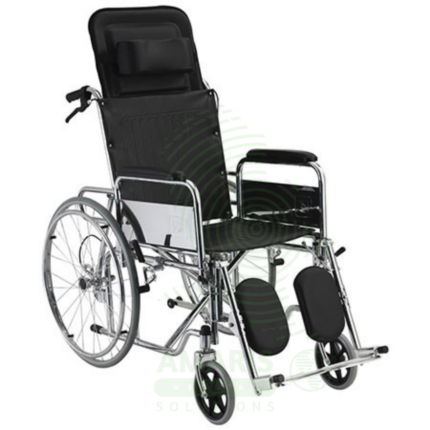
Reclining Wheelchair
A Reclining Wheelchair is a manual wheelchair with a backrest that can be manually adjusted to various angles. It is designed for users who need to change their sitting position for pressure relief, circulatory management, respiratory support, or comfort but do not require powered mobility. Key safety features include a robust locking mechanism, mandatory use of anti-tip levers and a seat belt when reclined, and synchronized elevating leg rests to prevent sliding. It is heavier and less maneuverable than a standard wheelchair but provides essential positioning options for individuals with specific postural and medical needs.
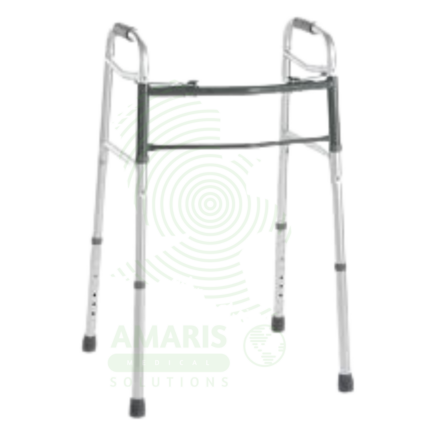
Walker
A Walker is a rigid, non-wheeled frame walking aid designed to provide maximum stability and support. It is used by lifting and placing the frame forward with each step, making it ideal for individuals with significant balance issues, weakness, or those in early post-operative recovery who require a secure, stationary base. Its key features include a lightweight aluminum frame, height-adjustable legs, and rubber tips. Proper fitting and gait training are essential for safe use, as incorrect technique can increase fall risk. It is the most stable ambulatory aid before progressing to wheeled walkers or canes.