Dermatoscope and Magnifiers
 Diagnostic Kits
 Vital Signs Monitors
 Stethoscopes and Accessories
 Otoscopes, Ophthalmoscopes, and Retinoscopes
 Reflex Hammers and Neurological Tools
 Scales and Measuring Devices
 Spirometers and Pulmonary Function Tests
 Electrosurgical Units and Accessories
 Cutting Instruments
 Grasping and Holding Instruments
 Hemostatic Instruments
 Specialized Surgical Sets
 Single-Use Procedure Trays and Packs
 Surgical Drapes, Gowns, and Covers
 Tissue Unifying Instruments
 Radiation Protection
 X-Ray Machines and Accessories
 Ultrasound Systems and Probes
 MRI and CT Scanners
 Radiology Consumables
 Bone Densitometers
 Fluoroscopy Equipment
 Imaging Tables and Positioning Aids
 Microscopes and Accessories
 Centrifuges and Separators
 Analyzers
 Incubators and Ovens
 Pipettes, Dispensers, and Lab Glassware
 Refrigerators, Freezers, and Storage Units
 Lab Consumables
 Sterilizers and Autoclaves for Lab Use
 Multi-Parameter Monitors
 Ventilators and Respiratory Support Devices
 Defibrillators and AEDs
 Infusion Pumps and IV Systems
 Patient Warmers and Cooling Devices
 Central Monitoring Stations
 Accessories
 Anesthesia Machines and Workstations
 Oxygen Concentrators and Delivery Systems
 Nebulizers and Inhalers
 CPAP/BiPAP Machines
 Airway Management
 Anesthesia Masks, Circuits, and Bags
 Humidifiers and Heaters
 Respiratory Therapy Accessories
 First Aid Kits and Cabinets
 Emergency Resuscitation Equipment
 Trauma Supplies
 Emergency Carts and Crash Carts
 Burn Care Products
 Bleeding Control
 Automated External Defibrillators (AEDs)
 Transport and Evacuation
 Wheelchairs and Accessories
 Walkers, Crutches, and Canes
 Prosthetics and Orthotics
 Physical Therapy Equipment
 Transfer Devices
 Bathroom Safety
 Orthopedic Traction and Tables
 Hot/Cold Therapy Packs and Units
 Beds and Mattresses
 Chairs and Stools
 Tables
 Cabinets and Storage
 Privacy Screens & Curtains
 Stands and Racks
 Linens and Textiles
 Lighting
 Autoclaves and Sterilizers
 Ultrasonic Cleaners
 Disinfectant Solutions and Wipes
 Sterilization Pouches, Wraps, and Indicators
 Instrument Trays and Containers
 UV and Ozone Disinfection Devices
 Washer Disinfectors
 Wound Care
 Gloves
 Masks and Respirators
 Catheters and Tubing
 Swabs, Applicators, and Sponges
 Incontinence Products
 Personal Protective Equipment (PPE)
 Dental Chairs and Units
 Handpieces and Burs
 Instruments
 Consumables
 Sterilization for Dental Use
 Orthodontic Supplies
 Endodontic Tools
 Slit Lamps and Tonometers
 Lensometers and Phoropters
 Ophthalmic Surgical Instruments
 Eyewear Frames and Lenses
 Contact Lens Supplies
 Vision Testing Charts and Devices
 Eye Care Consumables
 Laser Systems for Eye Care
 ENT Exam Chairs and Tables
 Endoscopes
 Audiometers and Hearing Tests
 ENT Instruments
 Nasal and Throat Packs
 Hearing Aids and Accessories
 Otology Supplies
 Fetal Dopplers and Monitors
 Delivery Beds and Tables
 Gynecological Instruments
 Neonatal Incubators and Warmers
 Breast Pumps and Accessories
 Contraceptive Devices
 Maternity Supports and Pads
 Neonatal Consumables
 Cystoscopes and Urethroscopes
 Dialysis Machines and Supplies
 Urological Catheters and Bags
 Lithotripters
 Prostate Treatment Devices
 Urinary Incontinence Products
 Kidney Stone Management Tools
 Consumables & Disposables
 EEG and EMG Machines
 Neurosurgical Instruments
 Nerve Stimulators
 Headrests and Positioning Aids
 Lumbar Puncture Kits
 Seizure Monitoring Devices
 Consumables
 Rehabilitation for Neurological Conditions
 ECG Machines and Accessories
 Holter Monitors
 Stress Test Systems
 Pacemakers and Defibrillator Accessories
 Vascular Access Devices
 Cardiac Catheters and Guidewires
 Blood Flow Meters
 Consumables
 Orthopedic Instruments
 Casts, Splints, and Padding
 Joint Replacement Supplies
 Prosthetic Limbs and Components
 Bone Grafts and Substitutes
 Traction Devices
 Orthopedic Braces and Supports
 Rehabilitation Aids for Orthopedics
 Home Oxygen Therapy
 Hospital Beds for Home Use
 Mobility Aids
 Bathroom and Daily Living Aids
 Wound Care for Home
 Monitoring Devices
 Enteral Feeding Pumps and Tubes
 Hand Sanitizers and Dispensers
 Face Shields and Goggles
 Isolation Gowns and Suits
 Biohazard Waste Containers
 Air Purifiers and HEPA Filters
 Surface Disinfectants
 Sharps Containers
 Protective Barriers
 Cardiovascular & Endurance Training
 Strength Training & Weightlifting
 Functional Training & Core Conditioning
 Physical Therapy & Rehabilitation
 Sports & Outdoor Recreation
 Gym Flooring & Facility Equipment
 Fitness Monitoring & Accessories
 Kids & Novelties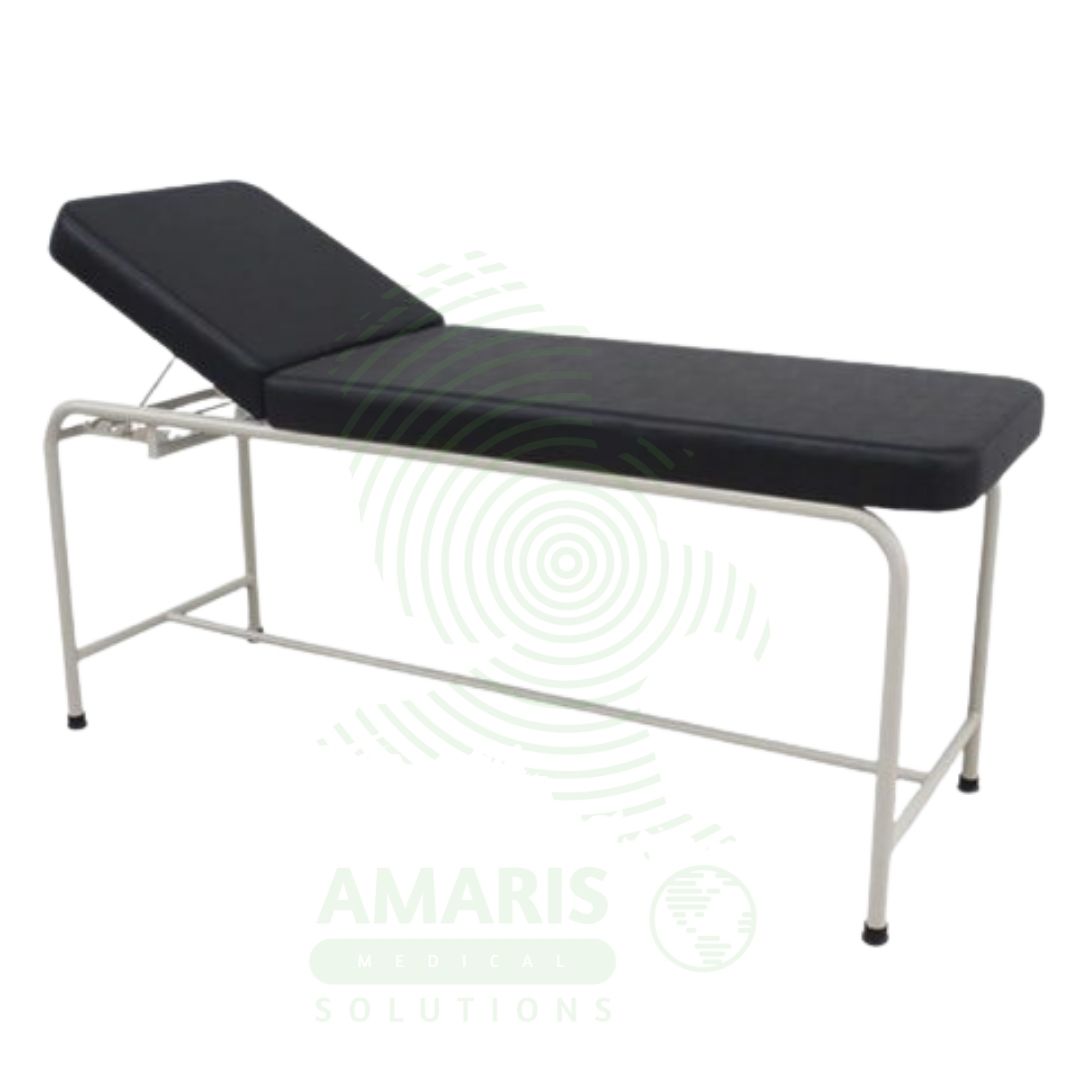
Resin Coated Examination Table
$1.00
WhatsApp Order
The Resin Coated Examination Table is a heavy-duty, non-upholstered medical table designed for maximum infection control and durability. Its seamless, hard plastic resin surface is impervious to fluids and resistant to damage from sharp instruments and harsh chemicals, allowing for aggressive cleaning and disinfection. It is the ideal platform for minor surgical procedures, gynecological exams, and high-throughput clinical settings where hygiene and longevity are prioritized over padded comfort. Patient comfort is provided through the use of disposable paper sheets or thin pads.
Description
Resin Coated Examination Table
PRIMARY CLINICAL & DIAGNOSTIC USES
1. Routine Physical Examinations and Clinical Assessments
-
Definitive Use: Provides a stable, non-porous surface for patients during comprehensive physical exams in outpatient clinics, urgent care, and occupational health settings, with the resin coating facilitating easy cleaning between patients for infection control.
-
How it helps: For the physician, nurse practitioner, and clinical staff, the resin coated examination table provides a reliable, predictable surface for every patient encounter—stable enough for thorough palpation, comfortable enough for patient relaxation, and non-porous enough to be wiped clean in moments between visits. For the patient arriving for their annual physical, back-to-school sports exam, or work-related assessment, the clean, smooth surface beneath them provides reassurance that infection control is taken seriously, and that the table they lie on has been properly sanitized since the last occupant.
2. Minor Outpatient Surgical and Diagnostic Procedures
-
Primary Use: Specifically designed to withstand harsh disinfectants, it is ideal for procedures involving fluids, such as suturing lacerations, incision and drainage of abscesses, wound debridement, cyst removal, joint injections, and punch biopsies, with the smooth surface preventing fluid absorption and allowing for rapid cleanup.
-
How it helps: For the provider performing minor procedures in the office or clinic, the resin coated table becomes an extension of the sterile field—resisting absorption of blood, saline, and antiseptics, and allowing immediate, thorough decontamination after each case. For the patient undergoing a minor procedure, this surface means their wound is managed in a clean, professional environment, with the assurance that the table has been properly disinfected since its last use, protecting them from cross-contamination.
3. Gynecological and Urological Examinations
-
Primary Use: When paired with stirrups, the table is essential for conducting pelvic exams, Pap smears, colposcopies, IUD insertions, and urological evaluations, with the resin coating ensuring complete decontamination after each use, critical for these sensitive exams.
-
How it helps: For the gynecologist, urologist, and women’s health provider, the resin coated examination table provides a surface that can be rigorously disinfected between patients—essential for procedures involving mucous membranes and sensitive anatomy. For the patient undergoing a pelvic exam or IUD insertion, knowing that the table has been properly sanitized reduces anxiety about infection, allowing her to focus on the procedure rather than worrying about what occurred on that table before her.
4. High-Throughput Clinic and Public Health Screening
-
Primary Use: Its durability and ease of disinfection make it perfect for high-volume environments such as vaccination clinics, STD screening centers, travel medicine clinics, and pre-operative assessment units, where rapid patient turnover and stringent hygiene are paramount.
-
How it helps: For the clinic manager and public health nurse overseeing high-volume operations, the resin coated table’s quick-clean surface means patients move through efficiently, with no delays for elaborate cleaning protocols between visits. For the patient in a busy clinic—whether for travel vaccines, STD screening, or pre-operative clearance—this efficiency means shorter wait times and a smooth, organized experience, even in high-demand settings.
SECONDARY & SUPPORTIVE USES
1. Occupational Health and Ergonomic Assessments: Used in workplace clinics for pre-employment physicals, drug testing, injury assessments, and ergonomic evaluations, with the robust coating resisting damage from equipment, shoe soles, and chemical spills common in industrial settings. For the worker injured on the job or seeking employment clearance, a durable, well-maintained examination table reflects the professionalism of the occupational health program.
2. Dermatological Examinations and Treatments: The hard, cool, and clean surface is suitable for full-body skin checks, cryotherapy for warts, laser treatments, and minor dermatological surgeries, where a sterile-field-like surface is beneficial. For the patient undergoing a full-body mole check or skin cancer screening, a smooth, clean surface allows the dermatologist to examine every inch of skin without concern for contamination.
3. Emergency Department Triage and Fast-Track: Employed in ED fast-track areas for the initial assessment and treatment of patients with minor injuries or illnesses, where durability and hygiene under constant use are critical. For the patient with a minor complaint in a busy emergency department, a clean, professional examination surface provides reassurance amid the chaos.
4. Teaching and Clinical Simulation: The durable, low-maintenance construction makes it ideal for use in medical and nursing training laboratories, where it can withstand frequent use by students and repeated cleaning with strong agents. For the future clinicians learning their craft, practicing on professional-grade equipment builds skills and habits that will serve their patients well.
5. Mortuary and Post-Mortem Preliminary Examinations: In certain settings, its non-absorbent, easy-to-sanitize surface is appropriate for external examinations in a morgue or forensic context. For the deceased and their families, a dignified, professional environment for examination supports both accurate determination of cause of death and respectful handling of the body.
KEY PRODUCT FEATURES
1. BASIC IDENTIFICATION ATTRIBUTES
-
Product Type: A rigid, non-upholstered medical examination table with a surface coating of reinforced resin or composite material.
-
Core Design: Typically a one-piece, seamless top mounted on a steel pedestal or cabinet base. The defining feature is the absence of traditional vinyl upholstery in favor of a solid, coated surface.
-
Key Components:
-
Table Top: A solid core (often particle board or composite) sealed with multiple layers of thermosetting resin, creating a hard, gloss finish.
-
Base: A sturdy steel pedestal, often with a foot-operated hydraulic pump for height adjustment, or a fixed-height cabinet base for storage.
-
Stirrups: Heavy-duty, adjustable stirrups are common, often mounted directly to the table structure.
-
Siderails/Steps: Integrated or attachable for patient safety.
-
2. TECHNICAL & PERFORMANCE PROPERTIES
-
Surface Hardness & Durability: Extremely resistant to scratches, cuts, punctures, and chemical corrosion from alcohols, bleaches, peroxides, and aldehydes. Far exceeds the durability of vinyl upholstery.
-
Chemical Resistance: The resin coating is inert and non-reactive, allowing for the use of the broadest spectrum of hospital-grade disinfectants without risk of degradation, discoloration, or loss of seal.
-
Weight Capacity: Generally high due to rigid construction, often supporting 400-500 lbs (181-227 kg) or more.
-
Seamlessness: The top is typically seamless or has chemically welded seams, eliminating crevices where biohazards can accumulate.
3. PHYSICAL & OPERATIONAL PROPERTIES
-
Construction: Steel frame with a solid core top finished with a melamine-urea or epoxy resin coating under high heat and pressure.
-
Cleanability: Can be cleaned with abrasive pads and strong chemicals if necessary. Most fluids and contaminants bead up and can be simply wiped away.
-
Temperature: The surface is cooler to the touch than padded tables, often requiring the use of disposable paper sheets or pads for patient comfort.
-
Accessories: May include integrated utilities such as suction, oxygen, electrical outlets, and examination lights.
4. SAFETY & COMPLIANCE ATTRIBUTES
-
Regulatory Status: Class I medical device.
-
Infection Control Compliance: Meets the highest standards for cleanability, a critical attribute for preventing Healthcare-Associated Infections (HAIs). The surface does not support microbial harborage.
-
Flammability: The resin coating is typically flame-retardant.
-
Structural Integrity: Designed not to flex or deform under load, providing a stable procedural platform.
5. STORAGE & HANDLING ATTRIBUTES
-
Storage: Requires no special storage; designed for permanent placement in an exam room.
-
Cleaning & Disinfection (CRITICAL ADVANTAGE): The primary maintenance feature. Clean with a hospital-grade disinfectant wipe or spray. For gross contamination, clean with a detergent first, then disinfect. No special precautions are needed against chemical damage.
-
Maintenance: Virtually maintenance-free compared to upholstered tables. Inspect for deep cracks or chips in the resin coating, which are rare but would require professional repair to restore the impermeable barrier.
6. LABORATORY & CLINICAL APPLICATIONS
-
Primary Application: The table of choice for high-infection-risk environments, high-volume clinics, and any setting where procedures involving bodily fluids are routinely performed. It is a "workhorse" piece of clinical furniture.
-
Durability vs. Comfort Trade-off: Selected for its unmatched hygiene and longevity over patient comfort, making it less ideal for settings requiring long patient reclining times (e.g., therapy) but perfect for efficient procedural clinics.
SAFETY HANDLING PRECAUTIONS
1. SAFETY PRECAUTIONS
-
Patient Comfort & Safety: The hard, cool surface must be covered with a disposable paper sheet or padded overlay for patient comfort and to prevent skin contact with the cold surface. Ensure patients use steps and siderails to prevent slips and falls.
-
Chemical Handling: While the table is chemical-resistant, staff should follow standard protocols for safe handling and ventilation of concentrated disinfectants.
-
Weight Distribution: Although durable, avoid placing extreme point loads (e.g., standing on one spot) which could theoretically crack the core material.
-
Stirrup Security: Always double-check that stirrups are locked in position before and during patient use to prevent collapse.
2. FIRST AID MEASURES
-
Injury from Fall: If a patient falls from the table, do not move them if a spinal injury is suspected. Call for emergency assistance and provide first aid for visible wounds.
-
Chemical Exposure: If disinfectant chemicals splatter into a patient's eyes during cleaning, flush immediately with copious amounts of water for at least 15 minutes and seek medical attention.
-
Surface Damage: If the resin coating is deeply cracked or chipped, exposing the porous core underneath, the table must be taken out of service immediately and the damaged area sealed or the top replaced to maintain infection control.
3. FIRE FIGHTING MEASURES
-
Flammability: The resin coating and composite core are combustible but typically flame-retardant treated.
-
Extinguishing Media: Use water, foam, or CO₂. For electrical fires involving powered bases, use CO₂ or dry chemical extinguishers.
Related products
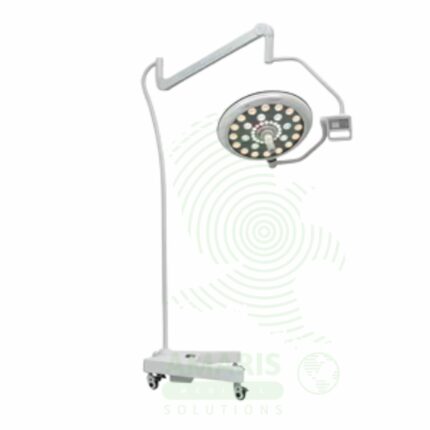
Ceiling & Stand Operating Light
An Ceiling & Stand Operating Light is a high-intensity, shadow-reducing illumination system designed to provide brilliant, color-accurate, and cool light directly onto the surgical field. Ceiling-mounted lights offer maximum flexibility in the OR, while stand-mounted lights provide portability. Key features include extremely high illuminance (>40,000 lux), a high Color Rendering Index (CRI >90) for true tissue color, and advanced optics for deep-cavity illumination with minimal shadows. Safe operation requires proper positioning, use of sterile handle covers, and awareness of the minimal but present thermal risk. It is a fundamental capital asset critical for enabling precise and safe surgical intervention.
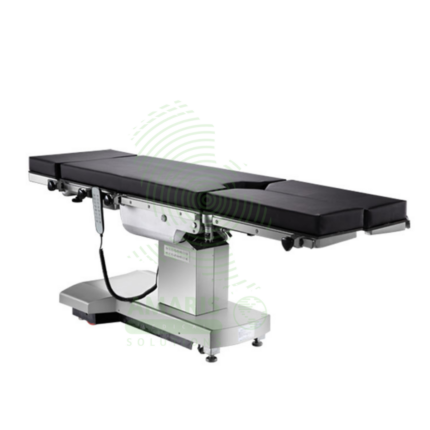
Hydraulic & Electric Operating Table
An Hydraulic & Electric Operating Table is the primary, heavy-duty patient positioning system in an operating room. Hydraulic models offer reliable, power-independent control, while electric models provide precise, programmable articulation. It is engineered for stability, a high weight capacity, and a wide range of motions (height, tilt, flexion) to optimize surgical exposure and ergonomics across all specialties. Safe use requires securing the patient, adhering to weight limits, careful padding to prevent nerve injury, and clear communication before any movement. It is a critical piece of capital equipment that forms the foundation for safe and effective surgical intervention.
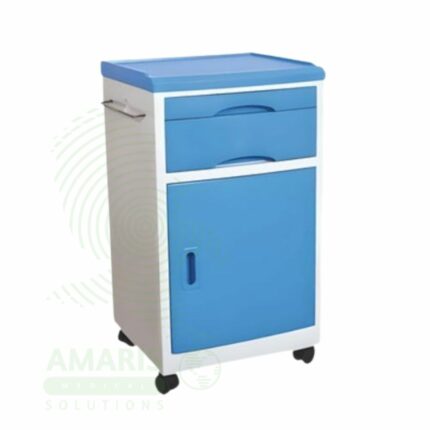
Imported Hospital Bedside Lockers
Imported Hospital Bedside Lockers are secure storage units designed for patient bedside use in hospitals, long-term care facilities, and patient care areas. Featuring lockable drawers for valuables and medications, open shelves for frequently used items, and smooth, non-porous surfaces for easy cleaning, they provide organized, secure storage for patient personal belongings and clinical supplies. The top surface serves as a convenient platform for water, tissues, and call bells, supporting patient independence and comfort. Essential for maintaining an organized, dignified patient environment while supporting infection control protocols.
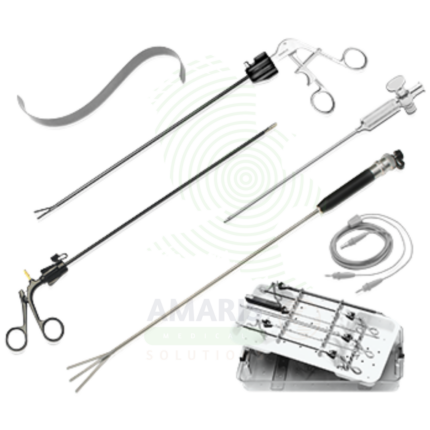
Laparoscopic Accessories
Laparoscopic accessories encompass a range of ancillary equipment and supplies essential for minimally invasive surgery, including cleaning brushes, sterilization containers, insufflation tubing, instrument storage systems, and single-use protective covers. These accessories support instrument care, procedural efficiency, and infection control, ensuring that laparoscopic instruments remain in optimal condition and that procedures run smoothly. Essential for operating rooms, sterile processing departments, and surgical suites.
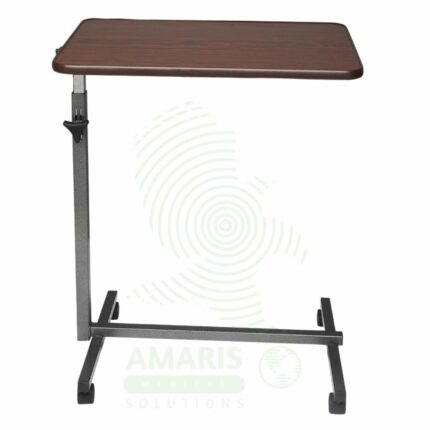
Overbed Table
An Overbed Table is a mobile, height-adjustable table on a wheeled base, featuring a swing-arm that allows its surface to be positioned over a patient's bed or chair. Its primary function is to provide a stable, convenient surface for in-bed dining, recreational activities, and personal organization, significantly enhancing comfort and independence for bedridden or mobility-limited patients. It also serves as a versatile utility table for nursing procedures and holding supplies at the bedside. Its adjustable, lockable design makes it an essential piece of patient-centered furniture in hospitals, nursing homes, and rehabilitation facilities.
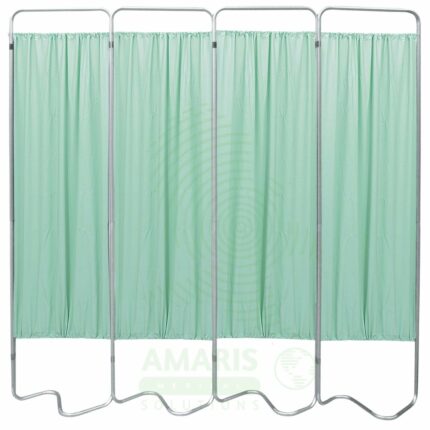
Patient Examination Privacy Screen
A Patient Examination Privacy Screen is a portable, foldable, multi-panel screen used to provide visual privacy during examinations, procedures, consultations, and patient care in multi-bed wards, emergency departments, and outpatient clinics. Featuring hinged panels, locking castors, and easy-clean fluid-resistant fabric, it creates temporary private spaces in open clinical environments. Essential for maintaining patient dignity, confidentiality, and infection control, it also supports space division, isolation, and management of environmental stimuli in busy healthcare settings.
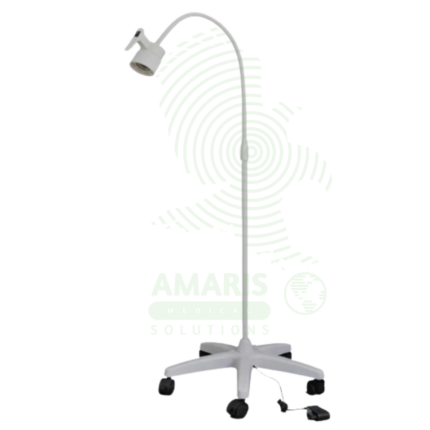
Portable Flexible LED Examination Lamp
A Portable Flexible LED Examination Lamp is a clinical lighting device featuring a high-intensity LED light source mounted on a flexible gooseneck arm. The LED provides bright, cool illumination with high color rendering index (CRI) for accurate tissue color discrimination during physical examinations, minor procedures, and wound assessment. The flexible gooseneck allows precise positioning to eliminate shadows and direct light into body cavities. Available in corded and battery-powered configurations, it is used in examination rooms, procedure rooms, emergency departments, and home healthcare settings. LED technology offers long bulb life, minimal heat output, and energy efficiency.