Dermatoscope and Magnifiers
 Diagnostic Kits
 Vital Signs Monitors
 Stethoscopes and Accessories
 Otoscopes, Ophthalmoscopes, and Retinoscopes
 Reflex Hammers and Neurological Tools
 Scales and Measuring Devices
 Spirometers and Pulmonary Function Tests
 Electrosurgical Units and Accessories
 Cutting Instruments
 Grasping and Holding Instruments
 Hemostatic Instruments
 Specialized Surgical Sets
 Single-Use Procedure Trays and Packs
 Surgical Drapes, Gowns, and Covers
 Tissue Unifying Instruments
 Radiation Protection
 X-Ray Machines and Accessories
 Ultrasound Systems and Probes
 MRI and CT Scanners
 Radiology Consumables
 Bone Densitometers
 Fluoroscopy Equipment
 Imaging Tables and Positioning Aids
 Microscopes and Accessories
 Centrifuges and Separators
 Analyzers
 Incubators and Ovens
 Pipettes, Dispensers, and Lab Glassware
 Refrigerators, Freezers, and Storage Units
 Lab Consumables
 Sterilizers and Autoclaves for Lab Use
 Multi-Parameter Monitors
 Ventilators and Respiratory Support Devices
 Defibrillators and AEDs
 Infusion Pumps and IV Systems
 Patient Warmers and Cooling Devices
 Central Monitoring Stations
 Accessories
 Anesthesia Machines and Workstations
 Oxygen Concentrators and Delivery Systems
 Nebulizers and Inhalers
 CPAP/BiPAP Machines
 Airway Management
 Anesthesia Masks, Circuits, and Bags
 Humidifiers and Heaters
 Respiratory Therapy Accessories
 First Aid Kits and Cabinets
 Emergency Resuscitation Equipment
 Trauma Supplies
 Emergency Carts and Crash Carts
 Burn Care Products
 Bleeding Control
 Automated External Defibrillators (AEDs)
 Transport and Evacuation
 Wheelchairs and Accessories
 Walkers, Crutches, and Canes
 Prosthetics and Orthotics
 Physical Therapy Equipment
 Transfer Devices
 Bathroom Safety
 Orthopedic Traction and Tables
 Hot/Cold Therapy Packs and Units
 Beds and Mattresses
 Chairs and Stools
 Tables
 Cabinets and Storage
 Privacy Screens & Curtains
 Stands and Racks
 Linens and Textiles
 Lighting
 Autoclaves and Sterilizers
 Ultrasonic Cleaners
 Disinfectant Solutions and Wipes
 Sterilization Pouches, Wraps, and Indicators
 Instrument Trays and Containers
 UV and Ozone Disinfection Devices
 Washer Disinfectors
 Wound Care
 Gloves
 Masks and Respirators
 Catheters and Tubing
 Swabs, Applicators, and Sponges
 Incontinence Products
 Personal Protective Equipment (PPE)
 Dental Chairs and Units
 Handpieces and Burs
 Instruments
 Consumables
 Sterilization for Dental Use
 Orthodontic Supplies
 Endodontic Tools
 Slit Lamps and Tonometers
 Lensometers and Phoropters
 Ophthalmic Surgical Instruments
 Eyewear Frames and Lenses
 Contact Lens Supplies
 Vision Testing Charts and Devices
 Eye Care Consumables
 Laser Systems for Eye Care
 ENT Exam Chairs and Tables
 Endoscopes
 Audiometers and Hearing Tests
 ENT Instruments
 Nasal and Throat Packs
 Hearing Aids and Accessories
 Otology Supplies
 Fetal Dopplers and Monitors
 Delivery Beds and Tables
 Gynecological Instruments
 Neonatal Incubators and Warmers
 Breast Pumps and Accessories
 Contraceptive Devices
 Maternity Supports and Pads
 Neonatal Consumables
 Cystoscopes and Urethroscopes
 Dialysis Machines and Supplies
 Urological Catheters and Bags
 Lithotripters
 Prostate Treatment Devices
 Urinary Incontinence Products
 Kidney Stone Management Tools
 Consumables & Disposables
 EEG and EMG Machines
 Neurosurgical Instruments
 Nerve Stimulators
 Headrests and Positioning Aids
 Lumbar Puncture Kits
 Seizure Monitoring Devices
 Consumables
 Rehabilitation for Neurological Conditions
 ECG Machines and Accessories
 Holter Monitors
 Stress Test Systems
 Pacemakers and Defibrillator Accessories
 Vascular Access Devices
 Cardiac Catheters and Guidewires
 Blood Flow Meters
 Consumables
 Orthopedic Instruments
 Casts, Splints, and Padding
 Joint Replacement Supplies
 Prosthetic Limbs and Components
 Bone Grafts and Substitutes
 Traction Devices
 Orthopedic Braces and Supports
 Rehabilitation Aids for Orthopedics
 Home Oxygen Therapy
 Hospital Beds for Home Use
 Mobility Aids
 Bathroom and Daily Living Aids
 Wound Care for Home
 Monitoring Devices
 Enteral Feeding Pumps and Tubes
 Hand Sanitizers and Dispensers
 Face Shields and Goggles
 Isolation Gowns and Suits
 Biohazard Waste Containers
 Air Purifiers and HEPA Filters
 Surface Disinfectants
 Sharps Containers
 Protective Barriers
 Cardiovascular & Endurance Training
 Strength Training & Weightlifting
 Functional Training & Core Conditioning
 Physical Therapy & Rehabilitation
 Sports & Outdoor Recreation
 Gym Flooring & Facility Equipment
 Fitness Monitoring & Accessories
 Kids & Novelties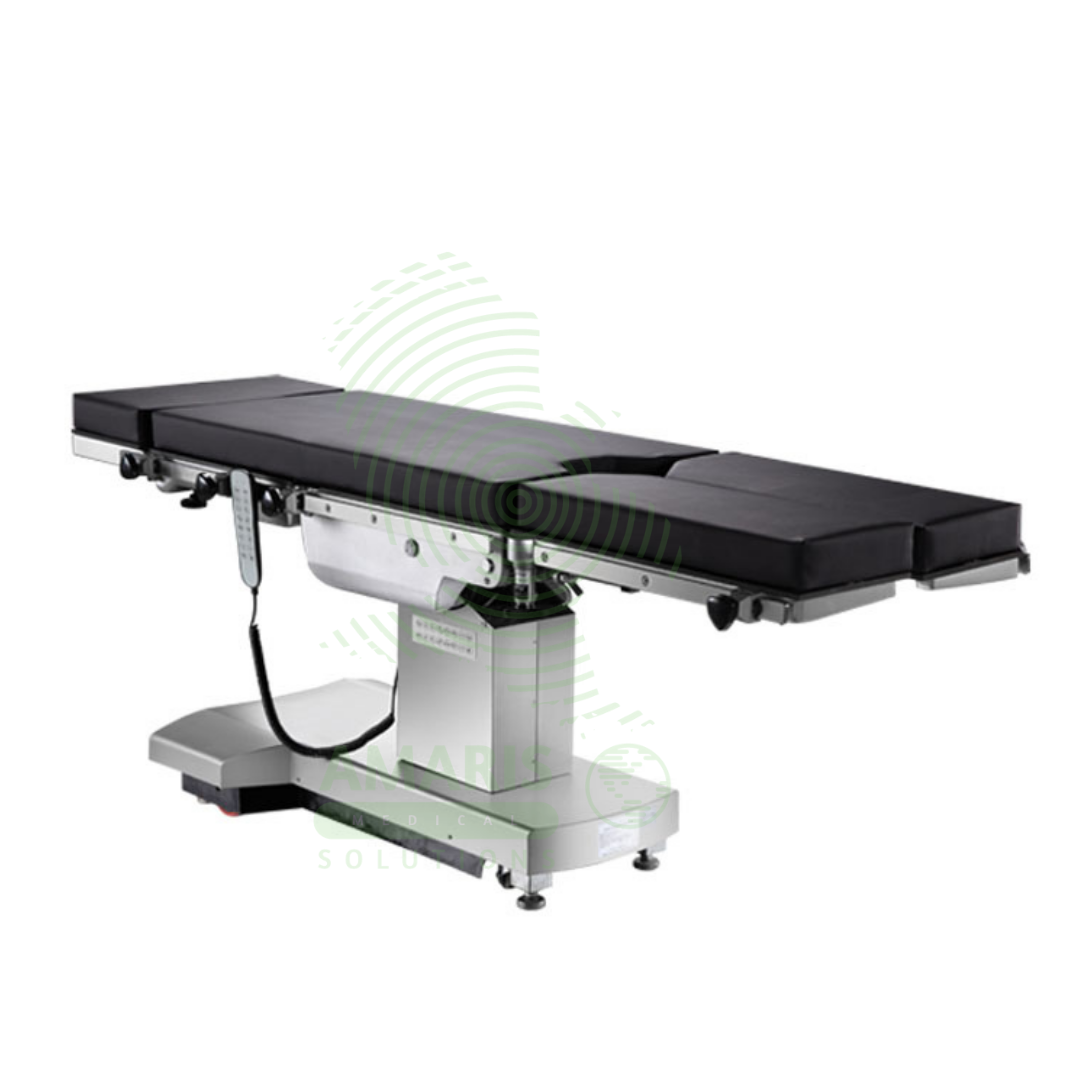
Hydraulic & Electric Operating Table
$1.00
WhatsApp Order
An Hydraulic & Electric Operating Table is the primary, heavy-duty patient positioning system in an operating room. Hydraulic models offer reliable, power-independent control, while electric models provide precise, programmable articulation. It is engineered for stability, a high weight capacity, and a wide range of motions (height, tilt, flexion) to optimize surgical exposure and ergonomics across all specialties. Safe use requires securing the patient, adhering to weight limits, careful padding to prevent nerve injury, and clear communication before any movement. It is a critical piece of capital equipment that forms the foundation for safe and effective surgical intervention.
Description
Hydraulic & Electric Operating Table
PRIMARY CLINICAL & DIAGNOSTIC USES
1. Patient Positioning for Surgical Procedures
-
Primary Use: Provides a stable, adjustable, and sterile platform to position a patient optimally for surgical access across all specialties—general surgery, orthopedics, neurosurgery, cardiovascular, urology, and gynecology.
-
How it helps: For the surgeon, anesthesiologist, and circulating nurse, the operating table is the foundation upon which every successful surgery is built—holding the patient securely while allowing precise positioning that exposes the operative site. For the patient undergoing surgery, the table beneath them is more than just a surface; it’s a sophisticated platform designed to support their body safely, maintain physiological stability, and provide their surgeon with the access needed to perform the procedure effectively.
2. Facilitating Surgical Exposure
-
Primary Use: Allows precise articulation (Trendelenburg, reverse Trendelenburg, lateral tilt, flexion, extension) to use gravity for organ retraction, improve visualization of the surgical field, and reduce the need for excessive manual retraction.
-
How it helps: For the surgeon operating in the abdomen, pelvis, or retroperitoneum, tilting the table can move intestines out of the way, expose pelvic organs, or improve access to the upper abdomen—all without additional retractors or instruments. For the patient, this means their surgeon can achieve optimal exposure through positioning rather than forceful retraction, potentially reducing tissue trauma and post-operative discomfort.
3. Radiographic Compatibility
-
Primary Use: Many operating tables are designed to be radiolucent, allowing for intraoperative fluoroscopy and X-ray imaging without moving the patient.
-
How it helps: For the orthopedic, spinal, and vascular surgeon relying on intraoperative imaging, a radiolucent table means the patient remains safely positioned while the C-arm moves around them—capturing images of fracture fixation, spinal instrumentation, or stent deployment without disruption. For the patient, this integration of imaging and positioning means their surgeon can confirm perfect hardware placement or stent position before the incision is closed, reducing the need for repeat surgeries.
4. Integration with Surgical Accessories
-
Primary Use: Designed to securely attach specialized accessories such as headrests, arm boards, leg holders, lithotomy poles, shoulder supports, and anesthesia screens to accommodate any surgical position.
-
How it helps: For the surgical team preparing for a specific procedure, the operating table’s accessory compatibility allows them to configure the perfect setup—lithotomy poles for gynecologic surgery, Mayfield headrest for neurosurgery, fracture table attachments for orthopedics. For the patient, these specialized accessories ensure that their position is secure, pressure points are protected, and the surgical team has optimal access for their specific procedure.
SECONDARY & SUPPORTIVE USES
1. Patient Transfer: The operating table often functions as the transfer point from the patient bed to the OR surface, with features designed to facilitate safe movement with minimal patient handling. For the anesthetized or sedated patient, smooth transfer mechanisms reduce the risk of injury, line dislodgement, or discomfort during this vulnerable transition.
2. Emergency Procedures: In trauma bays and emergency operating rooms, the operating table stands ready for immediate use—stable enough for resuscitation, adjustable enough for any procedure, and compatible with the imaging equipment trauma surgery requires. For the critically injured patient whose life depends on rapid surgical intervention, a ready and versatile operating table means no delay in starting life-saving surgery.
3. Obstetric Delivery: While specialized delivery tables are used in labor and delivery suites, standard operating tables may be used for Cesarean sections, providing the stability, positioning, and access required for safe surgical delivery. For the mother undergoing C-section and her newborn, the operating table supports both patient and procedure, facilitating the safe arrival of a new life.
KEY PRODUCT FEATURES
1. BASIC IDENTIFICATION ATTRIBUTES
-
Device Type: A heavy-duty, articulated surgical table system, categorized by its power source.
-
Power Source & Designation:
-
Hydraulic: Operated by a foot pedal or hand pump that controls a hydraulic system to raise, lower, and tilt the table. Valued for reliability and independence from electrical power.
-
Electric: Motor-driven, controlled by a pendant or touch panel. Offers smoother, more precise, and programmable positioning. May have battery backup.
-
-
Core Components:
-
Table Top: The main patient surface, often composed of multiple radiolucent sections (head, back, seat, leg).
-
Column/Pedestal: The central support structure that houses the lifting mechanism.
-
Base: Provides stability, often with locking casters for mobility.
-
Controls: Pendant (electric) or pedal/pump (hydraulic) for articulation.
-
Accessory Rails/Clamps: Along the sides for securing accessories.
-
2. TECHNICAL & PERFORMANCE PROPERTIES
-
Weight Capacity: Typically 300 kg (660 lbs) or more to safely accommodate all patient sizes and the weight of surgical team members who may lean on it.
-
Range of Motion:
-
Height Adjustment: Range from a low transport height (~60 cm) to a high working height (~110 cm).
-
Trendelenburg/Reverse Trendelenburg: Tilt head-down or feet-down, typically up to 30°.
-
Lateral Tilt: Left and right roll.
-
Tabletop Sections: Independent articulation of back, seat, and leg sections for flexion, extension, and cardiac chair positions.
-
-
Tabletop Length & Width: Dimensions to accommodate tall patients and allow for sterile draping.
-
Image Chain Compatibility: For imaging-intensive specialties, the table must be compatible with C-arms and have a truly radiolucent top with minimal metal artifacts.
3. PHYSICAL & OPERATIONAL PROPERTIES
-
Mobility: Locking wheels allow the table to be positioned in the OR and then secured.
-
Stability: Extremely rigid construction to prevent any movement or vibration during delicate procedures.
-
Cleanability: Surfaces must be seamless, waterproof, and resistant to harsh disinfectants used in the OR.
4. SAFETY & COMPLIANCE ATTRIBUTES
-
Regulatory Status: Classified as a Class I medical device (low risk) as a surgical accessory, though its safety is critical.
-
Electrical Safety (for Electric Models): Must comply with IEC 60601-1 for medical electrical equipment.
-
Mechanical Safety: Must have failsafes to prevent uncontrolled descent or movement. Hydraulic systems require leak checks.
-
Accessory Compatibility: Must be used with manufacturer-approved accessories to ensure secure attachment and patient safety.
5. STORAGE & HANDLING ATTRIBUTES
-
Storage: Permanently stationed in an operating room. When not in use, it should be left in a low, flat position.
-
Pre-Operative Check: Before each case, verify all functions (height, tilt, articulation), stability, and lock of casters.
-
Cleaning & Disinfection: After each procedure, the entire table surface and controls must be thoroughly cleaned with hospital-grade disinfectants to prevent cross-contamination.
-
Preventive Maintenance: Requires scheduled inspections and maintenance by clinical engineering for hydraulic fluid, electrical systems, brakes, and mechanical integrity.
6. LABORATORY & CLINICAL APPLICATIONS
-
Primary Application: The foundational fixed equipment in every operating room, upon which the entire surgical procedure depends.
-
Clinical Role: Enables the surgical team to work ergonomically and execute complex procedures by providing a fully adaptable and secure patient platform.
SAFETY HANDLING PRECAUTIONS
1. SAFETY PRECAUTIONS
-
Patient Security: The patient must be secured to the table with safety straps before any significant tilting or rotation to prevent falls. Padding must be used on all pressure points.
-
Team Communication: Announce any table movement before executing it. Ensure no team members' hands or equipment are in pinch points.
-
Weight Limit: Never exceed the manufacturer's stated maximum patient weight capacity.
-
Accessory Load: Do not place excessive weight on attached accessories (e.g., leaning heavily on an outboard arm board).
-
Prevention of Nerve Injury: Meticulous padding and positioning are required to prevent peripheral nerve injuries (ulnar, brachial plexus, peroneal) from prolonged pressure or stretch.
-
Electrical Hazard (for Electric Models): Keep fluids away from control pendants and motors. Report any electrical fault immediately.
2. FIRST AID MEASURES
-
Patient Fall: If a patient falls or is at immediate risk, call for help, manually support the patient, and carefully lower the table to its lowest flat position. Assess for injury.
-
Pinch/Crush Injury: If a team member is pinched, immediately stop table movement. Release the limb if possible and provide first aid. Seek medical attention for significant injury.
-
Table Malfunction: If the table fails during a case (e.g., won't tilt back from Trendelenburg), use manual overrides if available. Have a plan to manually support the patient and abort or continue the procedure in a suboptimal position if necessary.
3. FIRE FIGHTING MEASURES
-
Flammability: Upholstery, padding, and hydraulic fluid are combustible.
-
Extinguishing Media: For an electrical fire in an electric table, use a CO2 extinguisher. For other fires, use water or foam as appropriate. Evacuate the patient immediately if safe to do so.
Related products

Foldable Ward Screen
A Foldable Ward Screen is a portable, folding partition used to create instant visual privacy around a patient's bed or procedure area in multi-bed hospital wards, emergency departments, and clinics. Typically consisting of three hinged opaque panels, it provides dignity during examinations and personal care, aids in infection control by creating temporary barriers, and helps manage the clinical environment. Its free-standing, foldable design allows for easy deployment, storage, and cleaning, making it a fundamental piece of non-clinical equipment for patient-centered care in shared spaces.
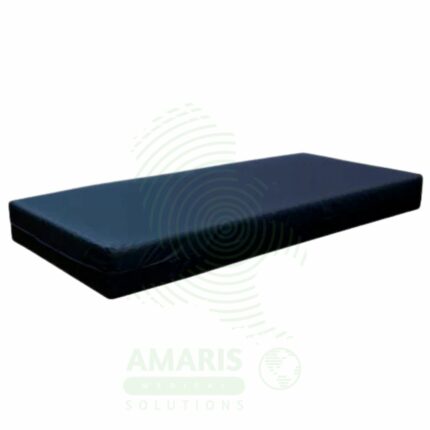
Hospital Mattress with Rexine
A Hospital Mattress with Rexine is a medical-grade mattress designed for use on hospital beds in clinical and home care settings. Featuring a high-density foam core for pressure redistribution and support, and a waterproof, fluid-resistant Rexine cover for infection control, it provides a comfortable, hygienic surface for patients requiring bed rest. The durable construction withstands repeated cleaning and disinfection, making it suitable for high-use environments. Essential for pressure injury prevention and patient comfort during hospitalization or long-term care.
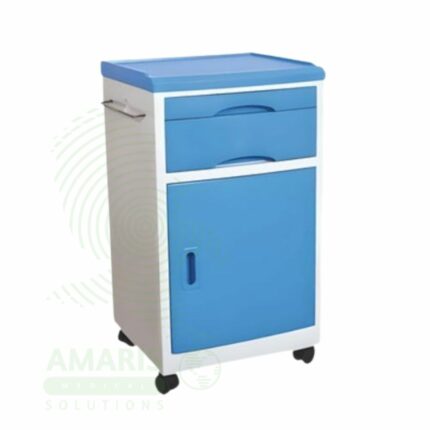
Imported Hospital Bedside Lockers
Imported Hospital Bedside Lockers are secure storage units designed for patient bedside use in hospitals, long-term care facilities, and patient care areas. Featuring lockable drawers for valuables and medications, open shelves for frequently used items, and smooth, non-porous surfaces for easy cleaning, they provide organized, secure storage for patient personal belongings and clinical supplies. The top surface serves as a convenient platform for water, tissues, and call bells, supporting patient independence and comfort. Essential for maintaining an organized, dignified patient environment while supporting infection control protocols.
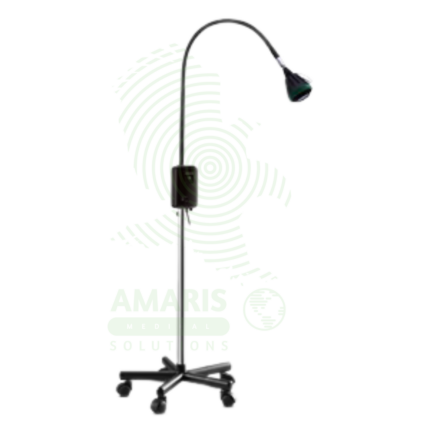
Portable Examination Light (LED/Halogen)
A Portable Examination Light (LED/Halogen) is a mobile, adjustable light source designed for clinical examinations, minor procedures, and wound assessment. LED models offer energy efficiency, long bulb life, and cool operation; halogen models provide high intensity with warm color temperature. The flexible gooseneck or articulating arm allows precise positioning to illuminate examination sites without shadows. Used in examination rooms, procedure rooms, emergency departments, and home healthcare settings, it provides the focused illumination needed for accurate assessment and safe procedures.
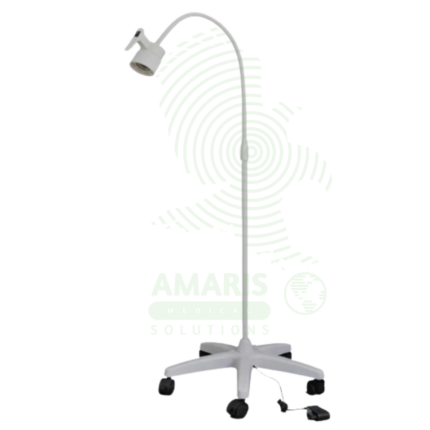
Portable Flexible LED Examination Lamp
A Portable Flexible LED Examination Lamp is a clinical lighting device featuring a high-intensity LED light source mounted on a flexible gooseneck arm. The LED provides bright, cool illumination with high color rendering index (CRI) for accurate tissue color discrimination during physical examinations, minor procedures, and wound assessment. The flexible gooseneck allows precise positioning to eliminate shadows and direct light into body cavities. Available in corded and battery-powered configurations, it is used in examination rooms, procedure rooms, emergency departments, and home healthcare settings. LED technology offers long bulb life, minimal heat output, and energy efficiency.
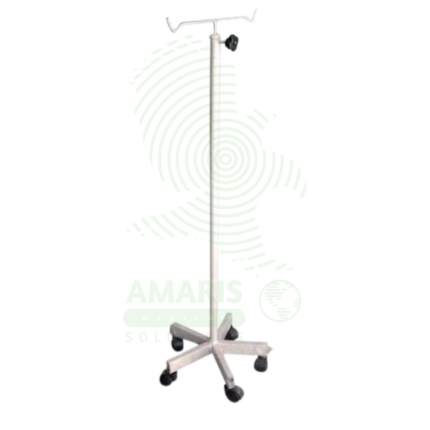
Stainless Steel Drip Stand
A Stainless Steel Drip Stand is a mobile, height-adjustable pole on a wheeled base, designed to securely hold intravenous fluid bags, blood products, and infusion pumps. Its primary function is to provide the necessary height for gravity-fed IV therapy and to serve as a stable transport system for infusions during patient mobility. Constructed from durable, corrosion-resistant stainless steel for easy cleaning and long-term use in hospitals and clinics, it is an indispensable piece of equipment for the safe and organized delivery of intravenous medications and fluids.
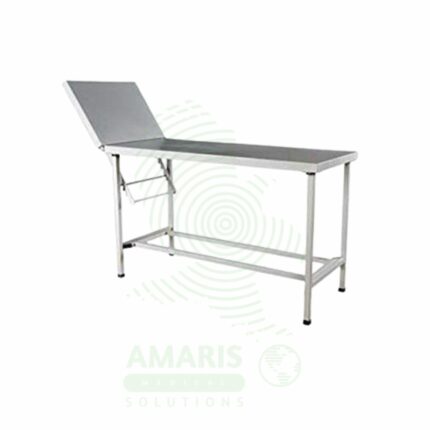
Stainless Steel Examination Table
A Stainless Steel Examination Table is the pinnacle of durable, hygienic clinical furniture. Constructed from surgical-grade stainless steel with a seamless, welded design, it is fully autoclavable and resistant to all common chemicals and disinfectants. Its primary uses are in environments demanding the highest infection control: morgues, pathology labs, sterile processing areas, isolation rooms, and minor procedure operating rooms. While functionally superior for cleaning and sterilization, its hard, cold surface requires the use of patient pads for comfort. It is an industrial-grade work surface built for longevity and ultimate cleanability in the most demanding medical and laboratory settings.