Dermatoscope and Magnifiers
 Diagnostic Kits
 Vital Signs Monitors
 Stethoscopes and Accessories
 Otoscopes, Ophthalmoscopes, and Retinoscopes
 Reflex Hammers and Neurological Tools
 Scales and Measuring Devices
 Spirometers and Pulmonary Function Tests
 Electrosurgical Units and Accessories
 Cutting Instruments
 Grasping and Holding Instruments
 Hemostatic Instruments
 Specialized Surgical Sets
 Single-Use Procedure Trays and Packs
 Surgical Drapes, Gowns, and Covers
 Tissue Unifying Instruments
 Radiation Protection
 X-Ray Machines and Accessories
 Ultrasound Systems and Probes
 MRI and CT Scanners
 Radiology Consumables
 Bone Densitometers
 Fluoroscopy Equipment
 Imaging Tables and Positioning Aids
 Microscopes and Accessories
 Centrifuges and Separators
 Analyzers
 Incubators and Ovens
 Pipettes, Dispensers, and Lab Glassware
 Refrigerators, Freezers, and Storage Units
 Lab Consumables
 Sterilizers and Autoclaves for Lab Use
 Multi-Parameter Monitors
 Ventilators and Respiratory Support Devices
 Defibrillators and AEDs
 Infusion Pumps and IV Systems
 Patient Warmers and Cooling Devices
 Central Monitoring Stations
 Accessories
 Anesthesia Machines and Workstations
 Oxygen Concentrators and Delivery Systems
 Nebulizers and Inhalers
 CPAP/BiPAP Machines
 Airway Management
 Anesthesia Masks, Circuits, and Bags
 Humidifiers and Heaters
 Respiratory Therapy Accessories
 First Aid Kits and Cabinets
 Emergency Resuscitation Equipment
 Trauma Supplies
 Emergency Carts and Crash Carts
 Burn Care Products
 Bleeding Control
 Automated External Defibrillators (AEDs)
 Transport and Evacuation
 Wheelchairs and Accessories
 Walkers, Crutches, and Canes
 Prosthetics and Orthotics
 Physical Therapy Equipment
 Transfer Devices
 Bathroom Safety
 Orthopedic Traction and Tables
 Hot/Cold Therapy Packs and Units
 Beds and Mattresses
 Chairs and Stools
 Tables
 Cabinets and Storage
 Privacy Screens & Curtains
 Stands and Racks
 Linens and Textiles
 Lighting
 Autoclaves and Sterilizers
 Ultrasonic Cleaners
 Disinfectant Solutions and Wipes
 Sterilization Pouches, Wraps, and Indicators
 Instrument Trays and Containers
 UV and Ozone Disinfection Devices
 Washer Disinfectors
 Wound Care
 Gloves
 Masks and Respirators
 Catheters and Tubing
 Swabs, Applicators, and Sponges
 Incontinence Products
 Personal Protective Equipment (PPE)
 Dental Chairs and Units
 Handpieces and Burs
 Instruments
 Consumables
 Sterilization for Dental Use
 Orthodontic Supplies
 Endodontic Tools
 Slit Lamps and Tonometers
 Lensometers and Phoropters
 Ophthalmic Surgical Instruments
 Eyewear Frames and Lenses
 Contact Lens Supplies
 Vision Testing Charts and Devices
 Eye Care Consumables
 Laser Systems for Eye Care
 ENT Exam Chairs and Tables
 Endoscopes
 Audiometers and Hearing Tests
 ENT Instruments
 Nasal and Throat Packs
 Hearing Aids and Accessories
 Otology Supplies
 Fetal Dopplers and Monitors
 Delivery Beds and Tables
 Gynecological Instruments
 Neonatal Incubators and Warmers
 Breast Pumps and Accessories
 Contraceptive Devices
 Maternity Supports and Pads
 Neonatal Consumables
 Cystoscopes and Urethroscopes
 Dialysis Machines and Supplies
 Urological Catheters and Bags
 Lithotripters
 Prostate Treatment Devices
 Urinary Incontinence Products
 Kidney Stone Management Tools
 Consumables & Disposables
 EEG and EMG Machines
 Neurosurgical Instruments
 Nerve Stimulators
 Headrests and Positioning Aids
 Lumbar Puncture Kits
 Seizure Monitoring Devices
 Consumables
 Rehabilitation for Neurological Conditions
 ECG Machines and Accessories
 Holter Monitors
 Stress Test Systems
 Pacemakers and Defibrillator Accessories
 Vascular Access Devices
 Cardiac Catheters and Guidewires
 Blood Flow Meters
 Consumables
 Orthopedic Instruments
 Casts, Splints, and Padding
 Joint Replacement Supplies
 Prosthetic Limbs and Components
 Bone Grafts and Substitutes
 Traction Devices
 Orthopedic Braces and Supports
 Rehabilitation Aids for Orthopedics
 Home Oxygen Therapy
 Hospital Beds for Home Use
 Mobility Aids
 Bathroom and Daily Living Aids
 Wound Care for Home
 Monitoring Devices
 Enteral Feeding Pumps and Tubes
 Hand Sanitizers and Dispensers
 Face Shields and Goggles
 Isolation Gowns and Suits
 Biohazard Waste Containers
 Air Purifiers and HEPA Filters
 Surface Disinfectants
 Sharps Containers
 Protective Barriers
 Cardiovascular & Endurance Training
 Strength Training & Weightlifting
 Functional Training & Core Conditioning
 Physical Therapy & Rehabilitation
 Sports & Outdoor Recreation
 Gym Flooring & Facility Equipment
 Fitness Monitoring & Accessories
 Kids & Novelties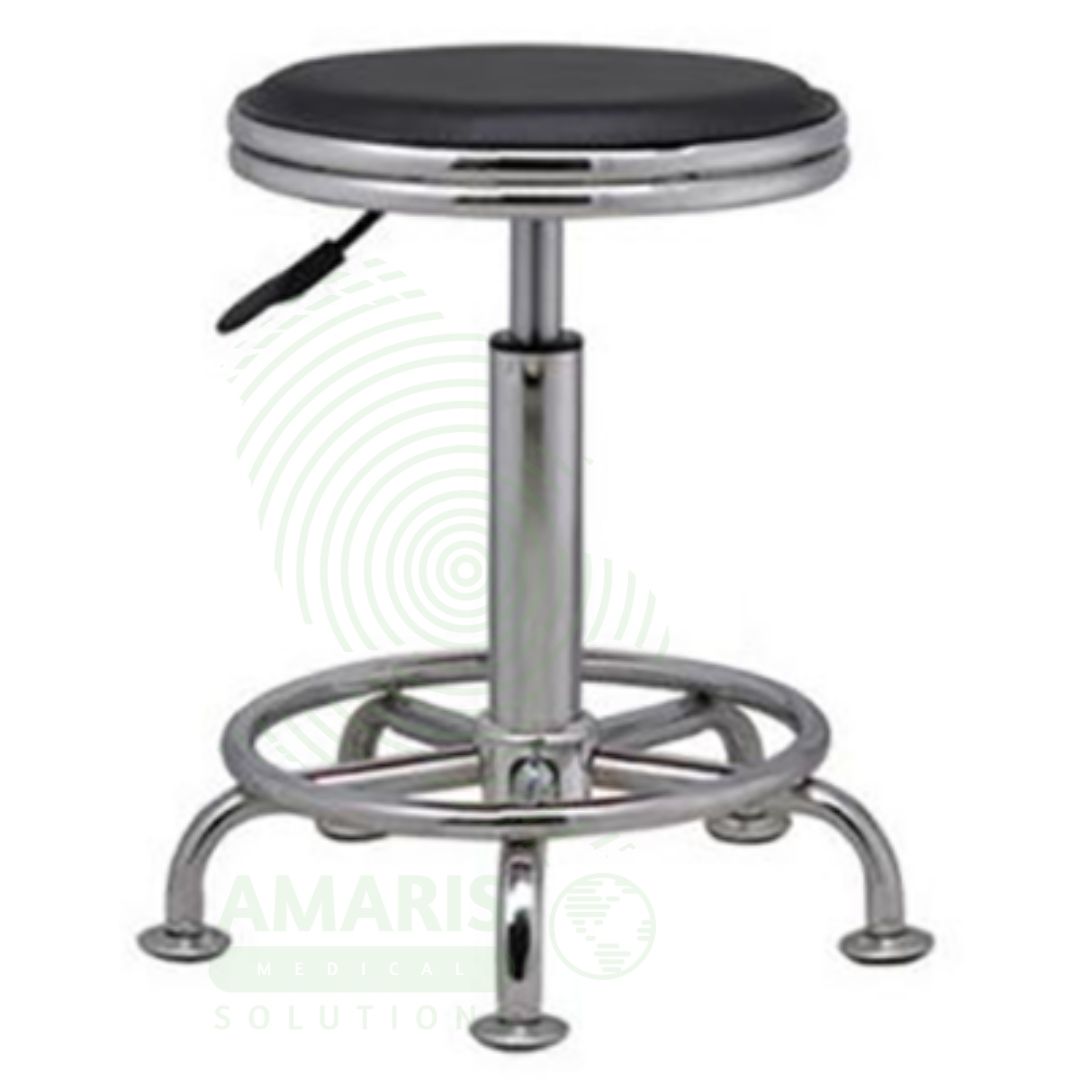
Revolving Stool
$1.00
WhatsApp Order
A Revolving Stool is a height-adjustable, rotating seat on a stable multi-leg base, designed for dynamic clinical and laboratory work environments. It provides healthcare professionals with stable, ergonomic seating that allows for effortless 360-degree rotation and small positional adjustments without standing. This is essential for procedures requiring precision and frequent changes in reach, such as dentistry, minor surgery, microscopy, and laboratory analysis. Its key features include smooth rotation, easy height adjustment, and a stable, often mobile, base to support prolonged, task-focused work while promoting proper posture and reducing fatigue.
Description
Revolving Stool
PRIMARY CLINICAL & DIAGNOSTIC USES
1. Ergonomic Seating for Procedures Requiring Dynamic Movement
-
Definitive Use: Provides stable, mobile seating for healthcare professionals during procedures that require frequent, small changes in position and reach without standing up, including dental procedures, minor surgical procedures, ophthalmic exams, laboratory bench work, and lengthy clinical examinations.
-
How it helps: For the dentist performing a complex restoration, the surgeon suturing a laceration, or the ophthalmologist examining a retina, the revolving stool transforms a static seated position into a dynamic workspace—allowing them to pivot, shift, and reposition without breaking concentration or interrupting the procedure. For the patient, this means their clinician remains comfortably positioned throughout the encounter, able to maintain optimal ergonomics while focusing entirely on their care rather than on their own physical discomfort.
2. Prolonged Patient-Facing Work at a Fixed Station
-
Primary Use: Used by clinicians for tasks requiring sustained attention and hand precision at a specific workstation, such as working at a microscope, operating diagnostic devices, or processing specimens in a lab, allowing slight positional adjustments to maintain comfort and posture.
-
How it helps: For the pathologist spending hours at a microscope, the ultrasonographer scanning patient after patient, or the laboratory technician processing specimens, a well-designed revolving stool with appropriate back support and padding reduces the cumulative physical strain of prolonged seated work. For the patients whose diagnoses depend on the sustained focus of these professionals, ergonomic seating helps maintain the alertness and precision that accurate interpretation requires.
3. Controlled Mobility in Confined Clinical Spaces
-
Primary Use: Provides the ability to move efficiently between closely positioned work surfaces in cramped procedure rooms, dental operatories, or laboratory hoods without the need to repeatedly stand, move a chair, and sit down.
-
How it helps: For the clinician working in a tight treatment room where every square inch matters, the revolving stool’s ability to glide smoothly between patient, instrument tray, and computer workstation streamlines workflow and reduces the physical effort of repeated standing and sitting. For the patient, this efficiency means their procedure flows smoothly, with instruments and supplies always within the clinician’s reach without awkward stretching or interruption.
SECONDARY & SUPPORTIVE USES
1. Teaching and Supervision at Bedside or Procedure Areas: Used by supervising physicians or educators to observe and guide trainees during procedures while maintaining the ability to easily pivot to view different angles or access reference materials. For the medical student or resident learning a new procedure, having a supervising physician comfortably seated nearby, able to observe closely and intervene if needed, provides both safety and educational value.
2. Pharmacy and Compounding Work: Utilized by pharmacists during sterile or non-sterile medication compounding, allowing easy access to ingredients, scales, and tools within a laminar flow hood or on a cleanroom bench. For the compounding pharmacist preparing patient-specific medications, a stable, mobile stool supports the precision and focus that accurate dosing requires.
3. Administrative and Documentation Work in Clinical Areas: Used at nursing stations, in physician workrooms, or in dictation booths where staff may need to pivot between multiple tasks efficiently. For the nurse documenting care or the physician dictating notes, a comfortable, mobile stool supports the administrative work that is essential to patient care.
4. Patient Seating for Specific Therapies or Interviews: In some contexts, such as during certain physical or occupational therapy sessions or psychological interviews, a stable revolving stool may be used for patient seating to facilitate ease of movement or conversation. For the patient engaged in therapy, a stool that allows them to pivot and move can support therapeutic goals and improve engagement.
KEY PRODUCT FEATURES
1. BASIC IDENTIFICATION ATTRIBUTES
-
Product Type: A seat mounted on a central column, allowing 360-degree rotation, typically on a stable base with casters or a fixed pedestal.
-
Core Design: A circular or contoured seat attached to a central spindle, which is mounted on a star-shaped base (for mobility) or a single pedestal (for fixed use).
-
Key Components:
-
Seat: Often contoured or padded, made of vinyl, polyurethane, or fabric for easy cleaning.
-
Spindle/Column: Allows smooth rotation. Often includes a gas lift for height adjustment.
-
Base: A four, five, or six-legged star base for stability, often with dual-wheel casters for mobility or glides for a fixed position.
-
Height Adjustment Mechanism: A pneumatic (gas lift) or mechanical (turn knob) mechanism to adjust seat height.
-
2. TECHNICAL & PERFORMANCE PROPERTIES
-
Rotation Mechanism: Features a smooth, sealed bearing system that allows effortless, quiet, and continuous rotation without wobble.
-
Height Adjustment Range: Critical for ergonomics, typically offering a range of 6-8 inches (15-20 cm) to accommodate users of different heights and various counter or bed heights.
-
Load Capacity: Robust construction to support adult weight, typically rated for 250-350 lbs (113-159 kg).
-
Stability: The multi-legged base provides a wide footprint to prevent tipping, even when leaning or reaching while seated.
3. PHYSICAL & OPERATIONAL PROPERTIES
-
Construction: Seat and base commonly made of molded plastic or polyurethane over a steel frame. The column is steel.
-
Mobility: Stools on casters move easily on smooth floors; pressure on the seat typically locks the casters to allow for stable perching. Fixed-base stools do not move.
-
Cleanability: Surfaces are designed for wipe-down with disinfectants. Upholstery, if present, should be antimicrobial and fluid-resistant.
4. SAFETY & COMPLIANCE ATTRIBUTES
-
Regulatory Status: Generally considered office or clinical furniture.
-
Ergonomic Design: Should promote proper posture with seat height and backrest (if present) adjustability to reduce the risk of work-related musculoskeletal disorders.
-
Stability Standards: Must not tip under normal use, including when leaning at the edge.
5. STORAGE & HANDLING ATTRIBUTES
-
Storage: Not typically stored; remains in its designated workspace.
-
Cleaning & Disinfection: Wipe down daily and after any contamination with a hospital-grade disinfectant. Pay attention to the seat, base, and any handles.
-
Maintenance: Periodically check casters for free movement and hair/debris entanglement. Inspect the height adjustment mechanism for smooth operation and the stability of the base.
6. LABORATORY & CLINICAL APPLICATIONS
-
Primary Application: A specialized piece of ergonomic seating for tasks requiring a high degree of manual dexterity, visual focus, and small, frequent positional adjustments. It is the seating of choice in dynamic, equipment-dense environments like dental clinics, procedure rooms, laboratories, and certain diagnostic suites.
SAFETY HANDLING PRECAUTIONS
1. SAFETY PRECAUTIONS
-
Proper Height Adjustment: Adjust the seat height so feet are flat on the floor (or on a footring) and thighs are parallel to the floor to prevent leg strain and promote stability.
-
Caster Awareness: Be aware that mobile stools can move if not weighted. Use the stool's inherent stability; do not roll it while seated to move large distances.
-
Leaning and Reaching: While stable, avoid excessive leaning or reaching that could shift your center of gravity beyond the stool's base, risking a tip-over.
-
Floor Condition: Ensure casters are appropriate for the floor surface (e.g., hard casters for carpet, soft for hard floors) and that the floor is free of obstacles and liquids.
2. FIRST AID MEASURES
-
Tip-Over: If the stool tips and a person falls, assist them if able and assess for injury. Provide first aid for scrapes or impacts. Seek medical attention for any concerning symptoms.
-
Caster Failure/Pinch Injury: If a caster fails or a finger is pinched in the mechanism, carefully disengage and provide first aid for the injury. Remove the stool from service for repair.
3. FIRE FIGHTING MEASURES
-
Flammability: Upholstery and plastic components are combustible.
-
Extinguishing Media: Use water, foam, or CO₂.
Related products
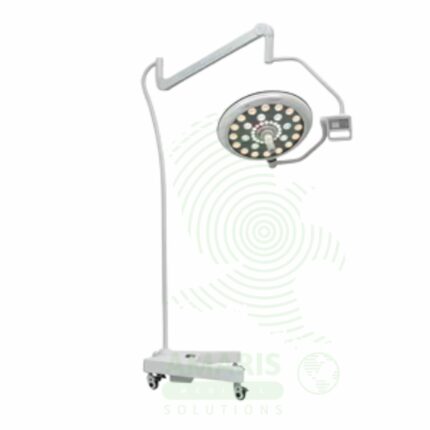
Ceiling & Stand Operating Light
An Ceiling & Stand Operating Light is a high-intensity, shadow-reducing illumination system designed to provide brilliant, color-accurate, and cool light directly onto the surgical field. Ceiling-mounted lights offer maximum flexibility in the OR, while stand-mounted lights provide portability. Key features include extremely high illuminance (>40,000 lux), a high Color Rendering Index (CRI >90) for true tissue color, and advanced optics for deep-cavity illumination with minimal shadows. Safe operation requires proper positioning, use of sterile handle covers, and awareness of the minimal but present thermal risk. It is a fundamental capital asset critical for enabling precise and safe surgical intervention.
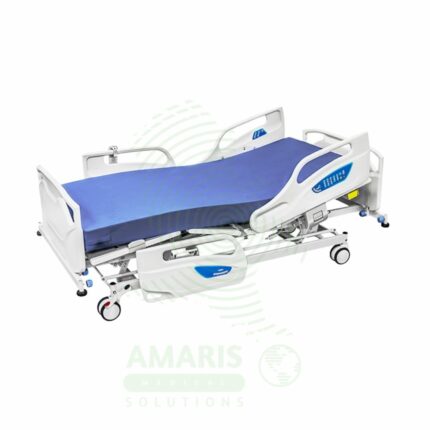
Electric Hospital Bed
An Electric Hospital Bed is a motorized, adjustable bed system designed for inpatient medical care. It provides critical functions such as height adjustment for safe patient transfer, head and knee elevation for comfort and clinical indications, and integrated safety features like side rails and nurse call. Its electric operation allows for precise positioning by both patient and caregiver, enhancing safety, treatment efficacy, and ergonomics. Proper use requires adherence to weight limits, fall prevention protocols, and regular disinfection between patients. It is a fundamental capital asset in any inpatient healthcare facility.
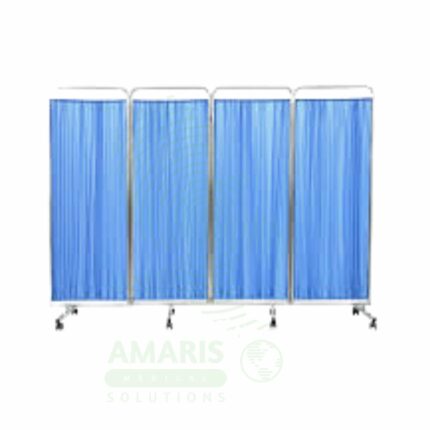
Foldable Ward Screen
A Foldable Ward Screen is a portable, folding partition used to create instant visual privacy around a patient's bed or procedure area in multi-bed hospital wards, emergency departments, and clinics. Typically consisting of three hinged opaque panels, it provides dignity during examinations and personal care, aids in infection control by creating temporary barriers, and helps manage the clinical environment. Its free-standing, foldable design allows for easy deployment, storage, and cleaning, making it a fundamental piece of non-clinical equipment for patient-centered care in shared spaces.
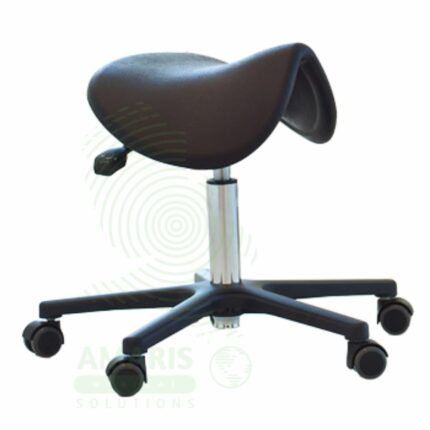
Gynecological Examination Stool & Chair
A Gynecological Examination Stool & Chair is an adjustable, mobile stool designed for clinicians performing gynecological examinations, procedures, and colposcopy. Featuring adjustable height, swivel base, and optional back support, it provides ergonomic seating that reduces physical strain during prolonged procedures. Locking castors allow mobility between examination stations while providing stability during use. Essential for gynecology clinics, women's health centers, and procedure rooms, it supports clinician comfort, proper posture, and efficient workflow during pelvic examinations, Pap smears, IUD procedures, and colposcopy.
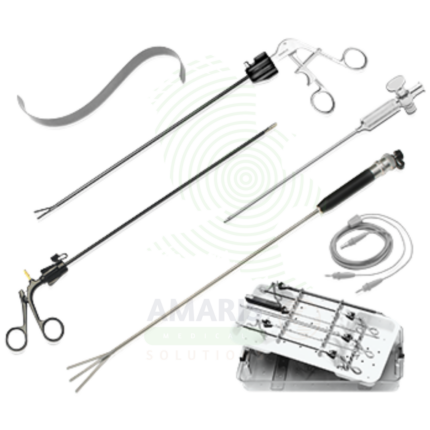
Laparoscopic Accessories
Laparoscopic accessories encompass a range of ancillary equipment and supplies essential for minimally invasive surgery, including cleaning brushes, sterilization containers, insufflation tubing, instrument storage systems, and single-use protective covers. These accessories support instrument care, procedural efficiency, and infection control, ensuring that laparoscopic instruments remain in optimal condition and that procedures run smoothly. Essential for operating rooms, sterile processing departments, and surgical suites.
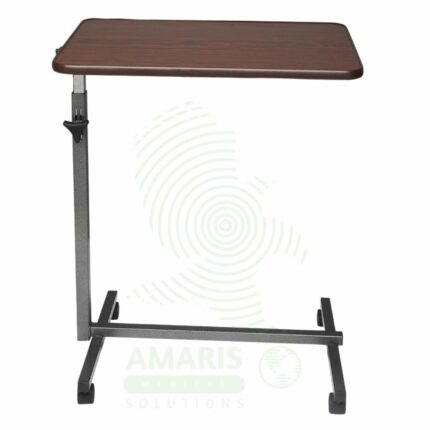
Overbed Table
An Overbed Table is a mobile, height-adjustable table on a wheeled base, featuring a swing-arm that allows its surface to be positioned over a patient's bed or chair. Its primary function is to provide a stable, convenient surface for in-bed dining, recreational activities, and personal organization, significantly enhancing comfort and independence for bedridden or mobility-limited patients. It also serves as a versatile utility table for nursing procedures and holding supplies at the bedside. Its adjustable, lockable design makes it an essential piece of patient-centered furniture in hospitals, nursing homes, and rehabilitation facilities.
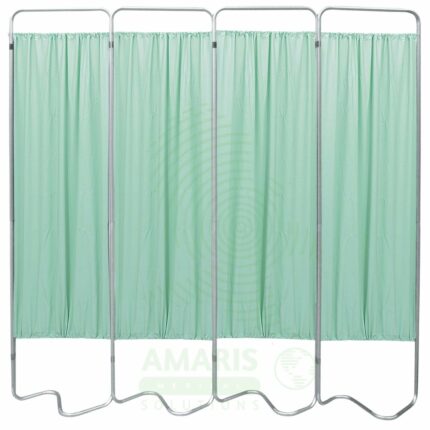
Patient Examination Privacy Screen
A Patient Examination Privacy Screen is a portable, foldable, multi-panel screen used to provide visual privacy during examinations, procedures, consultations, and patient care in multi-bed wards, emergency departments, and outpatient clinics. Featuring hinged panels, locking castors, and easy-clean fluid-resistant fabric, it creates temporary private spaces in open clinical environments. Essential for maintaining patient dignity, confidentiality, and infection control, it also supports space division, isolation, and management of environmental stimuli in busy healthcare settings.