Dermatoscope and Magnifiers
 Diagnostic Kits
 Vital Signs Monitors
 Stethoscopes and Accessories
 Otoscopes, Ophthalmoscopes, and Retinoscopes
 Reflex Hammers and Neurological Tools
 Scales and Measuring Devices
 Spirometers and Pulmonary Function Tests
 Electrosurgical Units and Accessories
 Cutting Instruments
 Grasping and Holding Instruments
 Hemostatic Instruments
 Specialized Surgical Sets
 Single-Use Procedure Trays and Packs
 Surgical Drapes, Gowns, and Covers
 Tissue Unifying Instruments
 Radiation Protection
 X-Ray Machines and Accessories
 Ultrasound Systems and Probes
 MRI and CT Scanners
 Radiology Consumables
 Bone Densitometers
 Fluoroscopy Equipment
 Imaging Tables and Positioning Aids
 Microscopes and Accessories
 Centrifuges and Separators
 Analyzers
 Incubators and Ovens
 Pipettes, Dispensers, and Lab Glassware
 Refrigerators, Freezers, and Storage Units
 Lab Consumables
 Sterilizers and Autoclaves for Lab Use
 Multi-Parameter Monitors
 Ventilators and Respiratory Support Devices
 Defibrillators and AEDs
 Infusion Pumps and IV Systems
 Patient Warmers and Cooling Devices
 Central Monitoring Stations
 Accessories
 Anesthesia Machines and Workstations
 Oxygen Concentrators and Delivery Systems
 Nebulizers and Inhalers
 CPAP/BiPAP Machines
 Airway Management
 Anesthesia Masks, Circuits, and Bags
 Humidifiers and Heaters
 Respiratory Therapy Accessories
 First Aid Kits and Cabinets
 Emergency Resuscitation Equipment
 Trauma Supplies
 Emergency Carts and Crash Carts
 Burn Care Products
 Bleeding Control
 Automated External Defibrillators (AEDs)
 Transport and Evacuation
 Wheelchairs and Accessories
 Walkers, Crutches, and Canes
 Prosthetics and Orthotics
 Physical Therapy Equipment
 Transfer Devices
 Bathroom Safety
 Orthopedic Traction and Tables
 Hot/Cold Therapy Packs and Units
 Beds and Mattresses
 Chairs and Stools
 Tables
 Cabinets and Storage
 Privacy Screens & Curtains
 Stands and Racks
 Linens and Textiles
 Lighting
 Autoclaves and Sterilizers
 Ultrasonic Cleaners
 Disinfectant Solutions and Wipes
 Sterilization Pouches, Wraps, and Indicators
 Instrument Trays and Containers
 UV and Ozone Disinfection Devices
 Washer Disinfectors
 Wound Care
 Gloves
 Masks and Respirators
 Catheters and Tubing
 Swabs, Applicators, and Sponges
 Incontinence Products
 Personal Protective Equipment (PPE)
 Dental Chairs and Units
 Handpieces and Burs
 Instruments
 Consumables
 Sterilization for Dental Use
 Orthodontic Supplies
 Endodontic Tools
 Slit Lamps and Tonometers
 Lensometers and Phoropters
 Ophthalmic Surgical Instruments
 Eyewear Frames and Lenses
 Contact Lens Supplies
 Vision Testing Charts and Devices
 Eye Care Consumables
 Laser Systems for Eye Care
 ENT Exam Chairs and Tables
 Endoscopes
 Audiometers and Hearing Tests
 ENT Instruments
 Nasal and Throat Packs
 Hearing Aids and Accessories
 Otology Supplies
 Fetal Dopplers and Monitors
 Delivery Beds and Tables
 Gynecological Instruments
 Neonatal Incubators and Warmers
 Breast Pumps and Accessories
 Contraceptive Devices
 Maternity Supports and Pads
 Neonatal Consumables
 Cystoscopes and Urethroscopes
 Dialysis Machines and Supplies
 Urological Catheters and Bags
 Lithotripters
 Prostate Treatment Devices
 Urinary Incontinence Products
 Kidney Stone Management Tools
 Consumables & Disposables
 EEG and EMG Machines
 Neurosurgical Instruments
 Nerve Stimulators
 Headrests and Positioning Aids
 Lumbar Puncture Kits
 Seizure Monitoring Devices
 Consumables
 Rehabilitation for Neurological Conditions
 ECG Machines and Accessories
 Holter Monitors
 Stress Test Systems
 Pacemakers and Defibrillator Accessories
 Vascular Access Devices
 Cardiac Catheters and Guidewires
 Blood Flow Meters
 Consumables
 Orthopedic Instruments
 Casts, Splints, and Padding
 Joint Replacement Supplies
 Prosthetic Limbs and Components
 Bone Grafts and Substitutes
 Traction Devices
 Orthopedic Braces and Supports
 Rehabilitation Aids for Orthopedics
 Home Oxygen Therapy
 Hospital Beds for Home Use
 Mobility Aids
 Bathroom and Daily Living Aids
 Wound Care for Home
 Monitoring Devices
 Enteral Feeding Pumps and Tubes
 Hand Sanitizers and Dispensers
 Face Shields and Goggles
 Isolation Gowns and Suits
 Biohazard Waste Containers
 Air Purifiers and HEPA Filters
 Surface Disinfectants
 Sharps Containers
 Protective Barriers
 Cardiovascular & Endurance Training
 Strength Training & Weightlifting
 Functional Training & Core Conditioning
 Physical Therapy & Rehabilitation
 Sports & Outdoor Recreation
 Gym Flooring & Facility Equipment
 Fitness Monitoring & Accessories
 Kids & Novelties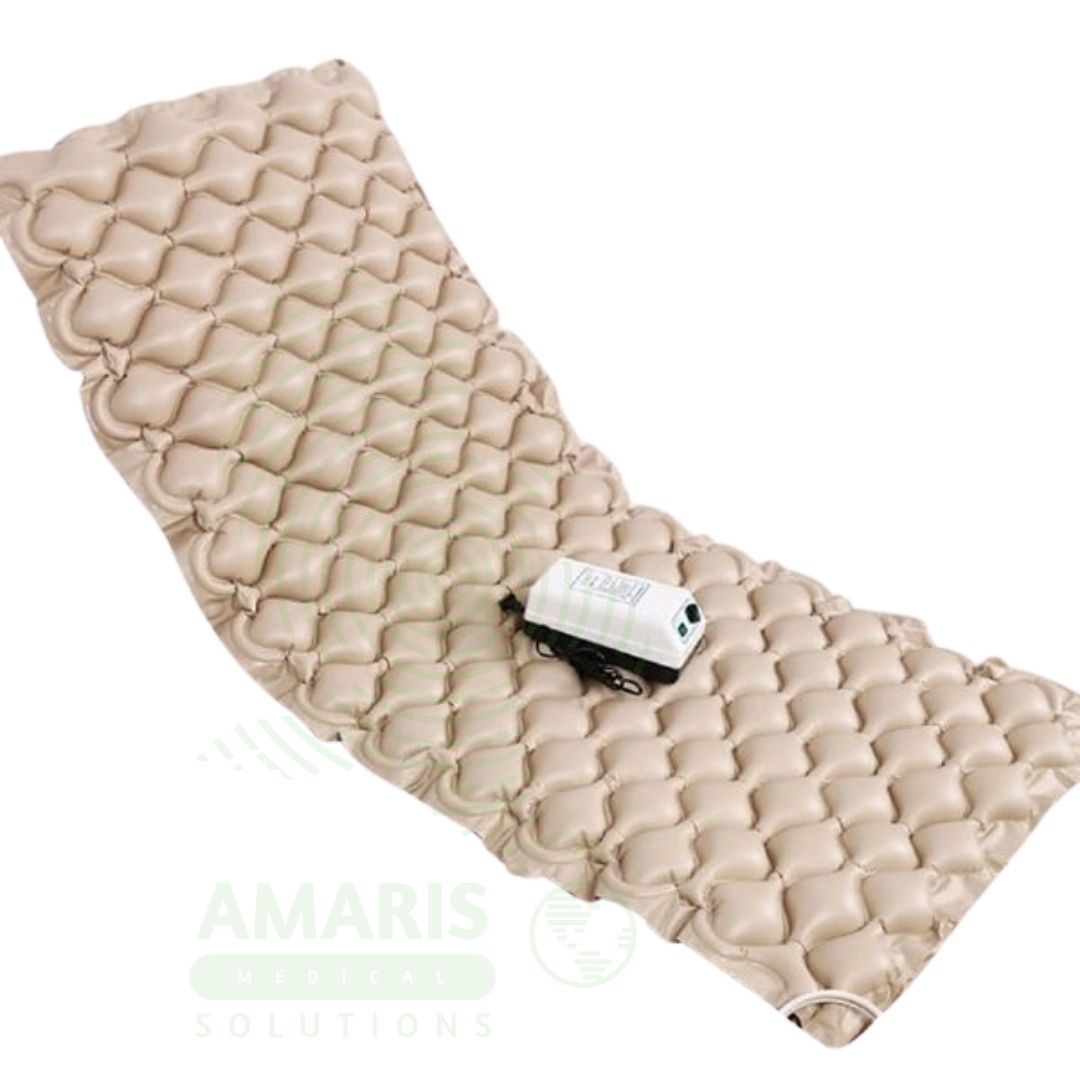
Ripple Mattress
$1.00
WhatsApp Order
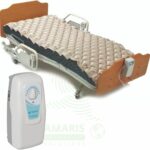
A Ripple Mattress is an active alternating pressure mattress system designed to prevent and treat pressure injuries. It consists of a series of air cells connected to an electric pump that cyclically inflates and deflates, creating a “rippling” effect that constantly shifts pressure away from bony prominences. This promotes blood flow and relieves tissue ischemia in immobile, high-risk patients. Essential in ICUs, wards, and long-term care, it is a key component of pressure injury prevention protocols and includes critical safety features like low-pressure alarms and battery backup to ensure continuous therapy.
Description
Ripple Mattress
PRIMARY CLINICAL & DIAGNOSTIC USES
1. Prevention and Treatment of Pressure Injuries
-
Definitive Use: Provides continuous, automated pressure redistribution for patients at high risk of developing or with existing pressure ulcers by alternately inflating and deflating adjacent air cells, which constantly changes pressure points under the patient’s body, promoting capillary blood flow and preventing tissue ischemia.
-
How it helps: For the wound care nurse and bedside caregiver, the ripple mattress transforms a static, pressure-intensive surface into a dynamic therapy—constantly shifting support beneath the patient to ensure that no area of skin bears weight long enough to compromise blood flow. For the immobilized patient, whether in the ICU, a spinal cord injury unit, or long-term care, this continuous movement beneath them means their skin remains perfused, oxygenated, and protected from the devastating, painful pressure injuries that can extend hospital stays and diminish quality of life.
2. Management of Immobile and Critically Ill Patients
-
Primary Use: Essential for patients who are bedridden for extended periods due to critical illness, spinal cord injury, traumatic brain injury, stroke, or major surgery, as they cannot perform independent weight shifts and are at the highest risk for tissue breakdown.
-
How it helps: For the critical care team managing sedated, ventilated, or paralyzed patients, the ripple mattress provides the “movement” these patients cannot perform themselves—simulating the natural position shifts that healthy individuals make unconsciously throughout the night. For the patient with a spinal cord injury who has lost sensation and mobility below the level of injury, or the stroke patient with hemiplegia unable to reposition, the mattress works silently and continuously to protect skin integrity where sensation is absent.
3. Post-Operative Care for High-Risk Surgeries
-
Primary Use: Used for patients recovering from lengthy surgeries where prolonged immobility on the operating table has already created pressure injury risk, and continued bed rest is required post-operatively.
-
How it helps: For the surgical team and post-anesthesia care nurses, placing a high-risk patient on a ripple mattress immediately post-operatively addresses the dual threats of prolonged intraoperative positioning and post-operative immobility. For the patient emerging from a six-hour spinal fusion, complex orthopedic reconstruction, or cardiac surgery, this dynamic support means that as they lie recovering with limited movement, their skin is continuously protected from the pressure that would otherwise lead to hospital-acquired injuries.
4. Palliative and End-of-Life Comfort Care
-
Primary Use: Provides crucial comfort and dignity by preventing the development of painful pressure injuries in patients who are terminally ill and have very limited mobility, focusing on maintaining skin integrity and quality of life.
-
How it helps: For the palliative care team and hospice nurses, the ripple mattress serves both clinical and compassionate purposes—preventing the added burden of painful wounds in patients already facing the end of life, while the gentle, rhythmic inflation and deflation can provide a soothing, comforting sensation. For the dying patient, maintaining skin integrity preserves dignity, reduces suffering, and allows family members to hold, touch, and position their loved one without causing pain.
SECONDARY & SUPPORTIVE USES
1. Management of Existing Pressure Injuries: Used as part of a comprehensive treatment plan for patients with existing pressure ulcers, with the pressure relief creating an optimal environment for wound healing by reducing further trauma to the wound bed and surrounding tissue. For the patient with an existing deep pressure injury, the ripple mattress provides the foundational therapy without which all other wound care interventions are compromised.
2. Patient Comfort and Pain Reduction: The gentle, wave-like motion can provide comfort and reduce pain associated with prolonged lying in one position, particularly for patients with arthritic conditions or chronic pain syndromes. For the patient with chronic pain, the subtle movement beneath them can ease stiffness and provide a welcome distraction from discomfort.
3. Enhanced Moisture and Microclimate Management: Many ripple mattresses are constructed with a vapor-permeable top cover that wicks moisture away from the skin, reducing the risk of moisture-associated skin damage and maceration. For the incontinent patient or one who perspires heavily, this addresses a second major threat to skin integrity beyond pressure alone.
4. Reduction of Nursing Burden for Manual Repositioning: While not a replacement for regular patient assessment and care, the automated pressure redistribution significantly reduces the frequency required for manual turning and repositioning of high-risk patients, allowing nursing staff to allocate time more efficiently. For the nursing team managing a full assignment of high-acuity patients, this efficiency means they can focus more time on other critical aspects of care.
5. Bariatric Patient Support: Specialized bariatric ripple mattresses with wider, heavier-duty air cells and higher-capacity pumps are designed to safely accommodate patients of size, providing effective pressure relief where standard mattresses fail. For the bariatric patient, a mattress designed for their body means they receive the same standard of preventive care as any other patient, with equipment that supports them safely and comfortably.
KEY PRODUCT FEATURES
1. BASIC IDENTIFICATION ATTRIBUTES
-
Product Type: An Active Dynamic Pressure Redistribution Mattress System. Consists of an air-filled mattress with longitudinal cells connected to an electric pump.
-
Core Design: A mattress containing multiple parallel, interconnected air tubes (cells). The pump alternately inflates and deflates sets of cells in a cyclical pattern, creating a "rippling" or "alternating pressure" effect.
-
Key Components:
-
Air Mattress Core: The main body containing the air cells, typically made of durable, waterproof PVC or polyurethane.
-
Control Pump/Unit: An electric pump that regulates airflow, cycle time, and pressure. Features alarms for low pressure (leak) or pump failure.
-
Patient Comfort Layer: A layer of foam or fiber on top of the air cells for comfort and to diffuse pressure.
-
Vapor-Permeable Cover: A stretchable, waterproof, and breathable cover that encases the entire system, protecting it from fluids and allowing moisture vapor to escape.
-
Hose & Connectors: Links the pump to the mattress manifold.
-
2. TECHNICAL & PERFORMANCE PROPERTIES
-
Cycle Time: The time taken for a complete inflation/deflation cycle of all cells, typically adjustable (e.g., 5, 10, 15-minute cycles). Shorter cycles provide more frequent pressure changes.
-
Cell Construction: Number and design of cells (e.g., 20-cell) affect pressure distribution. Larger cells are used for bariatric patients.
-
Pressure Settings: The pump allows adjustment of the firmness/static pressure of the mattress to accommodate patient weight and comfort, often with a "max inflate" setting for CPR, procedures, or patient transfer.
-
Alternation Pattern: Standard is alternating pairs of cells. Some advanced models have multi-zone or lateral rotation patterns.
-
Pump Safety: Must have battery backup to maintain therapy during power outages and audible/visual alarms for system failure.
3. PHYSICAL & OPERATIONAL PROPERTIES
-
Construction: Robust, hospital-grade materials designed for long-term use. The cover is typically bacteriostatic and flame-retardant.
-
Compatibility: Designed to fit standard hospital bed frames. May have securing straps or flaps to prevent slipping.
-
Weight Capacity: Standard models support up to 300-350 lbs (136-159 kg). Bariatric models support 500-1000 lbs (227-454 kg).
4. SAFETY & COMPLIANCE ATTRIBUTES
-
Regulatory Status: Classified as a Class I or Class II medical device (moderate risk) depending on the region, as it is intended to treat a medical condition (pressure ulcers).
-
Electrical Safety: The pump must comply with medical electrical equipment standards (e.g., IEC 60601-1).
-
Alarm Systems: Critical safety feature. Alarms indicate low pressure (potential leak or pump disconnection) or pump motor failure to prompt immediate staff intervention.
5. STORAGE & HANDLING ATTRIBUTES
-
Storage: Store in a clean, dry place. The mattress can be lightly rolled or folded (without sharp bends). The pump should be stored securely.
-
Cleaning & Disinfection: The outer cover must be cleaned between patients with a mild detergent and a low-level disinfectant compatible with the material. Never saturate the mattress core or pump with liquids. Follow the manufacturer's instructions precisely. Check for cover integrity regularly.
-
Maintenance: Perform regular preventive maintenance checks on the pump, hoses, and connectors. Inspect the mattress cover for tears, holes, or seam failures, as any leak will render the system ineffective.
6. LABORATORY & CLINICAL APPLICATIONS
-
Primary Application: A first-line therapeutic and preventative device in pressure injury prevention (PIP) programs. It is a cornerstone of standardized care bundles for at-risk patients in acute care, long-term care, and home care settings.
SAFETY HANDLING PRECAUTIONS
1. SAFETY PRECAUTIONS
-
Alarm Response (CRITICAL): A sounding alarm must be investigated immediately. It indicates the therapy has stopped, and the patient is at immediate risk of pressure injury. Check connections, power, and for visible leaks.
-
Correct Patient Assessment: The mattress should be used based on a validated risk assessment score (e.g., Braden Scale). It is not a substitute for comprehensive nursing skin care, nutrition, and hydration.
-
Pump Placement: Ensure the pump is securely placed on the bed frame or a stable surface, with the power cord and air hose safely routed to prevent tripping or accidental disconnection.
-
Cover Integrity: Never place a patient on a mattress with a torn or punctured cover. The underlying air cells are not fluid-proof and can become contaminated.
-
Use of "Max Inflate": Use the static "max inflate" mode during patient repositioning, bathing, or procedures to provide a firm, stable surface. Return to alternating therapy immediately afterward.
2. FIRST AID MEASURES
-
Pump Failure/Alarm: If the pump fails and cannot be restarted, manually turn and reposition the patient according to protocol (e.g., every 2 hours) and replace the mattress system immediately.
-
Mattress Puncture/Leak: If a leak is detected, turn the patient off the affected area if possible. Replace the mattress immediately. A leaking mattress provides no therapeutic benefit.
3. FIRE FIGHTING MEASURES
-
Flammability: The PVC/polyurethane mattress and cover are combustible. The pump contains electrical components.
-
Extinguishing Media: Use water, foam, or CO₂. For electrical fires involving the pump, disconnect power if safe and use CO₂. The first action is to evacuate the patient from the bed.
Related products

Foldable Ward Screen
A Foldable Ward Screen is a portable, folding partition used to create instant visual privacy around a patient's bed or procedure area in multi-bed hospital wards, emergency departments, and clinics. Typically consisting of three hinged opaque panels, it provides dignity during examinations and personal care, aids in infection control by creating temporary barriers, and helps manage the clinical environment. Its free-standing, foldable design allows for easy deployment, storage, and cleaning, making it a fundamental piece of non-clinical equipment for patient-centered care in shared spaces.
Laparoscopic Accessories
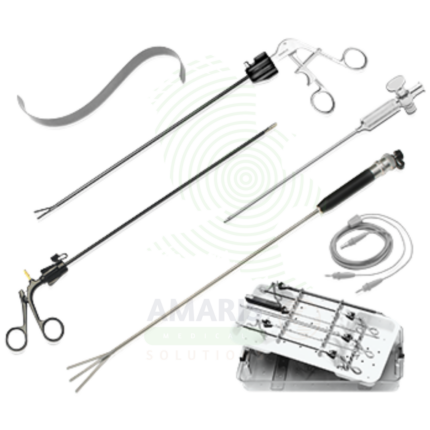
Laparoscopic accessories encompass a range of ancillary equipment and supplies essential for minimally invasive surgery, including cleaning brushes, sterilization containers, insufflation tubing, instrument storage systems, and single-use protective covers. These accessories support instrument care, procedural efficiency, and infection control, ensuring that laparoscopic instruments remain in optimal condition and that procedures run smoothly. Essential for operating rooms, sterile processing departments, and surgical suites.
Mayo trolley
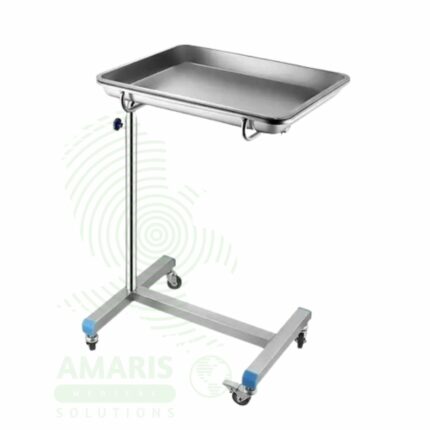
A Mayo Trolley is a mobile, height-adjustable instrument table used in operating rooms and procedure areas to hold sterile instruments, supplies, and equipment within easy reach of the surgical team. Featuring a stainless steel tray, locking castors, and adjustable height column, it provides a stable, organized workspace that supports efficient surgical procedures. Essential for maintaining an organized sterile field, it is used across surgical specialties including general surgery, orthopedics, gynecology, and plastic surgery.
Portable Examination Light (LED/Halogen)
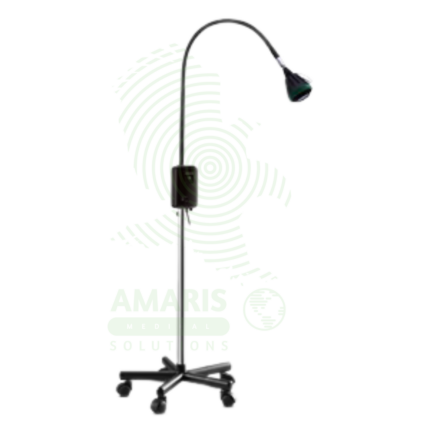
A Portable Examination Light (LED/Halogen) is a mobile, adjustable light source designed for clinical examinations, minor procedures, and wound assessment. LED models offer energy efficiency, long bulb life, and cool operation; halogen models provide high intensity with warm color temperature. The flexible gooseneck or articulating arm allows precise positioning to illuminate examination sites without shadows. Used in examination rooms, procedure rooms, emergency departments, and home healthcare settings, it provides the focused illumination needed for accurate assessment and safe procedures.
Revolving Stool
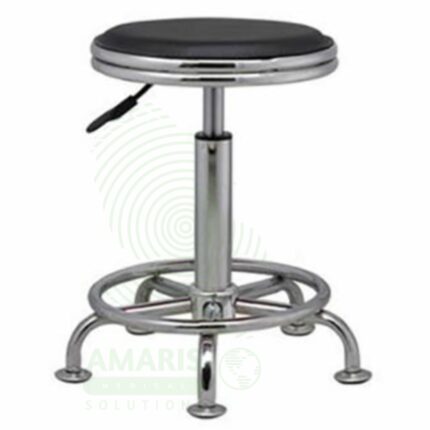
A Revolving Stool is a height-adjustable, rotating seat on a stable multi-leg base, designed for dynamic clinical and laboratory work environments. It provides healthcare professionals with stable, ergonomic seating that allows for effortless 360-degree rotation and small positional adjustments without standing. This is essential for procedures requiring precision and frequent changes in reach, such as dentistry, minor surgery, microscopy, and laboratory analysis. Its key features include smooth rotation, easy height adjustment, and a stable, often mobile, base to support prolonged, task-focused work while promoting proper posture and reducing fatigue.
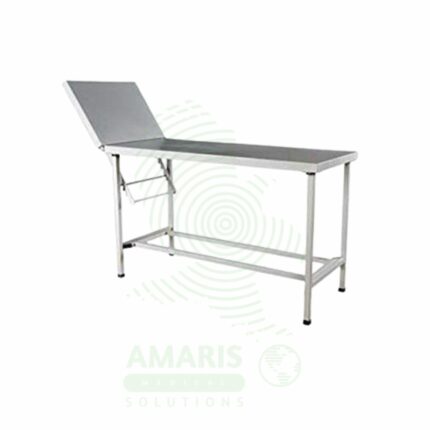
Stainless Steel Examination Table
A Stainless Steel Examination Table is the pinnacle of durable, hygienic clinical furniture. Constructed from surgical-grade stainless steel with a seamless, welded design, it is fully autoclavable and resistant to all common chemicals and disinfectants. Its primary uses are in environments demanding the highest infection control: morgues, pathology labs, sterile processing areas, isolation rooms, and minor procedure operating rooms. While functionally superior for cleaning and sterilization, its hard, cold surface requires the use of patient pads for comfort. It is an industrial-grade work surface built for longevity and ultimate cleanability in the most demanding medical and laboratory settings.
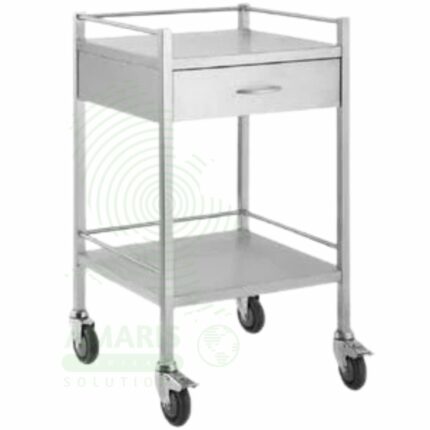
Stainless Steel Trolley
A Stainless Steel Trolley is a mobile cart constructed from durable, corrosion-resistant stainless steel, designed for the most demanding clinical and service environments. Its primary uses include the sterile transport of surgical instruments, serving as a procedure workstation in ORs, transporting specimens in morgues and labs, and handling pharmaceuticals or food. The non-porous, seamless surface can withstand autoclaving and aggressive chemical disinfection, making it the standard for infection control, durability, and cleanability in hospitals, laboratories, and sterile processing areas.