Dermatoscope and Magnifiers
 Diagnostic Kits
 Vital Signs Monitors
 Stethoscopes and Accessories
 Otoscopes, Ophthalmoscopes, and Retinoscopes
 Reflex Hammers and Neurological Tools
 Scales and Measuring Devices
 Spirometers and Pulmonary Function Tests
 Electrosurgical Units and Accessories
 Cutting Instruments
 Grasping and Holding Instruments
 Hemostatic Instruments
 Specialized Surgical Sets
 Single-Use Procedure Trays and Packs
 Surgical Drapes, Gowns, and Covers
 Tissue Unifying Instruments
 Radiation Protection
 X-Ray Machines and Accessories
 Ultrasound Systems and Probes
 MRI and CT Scanners
 Radiology Consumables
 Bone Densitometers
 Fluoroscopy Equipment
 Imaging Tables and Positioning Aids
 Microscopes and Accessories
 Centrifuges and Separators
 Analyzers
 Incubators and Ovens
 Pipettes, Dispensers, and Lab Glassware
 Refrigerators, Freezers, and Storage Units
 Lab Consumables
 Sterilizers and Autoclaves for Lab Use
 Multi-Parameter Monitors
 Ventilators and Respiratory Support Devices
 Defibrillators and AEDs
 Infusion Pumps and IV Systems
 Patient Warmers and Cooling Devices
 Central Monitoring Stations
 Accessories
 Anesthesia Machines and Workstations
 Oxygen Concentrators and Delivery Systems
 Nebulizers and Inhalers
 CPAP/BiPAP Machines
 Airway Management
 Anesthesia Masks, Circuits, and Bags
 Humidifiers and Heaters
 Respiratory Therapy Accessories
 First Aid Kits and Cabinets
 Emergency Resuscitation Equipment
 Trauma Supplies
 Emergency Carts and Crash Carts
 Burn Care Products
 Bleeding Control
 Automated External Defibrillators (AEDs)
 Transport and Evacuation
 Wheelchairs and Accessories
 Walkers, Crutches, and Canes
 Prosthetics and Orthotics
 Physical Therapy Equipment
 Transfer Devices
 Bathroom Safety
 Orthopedic Traction and Tables
 Hot/Cold Therapy Packs and Units
 Beds and Mattresses
 Chairs and Stools
 Tables
 Cabinets and Storage
 Privacy Screens & Curtains
 Stands and Racks
 Linens and Textiles
 Lighting
 Autoclaves and Sterilizers
 Ultrasonic Cleaners
 Disinfectant Solutions and Wipes
 Sterilization Pouches, Wraps, and Indicators
 Instrument Trays and Containers
 UV and Ozone Disinfection Devices
 Washer Disinfectors
 Wound Care
 Gloves
 Masks and Respirators
 Catheters and Tubing
 Swabs, Applicators, and Sponges
 Incontinence Products
 Personal Protective Equipment (PPE)
 Dental Chairs and Units
 Handpieces and Burs
 Instruments
 Consumables
 Sterilization for Dental Use
 Orthodontic Supplies
 Endodontic Tools
 Slit Lamps and Tonometers
 Lensometers and Phoropters
 Ophthalmic Surgical Instruments
 Eyewear Frames and Lenses
 Contact Lens Supplies
 Vision Testing Charts and Devices
 Eye Care Consumables
 Laser Systems for Eye Care
 ENT Exam Chairs and Tables
 Endoscopes
 Audiometers and Hearing Tests
 ENT Instruments
 Nasal and Throat Packs
 Hearing Aids and Accessories
 Otology Supplies
 Fetal Dopplers and Monitors
 Delivery Beds and Tables
 Gynecological Instruments
 Neonatal Incubators and Warmers
 Breast Pumps and Accessories
 Contraceptive Devices
 Maternity Supports and Pads
 Neonatal Consumables
 Cystoscopes and Urethroscopes
 Dialysis Machines and Supplies
 Urological Catheters and Bags
 Lithotripters
 Prostate Treatment Devices
 Urinary Incontinence Products
 Kidney Stone Management Tools
 Consumables & Disposables
 EEG and EMG Machines
 Neurosurgical Instruments
 Nerve Stimulators
 Headrests and Positioning Aids
 Lumbar Puncture Kits
 Seizure Monitoring Devices
 Consumables
 Rehabilitation for Neurological Conditions
 ECG Machines and Accessories
 Holter Monitors
 Stress Test Systems
 Pacemakers and Defibrillator Accessories
 Vascular Access Devices
 Cardiac Catheters and Guidewires
 Blood Flow Meters
 Consumables
 Orthopedic Instruments
 Casts, Splints, and Padding
 Joint Replacement Supplies
 Prosthetic Limbs and Components
 Bone Grafts and Substitutes
 Traction Devices
 Orthopedic Braces and Supports
 Rehabilitation Aids for Orthopedics
 Home Oxygen Therapy
 Hospital Beds for Home Use
 Mobility Aids
 Bathroom and Daily Living Aids
 Wound Care for Home
 Monitoring Devices
 Enteral Feeding Pumps and Tubes
 Hand Sanitizers and Dispensers
 Face Shields and Goggles
 Isolation Gowns and Suits
 Biohazard Waste Containers
 Air Purifiers and HEPA Filters
 Surface Disinfectants
 Sharps Containers
 Protective Barriers
 Cardiovascular & Endurance Training
 Strength Training & Weightlifting
 Functional Training & Core Conditioning
 Physical Therapy & Rehabilitation
 Sports & Outdoor Recreation
 Gym Flooring & Facility Equipment
 Fitness Monitoring & Accessories
 Kids & Novelties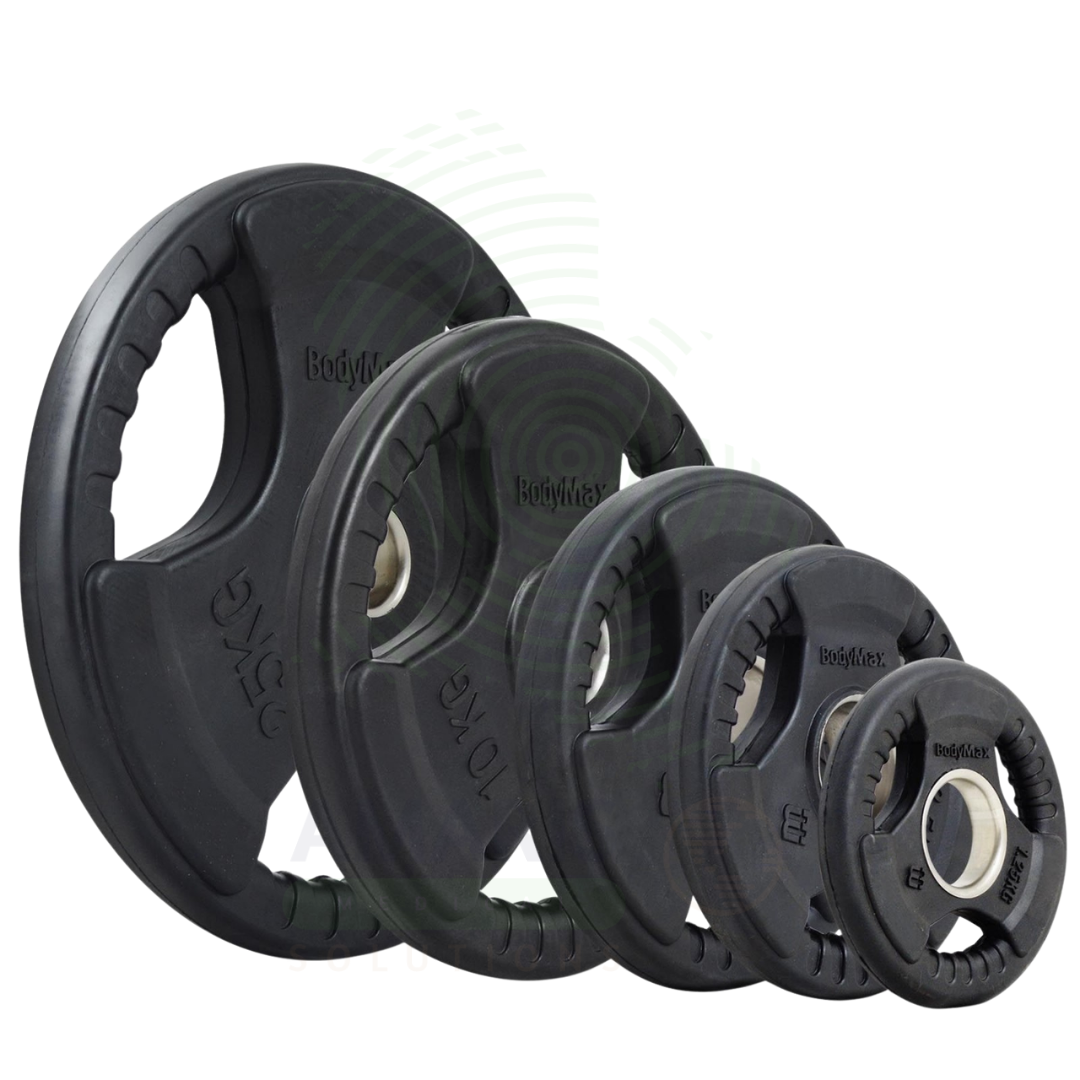
Rubber Plate Weight
$1.00
WhatsApp Order
Rubber Plate Weights are durable, rubber-coated cast iron weight plates used with barbells, dumbbells, or plate-loaded machines for progressive resistance training in rehabilitation, clinical, and fitness settings. Available in standardized weight increments from 2.5 to 45 pounds, with a cast iron core and durable rubber coating that protects floors from impact damage, reduces noise, and resists rust and corrosion, these plates provide safe, reliable resistance for strength training across the rehabilitation continuum. Bumper plate versions are designed to be dropped from height without damaging floors or equipment, enabling safe performance of Olympic lifts (clean, snatch) and high-intensity exercises essential for athletes progressing through return-to-sport rehabilitation. For the physical therapist and sports medicine clinician, rubber plate weights enable progressive resistance training that rebuilds lower extremity strength following total knee replacement, hip fracture, and ACL reconstruction—with squat, deadlift, and lunge variations strengthening the quadriceps, hamstrings, gluteals, and calf muscles needed for standing, walking, and stair climbing. For the patient, the rubber coating reduces noise and impact shock when weights are placed down, creating a less intimidating environment that encourages confidence and engagement in strength training activities. For the rehabilitation facility manager, rubber plate weights offer a long-term investment in equipment durability while protecting clinic flooring and creating a calmer therapeutic environment for patient care.
Description
Rubber Plate Weight
PRIMARY CLINICAL & DIAGNOSTIC USES
1. Progressive Resistance Training with Floor Protection
-
Primary Use: Provides durable rubber-coated cast iron weight plates used with barbells, dumbbells, or plate-loaded machines for progressive resistance training, with rubber coating that protects floors from impact damage during exercises.
-
How it helps: For the physical therapist and rehabilitation facility manager, rubber plate weights enable safe, progressive resistance training while protecting clinic flooring from the impact of dropped weights—making them ideal for rehabilitation settings where patients may fatigue and need to safely release weights. For the patient, the rubber coating reduces noise and impact shock when weights are placed down, providing a safer, less intimidating environment for strength training during recovery.
2. Bumper Plate Functionality for Safe Weight Release
-
Primary Use: Rubber-coated plates (particularly bumper plates) are designed to be dropped from overhead or from height without damaging floors or equipment, allowing safe performance of Olympic lifting movements and high-intensity exercises.
-
How it helps: For the sports medicine clinician and strength and conditioning specialist, rubber bumper plates enable safe execution of Olympic lifts (clean, snatch) and high-intensity movements that require dropping weights—essential for athletes progressing through return-to-sport rehabilitation. For the patient or athlete, the ability to safely release weights reduces fear of injury and allows full effort during explosive power development exercises.
3. Lower Extremity Strengthening for Functional Mobility
-
Primary Use: Used with a barbell for squat, deadlift, and lunge variations that strengthen the quadriceps, hamstrings, gluteals, and calf muscles—muscles essential for standing, walking, and stair climbing.
-
How it helps: For the physical therapist and sports medicine clinician, rubber plate weights provide the external resistance needed to rebuild lower extremity strength following total knee replacement, hip fracture, ACL reconstruction, or prolonged deconditioning. For the patient, progressive squat and deadlift training using plate-loaded barbells improves the functional strength required for rising from a chair, climbing stairs, and safe community ambulation.
4. Durable, Long-Lasting Construction with Noise Reduction
-
Primary Use: Cast iron core with durable rubber coating provides superior durability, impact resistance, and noise reduction for high-volume use in clinical and rehabilitation settings.
-
How it helps: For the physical therapy clinic manager and rehabilitation facility operator, rubber plate weights offer a long-term investment in equipment durability while significantly reducing noise levels compared to metal plates—creating a calmer, more therapeutic environment for patient care. For the patient, the reduced noise and impact when weights are placed down creates a less intimidating environment, encouraging confidence and engagement in strength training activities.
SECONDARY & SUPPORTIVE USES
1. ACL Reconstruction Return-to-Sport: Used for squat, deadlift, and Olympic lift variations to rebuild lower extremity strength and power for return to cutting and jumping sports.
2. Total Knee Replacement Rehabilitation: Used for squat and deadlift variations to rebuild quadriceps and hamstring strength following total knee arthroplasty.
3. Total Hip Replacement Rehabilitation: Used for hip abductor and extensor strengthening using plate-loaded machines or barbell exercises while maintaining hip precautions.
4. Rotator Cuff and Shoulder Rehabilitation: Used for progressive strengthening of the rotator cuff, deltoids, and scapular stabilizers using dumbbells or plate-loaded machines.
5. Chronic Low Back Pain Management: Used for functional strengthening exercises that support lumbar spine stability and core control.
6. Osteoporosis Management: Used for weight-bearing resistance training to stimulate bone mineral density and reduce fracture risk.
7. Parkinson’s Disease Strength Training: Used for progressive resistance training to maintain muscle strength and functional mobility.
8. Multiple Sclerosis Strength Maintenance: Used for controlled resistance training to maintain muscle strength and function.
9. Geriatric Deconditioning: Used for safe, progressive strengthening to maintain independence in activities of daily living.
10. Sports Performance Enhancement: Used for strength, power, and Olympic lifting training for athletes across multiple sports.
11. Olympic Weightlifting Training: Used for clean, snatch, and jerk variations requiring bumper plates for safe weight dropping.
12. CrossFit and Functional Fitness: Used for high-intensity functional training, Olympic lifting, and strength circuits.
13. Powerlifting Training: Used for squat, bench press, and deadlift variations for strength and power development.
14. High-Intensity Interval Training: Used for strength circuits, metabolic conditioning, and functional training.
15. Home Gym Equipment: Provides durable, floor-protecting resistance equipment for home-based strength training.
16. Group Exercise Classes: Used in small group training and strength classes for progressive resistance training.
KEY PRODUCT FEATURES
1. BASIC IDENTIFICATION ATTRIBUTES
-
Device Type: Durable rubber-coated cast iron weight plates used with barbells, dumbbells, or plate-loaded machines for progressive resistance training in rehabilitation, clinical, and fitness settings.
-
Designation: Rubber Plate Weight, Rubber Coated Weight Plates, Bumper Plates, Rubber Bumper Plates, Cast Iron Rubber Plates, Olympic Rubber Plates, Gym Weight Plates, Rehabilitation Weights, Fitness Plates.
-
Key Components:
o Weight Core: Cast iron or steel construction.
o Coating: Durable rubber (vulcanized rubber, urethane, or virgin rubber).
o Center Hole: Standard diameter (1 inch for standard bars; 2 inches for Olympic bars).
o Weight Markings: Embossed or engraved weight on plate.
o Grip: Handle holes or textured surface for handling.
2. TECHNICAL & PERFORMANCE PROPERTIES
-
Weight Range: Typically 2.5 pounds to 45 pounds; bumper plates range from 10-45 pounds; larger sets available.
-
Weight Increments: 2.5lb, 5lb, 10lb, 25lb, 35lb, 45lb.
-
Material: Cast iron or steel core with rubber coating.
-
Coating Types: Vulcanized rubber (durable, impact-resistant), urethane (premium, odor-free), virgin rubber (economical, effective).
-
Plate Types: Bumper plates (designed for dropping), standard rubber-coated plates (impact protection), change plates (small increments).
-
Center Hole Diameter: 1 inch (standard) or 2 inches (Olympic).
-
Bumper Plate Diameter: Standard 450mm (17.7 inches) for consistent bar height.
-
Durability: High durability; rubber coating protects against chips, cracks, and corrosion.
-
Noise Reduction: Rubber coating significantly reduces noise compared to metal plates.
3. PHYSICAL & OPERATIONAL PROPERTIES
-
Construction: Solid cast iron core with seamless rubber overmold.
-
Weight Markings: Embossed or engraved for permanent visibility.
-
Handle Holes: Grip holes or recessed handles for easy loading.
-
Storage: Store on weight racks or plate trees.
-
Cleaning: Wipe with damp cloth; mild soap if needed; air dry.
-
Noise: Low noise when placed on the floor due to rubber coating.
4. SAFETY & COMPLIANCE ATTRIBUTES
-
Regulatory Status: Class I medical device when labeled for therapeutic exercise; fitness equipment if for general wellness.
-
Weight Accuracy: Marked weight on product.
-
Coating Integrity: Durable coating prevents rust and corrosion.
-
Floor Protection: Rubber coating protects floors from impact damage.
-
Non-Toxic: Materials are non-toxic for safe handling.
-
Drop-Safe: Bumper plates designed for safe dropping from height.
5. STORAGE & HANDLING ATTRIBUTES
-
Storage: Store on a weight rack or plate tree; avoid storing in direct sunlight which may degrade rubber.
-
Cleaning: Wipe with damp cloth and mild disinfectant; air dry.
-
Inspection: Inspect for cracks, chips, or coating damage before each use; discard if compromised.
-
Weight Selection: Select appropriate weight for patient ability; start light and progress gradually.
-
Loading: Secure plates with collars or clips to prevent shifting during exercise.
6. LABORATORY & CLINICAL APPLICATIONS
-
Primary Application: Progressive resistance training, functional strength development, Olympic lifting, and rehabilitation in physical therapy, sports medicine, and fitness settings.
-
Clinical Role: Essential rehabilitation and conditioning equipment in physical therapy clinics, sports medicine facilities, rehabilitation centers, and fitness facilities for strength training, power development, and functional rehabilitation.
SAFETY HANDLING PRECAUTIONS
1. SAFETY PRECAUTIONS
-
Weight Selection: Select appropriate weight for patient ability; start light and progress gradually.
-
Secure Loading: Use collars or clips to secure plates on barbells; prevent shifting during exercise.
-
Proper Technique: Use correct lifting form; maintain neutral spine; engage core.
-
Spotting: Use spotter for heavy lifts or complex movements.
-
Dropping Weights: Only drop bumper plates designed for dropping; do not drop standard rubber-coated plates.
-
Supervision: Patients with balance impairment, cognitive deficits, or severe weakness require supervision.
-
Medical Clearance: Patients with cardiac, pulmonary, or uncontrolled metabolic conditions require medical clearance before resistance training.
-
Contraindications: Avoid in patients with acute fractures, recent joint replacement without clearance, or unstable joint pathology.
-
Footwear: Wear closed-toe athletic shoes with non-slip soles.
-
Clear Area: Ensure clear area around lifting zone.
2. FIRST AID MEASURES
-
Muscle Strain: If muscle strain occurs, stop exercise, rest, apply ice if needed, assess for injury.
-
Joint Pain: If joint pain occurs, stop exercise, assess technique, reduce weight; consult a therapist if pain persists.
-
Dropped Weight: If weight is dropped, assess for foot or lower extremity injury; ensure clear area before resuming.
-
Pinch Injury: If finger pinch occurs during loading, assess for injury; apply ice if needed.
3. FIRE FIGHTING MEASURES
-
Flammability: Cast iron core is non-flammable; rubber coating is combustible.
-
Extinguishing Media: Use water, foam, dry chemical, or carbon dioxide for fire involving rubber materials.
-
Fire Response: No special fire hazards beyond typical combustible materials.
Related products
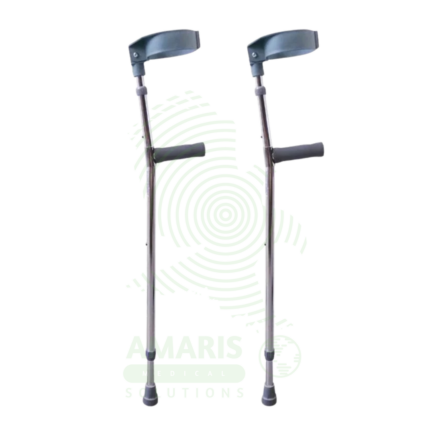
Elbow & Axiliary Crutches
An Elbow & Axiliary Crutches feature a forearm cuff and are designed for long-term mobility, offering a natural gait for unilateral or bilateral conditions. Auxiliary (Underarm) Crutches have an axillary pad and are for short-term, non-weight-bearing use after injury or surgery. Both require precise fitting—forearm crutch cuffs must be below the elbow, and underarm crutch weight must be borne through the hands to avoid nerve damage. Proper gait training from a therapist is essential for safe use of either type.
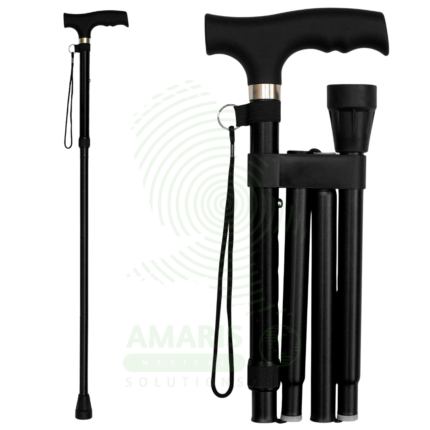
Foldable Walking Stick
A Foldable Walking Stick combines a stabilizing four-point base with a multi-section shaft that folds for compact storage and portability. It is designed for individuals who need reliable stability for moderate balance or weight-bearing issues but also require a discreet, transportable aid for use in the community. Key safety features include secure segment locking mechanisms and a quad base that must be placed flat. It is ideal for travel, occasional use, and active seniors, but requires diligent checking of all locks before each use to prevent collapse.
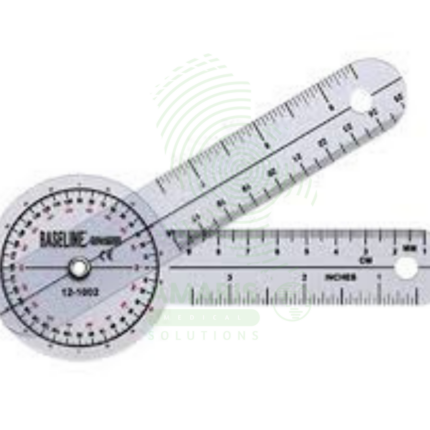
Goniometer
A goniometer is a calibrated, handheld measuring instrument designed to precisely quantify joint range of motion in degrees. Essential for physical and occupational therapy, orthopedic assessment, and rehabilitation medicine, it consists of a protractor-like body with two arms—one stationary, one movable—that align with the patient's limb segments. Available in various sizes for different joints (from fingers to hips) and in materials including transparent plastic, stainless steel, and digital formats, it transforms subjective observations of mobility into objective, reproducible data. This fundamental clinical tool guides diagnosis, documents treatment progress, supports disability determinations, and provides the evidence base for therapeutic interventions.
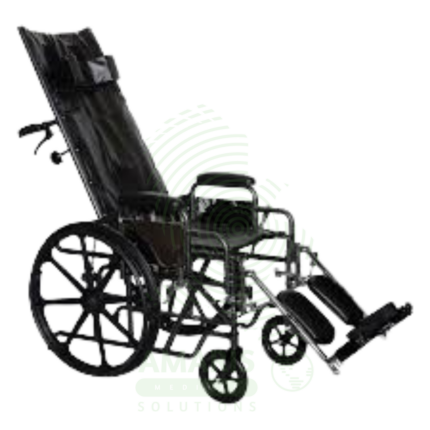
Manual Reclining Wheelchair
A Manual Reclining Wheelchair is a non-powered wheelchair with a backrest that can be manually adjusted to various angles. It is designed for users who need to change their sitting position for pressure relief, circulatory management, respiratory support, or comfort but do not require powered mobility. Key safety features include a robust locking mechanism, mandatory use of anti-tip levers and a seat belt when reclined, and synchronized elevating leg rests to prevent sliding. It is heavier and less maneuverable than a standard wheelchair but provides essential positioning options for individuals with specific postural and medical needs.
Orthopedic Wheelchair
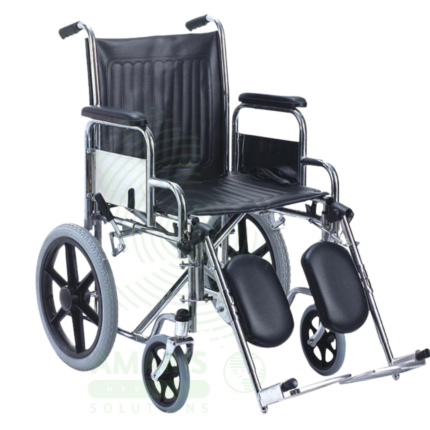
An Orthopedic Wheelchair is a specialized manual wheelchair with an extended frame and elevating leg rests, designed to support patients who must keep one or both lower limbs in a straight, non-weight-bearing position. It is primarily used for managing lower limb fractures, post-operative recovery (e.g., hip replacements), and conditions requiring heel-off-loading to prevent pressure sores. Its key safety consideration is a heightened risk of tipping backwards due to the forward weight of the extended leg, requiring cautious use, engagement of anti-tip levers, and awareness of its increased length during navigation.
Rollator Walking Aid
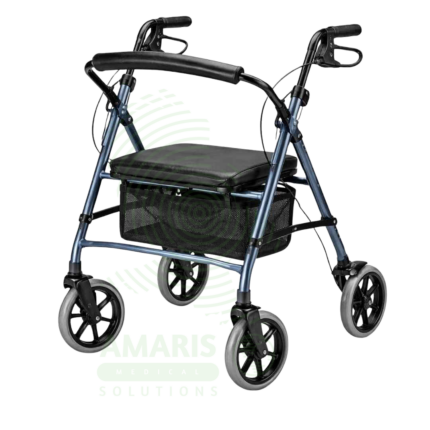
A Rollator Walking Aid is a wheeled walking aid with hand brakes, a seat, and a storage basket, designed to provide stability, rest, and carrying capacity for individuals with balance or endurance issues. It allows for continuous, rolling support during walking, making it ideal for both indoor and community mobility. Key safety features include height-adjustable handles, reliable hand brakes for speed control, and a locking function to secure the device when using the seat. It is a fundamental tool for promoting safe, independent ambulation and social participation among the elderly and those with mobility impairments.
Walker
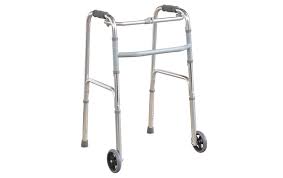
A Walker is a rigid, non-wheeled frame walking aid designed to provide maximum stability and support. It is used by lifting and placing the frame forward with each step, making it ideal for individuals with significant balance issues, weakness, or those in early post-operative recovery who require a secure, stationary base. Its key features include a lightweight aluminum frame, height-adjustable legs, and rubber tips. Proper fitting and gait training are essential for safe use, as incorrect technique can increase fall risk. It is the most stable ambulatory aid before progressing to wheeled walkers or canes.