Dermatoscope and Magnifiers
 Diagnostic Kits
 Vital Signs Monitors
 Stethoscopes and Accessories
 Otoscopes, Ophthalmoscopes, and Retinoscopes
 Reflex Hammers and Neurological Tools
 Scales and Measuring Devices
 Spirometers and Pulmonary Function Tests
 Electrosurgical Units and Accessories
 Cutting Instruments
 Grasping and Holding Instruments
 Hemostatic Instruments
 Specialized Surgical Sets
 Single-Use Procedure Trays and Packs
 Surgical Drapes, Gowns, and Covers
 Tissue Unifying Instruments
 Radiation Protection
 X-Ray Machines and Accessories
 Ultrasound Systems and Probes
 MRI and CT Scanners
 Radiology Consumables
 Bone Densitometers
 Fluoroscopy Equipment
 Imaging Tables and Positioning Aids
 Microscopes and Accessories
 Centrifuges and Separators
 Analyzers
 Incubators and Ovens
 Pipettes, Dispensers, and Lab Glassware
 Refrigerators, Freezers, and Storage Units
 Lab Consumables
 Sterilizers and Autoclaves for Lab Use
 Multi-Parameter Monitors
 Ventilators and Respiratory Support Devices
 Defibrillators and AEDs
 Infusion Pumps and IV Systems
 Patient Warmers and Cooling Devices
 Central Monitoring Stations
 Accessories
 Anesthesia Machines and Workstations
 Oxygen Concentrators and Delivery Systems
 Nebulizers and Inhalers
 CPAP/BiPAP Machines
 Airway Management
 Anesthesia Masks, Circuits, and Bags
 Humidifiers and Heaters
 Respiratory Therapy Accessories
 First Aid Kits and Cabinets
 Emergency Resuscitation Equipment
 Trauma Supplies
 Emergency Carts and Crash Carts
 Burn Care Products
 Bleeding Control
 Automated External Defibrillators (AEDs)
 Transport and Evacuation
 Wheelchairs and Accessories
 Walkers, Crutches, and Canes
 Prosthetics and Orthotics
 Physical Therapy Equipment
 Transfer Devices
 Bathroom Safety
 Orthopedic Traction and Tables
 Hot/Cold Therapy Packs and Units
 Beds and Mattresses
 Chairs and Stools
 Tables
 Cabinets and Storage
 Privacy Screens & Curtains
 Stands and Racks
 Linens and Textiles
 Lighting
 Autoclaves and Sterilizers
 Ultrasonic Cleaners
 Disinfectant Solutions and Wipes
 Sterilization Pouches, Wraps, and Indicators
 Instrument Trays and Containers
 UV and Ozone Disinfection Devices
 Washer Disinfectors
 Wound Care
 Gloves
 Masks and Respirators
 Catheters and Tubing
 Swabs, Applicators, and Sponges
 Incontinence Products
 Personal Protective Equipment (PPE)
 Dental Chairs and Units
 Handpieces and Burs
 Instruments
 Consumables
 Sterilization for Dental Use
 Orthodontic Supplies
 Endodontic Tools
 Slit Lamps and Tonometers
 Lensometers and Phoropters
 Ophthalmic Surgical Instruments
 Eyewear Frames and Lenses
 Contact Lens Supplies
 Vision Testing Charts and Devices
 Eye Care Consumables
 Laser Systems for Eye Care
 ENT Exam Chairs and Tables
 Endoscopes
 Audiometers and Hearing Tests
 ENT Instruments
 Nasal and Throat Packs
 Hearing Aids and Accessories
 Otology Supplies
 Fetal Dopplers and Monitors
 Delivery Beds and Tables
 Gynecological Instruments
 Neonatal Incubators and Warmers
 Breast Pumps and Accessories
 Contraceptive Devices
 Maternity Supports and Pads
 Neonatal Consumables
 Cystoscopes and Urethroscopes
 Dialysis Machines and Supplies
 Urological Catheters and Bags
 Lithotripters
 Prostate Treatment Devices
 Urinary Incontinence Products
 Kidney Stone Management Tools
 Consumables & Disposables
 EEG and EMG Machines
 Neurosurgical Instruments
 Nerve Stimulators
 Headrests and Positioning Aids
 Lumbar Puncture Kits
 Seizure Monitoring Devices
 Consumables
 Rehabilitation for Neurological Conditions
 ECG Machines and Accessories
 Holter Monitors
 Stress Test Systems
 Pacemakers and Defibrillator Accessories
 Vascular Access Devices
 Cardiac Catheters and Guidewires
 Blood Flow Meters
 Consumables
 Orthopedic Instruments
 Casts, Splints, and Padding
 Joint Replacement Supplies
 Prosthetic Limbs and Components
 Bone Grafts and Substitutes
 Traction Devices
 Orthopedic Braces and Supports
 Rehabilitation Aids for Orthopedics
 Home Oxygen Therapy
 Hospital Beds for Home Use
 Mobility Aids
 Bathroom and Daily Living Aids
 Wound Care for Home
 Monitoring Devices
 Enteral Feeding Pumps and Tubes
 Hand Sanitizers and Dispensers
 Face Shields and Goggles
 Isolation Gowns and Suits
 Biohazard Waste Containers
 Air Purifiers and HEPA Filters
 Surface Disinfectants
 Sharps Containers
 Protective Barriers
 Cardiovascular & Endurance Training
 Strength Training & Weightlifting
 Functional Training & Core Conditioning
 Physical Therapy & Rehabilitation
 Sports & Outdoor Recreation
 Gym Flooring & Facility Equipment
 Fitness Monitoring & Accessories
 Kids & Novelties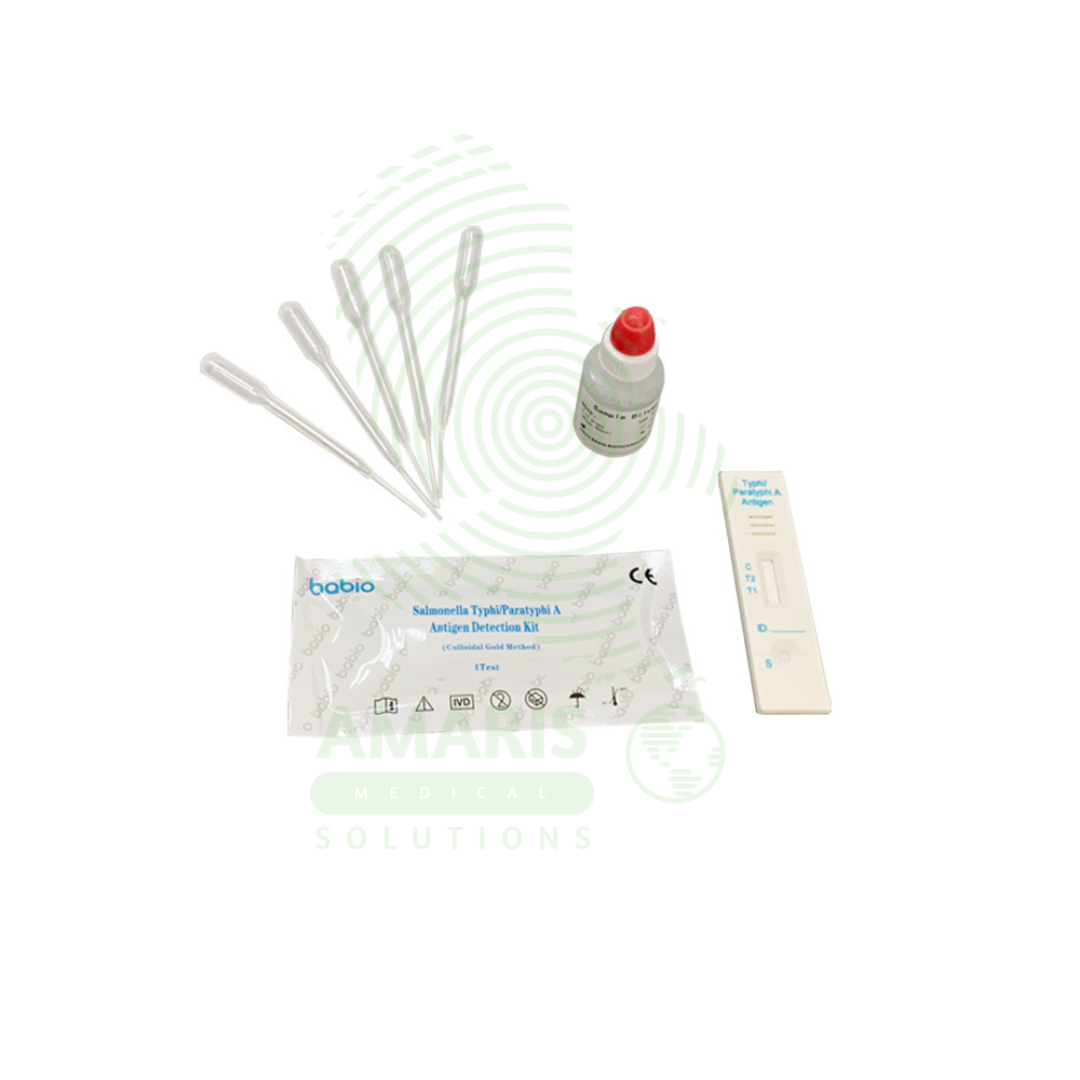
Salmonella Typhi Test Peratop
$1.00
WhatsApp Order
The Salmonella typhi test peratop is a CE-marked rapid immunochromatographic assay for qualitative detection of IgG and IgM antibodies to Salmonella enterica serotype Typhi in human serum, plasma, or whole blood, providing results in 15-20 minutes. The test uses recombinant S. typhi antigens immobilized on a membrane to capture specific antibodies, with separate lines for IgG and IgM interpretation. The kit includes individually foil-wrapped test cassettes, sample diluent, disposable pipettes, and package insert. Primary clinical applications include rapid diagnosis of typhoid fever in endemic regions (Indian subcontinent, Southeast Asia, Africa, South America), differentiation of acute (IgM positive) from past infection (IgG only), outbreak investigation and control, screening in febrile patients, travel medicine assessment, antibiotic stewardship, and maternal/child health in endemic areas. Critical safety precautions include proper specimen handling (universal precautions), quality control verification, awareness of window period (repeat testing if early infection suspected), and clinical correlation of results. Essential rapid test for typhoid fever diagnosis in resource-limited and endemic settings.
Description
Salmonella Typhi Test Peratop
PRIMARY CLINICAL & DIAGNOSTIC USES
1. Rapid Diagnosis of Typhoid Fever:
-
Primary Use: The Peratop Salmonella typhi test is a rapid immunochromatographic assay for qualitative detection of specific antibodies (IgG and IgM) to Salmonella enterica serotype Typhi in human serum, plasma, or whole blood, enabling rapid diagnosis of typhoid fever in patients presenting with prolonged fever, abdominal pain, headache, malaise, and other symptoms suggestive of enteric fever.
-
How it helps: Provides clinicians with a quick, reliable answer for patients suffering from prolonged fever in endemic areas, distinguishing typhoid from other common causes of fever like malaria, dengue, and respiratory infections, and enabling prompt, targeted antibiotic therapy.
2. Differentiation of Acute and Past Infection:
-
Primary Use: The test’s ability to detect both IgM and IgG antibodies helps distinguish between acute infection (IgM positive, with or without IgG) and past infection or vaccination (IgG positive only, IgM negative), guiding appropriate clinical management and treatment decisions.
-
How it helps: Helps doctors determine whether a patient’s positive result means they are currently infected and need treatment, or whether they have had typhoid in the past and are now immune, preventing unnecessary antibiotic use.
3. Outbreak Investigation and Control:
-
Primary Use: Used during suspected typhoid fever outbreaks for rapid case identification, facilitating immediate isolation, treatment, and public health interventions to prevent further transmission in communities, schools, and residential settings.
-
How it helps: Enables rapid response teams to identify and contain typhoid outbreaks quickly, tracing the source of infection—often contaminated food or water—and preventing the disease from spreading through communities.
4. Screening in Endemic Regions:
-
Primary Use: Employed in areas where typhoid fever is endemic (Indian subcontinent, Southeast Asia, Africa, South America) for rapid screening of febrile patients, helping distinguish typhoid from other common causes of fever such as malaria, dengue, leptospirosis, and respiratory infections.
-
How it helps: Provides a simple, affordable screening tool for busy clinics in endemic regions, helping healthcare workers make informed decisions about which patients need antibiotics and which need treatment for other conditions.
5. Travel Medicine and Post-Travel Assessment:
-
Primary Use: Used to evaluate patients returning from endemic regions with febrile illness, enabling rapid diagnosis and prompt initiation of appropriate antibiotic therapy to prevent complications such as intestinal perforation or septic shock.
-
How it helps: Offers returning travelers and their doctors peace of mind, quickly identifying whether a post-travel fever is caused by typhoid or another tropical illness, and guiding treatment before the infection becomes severe.
6. Antibiotic Stewardship:
-
Primary Use: Rapid results enable targeted antibiotic therapy, reducing unnecessary use of broad-spectrum antibiotics and helping combat the growing problem of antimicrobial resistance in typhoid management, particularly against multidrug-resistant strains.
-
How it helps: Ensures that precious antibiotics are used only when they are truly needed, helping preserve their effectiveness for future patients and slowing the spread of drug-resistant typhoid strains.
7. Maternal and Child Health in Endemic Areas:
-
Primary Use: Used to diagnose typhoid fever in pregnant women and children in endemic regions, where prompt treatment is essential to prevent maternal complications, fetal loss, and severe disease in pediatric populations.
-
How it helps: Protects the most vulnerable members of endemic communities—pregnant women and young children—by providing rapid diagnosis that allows for immediate treatment before the disease can cause serious harm.
SECONDARY & SUPPORTIVE USES
1. Food Handler Screening: Employed in some regions for screening food handlers to identify chronic carriers and prevent foodborne transmission of typhoid in restaurants, cafeterias, and food processing facilities.
2. Household Contact Tracing: Used to test close contacts of confirmed cases to identify asymptomatic carriers and prevent secondary transmission within households and close communities.
3. Vaccine Response Assessment: May be used to assess antibody response following typhoid vaccination (with appropriate interpretation), though not a primary indication.
4. Research and Epidemiological Studies: Utilized in studies investigating typhoid fever prevalence, risk factors, transmission patterns, and vaccine efficacy in endemic populations.
5. Migrant and Refugee Health Screening: Used to screen at-risk populations from endemic regions for typhoid carriage and infection during initial health assessments.
6. Clinical Trials for New Vaccines and Treatments: Employed in research settings to confirm typhoid infection in participants enrolled in vaccine efficacy trials or studies of new antimicrobial agents.
7. Community Health Worker Programs: Deployed in remote endemic areas for decentralized testing by trained community health workers, improving access to diagnosis in underserved populations.
KEY PRODUCT FEATURES
1. BASIC IDENTIFICATION ATTRIBUTES
-
Product Type: Rapid immunochromatographic test for qualitative detection of antibodies to Salmonella enterica serotype Typhi.
-
Brand/Manufacturer: Peratop (Peratop GmbH, Germany).
-
Detection Targets: IgG and IgM antibodies to S. typhi.
-
Sample Types: Serum, plasma, or whole blood (fingerstick or venipuncture).
-
Test Time: 15-20 minutes.
-
Test Principle: Immunochromatography; recombinant S. typhi antigens immobilized on membrane capture specific antibodies in patient sample, forming visible lines.
-
Internal Control: Built-in procedural control line confirms test validity; no control line = invalid test.
-
Packaging Sizes: 10, 20, 25, or 50 tests per kit.
-
Shelf Life: 18-24 months from manufacture date.
-
Storage Temperature: 2-30°C; protect from humidity and direct sunlight; do not freeze.
2. TECHNICAL & PERFORMANCE PROPERTIES
-
Sensitivity: High (typically >95% compared to blood culture or reference methods).
-
Specificity: High (typically >95% with minimal cross-reactivity to other Salmonella serotypes or enteric pathogens).
-
Detection Window: IgM antibodies appear within 3-5 days of infection; IgG appears later and persists.
-
Interpretation of Results:
-
IgM Positive (+), IgG Positive or Negative: Indicates acute or recent infection.
-
IgM Negative, IgG Positive (+): Indicates past infection or vaccination.
-
IgM Negative, IgG Negative: No detectable antibodies; typhoid unlikely (consider window period).
-
-
Cross-Reactivity: Minimal with other Salmonella serotypes; validated against common febrile illnesses.
-
Prozone Effect: Rare; high antibody concentrations may cause false negatives (serial dilution if suspected).
3. PHYSICAL & OPERATIONAL PROPERTIES
-
Test Device: Plastic cassette with sample well and result window.
-
Kit Components:
-
Test Devices: Individually foil-wrapped with desiccant.
-
Sample Diluent/Buffer: For sample application and migration.
-
Disposable Pipettes: For sample transfer.
-
Lancets: For fingerstick blood collection (if included).
-
Package Insert: Instructions for use and interpretation.
-
Controls: Positive and negative controls available separately.
-
-
Sample Volume: 10-20 µL (serum/plasma) or 1-2 drops (whole blood).
-
Result Interpretation:
-
Negative: Only control line visible.
-
IgM Positive: Control + IgM line visible.
-
IgG Positive: Control + IgG line visible.
-
IgM and IgG Positive: Control + IgM + IgG lines visible.
-
Invalid: No control line visible.
-
4. SAFETY & COMPLIANCE ATTRIBUTES
-
Regulatory Status: CE marked for IVD use; may have other international registrations.
-
Quality Control: Built-in procedural control in each test; external controls recommended with each new lot.
-
Biohazard Precautions: All blood samples potentially infectious for HIV, hepatitis B/C, and other bloodborne pathogens.
-
Chemical Safety: Buffer contains preservatives; avoid contact with eyes and skin.
-
Disposal: Used tests and lancets disposed of as biohazardous waste; lancets in sharps container.
-
Storage: Store per manufacturer specifications; do not use expired tests.
5. STORAGE & HANDLING ATTRIBUTES
-
Storage Temperature: 2-30°C; do not freeze; protect from humidity and direct sunlight.
-
Sample Handling: Test fresh samples within 24 hours if stored at 2-8°C; freeze at -20°C for longer storage.
-
Test Preparation: Bring test device and samples to room temperature before testing.
-
Procedure:
-
Remove the test device from the foil pouch; place on a flat surface.
-
Add sample to sample well (follow package insert for volume).
-
Add diluent/buffer as directed.
-
Wait 15-20 minutes.
-
Read results; do not interpret after 30 minutes.
-
-
Expiration: Never use tests beyond expiration date; results invalid.
-
Quality Control: Test external controls with each new lot and as required.
6. LABORATORY & CLINICAL APPLICATIONS
-
Primary Application: Rapid point-of-care diagnosis of typhoid fever in endemic regions, travel clinics, and outbreak settings.
-
Clinical Indications:
-
Prolonged fever (>3 days) in endemic areas or with travel history.
-
Suspected enteric fever with symptoms: fever, abdominal pain, headache, malaise, rose spots.
-
Outbreak investigation in communities or households.
-
Screening of contacts of confirmed cases.
-
-
Interpretation Guidelines:
-
IgM Positive: Suggests acute typhoid; initiate appropriate antibiotic therapy.
-
IgG Positive Only: May indicate past infection or vaccination; consider clinical presentation.
-
Negative: Does not rule out typhoid if tested early (window period); repeat in 5-7 days if suspicion remains.
-
-
Limitations: Cannot distinguish between infection and vaccination (IgG only); blood culture remains gold standard; false negatives possible in early infection.
SAFETY HANDLING PRECAUTIONS
1. SAFETY PRECAUTIONS
-
Biological Hazard: All blood samples potentially infectious; wear gloves and appropriate PPE.
-
Hand Hygiene: Wash hands thoroughly after handling specimens and test devices.
-
Sharps Safety: Dispose of lancets in sharps containers; never recap or reuse.
-
Quality Control: Always verify control line appears; no control line = invalid test.
-
Clinical Correlation: Results must be interpreted with clinical presentation and patient history.
-
Window Period Awareness: Negative results in early infection require repeat testing.
-
Storage Compliance: Store tests at recommended temperature; heat/humidity degrades components.
-
Expiration: Never use expired tests; accuracy compromised.
2. FIRST AID MEASURES
-
Needlestick/Sharps Injury: Wash area vigorously with soap and water; report immediately; follow institutional exposure protocol.
-
Blood Spill: Contain with absorbent material; disinfect area with 10% bleach solution.
-
Buffer Contact (Eyes): Flush eyes with copious water for 15 minutes; seek medical attention.
-
Buffer Ingestion: Contact poison control center; do not induce vomiting unless instructed.
3. FIRE FIGHTING MEASURES
-
Flammability: Plastic components and packaging are combustible.
-
Extinguishing Media: Use water, foam, CO₂, or dry chemical as appropriate.
Related products
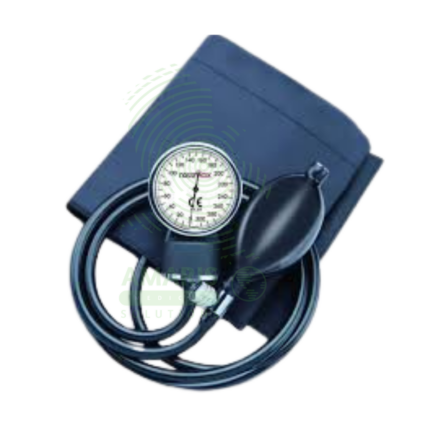
Aneroid Blood Pressure Monitor
The Aneroid Blood Pressure Monitor is a manual, mechanical sphygmomanometer used for the accurate, non-invasive measurement of arterial blood pressure. Operating on the auscultatory method, it consists of an inflatable cuff, a pump bulb with a release valve, and a calibrated dial gauge. Renowned for its reliability, durability, and independence from electrical power, it serves as a clinical gold standard and essential tool in physician offices, hospitals, and for guided home monitoring. Its accuracy is dependent on proper technique, correct cuff size, and regular calibration, making it a fundamental device for diagnosing and managing hypertension and assessing cardiovascular health.
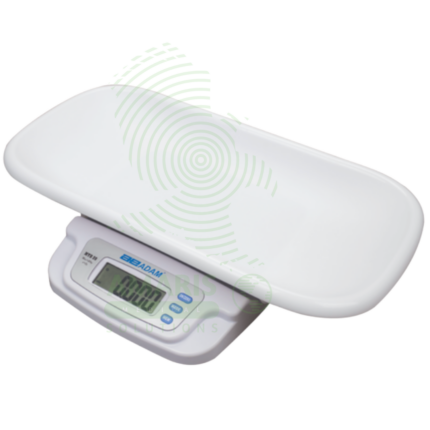
Digital Baby Weighing Scale
A Digital Baby Weighing Scale is a high-precision medical device designed exclusively for the safe and accurate measurement of infant and toddler weight. Featuring a stable, hygienic platform with gram-level precision, it is indispensable in hospitals (especially NICUs), pediatric clinics, and community health settings. Its core functions—such as hold, tare, and zeroing—ensure reliable readings even with a moving child. Accurate weight data is foundational for assessing growth, calculating medication doses, managing nutrition, and detecting early signs of health issues, making this scale a critical tool for safeguarding infant health and development.
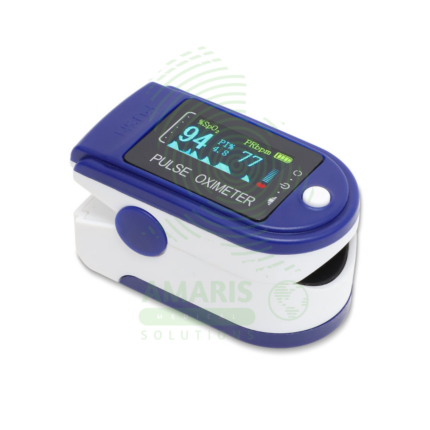
Fingertip Pulse Oximeter
A Fingertip Pulse Oximeter is a compact, non-invasive medical device that clips onto a finger to measure peripheral arterial oxygen saturation (SpO2) and pulse rate in seconds. Utilizing light-based technology, it provides critical, real-time data on respiratory and circulatory status. Its portability and ease of use make it indispensable in hospitals (from ORs to general wards), for patients managing chronic lung conditions at home, and for situational monitoring in sports or high-altitude environments. While an extremely valuable screening tool, readings must be interpreted in context, considering factors like patient movement, perfusion, and clinical symptoms.
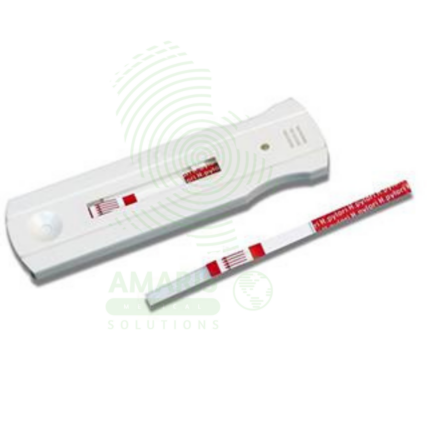
H. pylori Test Strips
H. pylori Test Strips are rapid, lateral flow immunochromatographic devices used for the qualitative detection of Helicobacter pylori antigens in human stool. As a non-invasive stool antigen test (SAT), it provides a convenient and reliable method for diagnosing active H. pylori infection and confirming eradication after therapy, with results available in under 15 minutes. Ideal for use in clinics and outpatient settings, it aids in the management of dyspepsia and peptic ulcer disease. Proper sample handling, adherence to pre-test medication restrictions, and strict biohazard precautions are essential for obtaining accurate results.
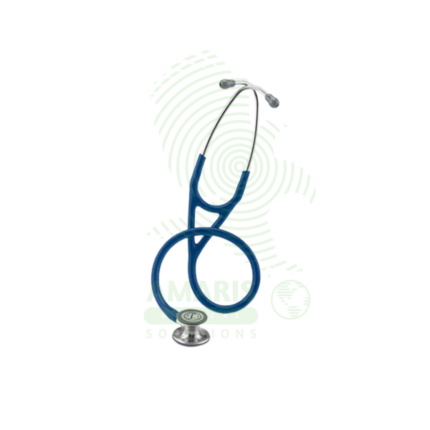
Littman Stethoscope (Classic 4 Cardiology)
A Littman Stethoscope (Classic 4 Cardiology) represents the pinnacle of acoustic auscultation technology. Designed for clinicians who require the highest level of diagnostic accuracy, it features dual tunable diaphragms and dual-lumen tubing to provide exceptional acoustic sensitivity and ambient noise reduction. Its innovative design allows the user to hear both high and low-frequency sounds by simply adjusting pressure on either side of the chestpiece, making it the instrument of choice for cardiologists, intensivists, and specialists who cannot afford to miss a subtle murmur, rub, or breath sound. It combines superior performance with the durability and comfort expected from the Littmann brand.
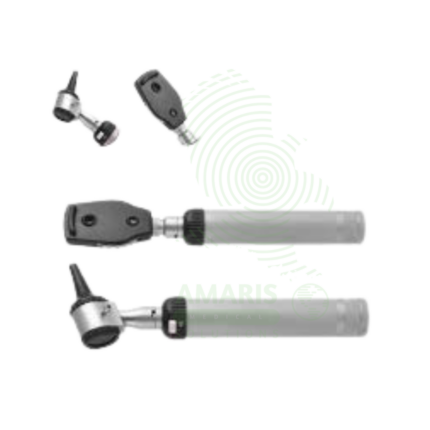
Ophthalmoscope
An Ophthalmoscope is a handheld diagnostic instrument used to examine the interior of the eye, specifically the fundus (retina, optic disc, blood vessels, and macula). By providing illuminated magnification, it serves as a vital screening tool for detecting ocular diseases like glaucoma and retinal disorders, and more importantly, for identifying signs of systemic conditions such as diabetes, hypertension, and increased intracranial pressure. Its operation involves selecting appropriate apertures and compensating lenses to obtain a clear view. While offering a detailed but narrow field of vision, mastery of the direct ophthalmoscope remains a cornerstone skill in general medicine, neurology, and ophthalmology for assessing vascular and neurological health.
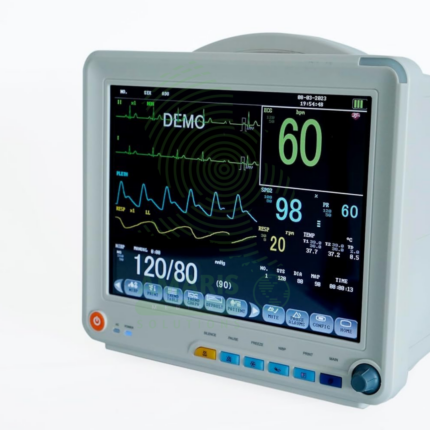
Patient Monitor
The Patient Monitor (6 Parameters BCCMS8000) is a versatile multi-parameter monitor designed for continuous surveillance of core vital signs in various clinical settings. It tracks six essential parameters—ECG, SpO2, Non-Invasive Blood Pressure (NIBP), Respiration, Temperature, and Pulse Rate—providing clinicians with real-time waveforms and numerical data on a clear color display. With its robust alarm system, battery backup for transport, and reliable performance, it is a fundamental tool for ensuring patient safety on general hospital wards, during procedures, and in emergency departments. Its design balances comprehensive monitoring capability with user-friendly operation.