Dermatoscope and Magnifiers
 Diagnostic Kits
 Vital Signs Monitors
 Stethoscopes and Accessories
 Otoscopes, Ophthalmoscopes, and Retinoscopes
 Reflex Hammers and Neurological Tools
 Scales and Measuring Devices
 Spirometers and Pulmonary Function Tests
 Electrosurgical Units and Accessories
 Cutting Instruments
 Grasping and Holding Instruments
 Hemostatic Instruments
 Specialized Surgical Sets
 Single-Use Procedure Trays and Packs
 Surgical Drapes, Gowns, and Covers
 Tissue Unifying Instruments
 Radiation Protection
 X-Ray Machines and Accessories
 Ultrasound Systems and Probes
 MRI and CT Scanners
 Radiology Consumables
 Bone Densitometers
 Fluoroscopy Equipment
 Imaging Tables and Positioning Aids
 Microscopes and Accessories
 Centrifuges and Separators
 Analyzers
 Incubators and Ovens
 Pipettes, Dispensers, and Lab Glassware
 Refrigerators, Freezers, and Storage Units
 Lab Consumables
 Sterilizers and Autoclaves for Lab Use
 Multi-Parameter Monitors
 Ventilators and Respiratory Support Devices
 Defibrillators and AEDs
 Infusion Pumps and IV Systems
 Patient Warmers and Cooling Devices
 Central Monitoring Stations
 Accessories
 Anesthesia Machines and Workstations
 Oxygen Concentrators and Delivery Systems
 Nebulizers and Inhalers
 CPAP/BiPAP Machines
 Airway Management
 Anesthesia Masks, Circuits, and Bags
 Humidifiers and Heaters
 Respiratory Therapy Accessories
 First Aid Kits and Cabinets
 Emergency Resuscitation Equipment
 Trauma Supplies
 Emergency Carts and Crash Carts
 Burn Care Products
 Bleeding Control
 Automated External Defibrillators (AEDs)
 Transport and Evacuation
 Wheelchairs and Accessories
 Walkers, Crutches, and Canes
 Prosthetics and Orthotics
 Physical Therapy Equipment
 Transfer Devices
 Bathroom Safety
 Orthopedic Traction and Tables
 Hot/Cold Therapy Packs and Units
 Beds and Mattresses
 Chairs and Stools
 Tables
 Cabinets and Storage
 Privacy Screens & Curtains
 Stands and Racks
 Linens and Textiles
 Lighting
 Autoclaves and Sterilizers
 Ultrasonic Cleaners
 Disinfectant Solutions and Wipes
 Sterilization Pouches, Wraps, and Indicators
 Instrument Trays and Containers
 UV and Ozone Disinfection Devices
 Washer Disinfectors
 Wound Care
 Gloves
 Masks and Respirators
 Catheters and Tubing
 Swabs, Applicators, and Sponges
 Incontinence Products
 Personal Protective Equipment (PPE)
 Dental Chairs and Units
 Handpieces and Burs
 Instruments
 Consumables
 Sterilization for Dental Use
 Orthodontic Supplies
 Endodontic Tools
 Slit Lamps and Tonometers
 Lensometers and Phoropters
 Ophthalmic Surgical Instruments
 Eyewear Frames and Lenses
 Contact Lens Supplies
 Vision Testing Charts and Devices
 Eye Care Consumables
 Laser Systems for Eye Care
 ENT Exam Chairs and Tables
 Endoscopes
 Audiometers and Hearing Tests
 ENT Instruments
 Nasal and Throat Packs
 Hearing Aids and Accessories
 Otology Supplies
 Fetal Dopplers and Monitors
 Delivery Beds and Tables
 Gynecological Instruments
 Neonatal Incubators and Warmers
 Breast Pumps and Accessories
 Contraceptive Devices
 Maternity Supports and Pads
 Neonatal Consumables
 Cystoscopes and Urethroscopes
 Dialysis Machines and Supplies
 Urological Catheters and Bags
 Lithotripters
 Prostate Treatment Devices
 Urinary Incontinence Products
 Kidney Stone Management Tools
 Consumables & Disposables
 EEG and EMG Machines
 Neurosurgical Instruments
 Nerve Stimulators
 Headrests and Positioning Aids
 Lumbar Puncture Kits
 Seizure Monitoring Devices
 Consumables
 Rehabilitation for Neurological Conditions
 ECG Machines and Accessories
 Holter Monitors
 Stress Test Systems
 Pacemakers and Defibrillator Accessories
 Vascular Access Devices
 Cardiac Catheters and Guidewires
 Blood Flow Meters
 Consumables
 Orthopedic Instruments
 Casts, Splints, and Padding
 Joint Replacement Supplies
 Prosthetic Limbs and Components
 Bone Grafts and Substitutes
 Traction Devices
 Orthopedic Braces and Supports
 Rehabilitation Aids for Orthopedics
 Home Oxygen Therapy
 Hospital Beds for Home Use
 Mobility Aids
 Bathroom and Daily Living Aids
 Wound Care for Home
 Monitoring Devices
 Enteral Feeding Pumps and Tubes
 Hand Sanitizers and Dispensers
 Face Shields and Goggles
 Isolation Gowns and Suits
 Biohazard Waste Containers
 Air Purifiers and HEPA Filters
 Surface Disinfectants
 Sharps Containers
 Protective Barriers
 Cardiovascular & Endurance Training
 Strength Training & Weightlifting
 Functional Training & Core Conditioning
 Physical Therapy & Rehabilitation
 Sports & Outdoor Recreation
 Gym Flooring & Facility Equipment
 Fitness Monitoring & Accessories
 Kids & Novelties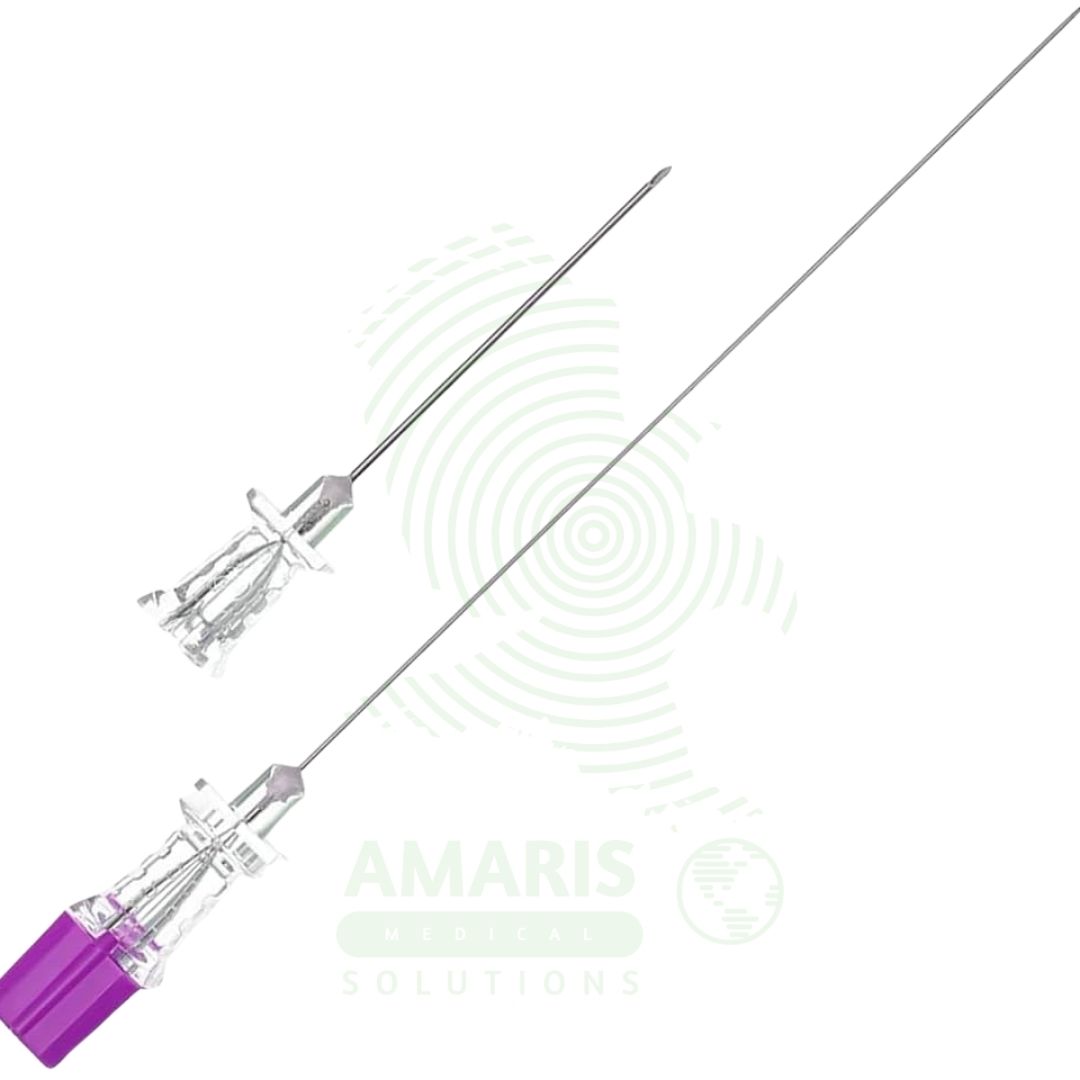
Spinal Needles
WhatsApp Order
A Spinal Needles is a specialized, hollow-bore needle used to access the cerebrospinal fluid in the subarachnoid space for anesthesia, diagnosis, or therapy. Its design is critical: modern pencil-point tips (e.g., Whitacre) minimize the risk of post-dural puncture headache compared to older cutting bevels. Needle gauge (22G-27G) balances procedural ease with complication risk. Its use demands absolute aseptic technique, precise anatomical knowledge, and careful management of potentially life-threatening complications such as high spinal anesthesia or neurological injury. It is a fundamental, high-risk/high-reward tool in anesthesiology, neurology, and emergency medicine.
Description
Spinal Needles
PRIMARY CLINICAL & DIAGNOSTIC USES
1. Spinal Anesthesia (Subarachnoid Block)
-
Primary Use: Injects local anesthetic directly into the cerebrospinal fluid within the subarachnoid space to achieve rapid, dense sensory, motor, and autonomic blockade for surgical procedures below the diaphragm, most commonly for cesarean sections, lower limb orthopedic surgery, and urological and gynecological procedures.
-
How it helps: For the anesthesiologist, the spinal needle provides access to the cerebrospinal fluid—a conduit to the central nervous system where a small dose of local anesthetic can produce complete surgical anesthesia from the waist down. For the patient undergoing cesarean section, hip replacement, or prostate surgery, spinal anesthesia means they can remain awake and comfortable during their procedure, avoiding the risks of general anesthesia and experiencing excellent post-operative pain control.
2. Diagnostic Lumbar Puncture
-
Primary Use: The definitive diagnostic procedure to collect cerebrospinal fluid for laboratory analysis to diagnose conditions such as meningitis, encephalitis, subarachnoid hemorrhage, multiple sclerosis, and leptomeningeal carcinomatosis, and to measure intracranial pressure.
-
How it helps: For the neurologist and emergency physician, the spinal needle is the tool that unlocks the diagnostic secrets held in cerebrospinal fluid—revealing the bacteria causing meningitis, the blood from subarachnoid hemorrhage, or the inflammatory markers of multiple sclerosis. For the patient with severe headache, fever, altered mental status, or suspected neurological disease, the lumbar puncture often provides the definitive diagnosis that guides life-saving treatment or provides answers that end diagnostic uncertainty.
3. Therapeutic Lumbar Puncture
-
Primary Use: Used to relieve elevated intracranial pressure or to administer intrathecal chemotherapy for hematologic malignancies or leptomeningeal disease.
-
How it helps: For the neurosurgeon and oncologist, the spinal needle provides access for both removing pressure-causing fluid and delivering chemotherapy directly to the central nervous system—treating conditions that systemic medications cannot reach. For the patient with idiopathic intracranial hypertension causing debilitating headaches and vision threat, removing CSF provides immediate symptom relief. For the child with leukemia, intrathecal chemotherapy delivered through a spinal needle protects the central nervous system from malignant cells, dramatically improving survival.
4. Myelography
-
Primary Use: Injects radiopaque contrast medium into the subarachnoid space prior to X-ray, CT, or fluoroscopic imaging to visualize the spinal cord, nerve roots, and meninges for diagnosing spinal stenosis, herniated discs, or tumors.
-
How it helps: For the radiologist and spine surgeon, myelography transforms the spinal canal from a radiographically invisible space into a clearly outlined structure—revealing where the cord or nerves are compressed by herniated discs, narrowed canals, or tumors. For the patient with radicular pain, spinal stenosis, or suspected cord compression, this imaging guides surgical planning and ensures that interventions target the correct level and pathology.
SECONDARY & SUPPORTIVE USES
1. Combined Spinal-Epidural (CSE) Anesthesia: For the anesthesiologist managing labor analgesia or major surgery, the CSE technique uses a spinal needle passed through an epidural needle to deliver rapid-onset spinal anesthesia while leaving an epidural catheter for prolonged coverage. For the woman in labor, this means rapid pain relief when she needs it most, with the ability to extend analgesia throughout delivery and beyond.
2. Intrathecal Drug Administration: For the pain specialist and neurologist, spinal needles enable the administration of medications directly into the CSF—antibiotics for CNS infections, baclofen for severe spasticity, or opioids for chronic pain via implanted pumps. For the patient with cerebral palsy and debilitating spasticity, or with chronic pain unresponsive to oral medications, intrathecal drug delivery can provide relief that transforms quality of life.
3. Spinal Drain Placement: For the neurosurgeon managing CSF leaks or elevated pressure post-neurosurgery, spinal needles facilitate the placement of drains for continuous CSF drainage. For the patient with a postoperative CSF leak or refractory intracranial hypertension, this drainage can prevent complications, promote healing, and avoid additional surgery.
KEY PRODUCT FEATURES
1. BASIC IDENTIFICATION ATTRIBUTES
-
Device Type: A long, thin, hollow-bore needle specifically designed for puncturing the dura mater to access the subarachnoid space.
-
Designation: Defined by its tip design (most critical feature) and its gauge (diameter).
-
Core Tip Designs:
-
Quincke (Cutting Bevel): A sharp, pencil-point tip with a beveled cutting edge. Traditional design, higher incidence of Post-Dural Puncture Headache (PDPH). The bevel orientation (parallel to dural fibers) is important.
-
Whitacre, Sprotte, Gertie Marx (Pencil-Point/Non-Cutting): A solid, rounded pencil-point tip with the side opening (eyehole) proximal to the tip. The tip separates rather than cuts dural fibers, significantly reducing the risk of PDPH. This is the modern standard for most procedures, especially in obstetrics.
-
Atraucan (Blunt Tip): Similar to pencil-point, designed to minimize trauma.
-
-
Key Specifications:
-
Gauge (G): Diameter. Common sizes are 22G, 25G, and 27G. Smaller gauge (higher number) = lower risk of PDPH but slower CSF flow.
-
Length: Typically 3.5 inches (90mm) for most adults.
-
Stylet: A solid, removable wire that fits inside the needle to prevent coring of skin and tissue during insertion, ensuring a clean puncture. Its fit must be perfect.
-
2. TECHNICAL & PERFORMANCE PROPERTIES
-
CSF Flow Rate: Determined by needle gauge and length (Poiseuille's Law). A 22G needle provides rapid, unmistakable CSF return. A 27G needle requires patience and often hanging a drop of fluid at the hub to confirm.
-
Flexibility: Very fine-gauge needles (27G+) are flexible, requiring an introducer needle (a shorter, larger-gauge needle) to provide rigidity for penetrating the tough interspinous ligament and ligamentum flavum.
-
Huber Point: Many spinal needles feature a Huber point (a closed, non-coring tip) to prevent tissue plugging.
3. PHYSICAL & OPERATIONAL PROPERTIES
-
Packaging: Sterile, single-use, with a stylet pre-inserted. Often color-coded by gauge.
-
Hub Design: Clear hub to visualize CSF ("flash").
4. SAFETY & COMPLIANCE ATTRIBUTES
-
Regulatory Status: Classified as a Class II or III medical device (high risk due to entry into CNS).
-
Sterility: Must be supplied sterile. Aseptic technique is non-negotiable.
-
Biocompatibility: Must be non-toxic and non-pyrogenic.
5. STORAGE & HANDLING ATTRIBUTES
-
Storage: Store in a clean, dry place. Protect from crushing or bending.
-
Handling: Use strict aseptic technique. Do not touch the shaft. Inspect for damage before use.
-
Disposal: After use, it is a sharps hazard and must be disposed of immediately in an approved, puncture-proof sharps container.
6. LABORATORY & CLINICAL APPLICATIONS
-
Primary Application: The essential instrument for anesthesiologists, neurologists, and emergency physicians to access the cerebrospinal fluid for anesthesia, diagnosis, and therapy.
-
Clinical Role: Enables one of the most fundamental and high-stakes procedures in medicine, where precision and minimization of complications are paramount.
SAFETY HANDLING PRECAUTIONS
1. SAFETY PRECAUTIONS
-
Absolute Asepsis: The procedure must be performed under sterile conditions with full barrier precautions (mask, cap, sterile gloves, gown, large sterile drape). Skin preparation with chlorhexidine-alcohol is standard.
-
Correct Patient Positioning: Optimal flexion of the lumbar spine (lateral decubitus or sitting) is critical to open the interlaminar spaces. Anatomical landmarks must be carefully identified.
-
Gauge and Tip Selection: Use the smallest gauge, pencil-point needle appropriate for the procedure to minimize PDPH risk, especially in young, female, and obstetric populations.
-
Stylet Re-insertion: The stylet must be re-inserted before withdrawing the needle to prevent seeding of epithelial cells into the CSF track, which can cause epidermoid tumors.
-
Aspiration and Injection: Gently aspirate to confirm free CSF flow before injecting any medication. Inject slowly. Never inject if blood is aspirated (indicating vascular puncture).
-
Monitoring: Continuous monitoring of vital signs (especially for hypotension/bradycardia from spinal anesthesia) and neurological status is mandatory.
-
Contraindications: Absolute contraindications include patient refusal, infection at the puncture site, coagulopathy, and increased intracranial pressure from a mass lesion.
2. FIRST AID MEASURES
-
High/Total Spinal Anesthesia: If local anesthetic spreads too high, causing respiratory distress, apnea, or severe bradycardia/hypotension: Call for help, secure airway (intubate), ventilate, and provide cardiovascular support (fluids, vasopressors like phenylephrine/ephedrine, atropine).
-
Post-Dural Puncture Headache (PDPH): Manage with conservative measures (fluids, caffeine, analgesics). For severe or persistent headache, an epidural blood patch is the definitive treatment.
-
Neurological Injury/Spinal Hematoma: Suspected if new, progressive motor/sensory deficits or bowel/bladder dysfunction occur post-procedure. This is a neurosurgical emergency. Immediate spinal imaging (MRI) and consultation are required.
-
Infection (Meningitis): If signs of CNS infection develop (fever, neck stiffness, photophobia), perform diagnostic workup and initiate broad-spectrum antibiotics immediately.
3. FIRE FIGHTING MEASURES
-
Flammability: Packaging is combustible.
-
Extinguishing Media: Use appropriate media for the surrounding fire.
Related products