Dermatoscope and Magnifiers
 Diagnostic Kits
 Vital Signs Monitors
 Stethoscopes and Accessories
 Otoscopes, Ophthalmoscopes, and Retinoscopes
 Reflex Hammers and Neurological Tools
 Scales and Measuring Devices
 Spirometers and Pulmonary Function Tests
 Electrosurgical Units and Accessories
 Cutting Instruments
 Grasping and Holding Instruments
 Hemostatic Instruments
 Specialized Surgical Sets
 Single-Use Procedure Trays and Packs
 Surgical Drapes, Gowns, and Covers
 Tissue Unifying Instruments
 Radiation Protection
 X-Ray Machines and Accessories
 Ultrasound Systems and Probes
 MRI and CT Scanners
 Radiology Consumables
 Bone Densitometers
 Fluoroscopy Equipment
 Imaging Tables and Positioning Aids
 Microscopes and Accessories
 Centrifuges and Separators
 Analyzers
 Incubators and Ovens
 Pipettes, Dispensers, and Lab Glassware
 Refrigerators, Freezers, and Storage Units
 Lab Consumables
 Sterilizers and Autoclaves for Lab Use
 Multi-Parameter Monitors
 Ventilators and Respiratory Support Devices
 Defibrillators and AEDs
 Infusion Pumps and IV Systems
 Patient Warmers and Cooling Devices
 Central Monitoring Stations
 Accessories
 Anesthesia Machines and Workstations
 Oxygen Concentrators and Delivery Systems
 Nebulizers and Inhalers
 CPAP/BiPAP Machines
 Airway Management
 Anesthesia Masks, Circuits, and Bags
 Humidifiers and Heaters
 Respiratory Therapy Accessories
 First Aid Kits and Cabinets
 Emergency Resuscitation Equipment
 Trauma Supplies
 Emergency Carts and Crash Carts
 Burn Care Products
 Bleeding Control
 Automated External Defibrillators (AEDs)
 Transport and Evacuation
 Wheelchairs and Accessories
 Walkers, Crutches, and Canes
 Prosthetics and Orthotics
 Physical Therapy Equipment
 Transfer Devices
 Bathroom Safety
 Orthopedic Traction and Tables
 Hot/Cold Therapy Packs and Units
 Beds and Mattresses
 Chairs and Stools
 Tables
 Cabinets and Storage
 Privacy Screens & Curtains
 Stands and Racks
 Linens and Textiles
 Lighting
 Autoclaves and Sterilizers
 Ultrasonic Cleaners
 Disinfectant Solutions and Wipes
 Sterilization Pouches, Wraps, and Indicators
 Instrument Trays and Containers
 UV and Ozone Disinfection Devices
 Washer Disinfectors
 Wound Care
 Gloves
 Masks and Respirators
 Catheters and Tubing
 Swabs, Applicators, and Sponges
 Incontinence Products
 Personal Protective Equipment (PPE)
 Dental Chairs and Units
 Handpieces and Burs
 Instruments
 Consumables
 Sterilization for Dental Use
 Orthodontic Supplies
 Endodontic Tools
 Slit Lamps and Tonometers
 Lensometers and Phoropters
 Ophthalmic Surgical Instruments
 Eyewear Frames and Lenses
 Contact Lens Supplies
 Vision Testing Charts and Devices
 Eye Care Consumables
 Laser Systems for Eye Care
 ENT Exam Chairs and Tables
 Endoscopes
 Audiometers and Hearing Tests
 ENT Instruments
 Nasal and Throat Packs
 Hearing Aids and Accessories
 Otology Supplies
 Fetal Dopplers and Monitors
 Delivery Beds and Tables
 Gynecological Instruments
 Neonatal Incubators and Warmers
 Breast Pumps and Accessories
 Contraceptive Devices
 Maternity Supports and Pads
 Neonatal Consumables
 Cystoscopes and Urethroscopes
 Dialysis Machines and Supplies
 Urological Catheters and Bags
 Lithotripters
 Prostate Treatment Devices
 Urinary Incontinence Products
 Kidney Stone Management Tools
 Consumables & Disposables
 EEG and EMG Machines
 Neurosurgical Instruments
 Nerve Stimulators
 Headrests and Positioning Aids
 Lumbar Puncture Kits
 Seizure Monitoring Devices
 Consumables
 Rehabilitation for Neurological Conditions
 ECG Machines and Accessories
 Holter Monitors
 Stress Test Systems
 Pacemakers and Defibrillator Accessories
 Vascular Access Devices
 Cardiac Catheters and Guidewires
 Blood Flow Meters
 Consumables
 Orthopedic Instruments
 Casts, Splints, and Padding
 Joint Replacement Supplies
 Prosthetic Limbs and Components
 Bone Grafts and Substitutes
 Traction Devices
 Orthopedic Braces and Supports
 Rehabilitation Aids for Orthopedics
 Home Oxygen Therapy
 Hospital Beds for Home Use
 Mobility Aids
 Bathroom and Daily Living Aids
 Wound Care for Home
 Monitoring Devices
 Enteral Feeding Pumps and Tubes
 Hand Sanitizers and Dispensers
 Face Shields and Goggles
 Isolation Gowns and Suits
 Biohazard Waste Containers
 Air Purifiers and HEPA Filters
 Surface Disinfectants
 Sharps Containers
 Protective Barriers
 Cardiovascular & Endurance Training
 Strength Training & Weightlifting
 Functional Training & Core Conditioning
 Physical Therapy & Rehabilitation
 Sports & Outdoor Recreation
 Gym Flooring & Facility Equipment
 Fitness Monitoring & Accessories
 Kids & Novelties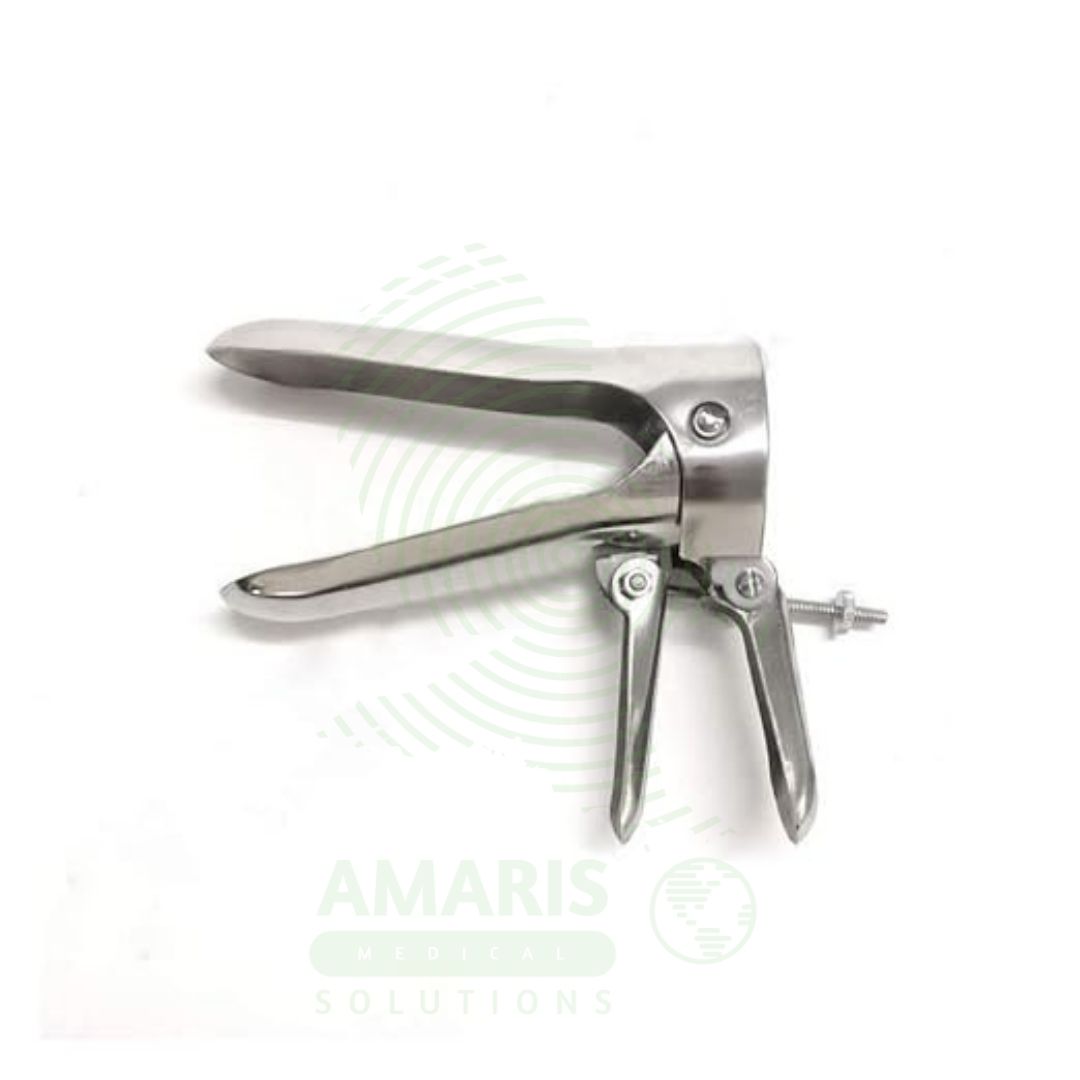
Cusco Speculum
$1.00
WhatsApp Order
A Cusco speculum is a hinged, bivalve instrument used to separate the vaginal walls for examination of the vagina and cervix. It is the standard tool for performing Pap smears, visual diagnostics, and various gynecological procedures. Available in reusable metal or single-use plastic forms and in multiple sizes, its self-retaining lock allows for hands-free operation. Safe and effective use requires gentle insertion with lubrication, selection of the correct size, careful unlocking before removal, and strict adherence to high-level disinfection or sterilization protocols for reusable models. It is an indispensable instrument in women’s health care.
Description
Cusco Speculum
PRIMARY CLINICAL & DIAGNOSTIC USES
1. Vaginal Examination and Visualization
-
Primary Use: Separates the vaginal walls to provide a clear, unobstructed view of the vagina and cervix for routine gynecological examinations.
-
How it helps: For the gynecologist, midwife, and women’s health provider, the Cusco speculum transforms an internal examination from a blind palpation into a direct visual assessment—revealing the cervix, vaginal walls, and any abnormalities that might otherwise go undetected. For the patient undergoing a pelvic exam, the speculum, while momentarily uncomfortable, enables the provider to see what they need to see, ensuring that nothing is missed and that her reproductive health is thoroughly evaluated.
2. Cervical Cancer Screening (Pap Smear/HPV Test)
-
Primary Use: Essential for obtaining samples from the cervix for Papanicolaou smear cytology and Human Papillomavirus DNA testing.
-
How it helps: For the clinician performing cervical cancer screening, the speculum provides the access needed to visualize the cervix and obtain cells from the transformation zone—the area where cervical cancer most commonly arises. For the patient, this brief moment of exposure enables a test that has dramatically reduced cervical cancer incidence and mortality worldwide, allowing for detection and treatment of precancerous lesions before they ever become malignant.
3. Diagnostic Procedures
-
Primary Use: Enables visual inspection to diagnose conditions such as cervicitis, vaginal infections, cervical polyps, uterine prolapse, vaginal lesions, and trauma.
-
How it helps: For the provider evaluating a patient with abnormal bleeding, discharge, or pelvic pain, the speculum examination allows direct visualization of potential causes—an inflamed cervix, a polyp, a vaginal infection, or signs of prolapse. For the patient with concerning symptoms, this direct visualization often provides the answers that guide treatment, transforming uncertainty into diagnosis.
4. Colposcopic Examination
-
Primary Use: Used during colposcopy to hold the vagina open, allowing the colposcope to provide magnified visualization of the cervix, vagina, and vulva, and to facilitate directed biopsies.
-
How it helps: For the colposcopist evaluating an abnormal Pap smear, the speculum maintains access while the colposcope provides magnification—allowing detailed examination of vascular patterns, acetowhite epithelium, and other signs of precancerous change. For the patient who has had an abnormal screening result, this examination provides the definitive assessment that determines whether she needs treatment or continued surveillance.
5. Intrauterine Device (IUD) Insertion and Removal
-
Primary Use: Provides the necessary access and visualization for the placement and retrieval of intrauterine contraceptive devices.
-
How it helps: For the clinician providing contraceptive care, the speculum creates the visual and physical access needed to pass an IUD through the cervical os into the uterine cavity—placing it correctly for optimal contraceptive effect. For the patient choosing long-acting reversible contraception, the speculum enables placement of a device that will provide years of reliable pregnancy prevention with minimal ongoing effort.
SECONDARY & SUPPORTIVE USES
1. Endometrial Biopsy: For the provider evaluating abnormal uterine bleeding, the speculum provides access for passing an endometrial sampler into the uterine cavity to obtain tissue for histological evaluation. For the patient with concerning bleeding, endometrial biopsy can rule out endometrial cancer and hyperplasia, providing reassurance or guiding definitive treatment.
2. Treatment Procedures: The speculum allows for the application of topical medications, cryotherapy, or electrocautery to the cervix when indicated. For the patient with cervicitis requiring treatment, or cervical lesions needing destruction, this access enables office-based procedures that resolve the condition without more invasive intervention.
3. Forensic Examination: In sexual assault forensic exams, the speculum is used to document injuries and collect evidence in a standardized, medicolegally sound manner. For the survivor of sexual assault, a compassionate, thorough examination supports both their medical care and any legal proceedings that may follow.
4. Obstetric Uses: Post-partum, the speculum may be used to inspect for cervical or vaginal lacerations or to remove retained placental fragments. For the woman who has just given birth, this examination ensures that any injuries are identified and repaired, and that the uterus is empty—preventing postpartum hemorrhage and infection.
5. Urological Procedures: In female urology, the speculum may be used to assess for urethral caruncle or cystocele during evaluation of urinary symptoms. For the patient with incontinence, recurrent infections, or other urologic concerns, this examination provides additional diagnostic information that may not be apparent on external inspection alone.
KEY PRODUCT FEATURES
1. BASIC IDENTIFICATION ATTRIBUTES
-
Device Type: A bivalve, self-retaining vaginal speculum, typically made of metal (stainless steel) for reuse or plastic (disposable).
-
Designation: "Cusco" or "Graves" speculum refers to a duck-bill shaped, hinged design. It is the most common type of vaginal speculum. Size is denoted by width and length (e.g., small, medium, large).
-
Core Components:
-
Two Blades (Bills): The upper and lower blades that separate to open the vaginal canal.
-
Hinge and Locking Mechanism: A thumb-screw or ratchet system that allows the blades to be opened to a desired width and locked in position, freeing the clinician's hands.
-
Handle: For holding and manipulating the speculum.
-
-
Common Variations:
-
Metal (Reusable): Requires cleaning and sterilization between patients. Durable and provides a familiar "feel."
-
Disposable Plastic: Single-patient-use, pre-sterilized. Eliminates reprocessing costs and risk of cross-contamination. Often includes an integrated light source.
-
Pediatric/Narrow: Smaller blades for adolescents or patients with vaginal stenosis.
-
Anterior Wall Retractor: Some designs have a third, anterior blade to better expose the cervix in patients with significant anterior wall prolapse.
-
2. TECHNICAL & PERFORMANCE PROPERTIES
-
Size and Dimensions: Available in various lengths and widths (e.g., small: 3/4" x 3 1/2", medium: 7/8" x 4", large: 1" x 4 1/2") to accommodate different patient anatomies and parity.
-
Smooth Operation: Blades should open and close smoothly, and the lock should hold securely without slipping.
-
Optimal Visualization: The design aims to provide maximal exposure of the cervix with minimal patient discomfort.
3. PHYSICAL & OPERATIONAL PROPERTIES
-
Durability: Metal speculums are designed for thousands of cycles with proper care.
-
Transparency (Plastic): Some disposable models are clear, allowing light transmission.
4. SAFETY & COMPLIANCE ATTRIBUTES
-
Regulatory Status: Classified as a Class I medical device.
-
Sterility/Sanitation: Must be sterile (disposable) or high-level disinfected/sterilized (reusable) for each patient use.
-
Biocompatibility: Materials must be non-toxic and non-irritating to mucous membranes.
-
Latex-Free: Disposable models are typically latex-free.
5. STORAGE & HANDLING ATTRIBUTES
-
Storage (Reusable): Store sterilized and dry in a clean, enclosed cabinet.
-
Cleaning & Sterilization (Reusable - CRITICAL):
-
Post-Use: Immediately clean with enzymatic detergent, paying attention to hinges and screw threads.
-
Disinfection/Sterilization: Must undergo high-level disinfection (e.g., chemical soak) or sterilization (autoclaving) after each use, as it contacts mucous membranes.
-
-
Disposable: Use once and dispose of as medical waste.
6. LABORATORY & CLINICAL APPLICATIONS
-
Primary Application: The fundamental instrument for any procedure requiring visualization or access to the vagina and cervix. It is ubiquitous in gynecology, primary care, family planning, and obstetrics.
-
Clinical Role: The first and most critical tool for performing the standard gynecologic exam, enabling both screening and diagnostic interventions.
SAFETY HANDLING PRECAUTIONS
1. SAFETY PRECAUTIONS
-
Informed Consent and Patient Comfort: Explain the procedure, use appropriate-sized speculum, warm the speculum (if metal), and use water-based lubricant to minimize discomfort and anxiety.
-
Gentle Technique: Insert at a 45-degree angle downward, following the natural contour of the vagina. Avoid pinching the vaginal mucosa or urethra. Open the blades slowly after full insertion.
-
Visualization of Cervix: If the cervix is not visible, gently rotate or adjust the angle of the speculum. Avoid over-manipulation.
-
Unlocking Before Removal: Always unlock and partially close the blades before withdrawal to avoid causing pain or mucosal injury.
-
Inspection for Damage (Reusable): Before each use, inspect for cracks, rust, or malfunction of the locking mechanism. A damaged speculum must be removed from service.
2. FIRST AID MEASURES
-
Vaginal Mucosal Trauma or Bleeding: If minor bleeding occurs from contact, apply direct pressure with a cotton swab. For significant laceration, may require suturing.
-
Vasovagal Reaction: If patient feels faint, remove the speculum, lower the head of the exam table, and provide supportive care.
-
Allergic Reaction (to lubricant or material): Remove speculum, cleanse area, and manage reaction symptomatically.
3. FIRE FIGHTING MEASURES
-
Flammability: Plastic speculums are combustible.
-
Extinguishing Media: Use appropriate media for the surrounding fire.
Related products
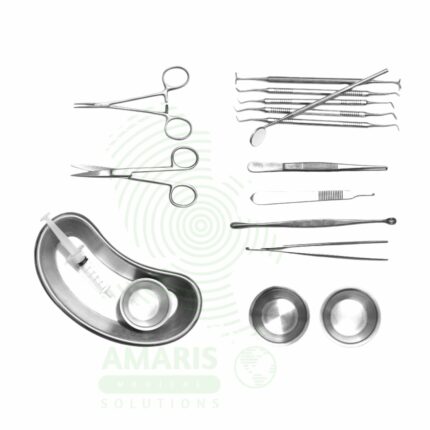
Caesarean Section Set
A Caesarean Section Set is a sterile instrument tray containing all instruments required for Caesarean delivery, including instruments for abdominal incision, uterine incision, fetal delivery, placental removal, and multi-layer closure. Essential for labor and delivery units and obstetric operating rooms, the set ensures that all necessary instruments are sterile, organized, and immediately available for safe and efficient surgical delivery. Proper instrument counting, sterile technique, and careful tissue handling are critical for optimal maternal and neonatal outcomes.
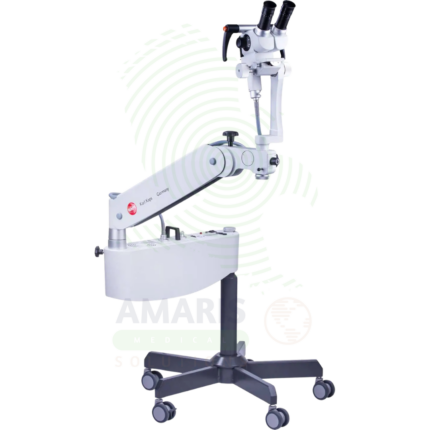
Colposcope
A Colposcope is a binocular or video microscope used for magnified examination of the cervix, vagina, and vulva following abnormal cervical cancer screening results. It enables identification of acetowhite lesions, atypical vascular patterns, and other signs of cervical intraepithelial neoplasia or cancer, and guides precise biopsy of suspicious areas. Essential for gynecology clinics and women's health centers, it provides the visualization needed for accurate diagnosis, treatment planning, and patient education.
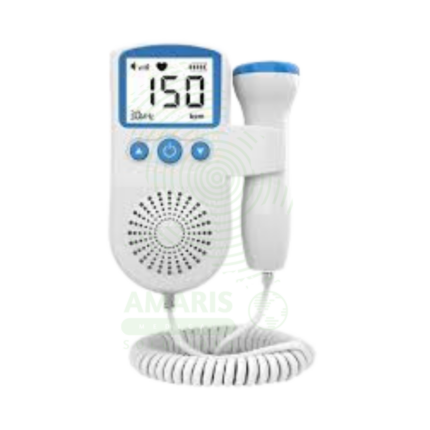
Fetoheart Sonic Aid Doppler (clinic/hospital use)
A Fetoheart Sonic Aid Doppler (Fetal Doppler) is a Class II medical ultrasound device (2-3 MHz probe) for real-time detection and audible/visual display of fetal heart rate in clinical obstetric settings from 10-12 weeks gestation. Features include handheld or tabletop console, waterproof probe, digital heart rate display (30-240 bpm), amplified speaker, headphone jack, and rechargeable battery or AC power operation. Continuous wave or pulsed wave Doppler technology with auto-correlation signal processing rejects maternal artifact. Primary clinical applications include fetal heart rate detection and monitoring during routine prenatal visits, confirmation of fetal viability in first trimester, intermittent fetal monitoring during labor, non-stress test administration, multiple gestation assessment, fetal presentation determination, and post-procedure confirmation (amniocentesis, CVS, ECV). Critical safety considerations include following ALARA principle (minimum necessary exposure), appropriate ultrasound gel use, probe pressure avoidance, infection control (probe cleaning between patients), differentiation of fetal from maternal signals, and interpretation by qualified providers. Essential equipment in outpatient obstetric clinics, hospital labor and delivery units, and prenatal care settings.
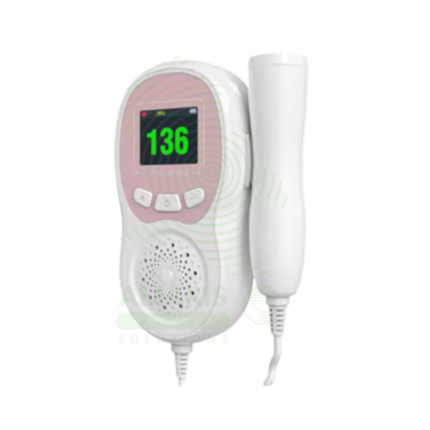
Fetoheart Sonic Aid Doppler (home use)
A Fetoheart Sonic Aid (Doppler) for Home Use is a consumer-grade, FDA-cleared handheld ultrasound device (2-3 MHz) that enables expectant parents to detect and listen to fetal heart sounds in the home environment from approximately 16 weeks gestation. Features include compact lightweight design (100-250g), simple controls, digital heart rate display (50-210 bpm), built-in speaker, headphone jack, and AA battery or USB rechargeable power. Continuous wave Doppler technology provides real-time audio of fetal heart sounds for maternal reassurance and bonding. Primary applications include maternal reassurance and emotional bonding between prenatal visits, confirmation of fetal activity, supplemental monitoring for high-risk pregnancies under provider guidance, and family involvement in the pregnancy experience. Critical safety information includes FDA-mandated labeling that device is for reassurance only (not medical diagnosis), optimal use after 16 weeks, limitation to 5–10-minute sessions, recognition that inability to detect heartbeat may not indicate a problem, and requirement to continue regular prenatal care. Not a substitute for professional medical evaluation; seek immediate care for bleeding, pain, fluid leakage, or decreased fetal movement.
Gynecological Set
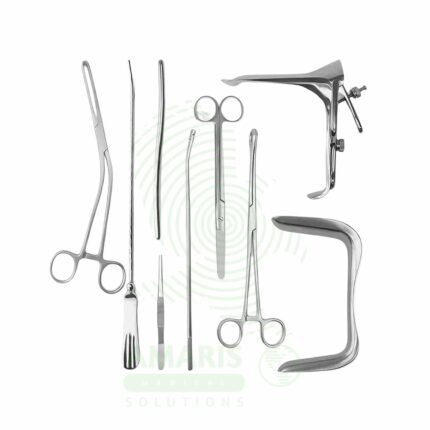
A Gynecological Set is a sterile instrument tray containing instruments for gynecologic examinations, diagnostic procedures, and minor surgical interventions. The set includes vaginal speculums, cervical biopsy forceps, endocervical curettes, tenaculum, uterine sound, and supporting instruments. Used in gynecology clinics, women's health centers, and office-based procedure suites, it supports routine examinations, cervical cancer screening, IUD services, and diagnostic sampling. Proper sterile technique and careful tissue handling are essential for safe and effective patient care.
Hysteroscope
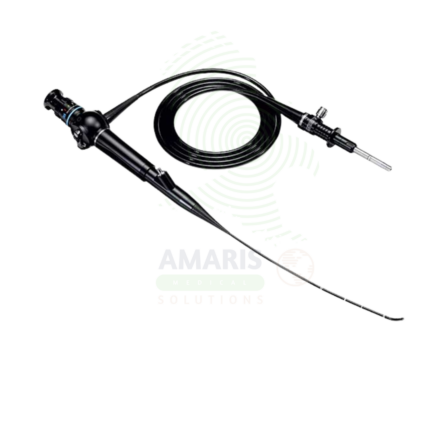
A Hysteroscope is a specialized endoscope used for visualization and treatment of the uterine cavity. Diagnostic hysteroscopy provides direct examination of the endometrium for evaluation of abnormal bleeding, infertility, and recurrent pregnancy loss. Operative hysteroscopy enables minimally invasive treatment of polyps, fibroids, adhesions, and uterine septa through the natural orifice of the cervix. Essential for gynecology and reproductive medicine, hysteroscopy offers accurate diagnosis and effective treatment with preservation of fertility and rapid recovery.

Resectoscope
A Resectoscope is a specialized endoscopic instrument used for transurethral resection of the prostate, bladder tumors, and endometrium. Combining a telescope, working element, and resecting loop, it enables precise cutting and coagulation of tissue under direct visualization. Essential in urology for benign prostatic hyperplasia and bladder cancer treatment, and in gynecology for endometrial resection, it provides minimally invasive treatment with rapid recovery and preservation of organ function.