Dermatoscope and Magnifiers
 Diagnostic Kits
 Vital Signs Monitors
 Stethoscopes and Accessories
 Otoscopes, Ophthalmoscopes, and Retinoscopes
 Reflex Hammers and Neurological Tools
 Scales and Measuring Devices
 Spirometers and Pulmonary Function Tests
 Electrosurgical Units and Accessories
 Cutting Instruments
 Grasping and Holding Instruments
 Hemostatic Instruments
 Specialized Surgical Sets
 Single-Use Procedure Trays and Packs
 Surgical Drapes, Gowns, and Covers
 Tissue Unifying Instruments
 Radiation Protection
 X-Ray Machines and Accessories
 Ultrasound Systems and Probes
 MRI and CT Scanners
 Radiology Consumables
 Bone Densitometers
 Fluoroscopy Equipment
 Imaging Tables and Positioning Aids
 Microscopes and Accessories
 Centrifuges and Separators
 Analyzers
 Incubators and Ovens
 Pipettes, Dispensers, and Lab Glassware
 Refrigerators, Freezers, and Storage Units
 Lab Consumables
 Sterilizers and Autoclaves for Lab Use
 Multi-Parameter Monitors
 Ventilators and Respiratory Support Devices
 Defibrillators and AEDs
 Infusion Pumps and IV Systems
 Patient Warmers and Cooling Devices
 Central Monitoring Stations
 Accessories
 Anesthesia Machines and Workstations
 Oxygen Concentrators and Delivery Systems
 Nebulizers and Inhalers
 CPAP/BiPAP Machines
 Airway Management
 Anesthesia Masks, Circuits, and Bags
 Humidifiers and Heaters
 Respiratory Therapy Accessories
 First Aid Kits and Cabinets
 Emergency Resuscitation Equipment
 Trauma Supplies
 Emergency Carts and Crash Carts
 Burn Care Products
 Bleeding Control
 Automated External Defibrillators (AEDs)
 Transport and Evacuation
 Wheelchairs and Accessories
 Walkers, Crutches, and Canes
 Prosthetics and Orthotics
 Physical Therapy Equipment
 Transfer Devices
 Bathroom Safety
 Orthopedic Traction and Tables
 Hot/Cold Therapy Packs and Units
 Beds and Mattresses
 Chairs and Stools
 Tables
 Cabinets and Storage
 Privacy Screens & Curtains
 Stands and Racks
 Linens and Textiles
 Lighting
 Autoclaves and Sterilizers
 Ultrasonic Cleaners
 Disinfectant Solutions and Wipes
 Sterilization Pouches, Wraps, and Indicators
 Instrument Trays and Containers
 UV and Ozone Disinfection Devices
 Washer Disinfectors
 Wound Care
 Gloves
 Masks and Respirators
 Catheters and Tubing
 Swabs, Applicators, and Sponges
 Incontinence Products
 Personal Protective Equipment (PPE)
 Dental Chairs and Units
 Handpieces and Burs
 Instruments
 Consumables
 Sterilization for Dental Use
 Orthodontic Supplies
 Endodontic Tools
 Slit Lamps and Tonometers
 Lensometers and Phoropters
 Ophthalmic Surgical Instruments
 Eyewear Frames and Lenses
 Contact Lens Supplies
 Vision Testing Charts and Devices
 Eye Care Consumables
 Laser Systems for Eye Care
 ENT Exam Chairs and Tables
 Endoscopes
 Audiometers and Hearing Tests
 ENT Instruments
 Nasal and Throat Packs
 Hearing Aids and Accessories
 Otology Supplies
 Fetal Dopplers and Monitors
 Delivery Beds and Tables
 Gynecological Instruments
 Neonatal Incubators and Warmers
 Breast Pumps and Accessories
 Contraceptive Devices
 Maternity Supports and Pads
 Neonatal Consumables
 Cystoscopes and Urethroscopes
 Dialysis Machines and Supplies
 Urological Catheters and Bags
 Lithotripters
 Prostate Treatment Devices
 Urinary Incontinence Products
 Kidney Stone Management Tools
 Consumables & Disposables
 EEG and EMG Machines
 Neurosurgical Instruments
 Nerve Stimulators
 Headrests and Positioning Aids
 Lumbar Puncture Kits
 Seizure Monitoring Devices
 Consumables
 Rehabilitation for Neurological Conditions
 ECG Machines and Accessories
 Holter Monitors
 Stress Test Systems
 Pacemakers and Defibrillator Accessories
 Vascular Access Devices
 Cardiac Catheters and Guidewires
 Blood Flow Meters
 Consumables
 Orthopedic Instruments
 Casts, Splints, and Padding
 Joint Replacement Supplies
 Prosthetic Limbs and Components
 Bone Grafts and Substitutes
 Traction Devices
 Orthopedic Braces and Supports
 Rehabilitation Aids for Orthopedics
 Home Oxygen Therapy
 Hospital Beds for Home Use
 Mobility Aids
 Bathroom and Daily Living Aids
 Wound Care for Home
 Monitoring Devices
 Enteral Feeding Pumps and Tubes
 Hand Sanitizers and Dispensers
 Face Shields and Goggles
 Isolation Gowns and Suits
 Biohazard Waste Containers
 Air Purifiers and HEPA Filters
 Surface Disinfectants
 Sharps Containers
 Protective Barriers
 Cardiovascular & Endurance Training
 Strength Training & Weightlifting
 Functional Training & Core Conditioning
 Physical Therapy & Rehabilitation
 Sports & Outdoor Recreation
 Gym Flooring & Facility Equipment
 Fitness Monitoring & Accessories
 Kids & Novelties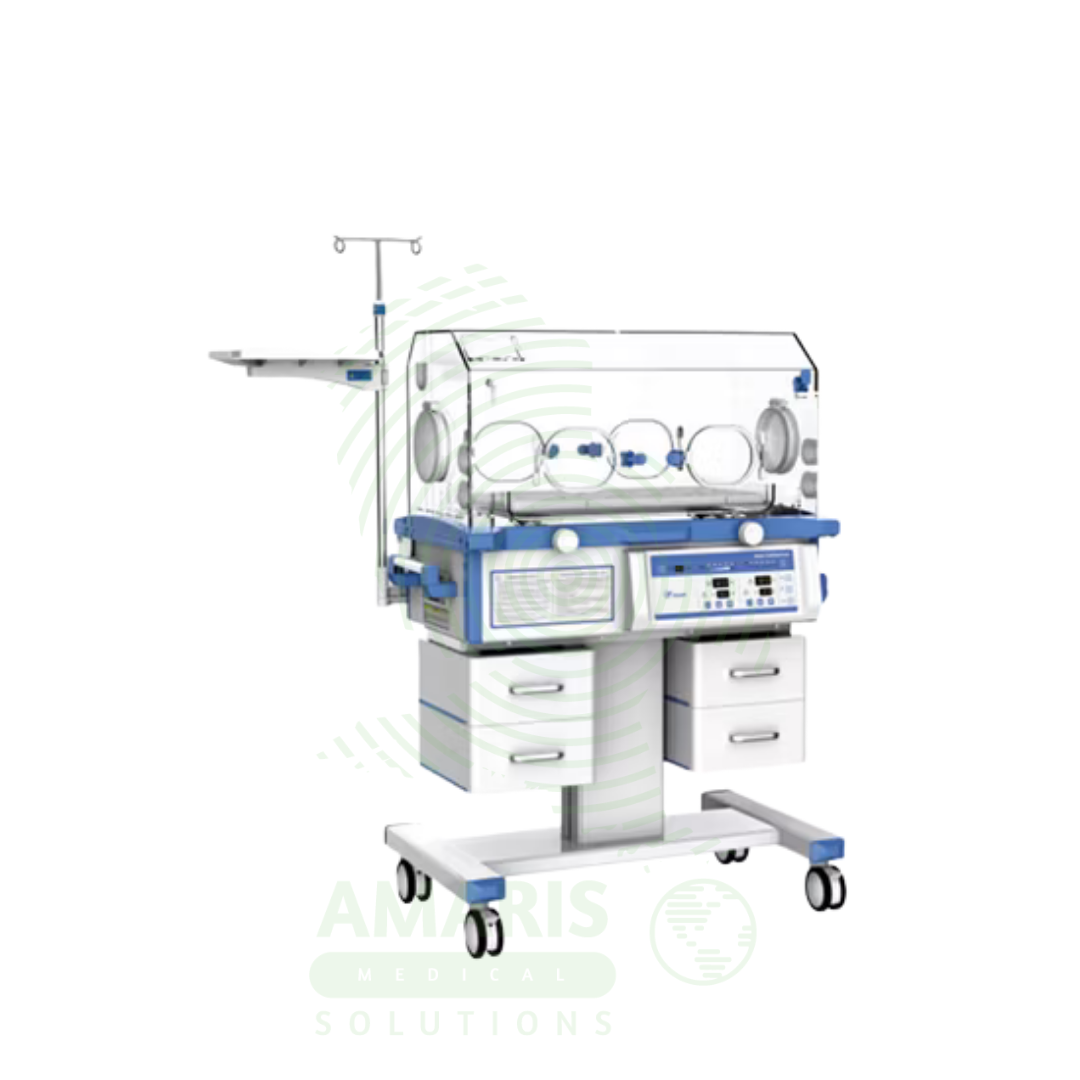
Standard Infant incubator
$1.00
WhatsApp Order
A Standard Infant Incubator is an enclosed, temperature-controlled chamber designed to provide a stable thermal environment for premature and ill newborn infants. It maintains air temperature, humidity, and oxygen concentration while protecting the infant from environmental fluctuations and infection risk. Featuring servo-controlled temperature regulation, access ports for care, and integrated monitoring systems, it supports thermoregulation, respiratory function, and developmental care in neonatal intensive care units. Proper temperature probe placement, humidity management, and alarm response are essential for safe operation.
Description
Standard Infant Incubator
PRIMARY CLINICAL & DIAGNOSTIC USES
1. Thermal Regulation for Premature and Low Birth Weight Infants
-
Primary Use: Provides a controlled, enclosed thermal environment for premature and low birth weight infants who cannot maintain their own body temperature. The closed system maintains air temperature, humidity, and oxygen concentration while protecting the infant from environmental temperature fluctuations and heat loss through convection, radiation, evaporation, and conduction.
-
How it helps: For the neonatologist and neonatal intensive care nurse, the incubator creates a stable microenvironment that mimics the warmth of the womb—preventing the cold stress that can lead to metabolic acidosis, hypoglycemia, apnea, and increased oxygen consumption in vulnerable infants. For the premature infant whose skin is thin, whose body fat is minimal, and whose temperature regulation system is immature, the incubator provides the warmth their body cannot generate on its own.
2. Protection from Infection and Environmental Stimuli
-
Primary Use: Creates a physical barrier between the infant and the external environment, reducing exposure to airborne pathogens, excessive light, noise, and handling that can stress the developing nervous system of premature and ill newborns.
-
How it helps: For the NICU team caring for extremely premature infants, the enclosed incubator provides a protected space where the infant can develop without the constant stimulation and infection risk of the open nursery environment. For the vulnerable infant whose immune system is immature and whose developing brain is easily overwhelmed, the incubator serves as a protective cocoon during the critical early weeks of life.
3. Controlled Oxygen and Humidity Delivery
-
Primary Use: Enables precise regulation of oxygen concentration and humidity levels within the enclosed environment, supporting respiratory function and protecting fragile skin from desiccation in extremely premature infants.
-
How it helps: For the respiratory therapist and neonatal nurse, the incubator allows for precise titration of oxygen delivery—from room air to high concentrations—while maintaining the high humidity needed to protect the delicate skin of micro-preemies. For the infant with respiratory distress syndrome or bronchopulmonary dysplasia, this controlled environment supports lung healing and reduces oxygen requirements over time.
4. Access for Monitoring and Care While Maintaining Environment
-
Primary Use: Features multiple access ports and removable hood sections that allow healthcare providers to perform examinations, procedures, and routine care while minimizing disruption to the internal environment. Temperature, humidity, and oxygen levels are maintained during access through specialized port systems.
-
How it helps: For the NICU team providing care to a critically ill infant, the incubator’s access ports allow them to perform vital tasks—drawing blood, adjusting IV lines, providing respiratory support—without fully opening the environment and losing the thermal stability the infant needs. For the fragile infant, this means care can be provided without the repeated cold stress that would otherwise accompany each intervention.
5. Support for Neurological Development and Positioning
-
Primary Use: Provides a stable, supportive surface for positioning aids that promote proper musculoskeletal development, reduce pressure points, and support neurological organization in premature and ill newborns.
-
How it helps: For the occupational therapist and developmental care specialist, the incubator provides a platform for implementing developmental positioning strategies—nesting, swaddling, and containment—that support neurological organization and prevent positional deformities. For the premature infant whose muscles and joints are still developing, proper positioning within the incubator supports healthy growth and development.
SECONDARY & SUPPORTIVE USES
1. Transport Within Facility: Many standard incubators are equipped with locking casters, allowing for safe transport of the infant within the hospital to radiology, the operating room, or between NICUs without transferring to another device.
2. Phototherapy Integration: Some incubators are compatible with overhead phototherapy lights or include integrated phototherapy systems for treatment of neonatal jaundice while maintaining thermal stability.
3. Weighing and Measurement: Integrated scales allow for daily weight measurement without removing the infant from the controlled environment.
4. Radiographic Imaging: The mattress and hood are designed to be radiotranslucent, allowing X-ray imaging to be performed with the infant remaining in the incubator.
5. Maternal Bonding Support: Removable hood sections allow for maternal holding and skin-to-skin contact while maintaining thermal support through the incubator’s air temperature regulation.
6. Home Care for Technology-Dependent Infants: Smaller, portable incubators are available for infants requiring continued temperature regulation after discharge from the NICU.
KEY PRODUCT FEATURES
1. BASIC IDENTIFICATION ATTRIBUTES
-
Device Type: An enclosed, temperature-controlled chamber designed to provide a stable thermal environment for premature and ill newborn infants.
-
Designation: Standard Infant Incubator, Neonatal Incubator, Baby Incubator, Closed-Care Incubator.
-
Key Components:
-
Enclosed Hood: Transparent acrylic or polycarbonate canopy that encloses the infant, allowing visualization while maintaining thermal stability.
-
Base and Mattress: Height-adjustable, radiotranslucent mattress platform for positioning and imaging.
-
Temperature Control System: Heater, air circulation system, and thermostats for maintaining air temperature; available in air-mode and baby-mode (servo-control) configurations.
-
Skin Temperature Probe: Attached to infant's abdomen for servo-controlled temperature regulation.
-
Humidification System: Integrated water reservoir and heating element for adding moisture to the internal environment.
-
Oxygen/Air Mixer: Controls oxygen concentration delivered to the incubator.
-
Access Ports: Arm ports with iris diaphragms or doors for accessing the infant while minimizing environmental disruption.
-
Control Panel: Digital display for temperature, humidity, oxygen concentration, and alarm parameters.
-
Castors: Locking wheels for mobility within the facility.
-
2. TECHNICAL & PERFORMANCE PROPERTIES
-
Temperature Control: Air-mode maintains set air temperature; baby-mode (servo-control) maintains infant skin temperature at set point by adjusting air temperature.
-
Temperature Range: Air temperature adjustable from approximately 35°C to 38.5°C; skin temperature set point range typically 35°C to 37.5°C.
-
Humidity Range: Adjustable from room humidity up to 95% relative humidity.
-
Oxygen Concentration: Capable of delivering oxygen from 21% to 95% via integrated blender.
-
Air Flow: Forced convection system with adjustable flow rates.
-
Air Exchange: Programmable air exchange rates for maintaining oxygen concentration and removing carbon dioxide.
-
Alarm Systems: High temperature, low temperature, power failure, probe failure, oxygen concentration deviation, and humidity deviation alarms.
3. PHYSICAL & OPERATIONAL PROPERTIES
-
Construction: Acrylic or polycarbonate hood on metal base with electronic controls; all surfaces designed for easy cleaning.
-
Configuration: Mobile unit on locking castors; hood sections may be removable for cleaning or access.
-
Access: Multiple access ports with iris diaphragms or hinged doors; hood sections may lift for full access.
-
Mattress: Radiotranslucent, waterproof, anti-static, and removable for cleaning.
-
Control Interface: Digital display with touchscreen or membrane controls; audible and visual alarms.
4. SAFETY & COMPLIANCE ATTRIBUTES
-
Regulatory Status: Class II medical device regulated by FDA under 21 CFR § 880.5410 (Infant Incubator).
-
Electrical Safety: Compliant with IEC 60601-1 and IEC 60601-2-19 (particular requirements for infant incubators).
-
Overheat Protection: Redundant thermal sensors with independent high-temperature cut-off to prevent overheating.
-
Power Failure Backup: Battery backup for critical alarms; some models include battery backup for temperature control.
-
Oxygen Safety: Oxygen-enriched environment requires strict fire safety protocols.
5. STORAGE & HANDLING ATTRIBUTES
-
Storage: Ready for use in NICU, delivery rooms, and neonatal transport areas; must remain accessible for emergency use.
-
Cleaning: Daily cleaning of external surfaces; between patients, incubators must be disassembled and terminally cleaned with hospital-grade disinfectants; high-temperature disinfection cycles available on many units.
-
Maintenance: Regular calibration of temperature sensors, oxygen blender, and humidity system required; filter replacement per manufacturer schedule.
6. LABORATORY & CLINICAL APPLICATIONS
-
Primary Application: Thermal support for premature and ill newborns in neonatal intensive care units, special care nurseries, and delivery rooms.
-
Clinical Role: Essential equipment for care of infants born before term, with low birth weight, or with conditions that impair thermoregulation.
SAFETY HANDLING PRECAUTIONS
1. SAFETY PRECAUTIONS
-
Temperature Probe Placement: Place skin probe on abdomen or upper back away from heater; secure with reflective cover to prevent overheating; check placement with each repositioning.
-
Air Exchange: Maintain adequate air exchange to prevent carbon dioxide accumulation; monitor oxygen concentration continuously.
-
Humidity Management: Monitor water reservoir levels; clean reservoir regularly to prevent bacterial growth.
-
Access Port Use: Use port covers when not in use to maintain internal environment; minimize duration of access for procedures.
-
Oxygen Safety: Oxygen supports combustion; prohibit smoking and open flames in an area; ensure oxygen concentration is monitored.
-
Alarm Response: Never ignore high-temperature alarms; verify actual temperature before silencing.
-
Electrical Safety: Ensure unit is properly grounded; inspect power cord regularly for damage.
-
Emergency Plan: Establish protocol for power failure; ensure manual temperature monitoring capability.
2. FIRST AID MEASURES
-
Overheating: If high-temperature alarm sounds, stop heating immediately, check skin probe placement, verify actual temperature, and remove infants if temperature is elevated.
-
Power Failure: In power failure, remove infants to alternative heat sources or maintain thermal stability with blankets and skin-to-skin contact.
-
Fire in Incubator: Immediately remove infants, turn off oxygen, and activate facility fire response.
3. FIRE FIGHTING MEASURES
-
Flammability: Plastic components are combustible; an oxygen-enriched environment increases fire risk.
-
Extinguishing Media: For electrical fire, use CO₂ or dry chemical extinguisher; remove oxygen source first if safe to do so.
-
Evacuation: Establish protocol for rapid removal of infants in event of fire.
Related products
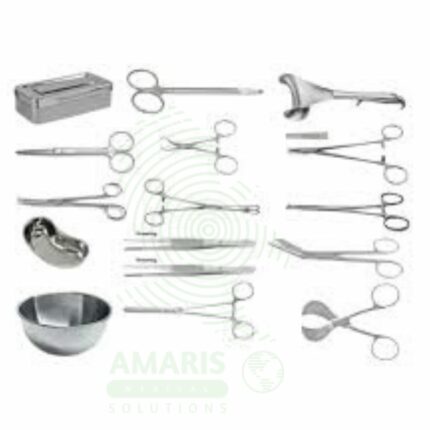
Delivery Set
A Delivery Set is a sterile instrument tray containing the instruments necessary for attending vaginal deliveries, including episiotomy, cord clamping and cutting, placental delivery, and perineal repair. Essential for labor and delivery units, birthing centers, and emergency obstetric services, it ensures that all required instruments are organized, sterile, and immediately available during the delivery process. Proper sterile technique, instrument counting, and placental inspection are critical for safe maternal and neonatal outcomes.

Evacuation Set
An Evacuation Set is a sterile instrument tray containing the instruments necessary for uterine evacuation procedures, including dilation and curettage, suction aspiration, and management of incomplete miscarriage. The set includes cervical dilators, curettes, suction cannulas, ovum forceps, and supporting instruments. Used in obstetrics and gynecology for therapeutic abortion, management of pregnancy loss, retained products of conception, and diagnostic curettage, it ensures that all required instruments are sterile, organized, and immediately available for safe and effective uterine evacuation procedures.
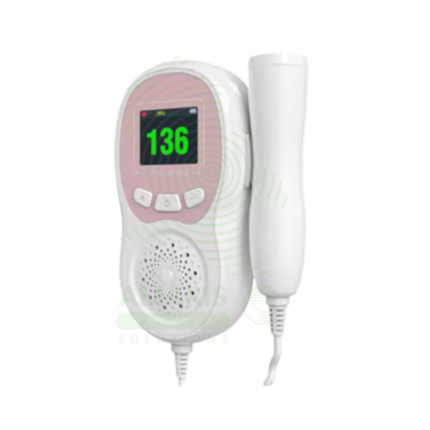
Fetoheart Sonic Aid Doppler (home use)
A Fetoheart Sonic Aid (Doppler) for Home Use is a consumer-grade, FDA-cleared handheld ultrasound device (2-3 MHz) that enables expectant parents to detect and listen to fetal heart sounds in the home environment from approximately 16 weeks gestation. Features include compact lightweight design (100-250g), simple controls, digital heart rate display (50-210 bpm), built-in speaker, headphone jack, and AA battery or USB rechargeable power. Continuous wave Doppler technology provides real-time audio of fetal heart sounds for maternal reassurance and bonding. Primary applications include maternal reassurance and emotional bonding between prenatal visits, confirmation of fetal activity, supplemental monitoring for high-risk pregnancies under provider guidance, and family involvement in the pregnancy experience. Critical safety information includes FDA-mandated labeling that device is for reassurance only (not medical diagnosis), optimal use after 16 weeks, limitation to 5–10-minute sessions, recognition that inability to detect heartbeat may not indicate a problem, and requirement to continue regular prenatal care. Not a substitute for professional medical evaluation; seek immediate care for bleeding, pain, fluid leakage, or decreased fetal movement.
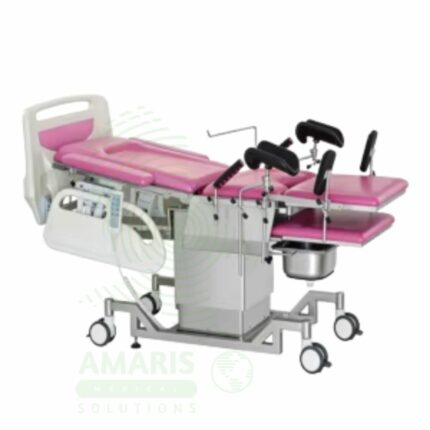
Gynecological examination couch (Parturition Bed)
A Gynecological Examination Couch (Parturition Bed) is a specialized medical couch designed for gynecologic examinations, obstetric delivery, and related procedures. Featuring adjustable backrest, removable leg sections, and adjustable stirrups for lithotomy positioning, it supports pelvic examinations, Pap smears, IUD procedures, and all stages of labor and delivery. The couch provides Trendelenburg and reverse Trendelenburg positioning, height adjustment, and fluid-resistant upholstery for easy cleaning. Essential for gynecology clinics, labor and delivery units, and women's health centers, it combines examination and delivery functions in a single versatile unit.
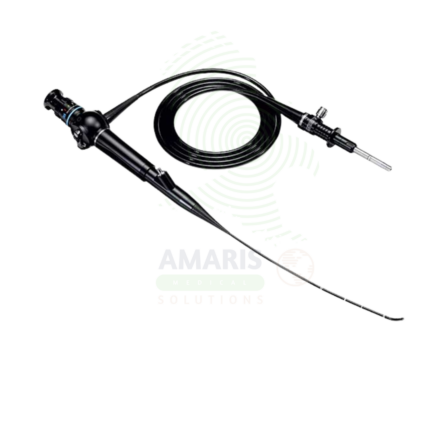
Hysteroscope
A Hysteroscope is a specialized endoscope used for visualization and treatment of the uterine cavity. Diagnostic hysteroscopy provides direct examination of the endometrium for evaluation of abnormal bleeding, infertility, and recurrent pregnancy loss. Operative hysteroscopy enables minimally invasive treatment of polyps, fibroids, adhesions, and uterine septa through the natural orifice of the cervix. Essential for gynecology and reproductive medicine, hysteroscopy offers accurate diagnosis and effective treatment with preservation of fertility and rapid recovery.
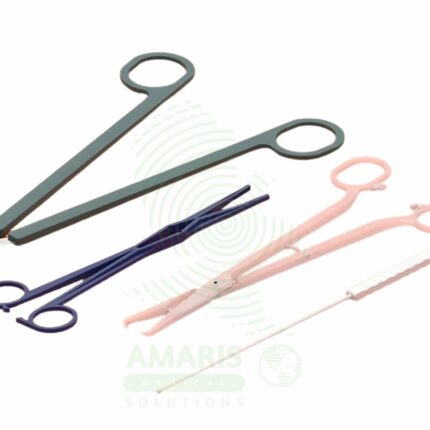
IUD Removal Set
An IUD Removal Set is a sterile instrument tray containing instruments for the safe removal of intrauterine contraceptive devices. The set includes vaginal speculum, ring forceps, tenaculum, uterine sound, IUD retrieval instruments, and cervical dilators for managing routine and complex IUD removals. Used in gynecology clinics, family planning centers, and office-based procedure suites, it supports safe removal of copper and hormonal IUDs, management of non-visible strings, and retrieval of embedded or fragmented devices. Proper technique and careful handling are essential for patient safety and successful IUD removal.
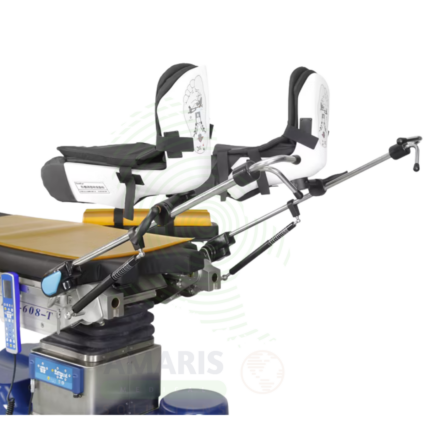
Multi-functional Stirrups
Multi-functional Stirrups are adjustable leg supports used for positioning patients in lithotomy position for gynecologic, urologic, obstetric, and colorectal procedures. Featuring adjustable height, abduction, and rotation, they provide customized positioning for patient comfort and optimal clinician access. Secure locking mechanisms, pressure-reducing padding, and compatibility with standard examination and operating tables make them essential accessories for women's health, urology, and colorectal surgery.