Dermatoscope and Magnifiers
 Diagnostic Kits
 Vital Signs Monitors
 Stethoscopes and Accessories
 Otoscopes, Ophthalmoscopes, and Retinoscopes
 Reflex Hammers and Neurological Tools
 Scales and Measuring Devices
 Spirometers and Pulmonary Function Tests
 Electrosurgical Units and Accessories
 Cutting Instruments
 Grasping and Holding Instruments
 Hemostatic Instruments
 Specialized Surgical Sets
 Single-Use Procedure Trays and Packs
 Surgical Drapes, Gowns, and Covers
 Tissue Unifying Instruments
 Radiation Protection
 X-Ray Machines and Accessories
 Ultrasound Systems and Probes
 MRI and CT Scanners
 Radiology Consumables
 Bone Densitometers
 Fluoroscopy Equipment
 Imaging Tables and Positioning Aids
 Microscopes and Accessories
 Centrifuges and Separators
 Analyzers
 Incubators and Ovens
 Pipettes, Dispensers, and Lab Glassware
 Refrigerators, Freezers, and Storage Units
 Lab Consumables
 Sterilizers and Autoclaves for Lab Use
 Multi-Parameter Monitors
 Ventilators and Respiratory Support Devices
 Defibrillators and AEDs
 Infusion Pumps and IV Systems
 Patient Warmers and Cooling Devices
 Central Monitoring Stations
 Accessories
 Anesthesia Machines and Workstations
 Oxygen Concentrators and Delivery Systems
 Nebulizers and Inhalers
 CPAP/BiPAP Machines
 Airway Management
 Anesthesia Masks, Circuits, and Bags
 Humidifiers and Heaters
 Respiratory Therapy Accessories
 First Aid Kits and Cabinets
 Emergency Resuscitation Equipment
 Trauma Supplies
 Emergency Carts and Crash Carts
 Burn Care Products
 Bleeding Control
 Automated External Defibrillators (AEDs)
 Transport and Evacuation
 Wheelchairs and Accessories
 Walkers, Crutches, and Canes
 Prosthetics and Orthotics
 Physical Therapy Equipment
 Transfer Devices
 Bathroom Safety
 Orthopedic Traction and Tables
 Hot/Cold Therapy Packs and Units
 Beds and Mattresses
 Chairs and Stools
 Tables
 Cabinets and Storage
 Privacy Screens & Curtains
 Stands and Racks
 Linens and Textiles
 Lighting
 Autoclaves and Sterilizers
 Ultrasonic Cleaners
 Disinfectant Solutions and Wipes
 Sterilization Pouches, Wraps, and Indicators
 Instrument Trays and Containers
 UV and Ozone Disinfection Devices
 Washer Disinfectors
 Wound Care
 Gloves
 Masks and Respirators
 Catheters and Tubing
 Swabs, Applicators, and Sponges
 Incontinence Products
 Personal Protective Equipment (PPE)
 Dental Chairs and Units
 Handpieces and Burs
 Instruments
 Consumables
 Sterilization for Dental Use
 Orthodontic Supplies
 Endodontic Tools
 Slit Lamps and Tonometers
 Lensometers and Phoropters
 Ophthalmic Surgical Instruments
 Eyewear Frames and Lenses
 Contact Lens Supplies
 Vision Testing Charts and Devices
 Eye Care Consumables
 Laser Systems for Eye Care
 ENT Exam Chairs and Tables
 Endoscopes
 Audiometers and Hearing Tests
 ENT Instruments
 Nasal and Throat Packs
 Hearing Aids and Accessories
 Otology Supplies
 Fetal Dopplers and Monitors
 Delivery Beds and Tables
 Gynecological Instruments
 Neonatal Incubators and Warmers
 Breast Pumps and Accessories
 Contraceptive Devices
 Maternity Supports and Pads
 Neonatal Consumables
 Cystoscopes and Urethroscopes
 Dialysis Machines and Supplies
 Urological Catheters and Bags
 Lithotripters
 Prostate Treatment Devices
 Urinary Incontinence Products
 Kidney Stone Management Tools
 Consumables & Disposables
 EEG and EMG Machines
 Neurosurgical Instruments
 Nerve Stimulators
 Headrests and Positioning Aids
 Lumbar Puncture Kits
 Seizure Monitoring Devices
 Consumables
 Rehabilitation for Neurological Conditions
 ECG Machines and Accessories
 Holter Monitors
 Stress Test Systems
 Pacemakers and Defibrillator Accessories
 Vascular Access Devices
 Cardiac Catheters and Guidewires
 Blood Flow Meters
 Consumables
 Orthopedic Instruments
 Casts, Splints, and Padding
 Joint Replacement Supplies
 Prosthetic Limbs and Components
 Bone Grafts and Substitutes
 Traction Devices
 Orthopedic Braces and Supports
 Rehabilitation Aids for Orthopedics
 Home Oxygen Therapy
 Hospital Beds for Home Use
 Mobility Aids
 Bathroom and Daily Living Aids
 Wound Care for Home
 Monitoring Devices
 Enteral Feeding Pumps and Tubes
 Hand Sanitizers and Dispensers
 Face Shields and Goggles
 Isolation Gowns and Suits
 Biohazard Waste Containers
 Air Purifiers and HEPA Filters
 Surface Disinfectants
 Sharps Containers
 Protective Barriers
 Cardiovascular & Endurance Training
 Strength Training & Weightlifting
 Functional Training & Core Conditioning
 Physical Therapy & Rehabilitation
 Sports & Outdoor Recreation
 Gym Flooring & Facility Equipment
 Fitness Monitoring & Accessories
 Kids & Novelties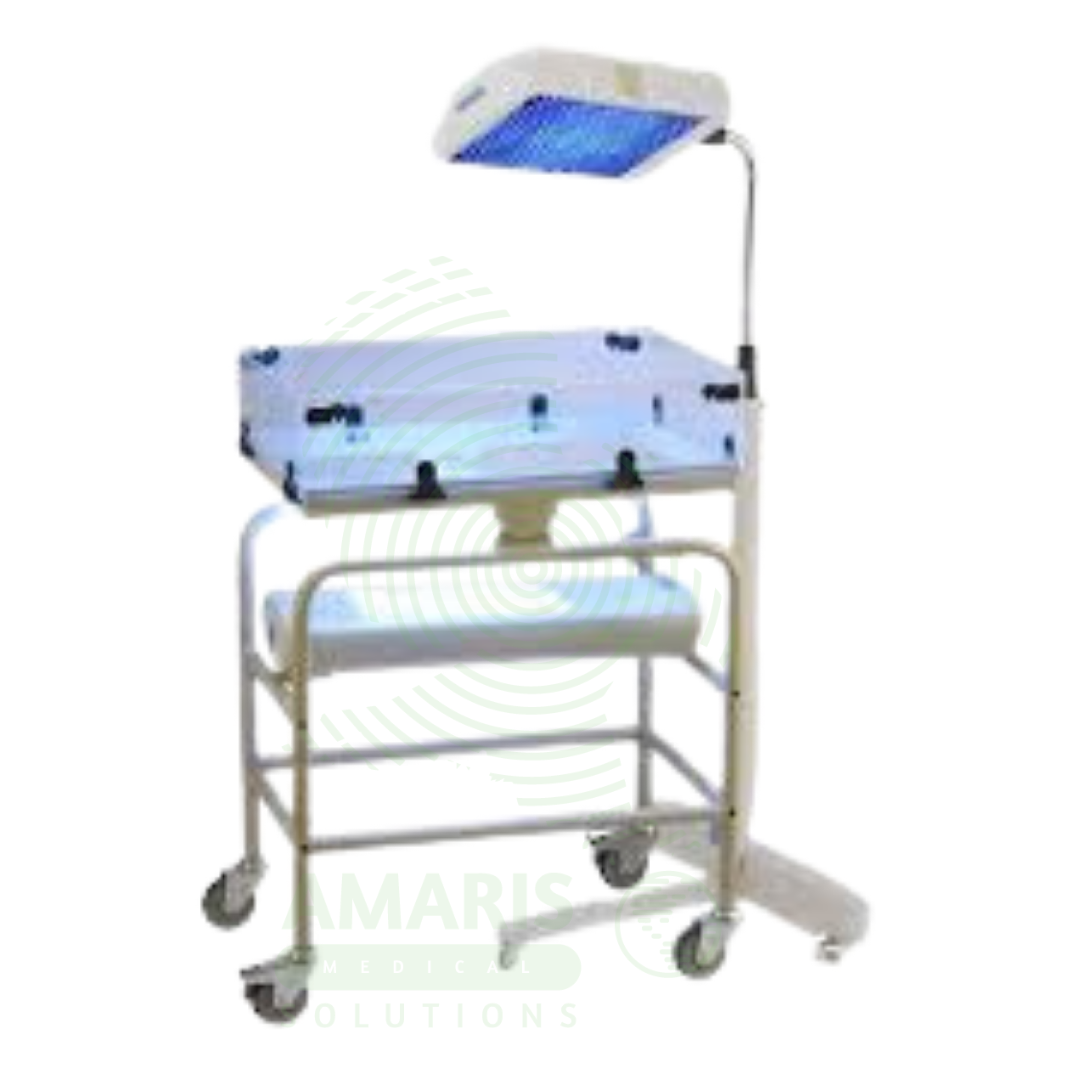
Phototherapy Machine
$1.00
WhatsApp Order
A Phototherapy Machine is a therapeutic light delivery system used to treat neonatal hyperbilirubinemia by converting toxic, fat-soluble bilirubin into water-soluble isomers that can be excreted. Using blue-spectrum light from LED, fluorescent, or fiber optic sources, it reduces bilirubin levels non-invasively, preventing kernicterus and permanent neurological damage. Available in overhead, ceiling-mounted, and fiber optic blanket configurations, it is standard equipment in hospital nurseries and NICUs, with portable units available for home use. Safe operation requires proper eye protection, temperature monitoring, and verification of adequate light output.
Description
Phototherapy Machine
PRIMARY CLINICAL & DIAGNOSTIC USES
1. Treatment of Neonatal Hyperbilirubinemia
-
Primary Use: Delivers therapeutic light in the blue spectrum to treat elevated bilirubin levels in newborns. The light energy converts unconjugated bilirubin into water-soluble isomers that can be excreted without conjugation, effectively reducing bilirubin levels and preventing kernicterus.
-
How it helps: For the neonatologist and pediatrician, the phototherapy machine provides a non-invasive, highly effective tool for lowering bilirubin levels—transforming toxic, fat-soluble bilirubin into a harmless, water-soluble form that the baby can excrete. For the newborn with jaundice, the gentle blue light means their bilirubin levels can be reduced without medication or exchange transfusion, protecting their developing brain from permanent damage.
2. Prevention of Kernicterus and Bilirubin-Induced Neurological Damage
-
Primary Use: Provides intensive phototherapy to prevent accumulation of neurotoxic unconjugated bilirubin in the basal ganglia and brainstem, avoiding permanent neurological sequelae including hearing loss, movement disorders, and intellectual disability.
-
How it helps: For the neonatal team, phototherapy is their primary weapon against one of the most preventable catastrophic outcomes in neonatology—permanent brain damage from untreated jaundice. For the infant, timely phototherapy means protection against lifelong disabilities and the opportunity to reach their full developmental potential.
3. Management of Hemolytic Disease of the Newborn
-
Primary Use: Used in neonates with isoimmunization, G6PD deficiency, or other hemolytic conditions causing rapid bilirubin rise, providing intensive phototherapy to control bilirubin levels while definitive treatment is prepared if needed.
-
How it helps: For the neonatologist managing high-risk infants with blood type incompatibility or enzyme deficiencies, intensive phototherapy buys critical time—slowing the rise of bilirubin while preparing for exchange transfusion if necessary. For the baby whose red blood cells are breaking down faster than their liver can process the waste, the phototherapy lights provide a bridge to stabilization.
4. Treatment of Breastfeeding-Associated Jaundice
-
Primary Use: Addresses exaggerated physiological jaundice in breastfed infants due to inadequate milk intake or breast milk factors, combined with lactation support and feeding optimization.
-
How it helps: For the lactation consultant and pediatrician managing breastfeeding jaundice, phototherapy provides a medical bridge while they work on the root cause—improving feeding efficiency and milk transfer. For the breastfed infant, phototherapy keeps bilirubin levels safe while mother and baby work together to establish effective nursing.
5. Management of Preterm Infant Jaundice
-
Primary Use: Premature infants have immature hepatic conjugation and are at higher risk for severe hyperbilirubinemia at lower bilirubin levels; phototherapy is initiated at lower thresholds with intensive light delivery.
-
How it helps: For the NICU team caring for premature infants, phototherapy is initiated early and aggressively because preemies are especially vulnerable to bilirubin toxicity. For the premature infant whose liver is weeks or months away from functioning properly, the phototherapy lights compensate for their immaturity, protecting their developing brain while they grow strong enough to handle bilirubin on their own.
6. Post-Exchange Transfusion Phototherapy
-
Primary Use: Following exchange transfusion, phototherapy is continued to prevent rebound hyperbilirubinemia and maintain safe bilirubin levels during recovery.
-
How it helps: For the neonatologist who has just performed an exchange transfusion, continued phototherapy ensures the baby doesn’t rebound to dangerous levels as bilirubin from tissues re-enters the bloodstream. For the infant who has undergone this major procedure, the lights provide a protective safety net during the vulnerable recovery period.
SECONDARY & SUPPORTIVE USES
1. Home Phototherapy: Portable phototherapy units allow infants with stable, mild jaundice to receive treatment at home under medical supervision, reducing hospital stay and promoting family bonding.
2. Seasonal Affective Disorder Treatment: While not the primary indication, some phototherapy devices with appropriate spectrum modification may be used for adult seasonal affective disorder.
3. Dermatological Conditions: Certain phototherapy devices may be adapted for treating neonatal skin conditions, though this is not standard practice.
4. Research and Clinical Studies: Used in neonatal research investigating bilirubin metabolism, phototherapy efficacy, and long-term outcomes of treated infants.
5. Quality Assurance Programs: Used in hospital quality improvement initiatives to standardize jaundice management and reduce kernicterus incidence.
KEY PRODUCT FEATURES
1. BASIC IDENTIFICATION ATTRIBUTES
-
Device Type: A therapeutic light delivery system that emits blue spectrum light for the treatment of neonatal hyperbilirubinemia.
-
Designation: Phototherapy Machine, Neonatal Phototherapy, Bilirubin Lights, Bili Lights, Jaundice Treatment Device.
-
Light Source Types:
-
LED Phototherapy: High-intensity blue light-emitting diodes; most common modern technology offering high efficacy, long life, and low heat output.
-
Fluorescent Phototherapy: Traditional blue or white fluorescent tubes; lower cost but higher heat output and shorter bulb life.
-
Fiber Optic Phototherapy: Flexible light-emitting blanket placed in contact with infant; allows treatment with baby in parent's arms.
-
-
Key Components:
-
Light Source: Blue-spectrum lamps or LEDs delivering therapeutic wavelengths.
-
Light Housing: Overhead unit or blanket form factor with reflective surfaces to maximize light delivery.
-
Height Adjustment: Adjustable stand for overhead units to control distance from infants.
-
Timer: Integrated timer for tracking treatment duration.
-
Radiometer: Device for measuring light output to ensure therapeutic levels are maintained.
-
Eye Protection: Opaque eye shields to protect infant's eyes during treatment.
-
2. TECHNICAL & PERFORMANCE PROPERTIES
-
Spectral Output: Blue spectrum with peak emission between 430-490 nm, the optimal wavelength for bilirubin photoisomerization.
-
Irradiance: Measured in µW/cm²/nm; intensive phototherapy requires higher irradiance levels than standard phototherapy.
-
Light Intensity: Adjustable intensity settings; higher intensity allows shorter treatment duration.
-
Light Coverage: Overhead units provide full body coverage; fiber optic units provide targeted coverage.
-
Heat Output: LED units produce minimal heat; fluorescent units require distance monitoring to prevent overheating.
-
Bulb Life: LED units last tens of thousands of hours; fluorescent bulbs require replacement every several months.
3. PHYSICAL & OPERATIONAL PROPERTIES
-
Configuration: Overhead unit on mobile stand, ceiling-mounted unit, or flexible fiber optic blanket.
-
Portability: Mobile units on locking castors for positioning at bedside; transportable units for home use.
-
Controls: Digital interface with intensity adjustment, timer, and irradiance monitoring.
-
Accessories: Eye shields, diaper covers, and distance measurement guides.
4. SAFETY & COMPLIANCE ATTRIBUTES
-
Regulatory Status: Class II medical device regulated by FDA.
-
Eye Protection: Mandatory eye shielding prevents retinal damage; eye shields must be properly positioned and secured.
-
Temperature Monitoring: Infant temperature must be monitored during treatment to prevent hyperthermia or hypothermia.
-
Electrical Safety: Compliant with electrical safety standards for medical devices.
5. STORAGE & HANDLING ATTRIBUTES
-
Storage: Store in clean, dry area; protect light sources from damage.
-
Cleaning: External surfaces cleaned with hospital-grade disinfectants; fiber optic blankets have removable, cleanable covers.
-
Bulb Replacement: Fluorescent bulbs replaced based on manufacturer specifications or when output decreases; LED units have sealed components requiring no user replacement.
-
Radiometer Calibration: Regular calibration of irradiance measurement devices to ensure therapeutic delivery.
6. LABORATORY & CLINICAL APPLICATIONS
-
Primary Application: Treatment of neonatal hyperbilirubinemia in hospital nurseries, NICUs, and home settings.
-
Clinical Role: Standard of care for jaundiced newborns requiring bilirubin reduction; reduces need for exchange transfusion and prevents kernicterus.
SAFETY HANDLING PRECAUTIONS
1. SAFETY PRECAUTIONS
-
Eye Protection: Infant must wear opaque eye shields throughout treatment; remove only during feeds or care, then replace immediately.
-
Temperature Monitoring: Monitor infant temperature regularly; adjust environmental temperature as needed to prevent overheating or chilling.
-
Distance Monitoring: For overhead units, maintain manufacturer-specified distance between light source and infant; too close increases heat and injury risk; too far reduces efficacy.
-
Hydration: Monitor for dehydration; increased fluid losses may occur during phototherapy; ensure adequate feeding or IV fluids.
-
Skin Assessment: Monitor skin for rash or burns; report any skin changes immediately.
-
Radiometer Use: Use radiometer to verify light output; inadequate irradiance prolongs treatment and delays bilirubin reduction.
-
Nursing Care: Continue breastfeeding during phototherapy; interruption for feeding does not compromise treatment efficacy.
2. FIRST AID MEASURES
-
Overheating: If infant temperature exceeds normal range, stop phototherapy temporarily, cool the infant, and monitor temperature.
-
Skin Burns: Discontinue phototherapy immediately; assess burn severity and treat per facility protocol.
-
Eye Shield Displacement: Replace eye shield immediately; assess eyes for any signs of irritation or injury.
-
Power Failure: Maintain infants in a warm environment; resume phototherapy when power is restored.
3. FIRE FIGHTING MEASURES
-
Flammability: Plastic components are combustible.
-
Extinguishing Media: Use CO₂ or dry chemical extinguisher for electrical fires.
-
Evacuation: In the event of fire, remove the infant to a safe location.
Related products
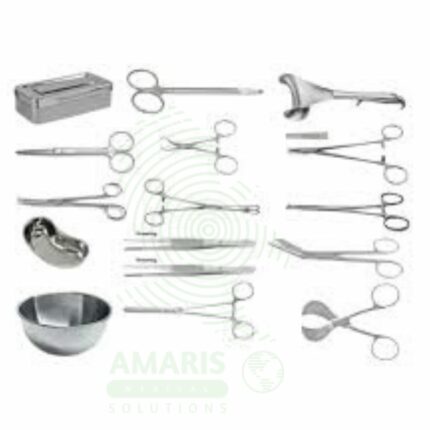
Delivery Set
A Delivery Set is a sterile instrument tray containing the instruments necessary for attending vaginal deliveries, including episiotomy, cord clamping and cutting, placental delivery, and perineal repair. Essential for labor and delivery units, birthing centers, and emergency obstetric services, it ensures that all required instruments are organized, sterile, and immediately available during the delivery process. Proper sterile technique, instrument counting, and placental inspection are critical for safe maternal and neonatal outcomes.
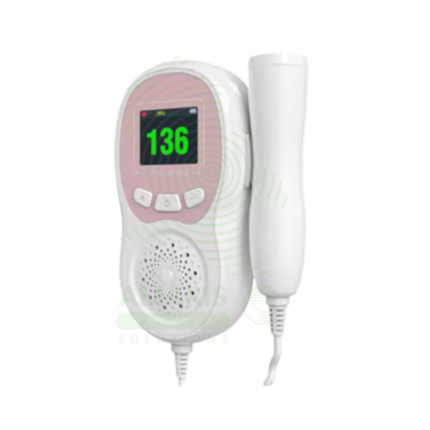
Fetoheart Sonic Aid Doppler (home use)
A Fetoheart Sonic Aid (Doppler) for Home Use is a consumer-grade, FDA-cleared handheld ultrasound device (2-3 MHz) that enables expectant parents to detect and listen to fetal heart sounds in the home environment from approximately 16 weeks gestation. Features include compact lightweight design (100-250g), simple controls, digital heart rate display (50-210 bpm), built-in speaker, headphone jack, and AA battery or USB rechargeable power. Continuous wave Doppler technology provides real-time audio of fetal heart sounds for maternal reassurance and bonding. Primary applications include maternal reassurance and emotional bonding between prenatal visits, confirmation of fetal activity, supplemental monitoring for high-risk pregnancies under provider guidance, and family involvement in the pregnancy experience. Critical safety information includes FDA-mandated labeling that device is for reassurance only (not medical diagnosis), optimal use after 16 weeks, limitation to 5–10-minute sessions, recognition that inability to detect heartbeat may not indicate a problem, and requirement to continue regular prenatal care. Not a substitute for professional medical evaluation; seek immediate care for bleeding, pain, fluid leakage, or decreased fetal movement.
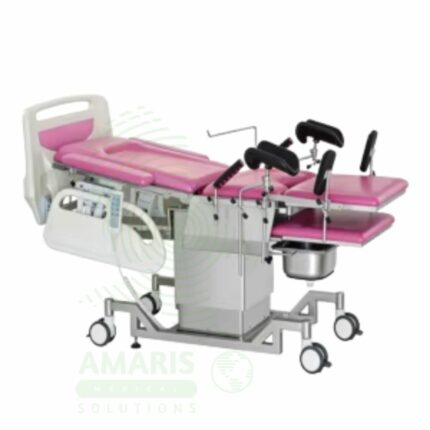
Gynecological examination couch (Parturition Bed)
A Gynecological Examination Couch (Parturition Bed) is a specialized medical couch designed for gynecologic examinations, obstetric delivery, and related procedures. Featuring adjustable backrest, removable leg sections, and adjustable stirrups for lithotomy positioning, it supports pelvic examinations, Pap smears, IUD procedures, and all stages of labor and delivery. The couch provides Trendelenburg and reverse Trendelenburg positioning, height adjustment, and fluid-resistant upholstery for easy cleaning. Essential for gynecology clinics, labor and delivery units, and women's health centers, it combines examination and delivery functions in a single versatile unit.
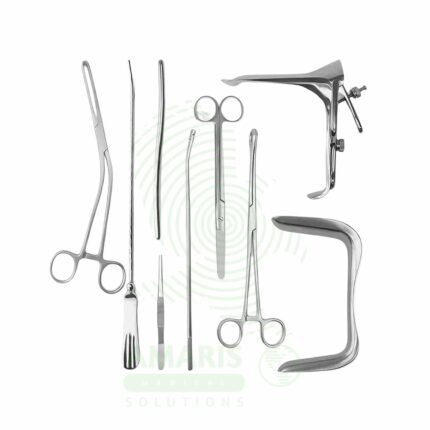
Gynecological Set
A Gynecological Set is a sterile instrument tray containing instruments for gynecologic examinations, diagnostic procedures, and minor surgical interventions. The set includes vaginal speculums, cervical biopsy forceps, endocervical curettes, tenaculum, uterine sound, and supporting instruments. Used in gynecology clinics, women's health centers, and office-based procedure suites, it supports routine examinations, cervical cancer screening, IUD services, and diagnostic sampling. Proper sterile technique and careful tissue handling are essential for safe and effective patient care.
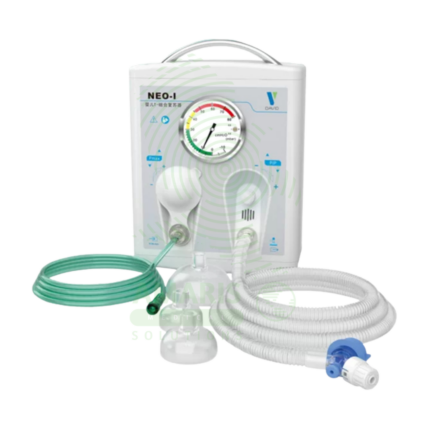
Infant T-Piece Resuscitator
An Infant T-piece Resuscitator is a Class II medical device designed for neonatal resuscitation and controlled positive pressure ventilation, delivering precise, consistent peak inspiratory pressures (PIP) and positive end-expiratory pressure (PEEP) as recommended by Neonatal Resuscitation Program (NRP) guidelines. The T-piece assembly connects to compressed air/oxygen source (5-15 L/min) with adjustable PIP (10-40 cmH₂O) and PEEP (0-10 cmH₂O) controls, built-in pressure manometer, and pressure relief valve (30-40 cmH₂O). Operator occludes port to deliver breaths (typically 40-60/min), with consistent pressures maintained regardless of technique. Essential advantages over bag-valve-mask devices include operator-independent pressure delivery, ability to provide PEEP (critical for preterm lung protection), reduced risk of barotrauma, and hands-free PEEP allowing two-handed mask seal. Primary clinical applications include delivery room resuscitation, stabilization of extremely preterm infants (<1,000 g), CPAP/PEEP delivery, meconium aspiration management, and neonatal transport ventilation. Critical safety considerations include verifying gas supply (5-15 L/min), monitoring manometer pressures, ensuring proper mask seal, observing chest rise, and titrating FiO2 to SpO2 targets. Indispensable resuscitation equipment in every delivery room, NICU, and neonatal transport setting worldwide.
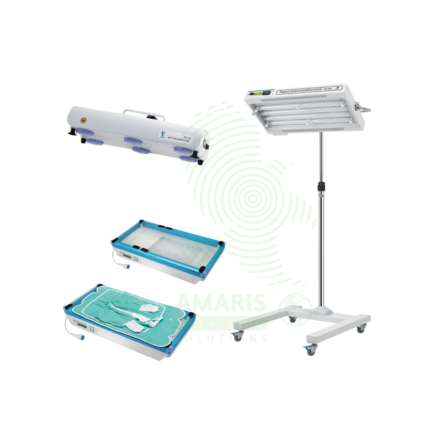
Neonatal Jaundice Treatment Device
A Neonatal Jaundice Treatment Device (phototherapy unit) is a Class II medical device that delivers therapeutic blue light (450-470 nm) to treat hyperbilirubinemia in newborns, preventing bilirubin-induced neurological damage (kernicterus). Available as overhead units (mobile stands with LED or fluorescent lamps), fiberoptic systems (Biliblanket) with illuminated pads placed against the infant's skin, and combination systems for intensive therapy. Irradiance ranges from 10-50+ µW/cm²/nm at treatment distance. LED units offer specific wavelength output, minimal heat, long life (10,000-50,000 hours), and energy efficiency. Treatment indications follow AAP hour-specific nomograms based on gestational age, birth weight, postnatal age, and risk factors. Essential safety requirements include opaque eye shields to protect neonatal retinas, temperature monitoring to prevent hyperthermia, hydration maintenance, and regular irradiance verification. Used in hospital NICUs, newborn nurseries, and (select devices) home care settings for mild jaundice. Critical for preventing permanent neurological sequelae of untreated severe neonatal jaundice.
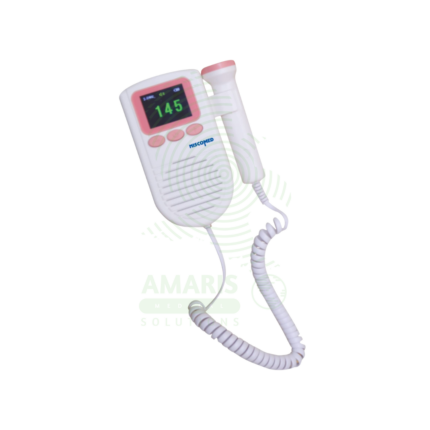
Ultrasonic Doppler
An Ultrasonic Doppler is a handheld or tabletop medical device that uses continuous wave Doppler ultrasound (2-10 MHz probes) to detect and amplify blood flow sounds for fetal heart rate monitoring and peripheral vascular assessment. Available with obstetric probes (2-3 MHz for deep fetal detection) and vascular probes (4-5 MHz for deep vessels, 8-10 MHz for superficial vessels). Features audio output through speaker or headphones, digital heart rate display (30-300 bpm), and directional flow capability on select models. Primary clinical applications include fetal heart rate detection and monitoring (as early as 10-12 weeks gestation), peripheral arterial disease assessment (ankle-brachial index calculation), deep vein thrombosis evaluation, blood pressure measurement in difficult populations, intraoperative and postoperative vascular monitoring, wound healing assessment, and penile blood flow evaluation for erectile dysfunction. Class II medical device requiring FDA clearance. Critical safety considerations include following ALARA principle for ultrasound exposure, appropriate gel use, probe pressure avoidance, infection control (probe cleaning and sterile covers), and qualified interpretation of Doppler sounds.