Dermatoscope and Magnifiers
 Diagnostic Kits
 Vital Signs Monitors
 Stethoscopes and Accessories
 Otoscopes, Ophthalmoscopes, and Retinoscopes
 Reflex Hammers and Neurological Tools
 Scales and Measuring Devices
 Spirometers and Pulmonary Function Tests
 Electrosurgical Units and Accessories
 Cutting Instruments
 Grasping and Holding Instruments
 Hemostatic Instruments
 Specialized Surgical Sets
 Single-Use Procedure Trays and Packs
 Surgical Drapes, Gowns, and Covers
 Tissue Unifying Instruments
 Radiation Protection
 X-Ray Machines and Accessories
 Ultrasound Systems and Probes
 MRI and CT Scanners
 Radiology Consumables
 Bone Densitometers
 Fluoroscopy Equipment
 Imaging Tables and Positioning Aids
 Microscopes and Accessories
 Centrifuges and Separators
 Analyzers
 Incubators and Ovens
 Pipettes, Dispensers, and Lab Glassware
 Refrigerators, Freezers, and Storage Units
 Lab Consumables
 Sterilizers and Autoclaves for Lab Use
 Multi-Parameter Monitors
 Ventilators and Respiratory Support Devices
 Defibrillators and AEDs
 Infusion Pumps and IV Systems
 Patient Warmers and Cooling Devices
 Central Monitoring Stations
 Accessories
 Anesthesia Machines and Workstations
 Oxygen Concentrators and Delivery Systems
 Nebulizers and Inhalers
 CPAP/BiPAP Machines
 Airway Management
 Anesthesia Masks, Circuits, and Bags
 Humidifiers and Heaters
 Respiratory Therapy Accessories
 First Aid Kits and Cabinets
 Emergency Resuscitation Equipment
 Trauma Supplies
 Emergency Carts and Crash Carts
 Burn Care Products
 Bleeding Control
 Automated External Defibrillators (AEDs)
 Transport and Evacuation
 Wheelchairs and Accessories
 Walkers, Crutches, and Canes
 Prosthetics and Orthotics
 Physical Therapy Equipment
 Transfer Devices
 Bathroom Safety
 Orthopedic Traction and Tables
 Hot/Cold Therapy Packs and Units
 Beds and Mattresses
 Chairs and Stools
 Tables
 Cabinets and Storage
 Privacy Screens & Curtains
 Stands and Racks
 Linens and Textiles
 Lighting
 Autoclaves and Sterilizers
 Ultrasonic Cleaners
 Disinfectant Solutions and Wipes
 Sterilization Pouches, Wraps, and Indicators
 Instrument Trays and Containers
 UV and Ozone Disinfection Devices
 Washer Disinfectors
 Wound Care
 Gloves
 Masks and Respirators
 Catheters and Tubing
 Swabs, Applicators, and Sponges
 Incontinence Products
 Personal Protective Equipment (PPE)
 Dental Chairs and Units
 Handpieces and Burs
 Instruments
 Consumables
 Sterilization for Dental Use
 Orthodontic Supplies
 Endodontic Tools
 Slit Lamps and Tonometers
 Lensometers and Phoropters
 Ophthalmic Surgical Instruments
 Eyewear Frames and Lenses
 Contact Lens Supplies
 Vision Testing Charts and Devices
 Eye Care Consumables
 Laser Systems for Eye Care
 ENT Exam Chairs and Tables
 Endoscopes
 Audiometers and Hearing Tests
 ENT Instruments
 Nasal and Throat Packs
 Hearing Aids and Accessories
 Otology Supplies
 Fetal Dopplers and Monitors
 Delivery Beds and Tables
 Gynecological Instruments
 Neonatal Incubators and Warmers
 Breast Pumps and Accessories
 Contraceptive Devices
 Maternity Supports and Pads
 Neonatal Consumables
 Cystoscopes and Urethroscopes
 Dialysis Machines and Supplies
 Urological Catheters and Bags
 Lithotripters
 Prostate Treatment Devices
 Urinary Incontinence Products
 Kidney Stone Management Tools
 Consumables & Disposables
 EEG and EMG Machines
 Neurosurgical Instruments
 Nerve Stimulators
 Headrests and Positioning Aids
 Lumbar Puncture Kits
 Seizure Monitoring Devices
 Consumables
 Rehabilitation for Neurological Conditions
 ECG Machines and Accessories
 Holter Monitors
 Stress Test Systems
 Pacemakers and Defibrillator Accessories
 Vascular Access Devices
 Cardiac Catheters and Guidewires
 Blood Flow Meters
 Consumables
 Orthopedic Instruments
 Casts, Splints, and Padding
 Joint Replacement Supplies
 Prosthetic Limbs and Components
 Bone Grafts and Substitutes
 Traction Devices
 Orthopedic Braces and Supports
 Rehabilitation Aids for Orthopedics
 Home Oxygen Therapy
 Hospital Beds for Home Use
 Mobility Aids
 Bathroom and Daily Living Aids
 Wound Care for Home
 Monitoring Devices
 Enteral Feeding Pumps and Tubes
 Hand Sanitizers and Dispensers
 Face Shields and Goggles
 Isolation Gowns and Suits
 Biohazard Waste Containers
 Air Purifiers and HEPA Filters
 Surface Disinfectants
 Sharps Containers
 Protective Barriers
 Cardiovascular & Endurance Training
 Strength Training & Weightlifting
 Functional Training & Core Conditioning
 Physical Therapy & Rehabilitation
 Sports & Outdoor Recreation
 Gym Flooring & Facility Equipment
 Fitness Monitoring & Accessories
 Kids & Novelties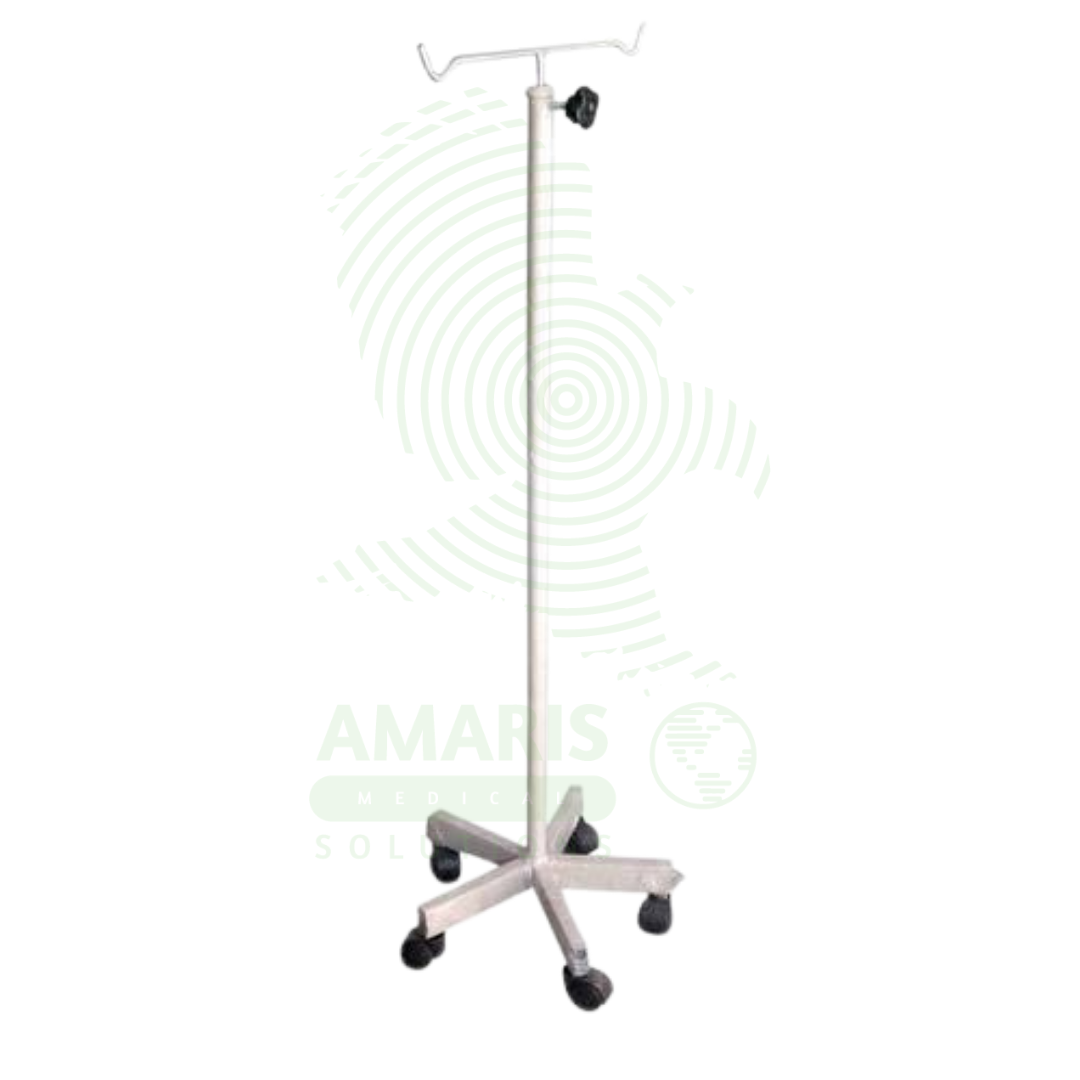

Stainless Steel Drip Stand
$1.00
WhatsApp Order
A Stainless Steel Drip Stand is a mobile, height-adjustable pole on a wheeled base, designed to securely hold intravenous fluid bags, blood products, and infusion pumps. Its primary function is to provide the necessary height for gravity-fed IV therapy and to serve as a stable transport system for infusions during patient mobility. Constructed from durable, corrosion-resistant stainless steel for easy cleaning and long-term use in hospitals and clinics, it is an indispensable piece of equipment for the safe and organized delivery of intravenous medications and fluids.
Description
Stainless Steel Drip Stand
PRIMARY CLINICAL & DIAGNOSTIC USES
1. Secure Suspension and Height Adjustment of Intravenous Fluid Bags and Medication Containers
-
Definitive Use: Provides a stable, adjustable pole from which to hang bags of IV fluids, blood products, parenteral nutrition, and medication infusions at the correct height to ensure proper gravitational flow and pressure for safe administration to the patient.
-
How it helps: For the nurse starting an IV infusion, the drip stand’s adjustable height ensures that the fluid bag is positioned correctly relative to the patient’s heart—high enough to maintain flow, but not so high as to create dangerous pressure. For the patient receiving life-sustaining fluids, antibiotics, or blood products, the stand holds their treatment securely above them, relying on simple gravity to deliver what their body needs.
2. Organization and Management of Multiple Concurrent IV Therapies
-
Primary Use: Essential for patients receiving several simultaneous infusions, with multiple hooks allowing for the orderly hanging of multiple bags, preventing tangled lines and enabling clear identification of each infusion.
-
How it helps: For the ICU nurse or hospital pharmacist managing a patient on multiple IV drugs—vasopressors, sedatives, antibiotics, fluids—the drip stand with multiple hooks keeps each line separate, each bag visible, and each infusion identifiable. For the critically ill patient whose life depends on a careful balance of multiple IV medications, this organization prevents line confusion, drug errors, and the tangling that could interrupt life-sustaining therapy.
3. Patient Mobility During IV Therapy
-
Primary Use: Facilitates ambulation and movement of patients who require continuous IV therapy, with the mobile stand allowing patients to walk in hallways or use the bathroom while their IV bags are safely transported with them, promoting mobility and comfort.
-
How it helps: For the nurse encouraging a post-operative patient to walk, or the child who needs to move despite an IV, the mobile drip stand on wheels transforms confinement into freedom—the IV goes where the patient goes. For the patient recovering from surgery or illness, being able to walk the halls, use the bathroom, or simply shift from bed to chair without calling for help to disconnect their IV preserves dignity, promotes recovery, and restores a measure of independence.
4. Support for Electronic Infusion Pumps and Syringe Drivers
-
Primary Use: Serves as the primary mounting point for infusion pumps and syringe drivers, providing a secure anchor for these devices at an appropriate height for clinician programming and patient safety, with the IV bag positioned above the pump for proper operation.
-
How it helps: For the nurse setting up complex infusions, the drip stand provides a stable, organized platform—pump mounted securely, bag hanging above, tubing neatly arranged, all at working height. For the patient receiving a precisely controlled medication infusion, this setup ensures that the pump functions correctly, that alarms are visible and audible, and that their therapy continues without interruption.
SECONDARY & SUPPORTIVE USES
1. Urinary Drainage Bag Holder: Can be used to hang a urinary catheter drainage bag below bladder level to ensure proper gravity drainage and prevent backflow, reducing the risk of urinary tract infection. For the patient with an indwelling catheter, proper drainage bag positioning prevents the complications that prolong hospitalization and delay recovery.
2. Oxygen Cylinder Support: In some settings, a sturdy drip stand is used to secure a portable medical oxygen cylinder upright, preventing it from falling over. For the patient requiring oxygen therapy who needs to move, this improvised solution keeps their oxygen supply safely upright and mobile.
3. Traction or Support for Limb Elevation: May be adapted to support slings or devices for gentle limb elevation as part of orthopedic or wound care treatment protocols. For the patient with an injured limb requiring elevation, the drip stand provides a readily available structure to support healing positions.
4. Equipment and Supply Holder: Used in procedure rooms or at the bedside to temporarily hang items such as stethoscopes, patient monitors, or small supply bags to keep them accessible and off the floor. For the clinician working at the bedside, having frequently used items hanging within reach improves workflow and reduces the clutter that can compromise patient safety.
5. Teaching and Clinical Demonstration: Used in clinical skills labs to teach students about IV therapy setup, pump operation, and the principles of gravity-fed infusion. For the countless future patients who will be cared for by nurses and doctors trained on this equipment, every demonstration builds competence that translates to safer, more effective care.
KEY PRODUCT FEATURES
1. BASIC IDENTIFICATION ATTRIBUTES
-
Product Type: A vertical, mobile pole stand used for hanging medical fluids and equipment.
-
Core Design: A central stainless steel pole mounted on a stable, wheeled base, with an adjustable height mechanism and multiple hooks at the top.
-
Key Components:
-
Central Pole: A single or telescoping tube of stainless steel.
-
Base: A circular or tripod-style foot with rubberized tips, equipped with casters.
-
Hooks: Typically 4 to 6 hooks at the top, made of stainless steel or plastic-coated steel, often swiveling.
-
Height Adjustment Mechanism: A clamp, pin, or screw mechanism to lock the pole at the desired height.
-
IV Pump Hanger: An additional horizontal bar or bracket for securing infusion pumps.
-
2. TECHNICAL & PERFORMANCE PROPERTIES
-
Material: Constructed from AISI 304 or 316 Stainless Steel, providing high strength, corrosion resistance, and ease of cleaning and sterilization.
-
Height Range: Typically extends from approximately 5 feet (150 cm) to over 7 feet (215 cm) to accommodate varying bed heights and clinical needs.
-
Stability: The weighted base and low center of gravity prevent tipping, even when loaded with multiple full IV bags and pumps.
-
Weight Capacity: Designed to hold significant weight, often 25 lbs (11 kg) or more on the hooks, plus the weight of mounted pumps.
-
Casters: Four swivel casters, with at least two featuring foot-operated brakes to lock the stand in place.
3. PHYSICAL & OPERATIONAL PROPERTIES
-
Construction: Welded or mechanically fastened stainless steel components. Polished to a #4 satin or #2B finish.
-
Mobility: Easy to move when unbraked, yet stable when locked. Should move quietly.
-
Cleanability: The non-porous stainless steel surface can be wiped down with all standard hospital disinfectants without damage.
4. SAFETY & COMPLIANCE ATTRIBUTES
-
Regulatory Status: Generally considered a Class I medical device (low risk).
-
Safety Features: Includes no sharp edges, secure locking casters, and a tip-resistant design.
-
Biocompatibility: Stainless steel is inert and non-toxic, suitable for clinical environments.
5. STORAGE & HANDLING ATTRIBUTES
-
Storage: Can be stored in a clean, dry area. Often stored in a lowered position to save space.
-
Cleaning & Disinfection: Wipe down the entire stand regularly with a hospital-grade disinfectant, paying attention to hooks and high-touch areas like the height adjustment clamp. For terminal cleaning in isolation, it can withstand aggressive chemical disinfectants.
-
Maintenance: Periodically check casters for smooth rolling and brake function. Inspect the height adjustment mechanism for secure locking. Ensure hooks are not bent or cracked.
6. LABORATORY & CLINICAL APPLICATIONS
-
Primary Application: A ubiquitous and essential piece of equipment in virtually all inpatient and many outpatient clinical settings, including hospital wards, ICUs, emergency departments, infusion clinics, and long-term care facilities. It is the fundamental support system for intravenous therapy.
SAFETY HANDLING PRECAUTIONS
1. SAFETY PRECAUTIONS
-
Secure Locking (CRITICAL): Always engage the wheel brakes when the stand is stationary at a patient's bedside to prevent accidental movement, which could dislodge IV lines or cause the stand to tip.
-
Load Distribution: Distribute weight evenly around the stand. Do not overload one side with multiple heavy bags, as this can compromise stability.
-
Line Management: Route IV tubing neatly. Ensure lines are not tangled around the stand or its base, creating a tripping hazard or risk of pulling the stand over.
-
Height Awareness: Be mindful of the stand's height when moving it, especially through doorways or near ceiling fixtures like lights and sprinklers.
-
Inspection: Do not use a stand with bent poles, loose casters, or a malfunctioning height lock.
2. FIRST AID MEASURES
-
Tip-Over Incident: If the stand tips and strikes a patient or staff, first ensure the person is safe from further harm. Assess for injuries and provide first aid. Secure IV access if it was disrupted.
-
Line Dislodgement: If the stand's movement causes an IV line or catheter to be pulled out, apply pressure to the site if bleeding, and follow clinical protocols for restarting the IV.
3. FIRE FIGHTING MEASURES
-
Flammability: The stainless steel stand is non-combustible.
-
Extinguishing Media: Use any appropriate extinguishing media for the surrounding fire. The stand itself presents no fire hazard.
Related products
Bedside Cabinet
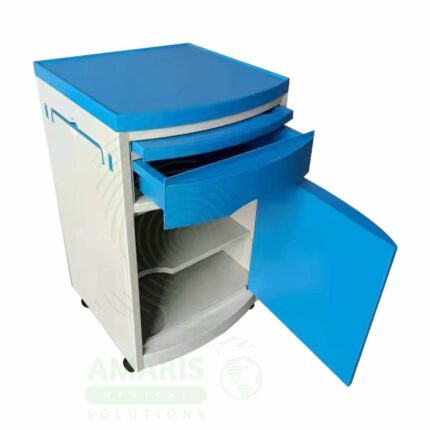
A Bedside Cabinet is a lockable storage unit designed for placement next to a hospital bed. It provides patients with secure storage for personal belongings and offers organized space for their clinical supplies. Typically featuring a laminate top surface, drawers, and a lockable cupboard, it serves to personalize the patient's space, enhance security, and maintain tidiness in the clinical environment. Its easy-to-clean surfaces are crucial for infection control, requiring thorough disinfection between patient uses. It is a standard and essential furnishing in inpatient hospital rooms.
Ceiling & Stand Operating Light
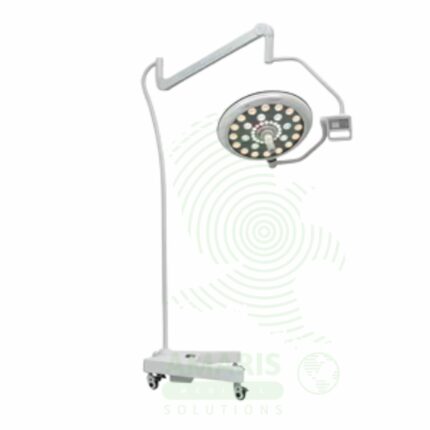
An Ceiling & Stand Operating Light is a high-intensity, shadow-reducing illumination system designed to provide brilliant, color-accurate, and cool light directly onto the surgical field. Ceiling-mounted lights offer maximum flexibility in the OR, while stand-mounted lights provide portability. Key features include extremely high illuminance (>40,000 lux), a high Color Rendering Index (CRI >90) for true tissue color, and advanced optics for deep-cavity illumination with minimal shadows. Safe operation requires proper positioning, use of sterile handle covers, and awareness of the minimal but present thermal risk. It is a fundamental capital asset critical for enabling precise and safe surgical intervention.

Cellular Blankets
Cellular Blankets are lightweight, breathable blankets with a distinctive honeycomb knit structure. Primarily used in healthcare for patient warmth and thermal regulation, they work by trapping insulating air within their cells while allowing moisture to escape, preventing overheating and sweating. Available in reusable (cotton/polyester) or disposable forms, they are essential for maintaining patient comfort, dignity, and temperature stability in wards, recovery areas, and during transport. Their safety depends on strict adherence to single-patient use and proper high-temperature laundering for reusable versions.

Foldable Ward Screen
A Foldable Ward Screen is a portable, folding partition used to create instant visual privacy around a patient's bed or procedure area in multi-bed hospital wards, emergency departments, and clinics. Typically consisting of three hinged opaque panels, it provides dignity during examinations and personal care, aids in infection control by creating temporary barriers, and helps manage the clinical environment. Its free-standing, foldable design allows for easy deployment, storage, and cleaning, making it a fundamental piece of non-clinical equipment for patient-centered care in shared spaces.
Imported Hospital Bedside Lockers
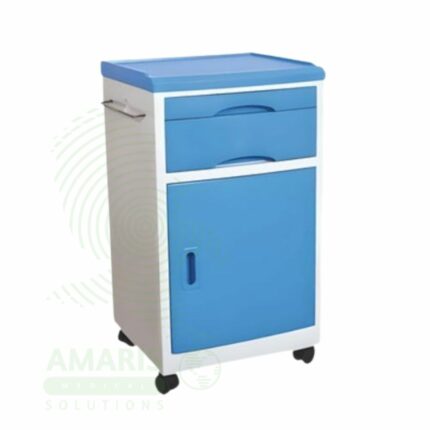
Imported Hospital Bedside Lockers are secure storage units designed for patient bedside use in hospitals, long-term care facilities, and patient care areas. Featuring lockable drawers for valuables and medications, open shelves for frequently used items, and smooth, non-porous surfaces for easy cleaning, they provide organized, secure storage for patient personal belongings and clinical supplies. The top surface serves as a convenient platform for water, tissues, and call bells, supporting patient independence and comfort. Essential for maintaining an organized, dignified patient environment while supporting infection control protocols.

Patient Examination Privacy Screen
A Patient Examination Privacy Screen is a portable, foldable, multi-panel screen used to provide visual privacy during examinations, procedures, consultations, and patient care in multi-bed wards, emergency departments, and outpatient clinics. Featuring hinged panels, locking castors, and easy-clean fluid-resistant fabric, it creates temporary private spaces in open clinical environments. Essential for maintaining patient dignity, confidentiality, and infection control, it also supports space division, isolation, and management of environmental stimuli in busy healthcare settings.
Patient Trolley
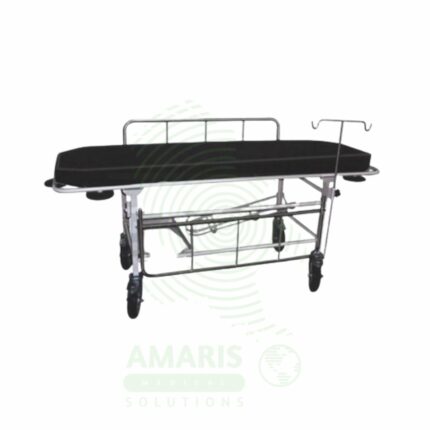
A Patient Trolley (also known as a hospital stretcher or gurney) is a mobile, height-adjustable wheeled bed essential for the safe transport and temporary holding of patients within a healthcare facility. Its core function is to serve as the primary link between clinical departments (e.g., Ward to Radiology, ED to OR), enabling efficient patient flow. Key features include locking casters, safety side rails, an IV pole, and a thin, cleanable mattress. Designed for maneuverability in corridors and elevators, it is the fundamental piece of equipment for patient logistics, emergency response, and serving as a mobile treatment platform in hospitals and large clinics.