Dermatoscope and Magnifiers
 Diagnostic Kits
 Vital Signs Monitors
 Stethoscopes and Accessories
 Otoscopes, Ophthalmoscopes, and Retinoscopes
 Reflex Hammers and Neurological Tools
 Scales and Measuring Devices
 Spirometers and Pulmonary Function Tests
 Electrosurgical Units and Accessories
 Cutting Instruments
 Grasping and Holding Instruments
 Hemostatic Instruments
 Specialized Surgical Sets
 Single-Use Procedure Trays and Packs
 Surgical Drapes, Gowns, and Covers
 Tissue Unifying Instruments
 Radiation Protection
 X-Ray Machines and Accessories
 Ultrasound Systems and Probes
 MRI and CT Scanners
 Radiology Consumables
 Bone Densitometers
 Fluoroscopy Equipment
 Imaging Tables and Positioning Aids
 Microscopes and Accessories
 Centrifuges and Separators
 Analyzers
 Incubators and Ovens
 Pipettes, Dispensers, and Lab Glassware
 Refrigerators, Freezers, and Storage Units
 Lab Consumables
 Sterilizers and Autoclaves for Lab Use
 Multi-Parameter Monitors
 Ventilators and Respiratory Support Devices
 Defibrillators and AEDs
 Infusion Pumps and IV Systems
 Patient Warmers and Cooling Devices
 Central Monitoring Stations
 Accessories
 Anesthesia Machines and Workstations
 Oxygen Concentrators and Delivery Systems
 Nebulizers and Inhalers
 CPAP/BiPAP Machines
 Airway Management
 Anesthesia Masks, Circuits, and Bags
 Humidifiers and Heaters
 Respiratory Therapy Accessories
 First Aid Kits and Cabinets
 Emergency Resuscitation Equipment
 Trauma Supplies
 Emergency Carts and Crash Carts
 Burn Care Products
 Bleeding Control
 Automated External Defibrillators (AEDs)
 Transport and Evacuation
 Wheelchairs and Accessories
 Walkers, Crutches, and Canes
 Prosthetics and Orthotics
 Physical Therapy Equipment
 Transfer Devices
 Bathroom Safety
 Orthopedic Traction and Tables
 Hot/Cold Therapy Packs and Units
 Beds and Mattresses
 Chairs and Stools
 Tables
 Cabinets and Storage
 Privacy Screens & Curtains
 Stands and Racks
 Linens and Textiles
 Lighting
 Autoclaves and Sterilizers
 Ultrasonic Cleaners
 Disinfectant Solutions and Wipes
 Sterilization Pouches, Wraps, and Indicators
 Instrument Trays and Containers
 UV and Ozone Disinfection Devices
 Washer Disinfectors
 Wound Care
 Gloves
 Masks and Respirators
 Catheters and Tubing
 Swabs, Applicators, and Sponges
 Incontinence Products
 Personal Protective Equipment (PPE)
 Dental Chairs and Units
 Handpieces and Burs
 Instruments
 Consumables
 Sterilization for Dental Use
 Orthodontic Supplies
 Endodontic Tools
 Slit Lamps and Tonometers
 Lensometers and Phoropters
 Ophthalmic Surgical Instruments
 Eyewear Frames and Lenses
 Contact Lens Supplies
 Vision Testing Charts and Devices
 Eye Care Consumables
 Laser Systems for Eye Care
 ENT Exam Chairs and Tables
 Endoscopes
 Audiometers and Hearing Tests
 ENT Instruments
 Nasal and Throat Packs
 Hearing Aids and Accessories
 Otology Supplies
 Fetal Dopplers and Monitors
 Delivery Beds and Tables
 Gynecological Instruments
 Neonatal Incubators and Warmers
 Breast Pumps and Accessories
 Contraceptive Devices
 Maternity Supports and Pads
 Neonatal Consumables
 Cystoscopes and Urethroscopes
 Dialysis Machines and Supplies
 Urological Catheters and Bags
 Lithotripters
 Prostate Treatment Devices
 Urinary Incontinence Products
 Kidney Stone Management Tools
 Consumables & Disposables
 EEG and EMG Machines
 Neurosurgical Instruments
 Nerve Stimulators
 Headrests and Positioning Aids
 Lumbar Puncture Kits
 Seizure Monitoring Devices
 Consumables
 Rehabilitation for Neurological Conditions
 ECG Machines and Accessories
 Holter Monitors
 Stress Test Systems
 Pacemakers and Defibrillator Accessories
 Vascular Access Devices
 Cardiac Catheters and Guidewires
 Blood Flow Meters
 Consumables
 Orthopedic Instruments
 Casts, Splints, and Padding
 Joint Replacement Supplies
 Prosthetic Limbs and Components
 Bone Grafts and Substitutes
 Traction Devices
 Orthopedic Braces and Supports
 Rehabilitation Aids for Orthopedics
 Home Oxygen Therapy
 Hospital Beds for Home Use
 Mobility Aids
 Bathroom and Daily Living Aids
 Wound Care for Home
 Monitoring Devices
 Enteral Feeding Pumps and Tubes
 Hand Sanitizers and Dispensers
 Face Shields and Goggles
 Isolation Gowns and Suits
 Biohazard Waste Containers
 Air Purifiers and HEPA Filters
 Surface Disinfectants
 Sharps Containers
 Protective Barriers
 Cardiovascular & Endurance Training
 Strength Training & Weightlifting
 Functional Training & Core Conditioning
 Physical Therapy & Rehabilitation
 Sports & Outdoor Recreation
 Gym Flooring & Facility Equipment
 Fitness Monitoring & Accessories
 Kids & Novelties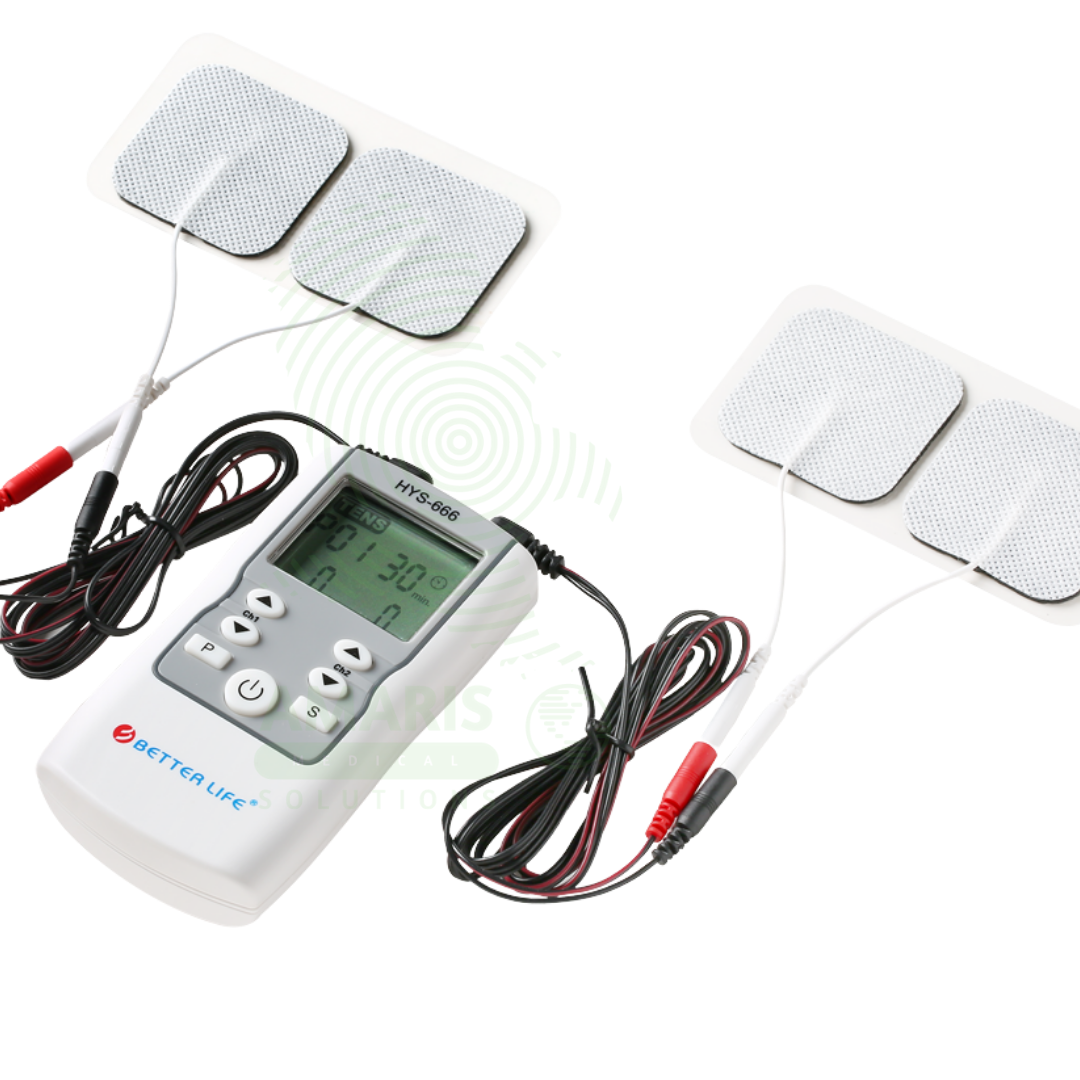
TENS Machine
WhatsApp Order
A TENS Machine is an electronic device used for non-invasive pain management, capable of independently controlling up to four pairs of electrodes (eight total) to treat multiple or complex pain areas simultaneously. By delivering adjustable, low-voltage electrical pulses through the skin, it modulates pain signals via the Gate Control mechanism and may stimulate the body’s natural painkillers. Its key adjustable parameters—pulse rate, width, and amplitude—allow for personalized therapy for conditions ranging from arthritis to post-surgical pain. Safe operation requires strict adherence to electrode placement guidelines and contraindications, making it a versatile tool for clinical and prescribed home use.
Description
TENS Machine
PRIMARY CLINICAL & DIAGNOSTIC USES
1. Non-Pharmacological Pain Management
-
Primary Use: Provides symptomatic relief from acute and chronic pain conditions by applying low-voltage electrical impulses to the skin via electrodes placed over or near the painful area, used for musculoskeletal pain, neuropathic pain, and post-operative pain.
-
How it helps: For the pain management specialist, physical therapist, and primary care provider, TENS offers a drug-free tool to help patients manage pain without adding medications to their regimen. For the patient living with chronic back pain, arthritic knees, or persistent neuropathic discomfort, a TENS machine puts control in their hands—the ability to dial down pain without another pill, without side effects, and without the worry of addiction or drug interactions.
2. Modulation of Pain Signals (Gate Control Theory)
-
Primary Use: Works on the principle that stimulating large-diameter sensory nerve fibers can inhibit the transmission of smaller pain-carrying fibers to the spinal cord, effectively “closing the gate” to pain signals reaching the brain.
-
How it helps: For the clinician explaining how TENS works, the gate control theory provides an elegant physiological framework—competing sensations can actually block pain at the spinal level. For the patient, this means that the tingling sensation from the electrodes isn’t just a distraction; it’s actively interfering with pain signals, preventing them from reaching the brain and creating genuine relief that can last beyond the treatment session.
3. Endogenous Opioid Release
-
Primary Use: Higher frequency, lower intensity settings may stimulate the body’s release of endorphins and enkephalins, natural pain-relieving chemicals.
-
How it helps: For the pain specialist and researcher, TENS offers a way to harness the body’s own pain-fighting chemistry without introducing external substances. For the patient seeking pain relief, this means that TENS can trigger their natural endorphins—the same chemicals released during exercise or excitement—providing a natural “high” that reduces pain perception and improves mood.
4. Multi-Site or Complex Pain Management
-
Primary Use: The 4-channel capability allows for simultaneous treatment of two separate pain sites or targeting of a single, complex pain area from multiple angles using up to 8 electrodes, providing more comprehensive coverage and potentially better efficacy.
-
How it helps: For the clinician treating patients with widespread or complex pain patterns, multi-channel TENS means addressing the full picture—bilateral knee arthritis, both shoulders, or the entire lower back with multiple electrode placements. For the patient with pain in multiple locations, a single 4-channel unit can cover all their painful areas at once, providing comprehensive relief that single-channel devices cannot match.
SECONDARY & SUPPORTIVE USES
1. Post-Surgical and Post-Traumatic Pain Relief: For the surgical team and acute pain service, TENS serves as an adjunct to medication, reducing pain and potentially decreasing opioid consumption after procedures like joint replacements or abdominal surgeries. For the post-operative patient, this means less reliance on narcotics, fewer side effects like constipation and sedation, and a clearer mind during recovery.
2. Labor Pain Management: For the obstetrician and midwife, TENS offers a non-invasive pain relief option for women during childbirth, delaying or reducing the need for epidural anesthesia. For the mother in labor, TENS provides a drug-free tool to cope with contraction pain while maintaining mobility and active participation in the birthing process.
3. Sports Medicine & Rehabilitation: For the athletic trainer and physical therapist, TENS helps manage pain from sports injuries, facilitates muscle recovery, and reduces muscle spasm that limits rehabilitation progress. For the athlete recovering from injury, using TENS means they can work through painful range of motion exercises more effectively, accelerating return to sport.
4. Palliative Care: For the hospice team and palliative care specialist, TENS provides a non-drug option for managing pain in patients who may have contraindications to certain medications or who want to minimize polypharmacy. For the patient at end of life, gentle TENS therapy can offer comfort without adding to the burden of medications, supporting quality of life and dignity.
KEY PRODUCT FEATURES
1. BASIC IDENTIFICATION ATTRIBUTES
-
Device Type: Transcutaneous Electrical Nerve Stimulation (TENS) Unit.
-
Waveform: Typically delivers asymmetrical, biphasic rectangular pulses. This balanced waveform prevents skin irritation and iontophoresis (chemical buildup) that can occur with older monophasic units.
2. TECHNICAL & PERFORMANCE PROPERTIES
-
Adjustable Parameters (Per Channel):
-
Pulse Rate/Frequency: Adjustable, typically from 1-150 Hz.
-
High Frequency (80-150 Hz): For acute, sharp pain (Gate Control).
-
Low Frequency (1-10 Hz): For chronic, aching pain (Endorphin Release).
-
-
Pulse Width/Duration: Adjustable, typically from 50-250 microseconds (μs). Wider pulses produce a stronger sensation.
-
Amplitude/Intensity: Independently adjustable for each channel and often for each electrode pair, measured in milliamperes (mA). This controls the strength of the sensation, which should be strong but comfortable ("strong but not painful").
-
-
Modes: May include preset programs (e.g., "Constant," "Modulation," "Burst") that automatically vary rate and width for comfort and to prevent nerve accommodation.
-
Timer: Typically includes an automatic shut-off timer (e.g., 30, 60 minutes) for safety.
3. PHYSICAL & OPERATIONAL PROPERTIES
-
Power Source: Powered by a 9V battery or rechargeable lithium-ion battery.
-
Electrodes: Uses self-adhesive, conductive gel electrodes that are reusable (for a limited number of sessions) or disposable. Electrode size and placement are critical for effectiveness.
-
Portability: Compact, handheld design with a clear LCD screen and dials/buttons for control.
4. SAFETY & COMPLIANCE ATTRIBUTES
-
Regulatory Status: Classified as a Class II medical device in most markets. Requires FDA 510(k) clearance (US) and CE Marking (EU).
-
Safety Standards: Must comply with IEC 60601-1 (General Safety) and the particular standard IEC 60601-2-10 for nerve and muscle stimulators.
-
Contraindications: Must be clearly labeled with warnings (e.g., not for use over the heart, carotid sinus, eyes, or on patients with pacemakers/ICDs, epilepsy, or during pregnancy without medical advice).
5. STORAGE & HANDLING ATTRIBUTES
-
Storage: Store unit in a cool, dry place. Remove batteries if not used for extended periods.
-
Electrode Care (Reusable): After use, lightly clean the gel surface with water and allow to air dry. Store with the protective liner. Replace when adhesion diminishes or gel dries out.
-
Lead Wires: Coil loosely; avoid sharp bends or kinks.
6. LABORATORY & CLINICAL APPLICATIONS
-
Primary Application: A non-invasive, drug-free modality for managing various types of pain, often used in physical therapy clinics, pain management centers, and for home use under guidance.
-
Adjunctive Therapy: It is typically part of a comprehensive pain management plan that may include medication, physical therapy, and exercise.
SAFETY HANDLING PRECAUTIONS
1. SAFETY PRECAUTIONS
-
Proper Electrode Placement: Never place electrodes:
-
Across the chest (heart).
-
On the front or side of the neck (carotid sinus).
-
Over broken, irritated, or numb skin.
-
Over the eyes or mucous membranes.
-
-
Contraindicated Patients: Do not use on patients with:
-
Cardiac pacemakers, implantable cardioverter-defibrillators (ICDs), or other implanted electronic devices.
-
Undiagnosed pain (use only after a medical diagnosis).
-
Epilepsy.
-
Active malignancy in the treatment area.
-
-
Sensation, Not Pain: The intensity should be a strong, tingling, or buzzing sensation ("strong but comfortable"). It should never be a painful burning or shocking feeling. Reduce intensity if muscle twitching occurs.
-
Driving & Machinery: Do not use while driving or operating hazardous machinery, as the stimulation can be distracting.
2. FIRST AID MEASURES
-
Skin Irritation: If skin redness, rash, or itching occurs under the electrodes, discontinue use. Clean the area with soap and water. The irritation usually resolves quickly.
-
Device Malfunction: If the unit delivers a sudden, painful shock, turn it off and disconnect the electrodes. Discontinue use and have the unit inspected.
3. FIRE FIGHTING MEASURES
-
Flammability: Plastic casing and electronic components are combustible. The battery poses a fire risk if damaged.
-
Extinguishing Media: For electrical/battery fires, use a CO₂ or dry chemical extinguisher.
Related products
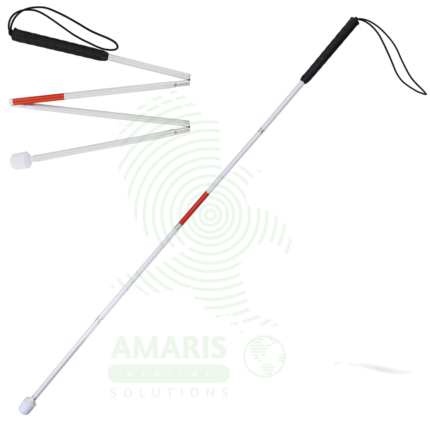
Blind Cane
A Blind Cane (white cane) is a specialized, lightweight mobility tool used by individuals who are blind or visually impaired for navigation and environmental awareness. Its core function is tactile and auditory detection of obstacles, drop-offs, and surface changes one step ahead of the user. Key features include a white shaft for visibility, an ergonomic grip, and a replaceable, specialized tip. It is not a walking stick for balance but a sensory probe. Its effective and safe use requires mandatory training in specific techniques from a certified Orientation and Mobility (O&M) specialist.
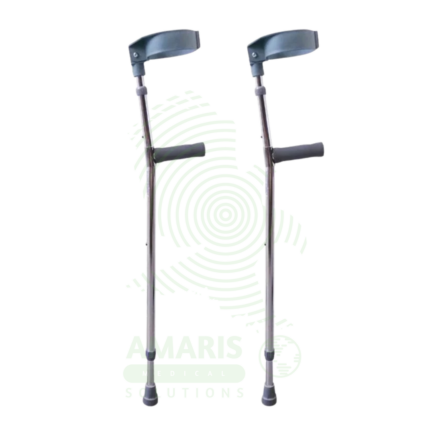
Elbow & Axiliary Crutches
An Elbow & Axiliary Crutches feature a forearm cuff and are designed for long-term mobility, offering a natural gait for unilateral or bilateral conditions. Auxiliary (Underarm) Crutches have an axillary pad and are for short-term, non-weight-bearing use after injury or surgery. Both require precise fitting—forearm crutch cuffs must be below the elbow, and underarm crutch weight must be borne through the hands to avoid nerve damage. Proper gait training from a therapist is essential for safe use of either type.
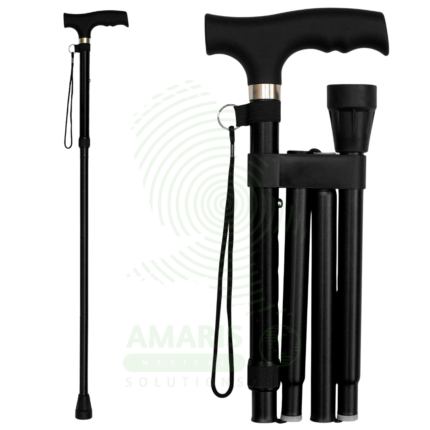
Foldable Walking Stick
A Foldable Walking Stick combines a stabilizing four-point base with a multi-section shaft that folds for compact storage and portability. It is designed for individuals who need reliable stability for moderate balance or weight-bearing issues but also require a discreet, transportable aid for use in the community. Key safety features include secure segment locking mechanisms and a quad base that must be placed flat. It is ideal for travel, occasional use, and active seniors, but requires diligent checking of all locks before each use to prevent collapse.
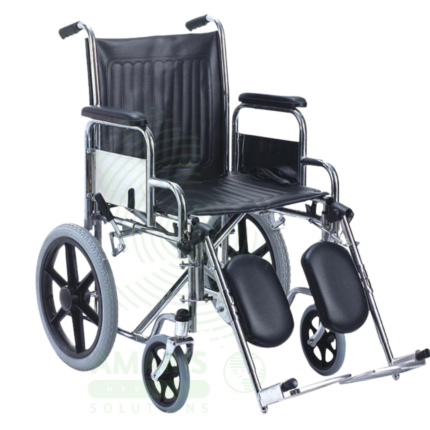
Orthopedic Wheelchair
An Orthopedic Wheelchair is a specialized manual wheelchair with an extended frame and elevating leg rests, designed to support patients who must keep one or both lower limbs in a straight, non-weight-bearing position. It is primarily used for managing lower limb fractures, post-operative recovery (e.g., hip replacements), and conditions requiring heel-off-loading to prevent pressure sores. Its key safety consideration is a heightened risk of tipping backwards due to the forward weight of the extended leg, requiring cautious use, engagement of anti-tip levers, and awareness of its increased length during navigation.
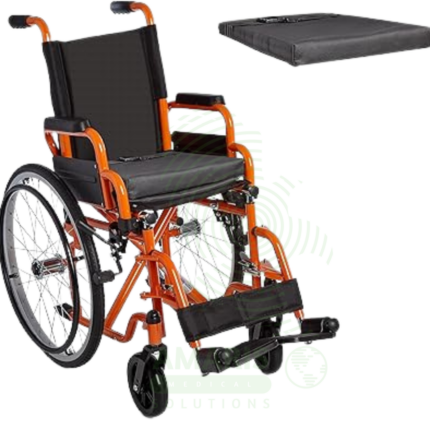
Pediatric Wheelchair
A Pediatric Wheelchair is a specially sized and designed mobility device for children with long-term physical disabilities. Its core functions are to provide independent or assisted mobility, deliver critical postural support to promote proper skeletal development and prevent deformities, and serve as a platform for inclusion in home, school, and community life. Unlike adult chairs, it features extensive adjustability to accommodate growth and modular seating systems tailored to each child's specific postural and medical needs. Prescription and fitting by a rehabilitation team are essential for safe and effective use.
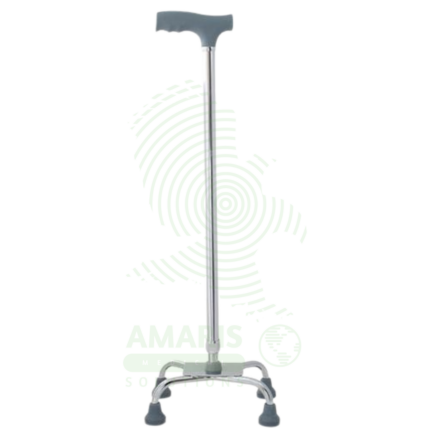
Quadpod Walking Stick
A Quadpod Walking Stick (Quad Cane) is a mobility aid featuring a four-legged base attached to a single shaft, providing significantly greater stability than a standard cane. It is designed for individuals with moderate balance issues or who need to safely offload weight from one leg due to pain or injury. Its wide base offers multi-directional support but requires a specific "lift-and-place" gait technique. While offering more security, its wider footprint can be cumbersome in tight spaces. Proper fitting and user training are essential for safe and effective use as a medically prescribed aid.
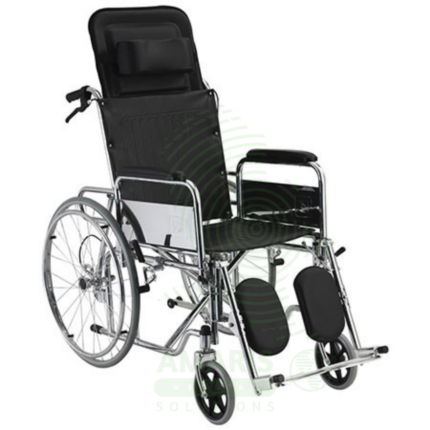
Reclining Wheelchair
A Reclining Wheelchair is a manual wheelchair with a backrest that can be manually adjusted to various angles. It is designed for users who need to change their sitting position for pressure relief, circulatory management, respiratory support, or comfort but do not require powered mobility. Key safety features include a robust locking mechanism, mandatory use of anti-tip levers and a seat belt when reclined, and synchronized elevating leg rests to prevent sliding. It is heavier and less maneuverable than a standard wheelchair but provides essential positioning options for individuals with specific postural and medical needs.