Dermatoscope and Magnifiers
 Diagnostic Kits
 Vital Signs Monitors
 Stethoscopes and Accessories
 Otoscopes, Ophthalmoscopes, and Retinoscopes
 Reflex Hammers and Neurological Tools
 Scales and Measuring Devices
 Spirometers and Pulmonary Function Tests
 Electrosurgical Units and Accessories
 Cutting Instruments
 Grasping and Holding Instruments
 Hemostatic Instruments
 Specialized Surgical Sets
 Single-Use Procedure Trays and Packs
 Surgical Drapes, Gowns, and Covers
 Tissue Unifying Instruments
 Radiation Protection
 X-Ray Machines and Accessories
 Ultrasound Systems and Probes
 MRI and CT Scanners
 Radiology Consumables
 Bone Densitometers
 Fluoroscopy Equipment
 Imaging Tables and Positioning Aids
 Microscopes and Accessories
 Centrifuges and Separators
 Analyzers
 Incubators and Ovens
 Pipettes, Dispensers, and Lab Glassware
 Refrigerators, Freezers, and Storage Units
 Lab Consumables
 Sterilizers and Autoclaves for Lab Use
 Multi-Parameter Monitors
 Ventilators and Respiratory Support Devices
 Defibrillators and AEDs
 Infusion Pumps and IV Systems
 Patient Warmers and Cooling Devices
 Central Monitoring Stations
 Accessories
 Anesthesia Machines and Workstations
 Oxygen Concentrators and Delivery Systems
 Nebulizers and Inhalers
 CPAP/BiPAP Machines
 Airway Management
 Anesthesia Masks, Circuits, and Bags
 Humidifiers and Heaters
 Respiratory Therapy Accessories
 First Aid Kits and Cabinets
 Emergency Resuscitation Equipment
 Trauma Supplies
 Emergency Carts and Crash Carts
 Burn Care Products
 Bleeding Control
 Automated External Defibrillators (AEDs)
 Transport and Evacuation
 Wheelchairs and Accessories
 Walkers, Crutches, and Canes
 Prosthetics and Orthotics
 Physical Therapy Equipment
 Transfer Devices
 Bathroom Safety
 Orthopedic Traction and Tables
 Hot/Cold Therapy Packs and Units
 Beds and Mattresses
 Chairs and Stools
 Tables
 Cabinets and Storage
 Privacy Screens & Curtains
 Stands and Racks
 Linens and Textiles
 Lighting
 Autoclaves and Sterilizers
 Ultrasonic Cleaners
 Disinfectant Solutions and Wipes
 Sterilization Pouches, Wraps, and Indicators
 Instrument Trays and Containers
 UV and Ozone Disinfection Devices
 Washer Disinfectors
 Wound Care
 Gloves
 Masks and Respirators
 Catheters and Tubing
 Swabs, Applicators, and Sponges
 Incontinence Products
 Personal Protective Equipment (PPE)
 Dental Chairs and Units
 Handpieces and Burs
 Instruments
 Consumables
 Sterilization for Dental Use
 Orthodontic Supplies
 Endodontic Tools
 Slit Lamps and Tonometers
 Lensometers and Phoropters
 Ophthalmic Surgical Instruments
 Eyewear Frames and Lenses
 Contact Lens Supplies
 Vision Testing Charts and Devices
 Eye Care Consumables
 Laser Systems for Eye Care
 ENT Exam Chairs and Tables
 Endoscopes
 Audiometers and Hearing Tests
 ENT Instruments
 Nasal and Throat Packs
 Hearing Aids and Accessories
 Otology Supplies
 Fetal Dopplers and Monitors
 Delivery Beds and Tables
 Gynecological Instruments
 Neonatal Incubators and Warmers
 Breast Pumps and Accessories
 Contraceptive Devices
 Maternity Supports and Pads
 Neonatal Consumables
 Cystoscopes and Urethroscopes
 Dialysis Machines and Supplies
 Urological Catheters and Bags
 Lithotripters
 Prostate Treatment Devices
 Urinary Incontinence Products
 Kidney Stone Management Tools
 Consumables & Disposables
 EEG and EMG Machines
 Neurosurgical Instruments
 Nerve Stimulators
 Headrests and Positioning Aids
 Lumbar Puncture Kits
 Seizure Monitoring Devices
 Consumables
 Rehabilitation for Neurological Conditions
 ECG Machines and Accessories
 Holter Monitors
 Stress Test Systems
 Pacemakers and Defibrillator Accessories
 Vascular Access Devices
 Cardiac Catheters and Guidewires
 Blood Flow Meters
 Consumables
 Orthopedic Instruments
 Casts, Splints, and Padding
 Joint Replacement Supplies
 Prosthetic Limbs and Components
 Bone Grafts and Substitutes
 Traction Devices
 Orthopedic Braces and Supports
 Rehabilitation Aids for Orthopedics
 Home Oxygen Therapy
 Hospital Beds for Home Use
 Mobility Aids
 Bathroom and Daily Living Aids
 Wound Care for Home
 Monitoring Devices
 Enteral Feeding Pumps and Tubes
 Hand Sanitizers and Dispensers
 Face Shields and Goggles
 Isolation Gowns and Suits
 Biohazard Waste Containers
 Air Purifiers and HEPA Filters
 Surface Disinfectants
 Sharps Containers
 Protective Barriers
 Cardiovascular & Endurance Training
 Strength Training & Weightlifting
 Functional Training & Core Conditioning
 Physical Therapy & Rehabilitation
 Sports & Outdoor Recreation
 Gym Flooring & Facility Equipment
 Fitness Monitoring & Accessories
 Kids & Novelties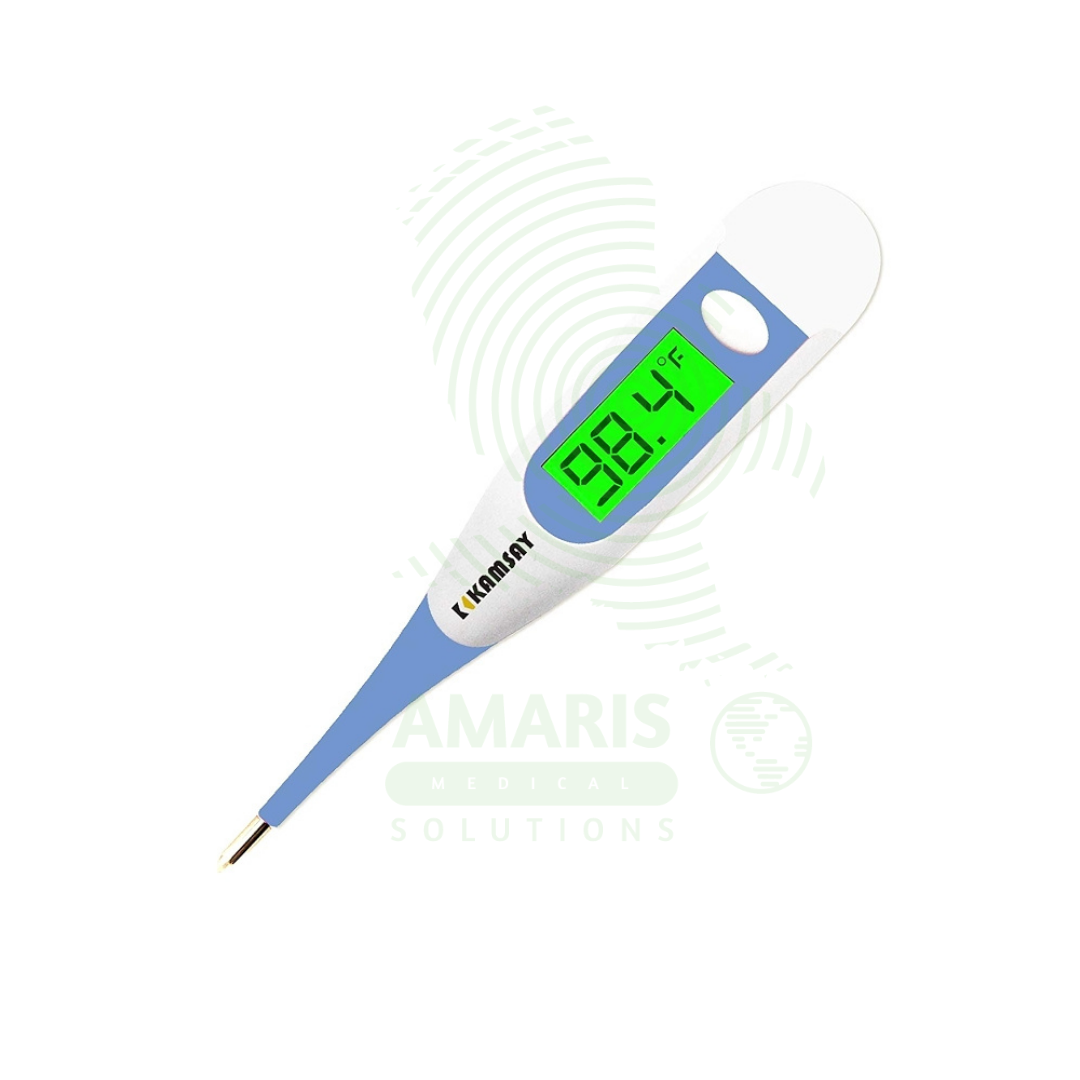
Thermometer For Children
WhatsApp Order
A Thermometer For Children is a pediatric-specific temperature measurement device available in rectal, tympanic (ear), temporal artery, non-contact infrared, axillary, and pacifier form factors, designed for accurate, rapid, and minimally invasive fever detection in neonates, infants, toddlers, and children. Features include flexible safety tips (rectal/oral), 1-60 second measurement times, accuracy ±0.1-0.3°C depending on type, backlit displays with large numerals, fever alerts (color-coded and audible), memory storage (10-50 readings), and auto-shutoff. Age-specific recommendations guide selection: rectal (gold standard for neonates <3 months), temporal (ideal for infants and sleeping children), tympanic (cooperative toddlers), and oral/axillary (older children). Primary clinical applications include fever detection in febrile children, differentiation of fever patterns, neonatal and infant temperature monitoring, antipyretic medication guidance, febrile seizure risk assessment, post-vaccination monitoring, and school/daycare health screening. Class II medical device requiring FDA clearance. Critical safety considerations include proper technique for each measurement site, age-appropriate thermometer selection, hygiene (cleaning and probe covers), rectal thermometer safety (lubrication, gentle insertion, dedicated use), and recognition of fever thresholds requiring medical attention.
Description
Thermometer For Children
PRIMARY CLINICAL & DIAGNOSTIC USES
1. Fever Detection in Febrile Children:
-
Primary Use: Provides rapid, accurate temperature measurement in children presenting with fever, enabling timely identification of infections and guidance for antipyretic administration. Early detection allows parents and caregivers to monitor fever trends and seek medical attention when appropriate.
-
How it helps: Gives parents a reliable way to know when their child is truly feverish, taking the guesswork out of a warm forehead and providing objective data that helps them decide when to medicate and when to call the doctor.
2. Differentiation of Fever Patterns in Pediatric Illness:
-
Primary Use: Serial temperature measurements help characterize fever patterns (intermittent, remittent, continuous, relapsing) that may suggest specific pediatric conditions such as roseola, Kawasaki disease, urinary tract infections, or bacterial versus viral etiologies.
-
How it helps: Helps pediatricians distinguish between different childhood illnesses based on how the fever behaves, providing valuable diagnostic clues that guide further testing and treatment decisions.
3. Neonatal and Infant Temperature Monitoring:
-
Primary Use: Newborns and infants require precise temperature assessment due to immature thermoregulation and increased susceptibility to serious bacterial infections. Specially designed pediatric thermometers with flexible tips and rapid measurement minimize discomfort in this vulnerable population.
-
How it helps: Protects the youngest and most vulnerable patients by providing accurate temperature readings without causing distress, ensuring that even newborns receive appropriate monitoring for signs of infection.
4. Antipyretic Medication Guidance:
-
Primary Use: Serial temperature measurements guide timing and dosing of acetaminophen or ibuprofen administration, helping parents avoid under-treatment of fever or over-dosing of medications based on accurate temperature trends.
-
How it helps: Empowers parents to medicate their children safely and effectively, knowing exactly when a fever is high enough to treat and when medication is wearing off and another dose is needed.
5. Febrile Seizure Risk Assessment:
-
Primary Use: Children with a history of febrile seizures require close temperature monitoring during illness to identify rapid temperature elevations that may trigger seizure activity and guide proactive antipyretic intervention.
-
How it helps: Provides peace of mind for parents of children prone to febrile seizures, allowing them to monitor for dangerous temperature spikes and intervene before a seizure can occur.
6. Post-Vaccination Monitoring:
-
Primary Use: Following childhood immunizations, parents can monitor for vaccine-related fever, distinguishing expected immune response from intercurrent illness requiring medical attention.
-
How it helps: Helps parents navigate the common post-vaccination question of whether a fever is a normal reaction or something more concerning, reducing unnecessary worry and phone calls to the pediatrician.
7. School and Daycare Health Screening:
-
Primary Use: Non-contact infrared thermometers enable rapid, hygienic temperature screening of multiple children entering schools or daycare facilities, identifying potentially contagious individuals while minimizing cross-contamination risk.
-
How it helps: Keeps classrooms and daycare centers healthier by quickly identifying children who may be coming down with an illness, allowing them to be sent home before they can spread infection to others.
SECONDARY & SUPPORTIVE USES
1. Teething-Related Temperature Assessment: Helps parents distinguish between low-grade temperature elevation associated with teething versus fever requiring medical evaluation, providing clarity during this common source of parental concern.
2. Travel Medicine: Portable thermometers allow parents to monitor children for fever during international travel when access to medical care may be limited, providing essential health monitoring far from home.
3. Chronic Illness Monitoring: Children with oncologic conditions, immunodeficiencies, or rheumatologic diseases require regular temperature monitoring as part of disease management, supporting ongoing care for complex medical needs.
4. Sibling Illness Surveillance: When one child is ill, parents can monitor siblings for fever development to detect spread of contagious illnesses, helping contain infections within families.
5. Nanny and Caregiver Communication: Accurate temperature documentation facilitates communication between parents and caregivers regarding a child’s health status, ensuring everyone caring for the child has the same information.
KEY PRODUCT FEATURES
1. BASIC IDENTIFICATION ATTRIBUTES
-
Device Type: Digital thermometer specifically designed or calibrated for pediatric use, available in multiple form factors including rectal, oral, axillary, tympanic, and non-contact infrared.
-
Common Names: Pediatric Thermometer, Baby Thermometer, Children's Thermometer, Kid's Fever Thermometer.
-
Form Factors for Children:
-
Rectal: Flexible tip, short measurement time, most accurate for infants <3 months.
-
Tympanic (Ear): Probe with disposable covers, 1-3 second measurement, suitable for cooperative toddlers.
-
Temporal Artery: Non-contact or swipe-across-forehead, 1-2 second measurement, ideal for sleeping children.
-
Non-Contact Infrared: Measures from forehead without touching, 1-second measurement, hygienic for multiple children.
-
Axillary (Underarm): Standard digital, slower measurement, less accurate but acceptable for screening.
-
Pacifier Thermometer: Integrated into pacifier, convenient for infants but less accurate.
-
-
Display: Backlit LCD with large numerals for easy reading, fever alert with color-coded display (green/yellow/red) or audible alarm.
-
Power Source: Replaceable battery (coin cell or AAA) or rechargeable lithium-ion.
2. TECHNICAL & PERFORMANCE PROPERTIES
-
Measurement Accuracy by Type:
-
Rectal: ±0.1°C (±0.2°F) - Gold standard for infants.
-
Tympanic: ±0.2°C (±0.4°F) with proper technique.
-
Temporal: ±0.3°C (±0.5°F) when used correctly.
-
Non-Contact Infrared: ±0.3°C (±0.5°F) at forehead.
-
Axillary: ±0.2°C (±0.4°F) but reads 0.5-1°C lower than core.
-
-
Measurement Range: 32-43°C (90-109°F) typical for clinical use.
-
Measurement Time: 1-60 seconds depending on type; rectal/axillary 10-60 seconds; tympanic/temporal/non-contact 1-3 seconds.
-
Probe Design: Flexible tip (rectal/oral), rigid (tympanic), or non-contact (infrared).
-
Memory: Stores 10-50 previous readings for trend tracking.
-
Fever Alert: Audible and visual (color-coded backlight) when temperature exceeds preset threshold (typically 37.5-38°C/99.5-100.4°F).
-
Water Resistance: Splash-proof or fully waterproof for cleaning.
3. PHYSICAL & OPERATIONAL PROPERTIES
-
Rectal/Oral/Axillary Thermometers:
-
Dimensions: 5-6 inches length × 0.5 inches diameter.
-
Probe Tip: Flexible, soft, rounded for infant safety.
-
Weight: 0.5-1 ounce with battery.
-
-
Tympanic (Ear) Thermometers:
-
Dimensions: 5-6 inches length × 1.5-2 inches width at probe.
-
Probe Size: 5-8 mm diameter, angled for ear canal.
-
Probe Covers: Disposable covers required for hygiene; some models have cover detectors.
-
-
Temporal/Non-Contact Thermometers:
-
Dimensions: 6-8 inches length × 1.5-2 inches width.
-
Sensor Distance: 1-5 cm from forehead (non-contact models).
-
Scan Area: Temporal artery area or forehead center.
-
-
Display: 1-2 inch backlit LCD with large numerals (0.5-1 inch height) for easy reading.
-
Battery: CR2032 coin cell (1-2 years life) or AAA (6-12 months).
-
Storage Case: Protective case included for hygiene and storage.
4. SAFETY & COMPLIANCE ATTRIBUTES
-
Regulatory Status: Class II medical device requiring FDA 510(k) clearance; CE Mark for European market.
-
Clinical Standards: Complies with ASTM E1965 for infrared thermometers; ISO 80601-2-56 for clinical thermometers.
-
Pediatric Safety: Flexible tips, rounded edges, non-toxic materials (BPA-free, phthalate-free).
-
Latex-Free: All patient-contact materials latex-free.
-
Electrical Safety: Compliant with IEC 60601-1; low-voltage battery operation.
-
Ingress Protection: IP22 or higher for moisture resistance during cleaning.
-
Probe Cover Detection: Tympanic models have sensors to prevent measurement without cover.
-
Auto-Shutoff: Powers off after 1-3 minutes to conserve battery.
5. STORAGE & HANDLING ATTRIBUTES
-
Storage: Store in protective case at room temperature (10-40°C); avoid direct sunlight, extreme temperatures, and humidity.
-
Probe Care (Rectal/Oral): Clean probe with alcohol wipe before and after each use. For rectal use, designate a specific thermometer for rectal only and label clearly.
-
Probe Covers (Tympanic): Use new disposable cover for each child; never reuse covers.
-
Lens Care (Infrared): Clean lens gently with soft cloth; avoid scratching.
-
Battery Maintenance: Remove battery if storing long-term; check battery status before use.
-
Calibration: Some models require annual calibration check; follow manufacturer recommendations.
-
Inspection: Before each use, verify display function, probe integrity, and battery status.
6. LABORATORY & CLINICAL APPLICATIONS
-
Primary Application: Home and clinical temperature measurement in pediatric populations from neonates through adolescents, with form factors tailored to developmental stage and cooperation level.
-
Age-Specific Recommendations:
-
Neonates (0-3 months): Rectal digital thermometer recommended for accuracy; temporal acceptable for screening.
-
Infants (3-12 months): Rectal or temporal; tympanic may be difficult due to small ear canals.
-
Toddlers (1-3 years): Tympanic, temporal, or axillary; rectal if accuracy critical.
-
Children (3+ years): Oral (if cooperative), tympanic, temporal, or axillary.
-
-
Fever Definition: Temperature ≥38.0°C (100.4°F) rectal; ≥37.5°C (99.5°F) oral; ≥37.2°C (99.0°F) axillary.
-
Limitations: Accuracy depends on proper technique, site selection, and device calibration; no thermometer replaces clinical judgment.
SAFETY HANDLING PRECAUTIONS
1. SAFETY PRECAUTIONS
-
Rectal Thermometer Safety: Lubricate tip with water-based gel; insert gently 1-2 cm only; never force; designate and label thermometer for rectal use only to prevent cross-contamination.
-
Tympanic Thermometer Safety: Pull ear gently back and up (children >1 year) or back and down (<1 year) to straighten canal; aim probe at opposite eye/ear junction; cerumen impaction causes falsely low readings.
-
Temporal/Non-Contact Safety: Hold perpendicular to forehead; follow manufacturer distance guidelines; sweat or hair on forehead affects accuracy.
-
Oral Thermometer Safety: Wait 15-30 minutes after eating/drinking; place under tongue in sublingual pocket; child must keep mouth closed during measurement.
-
Axillary Thermometer Safety: Place in center of dry armpit; hold arm close to body; allow adequate time (manufacturer recommended).
-
Hygiene: Clean thermometer before and after each use; never share without disinfection; use probe covers when available.
-
Choking Hazard: Keep batteries and small parts away from young children; secure battery compartment.
-
Glass Thermometers: Avoid mercury-containing glass thermometers due to breakage and toxicity risks.
2. FIRST AID MEASURES
-
High Fever (≥39°C/102.2°F): Remove excess clothing; offer fluids; administer antipyretics per weight-based dosing; seek medical advice for infants <3 months with any fever.
-
Fever with Altered Mental Status: Seek emergency care immediately; may indicate serious infection.
-
Fever with Seizure: Protect child from injury; time seizure; seek emergency care if first seizure or prolonged >5 minutes.
-
Broken Glass Thermometer: If mercury thermometer breaks, evacuate area, ventilate, and follow EPA mercury cleanup guidelines; do not vacuum.
-
Battery Ingestion: Seek immediate emergency care if the coin cell battery is swallowed; do not induce vomiting.
3. FIRE FIGHTING MEASURES
-
Flammability: Plastic components and batteries are combustible.
-
Extinguishing Media: For electrical fire, use CO₂ or dry chemical (Class C) extinguisher.
-
Battery Fire: Damaged lithium battery may ignite; use Class D extinguisher or sand.
Related products
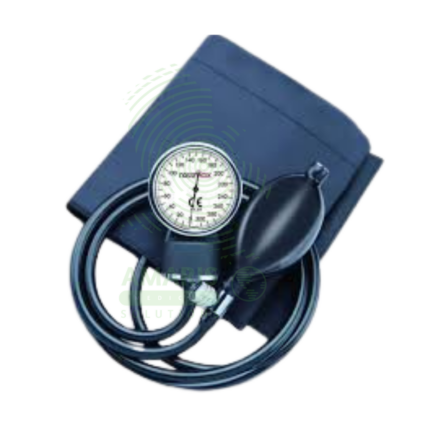
Aneroid Blood Pressure Monitor
The Aneroid Blood Pressure Monitor is a manual, mechanical sphygmomanometer used for the accurate, non-invasive measurement of arterial blood pressure. Operating on the auscultatory method, it consists of an inflatable cuff, a pump bulb with a release valve, and a calibrated dial gauge. Renowned for its reliability, durability, and independence from electrical power, it serves as a clinical gold standard and essential tool in physician offices, hospitals, and for guided home monitoring. Its accuracy is dependent on proper technique, correct cuff size, and regular calibration, making it a fundamental device for diagnosing and managing hypertension and assessing cardiovascular health.
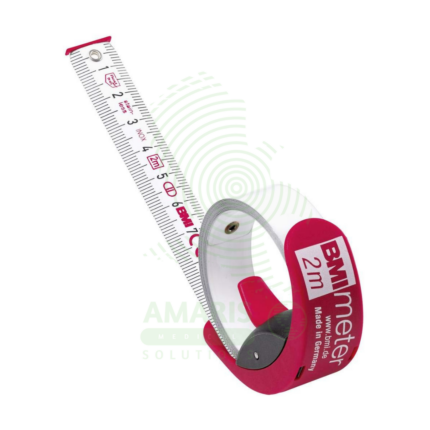
BMI Tape
A BMI Tape is a rapid screening tool that estimates an individual's Body Mass Index (BMI) category by measuring body circumference, most commonly the waist. It features a color-coded scale that directly displays BMI ranges (Underweight, Normal, Overweight, Obese), eliminating the need for separate height and weight measurements and manual calculation. While highly useful for community health screenings, wellness programs, and patient education due to its portability and simplicity, it is an approximate method. Its accuracy is limited compared to BMI calculated from precise clinical measurements, and it should be used as an initial screening indicator rather than a definitive diagnostic tool.
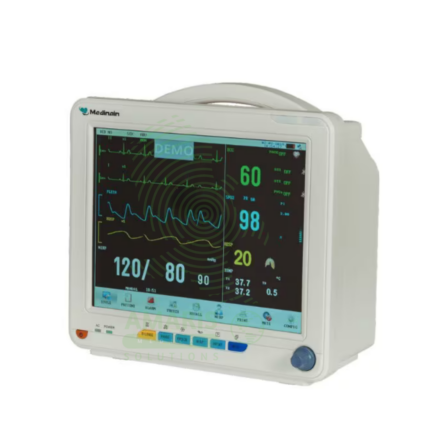
ECG Machine
An ECG Machine is a Class II medical device that records and displays the electrical activity of the heart through surface electrodes, producing an electrocardiogram for diagnosis of cardiac conditions. Standard diagnostic machines record 12 simultaneous leads (3 limb, 6 precordial, 1 ground) with frequency response 0.05-150 Hz, sampling rate 500-1,000 Hz, and high-resolution (5-10 µV) signal acquisition. Features include color touchscreen display, thermal array printer, computerized interpretation algorithms, internal memory (50-500+ ECGs), and network connectivity for EMR integration. Lead wires (AHA or IEC color coding) connect to disposable adhesive electrodes. Portable models (5-15 kg) with rechargeable batteries enable bedside and mobile use; cart-mounted units provide full diagnostic capability. Primary clinical applications include diagnosis of arrhythmias (AF, VT, bradycardia), detection of myocardial ischemia/infarction (STEMI, NSTEMI), evaluation of chest pain, preoperative cardiac risk assessment, monitoring electrolyte imbalances, assessment of chamber enlargement, and drug effect/toxicity monitoring. Essential diagnostic equipment in emergency departments, cardiology clinics, ICUs, operating rooms, and primary care settings worldwide.
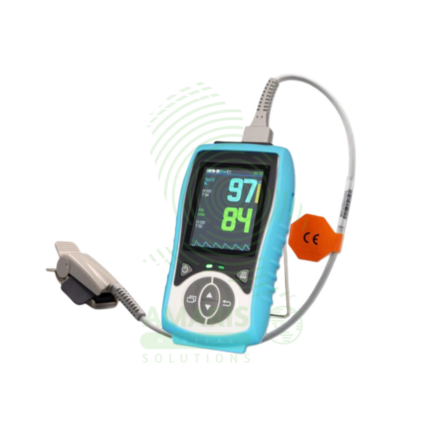
Handheld Pulse Oximeter
A Handheld Pulse Oximeter is a professional-grade, portable medical device used by healthcare providers for accurate and reliable monitoring of blood oxygen saturation (SpO2) and pulse rate. It consists of a durable, feature-rich monitor unit and separate, interchangeable sensors for use on fingers, toes, or ears. Superior to basic fingertip models, it offers advanced functions like configurable alarms, detailed plethysmograph display, trend memory, and data connectivity. Its robust design, clinical accuracy under challenging conditions (motion, low perfusion), and versatility make it an essential tool in hospitals, clinics, ambulances, and home health for patient assessment and monitoring.
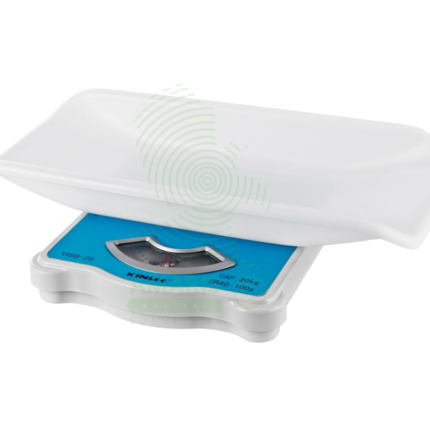
Manual Baby Weighing Scale
A Manual Baby Weighing Scale is a simple, mechanical device used to measure infant weight without the need for electricity or batteries. Operating on a spring or balance principle, it features a suspended sling or seat and a dial display. Its primary advantage is durability and portability for use in community health, outreach programs, and areas with unreliable power. While less precise than digital scales, it provides a reliable and accessible means to monitor growth trends and screen for undernutrition in resource-limited settings, making it a vital tool for basic pediatric care in the field.
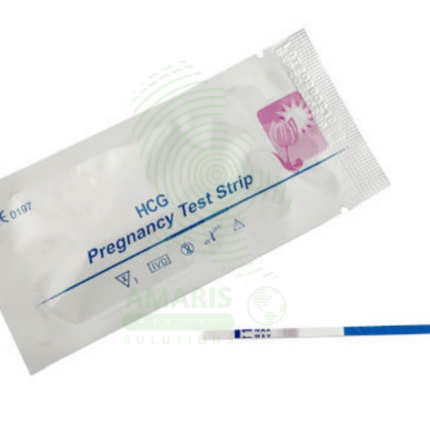
Pregnancy Test Strips
Pregnancy Test Strips are simple, dip-style lateral flow devices designed for the rapid, qualitative detection of human chorionic gonadotropin (hCG) in urine to indicate pregnancy. As the most fundamental format of home pregnancy tests, they offer high sensitivity (often from 10 mIU/mL), affordability, and a quick result within 3-5 minutes. Their ease of use makes them a widely accessible first step in pregnancy detection for personal use and clinical screening. A visible test line, even if faint, is a positive result, though confirmation with a healthcare provider is always recommended.
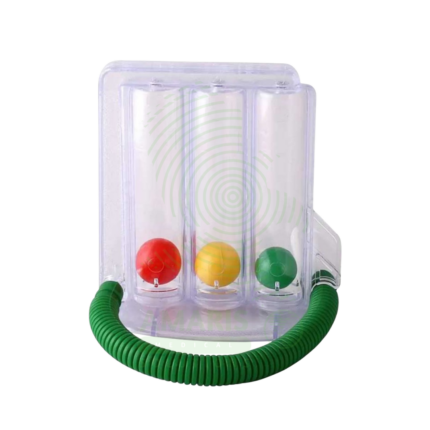
Spirometer
A Spirometer is an essential diagnostic medical device used to measure how much and how quickly air can be inhaled and exhaled by the lungs. By performing forced breathing maneuvers, it generates key parameters—primarily Forced Vital Capacity (FVC) and Forced Expiratory Volume in 1 second (FEV1)—that are fundamental for diagnosing and monitoring obstructive and restrictive lung diseases like Asthma and COPD. Requiring daily calibration and strict adherence to international standards (ATS/ERS), it provides the objective, reproducible data needed for clinical decision-making in pulmonology, primary care, occupational health, and pre-operative assessment.