Dermatoscope and Magnifiers
 Diagnostic Kits
 Vital Signs Monitors
 Stethoscopes and Accessories
 Otoscopes, Ophthalmoscopes, and Retinoscopes
 Reflex Hammers and Neurological Tools
 Scales and Measuring Devices
 Spirometers and Pulmonary Function Tests
 Electrosurgical Units and Accessories
 Cutting Instruments
 Grasping and Holding Instruments
 Hemostatic Instruments
 Specialized Surgical Sets
 Single-Use Procedure Trays and Packs
 Surgical Drapes, Gowns, and Covers
 Tissue Unifying Instruments
 Radiation Protection
 X-Ray Machines and Accessories
 Ultrasound Systems and Probes
 MRI and CT Scanners
 Radiology Consumables
 Bone Densitometers
 Fluoroscopy Equipment
 Imaging Tables and Positioning Aids
 Microscopes and Accessories
 Centrifuges and Separators
 Analyzers
 Incubators and Ovens
 Pipettes, Dispensers, and Lab Glassware
 Refrigerators, Freezers, and Storage Units
 Lab Consumables
 Sterilizers and Autoclaves for Lab Use
 Multi-Parameter Monitors
 Ventilators and Respiratory Support Devices
 Defibrillators and AEDs
 Infusion Pumps and IV Systems
 Patient Warmers and Cooling Devices
 Central Monitoring Stations
 Accessories
 Anesthesia Machines and Workstations
 Oxygen Concentrators and Delivery Systems
 Nebulizers and Inhalers
 CPAP/BiPAP Machines
 Airway Management
 Anesthesia Masks, Circuits, and Bags
 Humidifiers and Heaters
 Respiratory Therapy Accessories
 First Aid Kits and Cabinets
 Emergency Resuscitation Equipment
 Trauma Supplies
 Emergency Carts and Crash Carts
 Burn Care Products
 Bleeding Control
 Automated External Defibrillators (AEDs)
 Transport and Evacuation
 Wheelchairs and Accessories
 Walkers, Crutches, and Canes
 Prosthetics and Orthotics
 Physical Therapy Equipment
 Transfer Devices
 Bathroom Safety
 Orthopedic Traction and Tables
 Hot/Cold Therapy Packs and Units
 Beds and Mattresses
 Chairs and Stools
 Tables
 Cabinets and Storage
 Privacy Screens & Curtains
 Stands and Racks
 Linens and Textiles
 Lighting
 Autoclaves and Sterilizers
 Ultrasonic Cleaners
 Disinfectant Solutions and Wipes
 Sterilization Pouches, Wraps, and Indicators
 Instrument Trays and Containers
 UV and Ozone Disinfection Devices
 Washer Disinfectors
 Wound Care
 Gloves
 Masks and Respirators
 Catheters and Tubing
 Swabs, Applicators, and Sponges
 Incontinence Products
 Personal Protective Equipment (PPE)
 Dental Chairs and Units
 Handpieces and Burs
 Instruments
 Consumables
 Sterilization for Dental Use
 Orthodontic Supplies
 Endodontic Tools
 Slit Lamps and Tonometers
 Lensometers and Phoropters
 Ophthalmic Surgical Instruments
 Eyewear Frames and Lenses
 Contact Lens Supplies
 Vision Testing Charts and Devices
 Eye Care Consumables
 Laser Systems for Eye Care
 ENT Exam Chairs and Tables
 Endoscopes
 Audiometers and Hearing Tests
 ENT Instruments
 Nasal and Throat Packs
 Hearing Aids and Accessories
 Otology Supplies
 Fetal Dopplers and Monitors
 Delivery Beds and Tables
 Gynecological Instruments
 Neonatal Incubators and Warmers
 Breast Pumps and Accessories
 Contraceptive Devices
 Maternity Supports and Pads
 Neonatal Consumables
 Cystoscopes and Urethroscopes
 Dialysis Machines and Supplies
 Urological Catheters and Bags
 Lithotripters
 Prostate Treatment Devices
 Urinary Incontinence Products
 Kidney Stone Management Tools
 Consumables & Disposables
 EEG and EMG Machines
 Neurosurgical Instruments
 Nerve Stimulators
 Headrests and Positioning Aids
 Lumbar Puncture Kits
 Seizure Monitoring Devices
 Consumables
 Rehabilitation for Neurological Conditions
 ECG Machines and Accessories
 Holter Monitors
 Stress Test Systems
 Pacemakers and Defibrillator Accessories
 Vascular Access Devices
 Cardiac Catheters and Guidewires
 Blood Flow Meters
 Consumables
 Orthopedic Instruments
 Casts, Splints, and Padding
 Joint Replacement Supplies
 Prosthetic Limbs and Components
 Bone Grafts and Substitutes
 Traction Devices
 Orthopedic Braces and Supports
 Rehabilitation Aids for Orthopedics
 Home Oxygen Therapy
 Hospital Beds for Home Use
 Mobility Aids
 Bathroom and Daily Living Aids
 Wound Care for Home
 Monitoring Devices
 Enteral Feeding Pumps and Tubes
 Hand Sanitizers and Dispensers
 Face Shields and Goggles
 Isolation Gowns and Suits
 Biohazard Waste Containers
 Air Purifiers and HEPA Filters
 Surface Disinfectants
 Sharps Containers
 Protective Barriers
 Cardiovascular & Endurance Training
 Strength Training & Weightlifting
 Functional Training & Core Conditioning
 Physical Therapy & Rehabilitation
 Sports & Outdoor Recreation
 Gym Flooring & Facility Equipment
 Fitness Monitoring & Accessories
 Kids & Novelties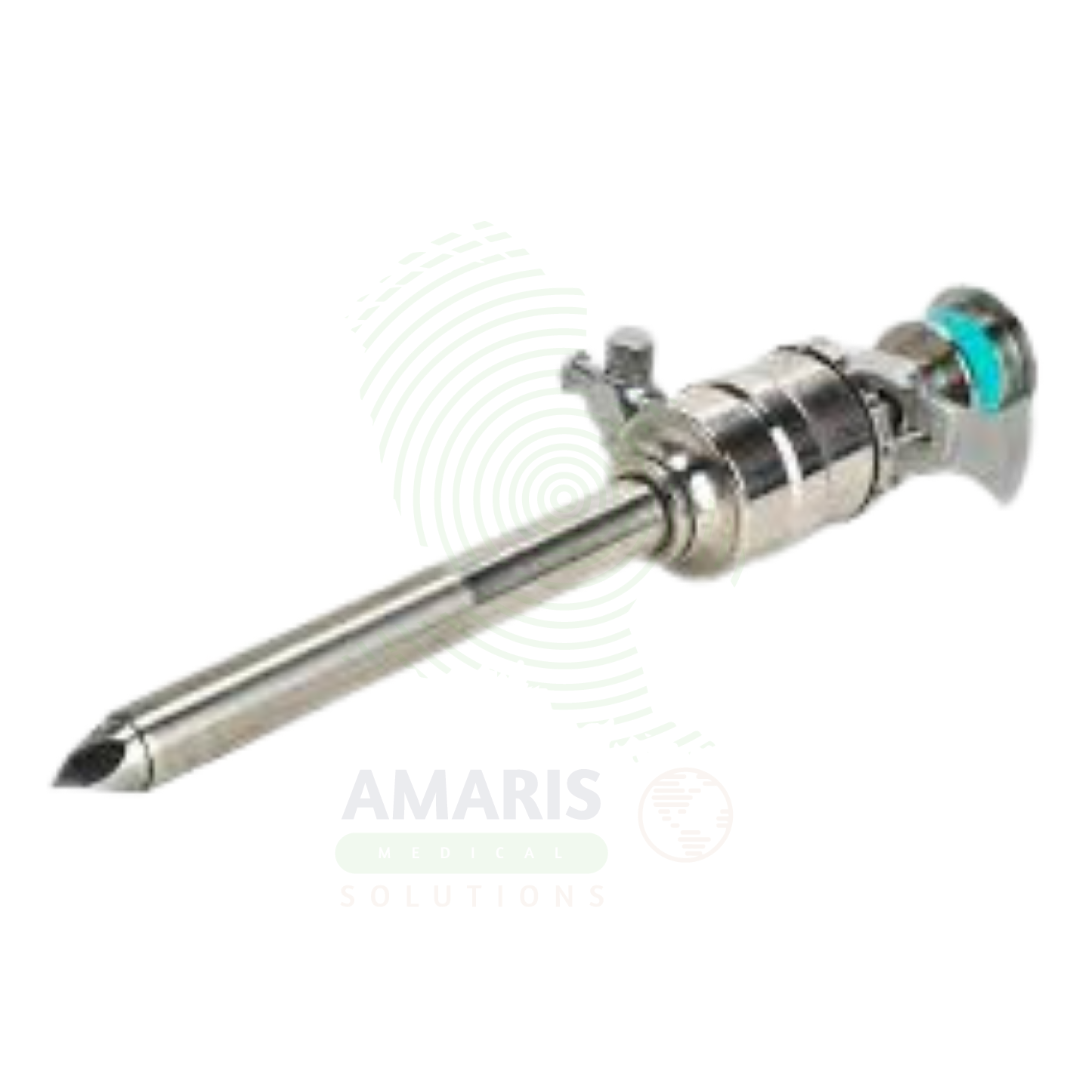
Trocar
WhatsApp Order
A Trocar is a surgical instrument used to establish access ports for laparoscopic and minimally invasive procedures. Consisting of a sharp or bladeless obturator housed within a cannula, it provides entry into the abdominal or thoracic cavity while maintaining pneumoperitoneum through integrated sealing valves. Available in various diameters (3-15 mm) and configurations (bladed, bladeless, optical, reusable, disposable), trocars enable the safe passage of laparoscopes, graspers, scissors, and staplers, forming the foundation of modern minimally invasive surgery.
Description
Trocar
PRIMARY CLINICAL & DIAGNOSTIC USES
1. Establishment of Laparoscopic Access Ports
-
Primary Use: Provides initial access into the abdominal cavity for laparoscopic and minimally invasive procedures. The trocar consists of a sharp obturator (stylet) housed within a cannula; the obturator is used to penetrate the abdominal wall, after which it is removed, leaving the cannula as a working port for instrument passage.
-
How it helps: For the laparoscopic surgeon, the trocar provides the gateway for all subsequent instruments—establishing safe access to the abdominal cavity while maintaining pneumoperitoneum and providing a sealed passage for scopes, graspers, scissors, and energy devices. For the patient, proper trocar placement enables the benefits of minimally invasive surgery: smaller incisions, less pain, and faster recovery.
2. Maintenance of Pneumoperitoneum
-
Primary Use: The cannula portion of the trocar remains in place after obturator removal, providing a sealed conduit for instrument passage while maintaining carbon dioxide insufflation pressure. Integrated valves prevent gas leakage during instrument exchange, preserving the pneumoperitoneum essential for visualization and working space.
-
How it helps: For the surgical team, the trocar’s sealing mechanism maintains consistent intra-abdominal pressure throughout the procedure—ensuring optimal visualization and working space without repeated loss of pneumoperitoneum. For the patient, stable insufflation pressure supports safe, efficient surgery with reduced risk of complications.
3. Bladed vs. Bladeless Trocar Systems
-
Primary Use: Traditional bladed trocars use a sharp cutting obturator to penetrate the abdominal wall. Modern bladeless (optical) trocars use a blunt, conical tip that separates tissue planes rather than cutting, allowing for visualization of tissue layers during entry and potentially reducing the risk of vascular and bowel injury.
-
How it helps: For the surgeon, bladeless trocars provide enhanced safety during entry—allowing visualization of tissue layers as the trocar passes through the abdominal wall, reducing the risk of inadvertent injury to underlying structures. For the patient, safer entry techniques reduce the risk of complications such as vascular injury, bowel perforation, and post-operative hernias.
4. Reusable vs. Disposable Trocars
-
Primary Use: Trocars are available in reusable (metal) and single-use (disposable) configurations. Reusable metal trocars are durable and designed for repeated sterilization, while disposable trocars offer consistent sharpness and eliminate reprocessing requirements.
-
How it helps: For the hospital and sterile processing department, reusable trocars provide cost savings over time with proper maintenance, while disposable trocars eliminate the need for cleaning and sterilization, reducing turnaround time between cases. For the patient, both options provide safe, reliable access when used appropriately.
5. Size Variants for Different Instrumentation
-
Primary Use: Trocars are available in various diameters (3 mm to 15 mm) to accommodate different instrument sizes. Smaller trocars (3-5 mm) are used for graspers, scissors, and dissectors; larger trocars (10-12 mm) accommodate staplers, clip appliers, and specimen retrieval devices; 15 mm trocars allow for larger instruments and specimen extraction.
-
How it helps: For the surgeon, having appropriately sized trocars for each instrument ensures efficient instrument exchange and optimal working conditions. For the patient, using the smallest possible trocar size minimizes incision size, reduces post-operative pain, and lowers the risk of incisional hernia.
SECONDARY & SUPPORTIVE USES
1. Thoracic Access: Trocars used for thoracoscopic (VATS) procedures to access the pleural cavity.
2. Robotic Surgery: Specially designed trocars for use with robotic surgical systems.
3. Reduced Port Surgery: Single-incision laparoscopic surgery (SILS) uses specialized trocars for multiple instruments through one incision.
4. Pediatric Laparoscopy: Smaller diameter trocars for pediatric patients.
5. Instrument Exchange: Cannula design allows for rapid exchange of instruments during procedures.
6. Wound Protection: Some trocars incorporate wound protectors to reduce the risk of port site metastases.
KEY PRODUCT FEATURES
1. BASIC IDENTIFICATION ATTRIBUTES
-
Device Type: A surgical instrument consisting of a sharp or bladed obturator within a cannula, used to establish access ports for laparoscopic surgery.
-
Designation: Trocar, Laparoscopic Trocar, Surgical Trocar, Access Port, Cannula.
-
Types:
-
Bladed Trocar: Sharp cutting obturator for tissue penetration.
-
Bladeless (Optical) Trocar: Conical tip that separates tissue; allows visualization during entry.
-
Radially Expanding Trocar: Expands tissue radially rather than cutting.
-
Reusable Trocar: Metal construction; designed for repeated sterilization.
-
Disposable Trocar: Single-use; sterile packaged.
-
-
Key Components:
-
Obturator (Stylet): The penetrating element; may be bladed or bladeless.
-
Cannula: Outer sheath that remains in place after obturator removal.
-
Sealing Mechanism: Valve(s) to prevent gas leakage during instrument exchange.
-
Insufflation Port: Connection for CO₂ insufflation tubing.
-
Fixation Mechanism: Threaded or expandable features to secure trocar in place.
-
2. TECHNICAL & PERFORMANCE PROPERTIES
-
Diameter: 3 mm, 5 mm, 8 mm, 10 mm, 11 mm, 12 mm, 15 mm.
-
Length: 50-150 mm depending on patient body habitus.
-
Material: Surgical-grade stainless steel (reusable); medical-grade plastic (disposable).
-
Obturator Tip: Bladed, bladeless, conical, or optical.
-
Sealing Valve: Duckbill, diaphragm, or magnetic valve systems.
-
Insufflation: Luer-lock or standard connector for CO₂ tubing.
3. PHYSICAL & OPERATIONAL PROPERTIES
-
Construction: Precision-machined metal or molded plastic.
-
Sterility: Disposable trocars are gamma or ethylene oxide sterilized; reusable require sterilization.
-
Ergonomics: Handle designed for controlled penetration.
-
Visualization: Optical trocars compatible with laparoscopes for visual entry.
4. SAFETY & COMPLIANCE ATTRIBUTES
-
Regulatory Status: Class II medical device regulated by FDA.
-
Biocompatibility: Materials safe for tissue contact.
-
Electrical Safety: Not applicable.
-
Sterility: Single-use trocars sterile; reusable require sterilization.
5. STORAGE & HANDLING ATTRIBUTES
-
Storage: Store in clean, dry location; protect tips from damage.
-
Cleaning (Reusable): Thorough cleaning after each use; ultrasonic cleaning recommended.
-
Sterilization (Reusable): Steam autoclave per manufacturer instructions.
-
Inspection: Inspect for damage, sharpness, or valve integrity before use.
6. LABORATORY & CLINICAL APPLICATIONS
-
Primary Application: Establishing access ports for laparoscopic and thoracoscopic surgery.
-
Clinical Role: Essential for all minimally invasive abdominal and thoracic procedures.
SAFETY HANDLING PRECAUTIONS
1. SAFETY PRECAUTIONS
-
Entry Technique: Use controlled, measured force during insertion; avoid excessive force.
-
Visualization: For optical trocars, ensure the laparoscope is properly positioned during entry.
-
Insufflation: Confirm CO₂ insufflation before instrument insertion.
-
Fixation: Ensure trocar is properly secured to prevent dislodgement.
-
Valve Function: Check sealing valves before instrument exchange.
-
Size Selection: Use appropriate trocar size for intended instruments.
2. FIRST AID MEASURES
-
Vascular Injury: If vascular injury occurs during insertion, leave trocar in place; convert to open or obtain surgical consultation immediately.
-
Bowel Injury: If bowel injury is suspected, consult general surgery; may require repair.
-
Gas Embolism: If signs of CO₂ embolism occur, discontinue insufflation; position patient left lateral decubitus.
3. FIRE FIGHTING MEASURES
-
Flammability: Plastic components are combustible; metal is non-flammable.
-
Extinguishing Media: Use water, foam, or CO₂ as appropriate for surrounding materials.
Related products
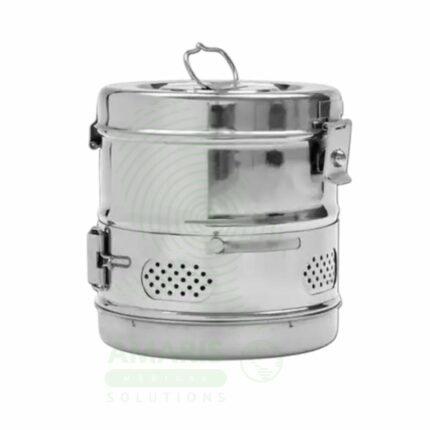
Dressing Drum
A Dressing Drum is a cylindrical, perforated metal container used for sterilizing and storing bulk quantities of dressings, gauze, and wound care supplies. The perforated design allows steam penetration during autoclave sterilization, while the hinged lid with locking mechanism maintains sterility during storage and allows aseptic dispensing. Made from stainless steel or anodized aluminum, it provides a durable, reusable solution for managing sterile supplies in operating rooms, procedure areas, and wound care clinics. Proper loading, drying, and labeling are essential for maintaining sterility and ensuring safe use.
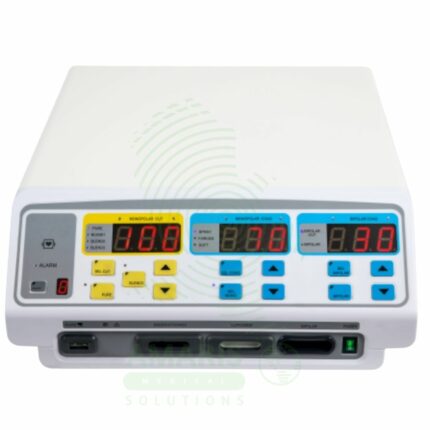
Electrosurgical Unit
An Electrosurgical Unit (ESU) is a radiofrequency generator that provides electrical energy for surgical cutting and coagulation. The ESU is a professional-grade system featuring monopolar and bipolar outputs, with safety-critical Return Electrode Monitoring (REM) for monopolar procedures. It is the universal surgical tool for precise tissue dissection with simultaneous hemostasis, used in open, laparoscopic, and endoscopic procedures across all specialties. Safe operation hinges on correct patient return pad placement, awareness of fire risks (especially with oxygen and flammable prep solutions), and adherence to protocols for patients with implanted electronic devices.
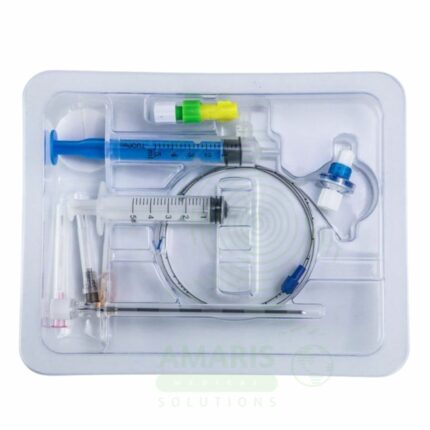
Epidural Kit
An Epidural Kit is a sterile, single-use convenience tray containing all components required for placement of an epidural catheter for regional anesthesia and analgesia. The kit includes a Tuohy-tip epidural needle, a flexible kink-resistant radiopaque catheter, loss-of-resistance syringe, and sterile drapes, preparing the procedural site for aseptic technique. Used in operating rooms, labor and delivery suites, and pain management settings, the epidural kit enables continuous administration of local anesthetics and opioids for surgical anesthesia, labor analgesia, and post-operative pain control. The loss-of-resistance technique provides tactile confirmation of correct catheter placement. Strict aseptic technique and continuous patient monitoring are essential to prevent complications including post-dural puncture headache, infection, and local anesthetic systemic toxicity.
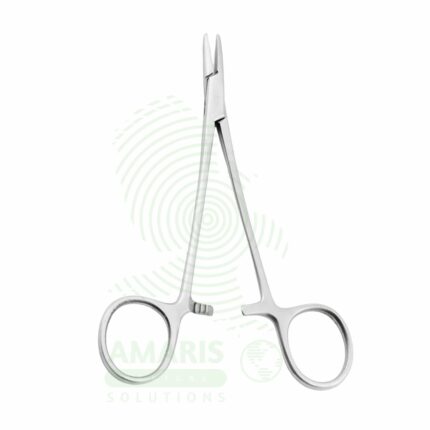
Needle Holders
Needle Holders are surgical instruments used to grasp, hold, and guide suture needles during wound closure and tissue approximation. Featuring serrated jaws with a locking ratchet mechanism, they provide secure needle control while allowing the surgeon to focus on precise suture placement. Available in various sizes and configurations including Mayo-Hegar for general surgery, Castroviejo for microsurgery, and Olsen-Hegar with integrated scissors. Made from surgical-grade stainless steel, often with tungsten carbide inserts for enhanced durability, they are essential instruments in all surgical specialties. Proper selection, handling, and regular inspection are critical for safe and effective use.
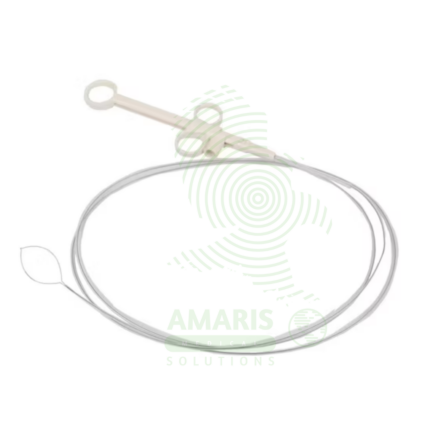
Polypectomy Snare
A Polypectomy Snare is a sterile, single-use Class II medical device (FDA-cleared, CE-marked) used during endoscopy (colonoscopy, gastroscopy, enteroscopy) for resecting polyps and mucosal lesions from the gastrointestinal tract. The device consists of a flexible stainless steel braided wire loop (10-40 mm diameter) that opens and closes via an ergonomic handle, delivered through an insulated PTFE or PEEK sheath compatible with standard endoscopes (working channel 2.0-2.8 mm). Available in various shapes (oval, round, crescent, hexagonal) for different polyp types (pedunculated, sessile, flat). Used with electrosurgical generators for hot snare polypectomy (cautery-assisted) or without for cold snare polypectomy (small polyps). Primary clinical applications include removal of colorectal polyps to prevent colorectal cancer, resection of gastric and esophageal polyps, treatment of bleeding polyps, debulking of large sessile polyps via piecemeal technique, and surveillance in hereditary polyposis syndromes (FAP, Lynch). Critical safety precautions include single-use only, proper electrosurgical technique, ensuring complete polyp capture before current application, submucosal injection for sessile lesions, and post-procedure monitoring for bleeding or perforation. Essential instrument for therapeutic endoscopy and colorectal cancer prevention.
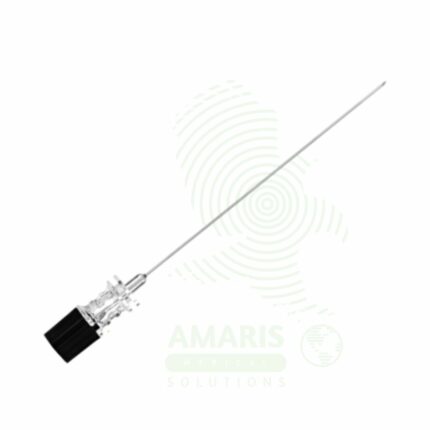
Quincke Spinal Needle
A Quincke Spinal Needle is a sterile, single-use, cutting-bevel needle designed for accessing the subarachnoid space for spinal anesthesia, diagnostic lumbar puncture, and intrathecal medication administration. Featuring a sharp cutting tip, removable stylet, and transparent hub for CSF flashback visualization, it allows precise dural penetration and reliable CSF return. Available in various gauges and lengths, it is the traditional cutting needle in neuraxial anesthesia. Strict aseptic technique, proper bevel orientation, and careful patient selection are essential to minimize complications including post-dural puncture headache and nerve injury.
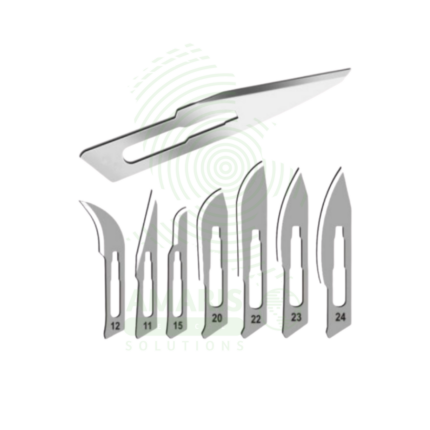
Surgical Blades
Surgical Blades are sterile, single-use cutting instruments used for surgical incisions, tissue dissection, wound debridement, and biopsy procedures. Available in standardized patterns (#10, #11, #15, #20, #22, etc.) for specific applications, they are manufactured from high-carbon stainless steel with precision-ground edges for clean, controlled cutting. Disposable blades are designed for single use and must be disposed of in sharps containers immediately after use. Proper blade selection, secure handle attachment, and strict sharps safety protocols are essential for preventing injury and ensuring optimal surgical outcomes.