Dermatoscope and Magnifiers
 Diagnostic Kits
 Vital Signs Monitors
 Stethoscopes and Accessories
 Otoscopes, Ophthalmoscopes, and Retinoscopes
 Reflex Hammers and Neurological Tools
 Scales and Measuring Devices
 Spirometers and Pulmonary Function Tests
 Electrosurgical Units and Accessories
 Cutting Instruments
 Grasping and Holding Instruments
 Hemostatic Instruments
 Specialized Surgical Sets
 Single-Use Procedure Trays and Packs
 Surgical Drapes, Gowns, and Covers
 Tissue Unifying Instruments
 Radiation Protection
 X-Ray Machines and Accessories
 Ultrasound Systems and Probes
 MRI and CT Scanners
 Radiology Consumables
 Bone Densitometers
 Fluoroscopy Equipment
 Imaging Tables and Positioning Aids
 Microscopes and Accessories
 Centrifuges and Separators
 Analyzers
 Incubators and Ovens
 Pipettes, Dispensers, and Lab Glassware
 Refrigerators, Freezers, and Storage Units
 Lab Consumables
 Sterilizers and Autoclaves for Lab Use
 Multi-Parameter Monitors
 Ventilators and Respiratory Support Devices
 Defibrillators and AEDs
 Infusion Pumps and IV Systems
 Patient Warmers and Cooling Devices
 Central Monitoring Stations
 Accessories
 Anesthesia Machines and Workstations
 Oxygen Concentrators and Delivery Systems
 Nebulizers and Inhalers
 CPAP/BiPAP Machines
 Airway Management
 Anesthesia Masks, Circuits, and Bags
 Humidifiers and Heaters
 Respiratory Therapy Accessories
 First Aid Kits and Cabinets
 Emergency Resuscitation Equipment
 Trauma Supplies
 Emergency Carts and Crash Carts
 Burn Care Products
 Bleeding Control
 Automated External Defibrillators (AEDs)
 Transport and Evacuation
 Wheelchairs and Accessories
 Walkers, Crutches, and Canes
 Prosthetics and Orthotics
 Physical Therapy Equipment
 Transfer Devices
 Bathroom Safety
 Orthopedic Traction and Tables
 Hot/Cold Therapy Packs and Units
 Beds and Mattresses
 Chairs and Stools
 Tables
 Cabinets and Storage
 Privacy Screens & Curtains
 Stands and Racks
 Linens and Textiles
 Lighting
 Autoclaves and Sterilizers
 Ultrasonic Cleaners
 Disinfectant Solutions and Wipes
 Sterilization Pouches, Wraps, and Indicators
 Instrument Trays and Containers
 UV and Ozone Disinfection Devices
 Washer Disinfectors
 Wound Care
 Gloves
 Masks and Respirators
 Catheters and Tubing
 Swabs, Applicators, and Sponges
 Incontinence Products
 Personal Protective Equipment (PPE)
 Dental Chairs and Units
 Handpieces and Burs
 Instruments
 Consumables
 Sterilization for Dental Use
 Orthodontic Supplies
 Endodontic Tools
 Slit Lamps and Tonometers
 Lensometers and Phoropters
 Ophthalmic Surgical Instruments
 Eyewear Frames and Lenses
 Contact Lens Supplies
 Vision Testing Charts and Devices
 Eye Care Consumables
 Laser Systems for Eye Care
 ENT Exam Chairs and Tables
 Endoscopes
 Audiometers and Hearing Tests
 ENT Instruments
 Nasal and Throat Packs
 Hearing Aids and Accessories
 Otology Supplies
 Fetal Dopplers and Monitors
 Delivery Beds and Tables
 Gynecological Instruments
 Neonatal Incubators and Warmers
 Breast Pumps and Accessories
 Contraceptive Devices
 Maternity Supports and Pads
 Neonatal Consumables
 Cystoscopes and Urethroscopes
 Dialysis Machines and Supplies
 Urological Catheters and Bags
 Lithotripters
 Prostate Treatment Devices
 Urinary Incontinence Products
 Kidney Stone Management Tools
 Consumables & Disposables
 EEG and EMG Machines
 Neurosurgical Instruments
 Nerve Stimulators
 Headrests and Positioning Aids
 Lumbar Puncture Kits
 Seizure Monitoring Devices
 Consumables
 Rehabilitation for Neurological Conditions
 ECG Machines and Accessories
 Holter Monitors
 Stress Test Systems
 Pacemakers and Defibrillator Accessories
 Vascular Access Devices
 Cardiac Catheters and Guidewires
 Blood Flow Meters
 Consumables
 Orthopedic Instruments
 Casts, Splints, and Padding
 Joint Replacement Supplies
 Prosthetic Limbs and Components
 Bone Grafts and Substitutes
 Traction Devices
 Orthopedic Braces and Supports
 Rehabilitation Aids for Orthopedics
 Home Oxygen Therapy
 Hospital Beds for Home Use
 Mobility Aids
 Bathroom and Daily Living Aids
 Wound Care for Home
 Monitoring Devices
 Enteral Feeding Pumps and Tubes
 Hand Sanitizers and Dispensers
 Face Shields and Goggles
 Isolation Gowns and Suits
 Biohazard Waste Containers
 Air Purifiers and HEPA Filters
 Surface Disinfectants
 Sharps Containers
 Protective Barriers
 Cardiovascular & Endurance Training
 Strength Training & Weightlifting
 Functional Training & Core Conditioning
 Physical Therapy & Rehabilitation
 Sports & Outdoor Recreation
 Gym Flooring & Facility Equipment
 Fitness Monitoring & Accessories
 Kids & Novelties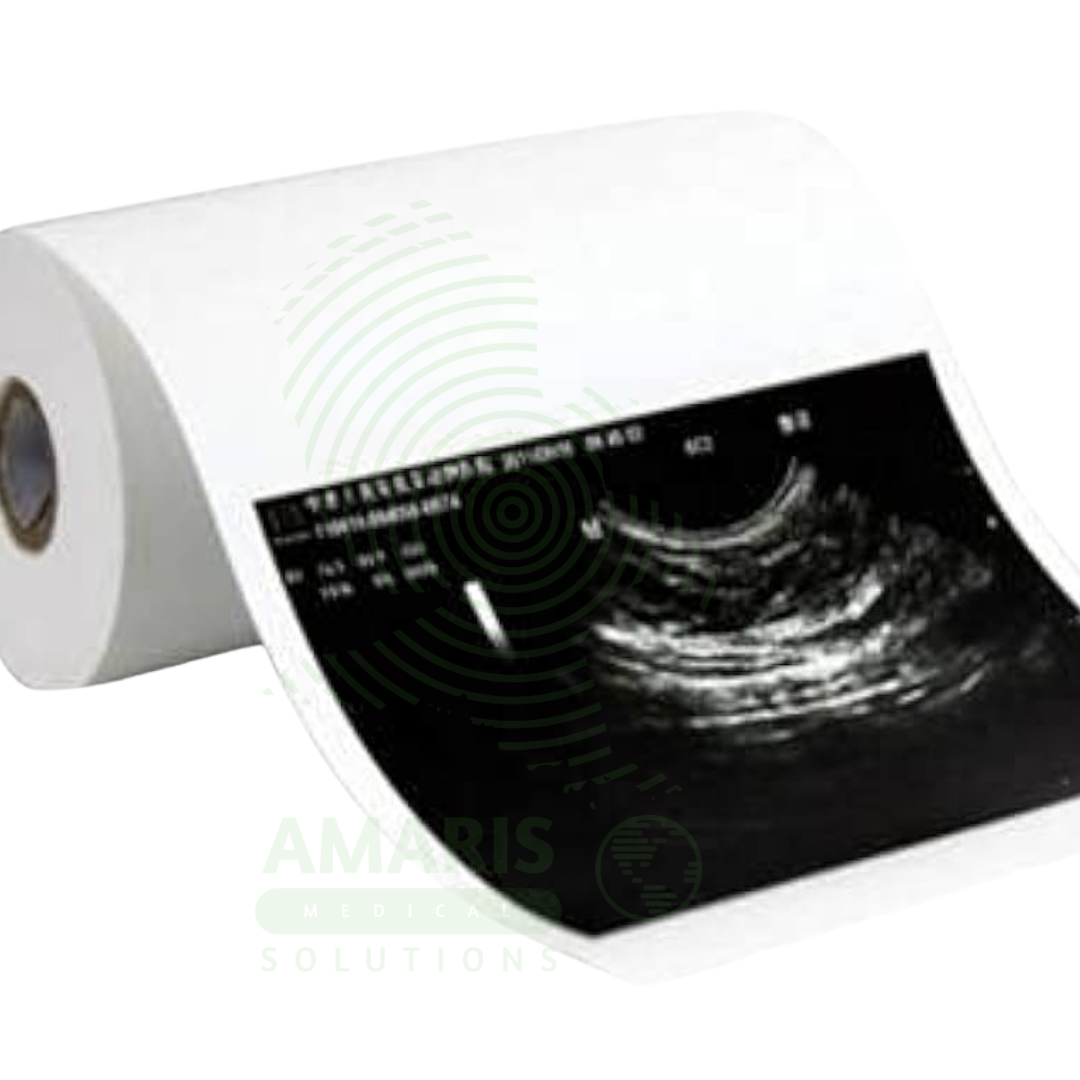
Ultrasound Paper
WhatsApp Order
Ultrasound Paper (or film) is the specialized print media used in medical imaging printers to produce hard-copy grayscale or color prints of ultrasound images. Designed for compatibility with specific printer technologies (dry laser, thermal, dye-sublimation), it ensures high resolution, optimal contrast, and archival stability for patient records. As a critical consumable in the sonography workflow, its proper storage, handling, and use are necessary to maintain image quality and avoid waste. While digital systems have reduced its necessity, it remains vital for patient consultations, referrals, and in settings where physical documentation is required.
Description
Ultrasound Paper
PRIMARY CLINICAL & DIAGNOSTIC USES
1. Hard Copy Printing of Ultrasound Images
-
Primary Use: Serves as the physical media on which ultrasound printers produce permanent, high-quality grayscale or color prints of sonographic images, providing the tangible output for documentation.
-
How it helps: For the sonographer and radiologist, ultrasound paper transforms digital images captured during the examination into physical prints that can be handled, reviewed, and stored—preserving key findings in a format that does not require computer access and can be viewed anywhere. For the patient and clinician, a printed image provides a tangible record of the examination that can be easily shared, discussed, and kept for future reference.
2. Creation of Patient Chart Records
-
Primary Use: In healthcare settings without fully digital systems or as a required supplement, printed images on ultrasound paper become part of the patient’s permanent physical medical record, stored in their file.
-
How it helps: For the medical records department and health information manager, ultrasound paper prints ensure that imaging documentation is permanently preserved in the patient chart—accessible to any provider who reviews the file, regardless of whether they have access to digital imaging systems. For the patient, having printed images in their chart means their imaging history follows them wherever their records go, even between facilities with incompatible digital systems.
3. Patient Consultation and Education
-
Primary Use: Provides a physical print that can be given to the patient during consultation to explain findings, show fetal development during pregnancy, or illustrate anatomy and pathology.
-
How it helps: For the physician explaining complex findings to a patient, a printed ultrasound image becomes a powerful teaching tool—allowing them to point directly at structures, trace abnormalities, and help the patient visualize and understand their own anatomy. For the patient, especially expectant parents receiving their first fetal images, a printed ultrasound picture provides a keepsake of profound emotional significance and a visual aid for understanding their medical condition.
4. Referral and Inter-Departmental Communication
-
Primary Use: A printed image on paper can be easily attached to a referral letter or transferred between departments to provide visual information alongside written reports.
-
How it helps: For the referring physician and consulting specialist, a printed image attached to a consultation request provides immediate visual context that enhances the written report—showing the exact finding being referenced and allowing the specialist to see the pathology before even seeing the patient. For the patient undergoing referral, this printed image ensures that the consulting physician has all relevant information at the time of the first visit.
5. Legal and Archival Documentation
-
Primary Use: Serves as a physical, long-term legal document of the ultrasound examination, with certain types of medical-grade paper designed for archival stability.
-
How it helps: For the risk management team and legal professionals, printed ultrasound images on archival-quality paper create an indelible record that cannot be altered or deleted—providing crucial evidence in malpractice cases, disability determinations, and other legal proceedings. For the patient involved in litigation or seeking disability benefits, printed images provide objective documentation of their condition at the time of examination.
SECONDARY & SUPPORTIVE USES
1. Printing Reports and Worksheets: Some systems can print exam summaries, measurements, or patient data directly onto the paper alongside the image. For the clinician, having measurements and findings printed with the image provides complete documentation in a single physical record.
2. Teaching and Presentation: Used to print images for educational purposes, case studies, conference presentations, or quality assurance reviews. For the medical educator and resident trainee, printed images provide material for teaching files and case discussions.
3. Backup for Digital Data: Acts as a physical backup in case of electronic data loss or system failure. For the imaging department, printed images ensure that critical findings are preserved even if digital storage is compromised.
4. Veterinary Medicine: Used identically in veterinary practices to print ultrasound images for animal patient records. For the pet owner, receiving a printed ultrasound image of their animal helps them understand the diagnosis and treatment plan.
KEY PRODUCT FEATURES
1. BASIC IDENTIFICATION ATTRIBUTES
-
Type: Specialized paper or film media designed for use in medical imaging printers.
-
Designation: Ultrasound Film, Dry Imaging Film, Thermal Paper, or Medical Print Media.
-
Common Variants:
-
Dry Silver Film/Paper: Used in laser dry imagers. Provides high-resolution, archival-quality grayscale prints with a wide dynamic range. Has a polyester or paper base with a photosensitive emulsion.
-
Thermal Paper: Used in direct thermal printers. The print head applies heat to turn selected areas black. Simpler and often lower cost, but images may fade over time and are sensitive to heat, light, and friction.
-
Dye-Sublimation Paper: Used in color printers for ultrasound (e.g., for 3D/4D obstetric or Color Doppler images). Produces continuous-tone color prints.
-
Size: Comes in standard roll or sheet sizes to fit printers (e.g., 8.5" x 11", A4, 11" x 14", 8" x 10").
-
2. TECHNICAL & PERFORMANCE PROPERTIES
-
Image Quality Characteristics: The paper must support high spatial resolution (sharpness), high optical density (deep blacks for good contrast), and a wide grayscale range (ability to display many shades of gray to differentiate subtle tissue textures).
-
Compatibility: Must be specifically designed and calibrated for the type of printer (laser, thermal, dye-sub) and often for specific printer models to ensure correct exposure and development.
-
Archival Stability: Medical-grade film/paper is designed to resist fading, yellowing, or degradation over many years when stored properly, which is critical for legal medical records.
-
Base Material: Can be a polyester film base (more durable, water-resistant, and dimensionally stable) or a paper base (more economical).
3. PHYSICAL & OPERATIONAL PROPERTIES
-
Packaging: Rolls are vacuum-sealed in light-tight foil bags. Sheets are packed in light-tight boxes. Must be protected from exposure to light, moisture, and heat before use.
-
Loading: Loaded into the printer in a subdued light environment to prevent fogging.
-
Shelf Life: Has a marked expiration date. Outdated media can produce poor image quality (increased base fog, reduced sensitivity).
4. SAFETY & COMPLIANCE ATTRIBUTES
-
Regulatory Status: Considered a part of the printing system (Class I accessory).
-
Biocompatibility: Not applicable for patient contact.
-
Material Safety: Processing of dry silver film generates silver waste that must be managed according to environmental regulations (silper recovery from printer waste bins).
5. STORAGE & HANDLING ATTRIBUTES
-
Storage: Store in a cool, dry, dark place (following manufacturer's specifications, often between 15-25°C / 59-77°F). Store rolls on end, not flat.
-
Handling: Handle by the edges to avoid fingerprints, scratches, or static discharge, which can cause artifacts on the final print.
-
Expired Media: Do not use expired film/paper, as it will not produce diagnostic-quality images.
6. LABORATORY & CLINICAL APPLICATIONS
-
Primary Application: A consumable supply used in any ultrasound department, clinic, or office that utilizes a printer for hard copy output.
-
Workflow: An essential component of the imaging chain where digital-to-physical conversion is required.
SAFETY HANDLING PRECAUTIONS
1. SAFETY PRECAUTIONS
-
Avoid Light Exposure: Never open the sealed packaging or printer media compartment in bright light. Use only under appropriate ambient lighting conditions (often safe light).
-
Correct Media Type: Using the wrong media for the printer (e.g., thermal paper in a laser imager) will damage the printer and produce no usable image.
-
Static Electricity: In dry environments, static can cause artifacts ("lightning" marks). Use anti-static mats or sprays if necessary.
-
Waste Disposal: Used film cores, packaging, and rejected prints must be disposed of as clinical waste, considering silver content.
2. FIRST AID MEASURES
-
Not applicable for patient care. Issues relate to equipment (printer jams, media tears) or image quality (artifacts).
3. FIRE FIGHTING MEASURES
-
Flammability: Paper and polyester film are combustible.
-
Extinguishing Media: Use water, foam, or CO₂ as appropriate for the surrounding fire.
Related products
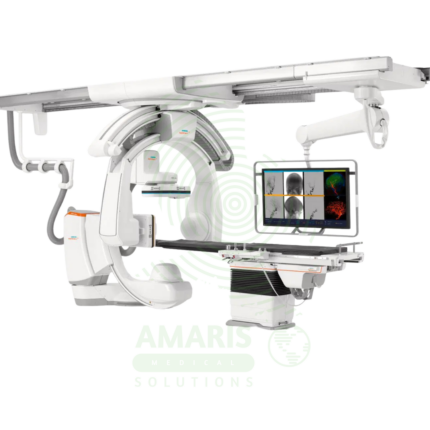
Angiographic Intervention System
An Angiographic Intervention System is a high-end fluoroscopic imaging system designed for guiding minimally invasive vascular and interventional procedures. Essential for cardiac catheterization laboratories, interventional radiology suites, and hybrid operating rooms, it provides real-time, high-resolution visualization of blood vessels, catheters, and devices during coronary interventions, peripheral vascular procedures, neurovascular interventions, and structural heart procedures. Advanced features include rotational angiography for 3D reconstruction, digital subtraction angiography, and dose reduction technologies, enabling precise treatment with minimal radiation exposure.
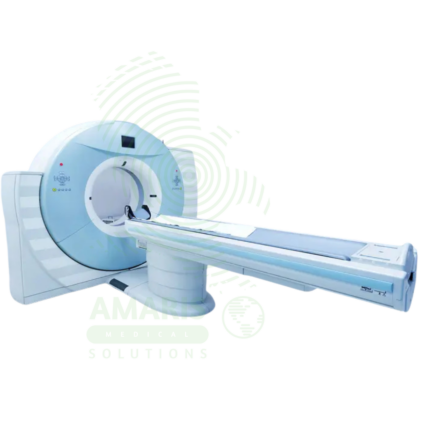
Computed Tomography (CT)
Computed Tomography (CT) is a diagnostic imaging modality that uses X-rays and computer processing to create detailed cross-sectional images of the body. Essential for trauma evaluation, cancer diagnosis, vascular imaging, and surgical planning, CT provides rapid, high-resolution images that guide life-saving decisions in emergency medicine, oncology, and surgery. Advanced multi-slice systems enable whole-body scanning in seconds with sub-millimeter resolution. Radiation dose optimization and contrast safety protocols are essential for patient safety.
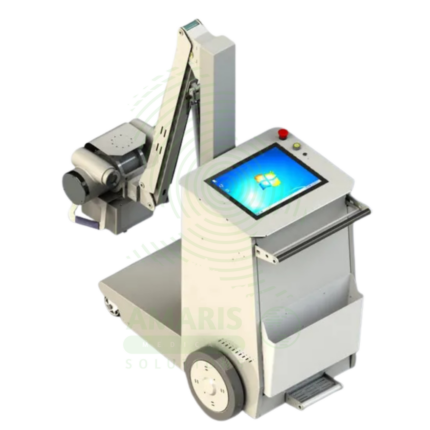
Digital & Analog X-ray Machine
A Digital & Analog X-ray Machine is a fundamental medical imaging device that uses a controlled beam of ionizing radiation to produce static or real-time images of the body's internal structures. It is indispensable for diagnosing fractures, lung diseases, dental issues, and many abdominal conditions. The transition from Analog (film-based) to Digital (CR or DR) technology has revolutionized the field, offering faster results, superior image manipulation, improved dose efficiency, and seamless integration into digital healthcare networks. Its operation demands strict adherence to radiation safety protocols (ALARA) to protect patients and staff, making it a cornerstone of safe, effective diagnostic medicine.
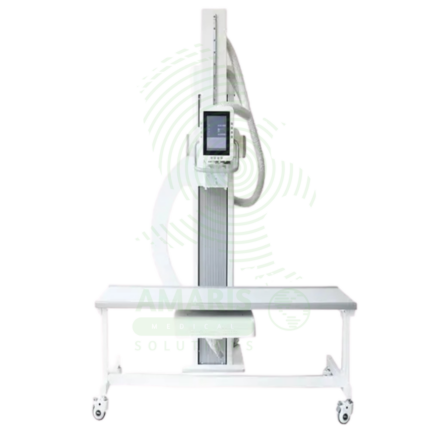
Digital U-arm X-ray
A Digital U-arm X-ray is a versatile digital radiography system designed for emergency departments, urgent care centers, and outpatient clinics. The U-arm configuration provides flexible positioning for chest, abdominal, skeletal, and extremity imaging with easy patient access for stretcher and wheelchair patients. Digital detectors produce immediate high-resolution images for rapid diagnosis, while the compact footprint allows installation in space-constrained settings. Essential for rapid, high-quality imaging in emergency and ambulatory care environments.
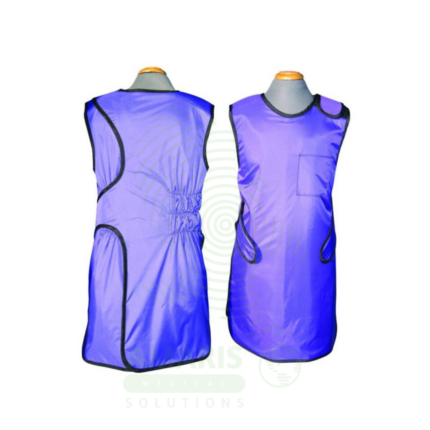
Lead Apron
A Lead Apron is a protective garment worn by healthcare workers to shield against scatter radiation during fluoroscopic procedures, X-ray examinations, and interventional radiology. Made of lead-impregnated material, it attenuates scatter radiation to the thyroid, chest, and reproductive organs, ensuring occupational radiation exposure remains within safe limits. Available in frontal, wrap-around, and two-piece designs with lead equivalence ranging from 0.25 mm to 0.5 mm, proper storage, annual inspection, and use of thyroid shields are essential for effective radiation protection.
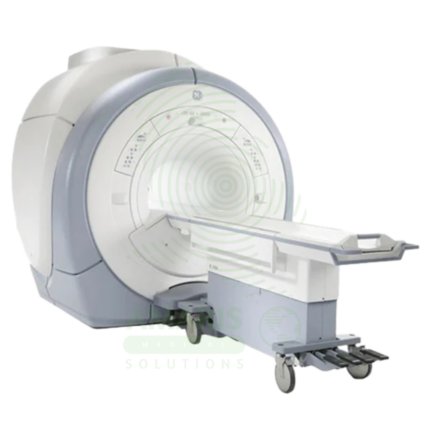
Magnetic Resonance Imaging
Magnetic Resonance Imaging (MRI) is a non-invasive diagnostic imaging modality that uses powerful magnetic fields and radiofrequency waves to produce detailed images of soft tissues, organs, and internal structures without ionizing radiation. It is the gold standard for imaging the brain, spinal cord, joints, muscles, and ligaments, and is essential for neurological, musculoskeletal, oncologic, and cardiovascular diagnosis. MRI provides exceptional soft tissue contrast, enabling precise anatomical characterization, tumor staging, and treatment planning. Strict safety protocols for ferromagnetic screening and contrast administration are essential for patient safety.
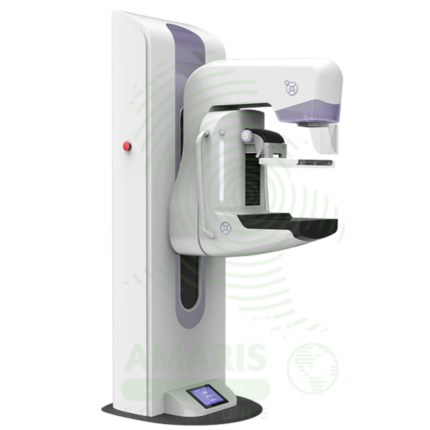
Mammography Machine
A Mammography Machine is a specialized, low-dose X-ray system designed exclusively for imaging the breast. It is the gold-standard tool for breast cancer screening and diagnostic evaluation, utilizing firm breast compression and high-resolution digital detectors to produce detailed images of breast tissue. Modern systems often incorporate Digital Breast Tomosynthesis (DBT or "3D mammography") to reduce tissue overlap and improve cancer detection. Its operation is highly regulated, requiring certified technologists, qualified interpreting physicians, and a rigorous quality assurance program to ensure patient safety, optimal image quality, and accurate early detection of breast cancer, which is vital for reducing mortality.