Dermatoscope and Magnifiers
 Diagnostic Kits
 Vital Signs Monitors
 Stethoscopes and Accessories
 Otoscopes, Ophthalmoscopes, and Retinoscopes
 Reflex Hammers and Neurological Tools
 Scales and Measuring Devices
 Spirometers and Pulmonary Function Tests
 Electrosurgical Units and Accessories
 Cutting Instruments
 Grasping and Holding Instruments
 Hemostatic Instruments
 Specialized Surgical Sets
 Single-Use Procedure Trays and Packs
 Surgical Drapes, Gowns, and Covers
 Tissue Unifying Instruments
 Radiation Protection
 X-Ray Machines and Accessories
 Ultrasound Systems and Probes
 MRI and CT Scanners
 Radiology Consumables
 Bone Densitometers
 Fluoroscopy Equipment
 Imaging Tables and Positioning Aids
 Microscopes and Accessories
 Centrifuges and Separators
 Analyzers
 Incubators and Ovens
 Pipettes, Dispensers, and Lab Glassware
 Refrigerators, Freezers, and Storage Units
 Lab Consumables
 Sterilizers and Autoclaves for Lab Use
 Multi-Parameter Monitors
 Ventilators and Respiratory Support Devices
 Defibrillators and AEDs
 Infusion Pumps and IV Systems
 Patient Warmers and Cooling Devices
 Central Monitoring Stations
 Accessories
 Anesthesia Machines and Workstations
 Oxygen Concentrators and Delivery Systems
 Nebulizers and Inhalers
 CPAP/BiPAP Machines
 Airway Management
 Anesthesia Masks, Circuits, and Bags
 Humidifiers and Heaters
 Respiratory Therapy Accessories
 First Aid Kits and Cabinets
 Emergency Resuscitation Equipment
 Trauma Supplies
 Emergency Carts and Crash Carts
 Burn Care Products
 Bleeding Control
 Automated External Defibrillators (AEDs)
 Transport and Evacuation
 Wheelchairs and Accessories
 Walkers, Crutches, and Canes
 Prosthetics and Orthotics
 Physical Therapy Equipment
 Transfer Devices
 Bathroom Safety
 Orthopedic Traction and Tables
 Hot/Cold Therapy Packs and Units
 Beds and Mattresses
 Chairs and Stools
 Tables
 Cabinets and Storage
 Privacy Screens & Curtains
 Stands and Racks
 Linens and Textiles
 Lighting
 Autoclaves and Sterilizers
 Ultrasonic Cleaners
 Disinfectant Solutions and Wipes
 Sterilization Pouches, Wraps, and Indicators
 Instrument Trays and Containers
 UV and Ozone Disinfection Devices
 Washer Disinfectors
 Wound Care
 Gloves
 Masks and Respirators
 Catheters and Tubing
 Swabs, Applicators, and Sponges
 Incontinence Products
 Personal Protective Equipment (PPE)
 Dental Chairs and Units
 Handpieces and Burs
 Instruments
 Consumables
 Sterilization for Dental Use
 Orthodontic Supplies
 Endodontic Tools
 Slit Lamps and Tonometers
 Lensometers and Phoropters
 Ophthalmic Surgical Instruments
 Eyewear Frames and Lenses
 Contact Lens Supplies
 Vision Testing Charts and Devices
 Eye Care Consumables
 Laser Systems for Eye Care
 ENT Exam Chairs and Tables
 Endoscopes
 Audiometers and Hearing Tests
 ENT Instruments
 Nasal and Throat Packs
 Hearing Aids and Accessories
 Otology Supplies
 Fetal Dopplers and Monitors
 Delivery Beds and Tables
 Gynecological Instruments
 Neonatal Incubators and Warmers
 Breast Pumps and Accessories
 Contraceptive Devices
 Maternity Supports and Pads
 Neonatal Consumables
 Cystoscopes and Urethroscopes
 Dialysis Machines and Supplies
 Urological Catheters and Bags
 Lithotripters
 Prostate Treatment Devices
 Urinary Incontinence Products
 Kidney Stone Management Tools
 Consumables & Disposables
 EEG and EMG Machines
 Neurosurgical Instruments
 Nerve Stimulators
 Headrests and Positioning Aids
 Lumbar Puncture Kits
 Seizure Monitoring Devices
 Consumables
 Rehabilitation for Neurological Conditions
 ECG Machines and Accessories
 Holter Monitors
 Stress Test Systems
 Pacemakers and Defibrillator Accessories
 Vascular Access Devices
 Cardiac Catheters and Guidewires
 Blood Flow Meters
 Consumables
 Orthopedic Instruments
 Casts, Splints, and Padding
 Joint Replacement Supplies
 Prosthetic Limbs and Components
 Bone Grafts and Substitutes
 Traction Devices
 Orthopedic Braces and Supports
 Rehabilitation Aids for Orthopedics
 Home Oxygen Therapy
 Hospital Beds for Home Use
 Mobility Aids
 Bathroom and Daily Living Aids
 Wound Care for Home
 Monitoring Devices
 Enteral Feeding Pumps and Tubes
 Hand Sanitizers and Dispensers
 Face Shields and Goggles
 Isolation Gowns and Suits
 Biohazard Waste Containers
 Air Purifiers and HEPA Filters
 Surface Disinfectants
 Sharps Containers
 Protective Barriers
 Cardiovascular & Endurance Training
 Strength Training & Weightlifting
 Functional Training & Core Conditioning
 Physical Therapy & Rehabilitation
 Sports & Outdoor Recreation
 Gym Flooring & Facility Equipment
 Fitness Monitoring & Accessories
 Kids & Novelties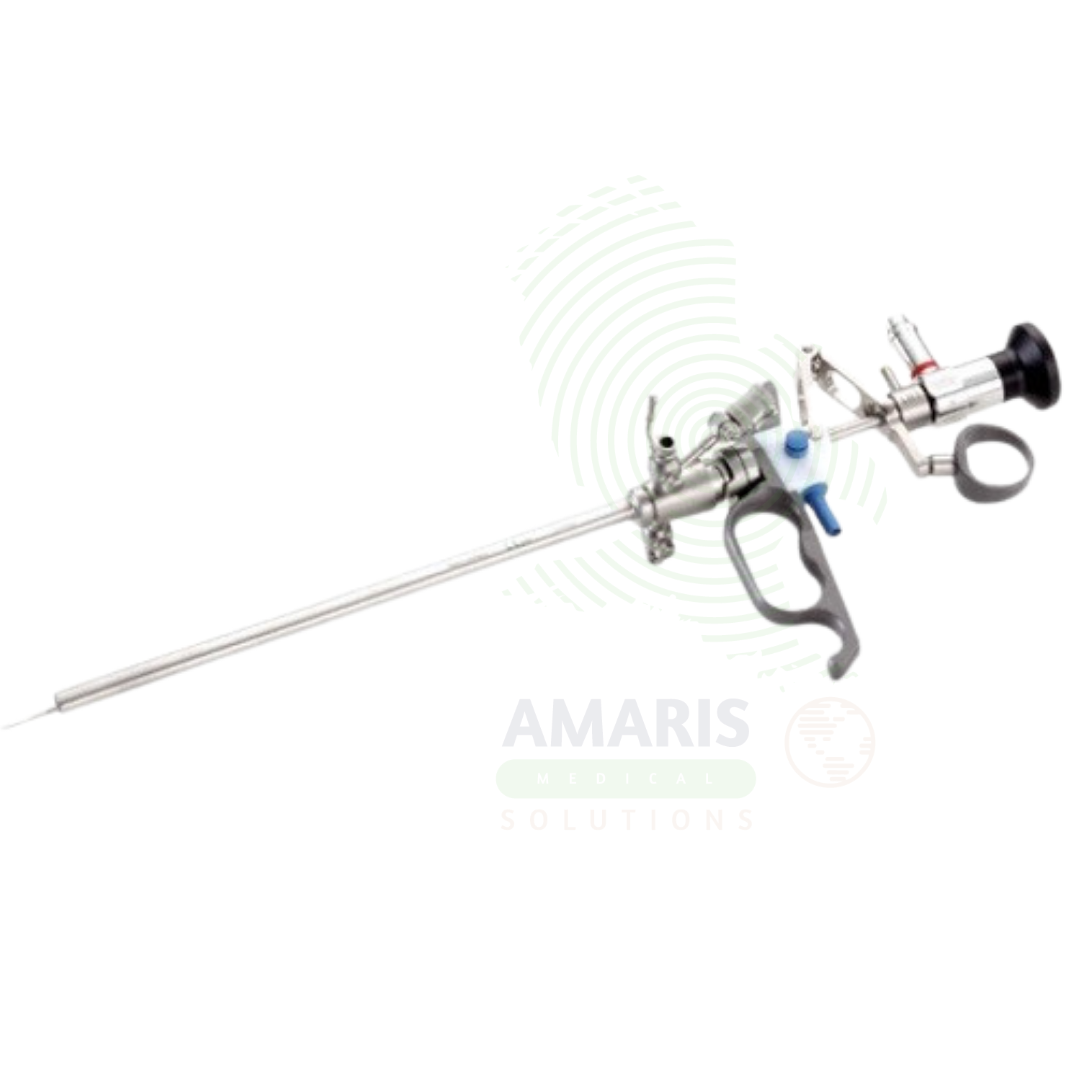
Urethrotome
$1.00
WhatsApp Order
A Urethrotome is a specialized endoscopic instrument used for internal urethrotomy, the minimally invasive treatment for urethral strictures. Combining a visualizing telescope with a cutting knife or laser fiber, it enables precise incision of strictures under direct vision through the urethra. Essential in urology for managing urethral strictures, it offers a minimally invasive alternative to open urethroplasty with rapid recovery and preservation of erectile function.
Description
Urethrotome
PRIMARY CLINICAL & DIAGNOSTIC USES
1. Internal Urethrotomy for Urethral Strictures
-
Primary Use: Provides a surgical instrument for internal urethrotomy, the minimally invasive treatment for urethral strictures. The urethrotome combines a visualizing telescope with a cutting knife or laser fiber to incise urethral strictures under direct vision, restoring urethral patency without open surgery.
-
How it helps: For the urologist, the urethrotome enables precise incision of urethral strictures through the natural urethral meatus—eliminating the need for open urethroplasty in selected patients, reducing hospital stay, and allowing rapid return to normal activities. For the patient with a urethral stricture causing voiding difficulty, internal urethrotomy offers relief with minimal morbidity.
2. Direct Visualization of Urethral Strictures
-
Primary Use: The urethrotome provides direct endoscopic visualization of the urethra to accurately identify the location, length, and severity of strictures before incision. The telescope allows precise placement of the cutting knife at the stricture site.
-
How it helps: For the urologist, direct visualization ensures accurate identification of the stricture and precise incision placement—minimizing the risk of false passage formation and optimizing outcomes. For the patient, precise treatment increases the success rate and reduces the risk of recurrence.
3. Cold Knife Urethrotomy
-
Primary Use: Uses a cold knife (non-electrosurgical) blade for precise incision of strictures without thermal injury. The cold knife technique preserves the blood supply to the urethral mucosa, potentially improving healing and reducing recurrence.
-
How it helps: For the urologist, cold knife urethrotomy provides a precise, bloodless incision with minimal thermal damage to surrounding tissues—optimizing conditions for healing. For the patient, this technique offers a balance of efficacy and safety for carefully selected strictures.
4. Laser Urethrotomy
-
Primary Use: Uses laser energy (holmium or other) for incision of urethral strictures. Laser urethrotomy offers precise cutting with excellent hemostasis and minimal thermal spread.
-
How it helps: For the urologist, laser urethrotomy provides excellent visualization and hemostasis—allowing precise incision even in vascular strictures. For the patient, laser treatment offers a minimally invasive option with rapid recovery.
5. Combined Visual and Cutting Instrument
-
Primary Use: The urethrotome integrates a visualizing telescope and cutting knife in a single instrument, allowing the surgeon to view the stricture while simultaneously incising it. This ensures accurate incision placement and minimizes the risk of complications.
-
How it helps: For the urologist, the integrated design allows precise, controlled incision under direct vision—reducing the risk of false passage, urethral perforation, and other complications. For the patient, this precision translates to safer treatment and better outcomes.
SECONDARY & SUPPORTIVE USES
1. Urethral Dilation: Some urethrotomes include dilation capabilities for combined incision and dilation procedures.
2. Bladder Neck Incision: Used for incision of bladder neck contractures following prostate surgery.
3. Urethral Stent Placement: Guiding placement of temporary or permanent urethral stents.
4. Urethral Biopsy: Biopsy of suspicious urethral lesions under direct vision.
5. Combined Procedures: Performed with cystoscopy for comprehensive evaluation and treatment.
6. Pediatric Urethrotomy: Smaller instruments for pediatric urethral strictures
KEY PRODUCT FEATURES
1. BASIC IDENTIFICATION ATTRIBUTES
-
Device Type: A specialized endoscopic instrument combining a telescope with a cutting knife for internal urethrotomy.
-
Designation: Urethrotome, Internal Urethrotome, Optical Urethrotome, Cold Knife Urethrotome.
-
Key Components:
-
Telescope: Rod lens system for visualization (typically 0° or 12°).
-
Cutting Knife: Cold knife, laser fiber, or electrosurgical electrode.
-
Sheath: Outer tube with irrigation channels.
-
Working Channel: For instrument passage and irrigation.
-
Light Source: Fiberoptic or LED illumination.
-
2. TECHNICAL & PERFORMANCE PROPERTIES
-
Sheath Diameter: 16-24 French.
-
Telescope Diameter: 2.7-4 mm.
-
Viewing Angle: 0° or 12° optics.
-
Cutting Options: Cold knife, laser, or electrosurgical.
-
Irrigation: Continuous flow for clear visualization.
-
Material: Surgical-grade stainless steel.
3. PHYSICAL & OPERATIONAL PROPERTIES
-
Construction: Precision-machined stainless steel.
-
Ergonomics: Designed for single-handed operation.
-
Sterilization: Steam autoclave compatible.
-
Portability: Fixed in procedure rooms.
4. SAFETY & COMPLIANCE ATTRIBUTES
-
Regulatory Status: Class II medical device regulated by FDA.
-
Biocompatibility: Materials safe for intraurethral use.
-
Electrical Safety: Compliant for use with electrosurgical or laser generators.
5. STORAGE & HANDLING ATTRIBUTES
-
Storage: Store in protective cases; protect lenses from damage.
-
Cleaning: Thorough cleaning after each use; ultrasonic cleaning recommended.
-
Sterilization: Steam autoclave per manufacturer instructions.
-
Inspection: Inspect for lens damage, knife sharpness, and sheath integrity.
6. LABORATORY & CLINICAL APPLICATIONS
-
Primary Application: Treatment of urethral strictures.
-
Clinical Role: Essential in urology for minimally invasive stricture management.
SAFETY HANDLING PRECAUTIONS
1. SAFETY PRECAUTIONS
-
Visualization: Maintain clear visualization throughout incision.
-
Knife Position: Ensure knife is properly positioned before incision.
-
Depth Control: Incise to full depth of stricture without extending into surrounding tissues.
-
False Passage: Avoid creation of false passages; use gentle, controlled movements.
-
Bleeding Control: Be prepared to manage bleeding; use cautery if needed.
2. FIRST AID MEASURES
-
Urethral Perforation: If perforation occurs, stop procedure; place urethral catheter; manage expectantly.
-
False Passage: If false passage created, abort procedure; consider delayed repeat.
-
Bleeding: If significant bleeding, compress; consider catheter placement; may require fulguration.
3. FIRE FIGHTING MEASURES
-
Flammability: Metal components are non-flammable; plastic parts may burn.
-
Extinguishing Media: Use water, foam, or CO₂ as appropriate for surrounding materials.
Related products
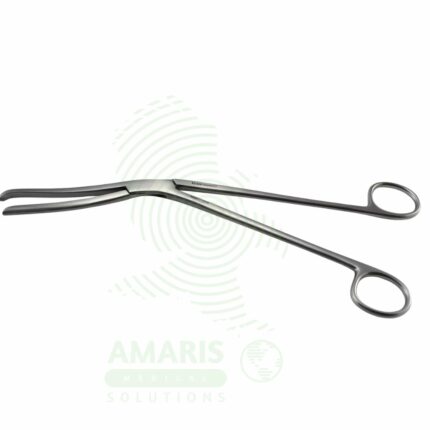
Cheatle Forceps
Cheatle Forceps are long-handled, ratcheted surgical forceps used for the aseptic transfer of sterile instruments, dressings, and supplies in operating rooms, central sterile supply departments, and procedural areas. The extended length allows safe retrieval of items from sterilizers and storage without hand contact, while the serrated tips provide secure grip on wrapped packs and individual instruments. Designed for repeated sterilization and use, they are essential for maintaining aseptic technique during sterile field preparation, instrument handling, and post-operative cleanup. Proper handling, regular inspection, and adherence to aseptic technique are essential for safe and effective use.
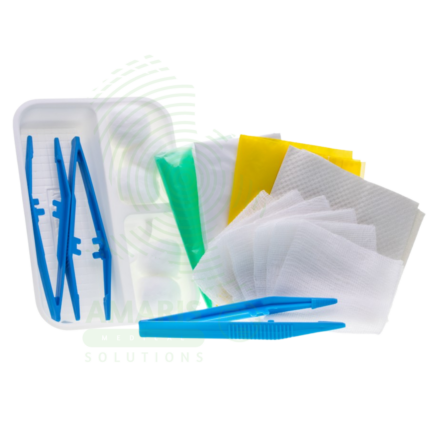
Disposable Dressing Set
A Disposable Dressing Set is a sterile, single-use convenience kit containing all components necessary for sterile wound dressing changes and minor wound care procedures. The set typically includes sterile drapes, gauze sponges, sterile gloves, antiseptic solution, cotton applicators, tape, and disposal bag. Used in hospitals, clinics, emergency departments, and home healthcare settings, it ensures consistent aseptic technique for post-operative wound care, central line dressing changes, and management of chronic wounds. Proper sterile technique and disposal are essential for safe and effective use.
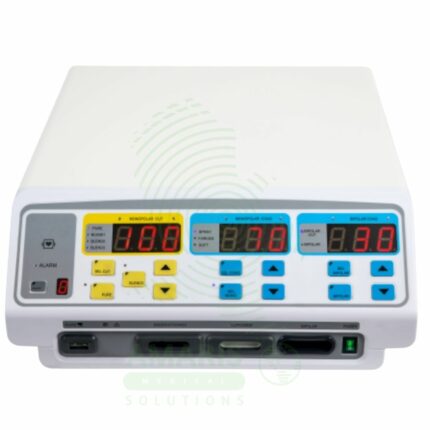
Electrosurgical Unit
An Electrosurgical Unit (ESU) is a radiofrequency generator that provides electrical energy for surgical cutting and coagulation. The ESU is a professional-grade system featuring monopolar and bipolar outputs, with safety-critical Return Electrode Monitoring (REM) for monopolar procedures. It is the universal surgical tool for precise tissue dissection with simultaneous hemostasis, used in open, laparoscopic, and endoscopic procedures across all specialties. Safe operation hinges on correct patient return pad placement, awareness of fire risks (especially with oxygen and flammable prep solutions), and adherence to protocols for patients with implanted electronic devices.
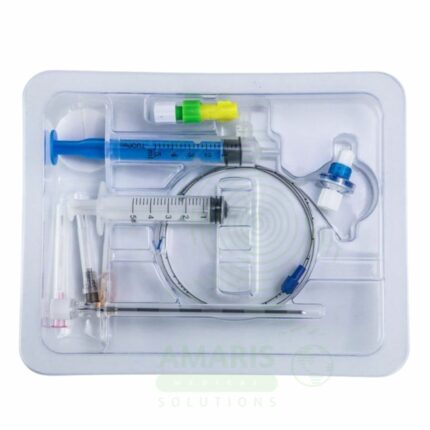
Epidural Kit
An Epidural Kit is a sterile, single-use convenience tray containing all components required for placement of an epidural catheter for regional anesthesia and analgesia. The kit includes a Tuohy-tip epidural needle, a flexible kink-resistant radiopaque catheter, loss-of-resistance syringe, and sterile drapes, preparing the procedural site for aseptic technique. Used in operating rooms, labor and delivery suites, and pain management settings, the epidural kit enables continuous administration of local anesthetics and opioids for surgical anesthesia, labor analgesia, and post-operative pain control. The loss-of-resistance technique provides tactile confirmation of correct catheter placement. Strict aseptic technique and continuous patient monitoring are essential to prevent complications including post-dural puncture headache, infection, and local anesthetic systemic toxicity.
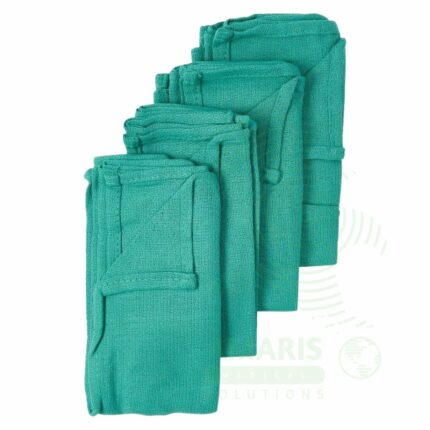
Green towel
A Green Towel is a sterile, absorbent surgical towel used in operating rooms and procedure areas for draping, fluid absorption, and creating sterile fields. Made from high-absorbency cotton or cotton-blend fabric, the green color reduces glare under operating lights and provides visual contrast against blood and tissue. Essential for establishing sterile fields, protecting instruments, and managing fluids during surgical procedures, it is a fundamental component of aseptic technique in surgery, emergency care, and other invasive procedures.
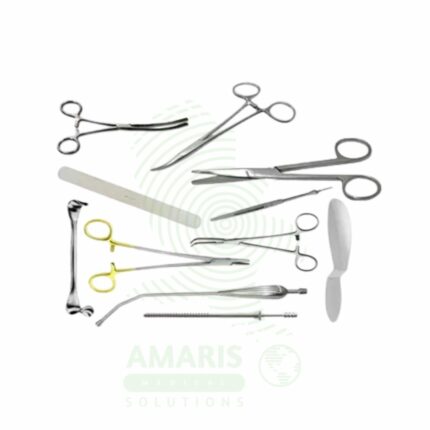
Laparotomy Set
A Laparotomy Set is a sterile instrument tray containing comprehensive instruments for abdominal surgical procedures requiring laparotomy. The set includes instruments for abdominal incision, exposure, dissection, hemostasis, and closure, supporting a wide range of intra-abdominal surgeries including exploration, bowel resection, biliary procedures, and tumor removal. Essential for general surgery, trauma surgery, and oncologic surgery operating rooms, it ensures that all necessary instruments are sterile, organized, and immediately available for safe and effective abdominal surgery.
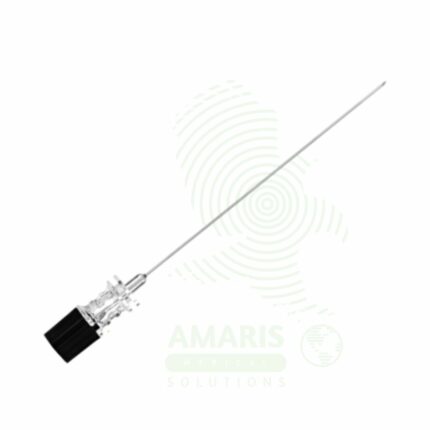
Quincke Spinal Needle
A Quincke Spinal Needle is a sterile, single-use, cutting-bevel needle designed for accessing the subarachnoid space for spinal anesthesia, diagnostic lumbar puncture, and intrathecal medication administration. Featuring a sharp cutting tip, removable stylet, and transparent hub for CSF flashback visualization, it allows precise dural penetration and reliable CSF return. Available in various gauges and lengths, it is the traditional cutting needle in neuraxial anesthesia. Strict aseptic technique, proper bevel orientation, and careful patient selection are essential to minimize complications including post-dural puncture headache and nerve injury.