Dermatoscope and Magnifiers
 Diagnostic Kits
 Vital Signs Monitors
 Stethoscopes and Accessories
 Otoscopes, Ophthalmoscopes, and Retinoscopes
 Reflex Hammers and Neurological Tools
 Scales and Measuring Devices
 Spirometers and Pulmonary Function Tests
 Electrosurgical Units and Accessories
 Cutting Instruments
 Grasping and Holding Instruments
 Hemostatic Instruments
 Specialized Surgical Sets
 Single-Use Procedure Trays and Packs
 Surgical Drapes, Gowns, and Covers
 Tissue Unifying Instruments
 Radiation Protection
 X-Ray Machines and Accessories
 Ultrasound Systems and Probes
 MRI and CT Scanners
 Radiology Consumables
 Bone Densitometers
 Fluoroscopy Equipment
 Imaging Tables and Positioning Aids
 Microscopes and Accessories
 Centrifuges and Separators
 Analyzers
 Incubators and Ovens
 Pipettes, Dispensers, and Lab Glassware
 Refrigerators, Freezers, and Storage Units
 Lab Consumables
 Sterilizers and Autoclaves for Lab Use
 Multi-Parameter Monitors
 Ventilators and Respiratory Support Devices
 Defibrillators and AEDs
 Infusion Pumps and IV Systems
 Patient Warmers and Cooling Devices
 Central Monitoring Stations
 Accessories
 Anesthesia Machines and Workstations
 Oxygen Concentrators and Delivery Systems
 Nebulizers and Inhalers
 CPAP/BiPAP Machines
 Airway Management
 Anesthesia Masks, Circuits, and Bags
 Humidifiers and Heaters
 Respiratory Therapy Accessories
 First Aid Kits and Cabinets
 Emergency Resuscitation Equipment
 Trauma Supplies
 Emergency Carts and Crash Carts
 Burn Care Products
 Bleeding Control
 Automated External Defibrillators (AEDs)
 Transport and Evacuation
 Wheelchairs and Accessories
 Walkers, Crutches, and Canes
 Prosthetics and Orthotics
 Physical Therapy Equipment
 Transfer Devices
 Bathroom Safety
 Orthopedic Traction and Tables
 Hot/Cold Therapy Packs and Units
 Beds and Mattresses
 Chairs and Stools
 Tables
 Cabinets and Storage
 Privacy Screens & Curtains
 Stands and Racks
 Linens and Textiles
 Lighting
 Autoclaves and Sterilizers
 Ultrasonic Cleaners
 Disinfectant Solutions and Wipes
 Sterilization Pouches, Wraps, and Indicators
 Instrument Trays and Containers
 UV and Ozone Disinfection Devices
 Washer Disinfectors
 Wound Care
 Gloves
 Masks and Respirators
 Catheters and Tubing
 Swabs, Applicators, and Sponges
 Incontinence Products
 Personal Protective Equipment (PPE)
 Dental Chairs and Units
 Handpieces and Burs
 Instruments
 Consumables
 Sterilization for Dental Use
 Orthodontic Supplies
 Endodontic Tools
 Slit Lamps and Tonometers
 Lensometers and Phoropters
 Ophthalmic Surgical Instruments
 Eyewear Frames and Lenses
 Contact Lens Supplies
 Vision Testing Charts and Devices
 Eye Care Consumables
 Laser Systems for Eye Care
 ENT Exam Chairs and Tables
 Endoscopes
 Audiometers and Hearing Tests
 ENT Instruments
 Nasal and Throat Packs
 Hearing Aids and Accessories
 Otology Supplies
 Fetal Dopplers and Monitors
 Delivery Beds and Tables
 Gynecological Instruments
 Neonatal Incubators and Warmers
 Breast Pumps and Accessories
 Contraceptive Devices
 Maternity Supports and Pads
 Neonatal Consumables
 Cystoscopes and Urethroscopes
 Dialysis Machines and Supplies
 Urological Catheters and Bags
 Lithotripters
 Prostate Treatment Devices
 Urinary Incontinence Products
 Kidney Stone Management Tools
 Consumables & Disposables
 EEG and EMG Machines
 Neurosurgical Instruments
 Nerve Stimulators
 Headrests and Positioning Aids
 Lumbar Puncture Kits
 Seizure Monitoring Devices
 Consumables
 Rehabilitation for Neurological Conditions
 ECG Machines and Accessories
 Holter Monitors
 Stress Test Systems
 Pacemakers and Defibrillator Accessories
 Vascular Access Devices
 Cardiac Catheters and Guidewires
 Blood Flow Meters
 Consumables
 Orthopedic Instruments
 Casts, Splints, and Padding
 Joint Replacement Supplies
 Prosthetic Limbs and Components
 Bone Grafts and Substitutes
 Traction Devices
 Orthopedic Braces and Supports
 Rehabilitation Aids for Orthopedics
 Home Oxygen Therapy
 Hospital Beds for Home Use
 Mobility Aids
 Bathroom and Daily Living Aids
 Wound Care for Home
 Monitoring Devices
 Enteral Feeding Pumps and Tubes
 Hand Sanitizers and Dispensers
 Face Shields and Goggles
 Isolation Gowns and Suits
 Biohazard Waste Containers
 Air Purifiers and HEPA Filters
 Surface Disinfectants
 Sharps Containers
 Protective Barriers
 Cardiovascular & Endurance Training
 Strength Training & Weightlifting
 Functional Training & Core Conditioning
 Physical Therapy & Rehabilitation
 Sports & Outdoor Recreation
 Gym Flooring & Facility Equipment
 Fitness Monitoring & Accessories
 Kids & Novelties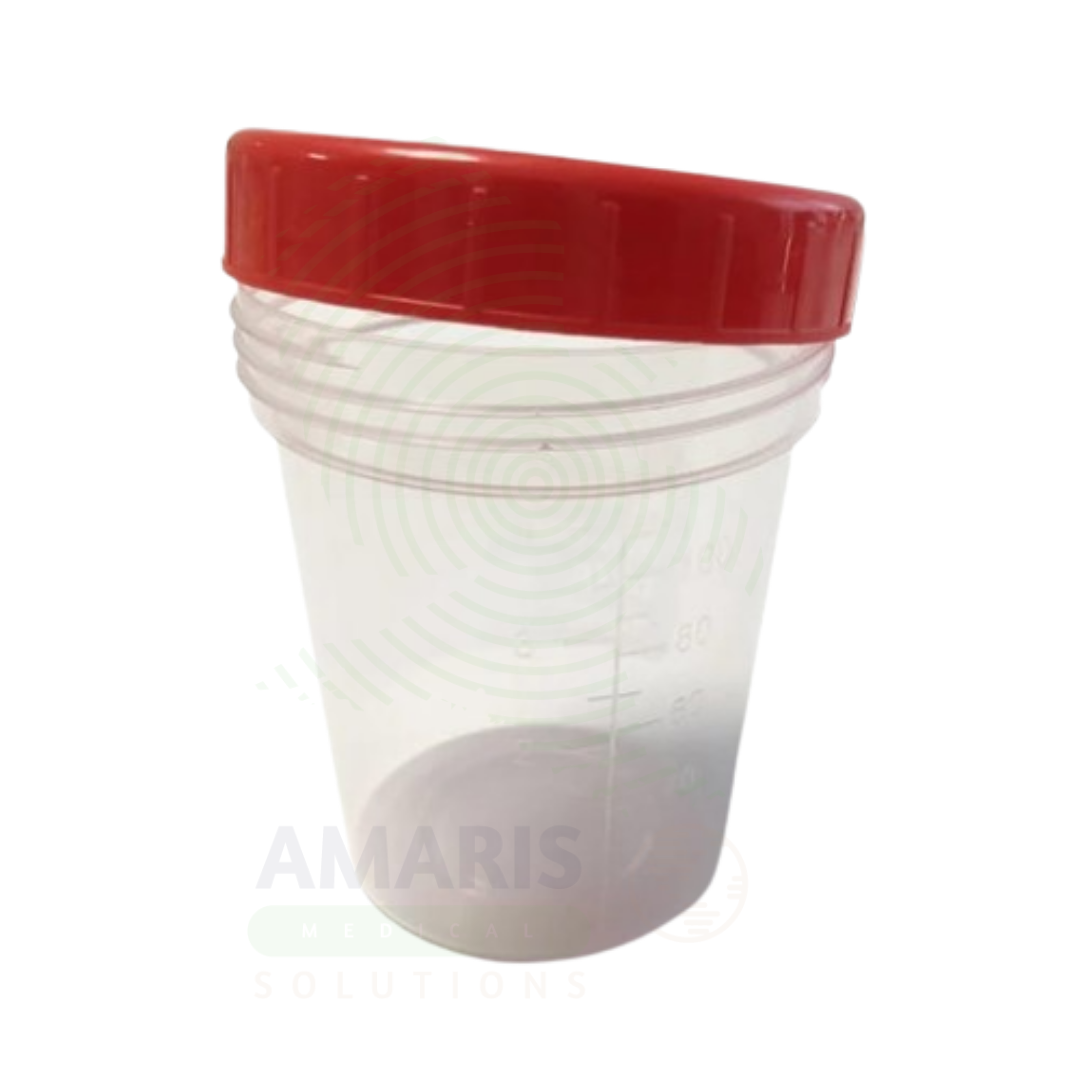
Urine Containers
$1.00
WhatsApp Order
Urine Containers are sterile or non-sterile, single-use medical devices manufactured from medical-grade polypropylene or polyethylene for the collection, containment, preservation, and transport of urine specimens for diagnostic testing. Available in capacities ranging from 30 mL to 3 liters, they include standard universal containers (plain), preserved containers with boric acid for urine culture, large-volume containers for 24-hour collections, pediatric adhesive collection bags, and DOT-specification drug testing kits with integrated temperature strips and tamper-evident features. Critical performance attributes include leak-proof sealing, chemical inertness, clear volume graduations, and preservative efficacy at specified fill volumes. Strict single-use protocol, adherence to fill line requirements, and handling under universal precautions are essential for specimen integrity and healthcare worker safety. An indispensable consumable in clinical diagnostics, occupational health, and forensic toxicology.
Description
Urine Containers
PRIMARY CLINICAL & DIAGNOSTIC USES
1. Collection of Urine Specimens for Diagnostic Testing
-
Primary Use: Collects, contains, and transports urine specimens from the patient to the laboratory for a wide range of diagnostic examinations, including urinalysis, microscopy, culture and sensitivity testing, pregnancy testing, and chemical analysis.
-
How it helps: For the laboratory technician and ordering physician, the urine container holds the specimen that reveals crucial information about a patient’s health—detecting urinary tract infections, identifying kidney disease, confirming pregnancy, and monitoring countless metabolic and systemic conditions. For the patient, providing a urine specimen in a sterile container means their condition can be accurately diagnosed and appropriately treated without invasive procedures.
2. Preservation of Specimen Integrity for Microbiology
-
Primary Use: Certain urine containers are manufactured with preservatives to maintain the viability of microorganisms and prevent overgrowth of contaminants during transport, ensuring accurate culture results.
-
How it helps: For the microbiology laboratory processing urine cultures, preservative-containing containers ensure that when the specimen arrives hours after collection, any bacteria present are still viable for culture and identification—preventing false negative results due to organism die-off or false positives from contaminant overgrowth. For the patient with suspected urinary tract infection, proper preservation means their culture will accurately identify the pathogen and guide appropriate antibiotic therapy.
3. Midstream Urine Collection
-
Primary Use: Designed to enable patients to collect a clean-catch, midstream urine specimen while minimizing contamination from skin flora and external genitalia.
-
How it helps: For the clinician interpreting a urinalysis or culture, a properly collected midstream specimen means that any bacteria found are likely from the bladder, not from skin contamination—distinguishing true infection from specimen contamination. For the patient, proper collection technique means they avoid false-positive results that could lead to unnecessary antibiotic treatment.
4. 24-Hour Urine Collection
-
Primary Use: Large-volume containers are used for quantitative analysis of hormones, electrolytes, proteins, and creatinine clearance over a full 24-hour period.
-
How it helps: For the nephrologist and endocrinologist, the 24-hour urine collection provides a comprehensive picture of kidney function and hormone production over a full day—measuring creatinine clearance to assess glomerular filtration rate, quantifying protein loss in kidney disease, and evaluating hormone metabolites. For the patient, completing a 24-hour collection provides their doctor with essential data for diagnosing and managing chronic kidney disease, endocrine disorders, and metabolic conditions.
5. Specimen Transport and Storage
-
Primary Use: Serves as the primary containment device for transporting urine specimens from the collection site to the laboratory, maintaining specimen integrity and preventing leakage during transit.
-
How it helps: For the laboratory personnel and healthcare workers handling specimens, leak-proof urine containers ensure that potentially infectious material is contained during transport—protecting everyone who handles the specimen from exposure to pathogens. For the laboratory, intact, uncontaminated specimens yield accurate results.
6. Pediatric Urine Collection
-
Primary Use: Specialized adhesive bags or containers are designed for non-invasive urine collection from infants and young children who cannot voluntarily void on command.
-
How it helps: For the pediatrician and parents of a child with suspected urinary tract infection, pediatric urine collection bags provide a non-invasive method to obtain a specimen—avoiding catheterization in a child, reducing anxiety, and still providing the sample needed for diagnosis. For the child, a simple adhesive bag means testing without pain or trauma.
SECONDARY & SUPPORTIVE USES
1. Drug Testing and Forensic Analysis: Standardized, tamper-evident urine collection kits with temperature strips and graduated volume markings are used for workplace drug testing, legal proceedings, and substance abuse treatment programs. For the employer and legal system, these containers ensure chain of custody and specimen integrity.
2. Measurement of Urine Output: Graduated containers allow for accurate measurement of urinary volume in clinical settings, including emergency departments, intensive care units, and postoperative recovery areas. For the clinician managing fluid balance, accurate volume measurement guides treatment decisions.
3. Specimen Processing and Aliquot Transfer: Some urine containers feature integrated collection needles or transfer mechanisms that allow direct filling of evacuated tubes for urinalysis and culture without opening the container, reducing spill risk and exposure. For the laboratory technician, closed transfer systems improve safety and efficiency.
4. Catheter Specimen Collection: Sterile containers are used to collect urine specimens directly from indwelling urinary catheters via sampling ports for microbiological analysis. For the patient with a catheter, this allows for infection diagnosis without additional invasive procedures.
5. TB and Specialized Testing: Specific containers without preservatives are required for tuberculosis culture, legionella antigen testing, and ova and parasite examination. For the clinician evaluating for these specific conditions, using the correct container ensures accurate results.
KEY PRODUCT FEATURES
1. BASIC IDENTIFICATION ATTRIBUTES
-
Product Type: A sterile or non-sterile, single-use container intended for the collection, containment, preservation, and transport of human urine specimens for in vitro diagnostic examination.
-
Designation: Defined by sterility status, volume capacity, presence of preservatives, closure type, and specialized features.
-
Core Components:
-
Container Body: Rigid or semi-rigid medical-grade plastic (polypropylene, polyethylene).
-
Closure: Screw-on or snap-on cap providing leak-resistant or leak-proof seal.
-
Volume Markings: Graduated markings indicating fill levels.
-
Labeling Area: Space for patient identification, date, time, and other required information.
-
Tamper-Evident System (select models): Peelable sealed lid, shrink wrapping, or break-away closure.
-
-
Core Variants:
-
Standard Universal Container: 30-120 mL capacity, sterile or non-sterile, no additives.
-
Preserved Container: Contains boric acid or other preservatives; must be filled to indicated line.
-
Evacuated Tube System: Integrated transfer device for direct specimen transfer.
-
Large-Volume Container: 1-3 liter capacity for 24-hour collections.
-
Pediatric Collection Bag: Adhesive bag for non-invasive collection from infants.
-
DOT-Specification Kit: Compliant with 49 CFR Part 40 for workplace drug testing.
-
2. TECHNICAL & PERFORMANCE PROPERTIES
-
Volume Capacity: Sufficient for expected specimen volume. Minimum 55 mL for collection container; 35 mL for primary specimen bottle; 20 mL for split specimen bottle per DOT standards. Clinical laboratories require a minimum 1.0 mL for urinalysis and 0.5 mL for culture.
-
Leak Resistance: Must prevent seepage during transport and handling. Closures must maintain seal under normal shipping conditions.
-
Chemical Compatibility: Plastic material must be leach-resistant, non-reactive with urine constituents, and not interfere with diagnostic assays.
-
Preservative Efficacy: For boric acid-containing containers, preservative must maintain bacterial viability while inhibiting overgrowth. Incorrect fill volume alters preservative concentration and may cause false negatives or specimen rejection.
-
Temperature Measurement Integration: Select containers feature affixed temperature strips (32-38°C / 90-100°F) to verify specimen freshness and detect substitution.
-
Centrifugation Compatibility: Must withstand centrifugal forces without deformation or leakage.
3. PHYSICAL & OPERATIONAL PROPERTIES
-
Volume Markings: Clear, permanent graduated markings. DOT-specification containers must have markings at 45 mL and above.
-
Closure Design:
-
Screw-Cap: Threaded closure; requires adequate tightening.
-
Snap-Cap: Press-fit closure; must resist accidental opening.
-
Integrated Transfer System: Blue screw cap with concealed collection needle.
-
-
Color Coding: Often color-coded by additive/preservative type or intended use (e.g., red top - boric acid, white top - plain, blue top - parasitology, yellow top - urinalysis, gray top - culture).
-
Packaging:
-
Bulk: 100-500 units per case, non-sterile, individually bagged or loose.
-
Individually Wrapped: Sterile containers in sealed peel-pouches.
-
Procedure Kits: Pre-packaged with requisition forms, labels, transport bags, and absorbent pads.
-
-
Material Transparency: Clear or translucent plastic allows visual assessment of specimen color, clarity, and volume without opening.
4. SAFETY & COMPLIANCE ATTRIBUTES
-
Regulatory Standards:
-
ISO 6710: Single-use containers for specimen collection.
-
CLSI GP16-A3: Collection and transport of urine specimens.
-
49 CFR Part 40: DOT procedures for workplace drug and alcohol testing.
-
FDA 510(k) Clearance: Required for US marketing as Class I or Class II medical device.
-
CE Marking: Required for European market.
-
UN 3373: Biological substance, Category B transport certification (for containers used to ship diagnostic specimens).
-
-
Sterility Levels:
-
Sterile: For catheter specimen collection, surgical settings, and immunocompromised patients. Sterilized via ethylene oxide (EtO) or gamma irradiation. Sterility assurance level (SAL) of 10⁻⁶.
-
Non-Sterile: Acceptable for routine voided specimens from immunocompetent patients.
-
-
Biocompatibility: Materials in contact with urine specimens must be non-cytotoxic, non-leaching, and not interfere with laboratory assays. Meets ISO 10993 standards.
-
Latex-Free: All components must be manufactured without natural rubber latex.
-
Preservative Safety: Boric acid is toxic if ingested. Containers must bear appropriate hazard labeling per OSHA Hazard Communication Standard and GHS regulations.
5. STORAGE & HANDLING ATTRIBUTES
-
Storage: Store in original packaging in a cool, dry environment. Protect from extreme temperatures, direct sunlight, and moisture. Do not store near chemicals or fumes that may permeate packaging and contaminate containers.
-
Shelf Life: Typically 3-5 years from date of manufacture. Expiration date printed on each individual container and outer carton. Do not use after expiration; sterility (if applicable), preservative efficacy, and container integrity cannot be guaranteed.
-
Package Inspection: Before use, inspect individual packaging for any signs of compromise: tears, punctures, moisture ingress, or damage to sterile barrier (for sterile products). Do not use it if integrity is questionable.
-
Single-Use Protocol: Urine containers are strictly single-use devices. They must be discarded after one use. Never rinse, clean, or reuse a urine container. Reuse is associated with:
-
Cross-contamination and false-positive test results.
-
Residual detergent or cleaning agent interference with assays.
-
Compromised container integrity and leakage.
-
Loss of sterility (if applicable).
-
-
Preservative Fill Line: For preserved containers, the specimen must be filled precisely to the indicated fill line. Underfilling or overfilling alters preservative concentration, rendering the specimen unacceptable for culture.
6. LABORATORY & CLINICAL APPLICATIONS
-
Primary Application: The universal, indispensable device for urine specimen collection across all healthcare settings: hospitals, clinics, physician offices, emergency departments, long-term care facilities, home healthcare, and occupational health screening.
-
Selection Criteria:
-
Test Type: Routine urinalysis (plain container); urine culture (boric acid preserved); TB/ova-parasite (plain, no preservative); 24-hour quantitative tests (large-volume container).
-
Patient Population: Adult (standard container); pediatric/infant (adhesive bag); geriatric/handicapped (wide-mouth, easy-grip).
-
Collection Method: Voided (non-sterile); catheterized (sterile); midstream (integrated collection system).
-
Regulatory Requirement: DOT drug testing mandates specific validated collection kits with temperature strip and tamper-evident features.
-
-
Specimen Rejection Criteria: Common causes for laboratory rejection include:
-
Unlabeled or mislabeled container.
-
Leaking container.
-
Insufficient volume.
-
Preserved container not filled to fill line.
-
Expired container.
-
Contaminated specimen (feces, menstrual blood, toilet paper).
-
Excessive transport delay without preservation.
-
SAFETY HANDLING PRECAUTIONS
1. SAFETY PRECAUTIONS
-
Universal Precautions (Most Important): Urine is potentially infectious. Treat all specimens as if capable of transmitting bloodborne pathogens (HIV, HBV, HCV). Wear appropriate personal protective equipment (gloves, gown, eye protection) when handling urine containers and specimens.
-
Leak Prevention: Ensure cap is securely tightened before transport or handling. Double-bag specimens in leak-proof transport bags for high-risk patients or air transport.
-
Do Not Overfill: Do not fill beyond the container's rated capacity. Overfilling prevents proper cap seating, causes leakage, and compromises preservative concentration.
-
Preservative Hazard Awareness: Boric acid is toxic if ingested and irritating to eyes and skin. Avoid contact with skin and mucous membranes. If spillage occurs, contain and clean according to hazardous material protocols. Keep out of reach of children.
-
Pediatric Collection Precautions: Adhesive collection bags must be applied to clean, dry skin. Do not leave attached for prolonged periods; remove within one hour of void. Do not use adhesive remover solvents on infant skin.
-
Temperature Strip Integrity: For drug testing containers, temperature must be read within 4 minutes of collection and recorded on the chain-of-custody form. Specimen temperature outside 32-38°C / 90-100°F indicates adulteration or substitution.
-
Chain of Custody: For forensic and workplace drug testing, maintain strict chain-of-custody documentation from collection through analysis. Use only DOT-specification kits with tamper-evident seals. Both collector and donor must witness sealing of specimens.
2. FIRST AID MEASURES
-
Preservative Contact (Skin): Remove contaminated clothing. Rinse skin immediately with copious water for at least 15 minutes. Wash with soap and water. Seek medical attention if irritation persists.
-
Preservative Contact (Eyes): Immediately rinse eyes with copious clean water or sterile saline for at least 15 minutes, holding eyelids open. Remove contact lenses if present. Seek immediate medical attention.
-
Preservative Ingestion: If boric acid preservative solution is swallowed, do not induce vomiting. Rinse mouth with water. Seek immediate medical attention or contact a poison control center.
-
Specimen Spill: Contain spill with absorbent material. Clean area with EPA-registered hospital disinfectant effective against bloodborne pathogens. Discard contaminated materials in biohazard waste. Change gloves and wash hands thoroughly after cleanup.
3. FIRE FIGHTING MEASURES
-
Flammability: Polypropylene and polyethylene containers are combustible. Liquid preservative solutions (boric acid) are non-flammable.
-
Extinguishing Media: Use water, foam, CO₂, or dry chemical powder as appropriate for the surrounding fire. Burning plastic produces toxic smoke; use self-contained breathing apparatus (SCBA) in enclosed spaces.
Related products
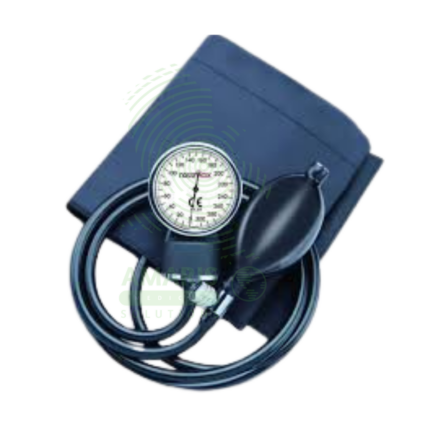
Aneroid Blood Pressure Monitor
The Aneroid Blood Pressure Monitor is a manual, mechanical sphygmomanometer used for the accurate, non-invasive measurement of arterial blood pressure. Operating on the auscultatory method, it consists of an inflatable cuff, a pump bulb with a release valve, and a calibrated dial gauge. Renowned for its reliability, durability, and independence from electrical power, it serves as a clinical gold standard and essential tool in physician offices, hospitals, and for guided home monitoring. Its accuracy is dependent on proper technique, correct cuff size, and regular calibration, making it a fundamental device for diagnosing and managing hypertension and assessing cardiovascular health.
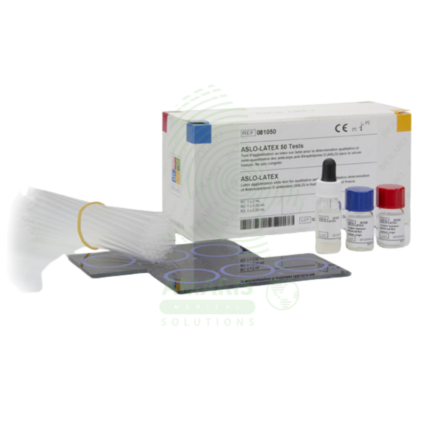
Anti-Streptol Olysin O Titer (ASOT)
Anti-Streptol Olysin O Titer (ASOT) is a quantitative or semi-quantitative serological test (latex agglutination, turbidimetry, nephelometry, or ELISA) for detecting antibodies against streptolysin O, an exotoxin produced by Group A Streptococcus. Elevated or rising titers indicate recent streptococcal infection and are essential for diagnosing post-streptococcal sequelae including acute rheumatic fever (Jones criteria) and post-streptococcal glomerulonephritis. The test requires serum samples; acute and convalescent (2-4 weeks apart) with fourfold rise confirms recent infection. Reference range typically <200-250 Todd units/mL (adults), varies by age and population. Primary clinical applications include diagnosis of Group A streptococcal infections, acute rheumatic fever evaluation, post-streptococcal glomerulonephritis diagnosis, differentiation of acute vs. past infection, evaluation of unexplained arthritis or carditis, pediatric inflammatory conditions (PANDAS), and monitoring disease activity in rheumatic fever. Critical safety precautions include proper timing of acute and convalescent samples, awareness of false negatives/positives, clinical correlation for diagnosis, and standard biohazard precautions. Essential test for rheumatology, nephrology, cardiology, and infectious disease practice.
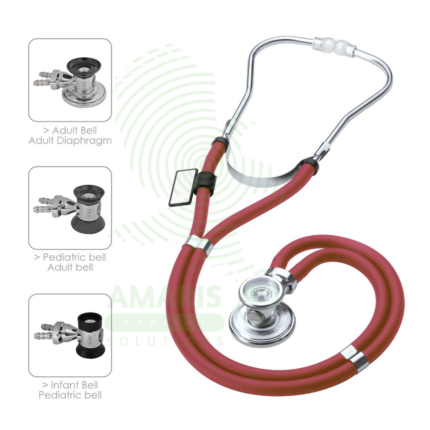
Dual Head Stethoscope
The Dual Head Stethoscope is the classic, essential acoustic diagnostic tool used by healthcare professionals worldwide. Its defining feature is a two-sided chestpiece, combining a diaphragm for high-frequency sounds (breath sounds, normal heart tones) and a bell for low-frequency sounds (heart murmurs, abnormal heart tones). Through mechanical sound conduction, it provides critical information for assessing cardiac, pulmonary, and vascular systems during physical examinations and manual blood pressure measurement. Its effectiveness relies on proper technique, a good acoustic seal, and consistent cleaning. As a fundamental symbol of medical practice, it balances functionality, durability, and affordability.
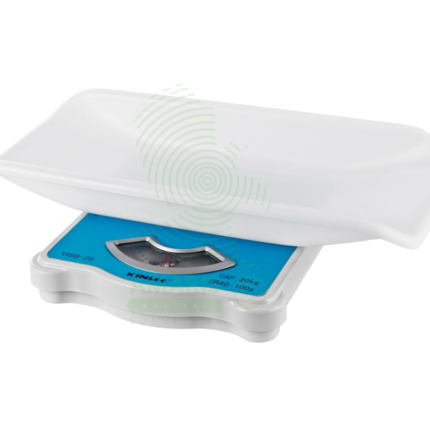
Manual Baby Weighing Scale
A Manual Baby Weighing Scale is a simple, mechanical device used to measure infant weight without the need for electricity or batteries. Operating on a spring or balance principle, it features a suspended sling or seat and a dial display. Its primary advantage is durability and portability for use in community health, outreach programs, and areas with unreliable power. While less precise than digital scales, it provides a reliable and accessible means to monitor growth trends and screen for undernutrition in resource-limited settings, making it a vital tool for basic pediatric care in the field.
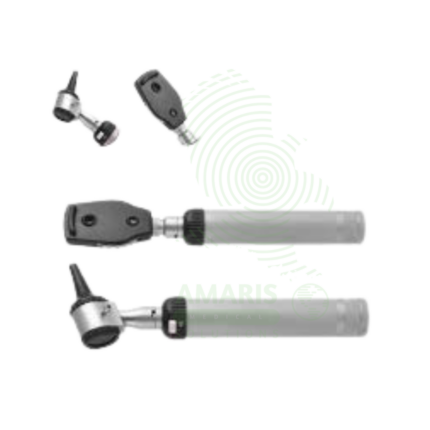
Ophthalmoscope
An Ophthalmoscope is a handheld diagnostic instrument used to examine the interior of the eye, specifically the fundus (retina, optic disc, blood vessels, and macula). By providing illuminated magnification, it serves as a vital screening tool for detecting ocular diseases like glaucoma and retinal disorders, and more importantly, for identifying signs of systemic conditions such as diabetes, hypertension, and increased intracranial pressure. Its operation involves selecting appropriate apertures and compensating lenses to obtain a clear view. While offering a detailed but narrow field of vision, mastery of the direct ophthalmoscope remains a cornerstone skill in general medicine, neurology, and ophthalmology for assessing vascular and neurological health.
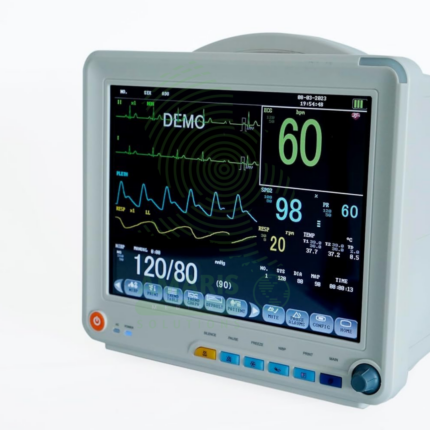
Patient Monitor
The Patient Monitor (6 Parameters BCCMS8000) is a versatile multi-parameter monitor designed for continuous surveillance of core vital signs in various clinical settings. It tracks six essential parameters—ECG, SpO2, Non-Invasive Blood Pressure (NIBP), Respiration, Temperature, and Pulse Rate—providing clinicians with real-time waveforms and numerical data on a clear color display. With its robust alarm system, battery backup for transport, and reliable performance, it is a fundamental tool for ensuring patient safety on general hospital wards, during procedures, and in emergency departments. Its design balances comprehensive monitoring capability with user-friendly operation.
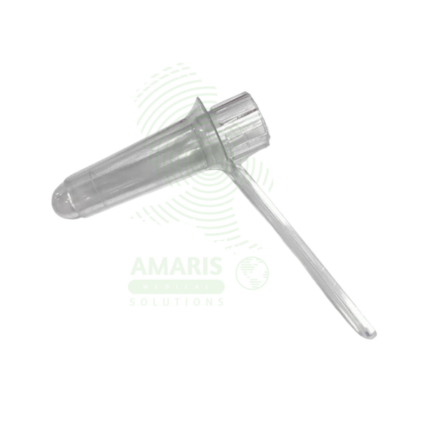
Proctoscope
A Proctoscope is a rigid, straight-tube endoscope specifically designed for the examination and treatment of the anal canal and distal rectum. It enables direct visualization to diagnose conditions like hemorrhoids, fissures, and proctitis, and serves as a conduit for therapeutic procedures such as band ligation. Available in reusable (autoclavable metal) or disposable (single-use plastic) formats, it is a fundamental tool in colorectal practice. Its effective use requires proper patient preparation, gentle insertion technique, and stringent adherence to sterilization protocols to ensure patient safety and diagnostic accuracy.