Dermatoscope and Magnifiers
 Diagnostic Kits
 Vital Signs Monitors
 Stethoscopes and Accessories
 Otoscopes, Ophthalmoscopes, and Retinoscopes
 Reflex Hammers and Neurological Tools
 Scales and Measuring Devices
 Spirometers and Pulmonary Function Tests
 Electrosurgical Units and Accessories
 Cutting Instruments
 Grasping and Holding Instruments
 Hemostatic Instruments
 Specialized Surgical Sets
 Single-Use Procedure Trays and Packs
 Surgical Drapes, Gowns, and Covers
 Tissue Unifying Instruments
 Radiation Protection
 X-Ray Machines and Accessories
 Ultrasound Systems and Probes
 MRI and CT Scanners
 Radiology Consumables
 Bone Densitometers
 Fluoroscopy Equipment
 Imaging Tables and Positioning Aids
 Microscopes and Accessories
 Centrifuges and Separators
 Analyzers
 Incubators and Ovens
 Pipettes, Dispensers, and Lab Glassware
 Refrigerators, Freezers, and Storage Units
 Lab Consumables
 Sterilizers and Autoclaves for Lab Use
 Multi-Parameter Monitors
 Ventilators and Respiratory Support Devices
 Defibrillators and AEDs
 Infusion Pumps and IV Systems
 Patient Warmers and Cooling Devices
 Central Monitoring Stations
 Accessories
 Anesthesia Machines and Workstations
 Oxygen Concentrators and Delivery Systems
 Nebulizers and Inhalers
 CPAP/BiPAP Machines
 Airway Management
 Anesthesia Masks, Circuits, and Bags
 Humidifiers and Heaters
 Respiratory Therapy Accessories
 First Aid Kits and Cabinets
 Emergency Resuscitation Equipment
 Trauma Supplies
 Emergency Carts and Crash Carts
 Burn Care Products
 Bleeding Control
 Automated External Defibrillators (AEDs)
 Transport and Evacuation
 Wheelchairs and Accessories
 Walkers, Crutches, and Canes
 Prosthetics and Orthotics
 Physical Therapy Equipment
 Transfer Devices
 Bathroom Safety
 Orthopedic Traction and Tables
 Hot/Cold Therapy Packs and Units
 Beds and Mattresses
 Chairs and Stools
 Tables
 Cabinets and Storage
 Privacy Screens & Curtains
 Stands and Racks
 Linens and Textiles
 Lighting
 Autoclaves and Sterilizers
 Ultrasonic Cleaners
 Disinfectant Solutions and Wipes
 Sterilization Pouches, Wraps, and Indicators
 Instrument Trays and Containers
 UV and Ozone Disinfection Devices
 Washer Disinfectors
 Wound Care
 Gloves
 Masks and Respirators
 Catheters and Tubing
 Swabs, Applicators, and Sponges
 Incontinence Products
 Personal Protective Equipment (PPE)
 Dental Chairs and Units
 Handpieces and Burs
 Instruments
 Consumables
 Sterilization for Dental Use
 Orthodontic Supplies
 Endodontic Tools
 Slit Lamps and Tonometers
 Lensometers and Phoropters
 Ophthalmic Surgical Instruments
 Eyewear Frames and Lenses
 Contact Lens Supplies
 Vision Testing Charts and Devices
 Eye Care Consumables
 Laser Systems for Eye Care
 ENT Exam Chairs and Tables
 Endoscopes
 Audiometers and Hearing Tests
 ENT Instruments
 Nasal and Throat Packs
 Hearing Aids and Accessories
 Otology Supplies
 Fetal Dopplers and Monitors
 Delivery Beds and Tables
 Gynecological Instruments
 Neonatal Incubators and Warmers
 Breast Pumps and Accessories
 Contraceptive Devices
 Maternity Supports and Pads
 Neonatal Consumables
 Cystoscopes and Urethroscopes
 Dialysis Machines and Supplies
 Urological Catheters and Bags
 Lithotripters
 Prostate Treatment Devices
 Urinary Incontinence Products
 Kidney Stone Management Tools
 Consumables & Disposables
 EEG and EMG Machines
 Neurosurgical Instruments
 Nerve Stimulators
 Headrests and Positioning Aids
 Lumbar Puncture Kits
 Seizure Monitoring Devices
 Consumables
 Rehabilitation for Neurological Conditions
 ECG Machines and Accessories
 Holter Monitors
 Stress Test Systems
 Pacemakers and Defibrillator Accessories
 Vascular Access Devices
 Cardiac Catheters and Guidewires
 Blood Flow Meters
 Consumables
 Orthopedic Instruments
 Casts, Splints, and Padding
 Joint Replacement Supplies
 Prosthetic Limbs and Components
 Bone Grafts and Substitutes
 Traction Devices
 Orthopedic Braces and Supports
 Rehabilitation Aids for Orthopedics
 Home Oxygen Therapy
 Hospital Beds for Home Use
 Mobility Aids
 Bathroom and Daily Living Aids
 Wound Care for Home
 Monitoring Devices
 Enteral Feeding Pumps and Tubes
 Hand Sanitizers and Dispensers
 Face Shields and Goggles
 Isolation Gowns and Suits
 Biohazard Waste Containers
 Air Purifiers and HEPA Filters
 Surface Disinfectants
 Sharps Containers
 Protective Barriers
 Cardiovascular & Endurance Training
 Strength Training & Weightlifting
 Functional Training & Core Conditioning
 Physical Therapy & Rehabilitation
 Sports & Outdoor Recreation
 Gym Flooring & Facility Equipment
 Fitness Monitoring & Accessories
 Kids & Novelties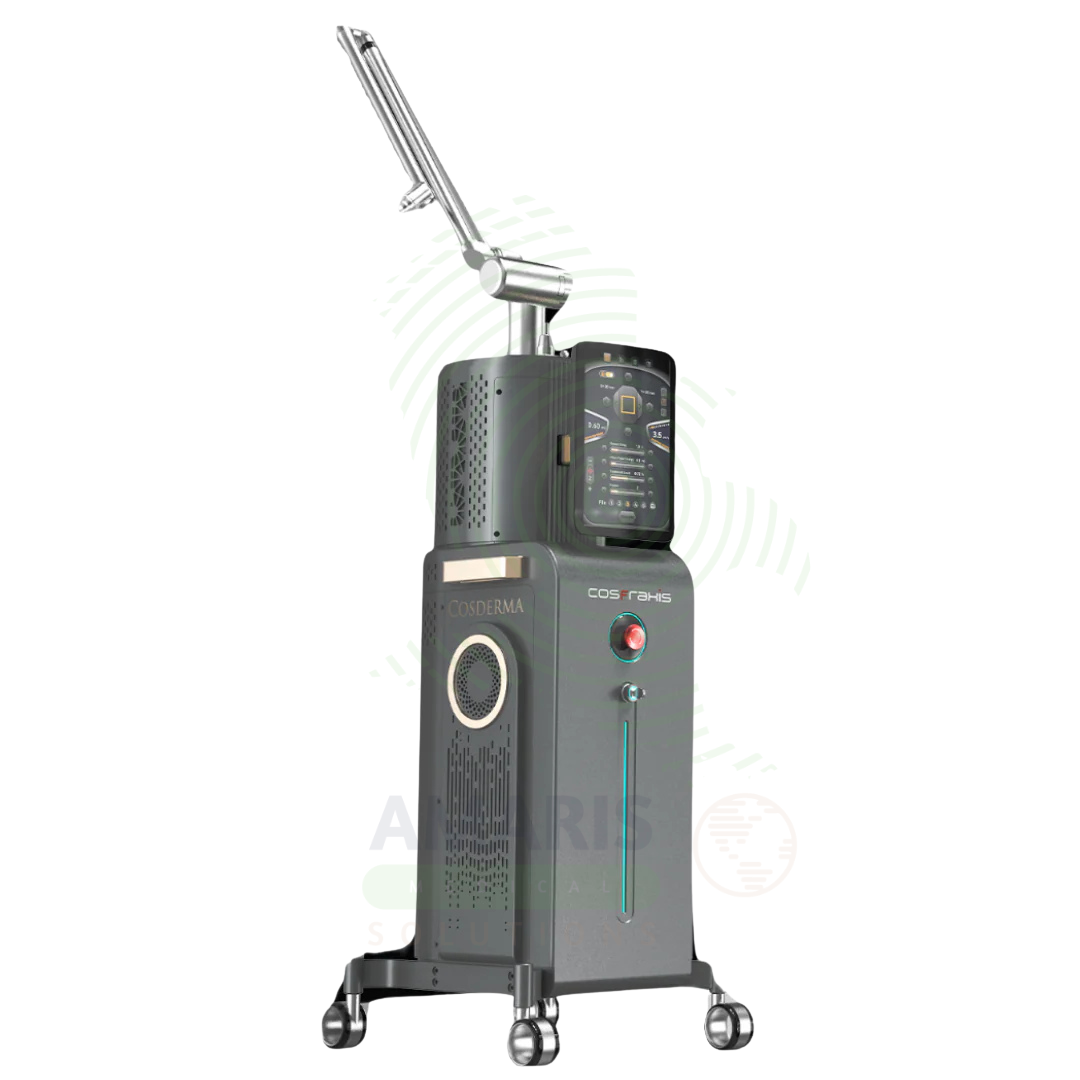
RF Tube Fractional CO₂ Laser Machine
$1.00
WhatsApp Order
An RF Tube Fractional CO₂ Laser Machine is a fractional carbon dioxide laser system used for skin resurfacing, treatment of deep wrinkles, acne scars, photodamage, and skin tightening. The fractional technology creates microscopic columns of thermal injury while preserving surrounding healthy tissue, allowing for significant improvement with manageable downtime. The gold standard for skin resurfacing, it provides dramatic results for patients with moderate to severe skin concerns.
Description
RF Tube Fractional CO₂ Laser Machine
PRIMARY CLINICAL & DIAGNOSTIC USES
1. Fractional CO₂ Laser for Skin Resurfacing
-
Primary Use: Delivers fractional carbon dioxide laser energy to create microscopic columns of thermal injury in the skin, stimulating collagen remodeling and new tissue formation while leaving surrounding healthy tissue intact for rapid healing. The RF tube technology provides stable, consistent laser output for predictable treatment outcomes.
-
How it helps: For the dermatologist and aesthetic medicine practitioner, fractional CO₂ laser provides the gold standard for skin resurfacing—addressing deep wrinkles, photodamage, and scarring with significant improvement after a single treatment. For the patient, fractional CO₂ offers dramatic results for severe skin concerns with a manageable downtime compared to fully ablative lasers.
2. Treatment of Deep Facial Wrinkles and Photodamage
-
Primary Use: Effectively treats moderate to severe facial wrinkles, including deep periorbital lines, perioral lines, and forehead rhytides. The laser also addresses photodamage including solar elastosis, dyspigmentation, and actinic keratoses.
-
How it helps: For the clinician, fractional CO₂ laser provides reliable, predictable results for patients with significant sun damage and deep wrinkles—offering dramatic improvement that cannot be achieved with non-ablative modalities. For the patient, this means a more youthful, refreshed appearance with significant reduction in visible signs of aging.
3. Treatment of Acne Scars and Surgical Scars
-
Primary Use: Highly effective for treating atrophic acne scars, including rolling, boxcar, and icepick scars. The fractional CO₂ laser breaks down scar tissue and stimulates new collagen formation, gradually improving scar depth and texture. Also effective for surgical and traumatic scars.
-
How it helps: For the dermatologist treating patients with acne scarring, fractional CO₂ laser provides significant improvement in scar appearance—often requiring fewer sessions than non-ablative options. For the patient, this means smoother skin texture and improved confidence after treatment.
4. Skin Tightening and Lifting
-
Primary Use: The thermal energy from fractional CO₂ laser causes contraction of collagen fibers and stimulates neocollagenesis, resulting in significant skin tightening and lifting effects for the face, neck, and eyelids.
-
How it helps: For the aesthetic practitioner, fractional CO₂ offers a non-surgical option for significant skin tightening—providing lifting and firming effects that can rival surgical outcomes for appropriate candidates. For the patient, this means improved facial contours and reduced laxity without incisions or general anesthesia.
5. Treatment of Actinic Keratoses and Precancerous Lesions
-
Primary Use: Fractional CO₂ laser effectively treats actinic keratoses, precancerous lesions caused by sun damage, and can reduce the risk of progression to squamous cell carcinoma in treated areas.
-
How it helps: For the dermatologist, fractional CO₂ laser provides a treatment option for widespread actinic damage on the face, scalp, and extremities—addressing both cosmetic concerns and cancer prevention. For the patient, this means improved skin health and reduced cancer risk in addition to cosmetic benefits.
SECONDARY & SUPPORTIVE USES
1. Treatment of Melasma: Fractional CO₂ for refractory melasma with appropriate protocols.
2. Treatment of Striae (Stretch Marks): Improvement of stretch marks on abdomen, breasts, and thighs.
3. Treatment of Rhinophyma: Resurfacing of thickened nasal skin in rosacea patients.
4. Treatment of Vitiligo: Fractional CO₂ as adjunct to medical therapy for vitiligo.
5. Vaginal Rejuvenation: Fractional CO₂ for vaginal laxity and genitourinary syndrome of menopause.
6. Hand Rejuvenation: Treatment of photodamage and age spots on hands.
KEY PRODUCT FEATURES
1. BASIC IDENTIFICATION ATTRIBUTES
-
Device Type: A fractional carbon dioxide laser system with RF tube technology for skin resurfacing and rejuvenation.
-
Designation: RF Tube Fractional CO₂ Laser Machine, Fractional CO₂ Laser, CO₂ Laser Resurfacing, Carbon Dioxide Laser.
-
Key Components:
-
Laser Console: Main unit with RF tube and power supply.
-
Scanning Handpiece: Fractional scanning system for precise pattern delivery.
-
Control Interface: Touchscreen for treatment parameters.
-
Cooling System: Skin cooling for patient comfort.
-
Safety Interlocks: Patient and operator safety features.
-
Exhaust System: Smoke evacuation for plume safety.
-
2. TECHNICAL & PERFORMANCE PROPERTIES
-
Wavelength: 10,600 nm (CO₂ laser).
-
Fractional Patterns: Adjustable size, shape, and density.
-
Energy: 5-150 mJ adjustable.
-
Treatment Depth: Up to 1,000 µm adjustable.
-
Scan Speed: Adjustable for fractional coverage.
-
Passes: 1-3 passes depending on indication.
-
Results Timeline: Progressive improvement over 3-6 months.
3. PHYSICAL & OPERATIONAL PROPERTIES
-
Construction: Mobile cart with articulating arm.
-
Portability: Movable for treatment room flexibility.
-
Controls: Touchscreen interface with preset protocols.
-
Cooling: Integrated skin cooling system.
-
Smoke Evacuation: Built-in or external smoke evacuator.
4. SAFETY & COMPLIANCE ATTRIBUTES
-
Regulatory Status: Class II or III medical device regulated by FDA.
-
Eye Safety: Laser safety eyewear required for patient and operator.
-
Plume Safety: Smoke evacuation required to prevent inhalation of vaporized tissue.
-
Contraindications: Pregnancy, active infection, isotretinoin use, photosensitivity, recent tanning.
-
Adverse Effects: Erythema, edema, crusting, hyperpigmentation, hypopigmentation.
-
Safety Standards: Compliant with laser safety standards.
5. STORAGE & HANDLING ATTRIBUTES
-
Storage: Store in clean, dry location; protect from damage.
-
Cleaning: Wipe surfaces with appropriate disinfectants; clean handpiece per manufacturer guidelines.
-
Maintenance: Regular calibration; inspection of handpiece, cables, and cooling system.
-
Laser Safety: Ensure proper safety protocols and eyewear availability.
6. LABORATORY & CLINICAL APPLICATIONS
-
Primary Application: Skin resurfacing for wrinkles, photodamage, acne scars, and skin tightening.
-
Clinical Role: Used in dermatology, aesthetic medicine, and plastic surgery practices.
SAFETY HANDLING PRECAUTIONS
1. SAFETY PRECAUTIONS
-
Eye Protection: Patient and operator must wear appropriate laser safety eyewear.
-
Plume Evacuation: Use smoke evacuator to remove laser plume; wear surgical masks.
-
Skin Assessment: Assess skin type and tanning status before treatment.
-
Test Spot: Perform test spot to determine appropriate settings.
-
Cooling: Ensure cooling system is functioning properly.
-
Treatment Parameters: Adjust settings based on indication, skin type, and treatment area.
-
Patient Education: Inform patient about expected downtime, results, and post-treatment care.
2. FIRST AID MEASURES
-
Burns: If thermal injury occurs, cool area; apply appropriate wound care; seek medical attention if severe.
-
Eye Exposure: If laser exposure occurs, seek ophthalmologic evaluation immediately.
-
Pigment Changes: Monitor for hyperpigmentation or hypopigmentation; treat with topical agents if needed.
-
Infection: If signs of infection develop, treat with appropriate antibiotics.
3. FIRE FIGHTING MEASURES
-
Flammability: Electrical components may pose fire risk; CO₂ laser can ignite flammable materials.
-
Extinguishing Media: For electrical fire, use CO₂ or dry chemical extinguisher.
Related products
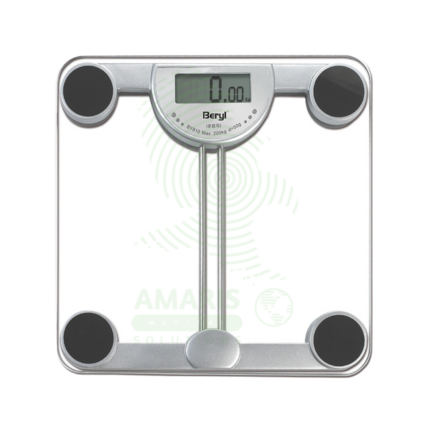
Digital Bathroom Weighing Scale
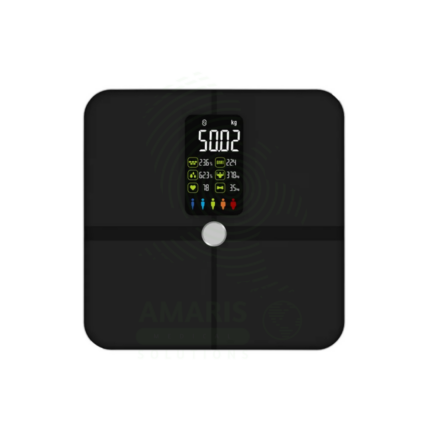
A Digital Bathroom Weighing Scale is a Class I medical device (for health monitoring) using strain gauge sensor technology (four high-precision sensors, accuracy ±0.1-0.3 kg) to measure body weight in home settings. Features include tempered glass, stainless steel, or ABS plastic platform (30-35 cm square), backlit LCD display with large numerals, auto-on/off, low battery indicator, overload warning, and weight capacity 150-200 kg (330-440 lbs) standard, with bariatric models to 300 kg (660 lbs). Measurement units switchable between kg, lb, and st. Primary clinical applications include home weight monitoring for chronic disease management (congestive heart failure fluid detection, chronic kidney disease), obesity and weight management programs, bariatric surgery pre- and post-operative monitoring, diabetes management and metabolic health, pregnancy weight gain tracking, geriatric nutritional status monitoring (detecting malnutrition), and pediatric growth monitoring. Critical safety considerations include use on hard, level surface (not carpet), consistent weighing conditions (same time, minimal clothing), inspection of glass platform for cracks, staying within weight capacity, and recognition that rapid weight gain >2-3 kg in 24-48 hours may indicate fluid overload requiring medical attention. Essential tool for home-based chronic disease management and health monitoring.
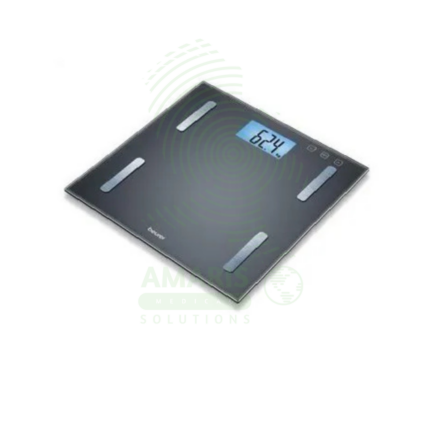
Digital weight scale with BMI calculator
A Digital Weight Scale with BMI Calculator is a Class I medical device (for health monitoring) combining precision strain gauge technology (four sensors, accuracy ±0.1-0.3 kg) with automatic BMI calculation based on user-entered height. Features include tempered glass, stainless steel, or ABS plastic platform (30-35 cm square), backlit LCD display showing weight and BMI, multiple user profiles (2-10 users) with height storage, memory for historical readings, auto-recognition on select models, Bluetooth connectivity for app integration, and weight capacity 150-200 kg (330-440 lbs) standard. Primary clinical applications include home-based BMI monitoring for weight management, hypertension and cardiovascular risk assessment, diabetes management and metabolic health, obesity screening and weight loss programs, bariatric surgery pre- and post-operative monitoring, geriatric nutritional status monitoring (detecting malnutrition), and pediatric/adolescent growth tracking. Critical safety considerations include accurate height entry for each user (essential for valid BMI), correct user profile selection, use on hard level surfaces (not carpet), glass platform inspection for cracks, staying within weight capacity, and understanding that BMI is a screening tool requiring healthcare provider interpretation. Essential home health device for individuals managing weight-related health conditions.
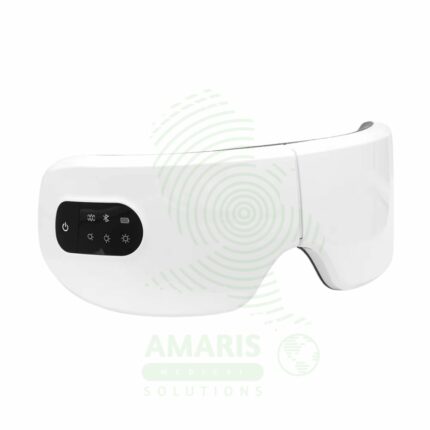
Electric Ophthalmic Massager
An Electric Ophthalmic Massager is a therapeutic device that provides pneumatic compression, vibration, and heat therapy to the periorbital region for relief of digital eye strain, tension headaches, and visual fatigue. The ergonomic design targets acupressure points around the eyes while multiple massage modes and adjustable intensity levels allow for customized treatment. Used as a non-pharmacological adjunct for managing eye strain from prolonged screen use, the device also promotes relaxation and may support circulation. Patients with glaucoma, retinal detachment, recent eye surgery, or other eye conditions should consult an ophthalmologist before use. Proper duration and intensity settings are essential for safe and effective use.
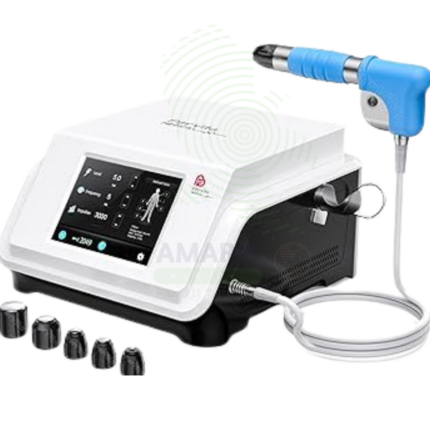
Extracorporeal Shockwave Therapy (ESWT)
Extracorporeal Shockwave Therapy (ESWT) is a non-invasive treatment modality that delivers acoustic shockwaves to tissues to stimulate healing, reduce pain, and improve function in chronic musculoskeletal conditions. Used for chronic tendinopathies including plantar fasciitis, Achilles tendinopathy, tennis elbow, and rotator cuff tendinopathy, as well as non-union fractures and myofascial pain, ESWT provides an effective non-surgical option for patients who have failed conservative treatment. Available in focused and radial forms, it offers hope for recovery without surgery.
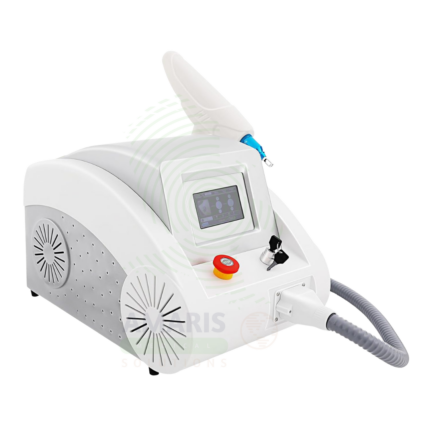
High-Performance Pico-Second Q-Switched Nd:YAG Laser
A High-Performance Pico-Second Q-Switched Nd:YAG Laser is an advanced laser system that delivers ultra-short picosecond pulses to fragment tattoo ink and pigmented lesions with minimal thermal damage. Operating at 1064 nm and 532 nm wavelengths, it effectively treats a wide range of tattoo colors, benign pigmented lesions, and melasma. The optional fractional lens technology enables skin rejuvenation and acne scar treatment. Faster tattoo clearance and reduced risk of pigment changes make it the gold standard for tattoo removal and pigmentation treatment.
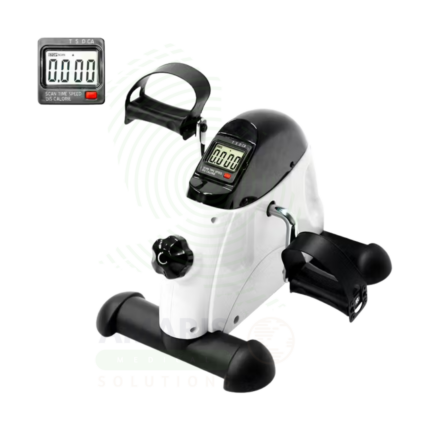
Mini Bike
A Mini Bike is a compact, portable pedal exerciser designed for seated lower extremity cycling and tabletop upper extremity cycling for passive, active-assisted, or active exercise in rehabilitation and home settings. Unlike traditional stationary bikes that require standing or transferring to a specialized seat, the mini bike places the pedal unit on the floor in front of the user for leg exercise, or on a tabletop for arm exercise, allowing patients with severe deconditioning, lower extremity weakness, neurological impairment, or upper limb pathology to initiate therapeutic movement safely from their own chair or bed. Adjustable magnetic or friction resistance allows for progressive strengthening, while forward and backward pedaling engages different muscle groups. For the physical therapist and occupational therapist, the mini bike provides an accessible entry point to rehabilitation for patients who cannot yet tolerate upright exercise—including those recovering from stroke, spinal cord injury, joint replacement, cardiac surgery, or critical illness. For the patient with limited mobility, regular mini bike use maintains joint range of motion, activates the calf muscle pump to reduce edema, prevents deconditioning, restores upper extremity function, and supports functional recovery—all while remaining safely seated.
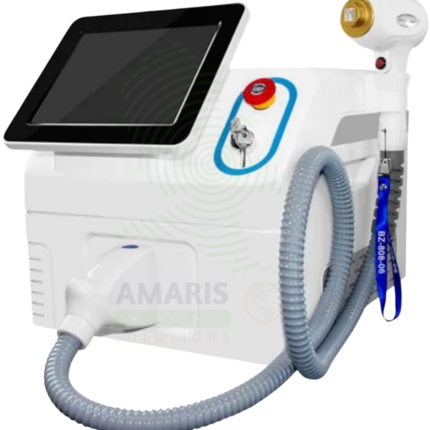
Portable Diode Laser Hair Removal Machine
A Portable Diode Laser Hair Removal Machine is a compact, mobile laser system using diode technology (800-810 nm) for permanent hair reduction on the face and body. Effective for a wide range of skin types (Fitzpatrick I-VI), it features integrated cooling for patient comfort and adjustable treatment parameters for customized care. Portable design allows for use in multiple treatment rooms or mobile services, making it ideal for dermatology practices, medical spas, and aesthetic clinics.