Dermatoscope and Magnifiers
 Diagnostic Kits
 Vital Signs Monitors
 Stethoscopes and Accessories
 Otoscopes, Ophthalmoscopes, and Retinoscopes
 Reflex Hammers and Neurological Tools
 Scales and Measuring Devices
 Spirometers and Pulmonary Function Tests
 Electrosurgical Units and Accessories
 Cutting Instruments
 Grasping and Holding Instruments
 Hemostatic Instruments
 Specialized Surgical Sets
 Single-Use Procedure Trays and Packs
 Surgical Drapes, Gowns, and Covers
 Tissue Unifying Instruments
 Radiation Protection
 X-Ray Machines and Accessories
 Ultrasound Systems and Probes
 MRI and CT Scanners
 Radiology Consumables
 Bone Densitometers
 Fluoroscopy Equipment
 Imaging Tables and Positioning Aids
 Microscopes and Accessories
 Centrifuges and Separators
 Analyzers
 Incubators and Ovens
 Pipettes, Dispensers, and Lab Glassware
 Refrigerators, Freezers, and Storage Units
 Lab Consumables
 Sterilizers and Autoclaves for Lab Use
 Multi-Parameter Monitors
 Ventilators and Respiratory Support Devices
 Defibrillators and AEDs
 Infusion Pumps and IV Systems
 Patient Warmers and Cooling Devices
 Central Monitoring Stations
 Accessories
 Anesthesia Machines and Workstations
 Oxygen Concentrators and Delivery Systems
 Nebulizers and Inhalers
 CPAP/BiPAP Machines
 Airway Management
 Anesthesia Masks, Circuits, and Bags
 Humidifiers and Heaters
 Respiratory Therapy Accessories
 First Aid Kits and Cabinets
 Emergency Resuscitation Equipment
 Trauma Supplies
 Emergency Carts and Crash Carts
 Burn Care Products
 Bleeding Control
 Automated External Defibrillators (AEDs)
 Transport and Evacuation
 Wheelchairs and Accessories
 Walkers, Crutches, and Canes
 Prosthetics and Orthotics
 Physical Therapy Equipment
 Transfer Devices
 Bathroom Safety
 Orthopedic Traction and Tables
 Hot/Cold Therapy Packs and Units
 Beds and Mattresses
 Chairs and Stools
 Tables
 Cabinets and Storage
 Privacy Screens & Curtains
 Stands and Racks
 Linens and Textiles
 Lighting
 Autoclaves and Sterilizers
 Ultrasonic Cleaners
 Disinfectant Solutions and Wipes
 Sterilization Pouches, Wraps, and Indicators
 Instrument Trays and Containers
 UV and Ozone Disinfection Devices
 Washer Disinfectors
 Wound Care
 Gloves
 Masks and Respirators
 Catheters and Tubing
 Swabs, Applicators, and Sponges
 Incontinence Products
 Personal Protective Equipment (PPE)
 Dental Chairs and Units
 Handpieces and Burs
 Instruments
 Consumables
 Sterilization for Dental Use
 Orthodontic Supplies
 Endodontic Tools
 Slit Lamps and Tonometers
 Lensometers and Phoropters
 Ophthalmic Surgical Instruments
 Eyewear Frames and Lenses
 Contact Lens Supplies
 Vision Testing Charts and Devices
 Eye Care Consumables
 Laser Systems for Eye Care
 ENT Exam Chairs and Tables
 Endoscopes
 Audiometers and Hearing Tests
 ENT Instruments
 Nasal and Throat Packs
 Hearing Aids and Accessories
 Otology Supplies
 Fetal Dopplers and Monitors
 Delivery Beds and Tables
 Gynecological Instruments
 Neonatal Incubators and Warmers
 Breast Pumps and Accessories
 Contraceptive Devices
 Maternity Supports and Pads
 Neonatal Consumables
 Cystoscopes and Urethroscopes
 Dialysis Machines and Supplies
 Urological Catheters and Bags
 Lithotripters
 Prostate Treatment Devices
 Urinary Incontinence Products
 Kidney Stone Management Tools
 Consumables & Disposables
 EEG and EMG Machines
 Neurosurgical Instruments
 Nerve Stimulators
 Headrests and Positioning Aids
 Lumbar Puncture Kits
 Seizure Monitoring Devices
 Consumables
 Rehabilitation for Neurological Conditions
 ECG Machines and Accessories
 Holter Monitors
 Stress Test Systems
 Pacemakers and Defibrillator Accessories
 Vascular Access Devices
 Cardiac Catheters and Guidewires
 Blood Flow Meters
 Consumables
 Orthopedic Instruments
 Casts, Splints, and Padding
 Joint Replacement Supplies
 Prosthetic Limbs and Components
 Bone Grafts and Substitutes
 Traction Devices
 Orthopedic Braces and Supports
 Rehabilitation Aids for Orthopedics
 Home Oxygen Therapy
 Hospital Beds for Home Use
 Mobility Aids
 Bathroom and Daily Living Aids
 Wound Care for Home
 Monitoring Devices
 Enteral Feeding Pumps and Tubes
 Hand Sanitizers and Dispensers
 Face Shields and Goggles
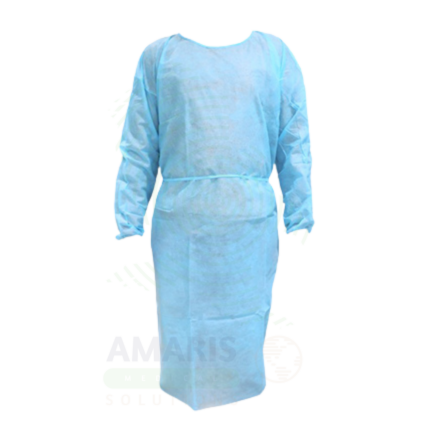
 Isolation Gowns and Suits
 Biohazard Waste Containers
 Air Purifiers and HEPA Filters
 Surface Disinfectants
 Sharps Containers
 Protective Barriers
 Cardiovascular & Endurance Training
 Strength Training & Weightlifting
 Functional Training & Core Conditioning
 Physical Therapy & Rehabilitation
 Sports & Outdoor Recreation
 Gym Flooring & Facility Equipment
 Fitness Monitoring & Accessories
 Kids & Novelties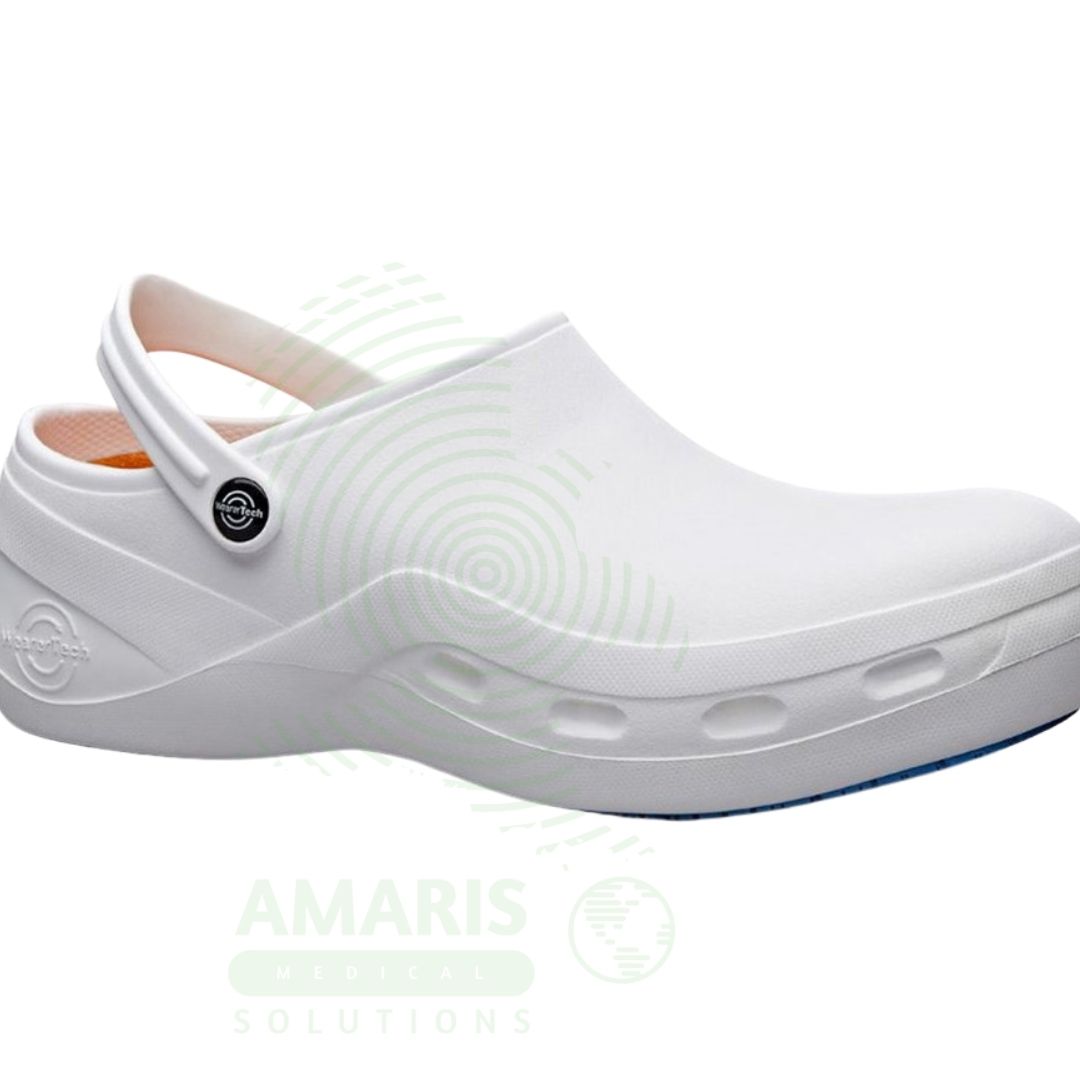
White Clogs
WhatsApp Order
White Clogs are slip-on, closed-toe shoes made from non-porous, easy-to-clean materials like Croslite or rubber, specifically designed for healthcare professionals. Their primary functions are to protect the wearer from biological and chemical hazards, provide superior slip resistance on wet floors, and offer ergonomic support for long shifts. The white color ensures immediate visibility of contamination, supporting infection control protocols. As a key component of PPE, they require daily disinfection and regular replacement to maintain safety and hygiene standards in hospitals, clinics, and laboratories.
Description
White Clogs
PRIMARY CLINICAL & DIAGNOSTIC USES
1. Personal Protective Equipment for Healthcare Worker Foot Safety and Hygiene
-
Definitive Use: Provides a protective barrier for the feet of clinical and non-clinical staff against exposure to biological hazards, chemical spills, and physical hazards, with closed-toe design and solid material shielding against punctures, spills, and impact.
-
How it helps: For the nurse, surgeon, and laboratory technician, white clogs transform ordinary footwear into essential personal protective equipment—creating a barrier between their feet and the blood, bodily fluids, dropped sharps, and chemical spills that are daily realities in healthcare environments. For the patient, knowing that healthcare workers wear protective, cleanable footwear means reduced risk of pathogens being tracked into their room or operating suite, supporting the infection control practices that keep them safe.
2. Infection Control and Cross-Contamination Prevention
-
Primary Use: Designed to be easily cleaned and disinfected, they prevent staff from carrying contaminants from patient rooms, operating theaters, or laboratory areas into clean zones, with non-porous surfaces that do not harbor pathogens like porous footwear materials.
-
How it helps: For the infection preventionist and environmental services team, white clogs with smooth, non-porous surfaces represent a critical control point—they can be wiped down with hospital-grade disinfectants between units, preventing the movement of C. diff spores, MRSA, or VRE from contaminated areas to clean ones. For the immunocompromised patient, this simple measure means that the staff entering their room are not tracking in pathogens on the soles of their shoes from elsewhere in the hospital.
3. Ergonomic Support for Prolonged Standing and Dynamic Movement
-
Primary Use: Engineered to provide arch support, cushioning, and shock absorption to reduce foot, leg, and lower back fatigue for healthcare professionals who spend long shifts walking, standing, and moving quickly on hard hospital floors.
-
How it helps: For the nurse covering 12-hour shifts, the surgeon standing through multiple procedures, or the technician constantly on the move, properly designed clogs provide the support that prevents the cumulative trauma of hard flooring—reducing foot pain, knee strain, and lower back fatigue that can lead to career-ending injuries. For the patient, a comfortable, well-supported healthcare worker is one who can focus entirely on their care, undistracted by the distraction of aching feet and exhausted legs.
SECONDARY & SUPPORTIVE USES
1. Compliance with Clinical Area Dress Codes and Sterility Protocols: White or solid-color clogs are often mandated in sterile environments like operating rooms and procedure suites to maintain a uniform, professional appearance and to make visible contamination immediately apparent, prompting immediate change or cleaning. For the surgical team, this standardization supports the discipline of the sterile environment; for the surgical patient, it provides visual reassurance that everyone in the room is adhering to the same high standards.
2. Slip and Fluid Resistance in Wet Environments: The sole is specifically designed to provide superior traction on wet, slippery floors commonly found in hospitals due to spills, cleaning, or fluids in operating rooms, labs, and wards, reducing the risk of slip-and-fall injuries. For the healthcare worker rushing to a code or carrying an armload of supplies, reliable traction prevents devastating falls that injure staff and disrupt patient care. For the patient, it means their caregiver arrives safely and without incident.
3. Quick Donning and Doffing for Emergency Response: The slip-on design allows for rapid changing of footwear, which is crucial in emergency departments, for code blue teams, or when moving between clean and contaminated areas, saving critical time. For the responder sprinting to a code, seconds saved on footwear are seconds spent on patient care; for the patient in crisis, that speed contributes to faster intervention.
4. Comfort and Temperature Regulation During Long Shifts: The lightweight, often ventilated design promotes air circulation, reducing foot moisture, odor, and heat buildup, contributing to overall comfort and hygiene during extended wear. For the healthcare worker on their feet for hours, this breathability prevents the discomfort of sweaty feet and the skin breakdown that can result from prolonged moisture exposure.
5. Identification of Staff Role or Department: While often white universally, some facilities use specific colors to allow for quick visual identification of a staff member’s department or role. For the patient trying to navigate the confusing hospital environment, color-coded footwear can help them identify who is who; for the charge nurse coordinating a response, quick visual identification of team members streamlines communication.
KEY PRODUCT FEATURES
1. BASIC IDENTIFICATION ATTRIBUTES
-
Product Type: A slip-on, closed-toe shoe specifically designed for the healthcare environment.
-
Core Design: A one-piece or few-piece upper (often made of polymer or rubber) attached to a specialized sole. Characterized by an open-back or heel strap and an enclosed toe box.
-
Key Components:
-
Upper: Made of Croslite™ (closed-cell resin), polyurethane (PU), rubber, or other easy-clean, non-absorbent materials.
-
Sole: A non-marking, oil- and slip-resistant rubber or synthetic sole, often with a tread pattern for traction.
-
Footbed: A contoured, cushioned insole for arch support and shock absorption. May be removable.
-
Ventilation Ports: Small holes or channels in the upper to allow air flow.
-
2. TECHNICAL & PERFORMANCE PROPERTIES
-
Material Properties: Non-Porous: Impervious to fluids, preventing absorption of contaminants. Chemical Resistance: Resistant to degradation from common hospital disinfectants (alcohol, bleach). Easy to Clean: Can be wiped down with disinfectant wipes.
-
Slip Resistance: Rated using standardized tests (e.g., SATRA, OSHA) for wet and oily surfaces, with a high coefficient of friction.
-
Comfort Technology: Features may include anatomical footbeds, heel cushions, and rocker soles to promote natural gait and reduce fatigue.
-
Weight: Extremely lightweight to reduce leg fatigue over long periods.
3. PHYSICAL & OPERATIONAL PROPERTIES
-
Construction: Often injection-molded as a single unit (upper and sole) for seamless, crevice-free design that is easy to clean.
-
Closure: Slip-on design; some have a back strap for a more secure fit.
-
Color: White is standard for high-visibility of contaminants. Available in other solid colors for departmental coding.
4. SAFETY & COMPLIANCE ATTRIBUTES
-
Safety Standards: Should meet relevant standards for occupational footwear (e.g., ANSI Z41, EN ISO 20347 for "professional footwear") for slip resistance, toe protection, and energy absorption.
-
Electrical Hazard Protection: Some models offer EH (Electrical Hazard) rating to reduce the risk of shock in certain environments.
-
Infection Control Compliance: The cleanable design supports infection prevention protocols by allowing for decontamination between shifts or after exposure events.
5. STORAGE & HANDLING ATTRIBUTES
-
Storage: Stored in a clean, personal locker or designated area at work. Should not be worn outside the healthcare facility to prevent bringing in external contaminants.
-
Cleaning & Disinfection: Should be wiped down daily and after any exposure event with an EPA-registered disinfectant wipe or spray. Removable footbeds should be cleaned separately. Never machine wash or autoclave unless specifically designed for it.
-
Replacement Schedule: Should be replaced regularly (typically every 6-12 months with daily use) or immediately if the sole is worn smooth (losing slip resistance), cracked, or damaged, compromising protection or cleanability.
6. LABORATORY & CLINICAL APPLICATIONS
-
Primary Application: Essential personal protective equipment (PPE) for nearly all healthcare staff, including nurses, doctors, surgeons, dentists, laboratory technicians, pharmacists, and environmental services workers. They are a critical component of the professional uniform and safety gear.
SAFETY HANDLING PRECAUTIONS
1. SAFETY PRECAUTIONS
-
Correct Fit: Must fit snugly to prevent tripping but not cause constriction. An ill-fitting clog is a tripping hazard and causes discomfort.
-
Sole Inspection: Regularly inspect the sole tread for wear. A smooth sole has lost its slip resistance and must be replaced immediately.
-
Contamination Protocol: If clogs are contaminated with blood or bodily fluids, they should be removed, cleaned, and disinfected immediately. Have a backup pair available.
-
Not for Outdoor Use: Healthcare clogs are designed for indoor clinical floors. Wearing them outdoors wears down the specialized sole and brings dirt and pathogens into the clinical environment.
-
Limited Chemical Protection: While resistant to splashes, they are not chemical-proof boots. In areas with risk of large chemical spills, appropriate impermeable boots should be worn.
2. FIRST AID MEASURES
-
Slip/Fall Injury: If a fall occurs due to lost traction, follow standard first aid and incident reporting procedures. Investigate the cause (worn sole, unexpected spill).
-
Chemical Exposure: If chemicals soak through a crack or saturate the clog, remove footwear immediately, rinse skin with water, and seek medical attention if irritation occurs.
-
Puncture Wound: If a sharp object penetrates the clog, treat the wound with standard first aid and seek medical evaluation for potential need of a tetanus booster or other care.
3. FIRE FIGHTING MEASURES
-
Flammability: Most synthetic materials (Croslite, PU, rubber) are combustible but not highly flammable.
-
Extinguishing Media: Use water, foam, or CO₂.
Related products
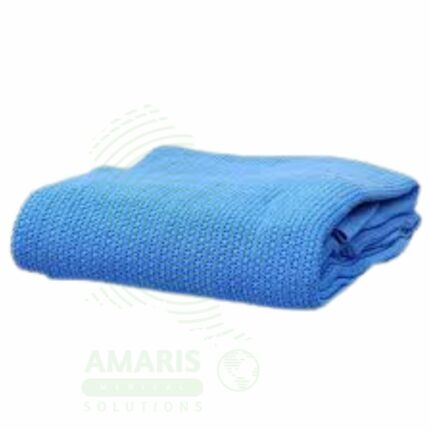
Cellular Blankets
Cellular Blankets are lightweight, breathable blankets with a distinctive honeycomb knit structure. Primarily used in healthcare for patient warmth and thermal regulation, they work by trapping insulating air within their cells while allowing moisture to escape, preventing overheating and sweating. Available in reusable (cotton/polyester) or disposable forms, they are essential for maintaining patient comfort, dignity, and temperature stability in wards, recovery areas, and during transport. Their safety depends on strict adherence to single-patient use and proper high-temperature laundering for reusable versions.
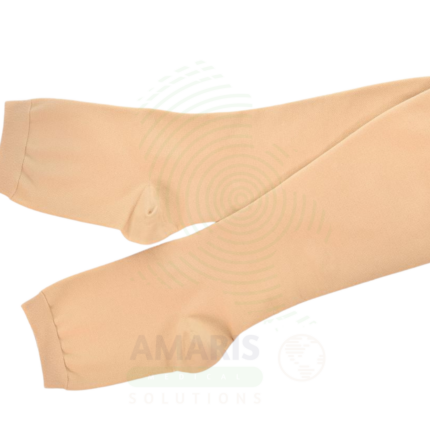
Compression Stockings
Compression Stockings are graduated compression garments designed to improve venous return, reduce edema, and prevent deep vein thrombosis. Featuring compression that is tightest at the ankle and gradually decreases up the leg, they provide mechanical support for the venous and lymphatic systems. Available in compression levels from mild (15-20 mmHg) for prophylaxis and travel to extra firm (40-50 mmHg) for severe lymphedema and chronic venous insufficiency, these garments are essential for managing chronic venous insufficiency, post-operative swelling, pregnancy-related edema, and lymphedema. Available in knee-high, thigh-high, and waist-high styles with various toe configurations, proper sizing based on ankle, calf, and leg measurements is critical for therapeutic effectiveness. Patients with arterial insufficiency (ABI <0.8) should not use compression therapy, and stockings should be replaced every 3-6 months to maintain compression integrity.
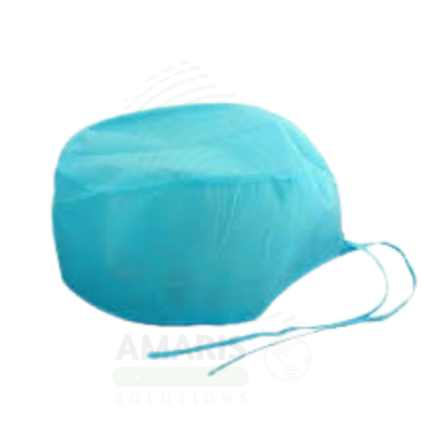
Doctors Caps
Doctors' caps are head coverings worn by physicians and clinical staff in healthcare settings for hair containment and professional identification. Available in disposable non-woven or reusable fabric styles, they support infection control protocols while contributing to a standardized professional appearance. Essential for clinics, hospitals, and outpatient settings.
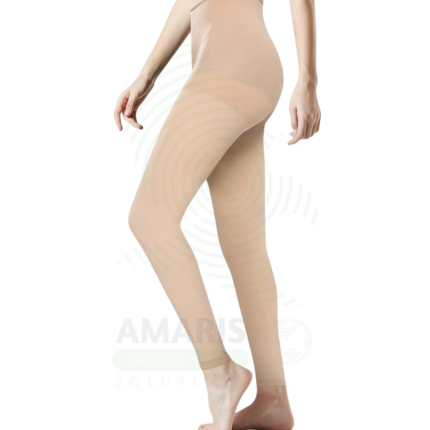
Medical Compression Pantyhose Stocking
Medical Compression Pantyhose Stockings are graduated compression garments designed to improve venous return, reduce edema, and prevent deep vein thrombosis. Used for chronic venous insufficiency, lymphedema, post-surgical recovery, and DVT prophylaxis, they provide essential support for vascular health.
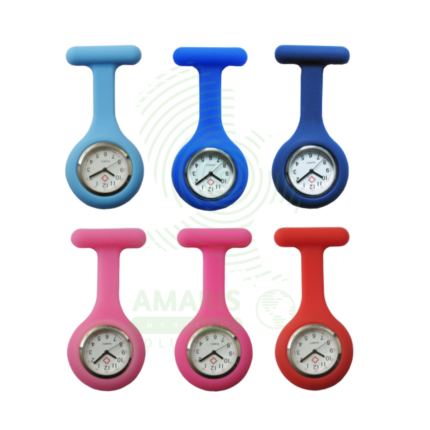
Nurse Watch
A Nurse Watch is a professional-grade analog wristwatch specifically designed for clinical use. Its hallmark is a built-in "pulsometer" scale that allows for rapid, on-the-spot calculation of a patient's heart rate by timing pulses over a short interval. Featuring a high-contrast dial with a clear sweep second hand, durable water-resistant construction, and a cleanable band, it is engineered for accuracy, legibility, and infection control in healthcare settings. It is an indispensable personal tool for nurses, enabling precise measurement of vital signs, timing of medications and procedures, and accurate clinical documentation throughout the shift.