Dermatoscope and Magnifiers
 Diagnostic Kits
 Vital Signs Monitors
 Stethoscopes and Accessories
 Otoscopes, Ophthalmoscopes, and Retinoscopes
 Reflex Hammers and Neurological Tools
 Scales and Measuring Devices
 Spirometers and Pulmonary Function Tests
 Electrosurgical Units and Accessories
 Cutting Instruments
 Grasping and Holding Instruments
 Hemostatic Instruments
 Specialized Surgical Sets
 Single-Use Procedure Trays and Packs
 Surgical Drapes, Gowns, and Covers
 Tissue Unifying Instruments
 Radiation Protection
 X-Ray Machines and Accessories
 Ultrasound Systems and Probes
 MRI and CT Scanners
 Radiology Consumables
 Bone Densitometers
 Fluoroscopy Equipment
 Imaging Tables and Positioning Aids
 Microscopes and Accessories
 Centrifuges and Separators
 Analyzers
 Incubators and Ovens
 Pipettes, Dispensers, and Lab Glassware
 Refrigerators, Freezers, and Storage Units
 Lab Consumables
 Sterilizers and Autoclaves for Lab Use
 Multi-Parameter Monitors
 Ventilators and Respiratory Support Devices
 Defibrillators and AEDs
 Infusion Pumps and IV Systems
 Patient Warmers and Cooling Devices
 Central Monitoring Stations
 Accessories
 Anesthesia Machines and Workstations
 Oxygen Concentrators and Delivery Systems
 Nebulizers and Inhalers
 CPAP/BiPAP Machines
 Airway Management
 Anesthesia Masks, Circuits, and Bags
 Humidifiers and Heaters
 Respiratory Therapy Accessories
 First Aid Kits and Cabinets
 Emergency Resuscitation Equipment
 Trauma Supplies
 Emergency Carts and Crash Carts
 Burn Care Products
 Bleeding Control
 Automated External Defibrillators (AEDs)
 Transport and Evacuation
 Wheelchairs and Accessories
 Walkers, Crutches, and Canes
 Prosthetics and Orthotics
 Physical Therapy Equipment
 Transfer Devices
 Bathroom Safety
 Orthopedic Traction and Tables
 Hot/Cold Therapy Packs and Units
 Beds and Mattresses
 Chairs and Stools
 Tables
 Cabinets and Storage
 Privacy Screens & Curtains
 Stands and Racks
 Linens and Textiles
 Lighting
 Autoclaves and Sterilizers
 Ultrasonic Cleaners
 Disinfectant Solutions and Wipes
 Sterilization Pouches, Wraps, and Indicators
 Instrument Trays and Containers
 UV and Ozone Disinfection Devices
 Washer Disinfectors
 Wound Care
 Gloves
 Masks and Respirators
 Catheters and Tubing
 Swabs, Applicators, and Sponges
 Incontinence Products
 Personal Protective Equipment (PPE)
 Dental Chairs and Units
 Handpieces and Burs
 Instruments
 Consumables
 Sterilization for Dental Use
 Orthodontic Supplies
 Endodontic Tools
 Slit Lamps and Tonometers
 Lensometers and Phoropters
 Ophthalmic Surgical Instruments
 Eyewear Frames and Lenses
 Contact Lens Supplies
 Vision Testing Charts and Devices
 Eye Care Consumables
 Laser Systems for Eye Care
 ENT Exam Chairs and Tables
 Endoscopes
 Audiometers and Hearing Tests
 ENT Instruments
 Nasal and Throat Packs
 Hearing Aids and Accessories
 Otology Supplies
 Fetal Dopplers and Monitors
 Delivery Beds and Tables
 Gynecological Instruments
 Neonatal Incubators and Warmers
 Breast Pumps and Accessories
 Contraceptive Devices
 Maternity Supports and Pads
 Neonatal Consumables
 Cystoscopes and Urethroscopes
 Dialysis Machines and Supplies
 Urological Catheters and Bags
 Lithotripters
 Prostate Treatment Devices
 Urinary Incontinence Products
 Kidney Stone Management Tools
 Consumables & Disposables
 EEG and EMG Machines
 Neurosurgical Instruments
 Nerve Stimulators
 Headrests and Positioning Aids
 Lumbar Puncture Kits
 Seizure Monitoring Devices
 Consumables
 Rehabilitation for Neurological Conditions
 ECG Machines and Accessories
 Holter Monitors
 Stress Test Systems
 Pacemakers and Defibrillator Accessories
 Vascular Access Devices
 Cardiac Catheters and Guidewires
 Blood Flow Meters
 Consumables
 Orthopedic Instruments
 Casts, Splints, and Padding
 Joint Replacement Supplies
 Prosthetic Limbs and Components
 Bone Grafts and Substitutes
 Traction Devices
 Orthopedic Braces and Supports
 Rehabilitation Aids for Orthopedics
 Home Oxygen Therapy
 Hospital Beds for Home Use
 Mobility Aids
 Bathroom and Daily Living Aids
 Wound Care for Home
 Monitoring Devices
 Enteral Feeding Pumps and Tubes
 Hand Sanitizers and Dispensers
 Face Shields and Goggles
 Isolation Gowns and Suits
 Biohazard Waste Containers
 Air Purifiers and HEPA Filters
 Surface Disinfectants
 Sharps Containers
 Protective Barriers
 Cardiovascular & Endurance Training
 Strength Training & Weightlifting
 Functional Training & Core Conditioning
 Physical Therapy & Rehabilitation
 Sports & Outdoor Recreation
 Gym Flooring & Facility Equipment
 Fitness Monitoring & Accessories
 Kids & Novelties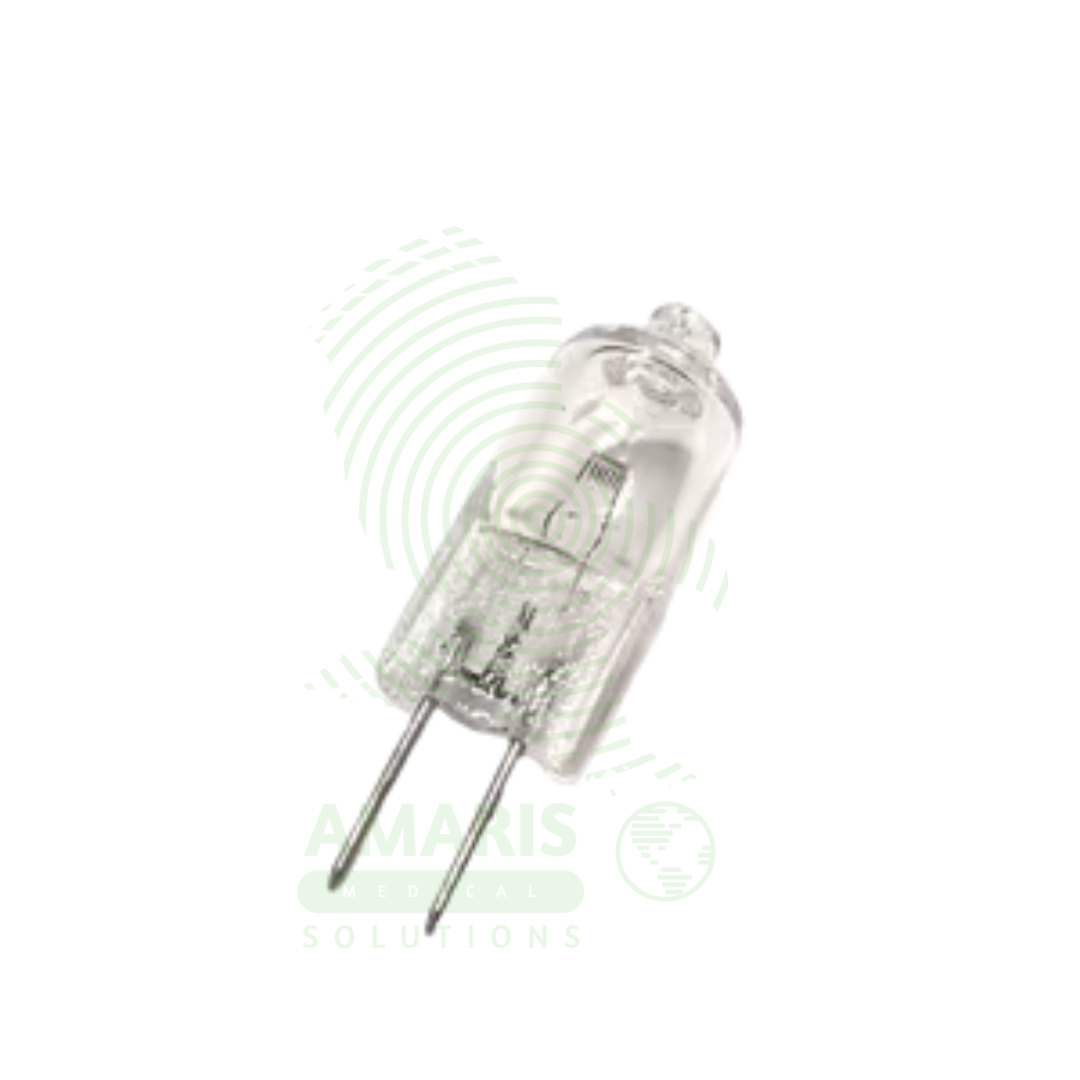
Microscope Bulb
$1.00
WhatsApp Order
A Microscope Bulb is a specialized halogen or LED lamp that serves as the essential illumination source for clinical and laboratory microscopes. Providing the bright, stable, and color-corrected light required for diagnostic visualization of specimens, it is a critical consumable component. Its technical specifications—voltage, wattage, base type, and filament alignment—must precisely match the microscope model. Proper handling (using gloves to avoid oil contamination) and adherence to safety protocols (allowing cooling, disconnecting power) are crucial for safe replacement and optimal bulb lifespan. Maintaining spares is vital to prevent operational downtime in diagnostic laboratories.
Description
Microscope Bulb
PRIMARY CLINICAL & DIAGNOSTIC USES
1. Illumination for Microscopic Diagnosis:
-
Primary Use: The sole purpose is to provide the bright, even, and color-corrected light source required for all forms of diagnostic light microscopy. It is the critical component that enables visualization of stained cells, tissues, and microorganisms. Without it, a microscope is non-functional for clinical work.
-
How it helps: Powers every microscopic diagnosis made in the laboratory—every cancer cell identified, every bacteria seen, every malaria parasite detected—by providing the essential light that makes the invisible visible.
2. Enabling Köhler Illumination:
-
Primary Use: A properly functioning bulb is essential for achieving Köhler illumination, a standardized method of aligning the microscope’s optical path to provide uniform brightness, maximum resolution, and optimal contrast across the entire field of view—a prerequisite for accurate diagnostic interpretation in fields like hematology and histopathology.
-
How it helps: Ensures that what a pathologist or hematologist sees through the eyepieces is a perfect, evenly lit image with maximum detail, allowing them to make accurate diagnoses without the distraction of uneven lighting or poor contrast.
3. Supporting Specific Microscopy Techniques:
-
Primary Use: The bulb’s characteristics (color temperature, brightness stability) directly affect specialized techniques such as phase contrast microscopy (for unstained live cells) and fluorescence microscopy (where a bright, stable light source is needed to excite fluorophores).
-
How it helps: Enables advanced diagnostic techniques that reveal details invisible under ordinary lighting, from living cells moving in real-time to fluorescent tags that light up specific proteins or pathogens.
SECONDARY & SUPPORTIVE USES
1. General Laboratory Illumination: In some settings, a spare microscope bulb may serve as a temporary, high-intensity light source for other lab tasks, providing emergency illumination when needed.
2. Backup/Contingency Use: Maintaining an inventory of spare bulbs is a critical laboratory function to ensure microscope downtime is minimized when a bulb fails, preventing delays in patient diagnosis and ensuring continuous laboratory operations.
KEY PRODUCT FEATURES
1. BASIC IDENTIFICATION ATTRIBUTES
-
Device Type: Specialized replacement lamp for optical microscopes.
-
Function: The illuminator or light source for the microscope.
-
Form Factor: A self-contained lamp unit, typically consisting of a glass bulb/halogen capsule seated in a pre-centered socket or holder, often with integrated electrical contacts. May include a collector lens.
-
Common Types: Halogen bulbs (6V/20W or 12V/50W/100W) are most common for clinical microscopes. Older models may use tungsten bulbs. LED replacement modules are increasingly common as modern, long-life upgrades.
2. TECHNICAL & PERFORMANCE PROPERTIES
-
Voltage & Wattage: Must exactly match the microscope's specifications (e.g., 6V 20W, 12V 50W, 12V 100W). Using an incorrect bulb can damage the microscope's power supply or provide inadequate/ excessive illumination.
-
Color Temperature: Halogen bulbs provide a color temperature of ~3200K, yielding a bright, slightly yellowish-white light that is suitable for most stained specimen observations. Some advanced bulbs are designed for daylight color balance (~5500K).
-
Lifetime: Halogen bulbs have a typical rated life of 50 to 200 hours under normal operating conditions. LED modules can last 20,000+ hours.
-
Brightness Stability: A new, properly functioning bulb provides stable, flicker-free illumination. Brightness dims over the bulb's life and becomes unstable near end-of-life.
-
Filament Alignment: In halogen bulbs, the filament must be precisely positioned (pre-centered) within the bulb envelope to ensure the light source is correctly aligned in the microscope's optical path when installed.
3. PHYSICAL & OPERATIONAL PROPERTIES
-
Base Type: Has a specific base/socket type that matches the microscope's lamp housing (e.g., two-pin, bi-pin, screw base). Common types include GY6.35, JC type, or proprietary holders.
-
Heat Output: Halogen bulbs generate significant heat during operation. The microscope's housing is designed to dissipate this heat. Bulbs should only be handled with a cloth or gloves when cool to prevent oils from skin causing hot spots and premature failure.
-
Replacement Process: Involves accessing the lamp housing (often in the microscope base), removing the old bulb/socket assembly, and inserting the new one. The glass bulb itself should never be touched with bare fingers.
4. SAFETY & COMPLIANCE ATTRIBUTES
-
Electrical Safety: Must be designed to meet basic electrical safety standards for low-voltage laboratory equipment.
-
Material Safety: The bulb contains halogen gas under pressure. Should be protected from impact to prevent shattering.
-
Compatibility: Not an independently regulated medical device. Its safety and performance are intrinsic to the microscope system. It is a critical consumable component.
5. STORAGE & HANDLING ATTRIBUTES
-
Storage: Store in its original protective packaging in a cool, dry place. Protect from physical shocks and vibration.
-
Handling Precautions: Always handle with gloves or a lint-free cloth to prevent skin oils from contaminating the quartz glass envelope. Oils can carbonize when hot, creating hot spots that lead to bulb explosion or drastically reduced lifespan.
-
Inventory Management: Laboratories should maintain a stock of at least one compatible spare bulb for each microscope model to ensure continuous operation.
6. LABORATORY & CLINICAL APPLICATIONS
-
Primary Application: A disposable/replaceable component essential for the core function of any clinical light microscope used in diagnostic laboratories.
-
Critical Dependency: The quality of the light directly impacts the quality of the microscopic image and, therefore, the accuracy of the diagnostician's observation.
SAFETY HANDLING PRECAUTIONS
1. SAFETY PRECAUTIONS
-
Burn Hazard: The bulb and surrounding housing become extremely hot during and immediately after use. Allow the bulb to cool completely (15-30 minutes) before attempting replacement.
-
Electrical Hazard: Always turn off the microscope and unplug it from the power outlet before replacing the bulb.
-
Glass Hazard: Bulbs can shatter if mishandled or due to internal failure. Wear safety glasses during replacement if there is any risk. Dispose of broken bulbs carefully in a puncture-resistant container.
-
Correct Specification: Never install a bulb with a voltage or wattage rating different from the one specified by the microscope manufacturer. This can cause electrical damage or fire.
2. FIRST AID MEASURES
-
Burn: If skin is burned on a hot bulb or housing, cool the burn immediately under cool running water for several minutes. Cover with a sterile dressing. Seek medical attention for serious burns.
-
Cut from Glass: If injured by broken glass, clean the wound, apply pressure to stop bleeding, and seek medical attention for deep cuts or if glass is embedded.
-
Electrical Shock: If shock occurs during replacement (e.g., from touching contacts on a plugged-in unit), disconnect power and seek medical attention if necessary.
3. FIRE FIGHTING MEASURES
-
Flammability: The plastic socket, wiring, and surrounding materials are combustible.
-
Extinguishing Media: For an electrical fire originating in the microscope base, use a CO₂ or dry chemical (Class C) fire extinguisher.
-
Special Procedures: Unplug the microscope if safe to do so.
Related products
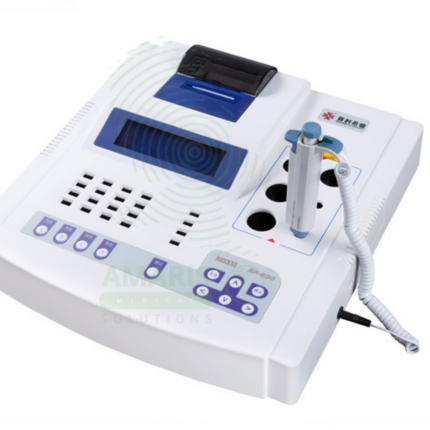
Coagulation Analyzer
A Coagulation Analyzer is a compact, automated instrument designed for performing essential tests that evaluate the blood's clotting ability. It accurately measures key parameters such as Prothrombin Time (PT/INR), Activated Partial Thromboplastin Time (aPTT), Thrombin Time, and Fibrinogen, which are critical for monitoring anticoagulant therapy (warfarin, heparin), diagnosing bleeding disorders, and assessing surgical risk. With its photometric detection and user-friendly operation, it delivers reliable results for small to medium-volume laboratories, clinics, and hospital wards. Its role in ensuring safe and effective patient management in thrombosis and hemostasis makes it a vital tool in clinical diagnostics.
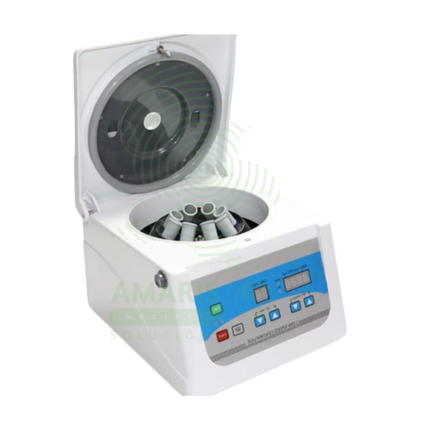
Electric Centrifuge
An Electric Centrifuge is a Class I medical device that uses rapid rotation to separate fluids of different densities, essential in clinical laboratories for processing blood, urine, and other biological specimens. Available in benchtop, refrigerated, microcentrifuge, hematocrit, and high-speed models with fixed-angle, swinging-bucket, or vertical rotors. Speed range 1,000-30,000+ RPM with RCF up to 65,000+ x g. Features include brushless induction motor, digital controls, imbalance detection, lid lock safety, and programmable protocols. Primary clinical applications include separation of serum/plasma for chemistry and hematology testing, urine sediment analysis for microscopy, platelet-rich plasma (PRP) preparation for regenerative medicine, concentration of bacteria for microbiology, cytology fluid analysis, blood banking, and molecular biology sample processing. Critical safety precautions include proper balancing of loads (weight matching), use of sealed rotors for biohazardous samples, regular rotor inspection for corrosion or cracks, never exceeding maximum rated speed, and never opening lid during operation. Essential equipment in clinical, research, and teaching laboratories.
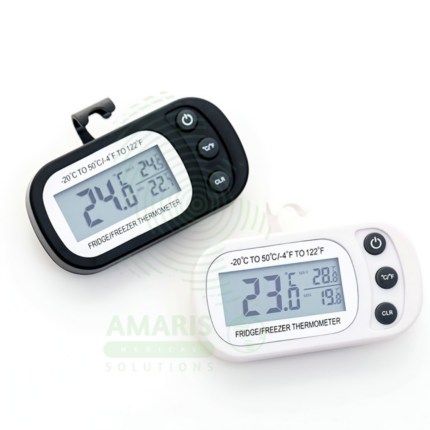
Fridge Thermometer
A Fridge Thermometer is a precision temperature monitoring device designed for continuous use inside medical and laboratory refrigerators and freezers. Its primary role is to safeguard the potency of vaccines, medications, and biological samples by ensuring storage temperatures remain within a critical specified range (e.g., +2°C to +8°C). Available in analog or digital formats, accurate models with memory functions are essential for compliance with cold chain protocols, requiring daily monitoring, logging, and regular calibration. It is a fundamental quality control tool in pharmacies, clinics, immunization centers, and laboratories.
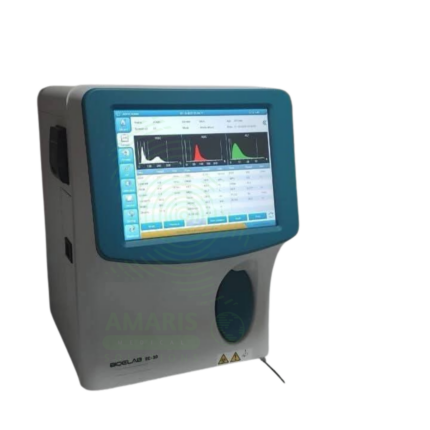
Hematology Analyzer
A Hematology Analyzer is a compact, automated benchtop analyzer designed to perform Complete Blood Counts (CBC) with a 3-part white blood cell differential. Utilizing impedance and photometric methods, it delivers rapid, precise results for red blood cells, white blood cells, platelets, and key indices from a small blood sample. Ideal for physician offices, small clinics, and satellite laboratories, it enables in-house hematology testing with walk-away operation. Its automated flagging system highlights abnormal results that require further manual smear review. As a core instrument for initial hematological screening, it combines efficiency with essential diagnostic capability for routine patient management.
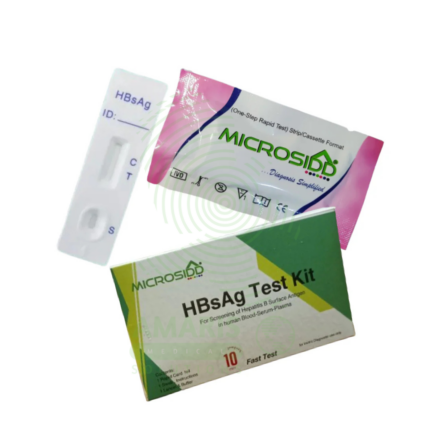
Hepatitis B Test Kit
The Hepatitis B Test Kit is an in vitro diagnostic device for the detection of Hepatitis B virus markers in human blood samples, available in rapid, ELISA, and molecular formats. It detects specific antigens (HBsAg) and antibodies (anti-HBc, anti-HBs) to diagnose acute and chronic infection, monitor treatment response, screen blood donations, and determine immunity status. With high sensitivity (>98%) and specificity (>99%), it provides results in 15 minutes to 4 hours depending on format. Essential applications include prenatal screening to prevent mother-to-child transmission, evaluation of acute hepatitis, pre-immunosuppression screening, and occupational health testing. All patient samples must be handled with universal precautions, and testing must include appropriate quality controls.
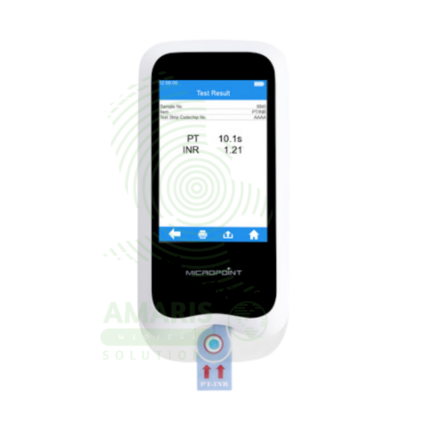
mLabs and qLabs Platforms
The mLabs and qLabs Platforms are integrated point-of-care testing systems manufactured by Micropoint Bioscience for rapid quantitative measurement of coagulation parameters (PT/INR, ACT), cardiac markers (troponin I, CK-MB, NT-proBNP), hemoglobin/hematocrit, electrolytes (Na+, K+, iCa), blood gases (pH, pCO2, pO2), glucose, ketones, and infectious disease markers. The qLabs platform specializes in coagulation and electrolyte testing using electrochemical technology, while the mLabs platform focuses on immunoassay and photometric testing for cardiac, hematology, and infectious disease applications. Features include portable design, touchscreen interface, rechargeable battery, USB/Bluetooth connectivity, and compatibility with single-use disposable test cards. Test times range from 1-15 minutes with sample volumes of 2-100 µL. Primary clinical applications include anticoagulation management (warfarin monitoring), cardiac surgery and intervention support (ACT monitoring), emergency cardiac diagnosis (troponin), anemia screening, diabetes management, critical care electrolyte and blood gas analysis, and infectious disease testing in endemic regions. Critical safety precautions include proper test card storage (temperature-sensitive), regular quality control, operator training, single-use lancets, and infection control protocols. Essential point-of-care testing solution for hospitals, clinics, emergency departments, surgical suites, and anticoagulation clinics.
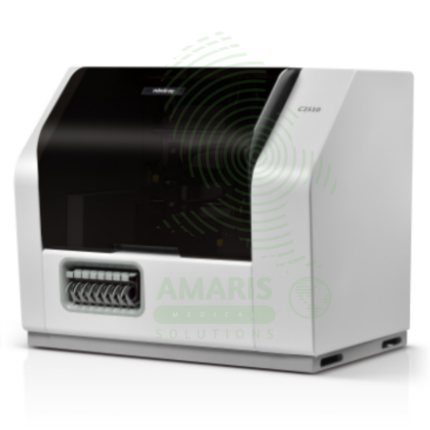
PRECIL Series
The PRECIL Series, originally developed by Beijing Precil and now associated with Mindray, comprises specialized coagulation analyzers and hemorheology analyzers for clinical laboratory testing. Coagulation analyzers measure PT, APTT, fibrinogen, TT, D-dimer, factor assays, and thrombophilia markers for diagnosing bleeding disorders, monitoring anticoagulant therapy, and assessing liver function. Hemorheology analyzers measure whole blood viscosity, plasma viscosity, erythrocyte aggregation, and deformability for evaluating hyperviscosity syndromes, sickle cell disease, diabetes, and cardiovascular disorders. The series includes specialized cleaning solutions and reagents (such as PLS cleaner) for maintaining analyzer performance and ensuring accurate results. Features include automated sample processing, color touchscreen interface, LIS connectivity, and comprehensive quality control programs. Primary clinical applications include coagulation testing for preoperative assessment, anticoagulant monitoring, DIC diagnosis, thrombophilia workup, and hemorheology assessment for conditions affecting blood flow. Essential laboratory instrumentation for hematology, coagulation, and specialized testing in hospital laboratories, reference laboratories, and research facilities.