Dermatoscope and Magnifiers
 Diagnostic Kits
 Vital Signs Monitors
 Stethoscopes and Accessories
 Otoscopes, Ophthalmoscopes, and Retinoscopes
 Reflex Hammers and Neurological Tools
 Scales and Measuring Devices
 Spirometers and Pulmonary Function Tests
 Electrosurgical Units and Accessories
 Cutting Instruments
 Grasping and Holding Instruments
 Hemostatic Instruments
 Specialized Surgical Sets
 Single-Use Procedure Trays and Packs
 Surgical Drapes, Gowns, and Covers
 Tissue Unifying Instruments
 Radiation Protection
 X-Ray Machines and Accessories
 Ultrasound Systems and Probes
 MRI and CT Scanners
 Radiology Consumables
 Bone Densitometers
 Fluoroscopy Equipment
 Imaging Tables and Positioning Aids
 Microscopes and Accessories
 Centrifuges and Separators
 Analyzers
 Incubators and Ovens
 Pipettes, Dispensers, and Lab Glassware
 Refrigerators, Freezers, and Storage Units
 Lab Consumables
 Sterilizers and Autoclaves for Lab Use
 Multi-Parameter Monitors
 Ventilators and Respiratory Support Devices
 Defibrillators and AEDs
 Infusion Pumps and IV Systems
 Patient Warmers and Cooling Devices
 Central Monitoring Stations
 Accessories
 Anesthesia Machines and Workstations
 Oxygen Concentrators and Delivery Systems
 Nebulizers and Inhalers
 CPAP/BiPAP Machines
 Airway Management
 Anesthesia Masks, Circuits, and Bags
 Humidifiers and Heaters
 Respiratory Therapy Accessories
 First Aid Kits and Cabinets
 Emergency Resuscitation Equipment
 Trauma Supplies
 Emergency Carts and Crash Carts
 Burn Care Products
 Bleeding Control
 Automated External Defibrillators (AEDs)
 Transport and Evacuation
 Wheelchairs and Accessories
 Walkers, Crutches, and Canes
 Prosthetics and Orthotics
 Physical Therapy Equipment
 Transfer Devices
 Bathroom Safety
 Orthopedic Traction and Tables
 Hot/Cold Therapy Packs and Units
 Beds and Mattresses
 Chairs and Stools
 Tables
 Cabinets and Storage
 Privacy Screens & Curtains
 Stands and Racks
 Linens and Textiles
 Lighting
 Autoclaves and Sterilizers
 Ultrasonic Cleaners
 Disinfectant Solutions and Wipes
 Sterilization Pouches, Wraps, and Indicators
 Instrument Trays and Containers
 UV and Ozone Disinfection Devices
 Washer Disinfectors
 Wound Care
 Gloves
 Masks and Respirators
 Catheters and Tubing
 Swabs, Applicators, and Sponges
 Incontinence Products
 Personal Protective Equipment (PPE)
 Dental Chairs and Units
 Handpieces and Burs
 Instruments
 Consumables
 Sterilization for Dental Use
 Orthodontic Supplies
 Endodontic Tools
 Slit Lamps and Tonometers
 Lensometers and Phoropters
 Ophthalmic Surgical Instruments
 Eyewear Frames and Lenses
 Contact Lens Supplies
 Vision Testing Charts and Devices
 Eye Care Consumables
 Laser Systems for Eye Care
 ENT Exam Chairs and Tables
 Endoscopes
 Audiometers and Hearing Tests
 ENT Instruments
 Nasal and Throat Packs
 Hearing Aids and Accessories
 Otology Supplies
 Fetal Dopplers and Monitors
 Delivery Beds and Tables
 Gynecological Instruments
 Neonatal Incubators and Warmers
 Breast Pumps and Accessories
 Contraceptive Devices
 Maternity Supports and Pads
 Neonatal Consumables
 Cystoscopes and Urethroscopes
 Dialysis Machines and Supplies
 Urological Catheters and Bags
 Lithotripters
 Prostate Treatment Devices
 Urinary Incontinence Products
 Kidney Stone Management Tools
 Consumables & Disposables
 EEG and EMG Machines
 Neurosurgical Instruments
 Nerve Stimulators
 Headrests and Positioning Aids
 Lumbar Puncture Kits
 Seizure Monitoring Devices
 Consumables
 Rehabilitation for Neurological Conditions
 ECG Machines and Accessories
 Holter Monitors
 Stress Test Systems
 Pacemakers and Defibrillator Accessories
 Vascular Access Devices
 Cardiac Catheters and Guidewires
 Blood Flow Meters
 Consumables
 Orthopedic Instruments
 Casts, Splints, and Padding
 Joint Replacement Supplies
 Prosthetic Limbs and Components
 Bone Grafts and Substitutes
 Traction Devices
 Orthopedic Braces and Supports
 Rehabilitation Aids for Orthopedics
 Home Oxygen Therapy
 Hospital Beds for Home Use
 Mobility Aids
 Bathroom and Daily Living Aids
 Wound Care for Home
 Monitoring Devices
 Enteral Feeding Pumps and Tubes
 Hand Sanitizers and Dispensers
 Face Shields and Goggles
 Isolation Gowns and Suits
 Biohazard Waste Containers
 Air Purifiers and HEPA Filters
 Surface Disinfectants
 Sharps Containers
 Protective Barriers
 Cardiovascular & Endurance Training
 Strength Training & Weightlifting
 Functional Training & Core Conditioning
 Physical Therapy & Rehabilitation
 Sports & Outdoor Recreation
 Gym Flooring & Facility Equipment
 Fitness Monitoring & Accessories
 Kids & Novelties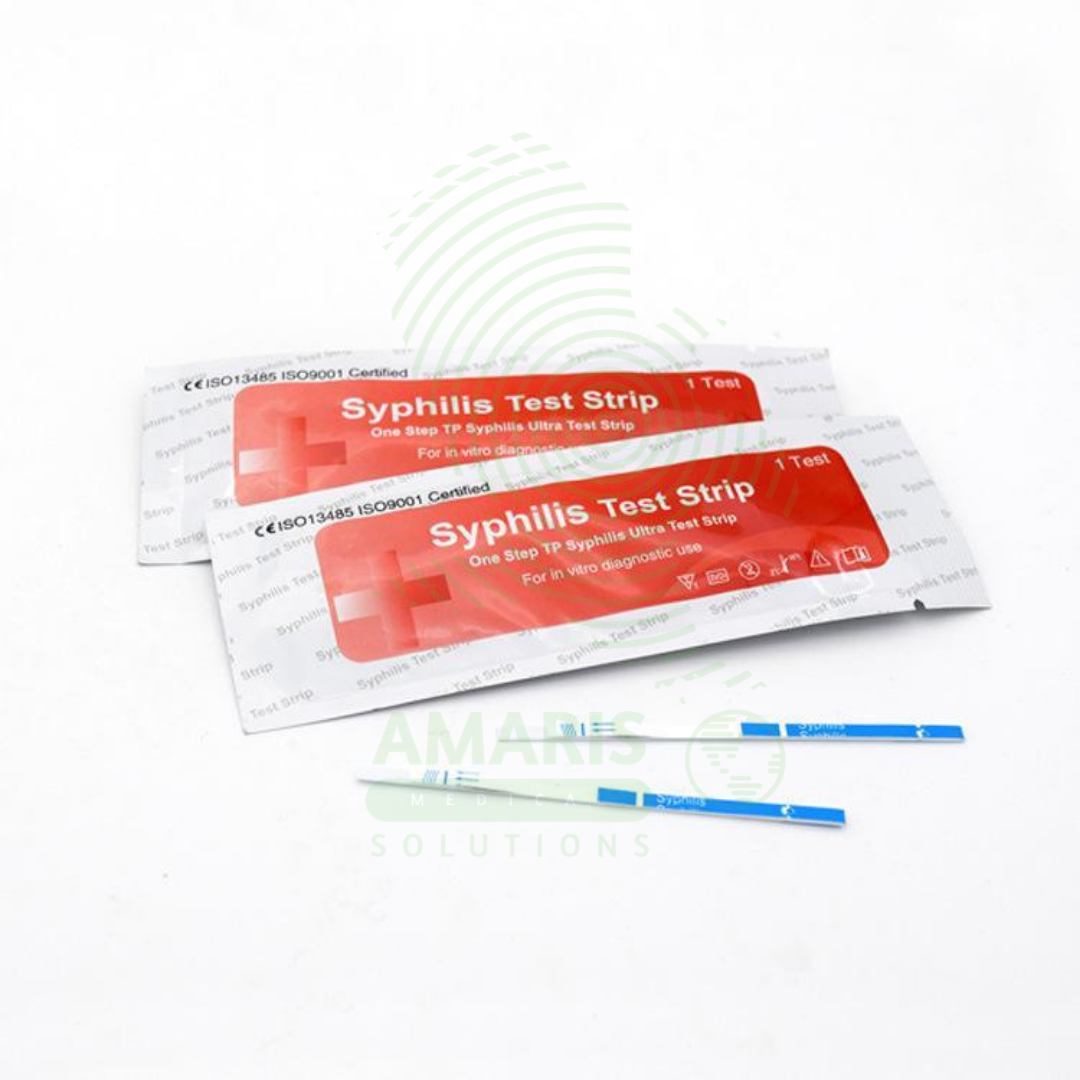
VDRL Test For Syphilis
$1.00
WhatsApp Order
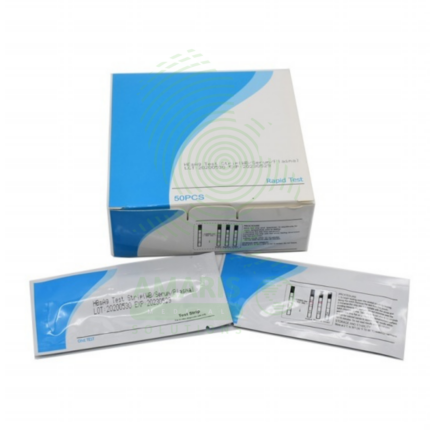
The VDRL Test For Syphilis (Venereal Disease Research Laboratory) is a Class II medical device (FDA-cleared) non-treponemal flocculation test for qualitative and quantitative detection of reaginic antibodies in serum or cerebrospinal fluid, used for syphilis screening, diagnosis, and treatment monitoring. The test uses an antigen mixture (cardiolipin, cholesterol, lecithin) that reacts with antibodies, forming visible clumping (flocculation) in positive samples. Results are reported as reactive/non-reactive with quantitative titers (e.g., 1:2 to 1:256). Primary clinical applications include initial screening for syphilis infection, confirmation of active syphilis (with treponemal tests), monitoring treatment response (fourfold titer decrease indicates cure), diagnosis of neurosyphilis (CSF testing), prenatal screening for congenital syphilis prevention, screening in high-risk populations (MSM, HIV-positive, multiple partners), and blood donor screening. Critical safety precautions include confirmation of all reactive results with treponemal tests (TPPA, FTA-ABS), awareness of false positives (pregnancy, autoimmune disease, viral infections), proper specimen handling (universal precautions), refrigerated storage of reagents (2-8°C), and mandatory reporting of reactive results to public health authorities. Essential test for syphilis control and congenital syphilis prevention worldwide.
Description
VDRL Test For Syphilis
PRIMARY CLINICAL & DIAGNOSTIC USES
1. Screening for Syphilis Infection:
-
Primary Use: The VDRL (Venereal Disease Research Laboratory) test is a non-treponemal serological test used for initial screening of syphilis, detecting antibodies (reagin) produced in response to cellular damage caused by Treponema pallidum infection. It is widely used for routine screening in high-risk populations and general health checkups.
-
How it helps: Provides a simple, cost-effective way to screen large populations for this potentially devastating infection, catching cases early when treatment is most effective and preventing transmission to others.
2. Confirmation of Active Syphilis:
-
Primary Use: When used in conjunction with treponemal tests (TPPA, FTA-ABS), a reactive VDRL result helps confirm active syphilis infection, particularly in patients presenting with symptoms such as genital ulcers, rash, fever, or lymphadenopathy suggestive of primary or secondary syphilis.
-
How it helps: Works together with other tests to provide a definitive diagnosis, ensuring that patients with positive screens receive appropriate treatment while those with false positives are spared unnecessary anxiety and medication.
3. Monitoring Treatment Response:
-
Primary Use: VDRL titers are quantified (e.g., 1:2, 1:4, 1:8, 1:16) and used to monitor response to antibiotic therapy (penicillin). A fourfold decrease in titers over 6-12 months indicates adequate treatment response, while persistent or rising titers suggest treatment failure or reinfection.
-
How it helps: Gives patients and their doctors clear, objective evidence that treatment has worked, with falling antibody levels providing reassurance that the infection has been cured and that no further intervention is needed.
4. Diagnosis of Neurosyphilis:
-
Primary Use: When performed on cerebrospinal fluid (CSF), the VDRL test is the standard method for diagnosing neurosyphilis in patients with neurological symptoms such as headache, altered mental status, meningitis, or stroke-like symptoms, especially in HIV-positive individuals.
-
How it helps: Detects when syphilis has invaded the brain and nervous system, guiding more aggressive treatment that can prevent permanent neurological damage and disability.
5. Prenatal Screening for Congenital Syphilis:
-
Primary Use: Routine VDRL testing is performed on all pregnant women during the first trimester and again in the third trimester in high-risk populations to detect maternal syphilis and prevent congenital syphilis, which can cause stillbirth, neonatal death, or severe long-term disabilities.
-
How it helps: Protects unborn babies from a preventable tragedy, identifying infected mothers so they can be treated during pregnancy, preventing transmission to their babies and ensuring they are born healthy.
6. Screening in High-Risk Populations:
-
Primary Use: Recommended for sexually active individuals with multiple partners, men who have sex with men (MSM), HIV-positive individuals, sex workers, and partners of individuals diagnosed with syphilis, enabling early detection and treatment to prevent transmission.
-
How it helps: Focuses screening efforts on those most at risk, catching infections early in populations where syphilis spreads most rapidly and interrupting chains of transmission.
7. Blood Donor Screening:
-
Primary Use: Used in blood banks and donation centers to screen donated blood for syphilis antibodies, preventing transfusion-transmitted syphilis and ensuring blood product safety.
-
How it helps: Protects transfusion recipients from acquiring syphilis through donated blood, ensuring that one of medicine’s most life-saving interventions does not transmit additional disease.
SECONDARY & SUPPORTIVE USES
1. Pre-Employment and Immigration Screening: Required in some countries for work visas, residency applications, and immigration processing as part of routine infectious disease screening, helping protect public health.
2. Preoperative Screening: Some surgical protocols require syphilis testing before certain procedures, particularly in immunocompromised patients or when there is increased risk of occupational exposure, ensuring patient safety.
3. Research and Epidemiological Studies: Used in public health research to determine prevalence and incidence of syphilis in various populations and geographic regions, guiding prevention efforts.
4. Contact Tracing and Partner Notification: Reactive VDRL results trigger public health notification and partner tracing to identify and treat exposed individuals, reducing community transmission.
5. HIV Co-Infection Monitoring: Since syphilis and HIV co-infection is common, regular VDRL testing is recommended for HIV-positive individuals who are at increased risk for syphilis and may have atypical presentations.
6. Follow-Up Testing After Treatment: Serial VDRL testing at 3, 6, 12, and 24 months post-treatment ensures cure and detects possible reinfection or relapse, providing long-term reassurance.
7. Forensic and Medico-Legal Cases: Used in cases of alleged sexual assault or child abuse investigations to screen for sexually transmitted infections, supporting justice and victim care.
KEY PRODUCT FEATURES
1. BASIC IDENTIFICATION ATTRIBUTES
-
Test Type: Non-treponemal flocculation test for detection of reaginic antibodies.
-
Common Names: VDRL Test, Venereal Disease Research Laboratory Test, Syphilis Screening Test, RPR (Rapid Plasma Reagin) are similar but more commonly used today.
-
Sample Types:
-
Serum: For routine syphilis screening and titer monitoring.
-
Cerebrospinal Fluid (CSF): For neurosyphilis diagnosis.
-
-
Methodology: Antigen mixture containing cardiolipin, cholesterol, and lecithin reacts with reagin antibodies in patient samples, forming visible flocculation (clumping) when positive.
-
Interpretation: Qualitative (reactive/non-reactive) and quantitative (titer) reporting.
2. TECHNICAL & PERFORMANCE PROPERTIES
-
Sensitivity:
-
Primary Syphilis: 78-86% sensitivity.
-
Secondary Syphilis: 100% sensitivity.
-
Latent Syphilis: 70-75% sensitivity.
-
Late Syphilis: 70-75% sensitivity.
-
-
Specificity: 85-98% (false positives can occur due to other conditions).
-
Titer Range: Reported as highest dilution showing reactivity (e.g., 1:2, 1:4, 1:8, 1:16, 1:32, 1:64, 1:128, 1:256).
-
Time to Result: 5-10 minutes for qualitative; quantitative requires serial dilutions (30-45 minutes).
-
Stability: Test components must be refrigerated (2-8°C); do not freeze.
-
False Positives: Can occur in pregnancy, autoimmune diseases (SLE, rheumatoid arthritis), viral infections (mononucleosis, hepatitis, HIV), malaria, leprosy, and after vaccination.
3. PHYSICAL & OPERATIONAL PROPERTIES
-
Kit Components:
-
VDRL Antigen: Cardiolipin, cholesterol, lecithin in alcohol solution.
-
Buffered Saline: For antigen preparation and sample dilution.
-
Slide or Well Plate: Ceramic ring or well slides for test performance.
-
Mixing Needles/Rods: For mixing sample and antigen.
-
Control Sera: Positive and negative controls for quality assurance.
-
-
Packaging: Test kits available in various sizes (100, 500, 1000 tests per kit).
-
Storage Requirements: 2-8°C refrigeration; antigen sensitive to temperature fluctuations.
-
Shelf Life: 12-24 months depending on manufacturer and storage conditions.
4. SAFETY & COMPLIANCE ATTRIBUTES
-
Regulatory Status: Class II medical device requiring FDA 510(k) clearance; meets CLIA requirements for moderate complexity testing.
-
Quality Control: Positive and negative controls must be run with each batch of tests.
-
Biohazard Precautions: All patient samples should be handled as potentially infectious; follow standard precautions.
-
Chemical Safety: Antigen contains alcohol; flammable; keep away from open flames.
-
Disposal: Used slides and contaminated materials must be disposed of as biohazardous waste.
-
Reporting: Reactive results must be reported to public health authorities per local regulations.
-
Confirmation: All reactive VDRL results should be confirmed with treponemal test (TPPA, FTA-ABS).
5. STORAGE & HANDLING ATTRIBUTES
-
Antigen Storage: Store at 2-8°C; do not freeze. Allow to reach room temperature before use.
-
Sample Storage: Serum stable 7 days at 2-8°C; longer storage requires freezing at -20°C.
-
CSF Storage: Test within 24 hours or freeze at -20°C.
-
Slide Preparation: Slides must be clean, dry, and at room temperature.
-
Quality Control: Test positive and negative controls with each batch; document results.
-
Expiration: Do not use kits beyond expiration date; accuracy compromised.
-
Disposal: Dispose of contaminated materials in biohazard containers.
6. LABORATORY & CLINICAL APPLICATIONS
-
Primary Application: Screening and quantitative monitoring of syphilis infection, including serum for routine testing and CSF for neurosyphilis diagnosis.
-
Testing Algorithm:
-
Initial screening with VDRL or RPR.
-
Reactive results confirmed with treponemal test (TPPA, FTA-ABS, or EIA).
-
If confirmed, perform quantitative VDRL for baseline titer.
-
Repeat quantitative VDRL at 3, 6, 12, and 24 months post-treatment.
-
-
Interpretation of Results:
-
Non-Reactive: No antibodies detected; syphilis unlikely (though early primary syphilis may be negative).
-
Reactive: Antibodies detected; requires confirmation with treponemal test.
-
Quantitative Titer: Fourfold decrease (e.g., 1:32 to 1:8) indicates adequate treatment response.
-
Fourfold Increase: Indicates treatment failure, relapse, or reinfection.
-
CSF VDRL: Highly specific for neurosyphilis but insensitive; negative does not rule out neurosyphilis.
-
Limitations: False positives common; requires confirmation. May be negative in very early or late syphilis. Prozone phenomenon (false negative due to antibody excess) can occur.
SAFETY HANDLING PRECAUTIONS
1. SAFETY PRECAUTIONS
-
Biological Hazard: All patient samples are potentially infectious for HIV, hepatitis B/C, and other bloodborne pathogens. Wear gloves and appropriate PPE.
-
Chemical Hazard: Antigen contains alcohol; flammable; avoid open flames and sparks.
-
Quality Control: Always run controls with each test batch; results invalid if controls fail.
-
Confirmation Required: Never diagnose syphilis based on VDRL alone; always confirm with treponemal test.
-
CSF Testing: CSF samples must be clear and free of blood contamination; bloody CSF invalidates results.
-
Prozone Phenomenon: If clinical suspicion is high but VDRL negative, request serial dilutions to rule out prozone.
-
Reporting Requirements: Reactive syphilis tests are reportable to public health authorities in most jurisdictions.
-
Pregnancy: All pregnant women should be screened; untreated syphilis in pregnancy has severe fetal consequences.
2. FIRST AID MEASURES
-
Needlestick/Sharps Injury: If injury occurs with contaminated needle or glass, wash area vigorously with soap and water; report immediately; follow institutional post-exposure prophylaxis protocol.
-
Chemical Splash (Eyes): Flush eyes with copious water for 15 minutes; seek medical attention.
-
Chemical Spill: Contain spill; wear appropriate PPE; absorb with inert material; dispose of hazardous waste.
-
Sample Spill: Contain with absorbent material; disinfect area with 10% bleach solution; dispose as biohazard waste.
3. FIRE FIGHTING MEASURES
-
Flammability: Antigen contains alcohol; flammable liquid.
-
Extinguishing Media: Use alcohol-resistant foam, CO₂, or dry chemical; water may be ineffective.
-
Storage: Store away from ignition sources and oxidizing agents.
Related products
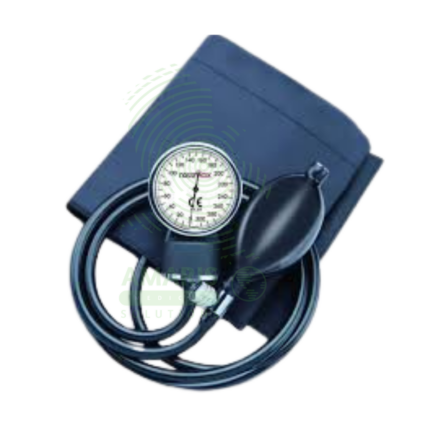
Aneroid Blood Pressure Monitor
The Aneroid Blood Pressure Monitor is a manual, mechanical sphygmomanometer used for the accurate, non-invasive measurement of arterial blood pressure. Operating on the auscultatory method, it consists of an inflatable cuff, a pump bulb with a release valve, and a calibrated dial gauge. Renowned for its reliability, durability, and independence from electrical power, it serves as a clinical gold standard and essential tool in physician offices, hospitals, and for guided home monitoring. Its accuracy is dependent on proper technique, correct cuff size, and regular calibration, making it a fundamental device for diagnosing and managing hypertension and assessing cardiovascular health.
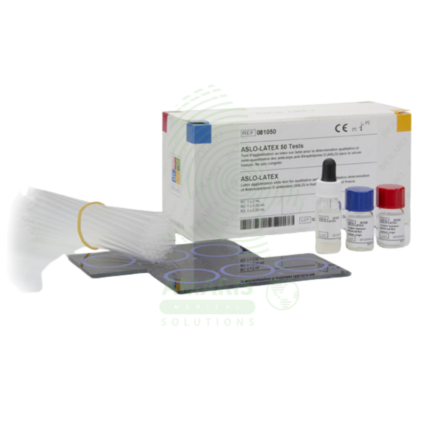
Anti-Streptol Olysin O Titer (ASOT)
Anti-Streptol Olysin O Titer (ASOT) is a quantitative or semi-quantitative serological test (latex agglutination, turbidimetry, nephelometry, or ELISA) for detecting antibodies against streptolysin O, an exotoxin produced by Group A Streptococcus. Elevated or rising titers indicate recent streptococcal infection and are essential for diagnosing post-streptococcal sequelae including acute rheumatic fever (Jones criteria) and post-streptococcal glomerulonephritis. The test requires serum samples; acute and convalescent (2-4 weeks apart) with fourfold rise confirms recent infection. Reference range typically <200-250 Todd units/mL (adults), varies by age and population. Primary clinical applications include diagnosis of Group A streptococcal infections, acute rheumatic fever evaluation, post-streptococcal glomerulonephritis diagnosis, differentiation of acute vs. past infection, evaluation of unexplained arthritis or carditis, pediatric inflammatory conditions (PANDAS), and monitoring disease activity in rheumatic fever. Critical safety precautions include proper timing of acute and convalescent samples, awareness of false negatives/positives, clinical correlation for diagnosis, and standard biohazard precautions. Essential test for rheumatology, nephrology, cardiology, and infectious disease practice.
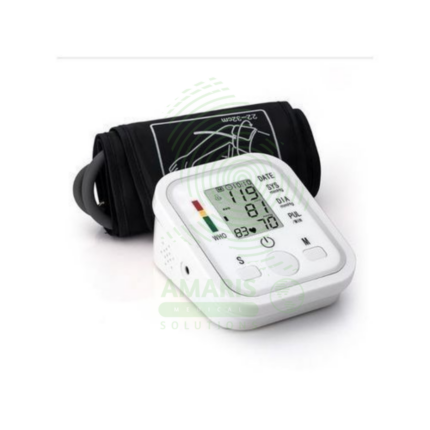
Digital Blood Pressure Monitor
A Digital Blood Pressure Monitor is an automatic electronic device that measures and displays systolic pressure, diastolic pressure, and pulse rate using the oscillometric method. Designed primarily for home and clinical use, it offers a user-friendly alternative to manual aneroid devices, requiring minimal training. Key features often include irregular heartbeat detection, multi-user memory, and connectivity for data tracking. Its accuracy, when clinically validated and used with correct technique, makes it an indispensable tool for the diagnosis and management of hypertension, empowering patients and supporting healthcare providers with reliable ambulatory data.
ECG Machine
An ECG Machine is a Class II medical device that records and displays the electrical activity of the heart through surface electrodes, producing an electrocardiogram for diagnosis of cardiac conditions. Standard diagnostic machines record 12 simultaneous leads (3 limb, 6 precordial, 1 ground) with frequency response 0.05-150 Hz, sampling rate 500-1,000 Hz, and high-resolution (5-10 µV) signal acquisition. Features include color touchscreen display, thermal array printer, computerized interpretation algorithms, internal memory (50-500+ ECGs), and network connectivity for EMR integration. Lead wires (AHA or IEC color coding) connect to disposable adhesive electrodes. Portable models (5-15 kg) with rechargeable batteries enable bedside and mobile use; cart-mounted units provide full diagnostic capability. Primary clinical applications include diagnosis of arrhythmias (AF, VT, bradycardia), detection of myocardial ischemia/infarction (STEMI, NSTEMI), evaluation of chest pain, preoperative cardiac risk assessment, monitoring electrolyte imbalances, assessment of chamber enlargement, and drug effect/toxicity monitoring. Essential diagnostic equipment in emergency departments, cardiology clinics, ICUs, operating rooms, and primary care settings worldwide.

Goniometer
A goniometer is a calibrated, handheld measuring instrument designed to precisely quantify joint range of motion in degrees. Essential for physical and occupational therapy, orthopedic assessment, and rehabilitation medicine, it consists of a protractor-like body with two arms—one stationary, one movable—that align with the patient's limb segments. Available in various sizes for different joints (from fingers to hips) and in materials including transparent plastic, stainless steel, and digital formats, it transforms subjective observations of mobility into objective, reproducible data. This fundamental clinical tool guides diagnosis, documents treatment progress, supports disability determinations, and provides the evidence base for therapeutic interventions.
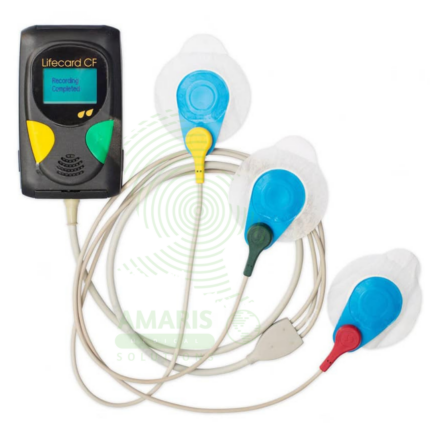
Holter ECG Monitor
A Holter ECG Monitor is a portable, wearable medical device used for continuous, long-term recording of a patient's heart's electrical activity over 24 to 48 hours or more. It is the cornerstone diagnostic tool for detecting intermittent cardiac arrhythmias, evaluating unexplained symptoms like syncope or palpitations, and monitoring the efficacy of antiarrhythmic treatments or implanted cardiac device function. Consisting of a small digital recorder connected to chest electrodes (or an all-in-one adhesive patch), it allows patients to maintain their normal daily routine while capturing a comprehensive electrocardiographic record.
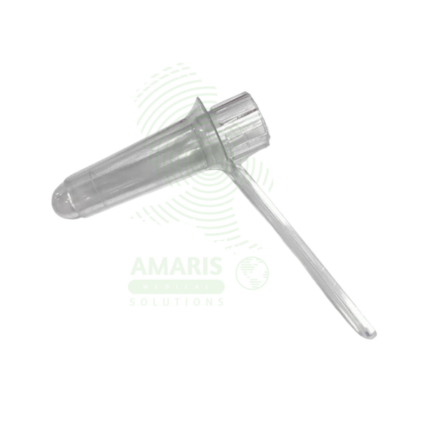
Proctoscope
A Proctoscope is a rigid, straight-tube endoscope specifically designed for the examination and treatment of the anal canal and distal rectum. It enables direct visualization to diagnose conditions like hemorrhoids, fissures, and proctitis, and serves as a conduit for therapeutic procedures such as band ligation. Available in reusable (autoclavable metal) or disposable (single-use plastic) formats, it is a fundamental tool in colorectal practice. Its effective use requires proper patient preparation, gentle insertion technique, and stringent adherence to sterilization protocols to ensure patient safety and diagnostic accuracy.