Dermatoscope and Magnifiers
 Diagnostic Kits
 Vital Signs Monitors
 Stethoscopes and Accessories
 Otoscopes, Ophthalmoscopes, and Retinoscopes
 Reflex Hammers and Neurological Tools
 Scales and Measuring Devices
 Spirometers and Pulmonary Function Tests
 Electrosurgical Units and Accessories
 Cutting Instruments
 Grasping and Holding Instruments
 Hemostatic Instruments
 Specialized Surgical Sets
 Single-Use Procedure Trays and Packs
 Surgical Drapes, Gowns, and Covers
 Tissue Unifying Instruments
 Radiation Protection
 X-Ray Machines and Accessories
 Ultrasound Systems and Probes
 MRI and CT Scanners
 Radiology Consumables
 Bone Densitometers
 Fluoroscopy Equipment
 Imaging Tables and Positioning Aids
 Microscopes and Accessories
 Centrifuges and Separators
 Analyzers
 Incubators and Ovens
 Pipettes, Dispensers, and Lab Glassware
 Refrigerators, Freezers, and Storage Units
 Lab Consumables
 Sterilizers and Autoclaves for Lab Use
 Multi-Parameter Monitors
 Ventilators and Respiratory Support Devices
 Defibrillators and AEDs
 Infusion Pumps and IV Systems
 Patient Warmers and Cooling Devices
 Central Monitoring Stations
 Accessories
 Anesthesia Machines and Workstations
 Oxygen Concentrators and Delivery Systems
 Nebulizers and Inhalers
 CPAP/BiPAP Machines
 Airway Management
 Anesthesia Masks, Circuits, and Bags
 Humidifiers and Heaters
 Respiratory Therapy Accessories
 First Aid Kits and Cabinets
 Emergency Resuscitation Equipment
 Trauma Supplies
 Emergency Carts and Crash Carts
 Burn Care Products
 Bleeding Control
 Automated External Defibrillators (AEDs)
 Transport and Evacuation
 Wheelchairs and Accessories
 Walkers, Crutches, and Canes
 Prosthetics and Orthotics
 Physical Therapy Equipment
 Transfer Devices
 Bathroom Safety
 Orthopedic Traction and Tables
 Hot/Cold Therapy Packs and Units
 Beds and Mattresses
 Chairs and Stools
 Tables
 Cabinets and Storage
 Privacy Screens & Curtains
 Stands and Racks
 Linens and Textiles
 Lighting
 Autoclaves and Sterilizers
 Ultrasonic Cleaners
 Disinfectant Solutions and Wipes
 Sterilization Pouches, Wraps, and Indicators
 Instrument Trays and Containers
 UV and Ozone Disinfection Devices
 Washer Disinfectors
 Wound Care
 Gloves
 Masks and Respirators
 Catheters and Tubing
 Swabs, Applicators, and Sponges
 Incontinence Products
 Personal Protective Equipment (PPE)
 Dental Chairs and Units
 Handpieces and Burs
 Instruments
 Consumables
 Sterilization for Dental Use
 Orthodontic Supplies
 Endodontic Tools
 Slit Lamps and Tonometers
 Lensometers and Phoropters
 Ophthalmic Surgical Instruments
 Eyewear Frames and Lenses
 Contact Lens Supplies
 Vision Testing Charts and Devices
 Eye Care Consumables
 Laser Systems for Eye Care
 ENT Exam Chairs and Tables
 Endoscopes
 Audiometers and Hearing Tests
 ENT Instruments
 Nasal and Throat Packs
 Hearing Aids and Accessories
 Otology Supplies
 Fetal Dopplers and Monitors
 Delivery Beds and Tables
 Gynecological Instruments
 Neonatal Incubators and Warmers
 Breast Pumps and Accessories
 Contraceptive Devices
 Maternity Supports and Pads
 Neonatal Consumables
 Cystoscopes and Urethroscopes
 Dialysis Machines and Supplies
 Urological Catheters and Bags
 Lithotripters
 Prostate Treatment Devices
 Urinary Incontinence Products
 Kidney Stone Management Tools
 Consumables & Disposables
 EEG and EMG Machines
 Neurosurgical Instruments
 Nerve Stimulators
 Headrests and Positioning Aids
 Lumbar Puncture Kits
 Seizure Monitoring Devices
 Consumables
 Rehabilitation for Neurological Conditions
 ECG Machines and Accessories
 Holter Monitors
 Stress Test Systems
 Pacemakers and Defibrillator Accessories
 Vascular Access Devices
 Cardiac Catheters and Guidewires
 Blood Flow Meters
 Consumables
 Orthopedic Instruments
 Casts, Splints, and Padding
 Joint Replacement Supplies
 Prosthetic Limbs and Components
 Bone Grafts and Substitutes
 Traction Devices
 Orthopedic Braces and Supports
 Rehabilitation Aids for Orthopedics
 Home Oxygen Therapy
 Hospital Beds for Home Use
 Mobility Aids
 Bathroom and Daily Living Aids
 Wound Care for Home
 Monitoring Devices
 Enteral Feeding Pumps and Tubes
 Hand Sanitizers and Dispensers
 Face Shields and Goggles
 Isolation Gowns and Suits
 Biohazard Waste Containers
 Air Purifiers and HEPA Filters
 Surface Disinfectants
 Sharps Containers
 Protective Barriers
 Cardiovascular & Endurance Training
 Strength Training & Weightlifting
 Functional Training & Core Conditioning
 Physical Therapy & Rehabilitation
 Sports & Outdoor Recreation
 Gym Flooring & Facility Equipment
 Fitness Monitoring & Accessories
 Kids & Novelties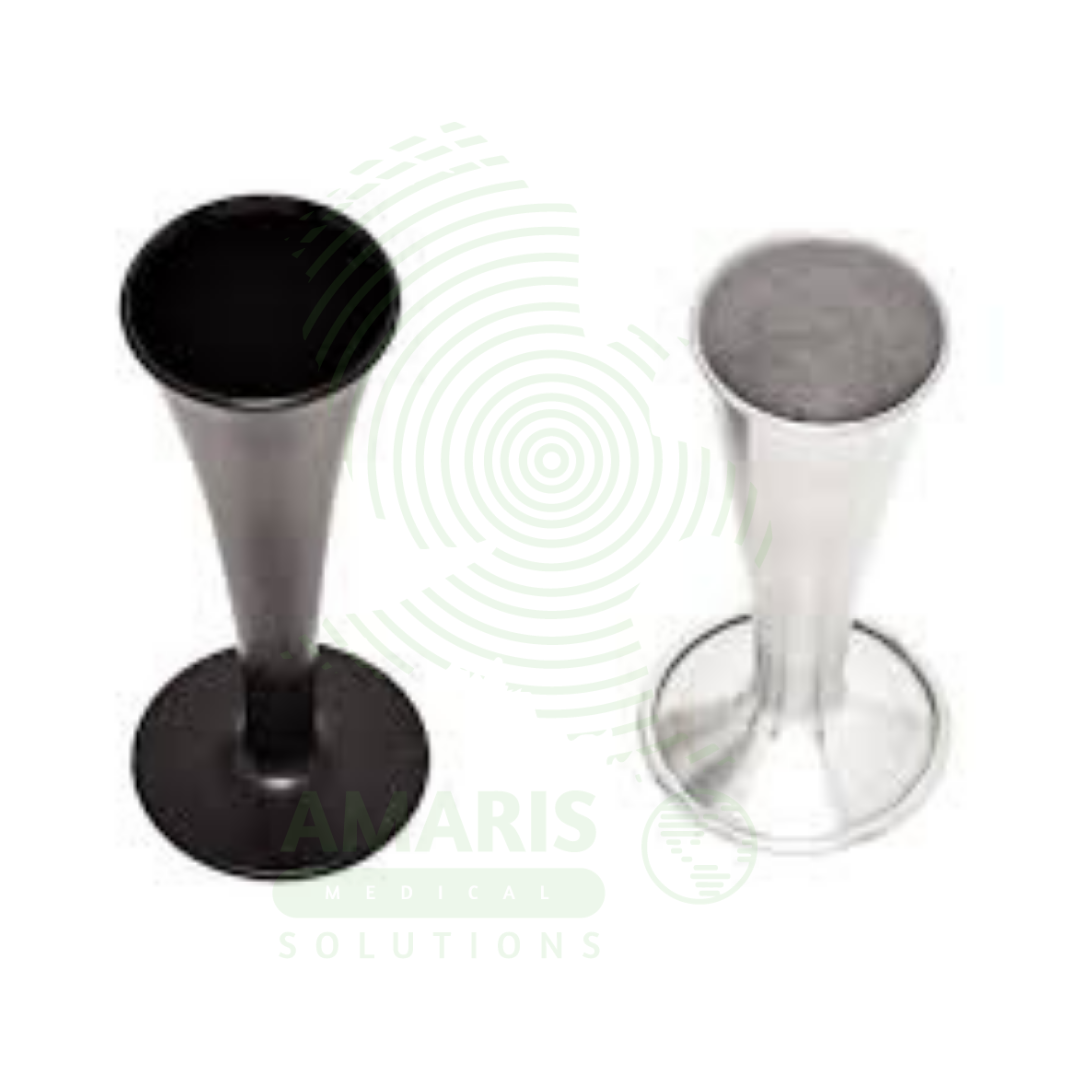
Pinnard Fetoscope (plastic/metal)
$1.00
WhatsApp Order
A Pinnard Fetoscope (Pinard horn) is a mechanical acoustic horn (150-200 mm length, 40-60 mm bell) for auscultation of fetal heart sounds through the maternal abdomen, available in traditional metal (stainless steel/chrome-plated, 150-300g, autoclavable, durable, requires warming) and modern plastic (medical-grade polymer, 30-80g, lightweight, unbreakable, economical, not autoclavable) versions. The flared bell collects fetal heart sounds, concentrating them through the tapered horn to the single earpiece for mechanical amplification (10-20 dB). Primary clinical applications include intermittent fetal heart rate monitoring during prenatal care and labor in low-risk pregnancies, confirming fetal viability, determining fetal presentation and position through point of maximal intensity, monitoring multiple gestations, and providing non-interventive fetal assessment in natural childbirth, home birth, and resource-limited settings. Class I medical device. Requires significant practitioner training and experience; reliable after 18-20 weeks gestation; limited by maternal obesity, anterior placenta, and ambient noise. Critical safety considerations include infection control (metal autoclavable, plastic chemical disinfection only), gentle abdominal pressure, maternal positioning, and recognition that Pinnard is not a replacement for electronic monitoring in high-risk pregnancies.
Description
Pinnard Fetoscope (plastic/metal)
PRIMARY CLINICAL & DIAGNOSTIC USES
1. Fetal Heart Rate Auscultation in Low-Risk Pregnancies:
-
Primary Use: Provides mechanical amplification of fetal heart sounds through a horn-shaped chest piece placed on the maternal abdomen, allowing intermittent monitoring of fetal heart rate during prenatal visits, labor, and delivery in low-risk pregnancies without electronic monitoring.
-
How it helps: Offers a simple, technology-free way to hear a baby’s heartbeat, giving expectant parents and their midwives reassurance that the pregnancy is progressing normally without the need for batteries or electronics.
2. Intermittent Fetal Monitoring During Labor:
-
Primary Use: Used by midwives, obstetricians, and birth attendants to periodically assess fetal heart rate between contractions, detecting baseline rate, variability, and periodic changes that may indicate fetal distress.
-
How it helps: Provides a low-intervention way to keep a watchful eye on the baby during labor, allowing birth attendants to hear how the baby is tolerating contractions and respond quickly if signs of distress appear.
3. Confirming Fetal Viability:
-
Primary Use: Rapid bedside confirmation of fetal cardiac activity in settings where electronic fetal monitors or Dopplers may be unavailable, particularly in low-resource environments or home birth settings.
-
How it helps: Brings peace of mind to parents and providers in the most basic settings, confirming that a heartbeat is present and the pregnancy is viable without any technology at all.
4. Determining Fetal Presentation and Position:
-
Primary Use: The characteristic quality and location of heart sounds help experienced practitioners determine fetal lie (cephalic, breech, transverse) and position (occiput anterior, occiput posterior) through the point of maximal intensity.
-
How it helps: Gives skilled midwives and obstetricians valuable information about how the baby is positioned before delivery, helping them plan for a safe birth and anticipate any potential complications.
5. Monitoring Multiple Gestations:
-
Primary Use: Skilled practitioners can distinguish and monitor individual fetal heart rates in twin or higher-order multiple pregnancies by identifying distinct rate patterns and points of maximal intensity.
-
How it helps: Enables providers caring for mothers expecting twins to ensure each baby is doing well, listening to each heartbeat separately and detecting if one twin is showing signs of distress.
6. Non-Interventive Fetal Assessment:
-
Primary Use: Provides fetal monitoring without the need for ultrasound energy (Doppler) or intrauterine pressure catheters, making it suitable for natural childbirth settings and patients desiring minimal technological intervention.
-
How it helps: Honors the preferences of families seeking a natural, low-intervention birth experience while still ensuring that the baby’s heartbeat is monitored throughout labor.
7. Teaching Fetal Heart Tone Localization:
-
Primary Use: Used in obstetric education to teach students and trainees the skill of locating and auscultating fetal heart tones through the maternal abdomen.
-
How it helps: Trains the next generation of midwives and obstetricians in the fundamental skill of listening for a fetal heartbeat, a technique that has been passed down through generations.
SECONDARY & SUPPORTIVE USES
1. Community Health and Outreach: Essential tool for community health workers providing prenatal care in remote or resource-limited settings, bringing basic obstetric care to the world’s most isolated communities.
2. Home Birth and Birthing Center Practice: Standard equipment for midwives attending home births and freestanding birthing centers, supporting safe out-of-hospital birth options.
3. Backup to Electronic Monitoring: Provides reliable backup when electronic fetal monitors malfunction or are unavailable, ensuring care can continue uninterrupted.
4. Historical and Traditional Practice: Maintains traditional midwifery skills and knowledge transmission across generations, preserving the art of hands-on, low-intervention birth care.
5. Global Health Initiatives: Distributed in low-income countries as a sustainable, durable fetal monitoring solution requiring no batteries or maintenance, bringing life-saving obstetric monitoring to underserved populations worldwide.
KEY PRODUCT FEATURES
1. BASIC IDENTIFICATION ATTRIBUTES
-
Device Type: Mechanical acoustic horn for auscultation of fetal heart sounds through the maternal abdomen.
-
Common Names: Pinnard Fetoscope, Pinard Fetoscope, Fetal Stethoscope, Pinard Horn, Fetal Horn.
-
Material Options:
-
Metal (Stainless Steel/Chrome-Plated): Traditional, durable, resonant acoustic properties, heavier, autoclavable.
-
Plastic (Medical-Grade ABS/Polypropylene): Lightweight, economical, unbreakable, easy to clean, less resonant.
-
-
Design: Hollow, tapered horn with flared bell (maternal abdomen end) and flat earpiece (provider end).
-
Length: 150-200 mm (6-8 inches) typical.
-
Bell Diameter: 40-60 mm (flared end) for abdominal contact.
2. TECHNICAL & PERFORMANCE PROPERTIES
-
Acoustic Principle: Sound waves collected by flared bell are concentrated through tapered horn to earpiece, providing mechanical amplification of fetal heart sounds.
-
Acoustic Amplification: 10-20 dB mechanical gain depending on material and design.
-
Frequency Response: Optimized for fetal heart rate range (110-160 bpm) and characteristic sounds.
-
Detection Range: Fetal heart tones typically audible after 18-20 weeks gestation; earlier in thin mothers, later in obese or anterior placenta.
-
Audible Components: Fetal heart sounds, umbilical cord souffle (soft, blowing sound synchronous with fetal heart), uterine souffle (maternal vascular sound synchronous with maternal pulse).
-
Ambient Noise Isolation: Requires quiet environment for effective use; practitioner must occlude opposite ear.
3. PHYSICAL & OPERATIONAL PROPERTIES
-
Metal Fetoscope:
-
Weight: 150-300 grams (5-10 ounces) - substantial, traditional feel.
-
Finish: Polished stainless steel or chrome-plated brass; may have satin or matte options.
-
Durability: Virtually indestructible; may dent if dropped but remains functional.
-
Temperature: Cold to touch; may be warmed before use for patient comfort.
-
-
Plastic Fetoscope:
-
Weight: 30-80 grams (1-3 ounces) - lightweight, comfortable for extended wear.
-
Material: Medical-grade ABS, polypropylene, or polycarbonate; non-toxic, BPA-free.
-
Durability: Unbreakable; may scratch but functional; not autoclavable (heat-sensitive).
-
Temperature: Room temperature; comfortable against skin without warming.
-
-
Earpiece: Single earpiece (monaural) held against provider's ear; requires practice to use effectively.
-
Bell Edge: Smooth, rounded edge for comfortable abdominal contact.
-
Storage: May be carried in pocket, belt holster, or storage case.
4. SAFETY & COMPLIANCE ATTRIBUTES
-
Regulatory Status: Class I medical device; 510(k) exempt.
-
Intended Use: For auscultation of fetal heart sounds during pregnancy and labor.
-
Biocompatibility: Materials meet ISO 10993 for skin contact; non-toxic, phthalate-free.
-
Latex-Free: All components latex-free.
-
Sterilization:
-
Metal: Autoclavable (steam sterilization) for surgical settings; withstands high-level disinfection.
-
Plastic: Heat-sensitive; high-level disinfection with chemical solutions only; not autoclavable.
-
-
Cleaning: Withstand repeated cleaning with EPA-registered hospital disinfectants.
-
Durability: No electronic components; not affected by electromagnetic interference.
5. STORAGE & HANDLING ATTRIBUTES
-
Storage: Store in a clean, dry environment; metal may be stored in instrument wrap or case; plastic may be stored loose.
-
Cleaning (Metal): Autoclave for sterile use; clean with disinfectant wipes between patients for non-sterile use.
-
Cleaning (Plastic): Clean with EPA-registered hospital disinfectant wipes; do not autoclave. Rinse if required by the manufacturer.
-
Inspection: Before each use, check for cracks (plastic), dents (metal), or rough edges; verify the earpiece is smooth and intact.
-
Warming (Metal): May be warmed in sterile water or with warm cloth before use for patient comfort; do not overheat.
-
Storage Life: Indefinite with proper care.
6. LABORATORY & CLINICAL APPLICATIONS
-
Primary Application: Mechanical auscultation of fetal heart rate, rhythm, and characteristics during prenatal care, labor, and delivery, particularly in low-risk pregnancies, natural childbirth settings, and resource-limited environments.
-
Skill Requirements: Requires significant practitioner training and experience to:
-
Locate points of maximal intensity based on fetal lie.
-
Distinguish fetal heart sounds from maternal vascular sounds.
-
Count accurate fetal heart rate (count for 60 seconds).
-
Differentiate normal from concerning patterns.
-
-
Gestational Age Considerations: Reliable after 18-20 weeks; earlier gestation may require Doppler.
-
Maternal Factors: Obesity, anterior placenta, polyhydramnios may limit audibility.
-
Limitations: Provides intermittent, not continuous, monitoring; cannot detect variability or decelerations as precisely as electronic monitoring; requires quiet environment; operator dependent.
SAFETY HANDLING PRECAUTIONS
1. SAFETY PRECAUTIONS
-
Infection Control: Clean between patients; use sterile fetoscope for intrauterine procedures (rare). Plastic fetoscopes not autoclavable - use chemical high-level disinfection only.
-
Pressure Application: Apply gentle pressure to maternal abdomen; excessive pressure may cause discomfort or rarely vagal response.
-
Maternal Positioning: Position mother in semi-recumbent or left lateral tilt to avoid supine hypotension syndrome.
-
Ambient Noise: Use in a quiet environment; competing sounds interfere with accurate auscultation.
-
Earpiece Hygiene: Clean earpiece between patients; never share without cleaning.
-
Metal Temperature: Warm metal fetoscope before use to prevent patient discomfort from cold instruments.
-
Plastic Integrity: Inspect for cracks before each use; cracked plastic may harbor bacteria and fail during use.
-
Not a Replacement for Electronic Monitoring: In high-risk pregnancies, electronic fetal monitoring is indicated; Pinnard may be used as an adjunct but not sole monitoring method.
-
Documentation: Document fetal heart rate, rhythm, and any characteristics (accelerations, decelerations) per facility protocol.
2. FIRST AID MEASURES
-
Maternal Discomfort: Reposition mother; ensure left lateral tilt; check pressure on abdomen.
-
Inability to Detect Fetal Heart: Reposition; attempt different location; use Doppler if available; if persistent absence of fetal heart after 20 weeks, arrange urgent ultrasound.
-
Earpiece Discomfort: Adjust position; clean earpiece; replace if rough or damaged.
-
Drop Damage: Inspect for cracks (plastic) or dents (metal); if damaged, replace or repair.
3. FIRE FIGHTING MEASURES
-
Flammability: Plastic fetoscopes are combustible; metal fetoscopes are non-combustible.
-
Extinguishing Media: Use water, foam, CO₂, or dry chemical as appropriate for surrounding fire.
Related products
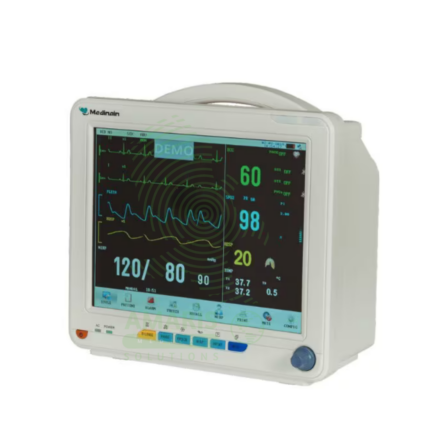
ECG Machine
An ECG Machine is a Class II medical device that records and displays the electrical activity of the heart through surface electrodes, producing an electrocardiogram for diagnosis of cardiac conditions. Standard diagnostic machines record 12 simultaneous leads (3 limb, 6 precordial, 1 ground) with frequency response 0.05-150 Hz, sampling rate 500-1,000 Hz, and high-resolution (5-10 µV) signal acquisition. Features include color touchscreen display, thermal array printer, computerized interpretation algorithms, internal memory (50-500+ ECGs), and network connectivity for EMR integration. Lead wires (AHA or IEC color coding) connect to disposable adhesive electrodes. Portable models (5-15 kg) with rechargeable batteries enable bedside and mobile use; cart-mounted units provide full diagnostic capability. Primary clinical applications include diagnosis of arrhythmias (AF, VT, bradycardia), detection of myocardial ischemia/infarction (STEMI, NSTEMI), evaluation of chest pain, preoperative cardiac risk assessment, monitoring electrolyte imbalances, assessment of chamber enlargement, and drug effect/toxicity monitoring. Essential diagnostic equipment in emergency departments, cardiology clinics, ICUs, operating rooms, and primary care settings worldwide.
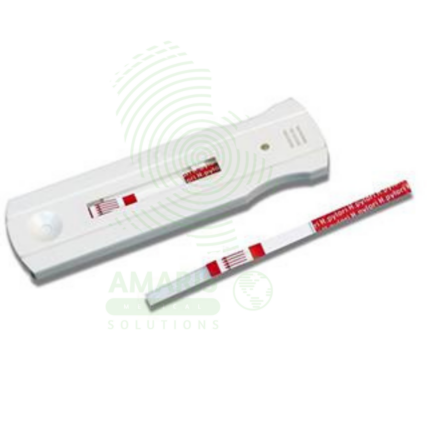
H. pylori Test Strips
H. pylori Test Strips are rapid, lateral flow immunochromatographic devices used for the qualitative detection of Helicobacter pylori antigens in human stool. As a non-invasive stool antigen test (SAT), it provides a convenient and reliable method for diagnosing active H. pylori infection and confirming eradication after therapy, with results available in under 15 minutes. Ideal for use in clinics and outpatient settings, it aids in the management of dyspepsia and peptic ulcer disease. Proper sample handling, adherence to pre-test medication restrictions, and strict biohazard precautions are essential for obtaining accurate results.
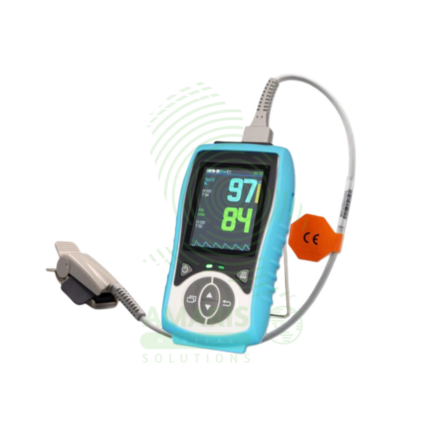
Handheld Pulse Oximeter
A Handheld Pulse Oximeter is a professional-grade, portable medical device used by healthcare providers for accurate and reliable monitoring of blood oxygen saturation (SpO2) and pulse rate. It consists of a durable, feature-rich monitor unit and separate, interchangeable sensors for use on fingers, toes, or ears. Superior to basic fingertip models, it offers advanced functions like configurable alarms, detailed plethysmograph display, trend memory, and data connectivity. Its robust design, clinical accuracy under challenging conditions (motion, low perfusion), and versatility make it an essential tool in hospitals, clinics, ambulances, and home health for patient assessment and monitoring.

Littman Stethoscope (Classic 4 Cardiology)
A Littman Stethoscope (Classic 4 Cardiology) represents the pinnacle of acoustic auscultation technology. Designed for clinicians who require the highest level of diagnostic accuracy, it features dual tunable diaphragms and dual-lumen tubing to provide exceptional acoustic sensitivity and ambient noise reduction. Its innovative design allows the user to hear both high and low-frequency sounds by simply adjusting pressure on either side of the chestpiece, making it the instrument of choice for cardiologists, intensivists, and specialists who cannot afford to miss a subtle murmur, rub, or breath sound. It combines superior performance with the durability and comfort expected from the Littmann brand.
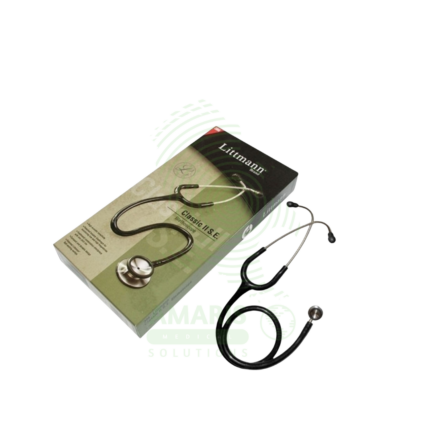
Littmann Stethoscope (Classic II)
A Littmann Stethoscope (Classic II) is a premium, acoustic dual-head stethoscope renowned for its diagnostic clarity, durability, and innovative tunable diaphragm technology. It allows healthcare professionals to hear both high and low-frequency sounds by simply adjusting pressure on the single-sided chestpiece, eliminating the need to rotate it. With its superior acoustics, comfortable fit, and wide range of colors, it is the instrument of choice for medical students, nurses, and physicians across all specialties who require reliable performance for physical assessment, auscultation of heart and lung sounds, and manual blood pressure measurement.
MUAC Tape
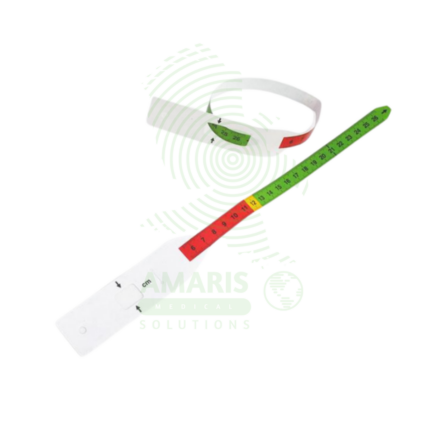
A MUAC Tape (Mid-Upper Arm Circumference) is a specialized, color-coded measuring tape used globally as the primary field tool for screening children aged 6-59 months for acute malnutrition. Its simple design—featuring red, yellow, and green zones corresponding to Severe Acute Malnutrition, Moderate Acute Malnutrition, and normal nutritional status—allows for instant, non-invasive assessment without the need for scales, calculation, or literacy. Durable, portable, and inexpensive, it is the cornerstone of community-based nutrition programs, emergency relief efforts, and public health surveillance, enabling early detection and life-saving intervention for malnourished children in even the most resource-constrained settings.
Patient Monitor
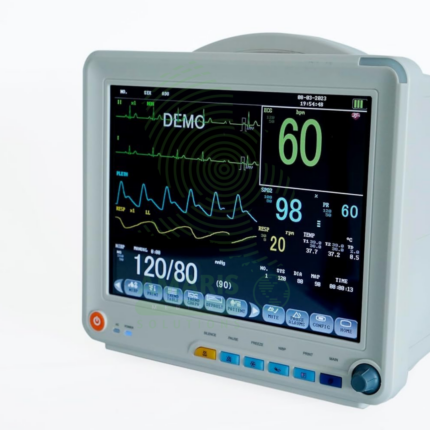
The Patient Monitor (6 Parameters BCCMS8000) is a versatile multi-parameter monitor designed for continuous surveillance of core vital signs in various clinical settings. It tracks six essential parameters—ECG, SpO2, Non-Invasive Blood Pressure (NIBP), Respiration, Temperature, and Pulse Rate—providing clinicians with real-time waveforms and numerical data on a clear color display. With its robust alarm system, battery backup for transport, and reliable performance, it is a fundamental tool for ensuring patient safety on general hospital wards, during procedures, and in emergency departments. Its design balances comprehensive monitoring capability with user-friendly operation.