Dermatoscope and Magnifiers
 Diagnostic Kits
 Vital Signs Monitors
 Stethoscopes and Accessories
 Otoscopes, Ophthalmoscopes, and Retinoscopes
 Reflex Hammers and Neurological Tools
 Scales and Measuring Devices
 Spirometers and Pulmonary Function Tests
 Electrosurgical Units and Accessories
 Cutting Instruments
 Grasping and Holding Instruments
 Hemostatic Instruments
 Specialized Surgical Sets
 Single-Use Procedure Trays and Packs
 Surgical Drapes, Gowns, and Covers
 Tissue Unifying Instruments
 Radiation Protection
 X-Ray Machines and Accessories
 Ultrasound Systems and Probes
 MRI and CT Scanners
 Radiology Consumables
 Bone Densitometers
 Fluoroscopy Equipment
 Imaging Tables and Positioning Aids
 Microscopes and Accessories
 Centrifuges and Separators
 Analyzers
 Incubators and Ovens
 Pipettes, Dispensers, and Lab Glassware
 Refrigerators, Freezers, and Storage Units
 Lab Consumables
 Sterilizers and Autoclaves for Lab Use
 Multi-Parameter Monitors
 Ventilators and Respiratory Support Devices
 Defibrillators and AEDs
 Infusion Pumps and IV Systems
 Patient Warmers and Cooling Devices
 Central Monitoring Stations
 Accessories
 Anesthesia Machines and Workstations
 Oxygen Concentrators and Delivery Systems
 Nebulizers and Inhalers
 CPAP/BiPAP Machines
 Airway Management
 Anesthesia Masks, Circuits, and Bags
 Humidifiers and Heaters
 Respiratory Therapy Accessories
 First Aid Kits and Cabinets
 Emergency Resuscitation Equipment
 Trauma Supplies
 Emergency Carts and Crash Carts
 Burn Care Products
 Bleeding Control
 Automated External Defibrillators (AEDs)
 Transport and Evacuation
 Wheelchairs and Accessories
 Walkers, Crutches, and Canes
 Prosthetics and Orthotics
 Physical Therapy Equipment
 Transfer Devices
 Bathroom Safety
 Orthopedic Traction and Tables
 Hot/Cold Therapy Packs and Units
 Beds and Mattresses
 Chairs and Stools
 Tables
 Cabinets and Storage
 Privacy Screens & Curtains
 Stands and Racks
 Linens and Textiles
 Lighting
 Autoclaves and Sterilizers
 Ultrasonic Cleaners
 Disinfectant Solutions and Wipes
 Sterilization Pouches, Wraps, and Indicators
 Instrument Trays and Containers
 UV and Ozone Disinfection Devices
 Washer Disinfectors
 Wound Care
 Gloves
 Masks and Respirators
 Catheters and Tubing
 Swabs, Applicators, and Sponges
 Incontinence Products
 Personal Protective Equipment (PPE)
 Dental Chairs and Units
 Handpieces and Burs
 Instruments
 Consumables
 Sterilization for Dental Use
 Orthodontic Supplies
 Endodontic Tools
 Slit Lamps and Tonometers
 Lensometers and Phoropters
 Ophthalmic Surgical Instruments
 Eyewear Frames and Lenses
 Contact Lens Supplies
 Vision Testing Charts and Devices
 Eye Care Consumables
 Laser Systems for Eye Care
 ENT Exam Chairs and Tables
 Endoscopes
 Audiometers and Hearing Tests
 ENT Instruments
 Nasal and Throat Packs
 Hearing Aids and Accessories
 Otology Supplies
 Fetal Dopplers and Monitors
 Delivery Beds and Tables
 Gynecological Instruments
 Neonatal Incubators and Warmers
 Breast Pumps and Accessories
 Contraceptive Devices
 Maternity Supports and Pads
 Neonatal Consumables
 Cystoscopes and Urethroscopes
 Dialysis Machines and Supplies
 Urological Catheters and Bags
 Lithotripters
 Prostate Treatment Devices
 Urinary Incontinence Products
 Kidney Stone Management Tools
 Consumables & Disposables
 EEG and EMG Machines
 Neurosurgical Instruments
 Nerve Stimulators
 Headrests and Positioning Aids
 Lumbar Puncture Kits
 Seizure Monitoring Devices
 Consumables
 Rehabilitation for Neurological Conditions
 ECG Machines and Accessories
 Holter Monitors
 Stress Test Systems
 Pacemakers and Defibrillator Accessories
 Vascular Access Devices
 Cardiac Catheters and Guidewires
 Blood Flow Meters
 Consumables
 Orthopedic Instruments
 Casts, Splints, and Padding
 Joint Replacement Supplies
 Prosthetic Limbs and Components
 Bone Grafts and Substitutes
 Traction Devices
 Orthopedic Braces and Supports
 Rehabilitation Aids for Orthopedics
 Home Oxygen Therapy
 Hospital Beds for Home Use
 Mobility Aids
 Bathroom and Daily Living Aids
 Wound Care for Home
 Monitoring Devices
 Enteral Feeding Pumps and Tubes
 Hand Sanitizers and Dispensers
 Face Shields and Goggles
 Isolation Gowns and Suits
 Biohazard Waste Containers
 Air Purifiers and HEPA Filters
 Surface Disinfectants
 Sharps Containers
 Protective Barriers
 Cardiovascular & Endurance Training
 Strength Training & Weightlifting
 Functional Training & Core Conditioning
 Physical Therapy & Rehabilitation
 Sports & Outdoor Recreation
 Gym Flooring & Facility Equipment
 Fitness Monitoring & Accessories
 Kids & Novelties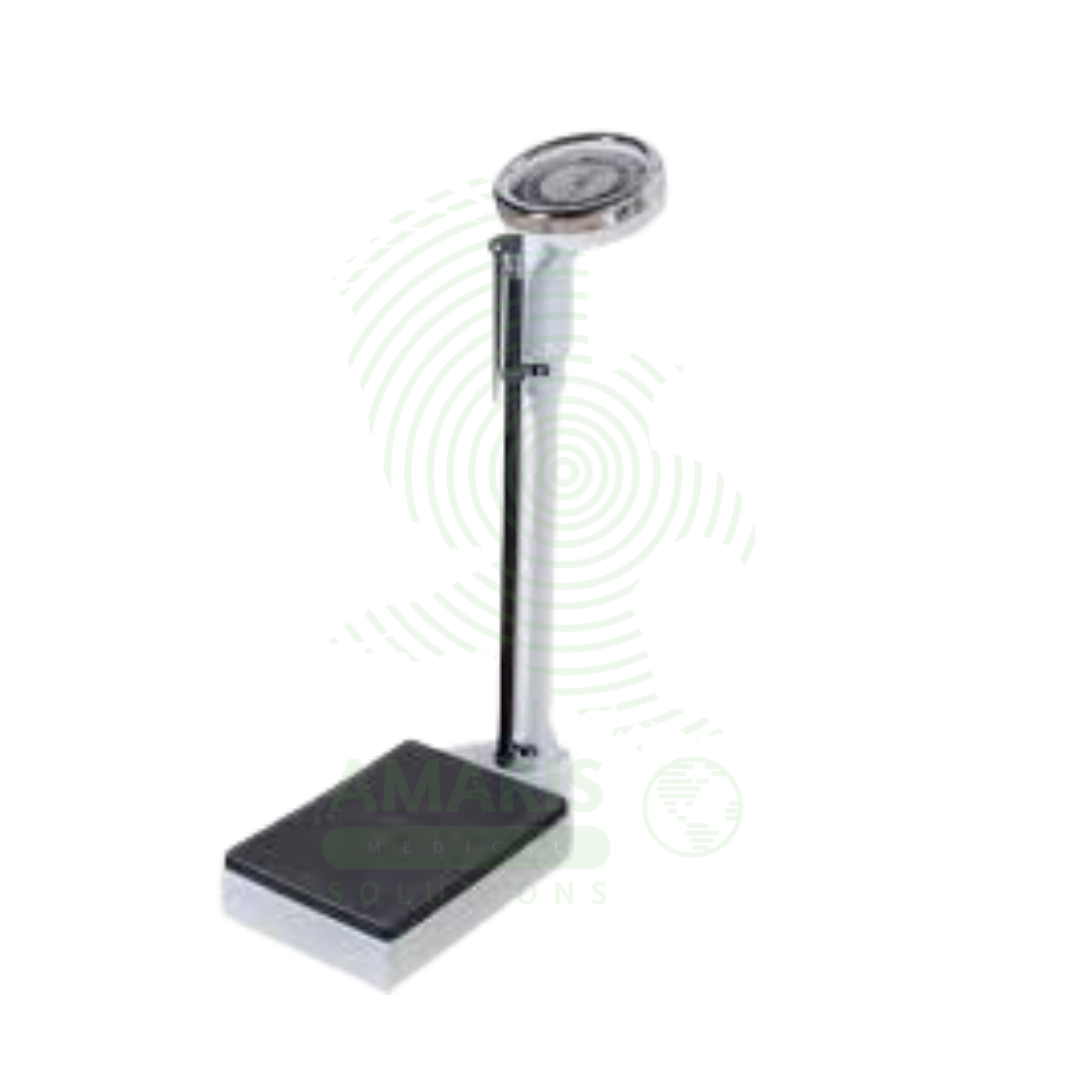
Analogue Weighing Scale With height
$1.00
WhatsApp Order
An Analogue Weighing Scale With height is a Class I medical device combining a mechanical beam scale (balance beam with sliding poises, accuracy ±0.1 kg, capacity 140-300 kg) with an integrated telescoping or folding height rod (range 60-200 cm, graduation 1 mm) for comprehensive anthropometric assessment without batteries or electronics. Features include heavy-gauge steel platform (50-70 cm × 40-50 cm) with non-slip surface, sliding counterweights (large for increments, small for fine measurement), zero adjustment mechanism, locking casters for mobility, and durable enamel or powder-coated finish. Primary clinical applications include comprehensive anthropometric assessment in resource-limited clinics, pediatric growth monitoring in community health centers, adult obesity screening and BMI calculation, geriatric nutritional assessment in long-term care, preoperative assessment in ambulatory surgery centers, school health screening programs, and developing world/humanitarian aid settings. Critical safety considerations include verifying zero balance before each use, locking casters before patient steps on, ensuring patient stands still without support, providing step assistance for mobility-impaired patients, and cleaning platform and height rod between patients. Essential durable, battery-free equipment for comprehensive weight and height measurement in clinical settings.
Description
Analogue Weighing Scale With height
PRIMARY CLINICAL & DIAGNOSTIC USES
1. Comprehensive Anthropometric Assessment in Resource-Limited Clinics:
-
Primary Use: Provides both weight and height measurement in a single mechanical device, enabling calculation of Body Mass Index (BMI) for nutritional assessment, growth monitoring, and obesity screening in primary care settings where digital alternatives are unavailable or unaffordable.
-
How it helps: Brings complete nutritional assessment capability to clinics with limited resources, allowing healthcare workers to calculate BMI and identify malnutrition or obesity without relying on electricity or expensive digital equipment.
2. Pediatric Growth Monitoring in Community Health Centers:
-
Primary Use: Allows healthcare workers to measure both weight and height of children during well-child visits, growth monitoring programs, and malnutrition screening, with the mechanical design requiring no batteries or calibration beyond zero adjustment.
-
How it helps: Tracks children’s growth reliably over time, even in the most basic community health centers, ensuring that no child falls through the cracks due to lack of equipment.
3. Adult Obesity Screening and BMI Calculation:
-
Primary Use: Enables clinicians to obtain accurate weight and height measurements for BMI calculation to classify patients as underweight, normal weight, overweight, or obese, guiding interventions for weight-related health conditions.
-
How it helps: Provides doctors with the essential data needed to identify patients at risk from excess weight, guiding conversations about diet, exercise, and health that can prevent diabetes, heart disease, and other obesity-related conditions.
4. Geriatric Nutritional Assessment in Long-Term Care:
-
Primary Use: Provides regular monitoring of weight and height (or height loss) in elderly residents to detect malnutrition, sarcopenia, or osteoporosis-related height loss, with the simple mechanical operation suitable for use by care staff.
-
How it helps: Protects elderly residents by catching dangerous weight loss early and tracking the height loss that signals weakening bones, allowing for timely intervention before falls and fractures occur.
5. Preoperative Assessment in Ambulatory Surgery Centers:
-
Primary Use: Offers reliable weight and height measurement for anesthesia dosing and surgical planning in settings where digital scales may not be available or where mechanical reliability is preferred.
-
How it helps: Ensures surgical patients receive the correct anesthesia doses and that surgical teams have all the information they need, even in facilities that rely on mechanical rather than digital equipment.
6. School Health Screening Programs:
-
Primary Use: Enables school nurses to conduct annual height and weight assessments for growth monitoring, obesity screening, and identification of children requiring further evaluation, with durable mechanical construction standing up to high-volume use.
-
How it helps: Supports the health of school-aged children by providing reliable, durable equipment that can withstand the demands of screening hundreds of students each year.
7. Developing World and Humanitarian Aid Settings:
-
Primary Use: Provides essential anthropometric measurement capability in field clinics, refugee camps, and international aid programs where battery availability is limited, technical support is minimal, and equipment must be durable and easily maintainable.
-
How it helps: Brings life-saving nutritional screening to the world’s most vulnerable populations, from refugee camps to disaster zones, with equipment that works without electricity and can be repaired with basic tools.
SECONDARY & SUPPORTIVE USES
1. Fitness and Wellness Programs in Community Centers: Used in community fitness programs to track participant weight and height for initial assessment and progress monitoring, supporting community health initiatives.
2. Nutritional Research Studies: Provides reliable anthropometric data in field research studies where digital equipment may not be practical or available, contributing to scientific understanding of nutrition.
3. Military and Corps Basic Training: Used in military processing stations and basic training facilities for initial physical assessments of recruits, supporting armed forces health programs.
4. Correctional Facility Health Screening: Provides durable, tamper-resistant measurement for intake health assessments in correctional settings, ensuring new arrivals receive appropriate care.
5. Disaster Response and Temporary Clinics: Essential equipment for rapid deployment medical teams establishing temporary clinics in disaster zones, bringing health monitoring to crisis settings.
6. Veterinary Use for Large Animal Assessment: Adapted for weighing and measuring large animals in field settings where portability and durability are essential, extending care to livestock and working animals.
7. Heritage and Historical Preservation: Maintained in historic medical facilities and museums for educational demonstrations of historical medical practice, preserving the history of healthcare.
KEY PRODUCT FEATURES
1. BASIC IDENTIFICATION ATTRIBUTES
-
Device Type: Combined mechanical beam scale with integrated height rod for simultaneous weight and height measurement.
-
Common Names: Physician Scale, Beam Scale, Mechanical Height and Weight Scale, Balance Beam Scale, Clinic Scale.
-
Components:
-
Base Platform: Heavy-duty metal platform with non-slip surface.
-
Beam Assembly: Horizontal beam with sliding counterweights (poises) for weight measurement.
-
Height Rod: Telescoping or folding metal rod with measuring scale.
-
Balance Indicator: Pointer that aligns when the beam is balanced.
-
Weight Poises: Large counterweight for 50 lb/25 kg increments; small poise for fractional measurements.
-
Zero Adjustment: Screw or knob to calibrate empty scale to zero.
-
Height Scale: Calibrated in cm and/or inches on telescoping rod.
-
-
Weight Capacity: 140-200 kg (300-440 lbs) standard; heavy-duty models available to 250-300 kg (550-660 lbs).
-
Weight Graduation: 0.1 kg or 0.2 lb (small poise); 5-10 kg (large poise).
-
Height Range: 60-200 cm (24-78 inches) typical.
-
Height Graduation: 1 mm or 0.5 cm increments.
2. TECHNICAL & PERFORMANCE PROPERTIES
-
Weight Measurement Mechanism: Balance beam principle; weight determined by positioning poises until beam balances.
-
Weight Accuracy: ±0.1 kg (±0.2 lb) with proper calibration; inherently accurate when balanced.
-
Weight Repeatability: Highly consistent; no electronic drift or calibration degradation.
-
Height Measurement: Mechanical rod with positive lock; vertical or horizontal reading.
-
Height Accuracy: ±2-3 mm with proper technique.
-
No Power Required: Operates indefinitely without batteries or electricity.
-
Tare Function: Can be zeroed with blankets or pads for infant weighing (some models).
-
Durability: Heavy-duty construction withstands years of heavy use; minimal maintenance required.
-
Transport: Wheels on base for mobility; locking casters for stability.
3. PHYSICAL & OPERATIONAL PROPERTIES
-
Base Platform Dimensions: 50-70 cm × 40-50 cm (20-28 × 16-20 inches).
-
Overall Height: 120-150 cm (48-60 inches) with height rod extended.
-
Platform Height: 10-15 cm (4-6 inches) step-up.
-
Weight: 25-45 kg (55-100 lbs) depending on construction.
-
Material: Heavy-gauge steel, cast iron, or aluminum construction; enamel or powder-coated finish.
-
Finish: Chip-resistant enamel or powder coat; easy to clean.
-
Non-Slip Platform: Textured or rubber-covered surface.
-
Height Rod Material: Chrome-plated or painted steel; telescoping or folding design.
-
Casters: 2-4 wheels for mobility; locking front casters.
-
Footpads: Leveling feet for uneven floors.
4. SAFETY & COMPLIANCE ATTRIBUTES
-
Regulatory Status: Class I medical device when marketed for clinical use.
-
Accuracy Standards: Meets ASTM E898 or OIML Class III requirements for clinical scales.
-
Weight Capacity: Clearly marked; overload may damage the mechanism.
-
Stability: Wide base and locking casters prevent tipping.
-
Non-Slip Surface: Textured platform prevents falls.
-
Step Height: Reasonable step-up height; handrail available on some models.
-
Biocompatibility: Platform surface meets skin contact standards.
-
No Electrical Components: No shock or fire hazard; safe in all environments.
-
Corrosion Resistance: Enamel or powder-coat finish resists rust.
5. STORAGE & HANDLING ATTRIBUTES
-
Storage: Store assembled in a clean, dry environment; protect from moisture.
-
Cleaning: Wipe platform, beam, and height rod with EPA-registered hospital disinfectant. Do not immerse.
-
Zero Calibration: Before each use, verify beam balances with no weight; adjust zero screw if needed.
-
Poise Maintenance: Keep poises clean; ensure smooth sliding without binding.
-
Height Rod Care: Extend and retract gently; clean measuring surface.
-
Inspection: Check beam alignment, poise movement, height rod integrity, and casters before each use.
-
Calibration Verification: Annually verify accuracy with certified test weights.
-
Leveling: Adjust leveling feet for stable, wobble-free operation.
6. LABORATORY & CLINICAL APPLICATIONS
-
Primary Application: Combined weight and height measurement for comprehensive anthropometric assessment in primary care, pediatric clinics, community health centers, long-term care facilities, and resource-limited settings.
-
Measurement Guidelines (Weight):
-
Zero scale before each use.
-
The patient stands centered on the platform without support.
-
Slide large poise to estimated weight; adjust small poise until beam balances.
-
Read weight at poise positions.
-
-
Measurement Guidelines (Height):
-
The patient stands erect, heels together, back to height rod.
-
Heels, buttocks, and shoulders touching rod.
-
Head in the Frankfort plane (eyes and ears level).
-
Lower headpiece firmly on crown; read measurement.
-
-
BMI Calculation: Weight (kg) / Height (m)²; classify per WHO guidelines.
-
Clinical Significance:
-
BMI <18.5: Underweight.
-
BMI 18.5-24.9: Normal.
-
BMI 25-29.9: Overweight.
-
BMI ≥30: Obese.
-
-
Limitations: Heavy and non-portable; requires physical effort to move; step-up height may be difficult for some patients.
SAFETY HANDLING PRECAUTIONS
1. SAFETY PRECAUTIONS
-
Stability Check: Ensure scale on level surface with casters locked before patient steps on.
-
Step Assistance: Provide arm or handrail for patients with mobility impairment; step height may be challenging.
-
Weight Capacity: Do not exceed maximum weight capacity; beam damage may occur.
-
Height Rod Caution: Extend height rod gently; avoid sudden extension that may hit the patient or ceiling.
-
Child Safety: Supervise children; prevent climbing on scale.
-
Poise Handling: Ensure poises securely positioned; loose poise may fall during use.
-
Zero Check: Always verify zero balance before each use; inaccurate zero guarantees inaccurate weight.
-
Patient Positioning: Patient must stand still without support for accurate weight; holding height rod invalidates reading.
-
Infection Control: Clean platform and height rod between each patient.
2. FIRST AID MEASURES
-
Fall from Scale: Assess for injury; document incident; evaluate need for additional safety measures.
-
Height Rod Impact: If height rod strikes patient, assess for injury; use more gently next measurement.
-
Poise Drop: If poise falls during use, assess for foot injury; ensure secure replacement.
-
Inaccurate Readings Suspected: Verify calibration with known test weight; adjust or service as needed.
3. FIRE FIGHTING MEASURES
-
Flammability: Metal components non-combustible; paint/finish may be combustible.
-
Extinguishing Media: Use water, foam, CO₂, or dry chemical as appropriate for surrounding fire.
Related products
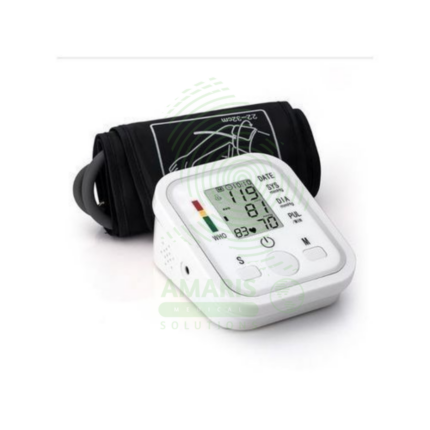
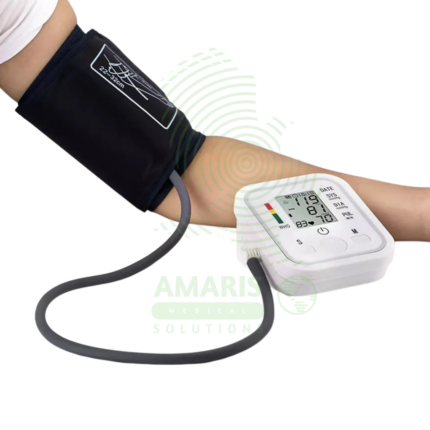
Digital Blood Pressure Monitor
A Digital Blood Pressure Monitor is an automatic electronic device that measures and displays systolic pressure, diastolic pressure, and pulse rate using the oscillometric method. Designed primarily for home and clinical use, it offers a user-friendly alternative to manual aneroid devices, requiring minimal training. Key features often include irregular heartbeat detection, multi-user memory, and connectivity for data tracking. Its accuracy, when clinically validated and used with correct technique, makes it an indispensable tool for the diagnosis and management of hypertension, empowering patients and supporting healthcare providers with reliable ambulatory data.
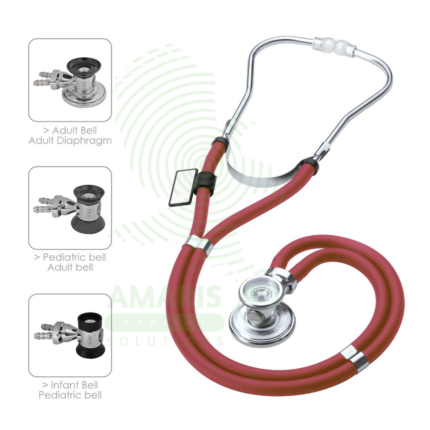
Dual Head Stethoscope
The Dual Head Stethoscope is the classic, essential acoustic diagnostic tool used by healthcare professionals worldwide. Its defining feature is a two-sided chestpiece, combining a diaphragm for high-frequency sounds (breath sounds, normal heart tones) and a bell for low-frequency sounds (heart murmurs, abnormal heart tones). Through mechanical sound conduction, it provides critical information for assessing cardiac, pulmonary, and vascular systems during physical examinations and manual blood pressure measurement. Its effectiveness relies on proper technique, a good acoustic seal, and consistent cleaning. As a fundamental symbol of medical practice, it balances functionality, durability, and affordability.
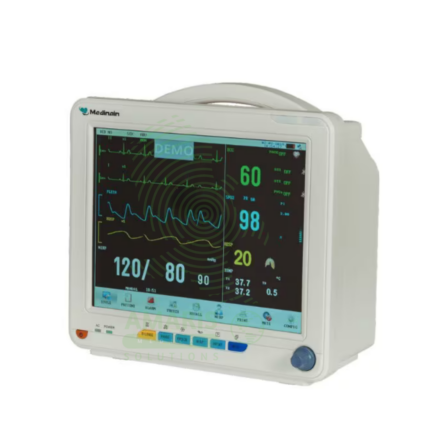
ECG Machine
An ECG Machine is a Class II medical device that records and displays the electrical activity of the heart through surface electrodes, producing an electrocardiogram for diagnosis of cardiac conditions. Standard diagnostic machines record 12 simultaneous leads (3 limb, 6 precordial, 1 ground) with frequency response 0.05-150 Hz, sampling rate 500-1,000 Hz, and high-resolution (5-10 µV) signal acquisition. Features include color touchscreen display, thermal array printer, computerized interpretation algorithms, internal memory (50-500+ ECGs), and network connectivity for EMR integration. Lead wires (AHA or IEC color coding) connect to disposable adhesive electrodes. Portable models (5-15 kg) with rechargeable batteries enable bedside and mobile use; cart-mounted units provide full diagnostic capability. Primary clinical applications include diagnosis of arrhythmias (AF, VT, bradycardia), detection of myocardial ischemia/infarction (STEMI, NSTEMI), evaluation of chest pain, preoperative cardiac risk assessment, monitoring electrolyte imbalances, assessment of chamber enlargement, and drug effect/toxicity monitoring. Essential diagnostic equipment in emergency departments, cardiology clinics, ICUs, operating rooms, and primary care settings worldwide.
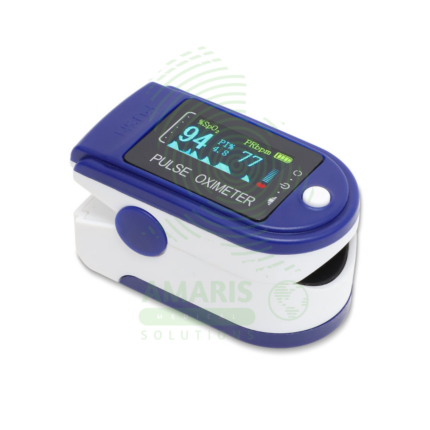
Fingertip Pulse Oximeter
A Fingertip Pulse Oximeter is a compact, non-invasive medical device that clips onto a finger to measure peripheral arterial oxygen saturation (SpO2) and pulse rate in seconds. Utilizing light-based technology, it provides critical, real-time data on respiratory and circulatory status. Its portability and ease of use make it indispensable in hospitals (from ORs to general wards), for patients managing chronic lung conditions at home, and for situational monitoring in sports or high-altitude environments. While an extremely valuable screening tool, readings must be interpreted in context, considering factors like patient movement, perfusion, and clinical symptoms.
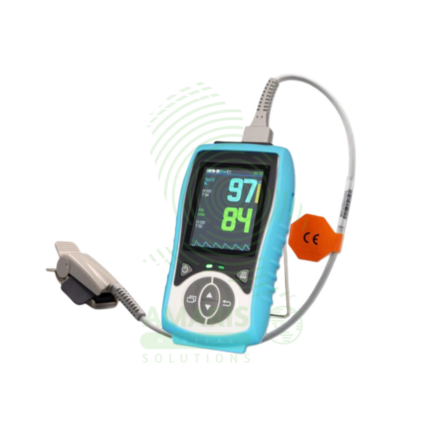
Handheld Pulse Oximeter
A Handheld Pulse Oximeter is a professional-grade, portable medical device used by healthcare providers for accurate and reliable monitoring of blood oxygen saturation (SpO2) and pulse rate. It consists of a durable, feature-rich monitor unit and separate, interchangeable sensors for use on fingers, toes, or ears. Superior to basic fingertip models, it offers advanced functions like configurable alarms, detailed plethysmograph display, trend memory, and data connectivity. Its robust design, clinical accuracy under challenging conditions (motion, low perfusion), and versatility make it an essential tool in hospitals, clinics, ambulances, and home health for patient assessment and monitoring.
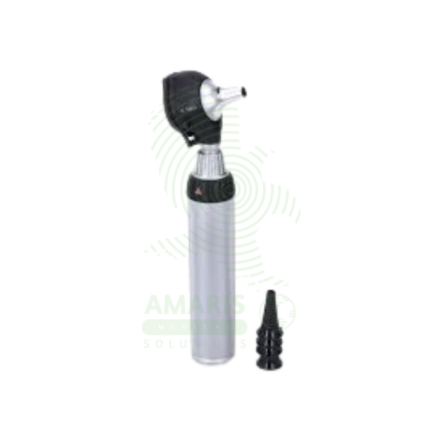
LED Otoscope
An LED Otoscope is a handheld medical device used for illuminating and magnifying the external ear canal and tympanic membrane. Featuring a bright, cool, and long-lasting LED light source, it provides superior visualization for diagnosing common conditions like ear infections, wax impaction, and perforations. Its design, incorporating a reusable handle/head and disposable specula, ensures hygiene and patient safety. As an essential tool in family medicine, pediatrics, and ENT, it enables clinicians to perform accurate otoscopic examinations and, when equipped with an insufflator, crucial pneumatic otoscopy to assess middle ear function.
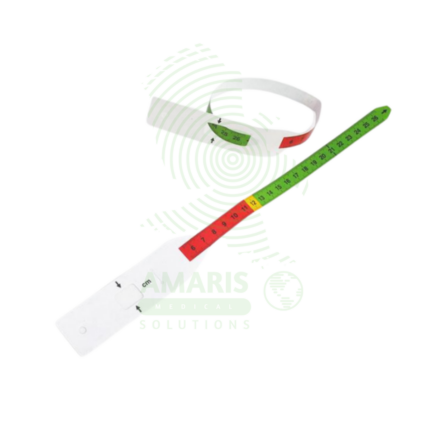
MUAC Tape
A MUAC Tape (Mid-Upper Arm Circumference) is a specialized, color-coded measuring tape used globally as the primary field tool for screening children aged 6-59 months for acute malnutrition. Its simple design—featuring red, yellow, and green zones corresponding to Severe Acute Malnutrition, Moderate Acute Malnutrition, and normal nutritional status—allows for instant, non-invasive assessment without the need for scales, calculation, or literacy. Durable, portable, and inexpensive, it is the cornerstone of community-based nutrition programs, emergency relief efforts, and public health surveillance, enabling early detection and life-saving intervention for malnourished children in even the most resource-constrained settings.