Dermatoscope and Magnifiers
 Diagnostic Kits
 Vital Signs Monitors
 Stethoscopes and Accessories
 Otoscopes, Ophthalmoscopes, and Retinoscopes
 Reflex Hammers and Neurological Tools
 Scales and Measuring Devices
 Spirometers and Pulmonary Function Tests
 Electrosurgical Units and Accessories
 Cutting Instruments
 Grasping and Holding Instruments
 Hemostatic Instruments
 Specialized Surgical Sets
 Single-Use Procedure Trays and Packs
 Surgical Drapes, Gowns, and Covers
 Tissue Unifying Instruments
 Radiation Protection
 X-Ray Machines and Accessories
 Ultrasound Systems and Probes
 MRI and CT Scanners
 Radiology Consumables
 Bone Densitometers
 Fluoroscopy Equipment
 Imaging Tables and Positioning Aids
 Microscopes and Accessories
 Centrifuges and Separators
 Analyzers
 Incubators and Ovens
 Pipettes, Dispensers, and Lab Glassware
 Refrigerators, Freezers, and Storage Units
 Lab Consumables
 Sterilizers and Autoclaves for Lab Use
 Multi-Parameter Monitors
 Ventilators and Respiratory Support Devices
 Defibrillators and AEDs
 Infusion Pumps and IV Systems
 Patient Warmers and Cooling Devices
 Central Monitoring Stations
 Accessories
 Anesthesia Machines and Workstations
 Oxygen Concentrators and Delivery Systems
 Nebulizers and Inhalers
 CPAP/BiPAP Machines
 Airway Management
 Anesthesia Masks, Circuits, and Bags
 Humidifiers and Heaters
 Respiratory Therapy Accessories
 First Aid Kits and Cabinets
 Emergency Resuscitation Equipment
 Trauma Supplies
 Emergency Carts and Crash Carts
 Burn Care Products
 Bleeding Control
 Automated External Defibrillators (AEDs)
 Transport and Evacuation
 Wheelchairs and Accessories
 Walkers, Crutches, and Canes
 Prosthetics and Orthotics
 Physical Therapy Equipment
 Transfer Devices
 Bathroom Safety
 Orthopedic Traction and Tables
 Hot/Cold Therapy Packs and Units
 Beds and Mattresses
 Chairs and Stools
 Tables
 Cabinets and Storage
 Privacy Screens & Curtains
 Stands and Racks
 Linens and Textiles
 Lighting
 Autoclaves and Sterilizers
 Ultrasonic Cleaners
 Disinfectant Solutions and Wipes
 Sterilization Pouches, Wraps, and Indicators
 Instrument Trays and Containers
 UV and Ozone Disinfection Devices
 Washer Disinfectors
 Wound Care
 Gloves
 Masks and Respirators
 Catheters and Tubing
 Swabs, Applicators, and Sponges
 Incontinence Products
 Personal Protective Equipment (PPE)
 Dental Chairs and Units
 Handpieces and Burs
 Instruments
 Consumables
 Sterilization for Dental Use
 Orthodontic Supplies
 Endodontic Tools
 Slit Lamps and Tonometers
 Lensometers and Phoropters
 Ophthalmic Surgical Instruments
 Eyewear Frames and Lenses
 Contact Lens Supplies
 Vision Testing Charts and Devices
 Eye Care Consumables
 Laser Systems for Eye Care
 ENT Exam Chairs and Tables
 Endoscopes
 Audiometers and Hearing Tests
 ENT Instruments
 Nasal and Throat Packs
 Hearing Aids and Accessories
 Otology Supplies
 Fetal Dopplers and Monitors
 Delivery Beds and Tables
 Gynecological Instruments
 Neonatal Incubators and Warmers
 Breast Pumps and Accessories
 Contraceptive Devices
 Maternity Supports and Pads
 Neonatal Consumables
 Cystoscopes and Urethroscopes
 Dialysis Machines and Supplies
 Urological Catheters and Bags
 Lithotripters
 Prostate Treatment Devices
 Urinary Incontinence Products
 Kidney Stone Management Tools
 Consumables & Disposables
 EEG and EMG Machines
 Neurosurgical Instruments
 Nerve Stimulators
 Headrests and Positioning Aids
 Lumbar Puncture Kits
 Seizure Monitoring Devices
 Consumables
 Rehabilitation for Neurological Conditions
 ECG Machines and Accessories
 Holter Monitors
 Stress Test Systems
 Pacemakers and Defibrillator Accessories
 Vascular Access Devices
 Cardiac Catheters and Guidewires
 Blood Flow Meters
 Consumables
 Orthopedic Instruments
 Casts, Splints, and Padding
 Joint Replacement Supplies
 Prosthetic Limbs and Components
 Bone Grafts and Substitutes
 Traction Devices
 Orthopedic Braces and Supports
 Rehabilitation Aids for Orthopedics
 Home Oxygen Therapy
 Hospital Beds for Home Use
 Mobility Aids
 Bathroom and Daily Living Aids
 Wound Care for Home
 Monitoring Devices
 Enteral Feeding Pumps and Tubes
 Hand Sanitizers and Dispensers
 Face Shields and Goggles
 Isolation Gowns and Suits
 Biohazard Waste Containers
 Air Purifiers and HEPA Filters
 Surface Disinfectants
 Sharps Containers
 Protective Barriers
 Cardiovascular & Endurance Training
 Strength Training & Weightlifting
 Functional Training & Core Conditioning
 Physical Therapy & Rehabilitation
 Sports & Outdoor Recreation
 Gym Flooring & Facility Equipment
 Fitness Monitoring & Accessories
 Kids & Novelties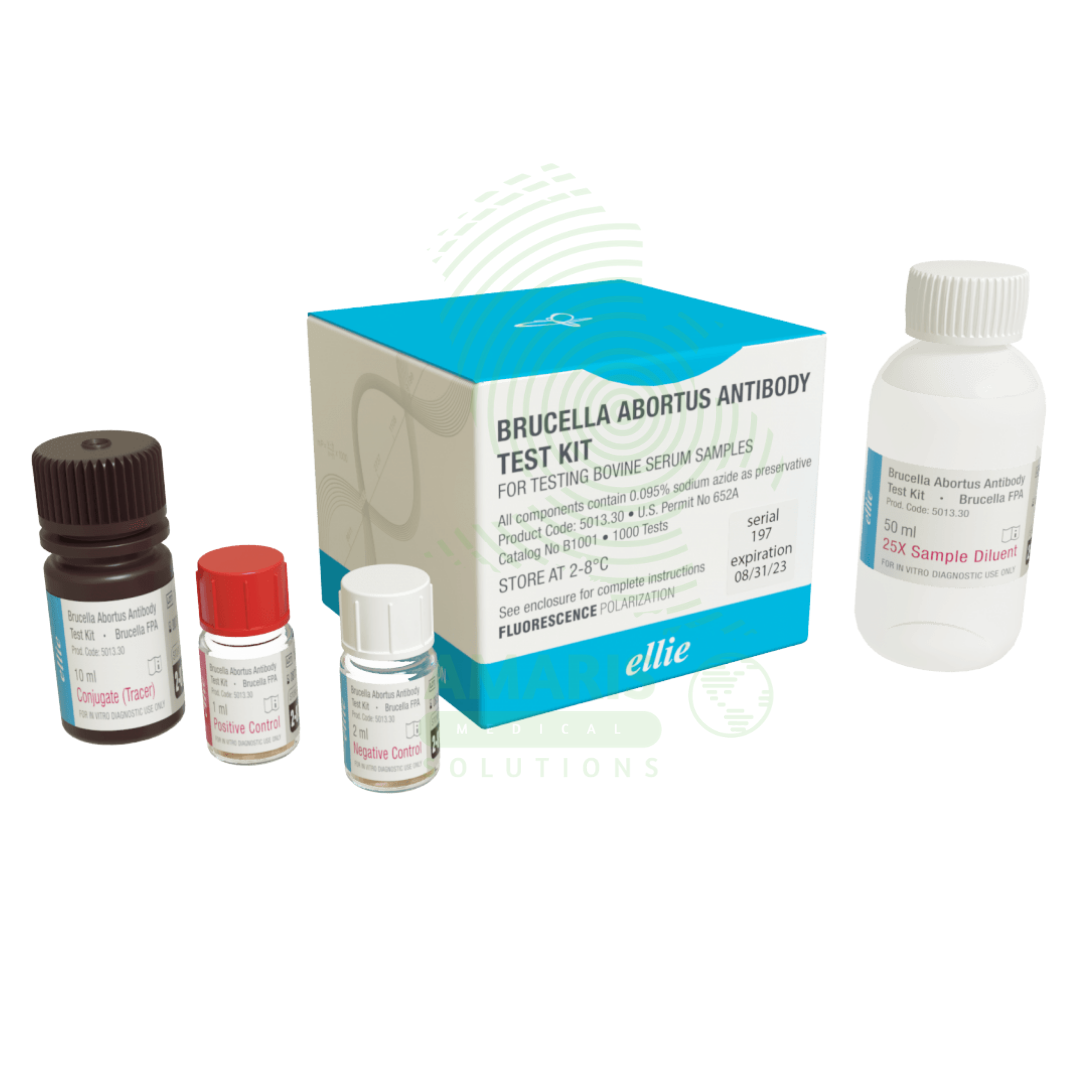
Brucella Set
$1.00
WhatsApp Order
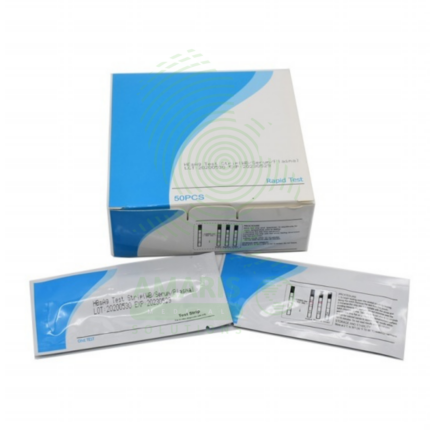
A Brucella Set is a comprehensive serological test system (Class II medical device, CE-marked/FDA-cleared) for qualitative and quantitative detection of antibodies against Brucella species (B. abortus, B. melitensis, B. suis, B. canis) using multiple methodologies including tube agglutination, slide agglutination, and 2-mercaptoethanol (2-ME) testing. The set includes killed, stained Brucella antigens, positive and negative controls, dilution tubes, reaction cards, and 2-ME reagent for IgM/IgG differentiation. Diagnostic titer ≥1:160 or fourfold rise confirms brucellosis. Primary clinical applications include diagnosis of brucellosis in endemic regions (undulant fever, night sweats, arthralgia), fever of unknown origin investigation, occupational health screening in high-risk workers (veterinarians, farmers, slaughterhouse workers), diagnosis of focal complications (sacroiliitis, spondylitis, meningitis, endocarditis), treatment monitoring (fourfold decline indicates response), outbreak investigation, and public health surveillance. Critical safety precautions include handling all samples in biosafety cabinet (Brucella is highly infectious via aerosol), 2-ME reagent toxicity (use fume hood), awareness of prozone phenomenon (serial dilutions essential), cross-reactions with other Gram-negative bacteria, and mandatory reporting to public health authorities. Essential test for brucellosis diagnosis in endemic regions and occupational health settings.
Description
Brucella Set
PRIMARY CLINICAL & DIAGNOSTIC USES
1. Diagnosis of Brucellosis in Endemic Regions:
-
Primary Use: Used for serological detection of antibodies against Brucella species (B. abortus, B. melitensis, B. suis, B. canis) in patients presenting with undulant fever, night sweats, arthralgia, fatigue, and other symptoms suggestive of brucellosis, particularly in endemic areas such as the Mediterranean basin, Middle East, Central Asia, and Latin America.
-
How it helps: Enables rapid, accurate diagnosis of a potentially debilitating infection that might otherwise be missed, allowing patients to receive appropriate antibiotic treatment before the disease progresses to chronic complications.
2. Fever of Unknown Origin Investigation:
-
Primary Use: Brucella testing is essential in the diagnostic workup of patients with prolonged fever of unknown origin, especially those with epidemiological risk factors such as consumption of unpasteurized dairy products, occupational exposure (farmers, veterinarians, slaughterhouse workers), or travel to endemic regions.
-
How it helps: Provides a definitive answer for patients suffering from persistent, unexplained fever, ending the frustration of months of uncertainty and guiding them toward effective treatment.
3. Occupational Health Screening in High-Risk Workers:
-
Primary Use: Used for regular screening of veterinarians, livestock handlers, slaughterhouse workers, and laboratory personnel who are at increased risk of occupational exposure to Brucella, enabling early detection and treatment.
-
How it helps: Protects the health of workers in high-risk professions by catching infections early, often before symptoms become severe, and preventing the spread of disease to families and communities.
4. Diagnosis of Complications (Osteoarticular, Neurological, Cardiovascular):
-
Primary Use: Brucella can cause focal complications including sacroiliitis, spondylitis, meningitis, endocarditis, and orchitis. Serological testing helps establish the etiology in patients presenting with these complications, particularly in endemic areas.
-
How it helps: Solves the mystery of seemingly unrelated severe complications—like joint pain, heart inflammation, or neurological symptoms—by revealing the underlying brucella infection, allowing for targeted treatment that addresses the root cause.
5. Treatment Monitoring and Follow-Up:
-
Primary Use: Serial antibody titers are used to monitor response to antibiotic therapy (doxycycline + rifampin or streptomycin). A fourfold decline in titers over 3-6 months indicates adequate treatment response, while persistent or rising titers suggest treatment failure or relapse.
-
How it helps: Takes the guesswork out of treatment, giving doctors and patients clear evidence of whether the infection is responding to antibiotics or if a different approach is needed to prevent relapse.
6. Screening in Blood and Tissue Donors:
-
Primary Use: In some endemic regions, screening of blood and tissue donors for Brucella antibodies may be performed to prevent transfusion-transmitted or transplant-transmitted brucellosis.
-
How it helps: Protects vulnerable patients who receive blood transfusions or organ transplants from acquiring a dangerous infection through donated materials, making the blood supply safer for everyone.
7. Outbreak Investigation and Public Health Surveillance:
-
Primary Use: Used during suspected outbreaks of brucellosis to identify cases, determine the source of infection (often contaminated dairy products), and implement control measures to prevent further transmission.
-
How it helps: Enables public health officials to quickly identify and contain outbreaks, protecting entire communities from further exposure and identifying contaminated food sources before they affect more people.
SECONDARY & SUPPORTIVE USES
1. Epidemiological Studies and Research: Used in population-based studies to determine prevalence, incidence, and risk factors for brucellosis in various populations and geographic regions, guiding public health policy and resource allocation.
2. Veterinary Medicine and Animal Health: Adapted for screening livestock (cattle, goats, sheep, pigs) to detect infected animals and implement control programs for animal brucellosis, which has significant economic and public health implications.
3. Food Safety Investigations: Used in investigations of foodborne outbreaks linked to unpasteurized dairy products (cheese, milk) to confirm Brucella contamination, helping remove dangerous products from the market.
4. Immigrant and Refugee Health Screening: May be used to screen individuals from endemic countries presenting with compatible symptoms or as part of comprehensive health assessments, ensuring new arrivals receive appropriate care.
5. Travel Medicine: Used to evaluate returning travelers from endemic areas with prolonged fever, arthralgia, or other symptoms suggestive of brucellosis, helping diagnose imported infections.
6. Differential Diagnosis of Rheumatic Symptoms: Brucella testing may be included in the workup of patients presenting with unexplained arthralgia, arthritis, or back pain in endemic areas, ruling out an infectious cause for joint symptoms.
7. Pre-Employment Screening for High-Risk Occupations: Some employers in high-risk industries may require baseline Brucella testing for new hires in occupational health programs, establishing a health baseline and protecting the workforce.
KEY PRODUCT FEATURES
1. BASIC IDENTIFICATION ATTRIBUTES
-
Test Type: Serological test for qualitative and quantitative detection of antibodies against Brucella species.
-
Common Names: Brucella Test, Brucella Antibody Test, Brucella Agglutination Test, Brucella Set, Febrile Antigen Set.
-
Methodologies Included in Set:
-
Tube Agglutination Test (TAT): Standard method for quantitative antibody titration.
-
Slide Agglutination Test (SAT): Rapid screening test for qualitative detection.
-
2-Mercaptoethanol (2-ME) Test: Distinguishes IgM (acute) from IgG (chronic) antibodies.
-
Complement Fixation Test (CFT): Reference method for confirmation (in some sets).
-
-
Antigens Included:
-
B. abortus antigen: For detection of antibodies to B. abortus.
-
B. melitensis antigen: For detection of antibodies to B. melitensis (most common).
-
B. suis antigen: For detection of antibodies to B. suis (some sets).
-
B. canis antigen: For detection of antibodies to B. canis (some sets).
-
-
Sample Type: Serum (venous blood).
-
Test Time:
-
Slide Agglutination: 2-5 minutes.
-
Tube Agglutination: 24-48 hours (overnight incubation).
-
2-ME Test: 24-48 hours.
-
-
Interpretation: Antibody titer reported as highest dilution showing agglutination (e.g., 1:40, 1:80, 1:160, 1:320, 1:640).
2. TECHNICAL & PERFORMANCE PROPERTIES
-
Sensitivity: 95-98% for acute brucellosis; lower in chronic or focal disease.
-
Specificity: 95-99% (false positives can occur in tularemia, yersiniosis, cholera vaccination, and cross-reacting Gram-negative bacteria).
-
Diagnostic Titer: ≥1:160 in a single sample or fourfold rise between acute and convalescent samples is considered diagnostic in endemic areas; ≥1:80 may be significant in non-endemic areas.
-
Antibody Kinetics: IgM appears within 1-2 weeks, peaks at 3-4 weeks; IgG appears later and persists in chronic infection.
-
2-ME Test: Reduction in titer with 2-ME indicates IgG predominance (chronic infection); resistance to 2-ME indicates IgM (acute infection).
-
Cross-Reactivity: With Yersinia enterocolitica O:9, Francisella tularensis, Vibrio cholerae, and certain Escherichia coli strains.
-
Prozone Phenomenon: High antibody concentrations may cause false-negative agglutination at low dilutions; serial dilutions essential.
3. PHYSICAL & OPERATIONAL PROPERTIES
-
Kit Components (Complete Brucella Set):
-
Brucella Antigens: Killed, stained Brucella suspensions (B. abortus, B. melitensis, B. suis, B. canis) in individual vials.
-
Positive Control Serum: Serum with known Brucella antibody titer.
-
Negative Control Serum: Non-reactive serum.
-
Dilution Tubes: Glass or plastic tubes for serial dilutions.
-
Diluent: Buffered saline for sample dilution.
-
Reaction Cards (Slide Test): Ceramic or glass rings for slide agglutination.
-
Mixing Sticks: Disposable sticks for sample-antigen mixing.
-
2-Mercaptoethanol (2-ME) Reagent: For IgM/IgG differentiation.
-
Package Insert: Detailed instructions and interpretation guidelines.
-
-
Packaging Sizes: 50-200 tests per kit (depending on methodology and number of antigens).
-
Storage Requirements: 2-8°C; do not freeze; protect from light.
-
Shelf Life: 12-24 months depending on manufacturer and antigen stability.
4. SAFETY & COMPLIANCE ATTRIBUTES
-
Regulatory Status: Class II medical device requiring FDA 510(k) clearance or CE marking for IVD use; WHO prequalified for some tests.
-
Quality Control: Must run positive and negative controls with each batch; calibration curves for quantitative methods.
-
Biohazard Precautions: All patient samples potentially infectious for Brucella (highly contagious via aerosol), HIV, hepatitis B/C, and other bloodborne pathogens.
-
Chemical Safety: 2-ME reagent is toxic and has strong odor; use in fume hood; avoid skin and eye contact.
-
Disposal: Used test materials disposed of as biohazardous waste; 2-ME disposed as hazardous chemical waste.
-
Reporting: Brucellosis is a reportable disease in most countries; positive results require notification to public health authorities.
5. STORAGE & HANDLING ATTRIBUTES
-
Storage Temperature: 2-8°C; do not freeze; protect from light.
-
Sample Handling: Serum stable 7 days at 2-8°C; longer storage requires freezing at -20°C (avoid repeated freeze-thaw).
-
Antigen Preparation: Mix gently before use; avoid foaming; bring to room temperature.
-
Test Preparation (Tube Agglutination):
-
Prepare serial dilutions of patient serum (1:20 to 1:1280 or higher).
-
Add equal volume of Brucella antigen.
-
Incubate at 37°C for 24-48 hours.
-
Read agglutination pattern; report highest dilution with visible agglutination.
-
-
Test Preparation (Slide Agglutination):
-
Place drops of serum and positive/negative controls on reaction card rings.
-
Add a drop of antigen; mix with a stick.
-
Rock card for 2-5 minutes; observe for agglutination.
-
Expiration: Never use reagents beyond expiration date; performance compromised.
-
Quality Control: Run controls with each batch; document results per laboratory protocol.
6. LABORATORY & CLINICAL APPLICATIONS
-
Primary Application: Serological diagnosis of brucellosis through detection of antibodies against Brucella species in patients with compatible clinical presentation and epidemiological risk factors.
-
Testing Indications:
-
Undulant fever, night sweats, fatigue, arthralgia in endemic areas.
-
Fever of unknown origin with risk factors (unpasteurized dairy, occupational exposure, travel).
-
Occupational screening in high-risk workers (veterinarians, farmers, slaughterhouse workers).
-
Suspected focal complications (sacroiliitis, spondylitis, meningitis, endocarditis).
-
Treatment monitoring and relapse detection.
-
-
Interpretation:
-
Negative (<1:80): No significant antibodies; brucellosis unlikely.
-
Borderline (1:80-1:160): May indicate early infection, past infection, or cross-reaction; repeat in 2-4 weeks.
-
Positive (≥1:160): Significant antibody titer; supports diagnosis of brucellosis.
-
Fourfold Rise: Between acute and convalescent samples confirms recent infection.
-
2-ME Test: Resistant = IgM predominant (acute infection); sensitive = IgG predominant (chronic infection).
-
-
Limitations: Cross-reactions with other Gram-negative bacteria; prozone phenomenon; lower sensitivity in chronic or focal disease; requires clinical correlation.
SAFETY HANDLING PRECAUTIONS
1. SAFETY PRECAUTIONS
-
Biological Hazard: Brucella is highly infectious via aerosol; all samples must be handled in a biosafety cabinet (BSL-2/3).
-
Laboratory-Acquired Infections: Brucella is one of the most common laboratory-acquired infections; follow strict biosafety protocols.
-
Hand Hygiene: Wash hands thoroughly after handling specimens and reagents.
-
Quality Control: Always run positive and negative controls with each batch.
-
2-ME Safety: Use in fume hood; avoid inhalation, skin contact, and eye contact.
-
Prozone Awareness: Always test serial dilutions; false negatives at low dilutions possible.
-
Clinical Correlation: Serology must be interpreted with clinical presentation and culture results when available.
-
Reporting: Positive results must be reported to public health authorities.
-
Storage Compliance: Store reagents at recommended temperature; degradation affects accuracy.
2. FIRST AID MEASURES
-
Needlestick/Sharps Injury: If injury occurs, wash area vigorously with soap and water; report immediately; follow institutional post-exposure prophylaxis protocol (doxycycline prophylaxis may be considered).
-
Blood Spill: Contain with absorbent material; disinfect area with 10% bleach solution; dispose as biohazard waste.
-
2-ME Contact (Skin): Wash affected area thoroughly with soap and water; remove contaminated clothing.
-
2-ME Contact (Eyes): Flush eyes with copious water for 15 minutes; seek medical attention.
-
2-ME Inhalation: Move to fresh air; seek medical attention if respiratory symptoms develop.
-
2-ME Ingestion: Contact poison control center; do not induce vomiting unless instructed.
3. FIRE FIGHTING MEASURES
-
Flammability: Liquid reagents contain preservatives; 2-ME is flammable; plastic components combustible.
-
Extinguishing Media: Use water, foam, CO₂, or dry chemical as appropriate.
-
Special Hazards: 2-ME is toxic and flammable; use appropriate PPE and SCBA in enclosed spaces.
Related products
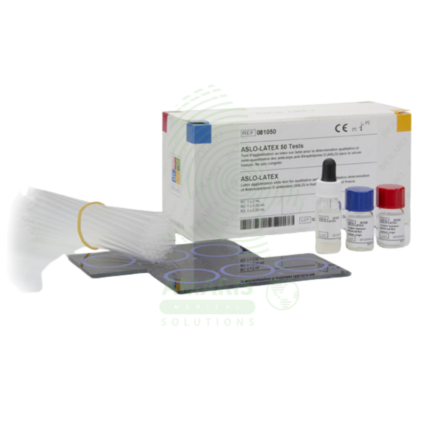
Anti-Streptol Olysin O Titer (ASOT)
Anti-Streptol Olysin O Titer (ASOT) is a quantitative or semi-quantitative serological test (latex agglutination, turbidimetry, nephelometry, or ELISA) for detecting antibodies against streptolysin O, an exotoxin produced by Group A Streptococcus. Elevated or rising titers indicate recent streptococcal infection and are essential for diagnosing post-streptococcal sequelae including acute rheumatic fever (Jones criteria) and post-streptococcal glomerulonephritis. The test requires serum samples; acute and convalescent (2-4 weeks apart) with fourfold rise confirms recent infection. Reference range typically <200-250 Todd units/mL (adults), varies by age and population. Primary clinical applications include diagnosis of Group A streptococcal infections, acute rheumatic fever evaluation, post-streptococcal glomerulonephritis diagnosis, differentiation of acute vs. past infection, evaluation of unexplained arthritis or carditis, pediatric inflammatory conditions (PANDAS), and monitoring disease activity in rheumatic fever. Critical safety precautions include proper timing of acute and convalescent samples, awareness of false negatives/positives, clinical correlation for diagnosis, and standard biohazard precautions. Essential test for rheumatology, nephrology, cardiology, and infectious disease practice.
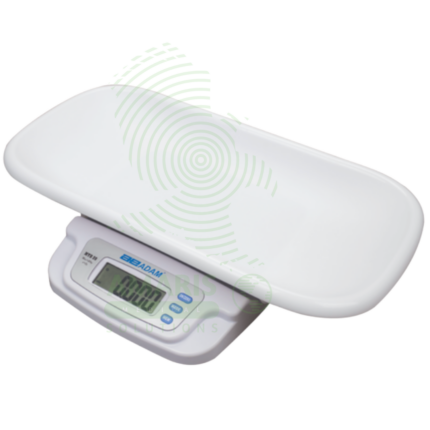
Digital Baby Weighing Scale
A Digital Baby Weighing Scale is a high-precision medical device designed exclusively for the safe and accurate measurement of infant and toddler weight. Featuring a stable, hygienic platform with gram-level precision, it is indispensable in hospitals (especially NICUs), pediatric clinics, and community health settings. Its core functions—such as hold, tare, and zeroing—ensure reliable readings even with a moving child. Accurate weight data is foundational for assessing growth, calculating medication doses, managing nutrition, and detecting early signs of health issues, making this scale a critical tool for safeguarding infant health and development.
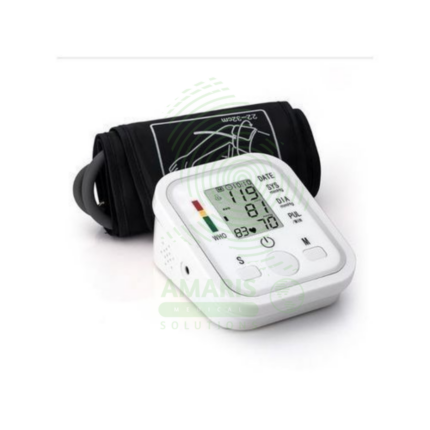
Digital Blood Pressure Monitor
A Digital Blood Pressure Monitor is an automatic electronic device that measures and displays systolic pressure, diastolic pressure, and pulse rate using the oscillometric method. Designed primarily for home and clinical use, it offers a user-friendly alternative to manual aneroid devices, requiring minimal training. Key features often include irregular heartbeat detection, multi-user memory, and connectivity for data tracking. Its accuracy, when clinically validated and used with correct technique, makes it an indispensable tool for the diagnosis and management of hypertension, empowering patients and supporting healthcare providers with reliable ambulatory data.
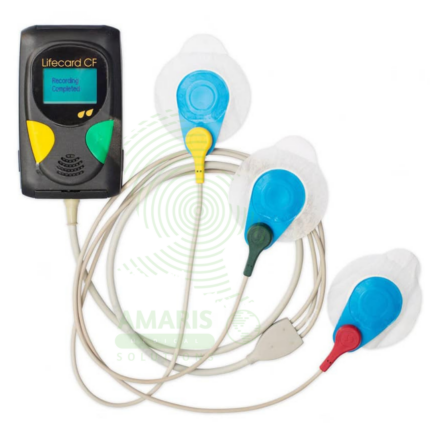
Holter ECG Monitor
A Holter ECG Monitor is a portable, wearable medical device used for continuous, long-term recording of a patient's heart's electrical activity over 24 to 48 hours or more. It is the cornerstone diagnostic tool for detecting intermittent cardiac arrhythmias, evaluating unexplained symptoms like syncope or palpitations, and monitoring the efficacy of antiarrhythmic treatments or implanted cardiac device function. Consisting of a small digital recorder connected to chest electrodes (or an all-in-one adhesive patch), it allows patients to maintain their normal daily routine while capturing a comprehensive electrocardiographic record.
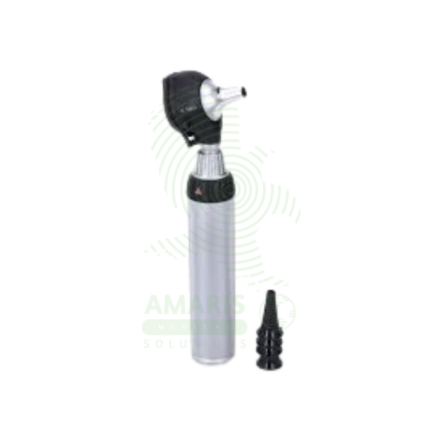
LED Otoscope
An LED Otoscope is a handheld medical device used for illuminating and magnifying the external ear canal and tympanic membrane. Featuring a bright, cool, and long-lasting LED light source, it provides superior visualization for diagnosing common conditions like ear infections, wax impaction, and perforations. Its design, incorporating a reusable handle/head and disposable specula, ensures hygiene and patient safety. As an essential tool in family medicine, pediatrics, and ENT, it enables clinicians to perform accurate otoscopic examinations and, when equipped with an insufflator, crucial pneumatic otoscopy to assess middle ear function.
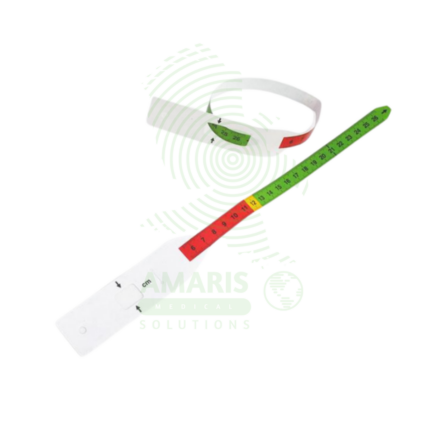
MUAC Tape
A MUAC Tape (Mid-Upper Arm Circumference) is a specialized, color-coded measuring tape used globally as the primary field tool for screening children aged 6-59 months for acute malnutrition. Its simple design—featuring red, yellow, and green zones corresponding to Severe Acute Malnutrition, Moderate Acute Malnutrition, and normal nutritional status—allows for instant, non-invasive assessment without the need for scales, calculation, or literacy. Durable, portable, and inexpensive, it is the cornerstone of community-based nutrition programs, emergency relief efforts, and public health surveillance, enabling early detection and life-saving intervention for malnourished children in even the most resource-constrained settings.
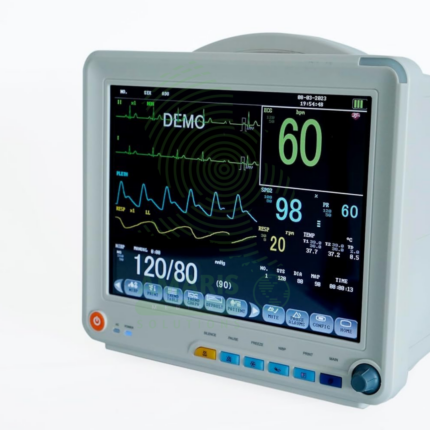
Patient Monitor
The Patient Monitor (6 Parameters BCCMS8000) is a versatile multi-parameter monitor designed for continuous surveillance of core vital signs in various clinical settings. It tracks six essential parameters—ECG, SpO2, Non-Invasive Blood Pressure (NIBP), Respiration, Temperature, and Pulse Rate—providing clinicians with real-time waveforms and numerical data on a clear color display. With its robust alarm system, battery backup for transport, and reliable performance, it is a fundamental tool for ensuring patient safety on general hospital wards, during procedures, and in emergency departments. Its design balances comprehensive monitoring capability with user-friendly operation.