Dermatoscope and Magnifiers
 Diagnostic Kits
 Vital Signs Monitors
 Stethoscopes and Accessories
 Otoscopes, Ophthalmoscopes, and Retinoscopes
 Reflex Hammers and Neurological Tools
 Scales and Measuring Devices
 Spirometers and Pulmonary Function Tests
 Electrosurgical Units and Accessories
 Cutting Instruments
 Grasping and Holding Instruments
 Hemostatic Instruments
 Specialized Surgical Sets
 Single-Use Procedure Trays and Packs
 Surgical Drapes, Gowns, and Covers
 Tissue Unifying Instruments
 Radiation Protection
 X-Ray Machines and Accessories
 Ultrasound Systems and Probes
 MRI and CT Scanners
 Radiology Consumables
 Bone Densitometers
 Fluoroscopy Equipment
 Imaging Tables and Positioning Aids
 Microscopes and Accessories
 Centrifuges and Separators
 Analyzers
 Incubators and Ovens
 Pipettes, Dispensers, and Lab Glassware
 Refrigerators, Freezers, and Storage Units
 Lab Consumables
 Sterilizers and Autoclaves for Lab Use
 Multi-Parameter Monitors
 Ventilators and Respiratory Support Devices
 Defibrillators and AEDs
 Infusion Pumps and IV Systems
 Patient Warmers and Cooling Devices
 Central Monitoring Stations
 Accessories
 Anesthesia Machines and Workstations
 Oxygen Concentrators and Delivery Systems
 Nebulizers and Inhalers
 CPAP/BiPAP Machines
 Airway Management
 Anesthesia Masks, Circuits, and Bags
 Humidifiers and Heaters
 Respiratory Therapy Accessories
 First Aid Kits and Cabinets
 Emergency Resuscitation Equipment
 Trauma Supplies
 Emergency Carts and Crash Carts
 Burn Care Products
 Bleeding Control
 Automated External Defibrillators (AEDs)
 Transport and Evacuation
 Wheelchairs and Accessories
 Walkers, Crutches, and Canes
 Prosthetics and Orthotics
 Physical Therapy Equipment
 Transfer Devices
 Bathroom Safety
 Orthopedic Traction and Tables
 Hot/Cold Therapy Packs and Units
 Beds and Mattresses
 Chairs and Stools
 Tables
 Cabinets and Storage
 Privacy Screens & Curtains
 Stands and Racks
 Linens and Textiles
 Lighting
 Autoclaves and Sterilizers
 Ultrasonic Cleaners
 Disinfectant Solutions and Wipes
 Sterilization Pouches, Wraps, and Indicators
 Instrument Trays and Containers
 UV and Ozone Disinfection Devices
 Washer Disinfectors
 Wound Care
 Gloves
 Masks and Respirators
 Catheters and Tubing
 Swabs, Applicators, and Sponges
 Incontinence Products
 Personal Protective Equipment (PPE)
 Dental Chairs and Units
 Handpieces and Burs
 Instruments
 Consumables
 Sterilization for Dental Use
 Orthodontic Supplies
 Endodontic Tools
 Slit Lamps and Tonometers
 Lensometers and Phoropters
 Ophthalmic Surgical Instruments
 Eyewear Frames and Lenses
 Contact Lens Supplies
 Vision Testing Charts and Devices
 Eye Care Consumables
 Laser Systems for Eye Care
 ENT Exam Chairs and Tables
 Endoscopes
 Audiometers and Hearing Tests
 ENT Instruments
 Nasal and Throat Packs
 Hearing Aids and Accessories
 Otology Supplies
 Fetal Dopplers and Monitors
 Delivery Beds and Tables
 Gynecological Instruments
 Neonatal Incubators and Warmers
 Breast Pumps and Accessories
 Contraceptive Devices
 Maternity Supports and Pads
 Neonatal Consumables
 Cystoscopes and Urethroscopes
 Dialysis Machines and Supplies
 Urological Catheters and Bags
 Lithotripters
 Prostate Treatment Devices
 Urinary Incontinence Products
 Kidney Stone Management Tools
 Consumables & Disposables
 EEG and EMG Machines
 Neurosurgical Instruments
 Nerve Stimulators
 Headrests and Positioning Aids
 Lumbar Puncture Kits
 Seizure Monitoring Devices
 Consumables
 Rehabilitation for Neurological Conditions
 ECG Machines and Accessories
 Holter Monitors
 Stress Test Systems
 Pacemakers and Defibrillator Accessories
 Vascular Access Devices
 Cardiac Catheters and Guidewires
 Blood Flow Meters
 Consumables
 Orthopedic Instruments
 Casts, Splints, and Padding
 Joint Replacement Supplies
 Prosthetic Limbs and Components
 Bone Grafts and Substitutes
 Traction Devices
 Orthopedic Braces and Supports
 Rehabilitation Aids for Orthopedics
 Home Oxygen Therapy
 Hospital Beds for Home Use
 Mobility Aids
 Bathroom and Daily Living Aids
 Wound Care for Home
 Monitoring Devices
 Enteral Feeding Pumps and Tubes
 Hand Sanitizers and Dispensers
 Face Shields and Goggles
 Isolation Gowns and Suits
 Biohazard Waste Containers
 Air Purifiers and HEPA Filters
 Surface Disinfectants
 Sharps Containers
 Protective Barriers
 Cardiovascular & Endurance Training
 Strength Training & Weightlifting
 Functional Training & Core Conditioning
 Physical Therapy & Rehabilitation
 Sports & Outdoor Recreation
 Gym Flooring & Facility Equipment
 Fitness Monitoring & Accessories
 Kids & Novelties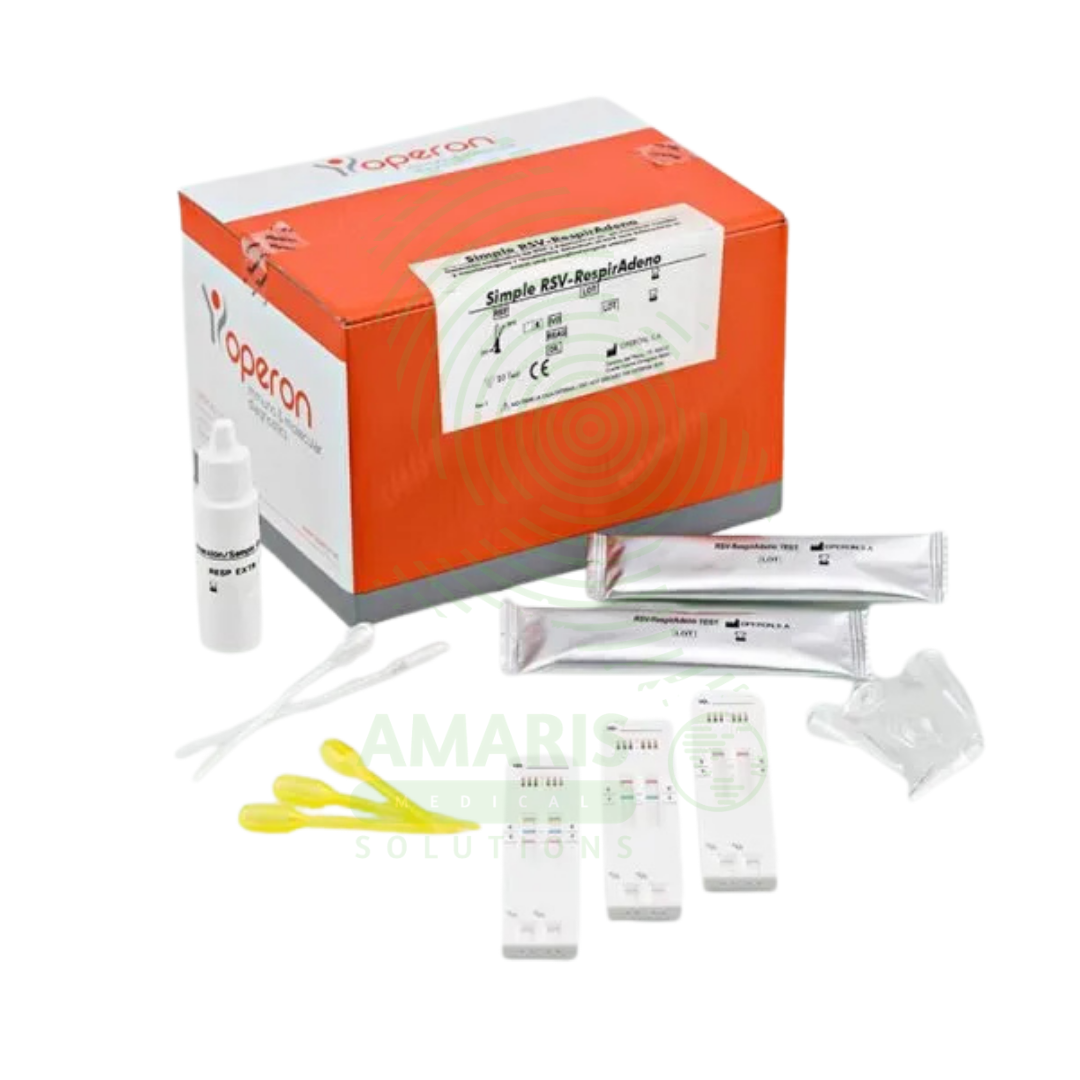
Rota virus
$1.00
WhatsApp Order
Rota virus rapid tests are immunochromatographic assays (CE-marked, FDA-cleared for some brands) for qualitative detection of rotavirus group A antigens in stool specimens, providing results in 10-20 minutes. The test principle uses monoclonal or polyclonal antibodies against rotavirus antigens (typically VP6 protein) immobilized on membranes, capturing antigens that form a visible line. Sensitivity 90-98%, specificity 95-99% compared to ELISA or PCR. The kit includes individually foil-wrapped test devices, sample diluent, and collection applicators. Primary clinical applications include rapid diagnosis of acute gastroenteritis in children (rotavirus is the leading cause of severe diarrhea in under-5 children), outbreak investigation in daycare centers and schools, hospital infection control and isolation precautions, differential diagnosis of acute diarrhea (viral vs. bacterial vs. parasitic), vaccine effectiveness monitoring and surveillance, assessment of dehydration risk, and evaluation of immunocompromised patients. Critical safety precautions include proper specimen collection (clean container, avoid contamination), biological hazard precautions (all stool potentially infectious), quality control verification, and awareness that a negative test does not rule out other causes of gastroenteritis. Essential tool for pediatric gastroenteritis management, infection control, and public health surveillance.
Description
Rota virus
PRIMARY CLINICAL & DIAGNOSTIC USES
1. Rapid Diagnosis of Acute Gastroenteritis in Children:
-
Primary Use: Rotavirus testing is essential for rapid identification of rotavirus infection in infants and young children presenting with acute watery diarrhea, vomiting, fever, and abdominal pain. Rotavirus is the leading cause of severe gastroenteritis in children under 5 years worldwide, and timely diagnosis helps guide appropriate management and prevent unnecessary antibiotic use.
-
How it helps: Provides worried parents and pediatricians with a quick answer about what is causing their child’s distressing symptoms, distinguishing between viral infections that need supportive care and bacterial infections that require antibiotics.
2. Outbreak Investigation in Daycare Centers and Schools:
-
Primary Use: Used during suspected outbreaks of gastroenteritis in daycare centers, preschools, and schools to rapidly identify rotavirus as the causative agent, enabling implementation of infection control measures to prevent further transmission.
-
How it helps: Helps public health officials and school administrators quickly identify the source of an outbreak, allowing them to implement cleaning protocols and isolation measures that stop the spread to more children and families.
3. Hospital Infection Control and Isolation Precautions:
-
Primary Use: Positive rotavirus testing allows for prompt initiation of contact precautions in hospitalized children, preventing nosocomial spread of the virus to other vulnerable pediatric patients.
-
How it helps: Protects hospitalized children from catching a second infection while they are already ill, keeping rotavirus from spreading through pediatric wards and putting other young patients at risk.
4. Differential Diagnosis of Acute Diarrhea:
-
Primary Use: Rotavirus testing helps distinguish viral gastroenteritis from bacterial (Salmonella, Shigella, Campylobacter, E. coli) or parasitic (Giardia, Cryptosporidium) causes of diarrhea, guiding appropriate treatment and avoiding inappropriate antibiotic therapy.
-
How it helps: Prevents unnecessary antibiotic use in children with viral infections, sparing them from side effects and helping combat the growing problem of antibiotic resistance.
5. Vaccine Effectiveness Monitoring and Surveillance:
-
Primary Use: Used in public health surveillance programs to monitor the effectiveness of rotavirus vaccination programs, track circulating strains, and detect breakthrough infections in vaccinated populations.
-
How it helps: Provides essential data that helps public health officials understand how well rotavirus vaccines are working, identifying any gaps in protection and guiding future vaccination strategies.
6. Assessment of Dehydration Risk and Severity:
-
Primary Use: Confirmation of rotavirus infection helps clinicians anticipate the clinical course, as rotavirus gastroenteritis is associated with higher risk of severe dehydration and hospitalization compared to some other viral causes, guiding more aggressive fluid management.
-
How it helps: Alerts doctors to the higher risk of dehydration in rotavirus infections, prompting them to be more aggressive with fluid replacement and closer monitoring to prevent children from becoming dangerously dehydrated.
7. Evaluation of Immunocompromised Patients:
-
Primary Use: Testing for rotavirus is important in immunocompromised children and adults (e.g., transplant recipients, oncology patients, HIV-infected) who may develop prolonged, severe, or disseminated infection requiring specific management.
-
How it helps: Identifies rotavirus as the cause of diarrhea in vulnerable patients whose immune systems cannot fight off infection normally, allowing for specialized management and closer monitoring to prevent complications.
SECONDARY & SUPPORTIVE USES
1. Travel Medicine: Used to evaluate returning travelers from endemic areas presenting with acute diarrhea, though other enteric pathogens are more common in adults, helping diagnose imported infections.
2. Foodborne Illness Investigations: May be included in foodborne outbreak investigations, though rotavirus is typically person-to-person transmitted rather than foodborne, helping rule out viral causes.
3. Research and Epidemiological Studies: Used in studies investigating rotavirus prevalence, seasonality, genetic diversity, and vaccine impact, contributing to scientific understanding and better prevention strategies.
4. Neonatal Intensive Care Unit (NICU) Screening: May be used to investigate outbreaks of diarrhea in NICUs, where rotavirus can cause significant morbidity in premature infants, protecting the most vulnerable patients.
5. Emergency Department Triage: Rapid testing helps identify rotavirus-positive children who may require isolation from other patients in busy emergency settings, preventing spread in crowded waiting rooms.
6. Pediatric Ward Admission Screening: Some hospitals screen children admitted with gastroenteritis to guide cohorting and isolation decisions, keeping rotavirus from spreading through pediatric units.
7. Clinical Trials for Antiviral or Vaccine Studies: Used to confirm rotavirus infection in participants enrolled in clinical trials of new antivirals or vaccines, supporting the development of new tools to fight this common childhood illness.
KEY PRODUCT FEATURES
1. BASIC IDENTIFICATION ATTRIBUTES
-
Test Type: Rapid immunochromatographic test for qualitative detection of rotavirus antigens in stool specimens.
-
Common Names: Rotavirus Test, Rotavirus Antigen Test, Rotavirus Rapid Test, Rota Strip.
-
Sample Type: Fresh stool specimen (formed, semi-formed, or liquid).
-
Detection Target: Rotavirus group A antigens (VP6 protein most common).
-
Test Time: 10-20 minutes.
-
Test Principle: Immunochromatography; monoclonal or polyclonal antibodies against rotavirus antigens immobilized on membrane capture antigens from processed stool sample, producing visible line.
-
Internal Control: Built-in procedural control line confirms test validity; no control line = invalid test.
2. TECHNICAL & PERFORMANCE PROPERTIES
-
Sensitivity: 90-98% compared to reference methods (ELISA or PCR).
-
Specificity: 95-99% (minimal cross-reactivity with other enteric viruses or bacteria).
-
Detection Limit: Typically detects 10^6-10^7 virus particles per mL of stool.
-
Test Principle: Double-antibody sandwich immunochromatography; antibodies against rotavirus antigens conjugated to colloidal gold capture antigens in stool sample.
-
Cross-Reactivity: Validated against common enteric pathogens (adenovirus, astrovirus, norovirus, Salmonella, Shigella, Campylobacter, E. coli) to ensure specificity.
-
Prozone Effect: Very high antigen concentrations may cause false-negative results (rare).
3. PHYSICAL & OPERATIONAL PROPERTIES
-
Test Device: Plastic cassette with sample well and result window, or dipstick format.
-
Kit Components:
-
Test Devices: Individually foil-wrapped with desiccant.
-
Sample Diluent/Buffer: For stool processing and application.
-
Collection Tubes/Applicators: For stool sample collection and transfer.
-
Package Insert: Instructions for use and interpretation.
-
Positive and Negative Controls: Available separately or in some kits.
-
-
Sample Volume: 50-100 mg of stool or 50-100 µL of liquid stool.
-
Result Interpretation:
-
Negative: Only control line visible.
-
Positive: Both control and test lines visible.
-
Invalid: No control line visible.
-
-
Packaging Sizes: 10, 20, 25, or 50 tests per kit.
-
Shelf Life: 18-24 months from manufacture date.
-
Storage Temperature: 2-30°C (room temperature); protect from humidity and direct sunlight; do not freeze.
4. SAFETY & COMPLIANCE ATTRIBUTES
-
Regulatory Status: CE marked for IVD use; FDA cleared for certain brands; WHO prequalified for some tests.
-
Quality Control: Built-in procedural control in each test; external controls recommended with each new lot.
-
Biohazard Precautions: All stool specimens potentially infectious for enteric pathogens (Salmonella, Shigella, Campylobacter, hepatitis A, norovirus, rotavirus).
-
Chemical Safety: Buffer contains preservatives; avoid contact with eyes and skin.
-
Disposal: Used tests and contaminated materials disposed as biohazardous waste.
-
Reporting: Rotavirus is a reportable disease in some jurisdictions; positive results may require notification to public health authorities.
5. STORAGE & HANDLING ATTRIBUTES
-
Storage Temperature: 2-30°C; do not freeze; protect from humidity and direct sunlight.
-
Sample Handling: Test fresh stool within 24 hours if stored at 2-8°C; freeze at -20°C for longer storage (avoid repeated freeze-thaw).
-
Test Preparation: Bring test devices and samples to room temperature before testing.
-
Specimen Collection: Collect stool in a clean, dry container; avoid contamination with urine, water, or toilet paper.
-
Expiration: Never use tests beyond expiration date; results invalid.
-
Quality Control: Test external controls with each new lot and as required by laboratory protocol.
-
Disposal: Dispose of contaminated materials in biohazard containers.
6. LABORATORY & CLINICAL APPLICATIONS
-
Primary Application: Rapid point-of-care detection of rotavirus antigens in stool specimens for diagnosis of rotavirus gastroenteritis in children and adults.
-
Testing Indications:
-
Acute watery diarrhea in infants and young children.
-
Suspected outbreak in daycare centers, schools, or institutions.
-
Hospitalized children with diarrhea for infection control.
-
Immunocompromised patients with gastroenteritis.
-
Differential diagnosis of acute diarrhea (viral vs. bacterial vs. parasitic).
-
-
Interpretation:
-
Positive: Indicates rotavirus infection; manage with supportive care (fluids, electrolytes), isolation precautions.
-
Negative: Does not rule out other viral, bacterial, or parasitic causes; consider additional testing.
-
Invalid: Repeat with new device; if persists, collect new sample.
-
-
Limitations: Detects only rotavirus group A (most common); does not detect other viral causes (norovirus, adenovirus, astrovirus); sensitivity lower in adults due to lower viral shedding.
SAFETY HANDLING PRECAUTIONS
1. SAFETY PRECAUTIONS
-
Biological Hazard: Stool specimens potentially infectious; wear gloves and appropriate PPE.
-
Hand Hygiene: Wash hands thoroughly after handling specimens and test devices.
-
Specimen Collection: Use clean, dry containers; avoid contamination with urine, water, or toilet paper.
-
Quality Control: Always verify control line appears; no control line = invalid test.
-
Clinical Correlation: Negative test does not rule out other causes of gastroenteritis.
-
Pediatric Use: Safe for all ages; sample collection may require assistance from a caregiver.
-
Storage Compliance: Store tests at recommended temperature; heat/humidity degrades components.
-
Expiration: Never use expired tests; accuracy compromised.
2. FIRST AID MEASURES
-
Specimen Spill: Contain with absorbent material; disinfect area with 10% bleach solution; dispose as biohazard waste.
-
Buffer Contact (Eyes): Flush eyes with copious water for 15 minutes; seek medical attention.
-
Buffer Ingestion: Contact poison control center; do not induce vomiting unless instructed.
-
Skin Contact with Specimen: Wash affected area thoroughly with soap and water.
3. FIRE FIGHTING MEASURES
-
Flammability: Plastic components and packaging are combustible.
-
Extinguishing Media: Use water, foam, CO₂, or dry chemical as appropriate.
Related products
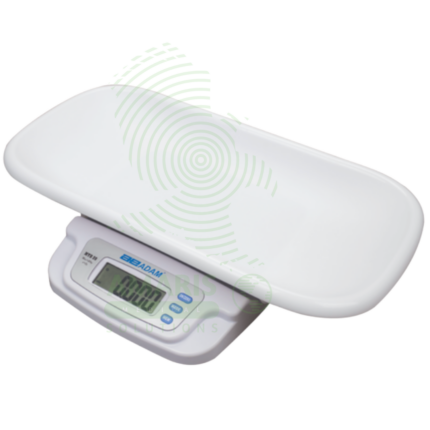
Digital Baby Weighing Scale
A Digital Baby Weighing Scale is a high-precision medical device designed exclusively for the safe and accurate measurement of infant and toddler weight. Featuring a stable, hygienic platform with gram-level precision, it is indispensable in hospitals (especially NICUs), pediatric clinics, and community health settings. Its core functions—such as hold, tare, and zeroing—ensure reliable readings even with a moving child. Accurate weight data is foundational for assessing growth, calculating medication doses, managing nutrition, and detecting early signs of health issues, making this scale a critical tool for safeguarding infant health and development.
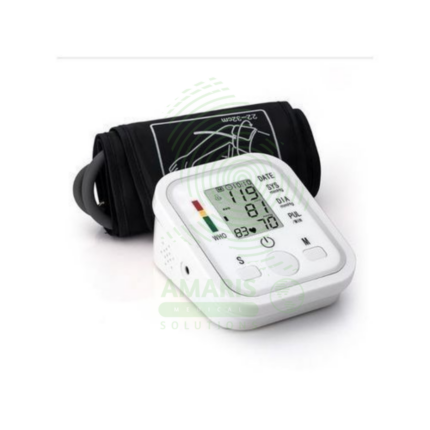
Digital Blood Pressure Monitor
A Digital Blood Pressure Monitor is an automatic electronic device that measures and displays systolic pressure, diastolic pressure, and pulse rate using the oscillometric method. Designed primarily for home and clinical use, it offers a user-friendly alternative to manual aneroid devices, requiring minimal training. Key features often include irregular heartbeat detection, multi-user memory, and connectivity for data tracking. Its accuracy, when clinically validated and used with correct technique, makes it an indispensable tool for the diagnosis and management of hypertension, empowering patients and supporting healthcare providers with reliable ambulatory data.
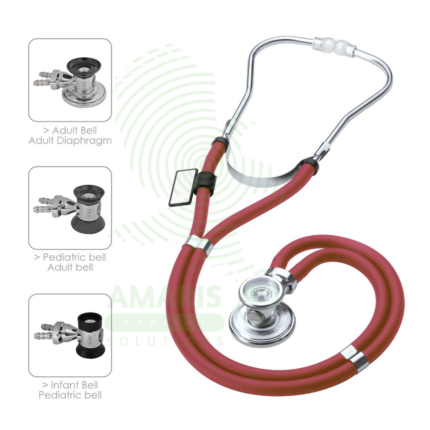
Dual Head Stethoscope
The Dual Head Stethoscope is the classic, essential acoustic diagnostic tool used by healthcare professionals worldwide. Its defining feature is a two-sided chestpiece, combining a diaphragm for high-frequency sounds (breath sounds, normal heart tones) and a bell for low-frequency sounds (heart murmurs, abnormal heart tones). Through mechanical sound conduction, it provides critical information for assessing cardiac, pulmonary, and vascular systems during physical examinations and manual blood pressure measurement. Its effectiveness relies on proper technique, a good acoustic seal, and consistent cleaning. As a fundamental symbol of medical practice, it balances functionality, durability, and affordability.
ECG Machine
An ECG Machine is a Class II medical device that records and displays the electrical activity of the heart through surface electrodes, producing an electrocardiogram for diagnosis of cardiac conditions. Standard diagnostic machines record 12 simultaneous leads (3 limb, 6 precordial, 1 ground) with frequency response 0.05-150 Hz, sampling rate 500-1,000 Hz, and high-resolution (5-10 µV) signal acquisition. Features include color touchscreen display, thermal array printer, computerized interpretation algorithms, internal memory (50-500+ ECGs), and network connectivity for EMR integration. Lead wires (AHA or IEC color coding) connect to disposable adhesive electrodes. Portable models (5-15 kg) with rechargeable batteries enable bedside and mobile use; cart-mounted units provide full diagnostic capability. Primary clinical applications include diagnosis of arrhythmias (AF, VT, bradycardia), detection of myocardial ischemia/infarction (STEMI, NSTEMI), evaluation of chest pain, preoperative cardiac risk assessment, monitoring electrolyte imbalances, assessment of chamber enlargement, and drug effect/toxicity monitoring. Essential diagnostic equipment in emergency departments, cardiology clinics, ICUs, operating rooms, and primary care settings worldwide.
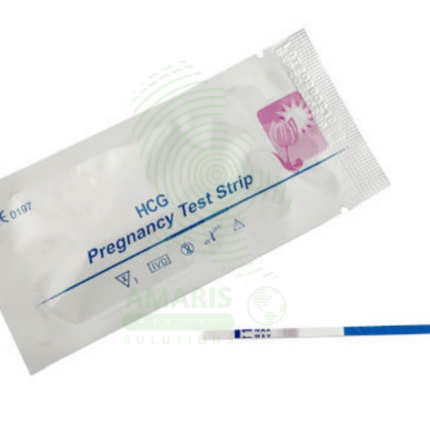
Pregnancy Test Strips
Pregnancy Test Strips are simple, dip-style lateral flow devices designed for the rapid, qualitative detection of human chorionic gonadotropin (hCG) in urine to indicate pregnancy. As the most fundamental format of home pregnancy tests, they offer high sensitivity (often from 10 mIU/mL), affordability, and a quick result within 3-5 minutes. Their ease of use makes them a widely accessible first step in pregnancy detection for personal use and clinical screening. A visible test line, even if faint, is a positive result, though confirmation with a healthcare provider is always recommended.
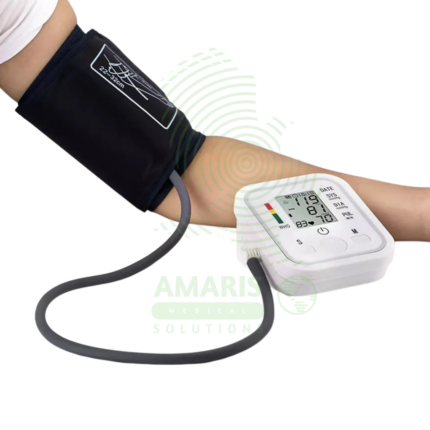
Upper Arm Blood Pressure Monitor
The Upper Arm Blood Pressure Monitor is a clinically validated, automatic digital device designed for accurate and comfortable blood pressure and pulse measurement at home or in professional settings. Known for its user-friendly features like Intellisense inflation technology, a large clear display, and comprehensive functions including irregular heartbeat detection, multi-user memory, and a WHO-based hypertension indicator, it provides reliable data for effective hypertension management. Its robust construction, adherence to international safety standards (CE, FDA), and focus on patient comfort make it a trusted choice for individuals and healthcare providers seeking a dependable tool for cardiovascular health monitoring.
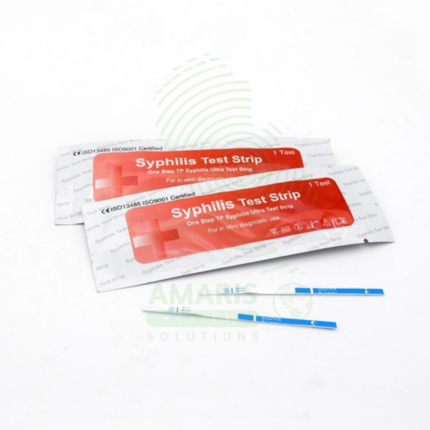
VDRL Test For Syphilis
The VDRL Test For Syphilis (Venereal Disease Research Laboratory) is a Class II medical device (FDA-cleared) non-treponemal flocculation test for qualitative and quantitative detection of reaginic antibodies in serum or cerebrospinal fluid, used for syphilis screening, diagnosis, and treatment monitoring. The test uses an antigen mixture (cardiolipin, cholesterol, lecithin) that reacts with antibodies, forming visible clumping (flocculation) in positive samples. Results are reported as reactive/non-reactive with quantitative titers (e.g., 1:2 to 1:256). Primary clinical applications include initial screening for syphilis infection, confirmation of active syphilis (with treponemal tests), monitoring treatment response (fourfold titer decrease indicates cure), diagnosis of neurosyphilis (CSF testing), prenatal screening for congenital syphilis prevention, screening in high-risk populations (MSM, HIV-positive, multiple partners), and blood donor screening. Critical safety precautions include confirmation of all reactive results with treponemal tests (TPPA, FTA-ABS), awareness of false positives (pregnancy, autoimmune disease, viral infections), proper specimen handling (universal precautions), refrigerated storage of reagents (2-8°C), and mandatory reporting of reactive results to public health authorities. Essential test for syphilis control and congenital syphilis prevention worldwide.