Dermatoscope and Magnifiers
 Diagnostic Kits
 Vital Signs Monitors
 Stethoscopes and Accessories
 Otoscopes, Ophthalmoscopes, and Retinoscopes
 Reflex Hammers and Neurological Tools
 Scales and Measuring Devices
 Spirometers and Pulmonary Function Tests
 Electrosurgical Units and Accessories
 Cutting Instruments
 Grasping and Holding Instruments
 Hemostatic Instruments
 Specialized Surgical Sets
 Single-Use Procedure Trays and Packs
 Surgical Drapes, Gowns, and Covers
 Tissue Unifying Instruments
 Radiation Protection
 X-Ray Machines and Accessories
 Ultrasound Systems and Probes
 MRI and CT Scanners
 Radiology Consumables
 Bone Densitometers
 Fluoroscopy Equipment
 Imaging Tables and Positioning Aids
 Microscopes and Accessories
 Centrifuges and Separators
 Analyzers
 Incubators and Ovens
 Pipettes, Dispensers, and Lab Glassware
 Refrigerators, Freezers, and Storage Units
 Lab Consumables
 Sterilizers and Autoclaves for Lab Use
 Multi-Parameter Monitors
 Ventilators and Respiratory Support Devices
 Defibrillators and AEDs
 Infusion Pumps and IV Systems
 Patient Warmers and Cooling Devices
 Central Monitoring Stations
 Accessories
 Anesthesia Machines and Workstations
 Oxygen Concentrators and Delivery Systems
 Nebulizers and Inhalers
 CPAP/BiPAP Machines
 Airway Management
 Anesthesia Masks, Circuits, and Bags
 Humidifiers and Heaters
 Respiratory Therapy Accessories
 First Aid Kits and Cabinets
 Emergency Resuscitation Equipment
 Trauma Supplies
 Emergency Carts and Crash Carts
 Burn Care Products
 Bleeding Control
 Automated External Defibrillators (AEDs)
 Transport and Evacuation
 Wheelchairs and Accessories
 Walkers, Crutches, and Canes
 Prosthetics and Orthotics
 Physical Therapy Equipment
 Transfer Devices
 Bathroom Safety
 Orthopedic Traction and Tables
 Hot/Cold Therapy Packs and Units
 Beds and Mattresses
 Chairs and Stools
 Tables
 Cabinets and Storage
 Privacy Screens & Curtains
 Stands and Racks
 Linens and Textiles
 Lighting
 Autoclaves and Sterilizers
 Ultrasonic Cleaners
 Disinfectant Solutions and Wipes
 Sterilization Pouches, Wraps, and Indicators
 Instrument Trays and Containers
 UV and Ozone Disinfection Devices
 Washer Disinfectors
 Wound Care
 Gloves
 Masks and Respirators
 Catheters and Tubing
 Swabs, Applicators, and Sponges
 Incontinence Products
 Personal Protective Equipment (PPE)
 Dental Chairs and Units
 Handpieces and Burs
 Instruments
 Consumables
 Sterilization for Dental Use
 Orthodontic Supplies
 Endodontic Tools
 Slit Lamps and Tonometers
 Lensometers and Phoropters
 Ophthalmic Surgical Instruments
 Eyewear Frames and Lenses
 Contact Lens Supplies
 Vision Testing Charts and Devices
 Eye Care Consumables
 Laser Systems for Eye Care
 ENT Exam Chairs and Tables
 Endoscopes
 Audiometers and Hearing Tests
 ENT Instruments
 Nasal and Throat Packs
 Hearing Aids and Accessories
 Otology Supplies
 Fetal Dopplers and Monitors
 Delivery Beds and Tables
 Gynecological Instruments
 Neonatal Incubators and Warmers
 Breast Pumps and Accessories
 Contraceptive Devices
 Maternity Supports and Pads
 Neonatal Consumables
 Cystoscopes and Urethroscopes
 Dialysis Machines and Supplies
 Urological Catheters and Bags
 Lithotripters
 Prostate Treatment Devices
 Urinary Incontinence Products
 Kidney Stone Management Tools
 Consumables & Disposables
 EEG and EMG Machines
 Neurosurgical Instruments
 Nerve Stimulators
 Headrests and Positioning Aids
 Lumbar Puncture Kits
 Seizure Monitoring Devices
 Consumables
 Rehabilitation for Neurological Conditions
 ECG Machines and Accessories
 Holter Monitors
 Stress Test Systems
 Pacemakers and Defibrillator Accessories
 Vascular Access Devices
 Cardiac Catheters and Guidewires
 Blood Flow Meters
 Consumables
 Orthopedic Instruments
 Casts, Splints, and Padding
 Joint Replacement Supplies
 Prosthetic Limbs and Components
 Bone Grafts and Substitutes
 Traction Devices
 Orthopedic Braces and Supports
 Rehabilitation Aids for Orthopedics
 Home Oxygen Therapy
 Hospital Beds for Home Use
 Mobility Aids
 Bathroom and Daily Living Aids
 Wound Care for Home
 Monitoring Devices
 Enteral Feeding Pumps and Tubes
 Hand Sanitizers and Dispensers
 Face Shields and Goggles
 Isolation Gowns and Suits
 Biohazard Waste Containers
 Air Purifiers and HEPA Filters
 Surface Disinfectants
 Sharps Containers
 Protective Barriers
 Cardiovascular & Endurance Training
 Strength Training & Weightlifting
 Functional Training & Core Conditioning
 Physical Therapy & Rehabilitation
 Sports & Outdoor Recreation
 Gym Flooring & Facility Equipment
 Fitness Monitoring & Accessories
 Kids & Novelties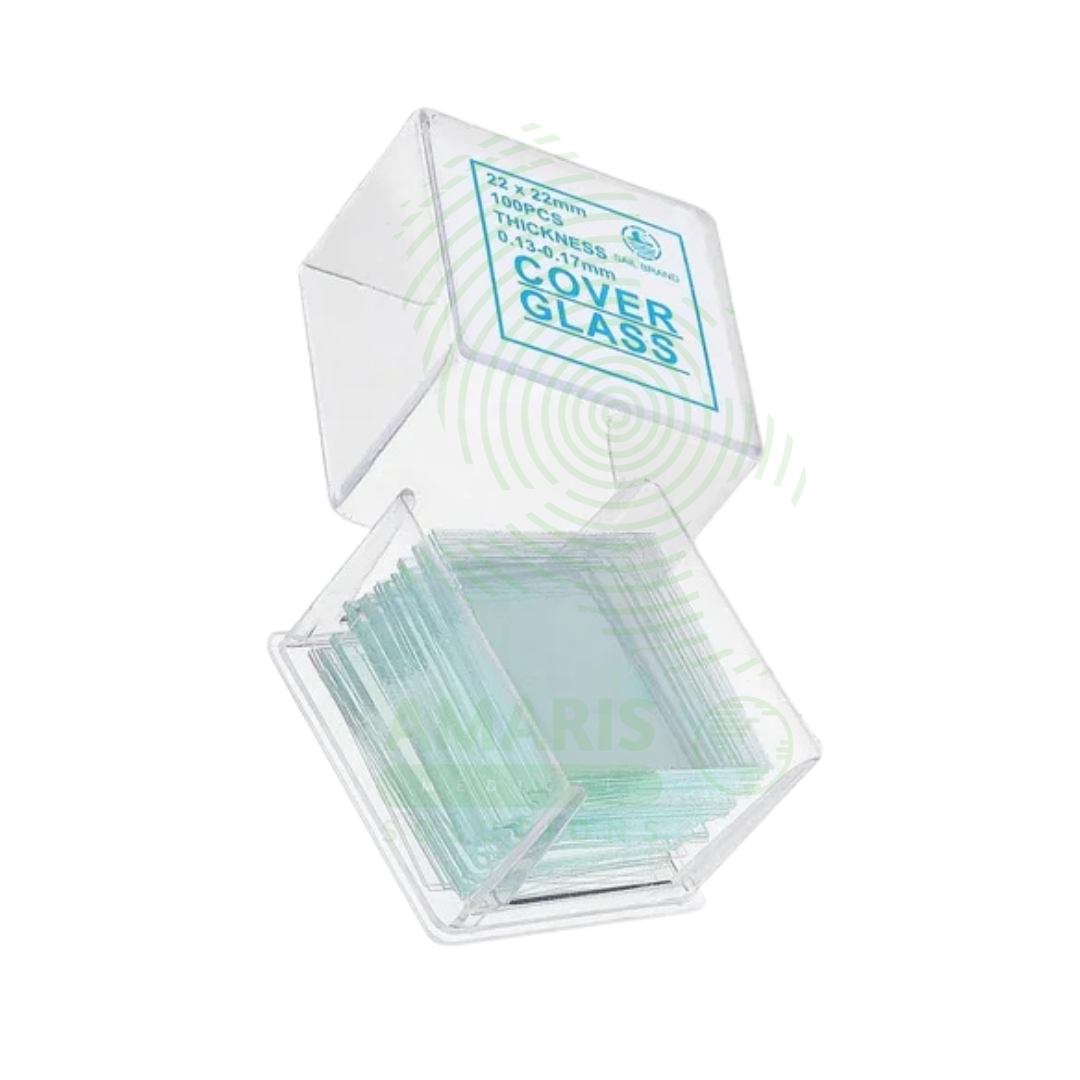
Cover Glass
$1.00
WhatsApp Order
Cover Glass (coverslips) are thin, transparent glass or plastic squares (e.g., 18×18 mm, 22×22 mm) or rectangles (22×30 mm, 24×50 mm) used to cover specimens on microscope slides for microscopic examination. Available in thickness No. 1 (0.13-0.16 mm) and No. 1.5 (0.16-0.19 mm) for optimal microscopy. Made from optical glass with high light transmission (>90%), refractive index 1.52 matching immersion oil. Packaged in boxes of 100-1000, interleaved with paper to prevent scratching. Primary clinical applications include covering blood films for manual differential counts and malaria diagnosis, wet mount preparations of urine sediment and vaginal secretions, histopathology and cytology slides, Gram-stained bacterial smears, semen analysis, KOH preparations for fungal elements, and India ink preparations for Cryptococcus. Critical safety precautions include handling with forceps (sharp edges), disposing of broken coverslips in sharps containers, avoiding fingerprints on optical surface, and proper disposal of biohazard-contaminated coverslips. Essential consumable in every clinical laboratory performing microscopy.
Description
Cover Glass
PRIMARY CLINICAL & DIAGNOSTIC USES
1. Microscopic Examination of Blood Films:
-
Primary Use: Cover glasses are essential for preparing blood smears for manual differential counts, malaria diagnosis, and evaluation of red blood cell morphology, providing a flat, uniform surface for optimal microscopic visualization.
-
How it helps: Creates a perfect viewing window that protects both the specimen and the microscope lens, allowing pathologists and laboratory professionals to see blood cells with crystal clarity and make accurate diagnoses of conditions ranging from anemia to leukemia.
2. Wet Mount Preparations:
-
Primary Use: Used to cover wet mounts of urine sediment, vaginal secretions, stool specimens, and other body fluids, allowing microscopic examination for cells, crystals, microorganisms, and parasites while preventing dehydration and lens contact.
-
How it helps: Preserves liquid specimens long enough for thorough examination, giving laboratory professionals time to identify infection-causing organisms, crystals that form kidney stones, or abnormal cells that signal disease.
3. Histopathology and Cytology Slides:
-
Primary Use: Applied over tissue sections mounted on glass slides for permanent preservation and microscopic examination in histopathology and cytology laboratories.
-
How it helps: Protects priceless tissue samples—sometimes the only evidence of cancer or other diseases—allowing them to be preserved for years and re-examined whenever needed for diagnosis, second opinions, or research.
4. Gram Stain and Other Stained Preparations:
-
Primary Use: Cover glasses protect stained bacterial smears and other stained preparations, preserving the specimen and enabling oil immersion microscopy without damaging the lens.
-
How it helps: Allows microbiologists to use high-powered oil immersion lenses safely, revealing the shape, size, and staining characteristics of bacteria that are essential for identifying the specific organism causing an infection.
5. Semen Analysis:
-
Primary Use: Used in preparing wet mounts for sperm count and motility assessment in fertility evaluations.
-
How it helps: Creates a stable viewing platform for analyzing sperm movement and concentration, providing couples struggling with infertility the critical information they need to understand their options and plan their path to parenthood.
6. KOH Preparations for Fungal Elements:
-
Primary Use: Cover glasses are used in potassium hydroxide (KOH) preparations for microscopic detection of fungal elements in skin, nail, and hair specimens.
-
How it helps: Holds the KOH solution in place while it dissolves surrounding cells, allowing the distinctive structures of fungi to become visible and helping doctors diagnose stubborn fungal infections of the skin and nails.
7. India Ink Preparations for Cryptococcus:
-
Primary Use: Applied over India ink preparations of CSF to detect encapsulated Cryptococcus neoformans in suspected meningitis cases.
-
How it helps: Creates the perfect contrast to reveal the distinctive halos around Cryptococcus fungi in spinal fluid, enabling rapid diagnosis of a life-threatening meningitis and allowing treatment to begin immediately.
SECONDARY & SUPPORTIVE USES
1. Educational and Teaching Laboratories: Essential for preparing teaching slides in medical, nursing, and laboratory science education, helping train the next generation of healthcare professionals to recognize the cellular signatures of disease.
2. Research Applications: Used in various research settings for microscopic examination of cells, tissues, and microorganisms, supporting scientific discovery and medical advances.
3. Quality Control in Laboratory Testing: Used in preparing control slides for staining procedures and microscope calibration, ensuring that laboratory results are accurate and reliable.
4. Cytogenetics and Fluorescence In Situ Hybridization (FISH): Specialized cover glasses used in advanced cytogenetic techniques, helping identify genetic abnormalities that cause cancer and developmental disorders.
5. Immunohistochemistry (IHC): Used to cover stained tissue sections for diagnostic and research immunohistochemistry, enabling pathologists to see exactly which proteins cancer cells are producing.
6. Telemedicine and Digital Pathology: Specimens are often coverslipped before scanning for digital pathology applications, allowing expert pathologists to review cases from anywhere in the world.
7. Forensic Science: Used in preparing evidence slides for microscopic examination in forensic laboratories, helping solve crimes and bring justice to victims and their families.
KEY PRODUCT FEATURES
1. BASIC IDENTIFICATION ATTRIBUTES
-
Product Type: Thin, transparent glass or plastic squares or rectangles used to cover specimens on microscope slides.
-
Common Names: Cover Glass, Coverslip, Microscope Cover Glass, Cover Slip, Glass Coverslip.
-
Dimensions (Standard Sizes):
-
Square: 18 mm × 18 mm, 20 mm × 20 mm, 22 mm × 22 mm, 24 mm × 24 mm, 25 mm × 25 mm.
-
Rectangular: 22 mm × 30 mm, 22 mm × 40 mm, 22 mm × 50 mm, 24 mm × 50 mm, 24 mm × 60 mm.
-
Circular: 12 mm, 15 mm, 18 mm, 20 mm, 22 mm, 25 mm diameter (for cell culture and specialized applications).
-
-
Thickness: No. 1 (0.13-0.16 mm), No. 1.5 (0.16-0.19 mm) - most common for microscopy, No. 2 (0.19-0.23 mm).
-
Material: Optical glass (most common), borosilicate glass, or plastic (polystyrene, acrylic).
-
Edge Type: Cut edges (standard), ground edges (smooth, less likely to damage fingers), polished edges (for cell culture).
2. TECHNICAL & PERFORMANCE PROPERTIES
-
Optical Clarity: High light transmission (>90%) for clear microscopic visualization.
-
Refractive Index: 1.52 (matching immersion oil and glass slides for optimal optics).
-
Flatness: Precision-ground for uniform thickness and minimal optical distortion.
-
Chemical Resistance: Resistant to common laboratory chemicals (alcohols, xylene, acetone).
-
Autofluorescence: Low autofluorescence for fluorescence microscopy applications.
-
Thickness Tolerance: ±0.01 mm for precision applications.
-
Breakage Resistance: Annealed glass reduces internal stress; plastic coverslips unbreakable but may scratch.
-
Sterility: Non-sterile (standard) or sterile (for cell culture and surgical pathology).
-
Pre-cleaned: Many are pre-cleaned and ready to use; some require cleaning before use.
3. PHYSICAL & OPERATIONAL PROPERTIES
-
Packaging:
-
Boxes: 100-1000 coverslips per box (interleaved with paper to prevent scratching).
-
Plastic Dispensers: Convenient dispensing boxes for easy access.
-
Individual Wrapping: Sterile coverslips individually wrapped.
-
-
Color: Clear (most common); colored coverslips available for special applications.
-
Surface: Clean, free of oil, dust, and scratches.
-
Handling: Requires forceps for handling to avoid fingerprints and breakage.
-
Storage: Store in original packaging at room temperature; protect from dust and moisture.
4. SAFETY & COMPLIANCE ATTRIBUTES
-
Regulatory Status: Class I medical device (for diagnostic use); generally exempt from pre-market notification.
-
Biocompatibility: Glass is biologically inert; plastic coverslips must meet biocompatibility standards.
-
Sharp Edges: Cut edges may be sharp; handle with care to avoid cuts.
-
Breakage: Glass coverslips can break, creating sharp fragments; dispose in sharps containers.
-
Latex-Free: All components latex-free.
-
RoHS Compliance: Compliant with Restriction of Hazardous Substances directive.
-
CE Mark: May be CE marked for IVD use.
5. STORAGE & HANDLING ATTRIBUTES
-
Storage: Store in original packaging at room temperature; protect from dust, moisture, and breakage.
-
Handling: Use forceps to handle coverslips; avoid touching with fingers (oils and debris affect microscopy).
-
Cleaning: Pre-cleaned coverslips are ready to use; if additional cleaning is needed, use lint-free lens tissue and alcohol.
-
Dispensing: Remove from box carefully to avoid scratching or breaking.
-
Disposal: Discard broken coverslips in sharps container; intact used coverslips may be disposed of as biohazard waste (if contaminated with biological material).
-
Expiration: No expiration if stored properly; sterile coverslips have expiration dates.
6. LABORATORY & CLINICAL APPLICATIONS
-
Primary Application: Covering specimens on microscope slides to protect the specimen, prevent dehydration, and enable optimal microscopic examination.
-
Application Techniques:
-
Manual Placement: Using forceps to lower coverslip at an angle to avoid air bubbles.
-
Automated Coverslipping: Used in high-volume laboratories for consistency and efficiency.
-
Mounting Media: Permanent or aqueous mounting media used to adhere coverslip to slide and preserve specimens.
-
-
Selection Criteria:
-
Specimen Type: Blood films, wet mounts, stained smears, tissue sections.
-
Magnification: Higher magnification objectives require thinner coverslips (No. 1.5).
-
Immersion Oil: Oil immersion objectives require coverslip thickness within specified range.
-
Automation: Automated slide processors may require specific coverslip dimensions.
-
-
Limitations: Glass coverslips are fragile and may break; plastic coverslips may scratch and have different optical properties.
SAFETY HANDLING PRECAUTIONS
1. SAFETY PRECAUTIONS
-
Cut Hazard: Cover glass edges can be sharp; handle with forceps; never handle with bare fingers.
-
Breakage: If coverslip breaks, carefully remove fragments with forceps; dispose in a sharps container; do not use vacuum (creates aerosol).
-
Biohazard: Used coverslips contaminated with blood, body fluids, or microorganisms are biohazardous; dispose appropriately.
-
Fingerprints: Avoid touching coverslip surface; oils and debris interfere with microscopy.
-
Cleaning: If cleaning required, use lint-free lens tissue and appropriate solvent; avoid scratching.
-
Dispensing: Remove coverslips carefully to avoid breaking multiple coverslips.
-
Storage: Keep boxes closed when not in use to prevent dust accumulation.
2. FIRST AID MEASURES
-
Cut from Broken Cover Glass: Wash wound with soap and water; apply antiseptic and bandage; seek medical attention if deep or if contaminated with biological material.
-
Eye Contact with Glass Dust: Flush eyes with copious water for 15 minutes; seek medical attention.
-
Broken Glass in Laboratory Area: Use brush and dustpan to collect fragments; dispose in sharps container; do not use hands.
3. FIRE FIGHTING MEASURES
-
Flammability: Glass is non-combustible; plastic coverslips are combustible.
-
Extinguishing Media: Use water, foam, CO₂, or dry chemical as appropriate for surrounding fire.
Related products
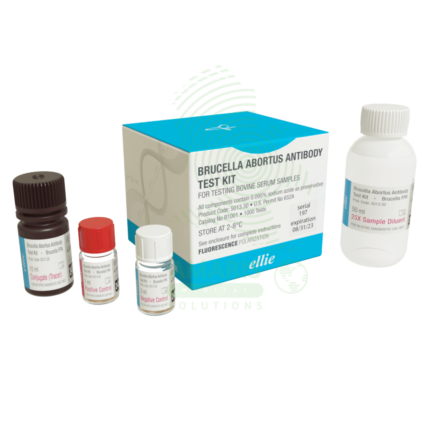
Brucella Set
A Brucella Set is a comprehensive serological test system (Class II medical device, CE-marked/FDA-cleared) for qualitative and quantitative detection of antibodies against Brucella species (B. abortus, B. melitensis, B. suis, B. canis) using multiple methodologies including tube agglutination, slide agglutination, and 2-mercaptoethanol (2-ME) testing. The set includes killed, stained Brucella antigens, positive and negative controls, dilution tubes, reaction cards, and 2-ME reagent for IgM/IgG differentiation. Diagnostic titer ≥1:160 or fourfold rise confirms brucellosis. Primary clinical applications include diagnosis of brucellosis in endemic regions (undulant fever, night sweats, arthralgia), fever of unknown origin investigation, occupational health screening in high-risk workers (veterinarians, farmers, slaughterhouse workers), diagnosis of focal complications (sacroiliitis, spondylitis, meningitis, endocarditis), treatment monitoring (fourfold decline indicates response), outbreak investigation, and public health surveillance. Critical safety precautions include handling all samples in biosafety cabinet (Brucella is highly infectious via aerosol), 2-ME reagent toxicity (use fume hood), awareness of prozone phenomenon (serial dilutions essential), cross-reactions with other Gram-negative bacteria, and mandatory reporting to public health authorities. Essential test for brucellosis diagnosis in endemic regions and occupational health settings.
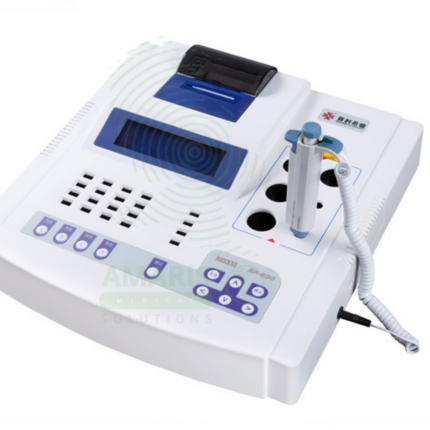
Coagulation Analyzer
A Coagulation Analyzer is a compact, automated instrument designed for performing essential tests that evaluate the blood's clotting ability. It accurately measures key parameters such as Prothrombin Time (PT/INR), Activated Partial Thromboplastin Time (aPTT), Thrombin Time, and Fibrinogen, which are critical for monitoring anticoagulant therapy (warfarin, heparin), diagnosing bleeding disorders, and assessing surgical risk. With its photometric detection and user-friendly operation, it delivers reliable results for small to medium-volume laboratories, clinics, and hospital wards. Its role in ensuring safe and effective patient management in thrombosis and hemostasis makes it a vital tool in clinical diagnostics.
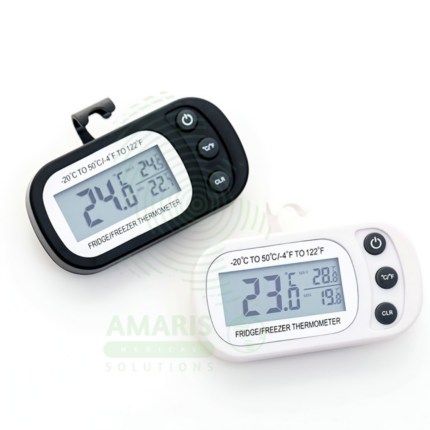
Fridge Thermometer
A Fridge Thermometer is a precision temperature monitoring device designed for continuous use inside medical and laboratory refrigerators and freezers. Its primary role is to safeguard the potency of vaccines, medications, and biological samples by ensuring storage temperatures remain within a critical specified range (e.g., +2°C to +8°C). Available in analog or digital formats, accurate models with memory functions are essential for compliance with cold chain protocols, requiring daily monitoring, logging, and regular calibration. It is a fundamental quality control tool in pharmacies, clinics, immunization centers, and laboratories.
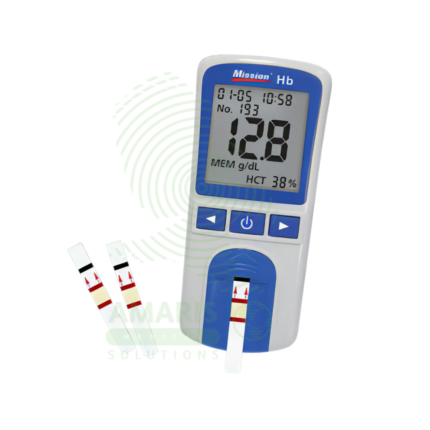
Hemoglobin Meter
A Hemoglobin Meter is a Class II medical device (FDA-cleared, CE-marked) for quantitative point-of-care measurement of hemoglobin concentration in capillary or venous blood, providing results in 5-60 seconds from a 5-20 µL sample. The meter uses photometric, electrochemical, or conductivity technology to measure hemoglobin, with accuracy ±0.3-0.5 g/dL compared to reference methods. Features include backlit LCD display, memory storage for 100-1000 results, USB/Bluetooth connectivity for data transfer, and compatibility with single-use disposable cuvettes or test strips. Primary clinical applications include anemia screening and diagnosis (WHO criteria), preoperative assessment and surgical planning, antenatal care and maternal health monitoring, malaria-endemic region screening, chronic disease management (CKD, IBD, cancer), nutritional assessment and intervention programs, and blood donor screening. Critical safety precautions include single-use lancets, proper hand hygiene, correct sample application, quality control with control solutions, proper cuvette storage (protect from heat, light, humidity), and never using expired cuvettes. Essential point-of-care device for hemoglobin testing in hospitals, clinics, community health programs, and blood donation centers.
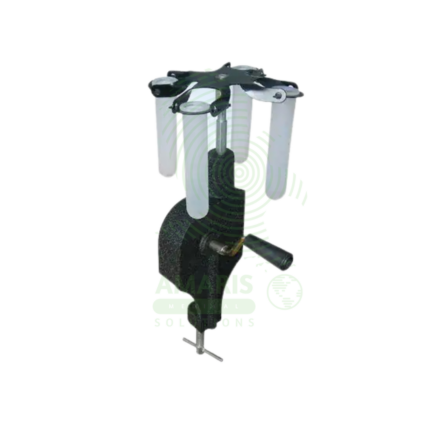
Manual Centrifuge
A Manual Centrifuge (hand-powered) is a non-electric mechanical device for separating fluids based on density, designed for use in field clinics, remote health posts, and developing world settings where electricity is unavailable or unreliable. Operated by hand crank, pull-cord, or foot pedal, achieving speeds of 1,000-4,000 RPM and RCF up to 1,500 x g. Accepts standard blood collection tubes (2-5 mL), microhematocrit tubes, and small centrifuge tubes. Primary clinical applications include separation of serum/plasma for basic diagnostic testing, urine sediment concentration for microscopy, microhematocrit determination for anemia screening, concentration of parasites for malaria and other vector-borne disease diagnosis, field epidemiology and outbreak investigation, veterinary medicine in rural settings, and teaching in resource-limited institutions. Critical safety precautions include meticulous balancing of tubes by weight (absolutely essential), never exceeding maximum rated speed, using appropriate PPE (no aerosol containment), regular inspection of gears and rotor for wear, and proper training of operators. Essential equipment for basic laboratory capabilities in low-resource and field settings.
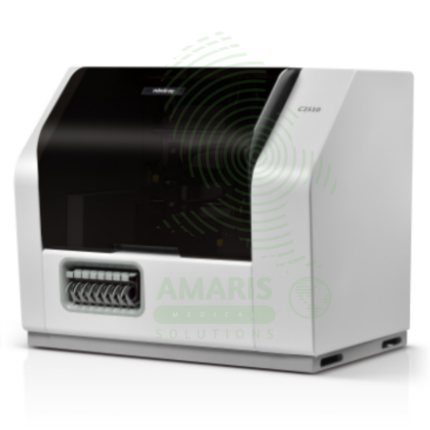
PRECIL Series
The PRECIL Series, originally developed by Beijing Precil and now associated with Mindray, comprises specialized coagulation analyzers and hemorheology analyzers for clinical laboratory testing. Coagulation analyzers measure PT, APTT, fibrinogen, TT, D-dimer, factor assays, and thrombophilia markers for diagnosing bleeding disorders, monitoring anticoagulant therapy, and assessing liver function. Hemorheology analyzers measure whole blood viscosity, plasma viscosity, erythrocyte aggregation, and deformability for evaluating hyperviscosity syndromes, sickle cell disease, diabetes, and cardiovascular disorders. The series includes specialized cleaning solutions and reagents (such as PLS cleaner) for maintaining analyzer performance and ensuring accurate results. Features include automated sample processing, color touchscreen interface, LIS connectivity, and comprehensive quality control programs. Primary clinical applications include coagulation testing for preoperative assessment, anticoagulant monitoring, DIC diagnosis, thrombophilia workup, and hemorheology assessment for conditions affecting blood flow. Essential laboratory instrumentation for hematology, coagulation, and specialized testing in hospital laboratories, reference laboratories, and research facilities.
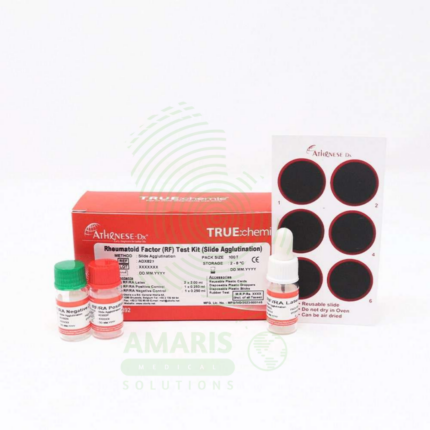
Rheumatoid factor
Rheumatoid Factor (RF) testing is a quantitative or semi-quantitative serological assay (nephelometry, turbidimetry, latex agglutination, or ELISA) for detecting autoantibodies against the Fc portion of immunoglobulin G, primarily of the IgM isotype. RF is a key marker in the ACR/EULAR classification criteria for rheumatoid arthritis, with sensitivity 60-80% and specificity 70-90%. Test requires serum samples; results reported in IU/mL (reference <15-20 IU/mL) or titer. Primary clinical applications include diagnosis and classification of rheumatoid arthritis, prognostic assessment (high-titer RF correlates with severe, erosive disease), differential diagnosis of inflammatory arthritis, monitoring disease activity, diagnosis of Sjögren's syndrome, evaluation of mixed cryoglobulinemia (hepatitis C-associated), and assessment of other autoimmune and chronic inflammatory conditions. Critical safety precautions include awareness of false positives (other autoimmune diseases, chronic infections, healthy elderly), false negatives (seronegative RA 20-30%), need for clinical correlation, and anti-CCP antibody testing to improve diagnostic accuracy. Essential test for rheumatology practice, autoimmune disease evaluation, and differential diagnosis of inflammatory arthritis.