Dermatoscope and Magnifiers
 Diagnostic Kits
 Vital Signs Monitors
 Stethoscopes and Accessories
 Otoscopes, Ophthalmoscopes, and Retinoscopes
 Reflex Hammers and Neurological Tools
 Scales and Measuring Devices
 Spirometers and Pulmonary Function Tests
 Electrosurgical Units and Accessories
 Cutting Instruments
 Grasping and Holding Instruments
 Hemostatic Instruments
 Specialized Surgical Sets
 Single-Use Procedure Trays and Packs
 Surgical Drapes, Gowns, and Covers
 Tissue Unifying Instruments
 Radiation Protection
 X-Ray Machines and Accessories
 Ultrasound Systems and Probes
 MRI and CT Scanners
 Radiology Consumables
 Bone Densitometers
 Fluoroscopy Equipment
 Imaging Tables and Positioning Aids
 Microscopes and Accessories
 Centrifuges and Separators
 Analyzers
 Incubators and Ovens
 Pipettes, Dispensers, and Lab Glassware
 Refrigerators, Freezers, and Storage Units
 Lab Consumables
 Sterilizers and Autoclaves for Lab Use
 Multi-Parameter Monitors
 Ventilators and Respiratory Support Devices
 Defibrillators and AEDs
 Infusion Pumps and IV Systems
 Patient Warmers and Cooling Devices
 Central Monitoring Stations
 Accessories
 Anesthesia Machines and Workstations
 Oxygen Concentrators and Delivery Systems
 Nebulizers and Inhalers
 CPAP/BiPAP Machines
 Airway Management
 Anesthesia Masks, Circuits, and Bags
 Humidifiers and Heaters
 Respiratory Therapy Accessories
 First Aid Kits and Cabinets
 Emergency Resuscitation Equipment
 Trauma Supplies
 Emergency Carts and Crash Carts
 Burn Care Products
 Bleeding Control
 Automated External Defibrillators (AEDs)
 Transport and Evacuation
 Wheelchairs and Accessories
 Walkers, Crutches, and Canes
 Prosthetics and Orthotics
 Physical Therapy Equipment
 Transfer Devices
 Bathroom Safety
 Orthopedic Traction and Tables
 Hot/Cold Therapy Packs and Units
 Beds and Mattresses
 Chairs and Stools
 Tables
 Cabinets and Storage
 Privacy Screens & Curtains
 Stands and Racks
 Linens and Textiles
 Lighting
 Autoclaves and Sterilizers
 Ultrasonic Cleaners
 Disinfectant Solutions and Wipes
 Sterilization Pouches, Wraps, and Indicators
 Instrument Trays and Containers
 UV and Ozone Disinfection Devices
 Washer Disinfectors
 Wound Care
 Gloves
 Masks and Respirators
 Catheters and Tubing
 Swabs, Applicators, and Sponges
 Incontinence Products
 Personal Protective Equipment (PPE)
 Dental Chairs and Units
 Handpieces and Burs
 Instruments
 Consumables
 Sterilization for Dental Use
 Orthodontic Supplies
 Endodontic Tools
 Slit Lamps and Tonometers
 Lensometers and Phoropters
 Ophthalmic Surgical Instruments
 Eyewear Frames and Lenses
 Contact Lens Supplies
 Vision Testing Charts and Devices
 Eye Care Consumables
 Laser Systems for Eye Care
 ENT Exam Chairs and Tables
 Endoscopes
 Audiometers and Hearing Tests
 ENT Instruments
 Nasal and Throat Packs
 Hearing Aids and Accessories
 Otology Supplies
 Fetal Dopplers and Monitors
 Delivery Beds and Tables
 Gynecological Instruments
 Neonatal Incubators and Warmers
 Breast Pumps and Accessories
 Contraceptive Devices
 Maternity Supports and Pads
 Neonatal Consumables
 Cystoscopes and Urethroscopes
 Dialysis Machines and Supplies
 Urological Catheters and Bags
 Lithotripters
 Prostate Treatment Devices
 Urinary Incontinence Products
 Kidney Stone Management Tools
 Consumables & Disposables
 EEG and EMG Machines
 Neurosurgical Instruments
 Nerve Stimulators
 Headrests and Positioning Aids
 Lumbar Puncture Kits
 Seizure Monitoring Devices
 Consumables
 Rehabilitation for Neurological Conditions
 ECG Machines and Accessories
 Holter Monitors
 Stress Test Systems
 Pacemakers and Defibrillator Accessories
 Vascular Access Devices
 Cardiac Catheters and Guidewires
 Blood Flow Meters
 Consumables
 Orthopedic Instruments
 Casts, Splints, and Padding
 Joint Replacement Supplies
 Prosthetic Limbs and Components
 Bone Grafts and Substitutes
 Traction Devices
 Orthopedic Braces and Supports
 Rehabilitation Aids for Orthopedics
 Home Oxygen Therapy
 Hospital Beds for Home Use
 Mobility Aids
 Bathroom and Daily Living Aids
 Wound Care for Home
 Monitoring Devices
 Enteral Feeding Pumps and Tubes
 Hand Sanitizers and Dispensers
 Face Shields and Goggles
 Isolation Gowns and Suits
 Biohazard Waste Containers
 Air Purifiers and HEPA Filters
 Surface Disinfectants
 Sharps Containers
 Protective Barriers
 Cardiovascular & Endurance Training
 Strength Training & Weightlifting
 Functional Training & Core Conditioning
 Physical Therapy & Rehabilitation
 Sports & Outdoor Recreation
 Gym Flooring & Facility Equipment
 Fitness Monitoring & Accessories
 Kids & Novelties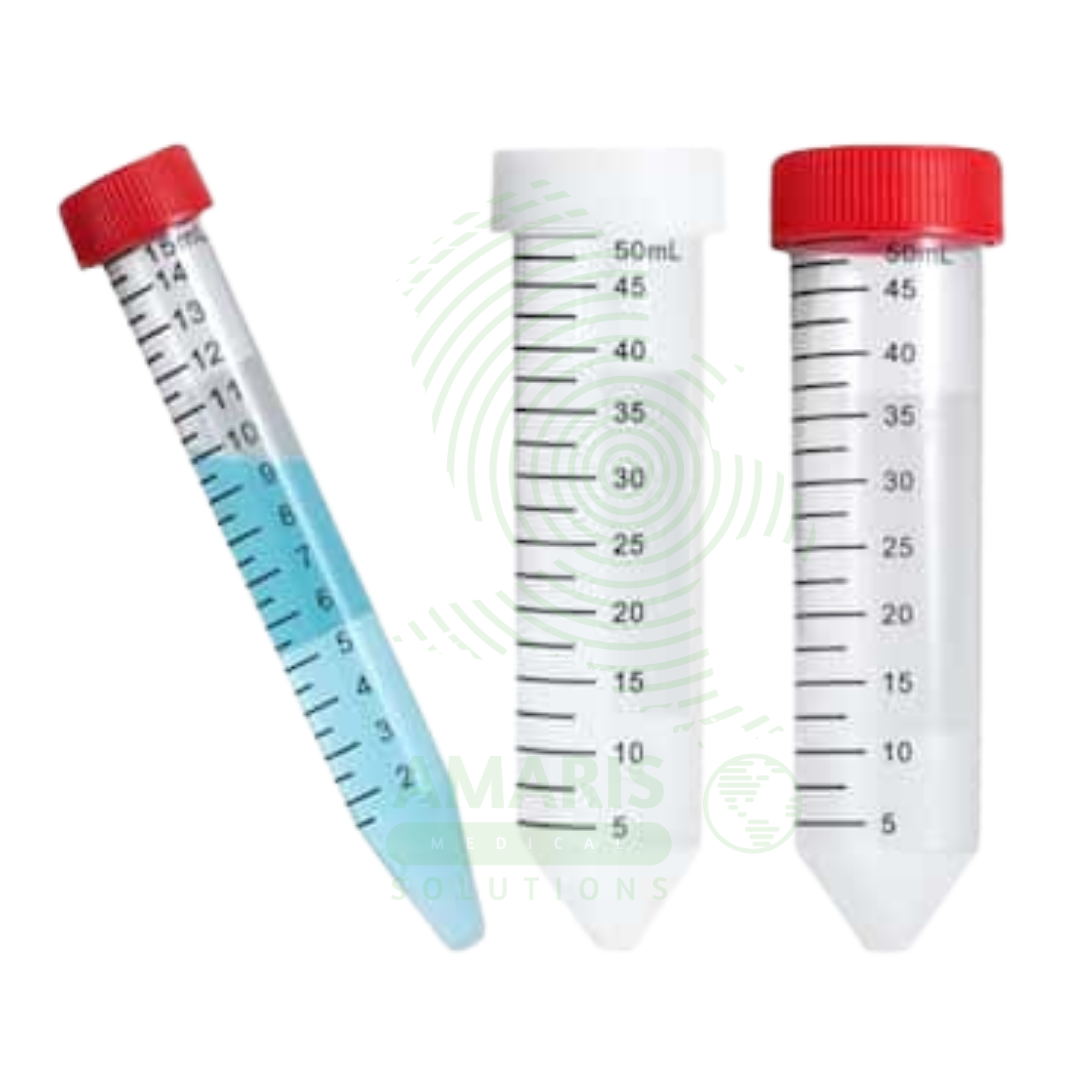
Centrifuge Tubes
$1.00
WhatsApp Order
Centrifuge Tubes are specialized disposable containers (polypropylene) designed to withstand high centrifugal forces (up to 30,000 x g) for separating biological fluids based on density. Available in microcentrifuge sizes (0.2-2.0 mL), conical tubes (15 mL, 50 mL), and larger volumes (100-500 mL). Features include leak-proof screw caps with O-rings (conical tubes), snap caps (microcentrifuge tubes), graduated volume markings, writing areas, and sterile/non-sterile options. Certified RNase/DNase-free, pyrogen-free, and autoclavable. Primary clinical applications include blood component separation (serum/plasma), urine sediment preparation, microbiology sample concentration, molecular biology (DNA/RNA extraction), cell culture processing, protein/enzyme analysis, and viral load testing. Critical safety precautions include never exceeding maximum RCF rating, proper balancing by weight, secure cap tightening, inspection for cracks, and disposal as biohazardous waste. Essential consumable in every clinical, research, and industrial laboratory.
Description
Centrifuge Tubes
PRIMARY CLINICAL & DIAGNOSTIC USES
1. Blood Component Separation:
-
Primary Use: Essential containers for centrifuging whole blood to separate plasma, serum, or buffy coat from cellular components, enabling accurate analysis of biochemistry, hematology, coagulation, and serology parameters in clinical laboratories.
-
How it helps: Provides the fundamental vessel that makes blood testing possible, allowing laboratory professionals to separate blood into its components and giving doctors the precise information they need to diagnose conditions ranging from anemia to heart disease.
2. Urine Sediment Preparation:
-
Primary Use: Used to centrifuge urine specimens to concentrate cellular elements, casts, crystals, and microorganisms for microscopic examination in urinalysis.
-
How it helps: Concentrates tiny particles in urine that would otherwise be too dilute to see, helping doctors identify kidney stones, urinary tract infections, and other conditions that might otherwise go undiagnosed.
3. Microbiology and Bacteriology Applications:
-
Primary Use: Employed to concentrate bacteria from body fluids (CSF, pleural fluid, synovial fluid) for culture and Gram stain, improving diagnostic yield in infectious disease testing.
-
How it helps: Increases the chances of finding bacteria in difficult-to-diagnose infections, ensuring patients with serious conditions like meningitis or septic arthritis receive the right antibiotics quickly.
4. Molecular Biology and DNA/RNA Extraction:
-
Primary Use: Used in protocols for extracting nucleic acids from various biological samples, including blood, tissue, and cells, for PCR and other molecular diagnostic techniques.
-
How it helps: Provides the clean, concentrated samples needed for the sophisticated genetic testing that can identify viruses, genetic disorders, and even predict how patients will respond to certain medications.
5. Cell Culture and Tissue Processing:
-
Primary Use: Utilized for centrifuging cell suspensions, harvesting cells, and separating cellular components in cell culture and tissue culture applications.
-
How it helps: Supports life-saving research and clinical applications by providing reliable vessels for handling living cells, from growing tissues for transplantation to developing new cancer treatments.
6. Protein and Enzyme Analysis:
-
Primary Use: Employed in biochemistry for separating proteins, enzymes, and other biomolecules from biological fluids for quantitative analysis.
-
How it helps: Enables the precise measurement of proteins and enzymes that serve as markers for everything from heart attacks to liver disease, helping doctors make accurate diagnoses and monitor treatment effectiveness.
7. Viral Load and Infectious Disease Testing:
-
Primary Use: Used in processing samples for viral load determination (HIV, HCV, HBV) and other infectious disease molecular testing.
-
How it helps: Plays a critical role in managing chronic viral infections by providing the concentrated samples needed to measure how much virus is in a patient’s blood, guiding treatment decisions and monitoring response to therapy.
SECONDARY & SUPPORTIVE USES
1. Veterinary Diagnostics: Used in veterinary laboratories for processing blood, urine, and other specimens from animals, helping veterinarians diagnose and treat illnesses in pets and livestock.
2. Research and Development: Essential in research laboratories for various centrifugation protocols in life sciences and biotechnology, supporting scientific discovery and medical innovation.
3. Pharmaceutical Quality Control: Used in pharmaceutical testing for sample preparation and analysis, ensuring medications are safe, pure, and effective before they reach patients.
4. Environmental Testing: Employed in concentrating water samples for analysis of microorganisms or chemical contaminants, helping protect public health by ensuring drinking water is safe.
5. Food Safety and Testing: Used in food microbiology laboratories for sample preparation and pathogen concentration, helping prevent foodborne illness outbreaks.
6. Educational and Teaching Laboratories: Essential for teaching centrifugation techniques in medical, nursing, and laboratory science education, training the next generation of healthcare professionals.
7. Forensic Science: Used in forensic laboratories for processing evidence samples, helping solve crimes and bring justice to victims and their families.
KEY PRODUCT FEATURES
1. BASIC IDENTIFICATION ATTRIBUTES
-
Product Type: Specialized tubes designed to withstand high centrifugal forces for separating fluids based on density.
-
Common Names: Centrifuge Tubes, Conical Tubes, Falcon Tubes (brand name), Microcentrifuge Tubes, Screw-Cap Tubes, Snap-Cap Tubes.
-
Sizes (Common):
-
Microcentrifuge Tubes: 0.2 mL, 0.5 mL, 1.5 mL, 2.0 mL.
-
Conical Tubes: 15 mL, 50 mL (most common for clinical labs).
-
Large Volume: 100 mL, 175 mL, 250 mL, 500 mL.
-
-
Material: Polypropylene (most common), polyethylene, polycarbonate, or glass (less common for safety).
-
Cap Types:
-
Snap Cap: Hinged or separate snap-on cap (microcentrifuge tubes).
-
Screw Cap: Threaded cap with O-ring seal for leak-proof closure (conical tubes).
-
Plug Seal Cap: Provides additional seal for hazardous samples.
-
-
Bottom Shape:
-
Conical: Tapered bottom for easy pellet visualization and supernatant removal (15 mL, 50 mL).
-
Round Bottom: For certain applications and rotors.
-
Flat Bottom: For standing upright without a rack.
-
-
Sterility: Non-sterile (standard) or sterile (certified sterile for cell culture and sensitive applications).
-
Graduations: Printed or molded volume markings for approximate measurements.
-
Writing Area: Frosted or white marking area for sample identification.
2. TECHNICAL & PERFORMANCE PROPERTIES
-
Maximum RCF: Varies by tube size and material:
-
15 mL Conical: 8,000-12,000 x g (polypropylene).
-
50 mL Conical: 6,000-10,000 x g (polypropylene).
-
1.5 mL Microcentrifuge: 20,000-30,000 x g.
-
2.0 mL Microcentrifuge: 20,000-25,000 x g.
-
-
Temperature Range: -80°C to +120°C (polypropylene); autoclavable.
-
Chemical Resistance: Resistant to most laboratory chemicals (acids, bases, alcohols, solvents).
-
Clarity: Translucent or clear polypropylene for sample visualization.
-
Leak-Proof Integrity: Screw caps with O-rings provide leak-proof seal for biohazardous samples.
-
Centrifuge Compatibility: Must match rotor type (fixed-angle or swinging-bucket) and adapters.
-
Gradations Accuracy: ±2-5% of total volume (approximate, not for precise measurements).
-
Certifications: RNase/DNase free, pyrogen free, endotoxin free for molecular biology applications.
3. PHYSICAL & OPERATIONAL PROPERTIES
-
Dimensions (15 mL Conical): Approximately 17 mm diameter × 120 mm length.
-
Dimensions (50 mL Conical): Approximately 30 mm diameter × 115 mm length.
-
Dimensions (1.5 mL Microcentrifuge): Approximately 11 mm diameter × 38 mm length.
-
Material Composition: Medical-grade polypropylene (USP Class VI), virgin material.
-
Color: Natural (translucent) or colored (amber for light-sensitive samples).
-
Cap Color: Various colors available for coding (red, blue, green, yellow, orange, purple).
-
Packaging:
-
Bulk: 100-500 tubes per bag (non-sterile).
-
Racked: 50-100 tubes per rack, individually sealed (sterile).
-
Individually Wrapped: For sterile, single-use applications.
-
-
Shelf Life: 3-5 years if stored properly; sterile tubes have expiration date.
4. SAFETY & COMPLIANCE ATTRIBUTES
-
Regulatory Status: Class I medical device (for diagnostic use); may be Class II if specific claims are made.
-
Quality Standards: Manufactured under ISO 9001 or ISO 13485 certified processes.
-
Biocompatibility: Materials meet USP Class VI or ISO 10993 for biological reactivity.
-
Sterility: Sterile tubes validated to SAL 10⁻⁶ (gamma irradiated or ethylene oxide).
-
Leak Testing: Certified leak-proof for safe handling of biohazardous samples.
-
DNase/RNase Free: Certified for molecular biology applications.
-
Pyrogen/Endotoxin Free: Certified for cell culture and sensitive applications.
-
Latex-Free: All components latex-free.
-
Autoclavable: Polypropylene tubes withstand multiple autoclave cycles (check manufacturer).
5. STORAGE & HANDLING ATTRIBUTES
-
Storage: Store in a clean, dry environment at room temperature; protect from dust and extreme temperatures.
-
Temperature Limits: Do not exceed temperature limits (-80°C to +120°C); freezing may cause brittleness.
-
Centrifuge Compatibility: Always check manufacturer's maximum RCF rating; never exceed.
-
Filling: Do not overfill; leave appropriate headspace for expansion during centrifugation.
-
Balancing: Must balance tubes by weight (±0.1-0.5 g depending on rotor and speed).
-
Disposal: Dispose of contaminated tubes as biohazardous waste; autoclave before disposal if required.
-
Inspection: Before use, check for cracks, deformation, or damage; do not use damaged tubes.
6. LABORATORY & CLINICAL APPLICATIONS
-
Primary Application: Essential containers for centrifugation of biological samples in clinical, research, and industrial laboratories.
-
Selection Criteria:
-
Sample Volume: 0.2-2.0 mL (microcentrifuge), 15 mL, 50 mL, or larger.
-
Centrifugation Speed: Must exceed required RCF; check tube specifications.
-
Sample Type: Routine clinical, sterile culture, molecular biology, hazardous materials.
-
Temperature: Room temperature, refrigerated, or frozen samples.
-
Rotor Type: Fixed-angle or swinging-bucket; must fit rotor and adapters.
-
-
Proper Use:
-
Select appropriate tube size and type for application.
-
Label tube with sample identification.
-
Fill to appropriate volume (not exceeding maximum).
-
Cap securely (snap or screw cap tightened).
-
Balance tubes by weight with opposing tubes.
-
Place it in the rotor with proper adapters.
-
Centrifuge at specified speed and time.
-
Remove carefully; pellet at bottom (conical) or side (fixed-angle).
-
Limitations: Not for high-speed ultracentrifugation; not for organic solvents that degrade polypropylene; single-use recommended.
SAFETY HANDLING PRECAUTIONS
1. SAFETY PRECAUTIONS
-
Maximum RCF: Never exceed manufacturer's maximum RCF rating; tube failure at high speed can cause rotor damage, injury, and sample loss.
-
Balancing: Always balance tubes by weight (not just number). Imbalance causes excessive vibration, rotor damage, and poor separation.
-
Caps: Ensure caps are securely tightened; loose caps may leak during centrifugation.
-
Overfilling: Do not overfill; leave headspace for expansion during centrifugation.
-
Inspection: Inspect tubes for cracks or deformation before use; do not use damaged tubes.
-
Chemical Compatibility: Check chemical resistance for organic solvents; some solvents degrade polypropylene.
-
Biohazard Safety: Use sealed rotors or buckets for infectious samples; clean spills immediately.
-
Autoclaving: Follow manufacturer guidelines for autoclaving; repeated autoclaving may weaken tubes.
-
Single-Use: Tubes are designed for single use; reuse may compromise integrity and sterility.
-
Disposal: Dispose of contaminated tubes in biohazard waste; sharps containers if broken.
2. FIRST AID MEASURES
-
Tube Breakage During Centrifugation: Stop centrifuge immediately; do not open lid for 30 minutes to allow aerosol settling. Wear PPE (gloves, mask, eye protection) and carefully remove fragments. Disinfect rotor and bowl thoroughly.
-
Chemical Spill: Follow chemical spill protocol; use appropriate PPE and absorbent materials.
-
Biohazard Spill: Contain with absorbent material; disinfect area with 10% bleach solution; dispose as biohazard waste.
-
Eye Contact with Contents: Flush eyes with copious water for 15 minutes; seek medical attention.
-
Needlestick/Sharps Injury (if broken glass): Wash area vigorously with soap and water; report immediately; follow institutional exposure protocol.
3. FIRE FIGHTING MEASURES
-
Flammability: Polypropylene is combustible; burns with clean flame.
-
Extinguishing Media: Use water, foam, CO₂, or dry chemical as appropriate.
-
Burning Characteristics: Melts and burns; may produce acrid smoke.
Related products
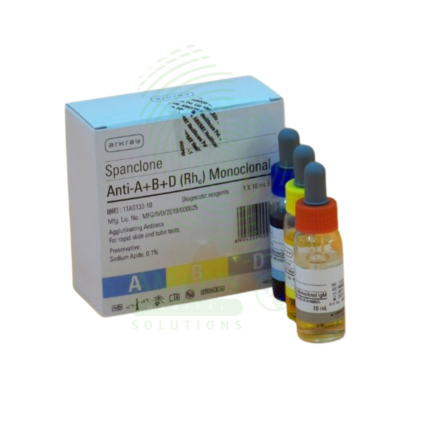
Blood Grouping kit
A Blood Grouping Kit is a Class II medical device (FDA-cleared/CE-marked) containing monoclonal antibodies (Anti-A, Anti-B, Anti-D) and control reagents for determining ABO blood group and Rh factor by agglutination method. The kit includes color-coded reagent vials, reaction cards or slides, mixing sticks, lancets, and capillary pipettes. Test time 2-5 minutes (slide method) or 15-30 minutes (tube method). Interpretation based on agglutination pattern: Anti-A positive = group A; Anti-B positive = group B; both positive = group AB; both negative = group O; Anti-D positive = Rh positive; Anti-D negative = Rh negative. Primary clinical applications include pre-transfusion compatibility testing, prenatal and neonatal testing (Rh incompatibility prevention), preoperative blood typing, blood donor screening, and emergency blood typing. Critical safety precautions include refrigerated storage (2-8°C), proper disposal of lancets in sharps containers, universal precautions for blood samples, and confirmation with reverse typing when possible. Essential kit for transfusion medicine, obstetrics, surgery, and emergency care.
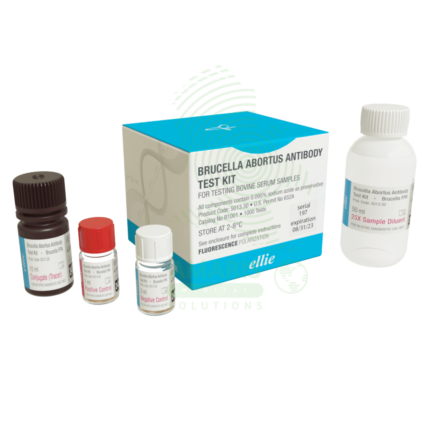
Brucella Set
A Brucella Set is a comprehensive serological test system (Class II medical device, CE-marked/FDA-cleared) for qualitative and quantitative detection of antibodies against Brucella species (B. abortus, B. melitensis, B. suis, B. canis) using multiple methodologies including tube agglutination, slide agglutination, and 2-mercaptoethanol (2-ME) testing. The set includes killed, stained Brucella antigens, positive and negative controls, dilution tubes, reaction cards, and 2-ME reagent for IgM/IgG differentiation. Diagnostic titer ≥1:160 or fourfold rise confirms brucellosis. Primary clinical applications include diagnosis of brucellosis in endemic regions (undulant fever, night sweats, arthralgia), fever of unknown origin investigation, occupational health screening in high-risk workers (veterinarians, farmers, slaughterhouse workers), diagnosis of focal complications (sacroiliitis, spondylitis, meningitis, endocarditis), treatment monitoring (fourfold decline indicates response), outbreak investigation, and public health surveillance. Critical safety precautions include handling all samples in biosafety cabinet (Brucella is highly infectious via aerosol), 2-ME reagent toxicity (use fume hood), awareness of prozone phenomenon (serial dilutions essential), cross-reactions with other Gram-negative bacteria, and mandatory reporting to public health authorities. Essential test for brucellosis diagnosis in endemic regions and occupational health settings.
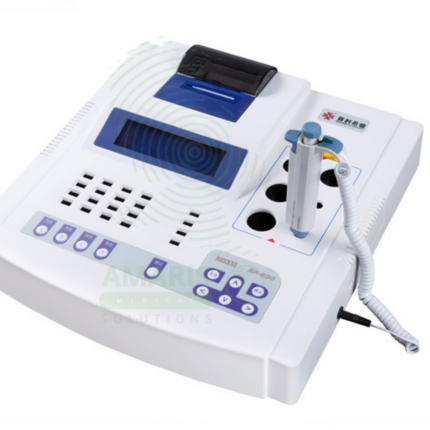
Coagulation Analyzer
A Coagulation Analyzer is a compact, automated instrument designed for performing essential tests that evaluate the blood's clotting ability. It accurately measures key parameters such as Prothrombin Time (PT/INR), Activated Partial Thromboplastin Time (aPTT), Thrombin Time, and Fibrinogen, which are critical for monitoring anticoagulant therapy (warfarin, heparin), diagnosing bleeding disorders, and assessing surgical risk. With its photometric detection and user-friendly operation, it delivers reliable results for small to medium-volume laboratories, clinics, and hospital wards. Its role in ensuring safe and effective patient management in thrombosis and hemostasis makes it a vital tool in clinical diagnostics.
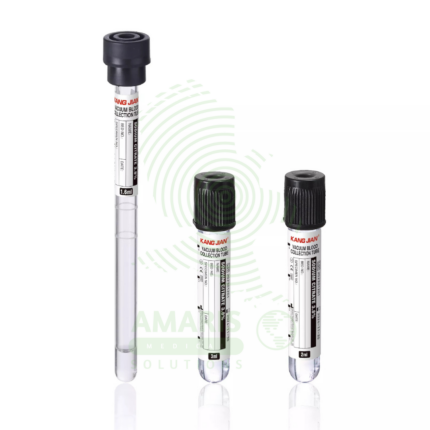
ESR Tubes Glass
ESR Tubes Glass are specialized glass tubes (300 mm length, 2.55 mm bore diameter, graduated 0-200 mm in 1 mm intervals) meeting ICSH and CLSI Westergren specifications for measuring erythrocyte sedimentation rate, a non-specific marker of inflammation. Used with citrated or diluted EDTA blood, filled to exactly 200 mm, placed vertically in Westergren stand, and read at 60 minutes. Primary clinical applications include determination of ESR for diagnosing and monitoring inflammatory conditions (infections, autoimmune disorders, malignancies), monitoring disease activity in rheumatoid arthritis, assessment of temporal arteritis and polymyalgia rheumatica, evaluation of infection and inflammatory response, screening for occult inflammatory conditions, and monitoring chronic inflammatory diseases (SLE, IBD, vasculitis). Critical safety precautions include handling glass tubes carefully to avoid breakage (sharps hazard), proper disposal in sharps containers as biohazardous waste, ensuring vertical alignment and constant temperature (18-25°C), reading at exactly 60 minutes, and avoiding air bubbles and vibration. Essential consumable for reference Westergren ESR testing in clinical laboratories.
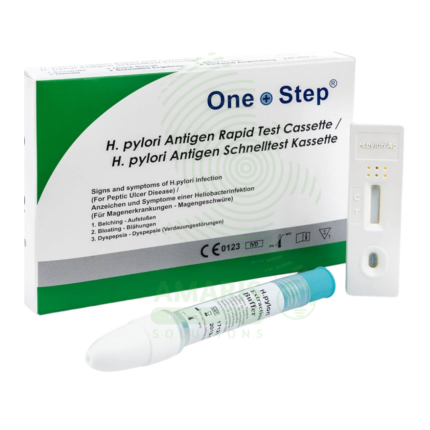
H.pylori test kits (Antigen)
H.pylori test kits (Antigen) are Class II medical devices (FDA-cleared/CE-marked) for rapid immunochromatographic or enzyme immunoassay detection of Helicobacter pylori antigens in stool specimens, enabling non-invasive diagnosis of active infection and post-treatment eradication confirmation. Test principles use monoclonal or polyclonal antibodies specific to H. pylori antigens, producing visible results in 10-20 minutes (rapid tests) or 1-2 hours (EIA). Sensitivity 90-98%, specificity 92-99% compared to gold standard methods. Primary clinical applications include rapid diagnosis of H. pylori infection in patients with dyspepsia, initial screening in uncomplicated dyspepsia (test-and-treat strategy), confirmation of active infection before therapy, post-treatment eradication confirmation (4-6 weeks after therapy), pediatric testing (preferred non-invasive method), screening in high-risk populations (family history of gastric cancer), and monitoring in patients with peptic ulcer disease or MALT lymphoma. Critical safety precautions include mandatory washout period (4 weeks off antibiotics, 2 weeks off PPIs) to avoid false negatives, proper specimen handling (universal precautions), refrigerated storage of kits (2-30°C), quality control verification, and disposal as biohazardous waste. Essential non-invasive tool for H. pylori management in gastroenterology and primary care.
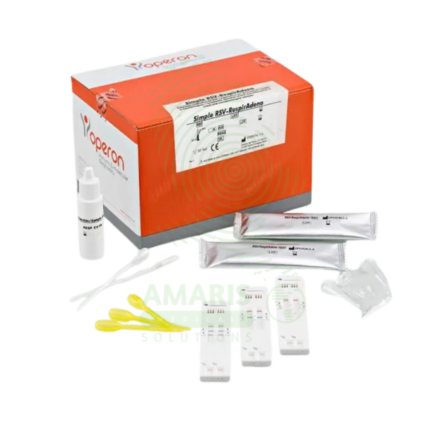
Rota virus
Rota virus rapid tests are immunochromatographic assays (CE-marked, FDA-cleared for some brands) for qualitative detection of rotavirus group A antigens in stool specimens, providing results in 10-20 minutes. The test principle uses monoclonal or polyclonal antibodies against rotavirus antigens (typically VP6 protein) immobilized on membranes, capturing antigens that form a visible line. Sensitivity 90-98%, specificity 95-99% compared to ELISA or PCR. The kit includes individually foil-wrapped test devices, sample diluent, and collection applicators. Primary clinical applications include rapid diagnosis of acute gastroenteritis in children (rotavirus is the leading cause of severe diarrhea in under-5 children), outbreak investigation in daycare centers and schools, hospital infection control and isolation precautions, differential diagnosis of acute diarrhea (viral vs. bacterial vs. parasitic), vaccine effectiveness monitoring and surveillance, assessment of dehydration risk, and evaluation of immunocompromised patients. Critical safety precautions include proper specimen collection (clean container, avoid contamination), biological hazard precautions (all stool potentially infectious), quality control verification, and awareness that a negative test does not rule out other causes of gastroenteritis. Essential tool for pediatric gastroenteritis management, infection control, and public health surveillance.
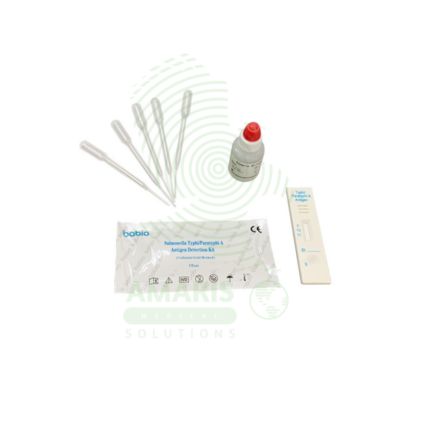
Salmonella Typhi Test Peratop
The Salmonella typhi test peratop is a CE-marked rapid immunochromatographic assay for qualitative detection of IgG and IgM antibodies to Salmonella enterica serotype Typhi in human serum, plasma, or whole blood, providing results in 15-20 minutes. The test uses recombinant S. typhi antigens immobilized on a membrane to capture specific antibodies, with separate lines for IgG and IgM interpretation. The kit includes individually foil-wrapped test cassettes, sample diluent, disposable pipettes, and package insert. Primary clinical applications include rapid diagnosis of typhoid fever in endemic regions (Indian subcontinent, Southeast Asia, Africa, South America), differentiation of acute (IgM positive) from past infection (IgG only), outbreak investigation and control, screening in febrile patients, travel medicine assessment, antibiotic stewardship, and maternal/child health in endemic areas. Critical safety precautions include proper specimen handling (universal precautions), quality control verification, awareness of window period (repeat testing if early infection suspected), and clinical correlation of results. Essential rapid test for typhoid fever diagnosis in resource-limited and endemic settings.