Dermatoscope and Magnifiers
 Diagnostic Kits
 Vital Signs Monitors
 Stethoscopes and Accessories
 Otoscopes, Ophthalmoscopes, and Retinoscopes
 Reflex Hammers and Neurological Tools
 Scales and Measuring Devices
 Spirometers and Pulmonary Function Tests
 Electrosurgical Units and Accessories
 Cutting Instruments
 Grasping and Holding Instruments
 Hemostatic Instruments
 Specialized Surgical Sets
 Single-Use Procedure Trays and Packs
 Surgical Drapes, Gowns, and Covers
 Tissue Unifying Instruments
 Radiation Protection
 X-Ray Machines and Accessories
 Ultrasound Systems and Probes
 MRI and CT Scanners
 Radiology Consumables
 Bone Densitometers
 Fluoroscopy Equipment
 Imaging Tables and Positioning Aids
 Microscopes and Accessories
 Centrifuges and Separators
 Analyzers
 Incubators and Ovens
 Pipettes, Dispensers, and Lab Glassware
 Refrigerators, Freezers, and Storage Units
 Lab Consumables
 Sterilizers and Autoclaves for Lab Use
 Multi-Parameter Monitors
 Ventilators and Respiratory Support Devices
 Defibrillators and AEDs
 Infusion Pumps and IV Systems
 Patient Warmers and Cooling Devices
 Central Monitoring Stations
 Accessories
 Anesthesia Machines and Workstations
 Oxygen Concentrators and Delivery Systems
 Nebulizers and Inhalers
 CPAP/BiPAP Machines
 Airway Management
 Anesthesia Masks, Circuits, and Bags
 Humidifiers and Heaters
 Respiratory Therapy Accessories
 First Aid Kits and Cabinets
 Emergency Resuscitation Equipment
 Trauma Supplies
 Emergency Carts and Crash Carts
 Burn Care Products
 Bleeding Control
 Automated External Defibrillators (AEDs)
 Transport and Evacuation
 Wheelchairs and Accessories
 Walkers, Crutches, and Canes
 Prosthetics and Orthotics
 Physical Therapy Equipment
 Transfer Devices
 Bathroom Safety
 Orthopedic Traction and Tables
 Hot/Cold Therapy Packs and Units
 Beds and Mattresses
 Chairs and Stools
 Tables
 Cabinets and Storage
 Privacy Screens & Curtains
 Stands and Racks
 Linens and Textiles
 Lighting
 Autoclaves and Sterilizers
 Ultrasonic Cleaners
 Disinfectant Solutions and Wipes
 Sterilization Pouches, Wraps, and Indicators
 Instrument Trays and Containers
 UV and Ozone Disinfection Devices
 Washer Disinfectors
 Wound Care
 Gloves
 Masks and Respirators
 Catheters and Tubing
 Swabs, Applicators, and Sponges
 Incontinence Products
 Personal Protective Equipment (PPE)
 Dental Chairs and Units
 Handpieces and Burs
 Instruments
 Consumables
 Sterilization for Dental Use
 Orthodontic Supplies
 Endodontic Tools
 Slit Lamps and Tonometers
 Lensometers and Phoropters
 Ophthalmic Surgical Instruments
 Eyewear Frames and Lenses
 Contact Lens Supplies
 Vision Testing Charts and Devices
 Eye Care Consumables
 Laser Systems for Eye Care
 ENT Exam Chairs and Tables
 Endoscopes
 Audiometers and Hearing Tests
 ENT Instruments
 Nasal and Throat Packs
 Hearing Aids and Accessories
 Otology Supplies
 Fetal Dopplers and Monitors
 Delivery Beds and Tables
 Gynecological Instruments
 Neonatal Incubators and Warmers
 Breast Pumps and Accessories
 Contraceptive Devices
 Maternity Supports and Pads
 Neonatal Consumables
 Cystoscopes and Urethroscopes
 Dialysis Machines and Supplies
 Urological Catheters and Bags
 Lithotripters
 Prostate Treatment Devices
 Urinary Incontinence Products
 Kidney Stone Management Tools
 Consumables & Disposables
 EEG and EMG Machines
 Neurosurgical Instruments
 Nerve Stimulators
 Headrests and Positioning Aids
 Lumbar Puncture Kits
 Seizure Monitoring Devices
 Consumables
 Rehabilitation for Neurological Conditions
 ECG Machines and Accessories
 Holter Monitors
 Stress Test Systems
 Pacemakers and Defibrillator Accessories
 Vascular Access Devices
 Cardiac Catheters and Guidewires
 Blood Flow Meters
 Consumables
 Orthopedic Instruments
 Casts, Splints, and Padding
 Joint Replacement Supplies
 Prosthetic Limbs and Components
 Bone Grafts and Substitutes
 Traction Devices
 Orthopedic Braces and Supports
 Rehabilitation Aids for Orthopedics
 Home Oxygen Therapy
 Hospital Beds for Home Use
 Mobility Aids
 Bathroom and Daily Living Aids
 Wound Care for Home
 Monitoring Devices
 Enteral Feeding Pumps and Tubes
 Hand Sanitizers and Dispensers
 Face Shields and Goggles
 Isolation Gowns and Suits
 Biohazard Waste Containers
 Air Purifiers and HEPA Filters
 Surface Disinfectants
 Sharps Containers
 Protective Barriers
 Cardiovascular & Endurance Training
 Strength Training & Weightlifting
 Functional Training & Core Conditioning
 Physical Therapy & Rehabilitation
 Sports & Outdoor Recreation
 Gym Flooring & Facility Equipment
 Fitness Monitoring & Accessories
 Kids & Novelties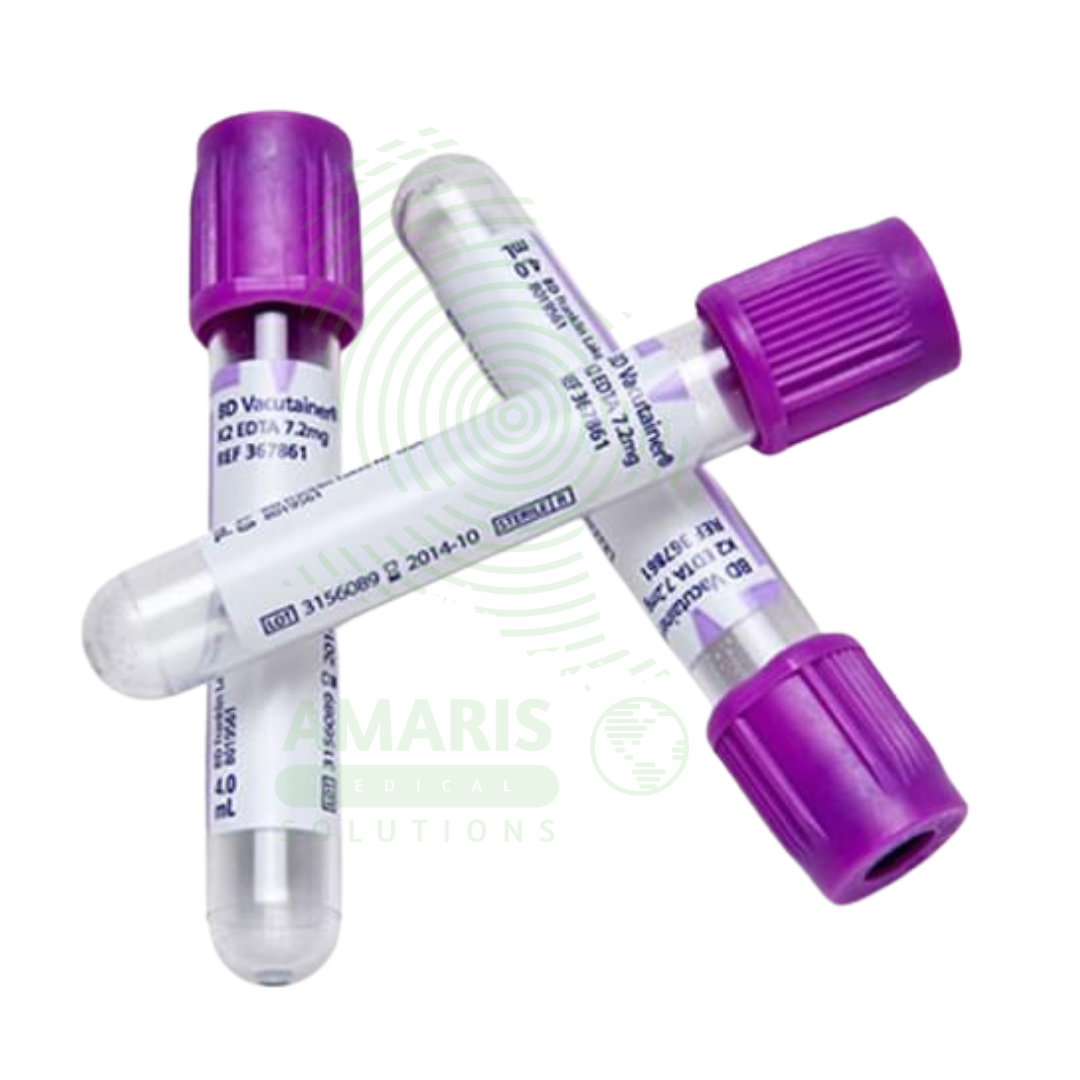
Vacutainer (EDTA/PLAIN)
$1.00
WhatsApp Order
Vacutainer (EDTA/PLAIN) is a sterile, evacuated blood collection tube (lavender/purple top) containing EDTA anticoagulant (K2EDTA or K3EDTA, 1.5-2.0 mg/mL blood) for hematology, blood banking, flow cytometry, and molecular diagnostics. Available in draw volumes 2-10 mL, glass or PET plastic, with color-coded stopper and sterile interior. EDTA chelates calcium, preventing coagulation while preserving cellular morphology. Primary clinical applications include complete blood count (CBC) and differential, blood typing and antibody screening (ABO/Rh, Coombs), hemoglobin A1c (HbA1c) testing, flow cytometry and immunophenotyping (CD4 counts), molecular diagnostics and PCR testing, sickle cell screening and hemoglobin electrophoresis, and parasitology (malaria smears). Critical safety precautions include filling to completion (correct blood-to-additive ratio), gentle inversion 8-10 times immediately after collection, never using for chemistry or coagulation testing, and proper disposal as biohazardous waste. Essential collection tube for hematology and immunohematology.
Description
Vacutainer (EDTA/PLAIN)
PRIMARY CLINICAL & DIAGNOSTIC USES
1. Hematology and Complete Blood Count (CBC) Testing:
-
Primary Use: EDTA (ethylenediaminetetraacetic acid) tubes are the standard anticoagulant tubes for hematology testing, preserving cellular morphology and preventing clotting for accurate CBC, white blood cell differential, platelet counts, and red blood cell indices.
-
How it helps: Ensures that every blood cell looks exactly as it would in the body, allowing laboratory professionals to count and examine cells accurately and giving doctors reliable information about anemia, infection, and blood disorders.
2. Blood Banking and Immunohematology:
-
Primary Use: Used for blood typing (ABO and Rh), antibody screening, cross-matching, and direct antiglobulin tests (Coombs test) in transfusion medicine, where EDTA preserves red blood cell antigens without affecting antigen-antibody reactions.
-
How it helps: Protects patients receiving blood transfusions by ensuring donor and recipient blood types are perfectly matched, preventing potentially fatal transfusion reactions.
3. Hemoglobin A1c (HbA1c) Testing:
-
Primary Use: EDTA whole blood is the preferred specimen for HbA1c analysis, used to monitor long-term glycemic control in diabetic patients.
-
How it helps: Provides diabetics and their doctors with a clear picture of blood sugar control over the past three months, guiding treatment decisions that can prevent devastating complications like blindness and kidney failure.
4. Flow Cytometry and Immunophenotyping:
-
Primary Use: Essential for immunophenotyping of leukemias and lymphomas, lymphocyte subset analysis (CD4 counts), and other flow cytometry applications where viable cells are required.
-
How it helps: Helps oncologists classify exactly what type of cancer a patient has and track how well the immune system is functioning, guiding personalized cancer treatment.
5. Molecular Diagnostics and PCR Testing:
-
Primary Use: EDTA whole blood is used for DNA extraction and PCR-based testing for genetic disorders, infectious diseases (viral load), and pharmacogenomics, as EDTA does not inhibit PCR reactions.
-
How it helps: Enables sophisticated genetic testing that can identify inherited disorders, measure viral levels in HIV or hepatitis, and even predict how patients will respond to certain medications.
6. Sickle Cell Screening and Hemoglobin Electrophoresis:
-
Primary Use: EDTA blood is used for sickle cell tests, hemoglobin electrophoresis, and HPLC for detecting hemoglobinopathies.
-
How it helps: Detects inherited blood disorders like sickle cell disease and thalassemia, providing crucial information for patients and their families about conditions that affect red blood cells.
7. Parasitology and Peripheral Blood Smears:
-
Primary Use: EDTA blood is used for preparing thin and thick blood films for malaria diagnosis and other parasitic infections, with preserved cellular morphology.
-
How it helps: Allows laboratory professionals to see malaria parasites clearly in blood samples, leading to rapid diagnosis and treatment of this potentially fatal infection.
SECONDARY & SUPPORTIVE USES
1. Glycated Albumin and Fructosamine Testing: Used for alternative glycemic markers when HbA1c is unreliable, providing additional options for monitoring diabetes in certain situations.
2. Cytogenetics and Karyotyping: EDTA blood can be used for chromosome analysis and karyotyping, helping diagnose genetic disorders.
3. Trace Element Analysis: Some EDTA tubes certified for trace element-free applications, allowing accurate measurement of minerals and heavy metals in blood.
4. Research and Clinical Trials: Used extensively in research protocols requiring whole blood or plasma, contributing to medical advances.
5. Veterinary Medicine: Standard anticoagulant tube for hematology in veterinary practice, helping veterinarians care for animal patients.
6. Erythrocyte Sedimentation Rate (ESR): Some EDTA tubes can be used for ESR testing within specific timeframes, monitoring inflammation.
7. Blood Lead Level Testing: EDTA blood is used for toxicology screening for lead and other heavy metals, protecting children and workers from environmental toxins.
KEY PRODUCT FEATURES
1. BASIC IDENTIFICATION ATTRIBUTES
-
Product Type: Evacuated blood collection tube containing EDTA anticoagulant.
-
Common Names: EDTA Tube, Lavender Top Tube, Purple Top Tube, Blood Collection Tube, Vacutainer.
-
Tube Color: Lavender (purple) cap (standard); pink cap for blood banking applications.
-
EDTA Type: K2EDTA (spray-dried) or K3EDTA (liquid) - both suitable for most applications.
-
EDTA Concentration: 1.5-2.0 mg/mL blood (standard).
-
Additive Form: Spray-dried (coated on tube wall) or liquid (less common).
-
Draw Volume: 2 mL, 3 mL, 4 mL, 5 mL, 6 mL, 7 mL, 8 mL, 10 mL (typical).
-
Tube Material: Glass or PET (plastic) with sterile interior.
-
Closure: Stopper with color coding; may have safety closure options.
2. TECHNICAL & PERFORMANCE PROPERTIES
-
Anticoagulant Mechanism: EDTA chelates calcium ions, preventing coagulation cascade by removing calcium required for clotting factors.
-
Cell Morphology Preservation: Maintains red and white blood cell morphology for up to 24 hours at room temperature.
-
Stability:
-
CBC: 24 hours at room temperature, 48 hours at 4°C.
-
Blood Smears: Best within 4 hours, acceptable up to 24 hours.
-
HbA1c: 7 days at 4°C, months frozen.
-
-
Fill Volume Accuracy: Vacuum draws exact specified volume; underfilling or overfilling affects blood-to-additive ratio.
-
Mix Requirements: Gentle inversion 8-10 times immediately after collection.
-
Interferences: EDTA can interfere with certain assays (some chemistry tests, some drug levels); not for chemistry testing.
-
PCR Compatibility: Does not inhibit PCR reactions; suitable for molecular diagnostics.
3. PHYSICAL & OPERATIONAL PROPERTIES
-
Tube Dimensions: 13 × 75 mm (2-4 mL), 16 × 100 mm (6-10 mL).
-
Closure Material: Rubber stopper (butyl or synthetic) with color coding.
-
Label Area: Clear, writable surface for patient identification.
-
Sterility: Sterile interior; vacuum maintains sterility.
-
Shelf Life: 12-24 months from manufacture date.
-
Storage: Store at 15-25°C; avoid temperature extremes.
4. SAFETY & COMPLIANCE ATTRIBUTES
-
Regulatory Status: Class II medical device requiring FDA 510(k) clearance; CE marked for IVD use.
-
Quality Standards: Manufactured under ISO 13485; meets CLSI standards for blood collection.
-
Sterility: Sterile; SAL 10⁻⁶.
-
Biohazard Precautions: Blood samples potentially infectious; handled with universal precautions.
-
Disposal: Dispose of used tubes as biohazardous waste.
-
Latex-Free: Stoppers are latex-free (most manufacturers).
-
Safety Engineered: Some models include safety closure to reduce needlestick risk.
5. STORAGE & HANDLING ATTRIBUTES
-
Storage: Store unopened tubes at 15-25°C; protect from direct sunlight and temperature extremes.
-
Expiration: Do not use beyond expiration date; vacuum and additive integrity compromised.
-
Inspection: Before use, check for cracks, visible particulates, or additive discoloration.
-
Collection: Fill to completion; underfilled tubes alter blood-to-additive ratio, affecting results.
-
Mixing: Invert gently 8-10 times immediately after collection to ensure proper mixing.
-
Centrifugation: If plasma needed, centrifuge at 1,000-1,300 x g for 10-15 minutes.
-
Transport: Transport at room temperature or refrigerated per test requirements.
6. LABORATORY & CLINICAL APPLICATIONS
-
Primary Application: Blood collection for hematology, blood banking, flow cytometry, and molecular diagnostics requiring anticoagulated whole blood or plasma.
-
Proper Use:
-
Select appropriate tube size for required volume.
-
Perform venipuncture; tube fills automatically by vacuum.
-
Remove tube from holder; immediately invert gently 8-10 times.
-
Label tube with patient identification.
-
Transport to laboratory; process within stability limits.
-
-
Tests NOT Suitable for EDTA:
-
Coagulation studies (use citrate tube).
-
Most chemistry tests (use serum or heparin tube).
-
Drug level monitoring (unless specifically validated).
-
Ammonia, lactate, and certain enzymes.
-
Limitations: Not for chemistry testing; may interfere with some immunoassays; underfilled tubes cause erroneous results.
SAFETY HANDLING PRECAUTIONS
1. SAFETY PRECAUTIONS
-
Fill Volume: Allow tube to fill to completion; partial fill causes incorrect blood-to-additive ratio, leading to erroneous results (false low hematocrit, cell shrinkage).
-
Mixing: Invert gently; vigorous shaking causes hemolysis and cell damage. Do not delay mixing - microclots may form.
-
Closure Safety: Never remove stopper from tube containing blood; aerosolization risk.
-
Sharps Safety: Used collection needles are sharps; dispose immediately in sharps containers.
-
Infection Control: Follow universal precautions; all blood samples potentially infectious.
-
Storage: Store unopened tubes properly; expired tubes may have vacuum loss and additive degradation.
-
Transport: Package tubes in leak-proof containers for transport.
2. FIRST AID MEASURES
-
Needlestick Injury: Wash area vigorously with soap and water; report immediately; follow institutional exposure protocol.
-
Blood Spill: Contain with absorbent material; disinfect area with 10% bleach solution.
-
Tube Breakage: Carefully remove fragments with forceps; disinfect area; dispose in sharps container.
3. FIRE FIGHTING MEASURES
-
Flammability: Plastic tubes are combustible; glass tubes non-combustible.
-
Extinguishing Media: Use water, foam, CO₂, or dry chemical as appropriate.
Related products
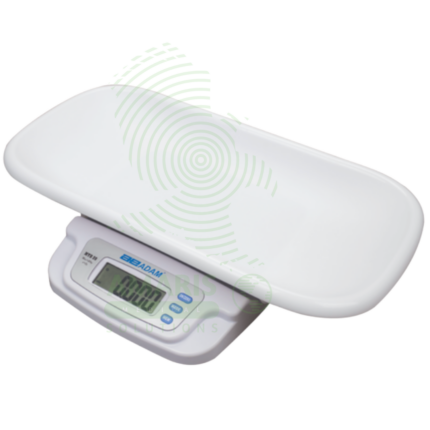
Digital Baby Weighing Scale
A Digital Baby Weighing Scale is a high-precision medical device designed exclusively for the safe and accurate measurement of infant and toddler weight. Featuring a stable, hygienic platform with gram-level precision, it is indispensable in hospitals (especially NICUs), pediatric clinics, and community health settings. Its core functions—such as hold, tare, and zeroing—ensure reliable readings even with a moving child. Accurate weight data is foundational for assessing growth, calculating medication doses, managing nutrition, and detecting early signs of health issues, making this scale a critical tool for safeguarding infant health and development.
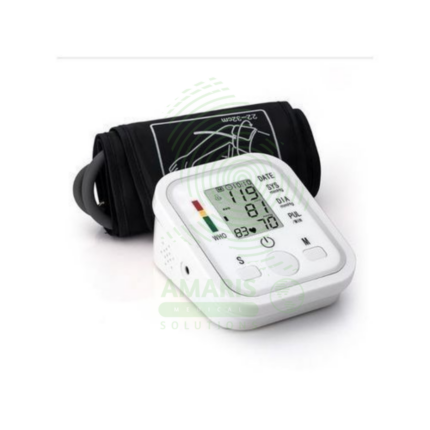
Digital Blood Pressure Monitor
A Digital Blood Pressure Monitor is an automatic electronic device that measures and displays systolic pressure, diastolic pressure, and pulse rate using the oscillometric method. Designed primarily for home and clinical use, it offers a user-friendly alternative to manual aneroid devices, requiring minimal training. Key features often include irregular heartbeat detection, multi-user memory, and connectivity for data tracking. Its accuracy, when clinically validated and used with correct technique, makes it an indispensable tool for the diagnosis and management of hypertension, empowering patients and supporting healthcare providers with reliable ambulatory data.
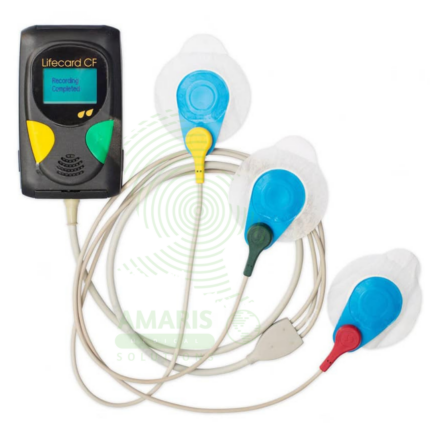
Holter ECG Monitor
A Holter ECG Monitor is a portable, wearable medical device used for continuous, long-term recording of a patient's heart's electrical activity over 24 to 48 hours or more. It is the cornerstone diagnostic tool for detecting intermittent cardiac arrhythmias, evaluating unexplained symptoms like syncope or palpitations, and monitoring the efficacy of antiarrhythmic treatments or implanted cardiac device function. Consisting of a small digital recorder connected to chest electrodes (or an all-in-one adhesive patch), it allows patients to maintain their normal daily routine while capturing a comprehensive electrocardiographic record.
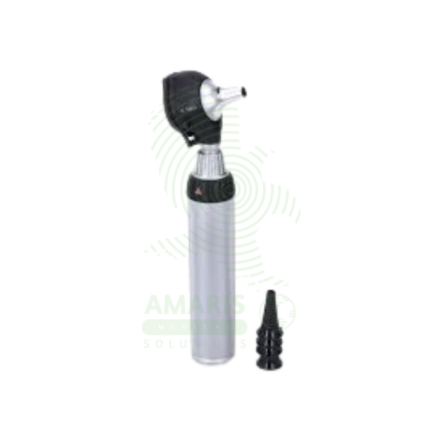
LED Otoscope
An LED Otoscope is a handheld medical device used for illuminating and magnifying the external ear canal and tympanic membrane. Featuring a bright, cool, and long-lasting LED light source, it provides superior visualization for diagnosing common conditions like ear infections, wax impaction, and perforations. Its design, incorporating a reusable handle/head and disposable specula, ensures hygiene and patient safety. As an essential tool in family medicine, pediatrics, and ENT, it enables clinicians to perform accurate otoscopic examinations and, when equipped with an insufflator, crucial pneumatic otoscopy to assess middle ear function.
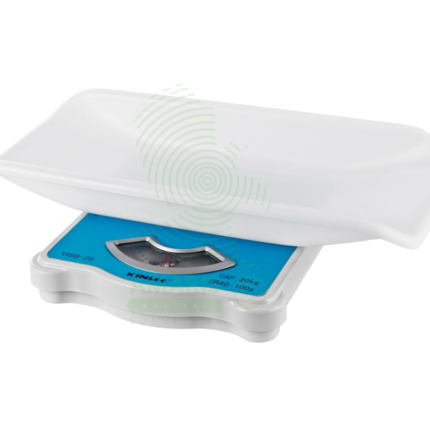
Manual Baby Weighing Scale
A Manual Baby Weighing Scale is a simple, mechanical device used to measure infant weight without the need for electricity or batteries. Operating on a spring or balance principle, it features a suspended sling or seat and a dial display. Its primary advantage is durability and portability for use in community health, outreach programs, and areas with unreliable power. While less precise than digital scales, it provides a reliable and accessible means to monitor growth trends and screen for undernutrition in resource-limited settings, making it a vital tool for basic pediatric care in the field.
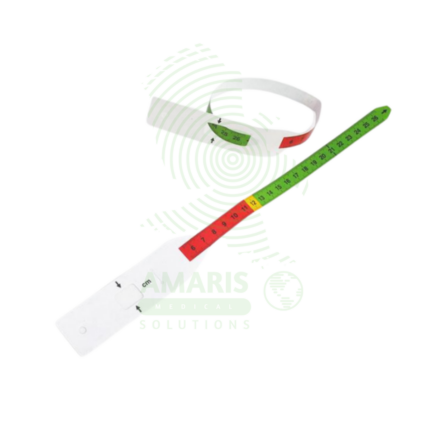
MUAC Tape
A MUAC Tape (Mid-Upper Arm Circumference) is a specialized, color-coded measuring tape used globally as the primary field tool for screening children aged 6-59 months for acute malnutrition. Its simple design—featuring red, yellow, and green zones corresponding to Severe Acute Malnutrition, Moderate Acute Malnutrition, and normal nutritional status—allows for instant, non-invasive assessment without the need for scales, calculation, or literacy. Durable, portable, and inexpensive, it is the cornerstone of community-based nutrition programs, emergency relief efforts, and public health surveillance, enabling early detection and life-saving intervention for malnourished children in even the most resource-constrained settings.
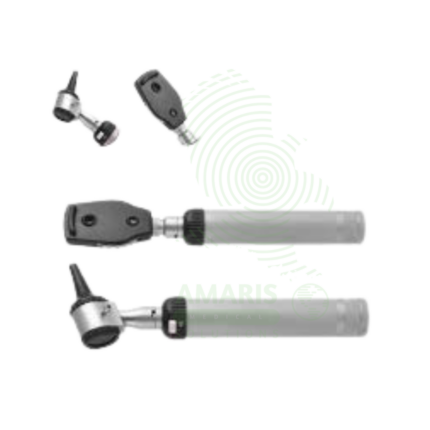
Ophthalmoscope
An Ophthalmoscope is a handheld diagnostic instrument used to examine the interior of the eye, specifically the fundus (retina, optic disc, blood vessels, and macula). By providing illuminated magnification, it serves as a vital screening tool for detecting ocular diseases like glaucoma and retinal disorders, and more importantly, for identifying signs of systemic conditions such as diabetes, hypertension, and increased intracranial pressure. Its operation involves selecting appropriate apertures and compensating lenses to obtain a clear view. While offering a detailed but narrow field of vision, mastery of the direct ophthalmoscope remains a cornerstone skill in general medicine, neurology, and ophthalmology for assessing vascular and neurological health.