Dermatoscope and Magnifiers
 Diagnostic Kits
 Vital Signs Monitors
 Stethoscopes and Accessories
 Otoscopes, Ophthalmoscopes, and Retinoscopes
 Reflex Hammers and Neurological Tools
 Scales and Measuring Devices
 Spirometers and Pulmonary Function Tests
 Electrosurgical Units and Accessories
 Cutting Instruments
 Grasping and Holding Instruments
 Hemostatic Instruments
 Specialized Surgical Sets
 Single-Use Procedure Trays and Packs
 Surgical Drapes, Gowns, and Covers
 Tissue Unifying Instruments
 Radiation Protection
 X-Ray Machines and Accessories
 Ultrasound Systems and Probes
 MRI and CT Scanners
 Radiology Consumables
 Bone Densitometers
 Fluoroscopy Equipment
 Imaging Tables and Positioning Aids
 Microscopes and Accessories
 Centrifuges and Separators
 Analyzers
 Incubators and Ovens
 Pipettes, Dispensers, and Lab Glassware
 Refrigerators, Freezers, and Storage Units
 Lab Consumables
 Sterilizers and Autoclaves for Lab Use
 Multi-Parameter Monitors
 Ventilators and Respiratory Support Devices
 Defibrillators and AEDs
 Infusion Pumps and IV Systems
 Patient Warmers and Cooling Devices
 Central Monitoring Stations
 Accessories
 Anesthesia Machines and Workstations
 Oxygen Concentrators and Delivery Systems
 Nebulizers and Inhalers
 CPAP/BiPAP Machines
 Airway Management
 Anesthesia Masks, Circuits, and Bags
 Humidifiers and Heaters
 Respiratory Therapy Accessories
 First Aid Kits and Cabinets
 Emergency Resuscitation Equipment
 Trauma Supplies
 Emergency Carts and Crash Carts
 Burn Care Products
 Bleeding Control
 Automated External Defibrillators (AEDs)
 Transport and Evacuation
 Wheelchairs and Accessories
 Walkers, Crutches, and Canes
 Prosthetics and Orthotics
 Physical Therapy Equipment
 Transfer Devices
 Bathroom Safety
 Orthopedic Traction and Tables
 Hot/Cold Therapy Packs and Units
 Beds and Mattresses
 Chairs and Stools
 Tables
 Cabinets and Storage
 Privacy Screens & Curtains
 Stands and Racks
 Linens and Textiles
 Lighting
 Autoclaves and Sterilizers
 Ultrasonic Cleaners
 Disinfectant Solutions and Wipes
 Sterilization Pouches, Wraps, and Indicators
 Instrument Trays and Containers
 UV and Ozone Disinfection Devices
 Washer Disinfectors
 Wound Care
 Gloves
 Masks and Respirators
 Catheters and Tubing
 Swabs, Applicators, and Sponges
 Incontinence Products
 Personal Protective Equipment (PPE)
 Dental Chairs and Units
 Handpieces and Burs
 Instruments
 Consumables
 Sterilization for Dental Use
 Orthodontic Supplies
 Endodontic Tools
 Slit Lamps and Tonometers
 Lensometers and Phoropters
 Ophthalmic Surgical Instruments
 Eyewear Frames and Lenses
 Contact Lens Supplies
 Vision Testing Charts and Devices
 Eye Care Consumables
 Laser Systems for Eye Care
 ENT Exam Chairs and Tables
 Endoscopes
 Audiometers and Hearing Tests
 ENT Instruments
 Nasal and Throat Packs
 Hearing Aids and Accessories
 Otology Supplies
 Fetal Dopplers and Monitors
 Delivery Beds and Tables
 Gynecological Instruments
 Neonatal Incubators and Warmers
 Breast Pumps and Accessories
 Contraceptive Devices
 Maternity Supports and Pads
 Neonatal Consumables
 Cystoscopes and Urethroscopes
 Dialysis Machines and Supplies
 Urological Catheters and Bags
 Lithotripters
 Prostate Treatment Devices
 Urinary Incontinence Products
 Kidney Stone Management Tools
 Consumables & Disposables
 EEG and EMG Machines
 Neurosurgical Instruments
 Nerve Stimulators
 Headrests and Positioning Aids
 Lumbar Puncture Kits
 Seizure Monitoring Devices
 Consumables
 Rehabilitation for Neurological Conditions
 ECG Machines and Accessories
 Holter Monitors
 Stress Test Systems
 Pacemakers and Defibrillator Accessories
 Vascular Access Devices
 Cardiac Catheters and Guidewires
 Blood Flow Meters
 Consumables
 Orthopedic Instruments
 Casts, Splints, and Padding
 Joint Replacement Supplies
 Prosthetic Limbs and Components
 Bone Grafts and Substitutes
 Traction Devices
 Orthopedic Braces and Supports
 Rehabilitation Aids for Orthopedics
 Home Oxygen Therapy
 Hospital Beds for Home Use
 Mobility Aids
 Bathroom and Daily Living Aids
 Wound Care for Home
 Monitoring Devices
 Enteral Feeding Pumps and Tubes
 Hand Sanitizers and Dispensers
 Face Shields and Goggles
 Isolation Gowns and Suits
 Biohazard Waste Containers
 Air Purifiers and HEPA Filters
 Surface Disinfectants
 Sharps Containers
 Protective Barriers
 Cardiovascular & Endurance Training
 Strength Training & Weightlifting
 Functional Training & Core Conditioning
 Physical Therapy & Rehabilitation
 Sports & Outdoor Recreation
 Gym Flooring & Facility Equipment
 Fitness Monitoring & Accessories
 Kids & Novelties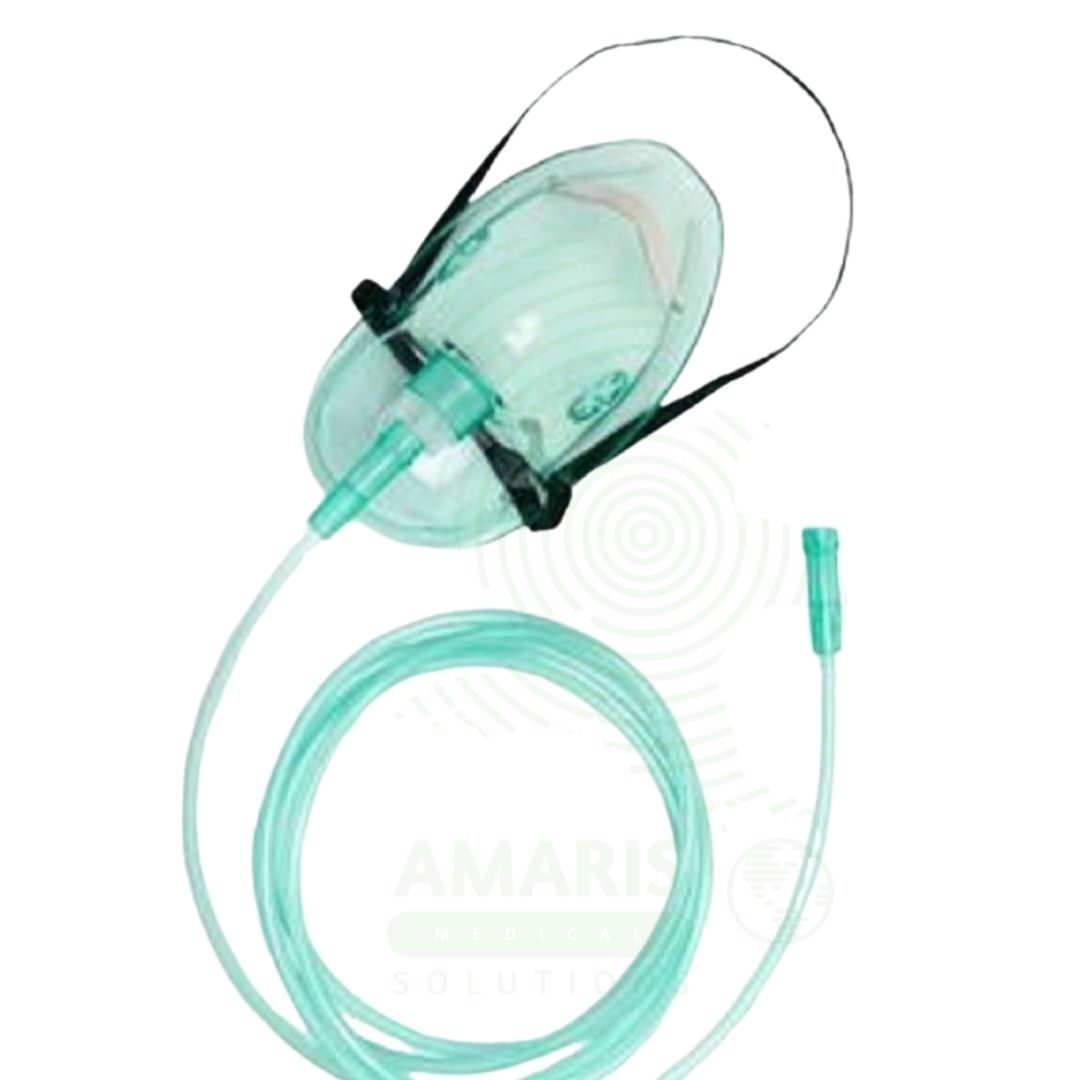
Oxygen Mask (Adult/Infant/Paediatric)
$1.00
WhatsApp Order
An Oxygen Mask is a disposable, single-use interface used to deliver supplemental oxygen from a medical gas supply to a patient’s airways. Available in types for specific clinical needs—Simple Mask for low-flow therapy, Venturi Mask for precise FiO2 control (especially in COPD), and Non-Rebreather Mask for emergency high-flow delivery—and in sizes for adults, children, and infants. Correct selection and application, including ensuring the proper oxygen flow rate for the mask type, are essential for effective therapy and patient safety. Adherence to strict fire safety protocols is non-negotiable due to the combustion risk posed by enriched oxygen environments.
Description
Oxygen Mask (Adult/Infant/Paediatric)
PRIMARY CLINICAL & DIAGNOSTIC USES
1. Oxygen Therapy Administration
-
Primary Use: Delivers a controlled concentration of supplemental oxygen from a medical gas source to a patient’s airways to treat or prevent hypoxemia (low blood oxygen levels).
-
How it helps: For the respiratory therapist, nurse, or emergency provider, the oxygen mask is the most direct interface between the oxygen source and the patient in need. For the patient struggling to breathe with low oxygen saturation, the mask delivers life-sustaining oxygen directly to their airways, raising blood oxygen levels, reducing the work of breathing, and protecting vital organs from the damaging effects of hypoxia.
2. Delivery of Specific Oxygen Concentrations
-
Primary Use: Different mask types are designed to deliver predictable fractions of inspired oxygen (FiO₂), ranging from low-flow, variable-concentration masks to high-flow, fixed-concentration masks.
-
How it helps: For the clinician prescribing oxygen therapy, selecting the right mask means matching oxygen delivery to the patient’s specific needs—from simple masks for general supplementation to Venturi masks for precise FiO₂ control. For the patient, this tailored approach ensures they receive exactly the oxygen concentration their condition requires—enough to correct hypoxemia, but not so much as to risk oxygen toxicity or suppress their drive to breathe.
3. Respiratory Support Across Age Groups
-
Primary Use: Available in anatomically sized configurations for adults, pediatric patients, and infants/neonates to ensure a proper seal and fit, critical for effective oxygen delivery and patient comfort.
-
How it helps: For the healthcare team caring for patients of all ages, having correctly sized masks means oxygen therapy works as intended—a proper seal delivers the prescribed concentration, while a poor fit wastes oxygen and compromises treatment. For the premature infant in the NICU, the child in the pediatric emergency room, or the adult in the ICU, a mask that fits their face comfortably means effective treatment without the agitation and crying that can drive oxygen levels down.
4. Emergency and Routine Care
-
Primary Use: Used in emergency settings for acute hypoxia, as well as in wards, clinics, and home care for chronic respiratory conditions.
-
How it helps: For the paramedic in the ambulance and the nurse on the hospital ward, oxygen masks are ubiquitous, familiar tools ready to deploy whenever a patient’s oxygen drops. For the patient in respiratory distress—whether from a sudden pneumonia, a COPD exacerbation, or chronic home oxygen needs—the mask represents immediate support, delivering the oxygen their body craves until the underlying condition can be treated.
SECONDARY & SUPPORTIVE USES
1. Aerosolized Medication Delivery: For the respiratory therapist, certain mask types can be connected to a nebulizer to deliver bronchodilators concurrently with oxygen. For the patient with both hypoxemia and bronchospasm, this dual delivery means they receive life-sustaining oxygen and airway-opening medication in a single, efficient treatment.
2. Post-Anesthetic Recovery: For the PACU nurse monitoring patients emerging from anesthesia, an oxygen mask ensures adequate oxygenation during the vulnerable period when sedative drugs still depress respiratory drive. For the post-surgical patient waking groggy and disoriented, the mask provides gentle oxygen support, preventing desaturation while they gradually regain full consciousness and control of their breathing.
3. Procedural Sedation: For the physician and nurse performing procedures requiring sedation, an oxygen mask stands ready to support the patient if respiratory depression occurs. For the patient undergoing a scary procedure—whether a fracture reduction, endoscopy, or minor surgery—the nearby mask provides a safety net, ensuring oxygen is immediately available if their breathing slows.
4. Palliative Care: For the hospice team and palliative care specialist, an oxygen mask provides comfort and relief from air hunger in patients with end-stage respiratory or cardiac disease. For the dying patient, the sensation of breathlessness is among the most distressing symptoms they face; a gentle flow of oxygen through a well-fitted mask can ease this suffering, providing comfort and dignity in their final days.
KEY PRODUCT FEATURES
1. BASIC IDENTIFICATION ATTRIBUTES
-
Device Type: A disposable, single-patient-use medical device that covers the patient's nose and mouth to conduct oxygen-enriched air from a supply tube.
-
Designation by Type & Age: Categorized by both design and intended patient size.
-
Core Mask Types & FiO2 Range:
-
Simple Face Mask: Covers nose and mouth. Has open side ports for entrainment of room air. Delivers variable FiO2 (35-55%) at flows of 5-10 L/min. For low-to-moderate oxygen requirements.
-
Venturi Mask: Uses color-coded, interchangeable adapters (Venturi valves) that entrain a precise amount of room air. Delivers a fixed, specific FiO2 (24%, 28%, 31%, 35%, 40%, 60%) regardless of patient's breathing pattern. Critical for COPD patients requiring controlled low-flow oxygen.
-
Non-Rebreather Mask (NRM): Has an attached reservoir bag and one-way valves. Designed to minimize entrainment of room air, delivering the highest possible FiO2 (60-95%+) at flows of 10-15 L/min (keeping the bag inflated). For severe hypoxia and emergency use.
-
Tracheostomy Mask: A small mask that fits over a tracheostomy stoma or tube.
-
Nebulizer Mask: Used specifically to deliver aerosolized medications.
-
2. TECHNICAL & PERFORMANCE PROPERTIES
-
Material: Made of soft, hypoallergenic, latex-free plastic (often PVC or PE) that conforms to the face. The headband is elastic.
-
Oxygen Connector: Standard 22mm/15mm fitting to connect to oxygen tubing.
-
Reservoir Bag Capacity (for NRM): Typically 600ml-1000ml, which must be filled before placing on the patient.
-
Venturi Valve Color Code: Standard international colors (e.g., blue = 24%, white = 28%, etc.) for immediate identification of set FiO2.
3. PHYSICAL & OPERATIONAL PROPERTIES
-
Packaging: Individually packaged, sterile or non-sterile, in clear peel pouches.
-
Sizing: Critical for efficacy. Adult, Pediatric, and Infant sizes are determined by anatomical measurements to ensure a seal without excessive pressure on facial structures, especially in neonates.
-
Disposability: Designed for single-patient use to prevent cross-infection.
4. SAFETY & COMPLIANCE ATTRIBUTES
-
Regulatory Status: Classified as a Class I medical device.
-
Biocompatibility: Materials must be non-toxic and safe for prolonged facial contact.
-
Flammability: Oxygen supports combustion. Masks are not flame-retardant, highlighting the critical danger of smoking or open flames near oxygen therapy.
5. STORAGE & HANDLING ATTRIBUTES
-
Storage: Store in a cool, dry place in original packaging. Protect from crushing.
-
Handling: Use aseptic technique if intended for a sterile field (e.g., in OR). For routine use, clean hands are sufficient.
-
Disposal: Dispose of as general or clinical waste after single use.
6. LABORATORY & CLINICAL APPLICATIONS
-
Primary Application: The most common and fundamental patient interface for oxygen delivery systems across all healthcare settings.
-
Clinical Role: The choice of mask type is a direct clinical decision based on the patient's oxygen requirement, diagnosis (e.g., COPD vs. ARDS), and breathing pattern.
SAFETY HANDLING PRECAUTIONS
1. SAFETY PRECAUTIONS
-
Correct Flow Rate: Must match the mask type. Insufficient flow with a Non-Rebreather Mask leads to deflation of the bag and rebreathing of CO2. Excessive flow with a Simple Mask is wasteful but not dangerous.
-
Venturi Mask Precision: Ensure the correct color-coded valve is used for the prescribed FiO2 and that the oxygen flowmeter is set to the exact L/min flow rate specified on the valve. Incorrect flow invalidates the fixed FiO2.
-
Skin Integrity: Check skin under the mask and elastic strap regularly, especially in neonates, elderly, or sedated patients, to prevent pressure injuries.
-
Claustrophobia & Anxiety: Some patients, especially children, may resist wearing a mask. Alternative interfaces (nasal cannula) may be needed.
-
Oxygen Fire Risk (CRITICAL): Never allow smoking or use of open flames (e.g., candles, lighters) in the vicinity of a patient using oxygen. Post "Oxygen in Use" signs.
2. FIRST AID MEASURES
-
Mask-Related Pressure Injury: If skin breakdown occurs, remove the mask, treat the area with skin care, and switch to an alternate oxygen delivery method (e.g., cannula) or a different mask size/style.
-
Patient Distress/Panic: If the patient becomes severely anxious or claustrophobic, remove the mask, reassure the patient, and consult for an alternative (e.g., nasal cannula, high-flow nasal oxygen).
-
Oxygen-Enhanced Fire: In case of fire, if safe, turn off the oxygen source at the wall or cylinder. Evacuate and extinguish using standard fire protocols.
3. FIRE FIGHTING MEASURES
-
Flammability: Plastic components are combustible. Oxygen dramatically increases the intensity and speed of combustion.
-
Extinguishing Media: In a fire, the priority is to stop the oxygen flow. Use water, CO2, or foam as appropriate for the primary fuel source.
Related products
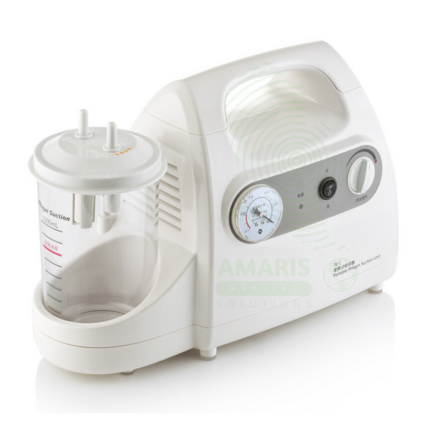
Electric Suction Machine
An Electric Suction Machine is a portable, electrically-powered medical device that generates vacuum pressure to remove fluids and secretions from a patient's airway, surgical site, or wound. It is a critical tool for maintaining a patent airway in emergency, surgical, post-operative, and chronic home care settings. The unit consists of a vacuum pump, a disposable collection canister with overflow protection, connecting tubing, and patient-end accessories. Key performance features include adjustable suction pressure, adequate airflow, and often battery backup for reliability. Strict adherence to pressure settings, suction duration, and single-use disposable components is essential for patient safety and infection control.
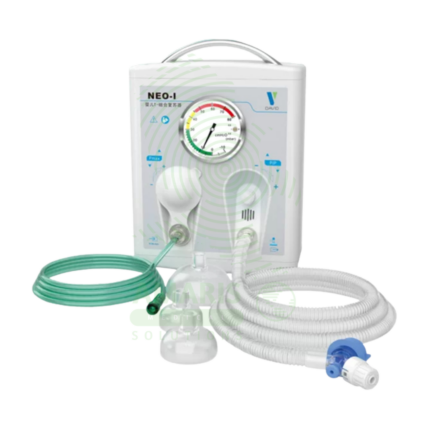
Infant T-Piece Resuscitator
An Infant T-piece Resuscitator is a Class II medical device designed for neonatal resuscitation and controlled positive pressure ventilation, delivering precise, consistent peak inspiratory pressures (PIP) and positive end-expiratory pressure (PEEP) as recommended by Neonatal Resuscitation Program (NRP) guidelines. The T-piece assembly connects to compressed air/oxygen source (5-15 L/min) with adjustable PIP (10-40 cmH₂O) and PEEP (0-10 cmH₂O) controls, built-in pressure manometer, and pressure relief valve (30-40 cmH₂O). Operator occludes port to deliver breaths (typically 40-60/min), with consistent pressures maintained regardless of technique. Essential advantages over bag-valve-mask devices include operator-independent pressure delivery, ability to provide PEEP (critical for preterm lung protection), reduced risk of barotrauma, and hands-free PEEP allowing two-handed mask seal. Primary clinical applications include delivery room resuscitation, stabilization of extremely preterm infants (<1,000 g), CPAP/PEEP delivery, meconium aspiration management, and neonatal transport ventilation. Critical safety considerations include verifying gas supply (5-15 L/min), monitoring manometer pressures, ensuring proper mask seal, observing chest rise, and titrating FiO2 to SpO2 targets. Indispensable resuscitation equipment in every delivery room, NICU, and neonatal transport setting worldwide.
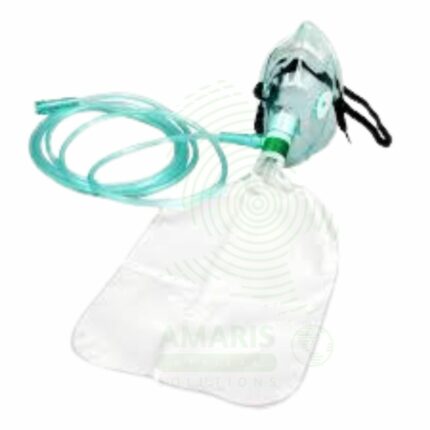
Non-Rebreathing Oxygen Mask
An Non-Rebreathing Oxygen Mask is a high-concentration oxygen delivery device designed for emergency use in critically hypoxic patients. It features a face mask with an attached reservoir bag and a system of one-way valves to prevent the rebreathing of exhaled carbon dioxide, allowing for the delivery of up to 95% FiO2. Its safe operation depends on a minimum oxygen flow of 10-15 L/min to keep the reservoir bag inflated. It is contraindicated where uncontrolled high-flow oxygen may be harmful (e.g., in some COPD patients) and carries a severe fire risk. It is a vital, immediate-intervention tool found in all emergency response settings.
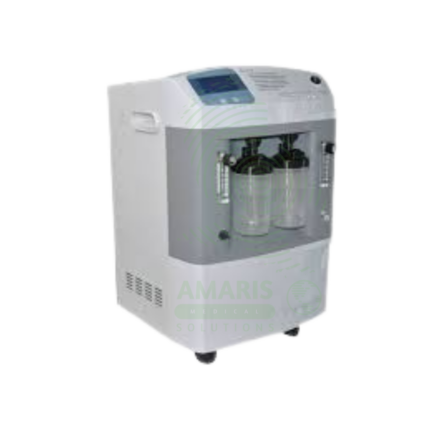
Oxygen Concentrator
An Oxygen Concentrator is a Class II medical device that delivers 90-95% pure supplemental oxygen to patients with chronic hypoxemia using pressure swing adsorption (PSA) technology to concentrate oxygen from room air. Available as stationary/home units (10-30 kg, 0.5-10 L/min continuous flow) for long-term oxygen therapy (LTOT) and portable/ambulatory units (1-10 kg, 0.5-3 L/min pulse-dose or continuous flow) for active patients requiring mobility. Features include oxygen purity monitoring with alarms, digital flow control, hour meters, washable filters, and (for portable units) rechargeable batteries, FAA approval for travel, and pulse-dose delivery to conserve oxygen. Primary clinical indications include COPD, pulmonary fibrosis, cystic fibrosis, and other chronic respiratory conditions with resting, exertional, or nocturnal hypoxemia (PaO2 ≤55 mmHg or SpO2 ≤88%). Essential for home-based oxygen therapy, enabling patients to maintain independence, reduce hospitalizations, and improve quality of life. Critical safety precautions include NO SMOKING in the oxygen environment, keeping away from heat sources and open flames, proper electrical safety, regular filter cleaning, and having backup oxygen for power outages.
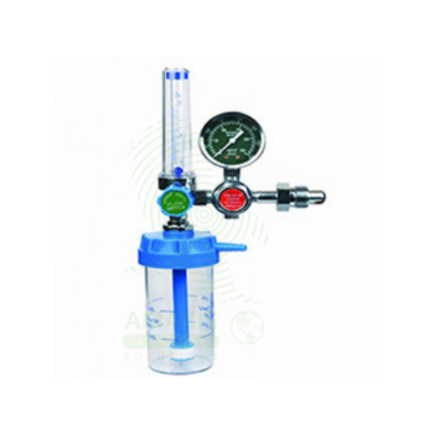
Oxygen Regulator Set
An Oxygen Regulator Set is a critical pressure control device that attaches to a medical oxygen cylinder, reducing its extremely high internal pressure to a safe, usable level and providing precise control over the flow rate delivered to the patient. Consisting of a pin-indexed yoke, high-pressure gauge, adjustable flowmeter, and safety outlet, it is the essential interface for safe oxygen delivery from cylinders in emergencies, during transport, and in home care. Its safe operation hinges on absolute adherence to oil-free handling procedures, correct connection techniques, and regular inspection for leaks or damage to prevent catastrophic oxygen-fuelled fires or equipment failure.
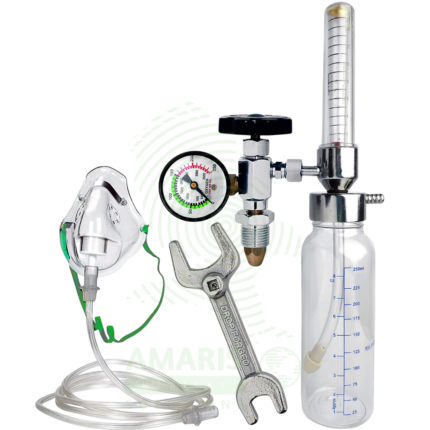
Oxygen set (gauge, humidifier, flow meter)
An Oxygen Set consists of a pressure gauge, flow meter, and humidifier that together regulate, monitor, and humidify oxygen delivered to a patient. The pressure gauge indicates cylinder contents, the flow meter controls delivery rate in liters per minute, and the humidifier adds moisture to dry medical oxygen to prevent airway irritation. Used with wall outlets or portable cylinders, this equipment is essential for all oxygen therapy delivery. Safe operation requires strict adherence to no-oil, no-smoking policies, regular monitoring of water levels and cylinder pressure, and proper orientation of the flow meter for accurate delivery.
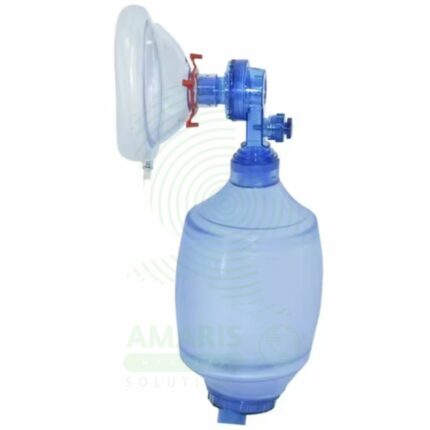
Silicone & PVC Ambubag
A Silicone & PVC Ambubag is a manual, self-inflating resuscitation bag used to provide emergency positive-pressure ventilation to non-breathing or inadequately breathing patients. As the core component of Bag-Valve-Mask (BVM) resuscitation, it is a critical, immediate-response device found in all crash carts and emergency settings. Silicone versions are durable and reusable; PVC versions are cost-effective and disposable. Effective use requires training to achieve a proper mask seal, appropriate ventilation rate and volume, and integration with oxygen supplementation. It is the fundamental tool for airway management and respiratory support prior to securing a definitive airway or accessing a mechanical ventilator.