Dermatoscope and Magnifiers
 Diagnostic Kits
 Vital Signs Monitors
 Stethoscopes and Accessories
 Otoscopes, Ophthalmoscopes, and Retinoscopes
 Reflex Hammers and Neurological Tools
 Scales and Measuring Devices
 Spirometers and Pulmonary Function Tests
 Electrosurgical Units and Accessories
 Cutting Instruments
 Grasping and Holding Instruments
 Hemostatic Instruments
 Specialized Surgical Sets
 Single-Use Procedure Trays and Packs
 Surgical Drapes, Gowns, and Covers
 Tissue Unifying Instruments
 Radiation Protection
 X-Ray Machines and Accessories
 Ultrasound Systems and Probes
 MRI and CT Scanners
 Radiology Consumables
 Bone Densitometers
 Fluoroscopy Equipment
 Imaging Tables and Positioning Aids
 Microscopes and Accessories
 Centrifuges and Separators
 Analyzers
 Incubators and Ovens
 Pipettes, Dispensers, and Lab Glassware
 Refrigerators, Freezers, and Storage Units
 Lab Consumables
 Sterilizers and Autoclaves for Lab Use
 Multi-Parameter Monitors
 Ventilators and Respiratory Support Devices
 Defibrillators and AEDs
 Infusion Pumps and IV Systems
 Patient Warmers and Cooling Devices
 Central Monitoring Stations
 Accessories
 Anesthesia Machines and Workstations
 Oxygen Concentrators and Delivery Systems
 Nebulizers and Inhalers
 CPAP/BiPAP Machines
 Airway Management
 Anesthesia Masks, Circuits, and Bags
 Humidifiers and Heaters
 Respiratory Therapy Accessories
 First Aid Kits and Cabinets
 Emergency Resuscitation Equipment
 Trauma Supplies
 Emergency Carts and Crash Carts
 Burn Care Products
 Bleeding Control
 Automated External Defibrillators (AEDs)
 Transport and Evacuation
 Wheelchairs and Accessories
 Walkers, Crutches, and Canes
 Prosthetics and Orthotics
 Physical Therapy Equipment
 Transfer Devices
 Bathroom Safety
 Orthopedic Traction and Tables
 Hot/Cold Therapy Packs and Units
 Beds and Mattresses
 Chairs and Stools
 Tables
 Cabinets and Storage
 Privacy Screens & Curtains
 Stands and Racks
 Linens and Textiles
 Lighting
 Autoclaves and Sterilizers
 Ultrasonic Cleaners
 Disinfectant Solutions and Wipes
 Sterilization Pouches, Wraps, and Indicators
 Instrument Trays and Containers
 UV and Ozone Disinfection Devices
 Washer Disinfectors
 Wound Care
 Gloves
 Masks and Respirators
 Catheters and Tubing
 Swabs, Applicators, and Sponges
 Incontinence Products
 Personal Protective Equipment (PPE)
 Dental Chairs and Units
 Handpieces and Burs
 Instruments
 Consumables
 Sterilization for Dental Use
 Orthodontic Supplies
 Endodontic Tools
 Slit Lamps and Tonometers
 Lensometers and Phoropters
 Ophthalmic Surgical Instruments
 Eyewear Frames and Lenses
 Contact Lens Supplies
 Vision Testing Charts and Devices
 Eye Care Consumables
 Laser Systems for Eye Care
 ENT Exam Chairs and Tables
 Endoscopes
 Audiometers and Hearing Tests
 ENT Instruments
 Nasal and Throat Packs
 Hearing Aids and Accessories
 Otology Supplies
 Fetal Dopplers and Monitors
 Delivery Beds and Tables
 Gynecological Instruments
 Neonatal Incubators and Warmers
 Breast Pumps and Accessories
 Contraceptive Devices
 Maternity Supports and Pads
 Neonatal Consumables
 Cystoscopes and Urethroscopes
 Dialysis Machines and Supplies
 Urological Catheters and Bags
 Lithotripters
 Prostate Treatment Devices
 Urinary Incontinence Products
 Kidney Stone Management Tools
 Consumables & Disposables
 EEG and EMG Machines
 Neurosurgical Instruments
 Nerve Stimulators
 Headrests and Positioning Aids
 Lumbar Puncture Kits
 Seizure Monitoring Devices
 Consumables
 Rehabilitation for Neurological Conditions
 ECG Machines and Accessories
 Holter Monitors
 Stress Test Systems
 Pacemakers and Defibrillator Accessories
 Vascular Access Devices
 Cardiac Catheters and Guidewires
 Blood Flow Meters
 Consumables
 Orthopedic Instruments
 Casts, Splints, and Padding
 Joint Replacement Supplies
 Prosthetic Limbs and Components
 Bone Grafts and Substitutes
 Traction Devices
 Orthopedic Braces and Supports
 Rehabilitation Aids for Orthopedics
 Home Oxygen Therapy
 Hospital Beds for Home Use
 Mobility Aids
 Bathroom and Daily Living Aids
 Wound Care for Home
 Monitoring Devices
 Enteral Feeding Pumps and Tubes
 Hand Sanitizers and Dispensers
 Face Shields and Goggles
 Isolation Gowns and Suits
 Biohazard Waste Containers
 Air Purifiers and HEPA Filters
 Surface Disinfectants
 Sharps Containers
 Protective Barriers
 Cardiovascular & Endurance Training
 Strength Training & Weightlifting
 Functional Training & Core Conditioning
 Physical Therapy & Rehabilitation
 Sports & Outdoor Recreation
 Gym Flooring & Facility Equipment
 Fitness Monitoring & Accessories
 Kids & Novelties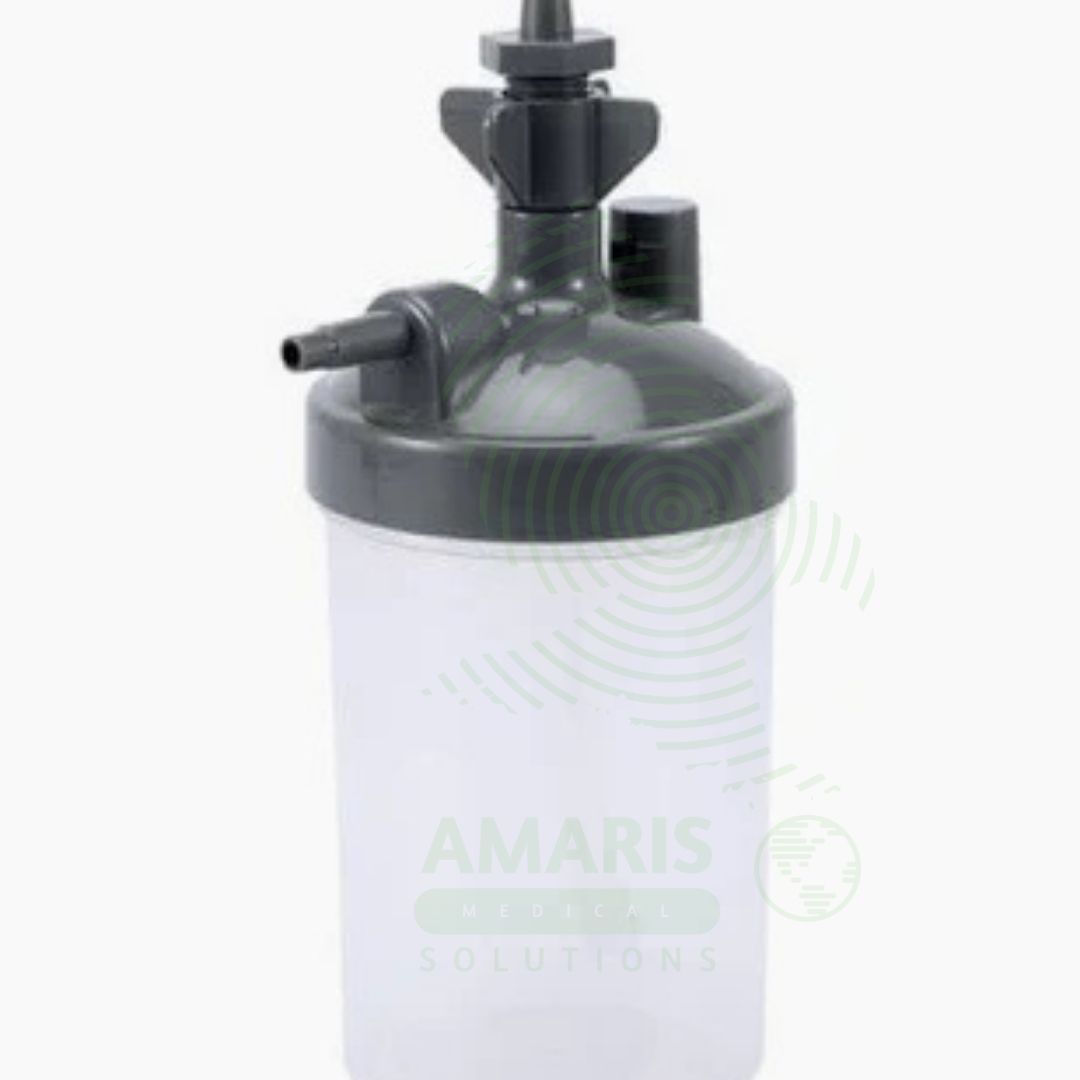

Humidifier Bottle
$1.00
WhatsApp Order
A Humidifier Bottle is a water reservoir device that adds moisture to dry medical oxygen before delivery to the patient. It attaches between the oxygen flow meter and the patient’s oxygen delivery device, bubbling oxygen through sterile water to achieve relative humidity levels of 80-95%. Essential for patients receiving oxygen at flow rates above 4-6 liters per minute, it prevents drying of the nasal mucosa, pharynx, and lower airways, reducing discomfort and maintaining normal mucociliary clearance. Available in disposable sterile and reusable configurations, the bottle requires daily water changes with sterile water and proper positioning below the patient to prevent water carryover. Pressure relief valves protect against over-pressurization.
Description
Humidifier Bottle
PRIMARY CLINICAL & DIAGNOSTIC USES
1. Humidification of Delivered Medical Oxygen
-
Primary Use: Adds moisture to dry medical oxygen before it reaches the patient. Dry oxygen can irritate the nasal mucosa, pharynx, and lower airways, causing discomfort, drying of secretions, and increased risk of mucosal bleeding. The humidifier bottle bubbles oxygen through sterile water, delivering oxygen with enhanced humidity to the patient.
-
How it helps: For the respiratory therapist and nurse managing patients on oxygen therapy, the humidifier bottle prevents the uncomfortable drying of airways that occurs with dry medical oxygen—reducing nasal crusting, preventing throat irritation, and helping to keep pulmonary secretions thin and mobilizable. For the patient breathing oxygen, humidification means the difference between comfortable therapy and the misery of dry, irritated airways that can lead to nosebleeds and thickened secretions.
2. Prevention of Airway Drying and Mucosal Injury
-
Primary Use: Provides essential moisture to prevent drying and injury to respiratory mucosa in patients receiving oxygen at flow rates typically above 4 liters per minute. Dry oxygen can cause mucosal desiccation, leading to inflammation, bleeding, and impaired mucociliary clearance.
-
How it helps: For the clinician managing patients on medium to high-flow oxygen, the humidifier bottle is essential for protecting the integrity of the respiratory tract—preventing the mucosal drying that can lead to epistaxis, pharyngitis, and decreased ability to clear secretions. For the patient, proper humidification means reduced discomfort, fewer complications, and better tolerance of oxygen therapy.
3. Support for Patients with Thick Pulmonary Secretions
-
Primary Use: Humidified oxygen helps maintain the liquidity of pulmonary secretions, making them easier for the patient to mobilize and expectorate. This is particularly important for patients with chronic lung conditions, post-operative patients, and those with impaired cough reflex.
-
How it helps: For the respiratory therapist and pulmonologist managing patients with chronic bronchitis, pneumonia, or post-operative atelectasis, humidified oxygen supports the clearance of thick secretions—preventing mucus plugging and reducing the risk of secondary infection. For the patient, thinner secretions mean easier clearance, less coughing, and reduced risk of complications.
4. Maintenance of Mucociliary Clearance Function
-
Primary Use: Preserves the function of the mucociliary escalator, the respiratory tract’s primary defense mechanism against inhaled particles and pathogens. Adequate humidity is essential for normal ciliary function and mucus transport.
-
How it helps: For the infection preventionist and respiratory therapist, humidification supports the patient’s natural defense mechanisms—maintaining the integrity of the mucociliary clearance system that protects the lower airways from infection. For the patient, preserved mucociliary function means better protection against pneumonia and other respiratory infections during oxygen therapy.
5. Compatibility with Oxygen Delivery Systems
-
Primary Use: Designed to connect between the oxygen source (flow meter/regulator) and the patient’s oxygen delivery device (nasal cannula, mask). The bottle provides a reservoir for sterile water and creates a bubbling action that humidifies the gas stream.
-
How it helps: For the clinician setting up oxygen therapy, the humidifier bottle provides a standardized, easy-to-use interface that integrates seamlessly with existing oxygen delivery systems—allowing for quick setup and consistent performance. For the patient, this integration ensures reliable humidification throughout the duration of therapy.
SECONDARY & SUPPORTIVE USES
1. Nebulizer Therapy Support: Some humidifier bottles can be used with oxygen-powered nebulizers for aerosolized medication delivery, providing humidified gas during treatment.
2. Home Oxygen Therapy: Used with home oxygen concentrators and cylinder systems to provide humidification for patients requiring long-term oxygen therapy at home.
3. Transport and Emergency Use: Portable humidifier bottles are used in ambulances and during patient transport to provide humidified oxygen during emergency and critical care transfers.
4. Pediatric Oxygen Therapy: Humidification is particularly important in pediatric patients who are more susceptible to mucosal drying and airway irritation from dry oxygen.
5. High-Flow Oxygen Delivery: Used with high-flow oxygen systems where flow rates above 4-6 L/min require humidification to prevent airway irritation.
6. Post-Operative Respiratory Care: Provides humidified oxygen for post-surgical patients recovering from anesthesia who are at risk for atelectasis and secretion retention.
KEY PRODUCT FEATURES
1. BASIC IDENTIFICATION ATTRIBUTES
-
Product Type: A disposable or reusable water reservoir designed to add moisture to medical oxygen before delivery to the patient.
-
Designation: Humidifier Bottle, Oxygen Humidifier, Oxygen Humidification Bottle, Bubble Humidifier, Disposable Humidifier.
-
Key Components:
-
Water Reservoir: Clear plastic bottle with graduated volume markings; contains sterile water or distilled water.
-
Inlet Port: Connection from oxygen source (flow meter or regulator); gas enters the bottle and bubbles through water.
-
Outlet Port: Connection to patient oxygen delivery device (nasal cannula, mask); humidified gas exits the bottle.
-
Bubble Tube: Internal tube that directs oxygen to the bottom of the bottle, creating bubbles that travel through water.
-
Pressure Relief Valve: Releases excess pressure to prevent over-pressurization of the system.
-
Hanger/Stand: Integrated hook or base for mounting on IV pole or placing on stable surface.
-
2. TECHNICAL & PERFORMANCE PROPERTIES
-
Water Capacity: Typically 250 mL to 500 mL; graduated markings for monitoring water level.
-
Flow Range: Designed for flow rates from 1 L/min to 15 L/min.
-
Humidification Output: Delivers oxygen with relative humidity typically between 80% and 95% at room temperature.
-
Pressure Rating: Safe operating pressure compatible with oxygen flow meter outputs.
-
Operating Temperature: Designed for use at room temperature; some models include heating elements for warmed humidification.
3. PHYSICAL & OPERATIONAL PROPERTIES
-
Construction: Clear polycarbonate or plastic bottle for visibility; latex-free.
-
Connections: Standard DISS (Diameter Index Safety System) or barbed fittings for oxygen tubing.
-
Mounting: Integrated hanger for IV pole; weighted base for table placement.
-
Graduations: Clear markings for water fill level; fill lines indicate minimum and maximum levels.
-
Sterility: Available in sterile (single-use) and non-sterile (reusable) configurations.
4. SAFETY & COMPLIANCE ATTRIBUTES
-
Regulatory Status: Class I medical device regulated by FDA.
-
Sterility: Single-use bottles are sterile; reusable bottles require sterilization between patients.
-
Pressure Safety: Integrated pressure relief valve prevents over-pressurization of the bottle or patient circuit.
-
Material Safety: Biocompatible materials; latex-free.
5. STORAGE & HANDLING ATTRIBUTES
-
Storage: Store sterile bottles in original packaging in a clean, dry area; protect from damage.
-
Water Change: Change water daily or per facility protocol to prevent bacterial growth.
-
Water Type: Use sterile water for medical humidification; do not use tap water.
-
Cleaning (Reusable): Reusable bottles require thorough cleaning and sterilization between patients; follow manufacturer instructions.
-
Disposal: Single-use bottles disposed of as medical waste after use.
6. LABORATORY & CLINICAL APPLICATIONS
-
Primary Application: Humidification of medical oxygen for patients receiving oxygen therapy in hospitals, clinics, and home care settings.
-
Clinical Role: Essential component of oxygen delivery systems for patients requiring flow rates above 4-6 L/min; prevents airway drying and irritation.
SAFETY HANDLING PRECAUTIONS
1. SAFETY PRECAUTIONS
-
Water Level: Maintain water level between minimum and maximum fill lines; low water reduces humidification; overfilling may cause water carryover to patients.
-
Water Type: Use only sterile water; tap water may contain pathogens and minerals that can damage equipment.
-
Water Change: Change water daily; stagnant water can harbor bacteria.
-
Pressure Relief: Ensure pressure relief valve is functional; blocked valve may cause dangerous pressure buildup.
-
Positioning: Place humidifier below patient level to prevent water from draining into the patient if the bottle is tipped.
-
Tubing Positioning: Ensure tubing is not kinked or compressed; maintain free flow of gas.
-
Single-Use: Do not refill or reuse single-use bottles; designed for one patient only.
-
Inspection: Inspect bottle for cracks or damage before use; cracked bottles may leak or fail under pressure.
2. FIRST AID MEASURES
-
Water Carryover: If water enters patient tubing, disconnect oxygen source, drain tubing, and refill humidifier to proper level; monitor patient for signs of aspiration.
-
Pressure Build-up: If pressure relief valve activates or bottle appears pressurized, disconnect oxygen source immediately; inspect for blockage.
-
Leak: If bottle leaks, replace immediately; dry any spilled water to prevent slips.
3. FIRE FIGHTING MEASURES
-
Flammability: Plastic components are combustible; an oxygen-enriched environment increases fire risk.
-
Extinguishing Media: For oxygen-fed fire, shut off the oxygen source first; then use appropriate extinguisher for surrounding materials.
-
Prevention: Keep oxygen sources away from open flames; no smoking in the area.
Related products
Breath Resuscitation Bag
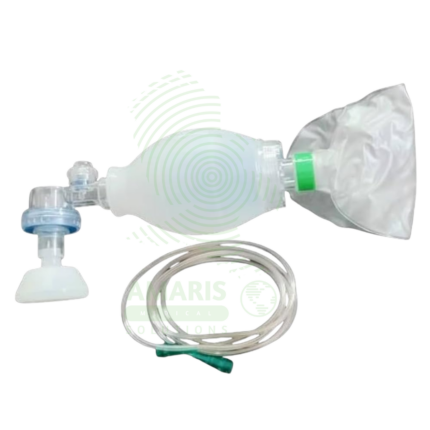
A Breath Resuscitation Bag (manual resuscitator, bag-valve-mask) is a Class II medical device used to deliver positive-pressure ventilation to patients in respiratory arrest, cardiac arrest, or respiratory failure. Available in adult (1,500-2,000 mL), pediatric (450-750 mL), and infant/neonatal (200-350 mL) sizes with self-inflating silicone or PVC bags, one-way non-rebreathing valves, transparent cushioned masks, and oxygen reservoirs for high FiO2 delivery (90-100% with reservoir). Oxygen inlet allows connection to flow meter (10-15 L/min recommended). Pediatric/neonatal models include pressure-limiting valves (35-45 cmH2O) to prevent barotrauma. Essential for CPR (AHA guidelines: adult 10-12 breaths/min, child 12-20, infant 20-30), preoxygenation before intubation, transport ventilation, and recovery from anesthesia. Critical safety considerations include avoiding excessive ventilation pressure (prevents gastric insufflation), maintaining proper mask seal, monitoring chest rise, and having backup equipment readily available. Indispensable emergency airway equipment in hospitals, ambulances, crash carts, and emergency response kits worldwide.
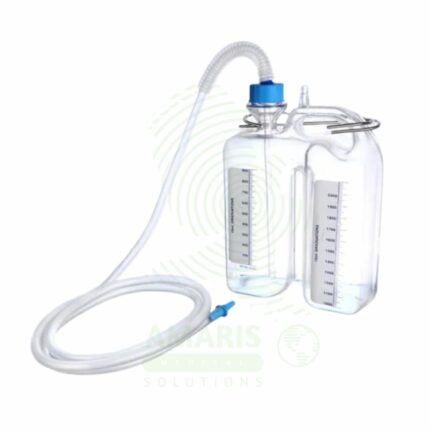
Chest Bottle
A Chest Bottle (Underwater Seal Drainage System) is a three-chamber disposable device used to drain air and fluid from the pleural space via a chest tube. Its critical component is a water seal chamber that acts as a one-way valve, preventing air from re-entering the chest while allowing drainage. It is used to treat pneumothorax, hemothorax, and pleural effusions, and is mandatory post-thoracic surgery. The system must always be kept upright and below the patient's chest level. It provides essential clinical information through tidaling in the water seal (indicating tube patency and lung expansion) and bubbling (indicating an air leak), making it both a therapeutic and diagnostic tool.
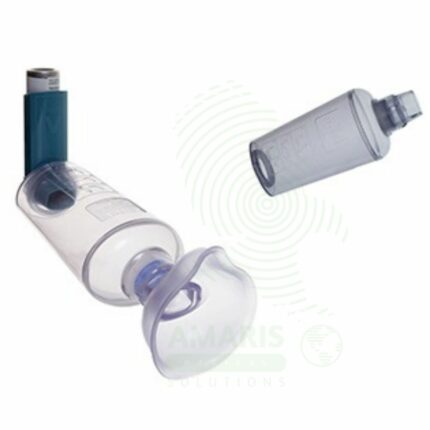
Inhaler Spacer with Child Mask
An Inhaler Spacer with Child Mask is a valved holding chamber designed to optimize aerosol medication delivery from metered-dose inhalers to infants and young children. The spacer captures the medication spray, allowing the child to inhale over multiple breaths, while the soft mask creates a seal over the nose and mouth. This improves pulmonary drug deposition, reduces oropharyngeal side effects, and eliminates the need for complex breath coordination. Essential for pediatric asthma management, the spacer enables effective inhaler use in children as young as infancy, supporting home management of reactive airway disease.
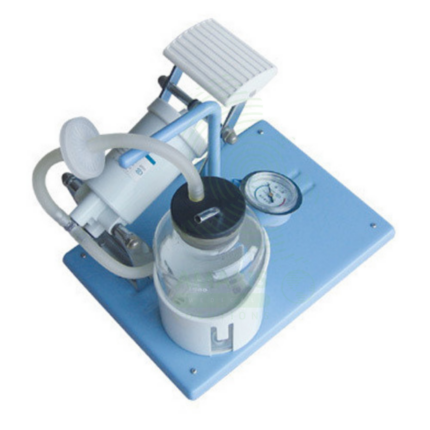
Manual Suction Machine
A Manual Suction Machine is a hand-powered medical device used to generate suction for emergency airway clearance and neonatal resuscitation. Functioning without electricity or batteries, it is the critical suction solution for pre-hospital care, field medicine, low-resource settings, and as a mandatory backup in all clinical environments. It typically consists of a collection canister, a manual pump (squeeze-bulb, lever, or syringe), and disposable patient tubing. While providing intermittent rather than continuous suction, its reliability, portability, and simplicity make it an indispensable first-response tool for removing airway obstructions and saving lives when power is not an option.
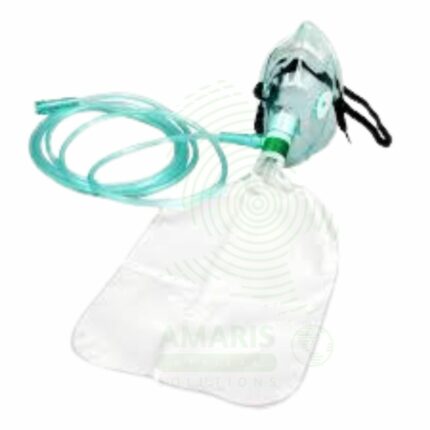
Non-Rebreathing Oxygen Mask
An Non-Rebreathing Oxygen Mask is a high-concentration oxygen delivery device designed for emergency use in critically hypoxic patients. It features a face mask with an attached reservoir bag and a system of one-way valves to prevent the rebreathing of exhaled carbon dioxide, allowing for the delivery of up to 95% FiO2. Its safe operation depends on a minimum oxygen flow of 10-15 L/min to keep the reservoir bag inflated. It is contraindicated where uncontrolled high-flow oxygen may be harmful (e.g., in some COPD patients) and carries a severe fire risk. It is a vital, immediate-intervention tool found in all emergency response settings.
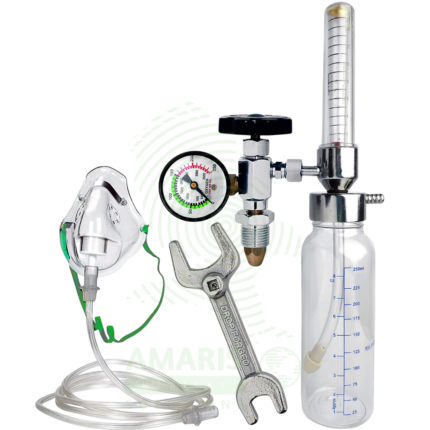
Oxygen set (gauge, humidifier, flow meter)
An Oxygen Set consists of a pressure gauge, flow meter, and humidifier that together regulate, monitor, and humidify oxygen delivered to a patient. The pressure gauge indicates cylinder contents, the flow meter controls delivery rate in liters per minute, and the humidifier adds moisture to dry medical oxygen to prevent airway irritation. Used with wall outlets or portable cylinders, this equipment is essential for all oxygen therapy delivery. Safe operation requires strict adherence to no-oil, no-smoking policies, regular monitoring of water levels and cylinder pressure, and proper orientation of the flow meter for accurate delivery.
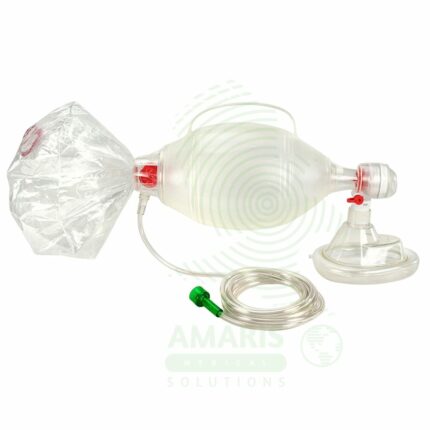
Paediatric & Adult Silicon Ambubags
A Paediatric & Adult Silicon Ambubags are self-inflating manual resuscitators used for positive pressure ventilation in patients with respiratory failure or cardiac arrest. Available in adult, paediatric, and infant sizes, they deliver controlled tidal volumes appropriate for patient age. The durable silicone construction allows for repeated cleaning and autoclaving in reusable models, while the self-inflating design enables operation without an external gas source. Oxygen reservoirs allow delivery of up to 95% FiO₂. Essential equipment in all emergency response settings, the ambubag provides immediate ventilatory support during resuscitation, transport, and airway management procedures.